The best gravel rides in the Massif Central
4.4
(1810)
14,002
riders
1,921
rides
Gravel biking in the Massif Central offers diverse terrain across a vast highland region in south-central France. The landscape is characterized by its volcanic origins, featuring numerous extinct volcanoes, expansive plateaus, and deep river gorges. Riders encounter a mix of quiet paved roads, dirt tracks, forest paths, and rocky sections. This varied environment provides a range of surfaces suitable for gravel cycling.
Best gravel bike trails in the Massif Central
- The most popular gravel bike trail is Ascent to Larzac from Millau, a 29.9 miles (48.2 km) trail that takes 3 hours 56 minutes to complete. This route features a significant climb towards the Larzac plateau.
- Another top favourite among local gravel bikers is Millau, Causse Noir, and Gorges du Tarn Loop, a difficult 47.5 miles (76.4 km) path. This loop traverses varied landscapes, including the Causse Noir plateau and sections near the Gorges du Tarn.
- Local gravel bikers also love the From the Rance Valley to the Rougier Trail, a 26.9 miles (43.3 km) trail leading through the Rance Valley, often completed in about 3 hours 43 minutes.
- Gravel biking in the Massif Central is defined by volcanic peaks, expansive plateaus, and deep river gorges. The network offers options for different ability levels, from moderate paths to more challenging routes.
- The routes in Massif Central are highly rated by the komoot community with an average score of 4.4 stars from over 1,700 reviews. More than 14,800 gravel bikers have used komoot to explore Massif Central's varied terrain.
Last updated: October 10, 2026
4.6
(17)
91
riders
48.2km
03:57
690m
690m
Hard gravel ride. Very good fitness required. Some segments of this route may be unpaved and difficult to ride.
5.0
(2)
25
riders
76.4km
06:24
1,270m
1,270m
Hard gravel ride. Very good fitness required. Mostly paved surfaces. Suitable for all skill levels.

4.0
(3)
20
riders
43.3km
03:44
640m
640m
Hard gravel ride. Very good fitness required. Some segments of this route may be unpaved and difficult to ride.
4.9
(14)
105
riders
66.4km
04:43
1,240m
1,240m
Hard gravel ride. Very good fitness required. Mostly paved surfaces. Suitable for all skill levels.
4.8
(13)
119
riders
72.0km
05:15
1,440m
1,440m
Hard gravel ride. Very good fitness required. Mostly paved surfaces. Suitable for all skill levels.
4.9
(12)
127
riders
49.3km
03:25
850m
850m
Hard gravel ride. Very good fitness required. Mostly paved surfaces. Suitable for all skill levels.
4.4
(23)
218
riders
61.5km
03:10
420m
420m
Moderate gravel ride. Good fitness required. Mostly paved surfaces. Suitable for all skill levels.
5.0
(3)
244
riders
99.9km
06:58
1,540m
1,540m
Hard gravel ride. Very good fitness required. Mostly paved surfaces. Suitable for all skill levels.
4.6
(12)
115
riders
34.3km
02:31
350m
350m
Moderate gravel ride. Good fitness required. Mostly paved surfaces. Suitable for all skill levels.
4.5
(19)
208
riders
79.2km
04:15
790m
790m
Hard gravel ride. Very good fitness required. Mostly paved surfaces. Suitable for all skill levels.
Get access to more routes and recommendations from other explorers.
Already have an account?
Our route recommendations are based on thousands of hikes, rides, and runs completed by other people on komoot.
Start today with a free account
Your next adventure awaits.
Popular around Massif Central
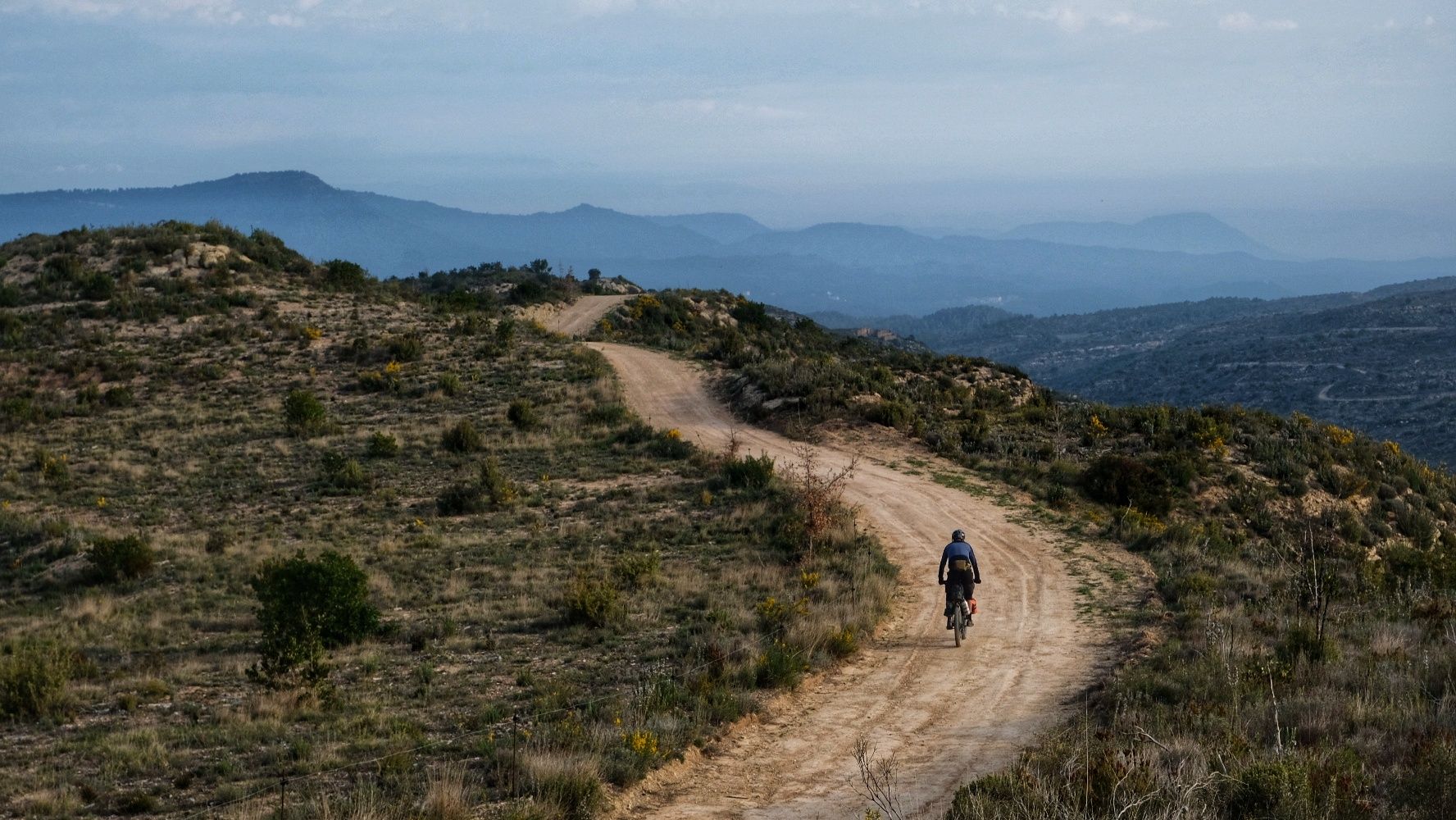
European Divide Trail — 7,600 km across the continent
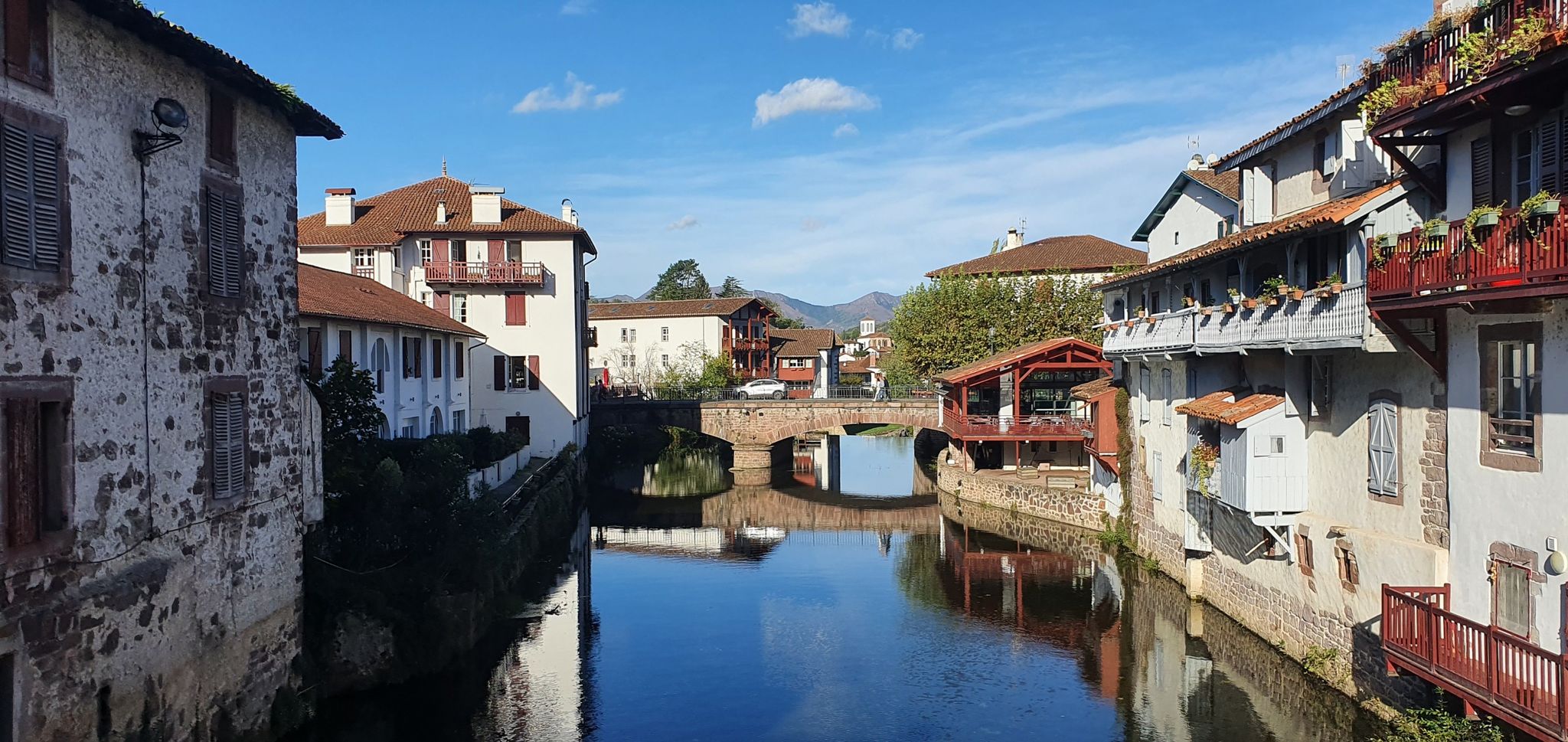
GR 65 Way of Saint James of Compostela — Via Gebennensis and Via Podiensis
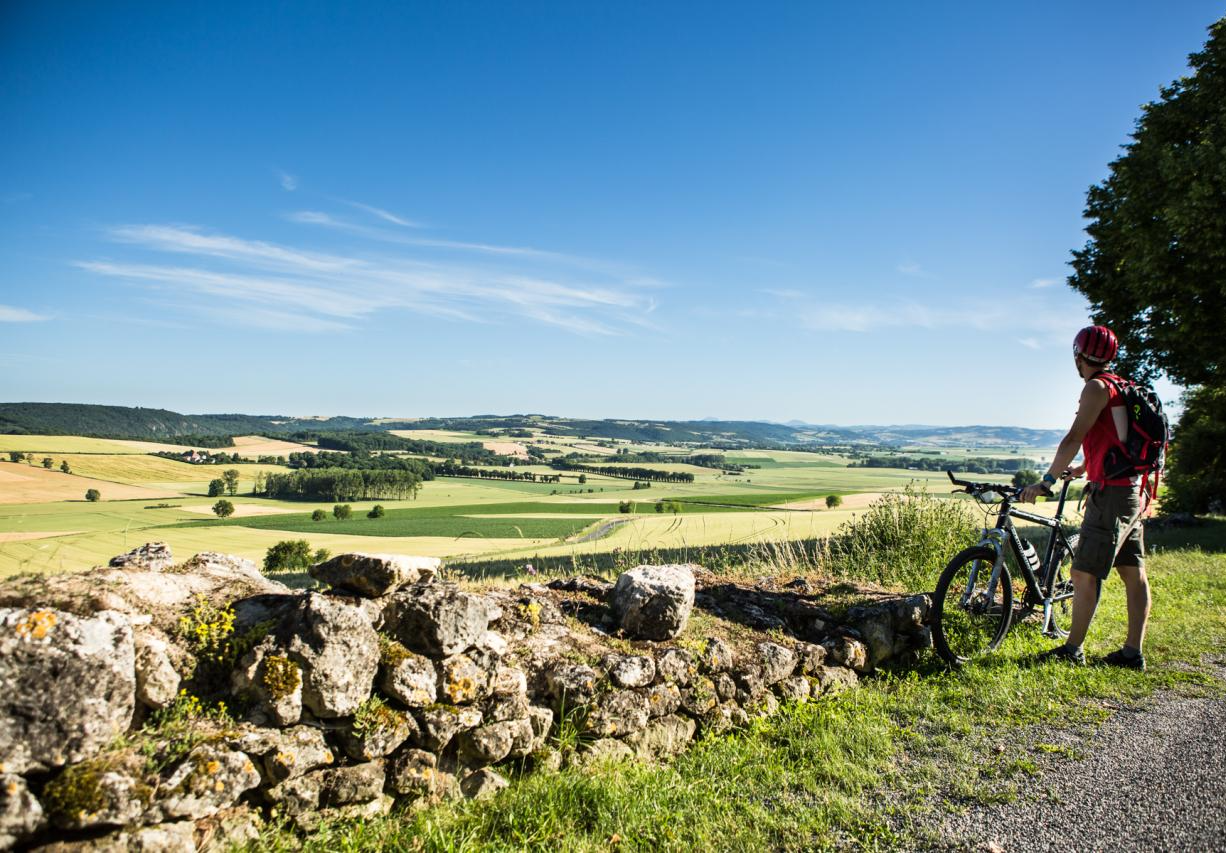
The Grande traversée du Massif Central by gravel bike
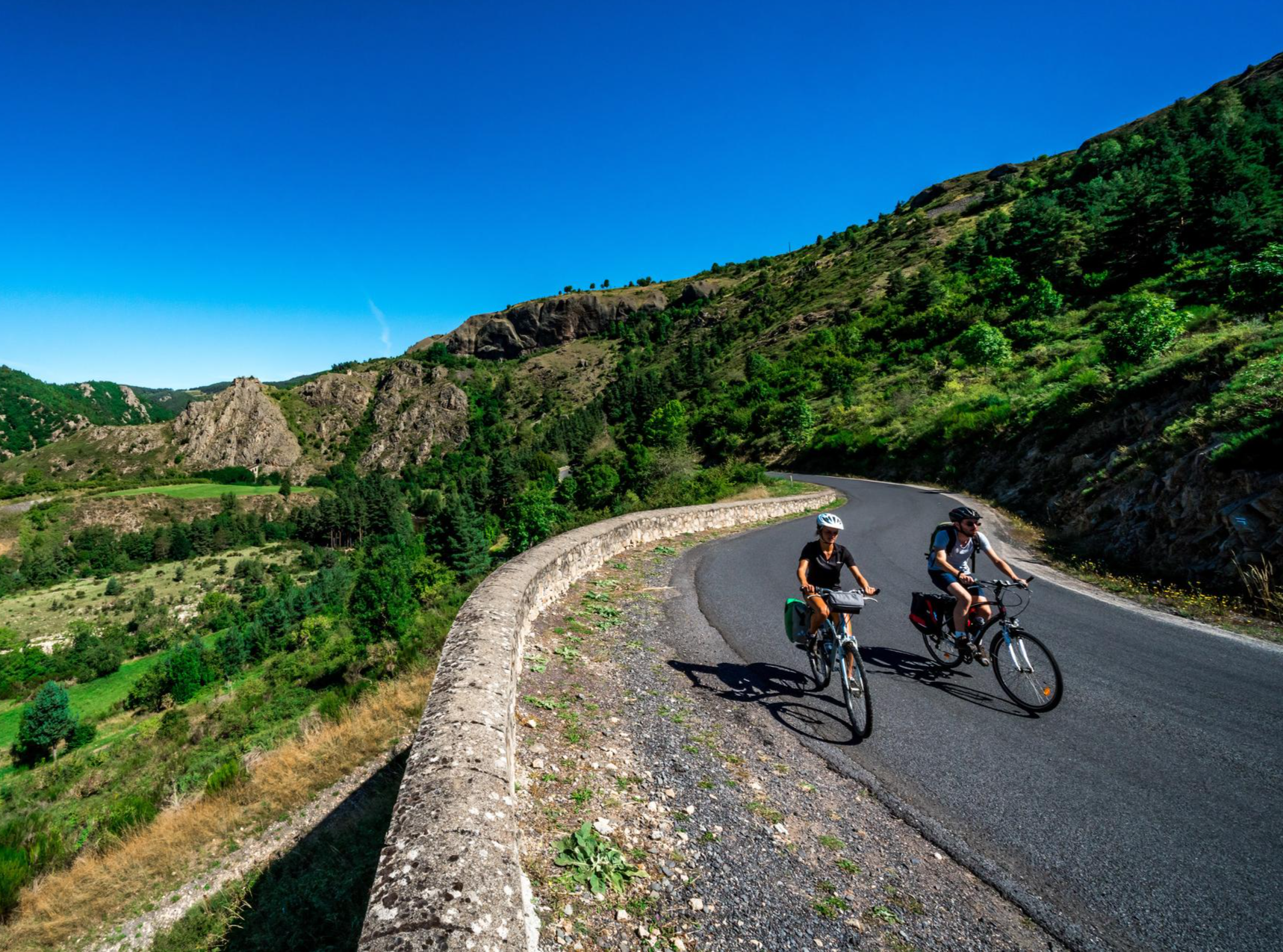
Via Allier – The Auvergne cycle route
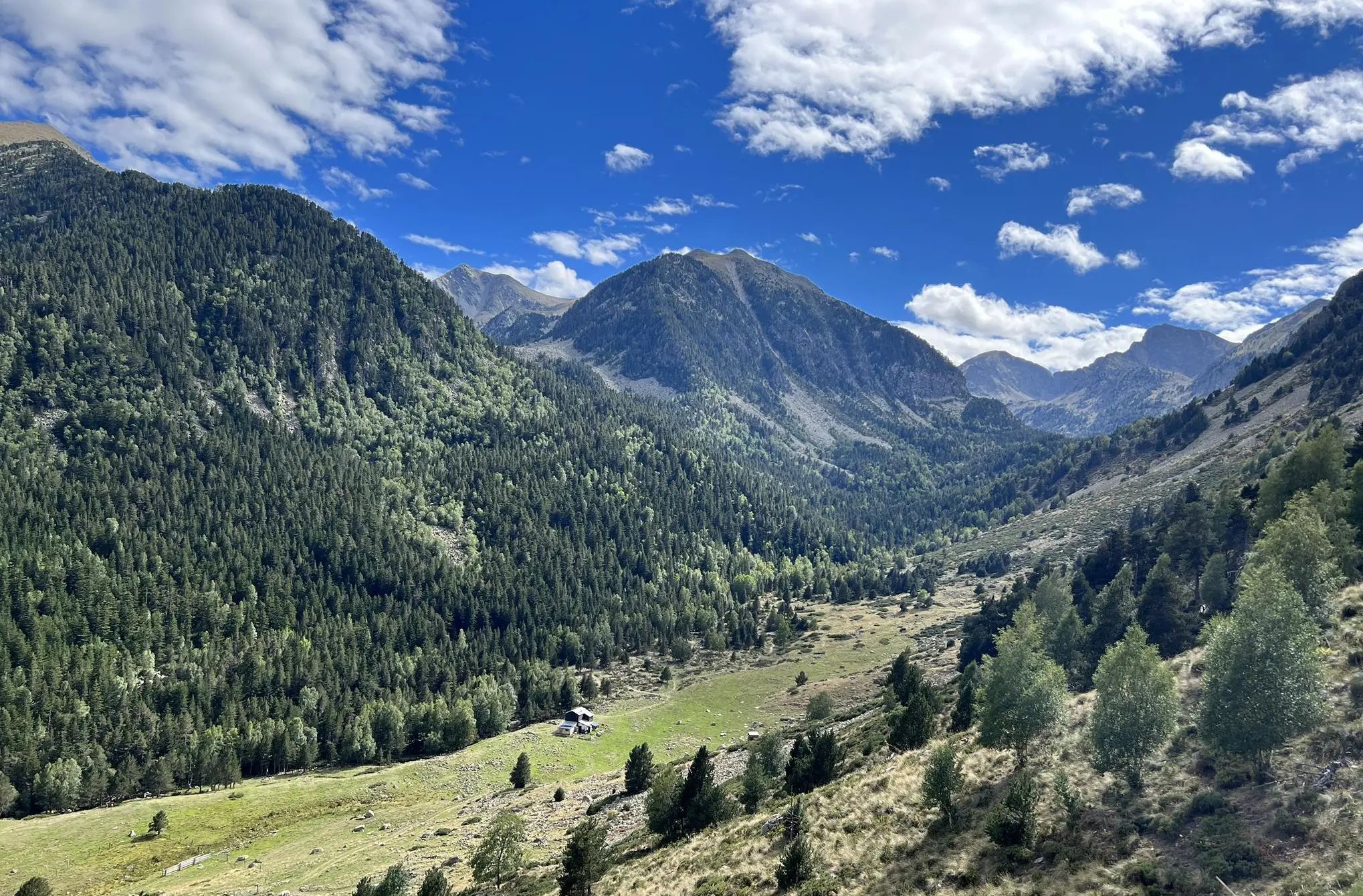
GR 36 long-distance footpath – Cross France from the Channel to the Pyrenees
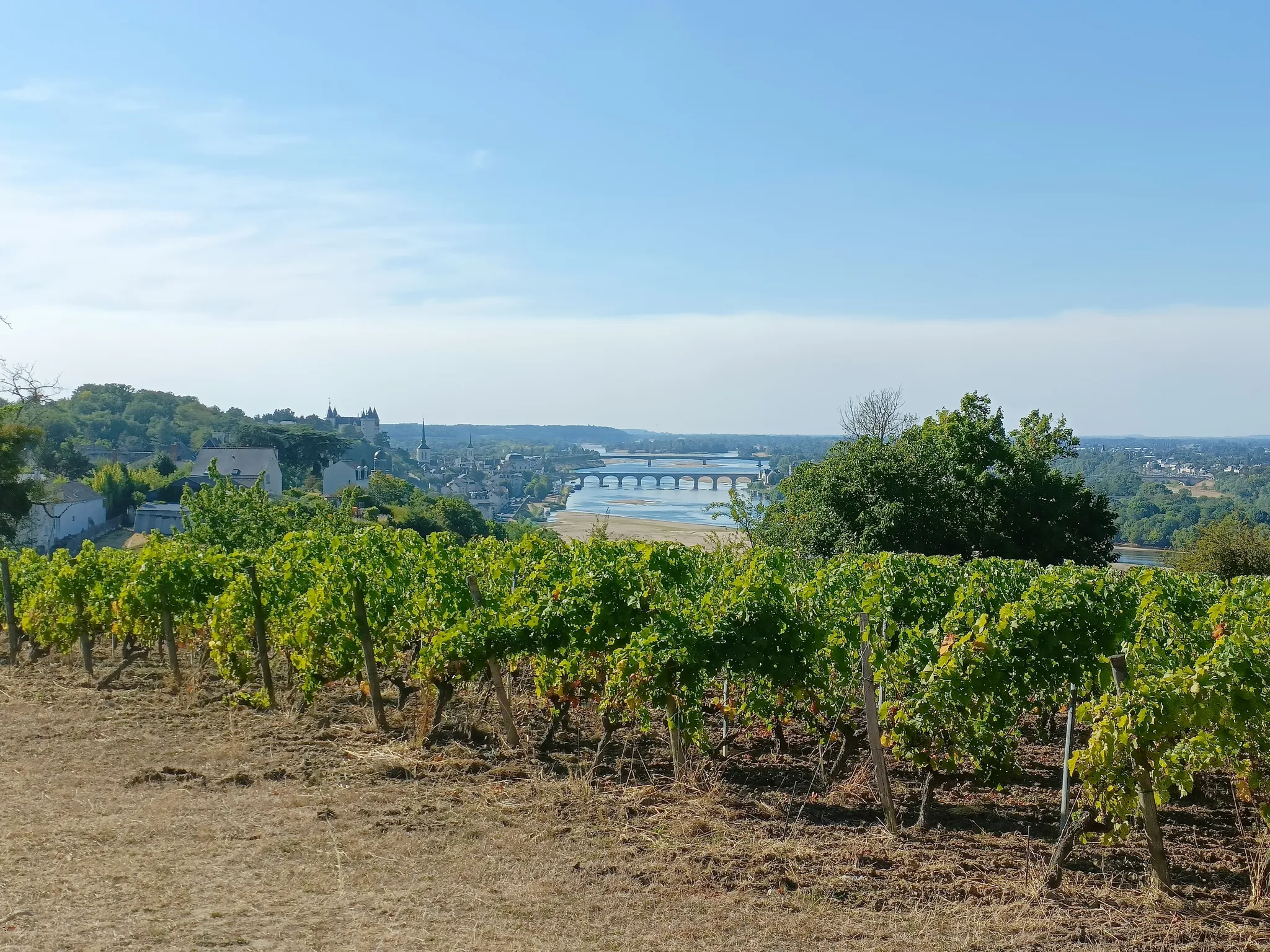
GR3 from the ocean to its source – The Loire, a wild European river
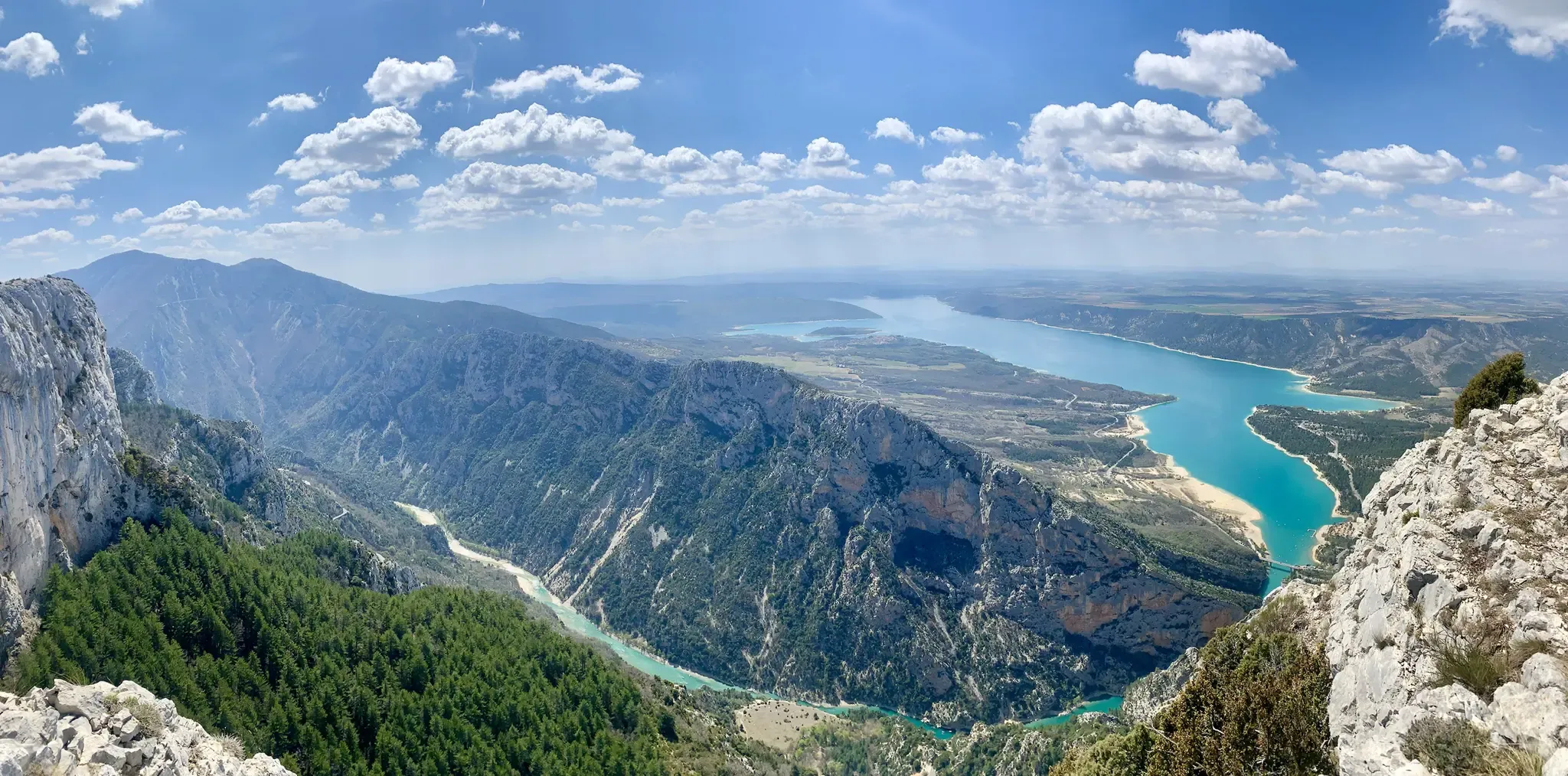
GR 4 – Crossing the south of France from Atlantic Coast to Provence
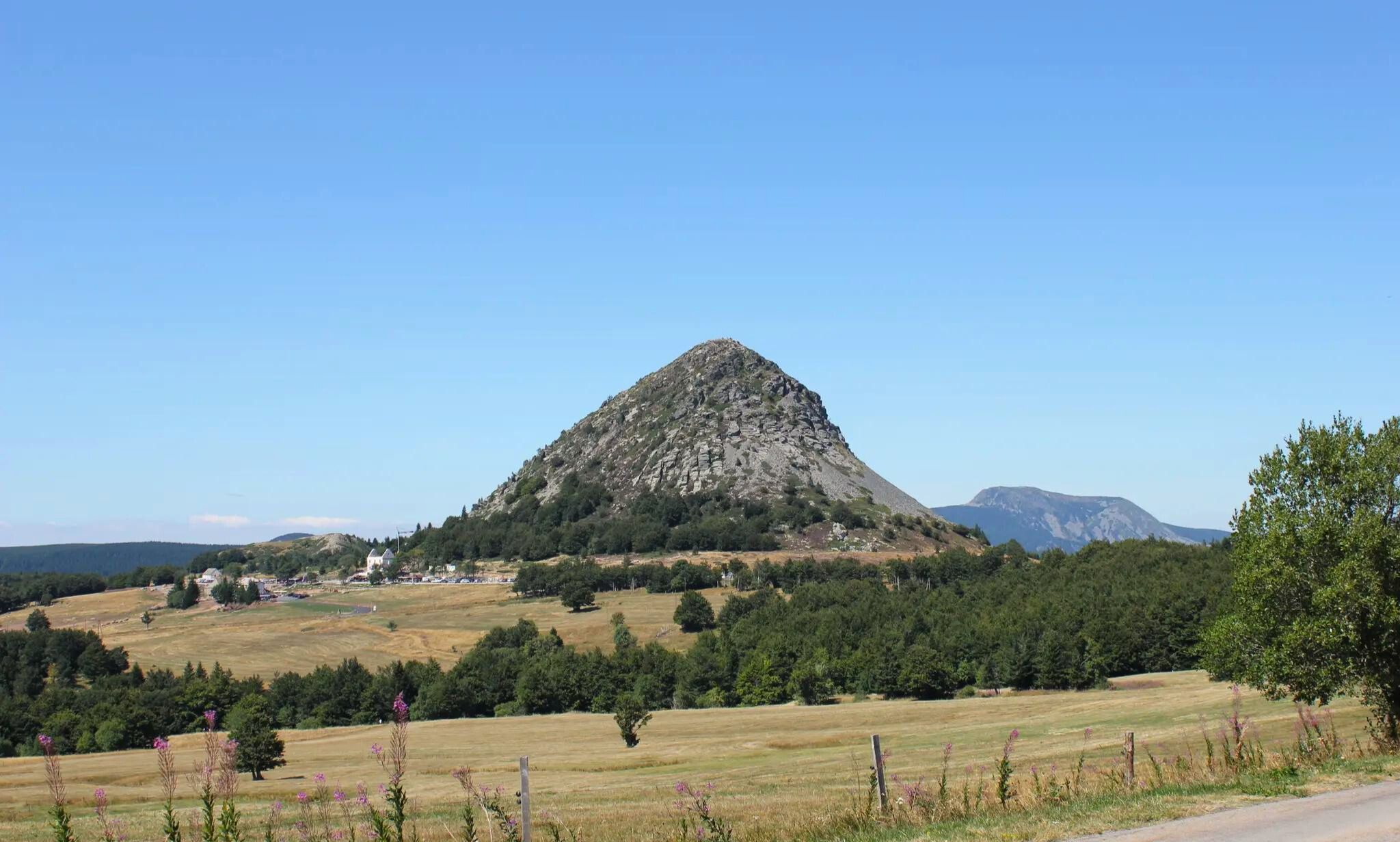
GR 3 between Puy-en-Velay and Gerbier de Jonc – The Loire from ocean to the source
Hexatrek – The Cévennes to the Pyrenees between gorges and limestone plateau
Tour of Aveyron — The mountains and valleys of Roquefort and Aligot
Other adventures in the Massif Central


Tips from the Community

Largely practicable for families. If you haven't been on a bike for at least 5 years, prefer an electric bike. You will find dry toilets along the route and a few rare shelters in case of rain.
0
0

In the heart of Creissels, the Pesquié basin forms a surprisingly vast body of water (1,000 m²) compared to the modest stream that feeds it. Its name, which comes from Occitan and means "fish pond", recalls the ancient purpose of the place, linked to fish farming. The town hall now occupies the premises of a former fish farm. The basin is fed by the Creissels waterfall, a typical resurgence of the karst functioning of the Larzac: the water infiltrated into the limestones of the plateau reappears after an underground journey. In September 2023, the municipality dredged the basin and created a spawning ground for brown trout (Salmo trutta). The restoration has borne fruit, as trout have since recolonized the body of water, alongside amphibians and other aquatic organisms that find refuge in the surrounding wetland.
2
0
This place is the starting point of the Voie Verte which runs along the Tarn and leads to Creissels. You can discover the troglodytic village of Peyre in particular, a very pleasant forest section which, in places, forms a real green tunnel. Further on, you can enjoy a magnificent view of the Millau Viaduct.
2
0
From the Larzac plateau, the Brunas site offers a vast panorama of the Millau valley. Stretched between the two banks of the Tarn, the viaduct with its seven concrete piers appears in its entirety. Behind it unfolds the entire causse Rouge, a large limestone plateau whose undulations dominate the valley. Then, the Puech d’Andan is distinguished by its wooded silhouette, cut in two by a clear central notch. Further to the right stands the Pouncho d'Agast, a pyramidal promontory marking the beginning of the causse Noir at an altitude of 841 m. Brunas is also a true site for free flight. The take-off area is located directly on the plateau; the site is mainly used with a north wind and allows paragliders to take off and then land in the vicinity of the same sector, with approximately 370 m of elevation difference down to the valley. The spectacle of the sails evolving in front of the viaduct adds a particular dimension to this panorama.
2
0
Perché at an altitude of approximately 730 meters, the Cap de Coste viewpoint overlooks the eastern end of the Boundoulaou cirque. It reveals a vast panorama of the Millau basin and its surrounding massifs. To the left, the easily recognizable Millau Viaduct spans the Tarn valley, connecting the Larzac to the Causse Rouge. Further to the right stretches the latter: a large limestone plateau whose undulations dominate the valley. Then, the Puech d’Andan stands out with its wooded silhouette, cut in two by a clear central notch. Finally, further away, the Pouncho d’Agast, an emblematic relief of the Causse Noir, is easily recognized by its profile like a true limestone pyramid.
2
0
From this point at the foot of the structure, the regular succession of piers and guyed pylons can be particularly well distinguished. The deck, 2,460 m long, crosses the valley at a height of approximately 270 m above the Tarn. Pier P2, the tallest, culminates at 245 m, while the assembly formed by the pier and its pylon reaches 343 m: a height greater than that of the Eiffel Tower. This perspective also recalls the technical feat that the construction of the viaduct represented. The metal deck was assembled in sections from either side of the valley, then progressively launched across the void. The joining of the two parts was carried out on May 28, 2004, 268 m above the Tarn, before the official inauguration a few months later. An interesting detail can be discerned here: despite its exceptional dimensions, the structure appears remarkably light. This impression is not accidental. The viaduct was specifically designed to blend into the valley by limiting the visual impact of its structure, with a very slender deck and piers that branch out in a "Y" shape.
2
0
From the greenway, the Millau Viaduct is revealed from a particularly spectacular angle! One becomes aware of the extraordinary dimensions of the structure. Built between 2001 and 2004, the viaduct crosses the Tarn valley over 2,460 m and connects the Causse Rouge to the north with the Causse du Larzac to the south. Its metal deck, approximately 32 m wide, rests on seven concrete piers extended by seven cable-stayed pylons. At its highest point, the entire structure reaches 343 m above the ground; the deck is up to about 270 m above the Tarn. Designed by engineer Michel Virlogeux and British architect Sir Norman Foster, the viaduct combines a very slender metal structure with piers whose "Y" shape helps to visually lighten the whole. The deck was manufactured in metal elements and then gradually launched from both ends of the valley. The joining of the two parts was finally carried out on May 28, 2004, at 268 m above the Tarn.
2
0

Absolutely worth seeing - view it from below and definitely join the architecture tour.
0
0
Frequently Asked Questions
How many gravel bike trails are available in the Massif Central?
The Massif Central offers a vast network for gravel biking, with over 2,100 routes available on komoot. This includes a wide range of options, from easier paths to more challenging, long-distance adventures.
What kind of terrain will I encounter on gravel bike trails in the Massif Central?
You'll experience highly diverse terrain due to the region's volcanic origins. Expect a mix of quiet paved roads, dirt tracks, forest paths, and rocky sections. The landscape features extinct volcanoes, expansive plateaus like the Aubrac and Grands Causses, and deep river gorges such as the Gorges du Tarn.
Are there gravel routes suitable for beginners in the Massif Central?
Yes, the Massif Central has options for all skill levels. While many routes are challenging, there are nearly 50 easy and almost 700 moderate gravel tours available. These routes often feature less elevation gain and smoother surfaces, making them ideal for those new to gravel biking or looking for a more relaxed ride.
What kind of challenges can experienced gravel bikers expect in the Massif Central?
Experienced riders will find plenty of demanding routes, with over 1,400 difficult tours available. These often involve significant elevation changes, technical sections, and varied surfaces across volcanic peaks and deep valleys. Routes like the La Roque-Sainte-Marguerite – Sainte-Marguerite's Rocks loop from Millau, with over 1,700 meters of ascent, offer substantial challenges.
Can I find natural attractions like waterfalls or mountain passes along gravel routes?
Absolutely. The Massif Central is rich in natural beauty. You can incorporate stunning features like the Grande Cascade of Mont-Dore or the dramatic Pas de Peyrol Pass into your rides. Many routes traverse areas with picturesque lakes, forests, and volcanic landscapes.
When is the best time of year for gravel biking in the Massif Central?
The best time for gravel biking is typically from spring to autumn. Spring offers lush greenery and pleasant temperatures, while autumn provides vibrant foliage. Summer can be warm, especially in lower elevations, but higher areas remain cooler. Winter often brings snow to the higher volcanic regions, making many trails inaccessible or requiring specialized gear.
Are there any long-distance gravel routes in the Massif Central?
Yes, the Massif Central is home to the Grande Traversée du Massif Central (GTMC) Gravel, an iconic long-distance route. This dedicated gravel-friendly version spans 1,430 km, traversing five natural parks and featuring approximately 30,000 meters of vertical ascent, offering a truly epic adventure.
Are there circular gravel routes available in the Massif Central?
Many gravel routes in the Massif Central are designed as loops, allowing you to start and finish at the same point. For example, the challenging Millau, Causse Noir, and Gorges du Tarn Loop offers a comprehensive tour of varied landscapes, including the Causse Noir plateau and sections near the Gorges du Tarn.
What do other gravel bikers enjoy the most about gravel biking in the Massif Central?
The komoot community highly rates the Massif Central, with an average score of 4.4 stars from over 1,700 reviews. Riders frequently praise the region's diverse and dramatic landscapes, the extensive network of trails that cater to various skill levels, and the sense of adventure found among its volcanic peaks, plateaus, and gorges.
Are there specific routes that offer great viewpoints?
Yes, the Massif Central is known for its panoramic vistas. Routes like the Viewpoint on the Dolce Via – Viaduc de Chabranç loop from Saint-Agrève or the Brunas Viewpoint – Cap de Coste Viewpoint loop from La Cavalerie are designed to showcase breathtaking views across the varied landscapes.
Can I find gravel routes that pass through charming villages or historical sites?
Many routes in the Massif Central will lead you through or near picturesque villages and historical sites. The region is dotted with charming places like Sainte-Enimie in the Tarn Gorges and historic cities such as Le Puy-en-Velay, offering opportunities to explore cultural heritage alongside your ride.
Are there any routes that explore the volcanic landscapes of the Massif Central?
The Massif Central is defined by its volcanic origins, so many routes will immerse you in these unique landscapes. The Chaîne des Puys, a UNESCO World Heritage site, is particularly notable for its around 80 extinct volcanoes. While specific routes vary, you'll often find yourself riding through areas shaped by ancient volcanic activity, offering dramatic scenery.
Most popular routes in the Massif Central
Most popular attractions in the Massif Central

Get inspired with the komoot mobile app


Explore more
Browse the best Gravel rides in other regions.
