Top 20 Castles around Nebra (Unstrut)
Best castles around Nebra (Unstrut) are situated in the Unstrut valley, a region characterized by its historical significance and natural landscape. The area features medieval hilltop castles and well-preserved complexes, offering insights into centuries of history. Located high above the Unstrut river, these sites provide views of the surrounding valley and its vineyards. The region's cultural landscape includes both ruins and inhabited castles.
Best castles around Nebra (Unstrut)
- The most popular castles is View of Wendelstein Castle, a viewpoint…
Last updated: June 22, 2026
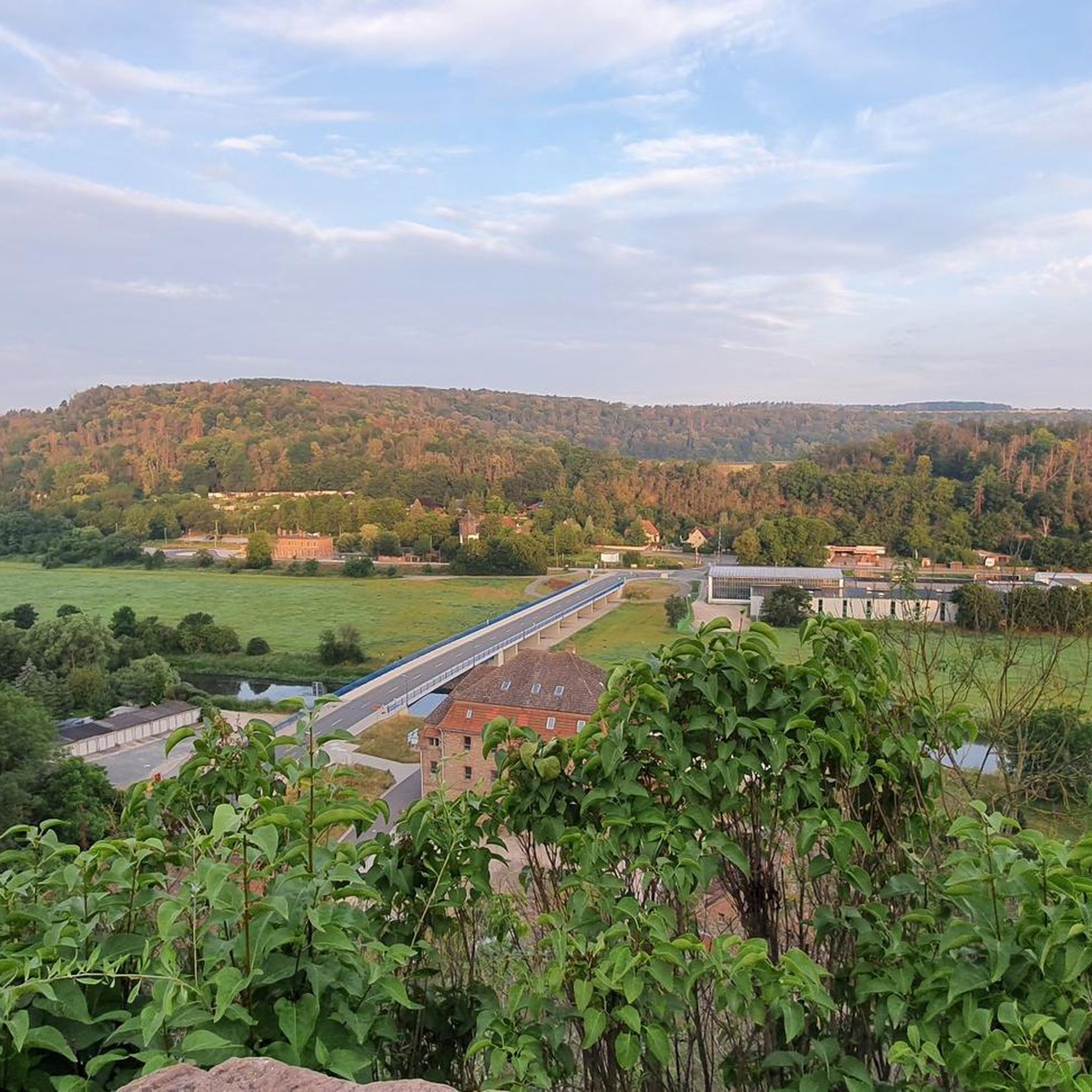
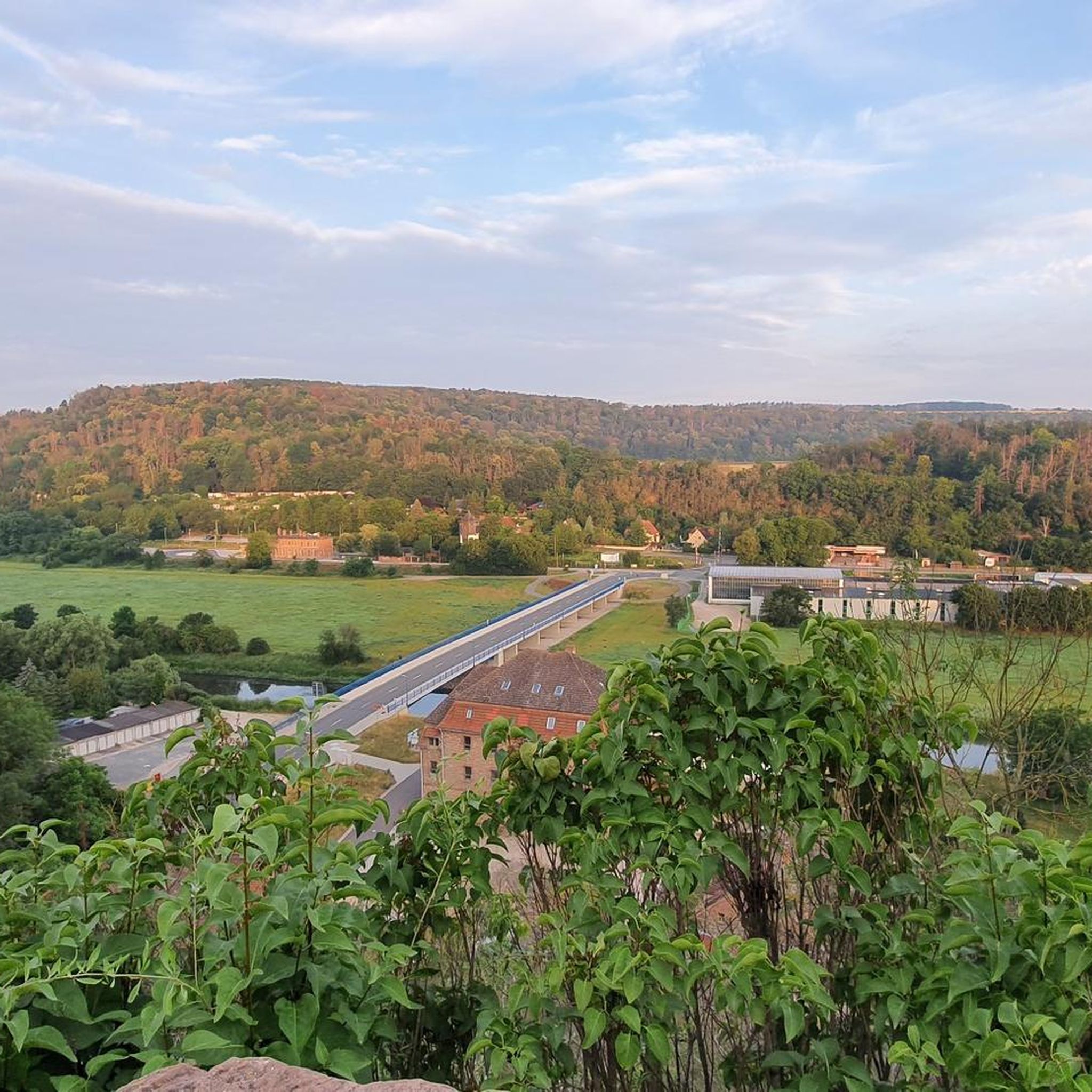
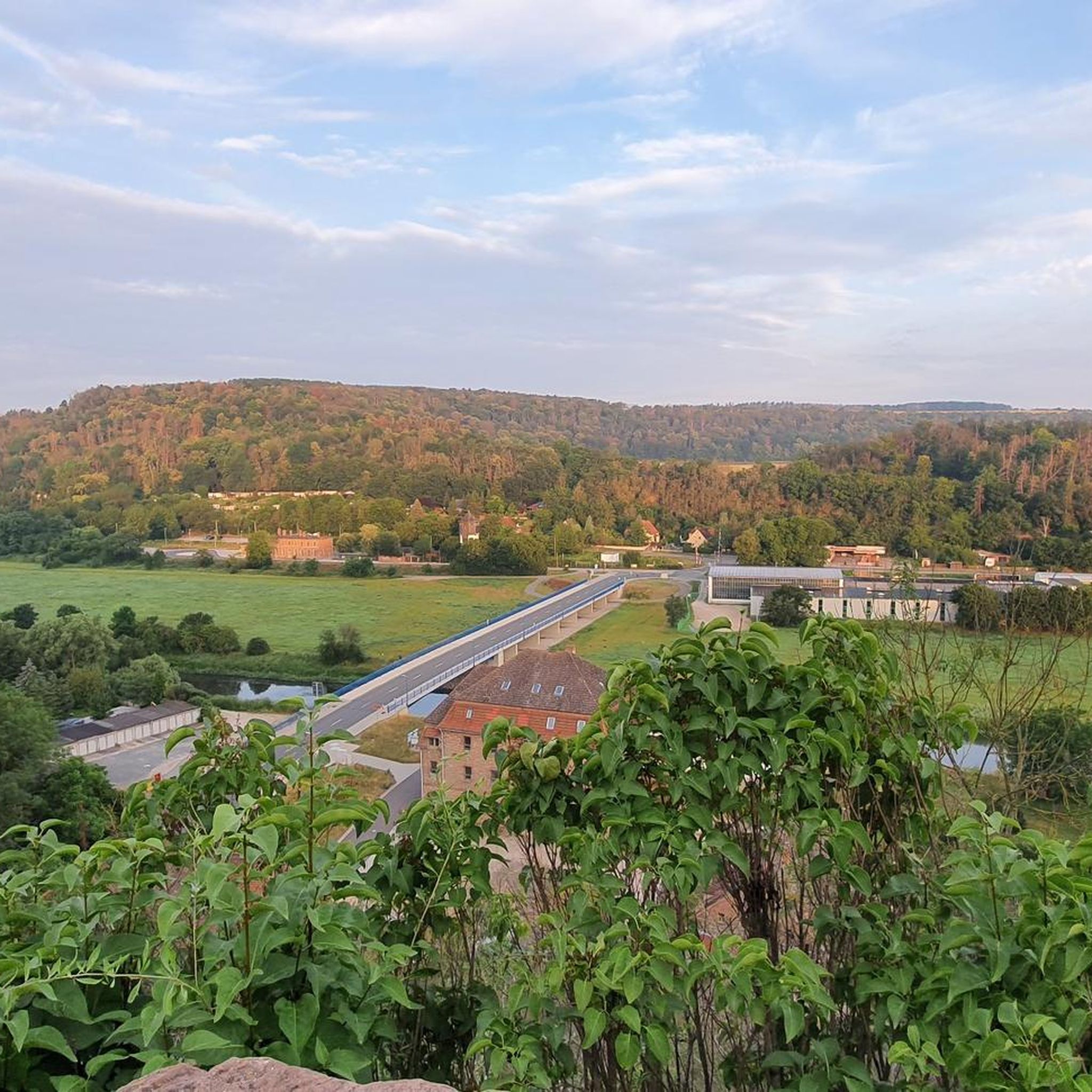
View of Wendelstein Castle
Highlight • Viewpoint
Showing Translation
Tip by

Querfurt Castle
Highlight • Castle
Translated by Google •
Tip by

Sign up now to discover places like this
Get recommendations on the best single tracks, peaks, & plenty of other exciting outdoor places.
Sign up for free
Town Hall of Querfurt
Highlight • Monument
Translated by Google •
Tip by

Wendelstein Castle
Highlight • Castle
Translated by Google •
Tip by

West Gate with Crucifixion Group, Querfurt Castle
Highlight • Castle
Translated by Google •
Tip by

Sign up for free to discover even more castles around Nebra (Unstrut).
Sign up for free
Already have an account?
Start today with a free account
Your next adventure awaits.
Login or Signup
Popular around Nebra (Unstrut)
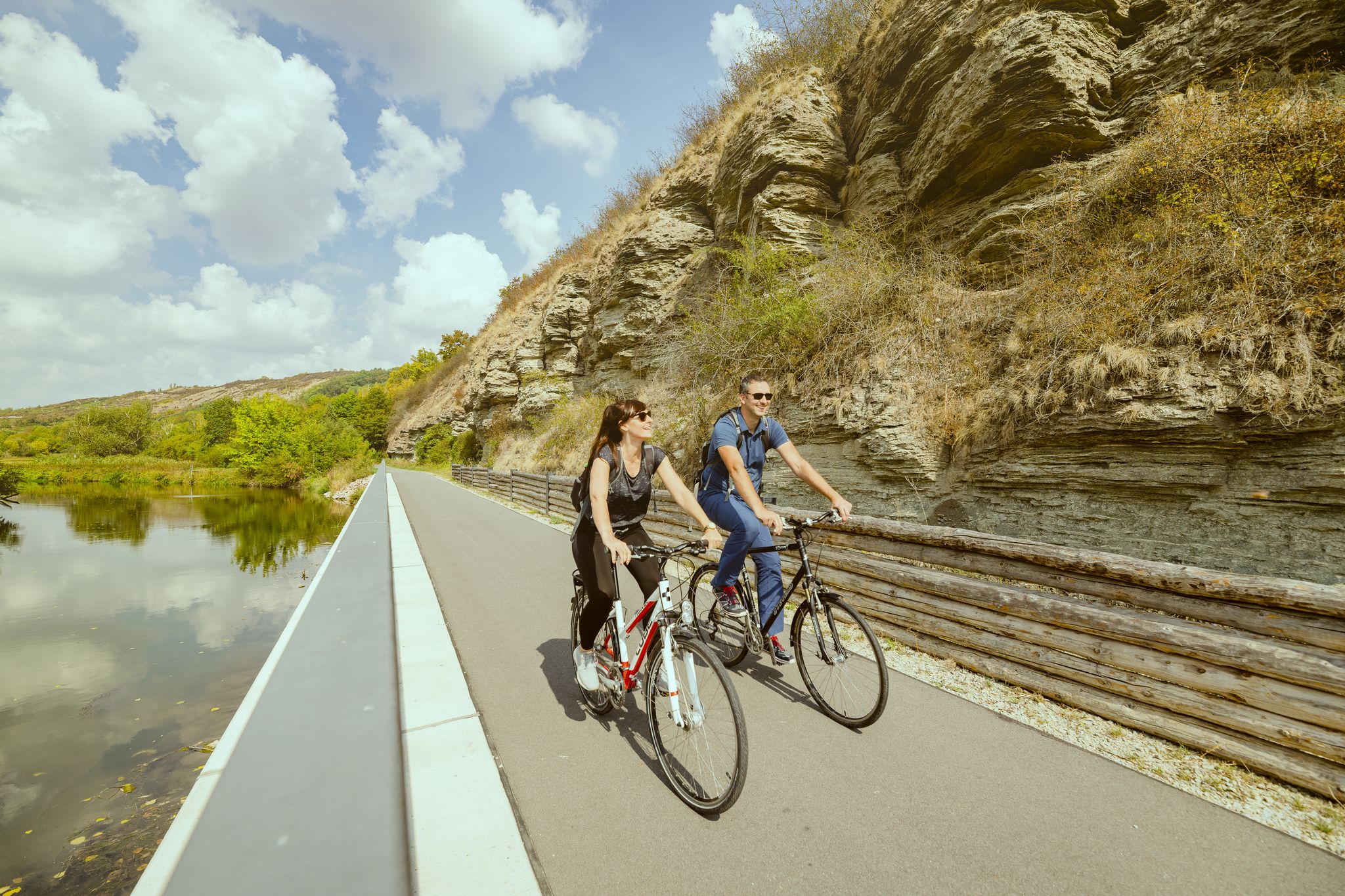
Unstrut Cycle Path – from the source in Eichsfeld to the River Saale

The 11 most beautiful cycle Tours in Germany’s Saale-Unstrut region
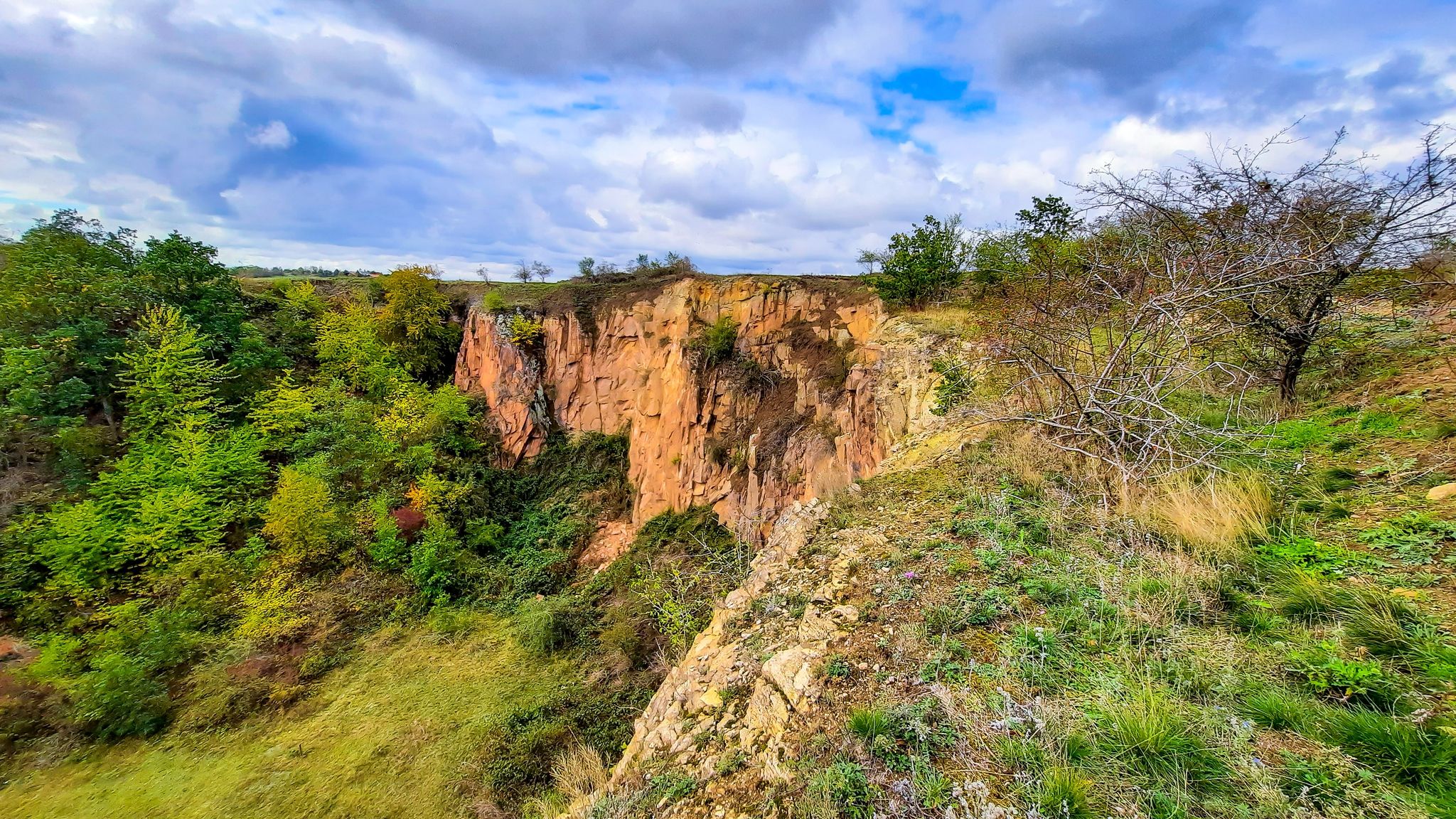
Alpine panoramas and summits – high up in the MDV in Germany
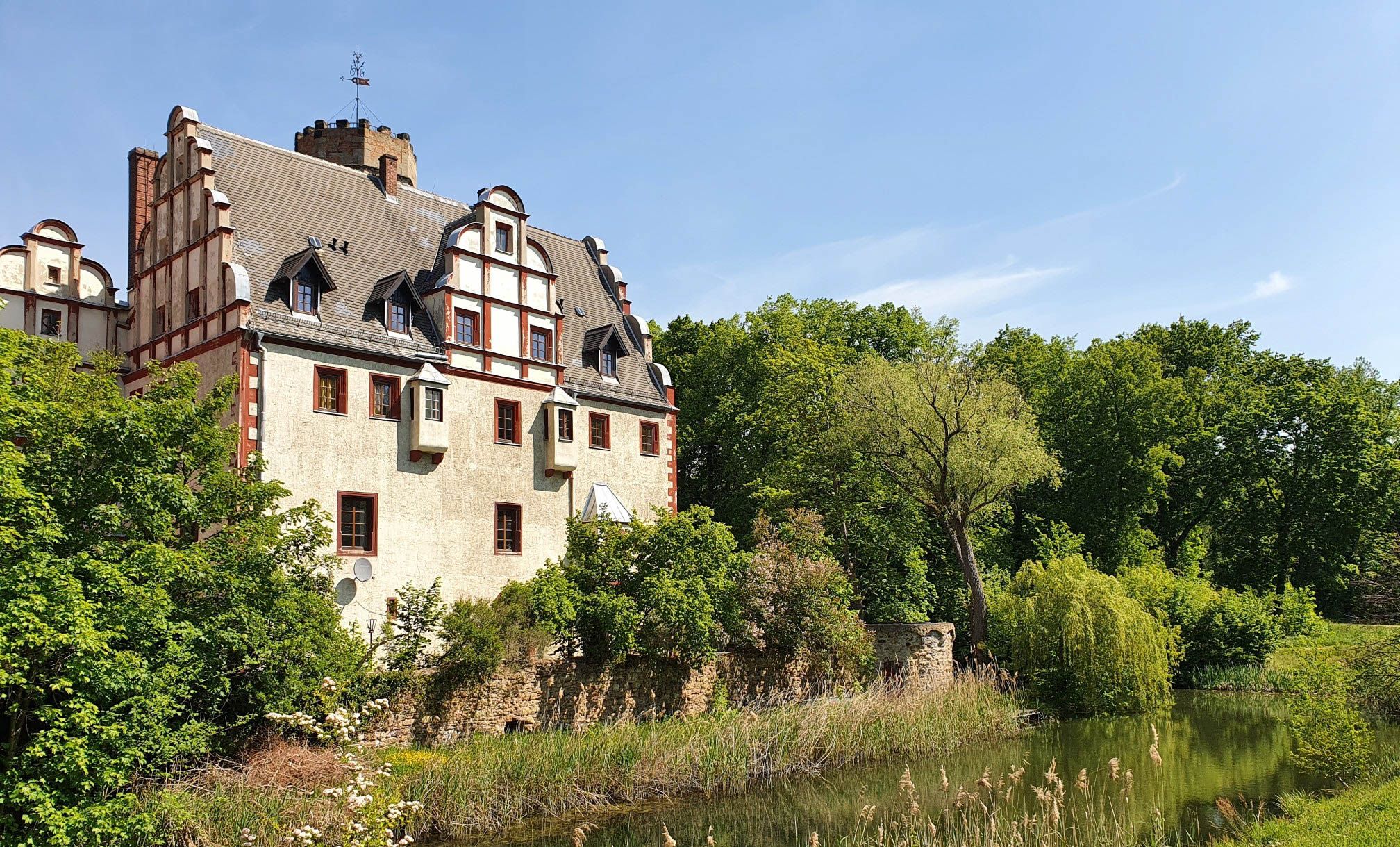
Castles, museums and more — pure culture in Germany’s MDV network
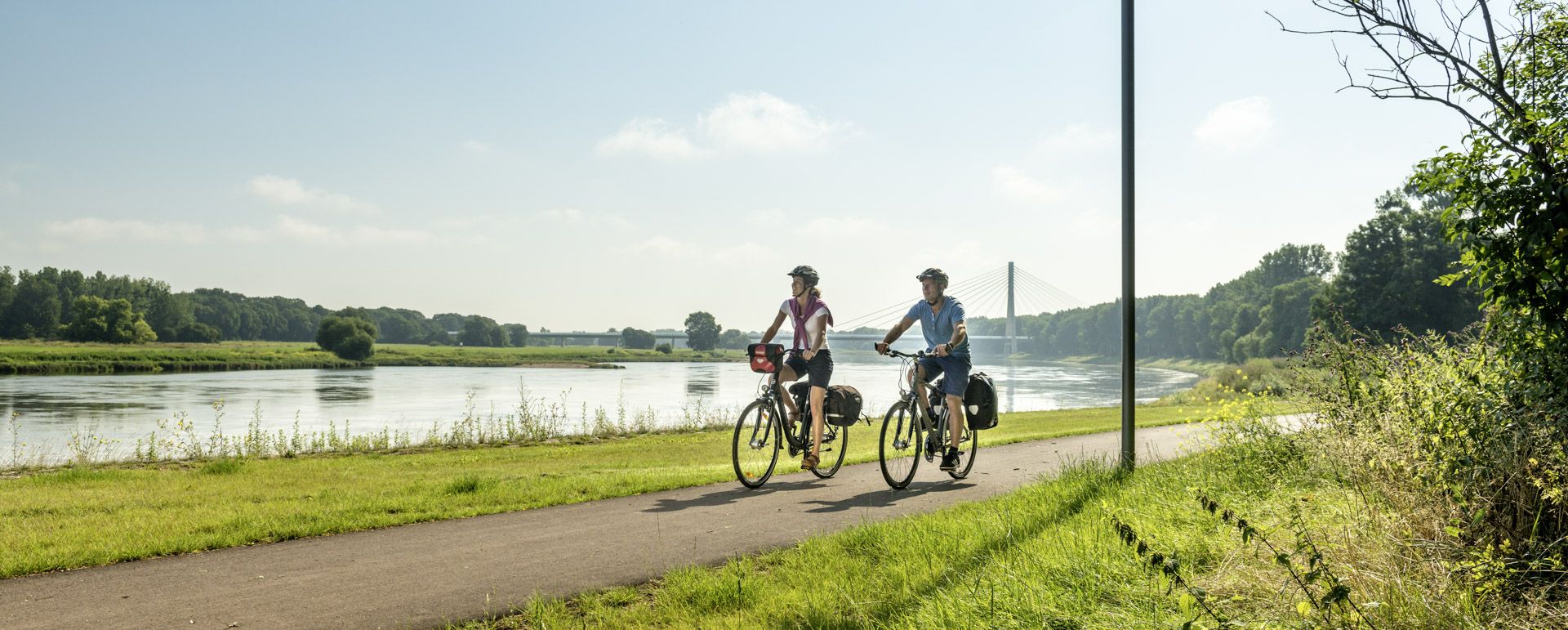
Cycling in Saxony-Anhalt – Where nature and culture combine
Cycling around Nebra (Unstrut)
Hiking around Nebra (Unstrut)
Road Cycling Routes around Nebra (Unstrut)
MTB Trails around Nebra (Unstrut)
Running Trails around Nebra (Unstrut)
Other adventures around Nebra (Unstrut)


Tips from the Community

The western gate of Querfurt Castle, built in 1385 and reinforced and expanded in 1479, is exceptional for its massive fortifications. This fortification alone is roughly the size of the Wartburg Castle near Eisenach. The Wartburg Castle would fit into Querfurt Castle seven times over. The "Crucifixion Group" had been mounted above the western gate since the end of the 15th century. The heavily weathered relief was later recovered and can now be admired in the castle's lapidarium. The relief that can be seen today above the gate is a faithful copy, ceremoniously presented by the Querfurt Antiquities and Tourist Association on June 6, 2009.
16
1
In 979, a document first mentions a "Castellum." Querfurt has had a castle since then at the latest. The town itself was first mentioned in documents about a hundred years earlier. The castle was the ancestral seat of the noble lords of Querfurt, who for centuries were also burgraves of Magdeburg. With the death of Bruno XI of Querfurt in 1496, the noble family died out. The castle proved impregnable until 1640, but changed hands several times during the Thirty Years' War (1618 to 1648). The Swedish occupation lasted from 1642 to 1650. In 1663, the princes of Saxe-Querfurt made the castle their residence and Querfurt the capital of their domain.
15
0
The 57-meter-high Paris Tower at Querfurt Castle was originally called the Hausmannsturm (Houseman's Tower). It dates back to the late 14th century. Its baroque dome was added in 1659. It served as a fire watchtower until 1969; today, it can be climbed as an observation tower. There is also a tower dungeon.
12
0


Very nice town hall in a historic city center.
4
0

In a tithe register of the Hersfeld monastery created between 881 and 899, Querfurt is mentioned for the first time as a place where Curnfurt im Friesenfeld is subject to tithing and was first titled castellum in a document from Emperor Otto II from 979. The castle there has been the ancestral home of the noble lords of Querfurt since the 10th century. Traces of the oldest surviving building structure also date from the 10th century, which are parts of the inner curtain wall and the granary and armory. The stone buildings were limited to the area between today's granary, the Dicker Heinrich keep and the castle church. These period solid buildings also underline the importance of the Querfurt noblemen. In 1004, at the same time as the foundation of a castle chapel, a canons' monastery was founded, which was followed from 1162 by the construction of a Romanesque church in the middle of the castle courtyard. In the 14th century, a burial chapel with the tumba of Gebhard XIV of Querfurt was added. The Fat Henry was built at the beginning of the 12th century, followed by the construction of the Martial Tower at the beginning of the 13th century and the construction of the Paris Tower at the beginning of the 14th century. The outer curtain wall was added around 1350. During the 15th century, mainly fortificational changes were made. The bastions and the west gate date from the period between 1460 and 1490. After the death of the last lord of the castle, Bruno IX. von Querfurt In 1496, Querfurt and its castle were confiscated as a fief of the Archdiocese of Magdeburg. Albrecht of Brandenburg then had structural changes made to the complex in 1528 and 1535. Towards the end of the Thirty Years' War, from 1640 to 1642, the fortress, which was considered impregnable, changed hands several times after heavy sieges and shelling. The subsequent period of occupation by the Swedes lasted from 1642 to 1650. In 1663, the imperial princes of Saxony-Querfurt made the complex their residence and thus Querfurt the capital of their territory. The so-called Princely House was therefore built between 1660 and 1668. Around 1700, new gun emplacements were built on the widened berm above the Zwinger, before Querfurt was built after the death of Adolph III. of Saxony-Weißenfels fell back to the Electorate of Saxony. Source: Wikipedia
13
1

The Luther Trail now also leads this way: https://www.mdr.de/nachrichten/sachsen-anhalt/halle/burgenland/pilgern-lutherweg- Extension-tourismus-eisleben-naumburg-100.html https://www.lutherweg.de/news/lutherweg-sachsen-anhalt-erhaelt-sued Extension.html https://www.outdooractive.com/de/route/wandel/saale-unstrut/lutherweg-eisleben-querfurt-freyburg-naumburg/260620375/#dm=1
3
1

Can be found via the entrance at the western entrance to the castle.
21
1
Frequently Asked Questions
What are the most significant castles to visit in the Nebra (Unstrut) region?
The region around Nebra (Unstrut) offers a mix of historical sites. While Nebra Castle itself is a ruin with visible remains like its residential tower and chapel frescoes, other notable castles include Querfurt Castle, known for its well-preserved complex and two defiant towers, and Wendelstein Castle, an inhabited complex offering unique views of the Unstrut loop.
What kind of historical insights do the castles around Nebra (Unstrut) offer?
The castles provide a deep dive into medieval history. Nebra Castle, dating back to the 13th century, showcases the remnants of a significant early medieval power center, including chapel frescoes. Querfurt Castle, one of Central Germany's largest castle complexes, has a history stretching back to the 9th century and features a farmer's museum. Wendelstein Castle, also with a rich past, is an inhabited complex that allows visitors to connect with centuries of regional heritage.
Are there any castles that offer panoramic views of the Unstrut valley?
Yes, several castles and viewpoints provide stunning vistas. From the ruins of Nebra Castle, you can enjoy wonderful views of the Unstrut valley. View of Wendelstein Castle is a popular viewpoint on a 30-meter-high hill directly on the Unstrut, offering a panoramic outlook. Additionally, the 57-meter-high Paris Tower at Querfurt Castle can be climbed for extensive views of the broader region.
Are there family-friendly castles to visit near Nebra (Unstrut)?
Yes, Querfurt Castle is particularly family-friendly. It's a well-preserved complex that often hosts events and has been used as a film set, which can be exciting for children. The castle also houses a farmer's museum in the Alte Burgschäferei, offering insights into rural life that can be engaging for all ages. The Old Castle Sheep Farm Querfurt Farm Museum is also a family-friendly historical site.
What is the best time of year to visit the castles around Nebra (Unstrut)?
The Unstrut valley, with its vineyards and historical routes, is appealing throughout much of the year. Spring and autumn offer pleasant temperatures for exploring the castle grounds and enjoying the scenic views without extreme heat or cold. The vibrant colors of autumn foliage can be particularly beautiful. While winter visits are possible, some outdoor areas or specific attractions might have limited access or opening hours.
What outdoor activities can I do near the castles around Nebra (Unstrut)?
The region is excellent for outdoor enthusiasts. You can find numerous cycling and gravel biking routes that pass by these historical sites. For example, there are several gravel biking routes around Nebra (Unstrut) and cycling routes, including the Himmelsscheibenradweg. There are also road cycling routes that explore the area, offering a great way to combine history with active exploration.
Are there cycling routes that pass by the castles in the Unstrut valley?
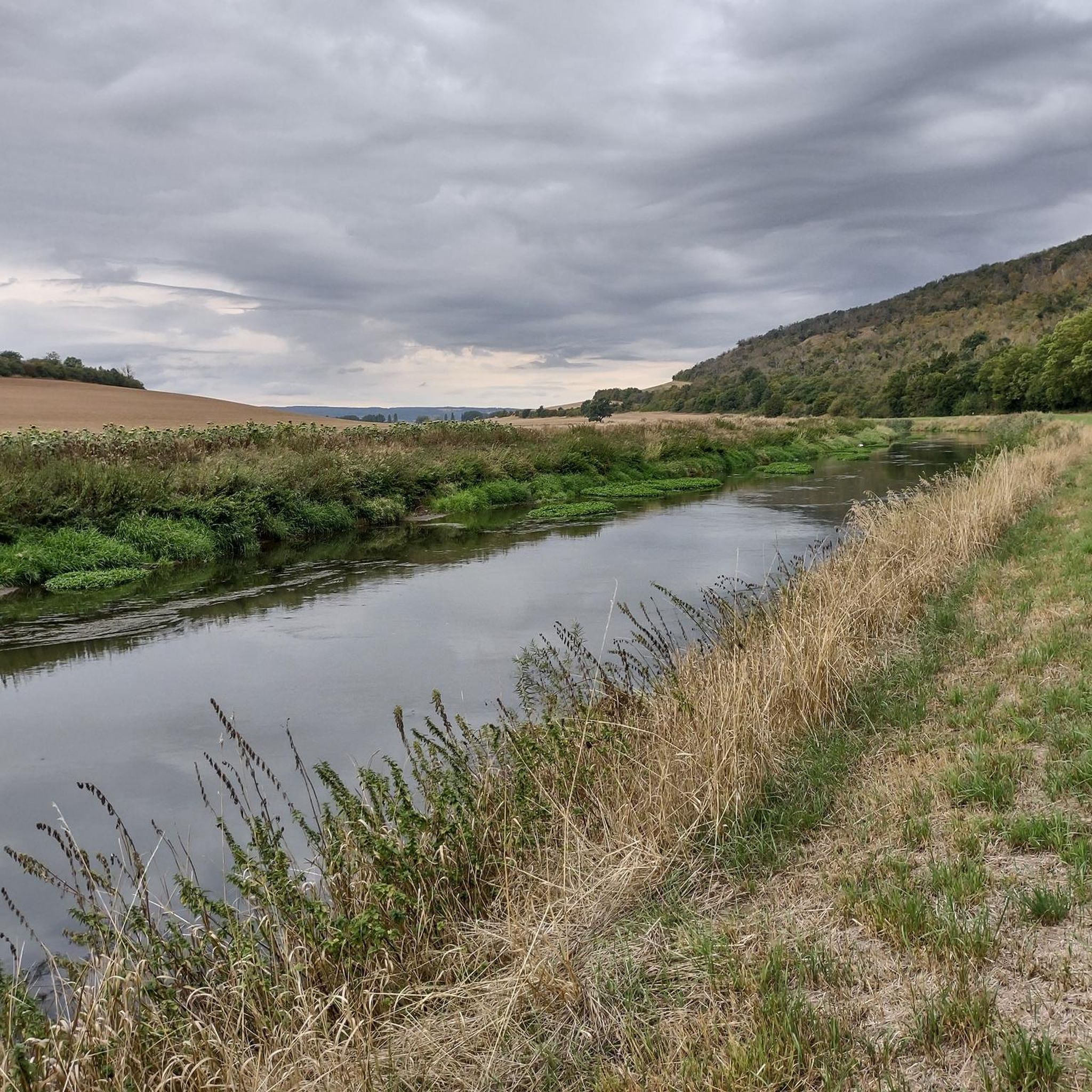
Yes, the Unstrut valley is well-suited for cycling, with routes that incorporate castle views. You can find various cycling routes around Nebra (Unstrut), including those that offer views of Wendelstein Castle and explore the scenic Unstrut loop. These routes provide an excellent opportunity to experience the historical landscape and natural beauty of the region by bike.
What can I expect to see at Nebra Castle (Schlossruine Nebra)?
Nebra Castle, though a ruin, offers significant historical features. You can explore the prominent remains of its residential tower (Wohnturm), portions of the chapel with partially preserved frescoes and a ribbed vault, and the historic barrel vaults of the wine cellars. From the castle ruins, you'll also get wonderful panoramic views of the Unstrut valley.
What makes Querfurt Castle a notable attraction?
Querfurt Castle is one of the largest and best-preserved castle complexes in Central Germany. Its notable features include two defiant towers (like the 57-meter-high Paris Tower, which can be climbed), mighty curtain walls, and a castle chapel. It has also gained fame as a film set and houses a farmer's museum, making it a diverse attraction for history buffs and families alike.
What is unique about Wendelstein Castle?
Wendelstein Castle is unique as an inhabited and privately owned castle complex situated directly on the Unstrut river. It offers a wonderful, covered rest area with a distinctive view of the Unstrut loop. Despite some external areas being in disrepair, the historic core remains accessible and provides a charming, authentic glimpse into the region's past.
Where can I park when visiting the castles near Nebra (Unstrut)?
Parking availability varies by castle. For Querfurt Castle, there are designated parking areas for visitors. For Nebra Castle and Wendelstein Castle, which are often integrated into the landscape, parking might be available in nearby towns or designated spots close to the access paths. It is advisable to check local signage upon arrival.
Are there cafes or restaurants near the castles for refreshments?
Yes, you can find options for refreshments. Querfurt Castle has a castle café where visitors can relax. In the towns and villages surrounding the castles, such as Nebra (Unstrut) itself, you will find local cafes and restaurants offering regional cuisine and drinks. The adjacent vineyard below Nebra Castle also hints at the region's culinary offerings.
Most popular routes around Nebra (Unstrut)
Most popular attractions around Nebra (Unstrut)

Get inspired with the komoot mobile app


Explore more
Looking for the best castles somewhere else? Discover other guides around Nebra (Unstrut):
