The best running trails in Back Bay National Wildlife Refuge
5.0
(14)
708
runners
25
runs
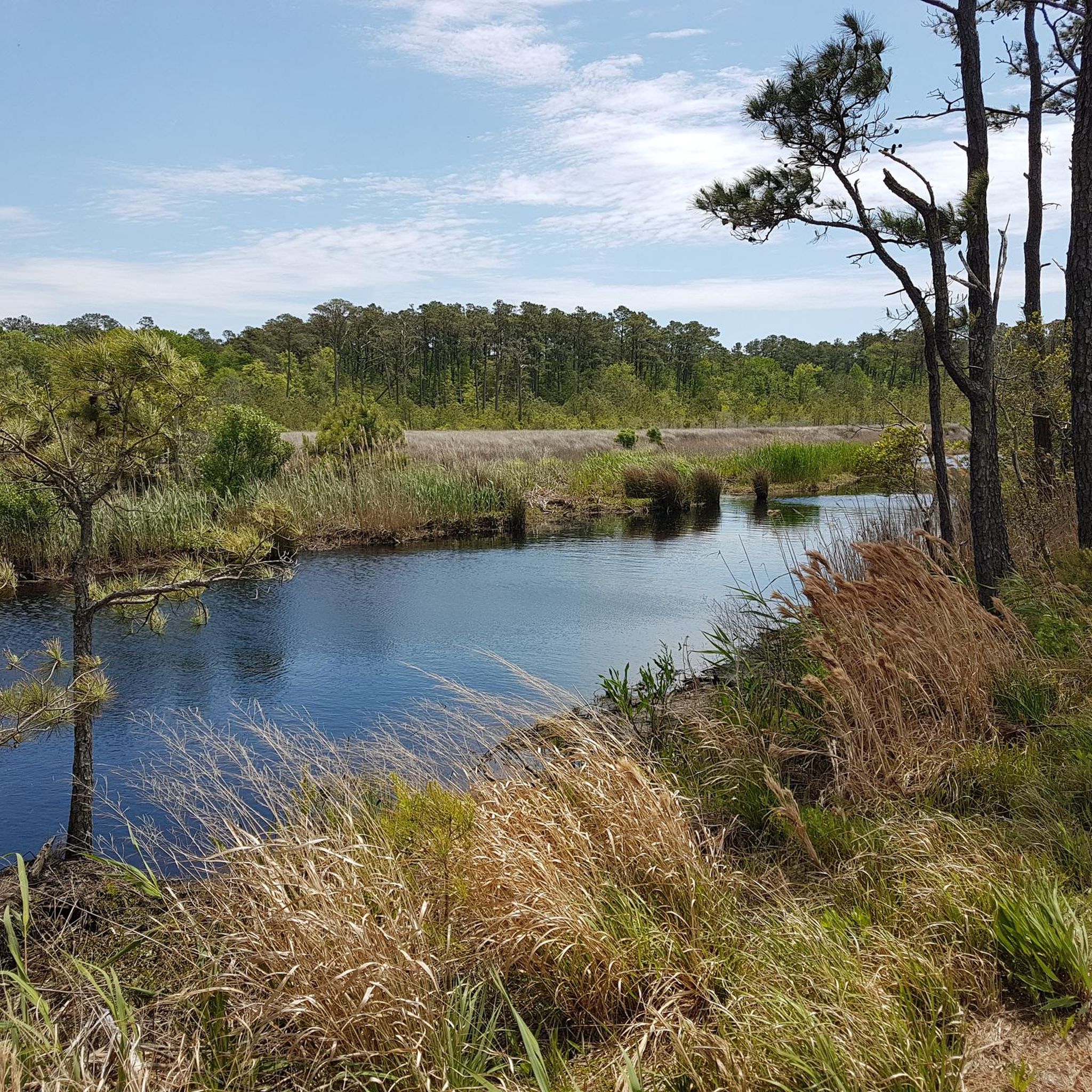
Jogging in Back Bay National Wildlife Refuge offers a diverse environment characterized by barrier islands, extensive sand dunes, and freshwater marshes. This 9,200-acre refuge is situated on a narrow strip of coastline between the Atlantic Ocean and the Back Bay. The terrain includes maritime forests, woodlands, and impoundments, providing varied landscapes for running.
Best jogging routes in Back Bay National Wildlife Refuge
- The most popular jogging route is Running loop from Ocean Lakes High School, a 6.0 miles (9.6…
Last updated: August 31, 2026
15
runners
11.5km
01:12
10m
10m
Moderate run. Good fitness required. Mostly paved surfaces. Suitable for all skill levels.
9
runners
9.48km
00:58
10m
10m
Moderate run. Good fitness required. Mostly paved surfaces. Suitable for all skill levels.

Sign up for free
6
runners
8.53km
00:53
10m
10m
Moderate run. Good fitness required. Mostly paved surfaces. Suitable for all skill levels.
5
runners
22.6km
02:19
20m
20m
Hard run. Very good fitness required. Mostly paved surfaces. Suitable for all skill levels.
54
runners
22.6km
02:20
30m
30m
Hard run. Very good fitness required. Mostly paved surfaces. Suitable for all skill levels.
Get access to more routes and recommendations from other explorers.
Sign up for free
Already have an account?
Our route recommendations are based on thousands of hikes, rides, and runs completed by other people on komoot.
Start today with a free account
Your next adventure awaits.
Login or Signup
Popular around Back Bay National Wildlife Refuge
Tips from the Community

While not paved, the trail here is hard packed and may be doable depending on your bike. At this point East Dike crosses the Dune Trail, which is a lovely little boardwalk that you can walk your bike down to get beach access and beautiful views of the Atlantic.
0
0

From the Virginia Beach boardwalk you'll be treated to peaceful and pristine views of the Atlantic.
0
0

The pier is a great place for a break while riding the Virginia Beach Boardwalk. You need to get a day ticket to get access to all of the pier, but even without a ticket you still get a great view of the coastline.
1
0
Neptune's Park is a vibrant gathering spot in Virginia Beach, situated along the iconic boardwalk. It features a majestic bronze statue of Neptune, a stage for live entertainment, lush landscaping, and hosts various events, making it a popular destination for both locals and tourists.
0
0

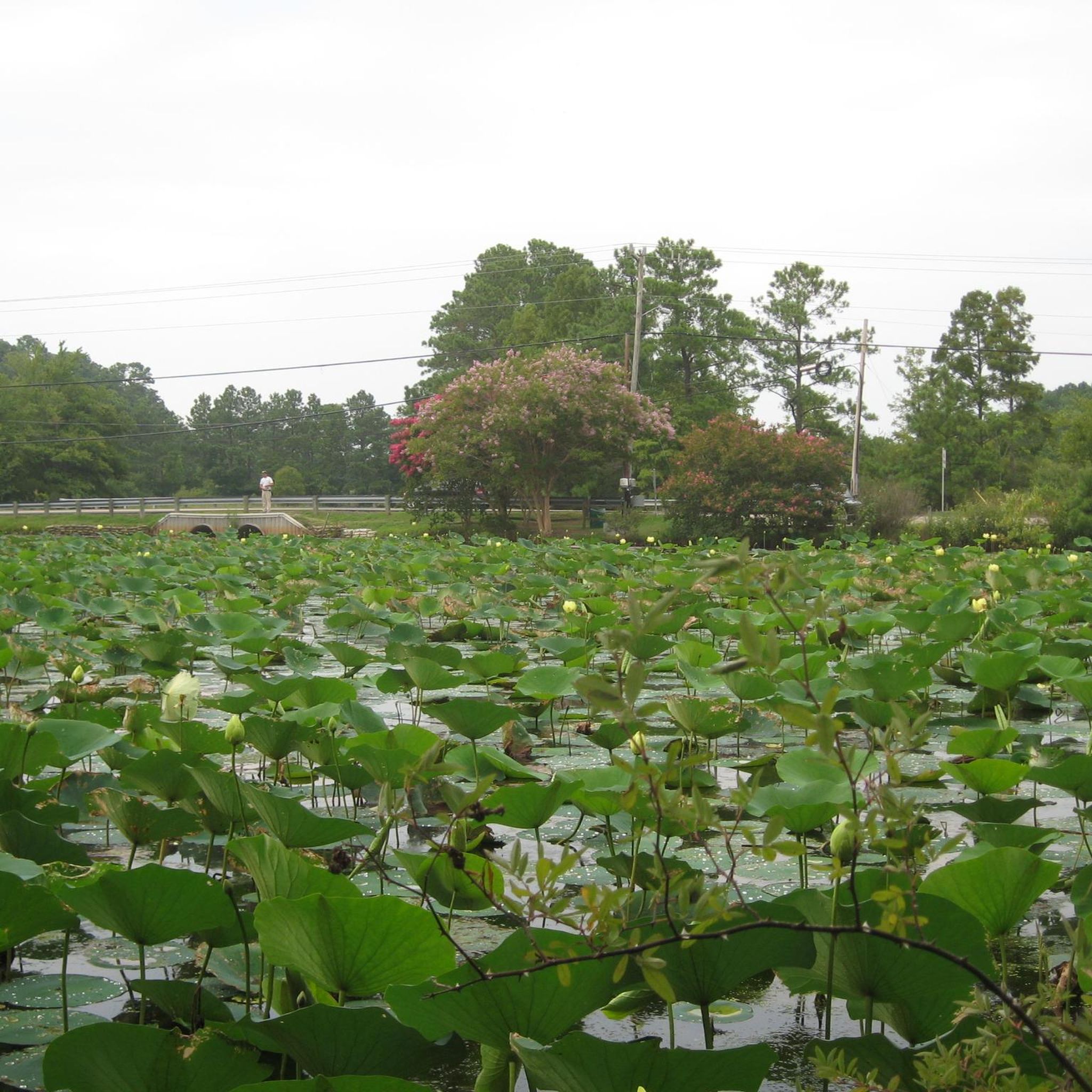
A nice park with plenty of trees, walks and children's playgrounds. The corner of the park at the intersection of Dam Neck Road and Princess Anne Road is home to the Light Garden sculpture artist Dale Eldred.
0
0

Beautiful trail with views of Broad Bay and wetlands as well as marine forest trees, shrubs and wildlife.
1
0
Gorgeous and beautiful statue! Definitely bigger than expected, and live music was playing nearby when we were right next to the statue! Definitely worth the walk if you’re on the boardwalk or nearby.
1
0
Grommet Island Park is located at the Virginia Beach Boardwalk and 2nd Street. This beach park is great. Packed with lots of cool beach sculptures. Located near public toilets and public showers. Great place for children to play and explore. Adults can sit back and watch the kids and surfers 🌊 🏄🏽♀️ 🏄♂️ 🏄🏽. Pack your lunch and boogie boards and enjoy the beach. Grommet Island Park is within walking distance of several restaurants. Grommet Island Park is located near a large public parking lot.
2
0
Frequently Asked Questions
How many running routes are available in Back Bay National Wildlife Refuge?
Back Bay National Wildlife Refuge offers a wide selection of running routes, with over 25 different options to explore. These routes cater to various preferences, ranging from easy strolls to more challenging runs.
What are the typical trail conditions and surfaces for jogging in the refuge?
The trails in Back Bay National Wildlife Refuge feature diverse surfaces, including boardwalks, crushed stone, sand, and gravel. This variety provides different experiences for runners, from smooth paths to more natural, rugged terrain. The refuge's landscape includes barrier islands, sand dunes, maritime forests, and freshwater marshes, offering a unique environment for your run.
Are there any easy or beginner-friendly jogging routes in Back Bay National Wildlife Refuge?
Yes, the refuge has several easy routes suitable for beginners or those looking for a relaxed run. Approximately 3 of the available routes are classified as easy, with many moderate options also accessible for those building their endurance. The Running loop from Ocean Lakes High School is a popular moderate option that offers scenic views.
What kind of natural features or landmarks can I expect to see while running?
Joggers can enjoy a rich array of natural features and landmarks. The refuge is known for its barrier islands, extensive sand dunes, maritime forests, and freshwater marshes. You might encounter ponds, ocean beaches, and impoundments. Specific trails like the Raptor Trail guide you through bald cypress stands and along a small pond, leading to viewing platforms. The Dune Trail offers a raised boardwalk through the dunes to the refuge beach, providing views of both the Atlantic Ocean and the Back Bay. You can also explore highlights such as the Path to a pristine beach or the East Dike Trail.
Are there any seasonal closures or best times to visit for jogging?
The refuge is generally open daily from half an hour before sunrise to half an hour after sunset. However, some trails, like the East and West Dike Trails, are closed from November 1 to March 31 to protect wintering waterfowl. It's always a good idea to check the official refuge website for current conditions and specific seasonal closures before planning your visit. Spring and fall often offer pleasant temperatures for running.
Is there an entrance fee or permit required to jog in Back Bay National Wildlife Refuge?
Yes, there is an entrance fee to access Back Bay National Wildlife Refuge. This fee helps support the maintenance and conservation efforts of the refuge. For the most current information on fees and any potential permit requirements, it is best to consult the official U.S. Fish & Wildlife Service website for Back Bay National Wildlife Refuge: fws.gov.
Are dogs allowed on the running trails in the refuge?
Generally, pets are not permitted in Back Bay National Wildlife Refuge to protect the sensitive wildlife and habitats. Service animals are an exception. It's crucial to verify the most up-to-date pet policy directly with the refuge before your visit to ensure compliance and avoid any issues. You can find more information on their official website.
Are there any family-friendly running options in Back Bay National Wildlife Refuge?
Many of the refuge's trails are suitable for families, especially the easier and shorter options. The Charles Kuralt Trail, for example, is a short, accessible boardwalk offering an overlook into coastal wetlands, which can be a nice, gentle option for families. The diverse landscapes and opportunities for wildlife observation also make it an engaging experience for all ages.
What do other runners enjoy most about jogging in Back Bay National Wildlife Refuge?
The running routes in Back Bay National Wildlife Refuge are highly rated by the komoot community, with an average score of 5.0 stars from over 9 reviews. Runners often praise the unique natural environment, the diverse landscapes of barrier islands and marshes, and the opportunity for wildlife spotting. The variety of trail surfaces and lengths also contributes to a positive experience for many.
Are there any circular running routes available?
Yes, many of the routes in Back Bay National Wildlife Refuge are designed as loops, offering a complete circular experience. For instance, the East Dike Trail loop from Bread Island is a popular moderate option that allows you to explore the refuge's varied habitats in a circular fashion.
What are the typical distances of running trails in the refuge?
The running trails in Back Bay National Wildlife Refuge vary in length, catering to different fitness levels. You can find shorter routes, such as the 0.4-mile Raptor Trail (one-way), or longer options like the East Dike Trail loop from Bread Island, which is about 7.2 miles (11.5 km). Overall, the refuge boasts approximately 11 miles of paths to explore.
Is parking available at Back Bay National Wildlife Refuge?
Yes, parking facilities are available at Back Bay National Wildlife Refuge, typically near the Visitor Center. It's advisable to arrive early, especially during peak seasons, as parking can fill up. Be aware that there might be an entrance fee to access the refuge, which often includes parking.
Most popular routes in Back Bay National Wildlife Refuge
Most popular attractions in Back Bay National Wildlife Refuge

Get inspired with the komoot mobile app


Explore more
Browse the best Running Trails & Routes in other regions.
