Golden Gate National Recreation Area
Golden Gate National Recreation Area
The 11 Most Amazing Peaks in Golden Gate National Recreation Area
Best mountain peaks in Golden Gate National Recreation Area offer diverse landscapes and significant viewpoints across the San Francisco Bay and Pacific Ocean. This region features prominent ridgelines and hills, providing habitats for various wildlife and plant species. Historically, areas like Sweeney Ridge and Hawk Hill hold importance for exploration and military defense. The recreation area encompasses a range of natural features, from coastal bluffs to dense urban forests.
Best mountain peaks in Golden Gate National Recreation Area
- The most…
Last updated: August 29, 2026
Mori Point Summit Graffiti Bunkers
Highlight • Monument
Tip by

North Peak (west summit)
Highlight • Summit
Tip by
Sign up now to discover places like this
Get recommendations on the best single tracks, peaks, & plenty of other exciting outdoor places.
Sign up for free
Coyote Ridge Summit
Highlight • Summit
Tip by
Milagra Ridge Road trailhead
Highlight • Trail
Tip by
Peak Mountain
Highlight • Summit
Tip by
Sign up for free to discover even more peaks in Golden Gate National Recreation Area.
Sign up for free
Already have an account?
Start today with a free account
Your next adventure awaits.
Login or Signup
Popular around Golden Gate National Recreation Area
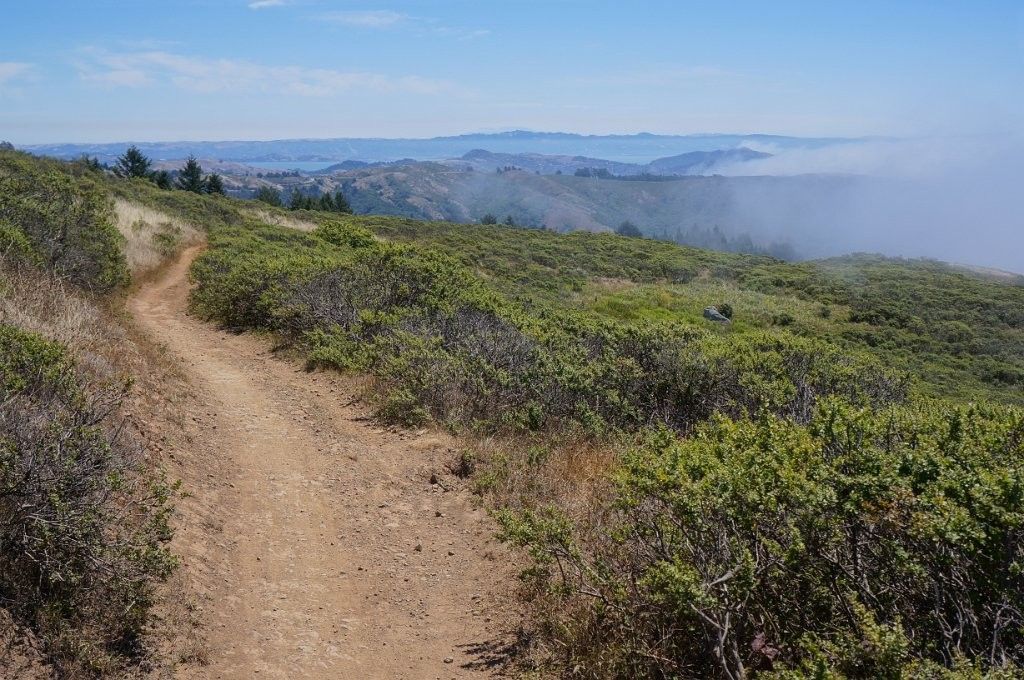
Chasing flow in the Bay Area
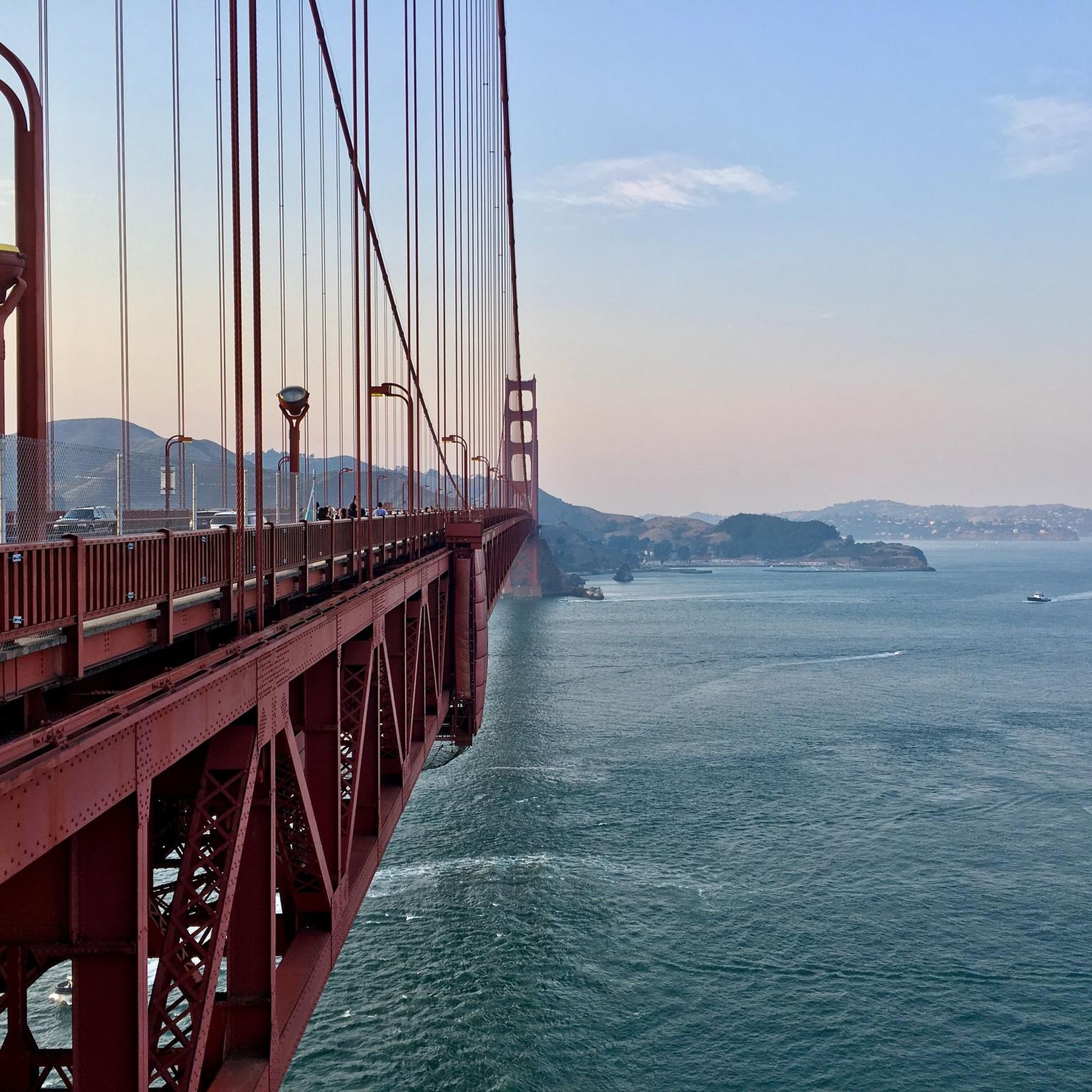
Hiking in Golden Gate National Recreation Area
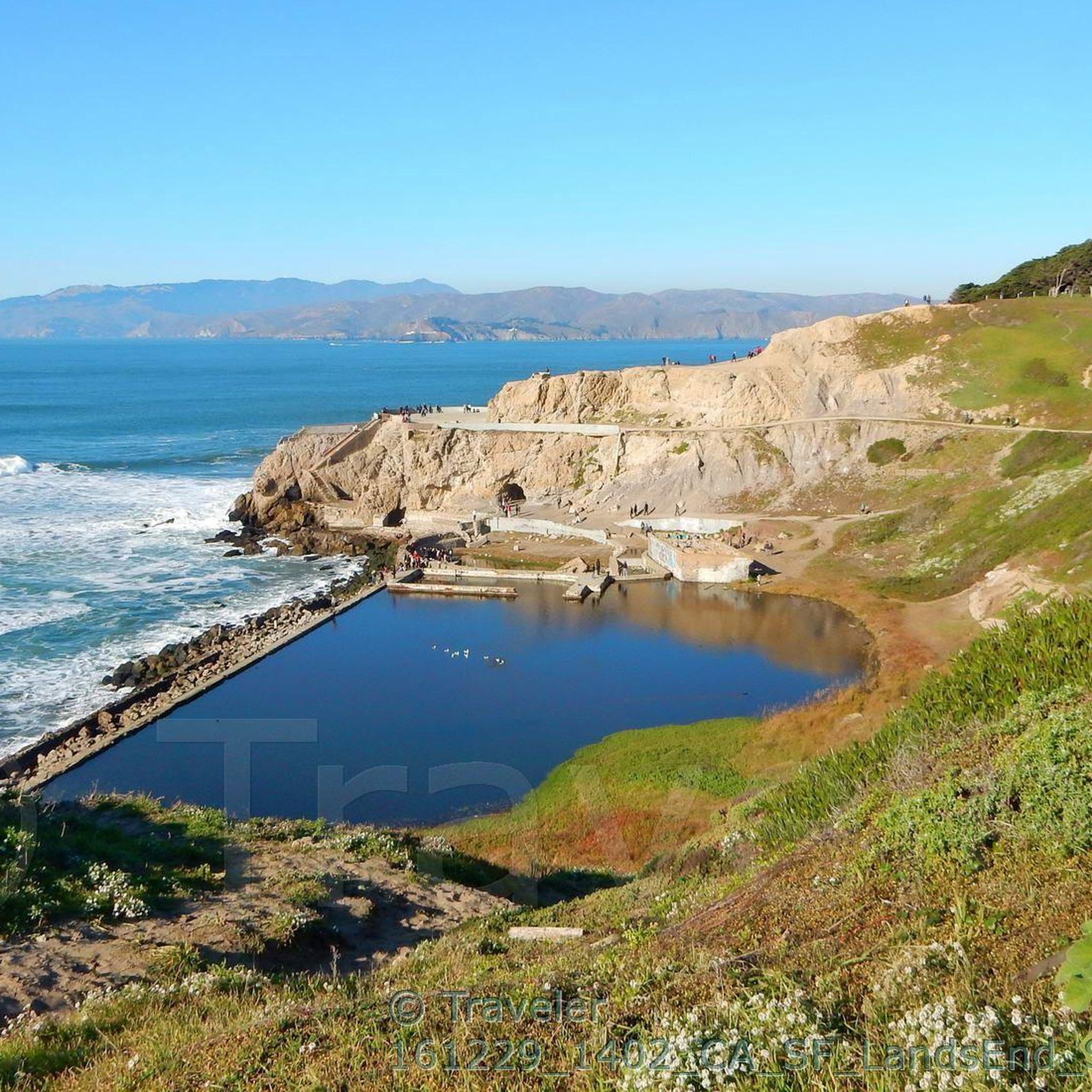
Road Cycling Routes in Golden Gate National Recreation Area
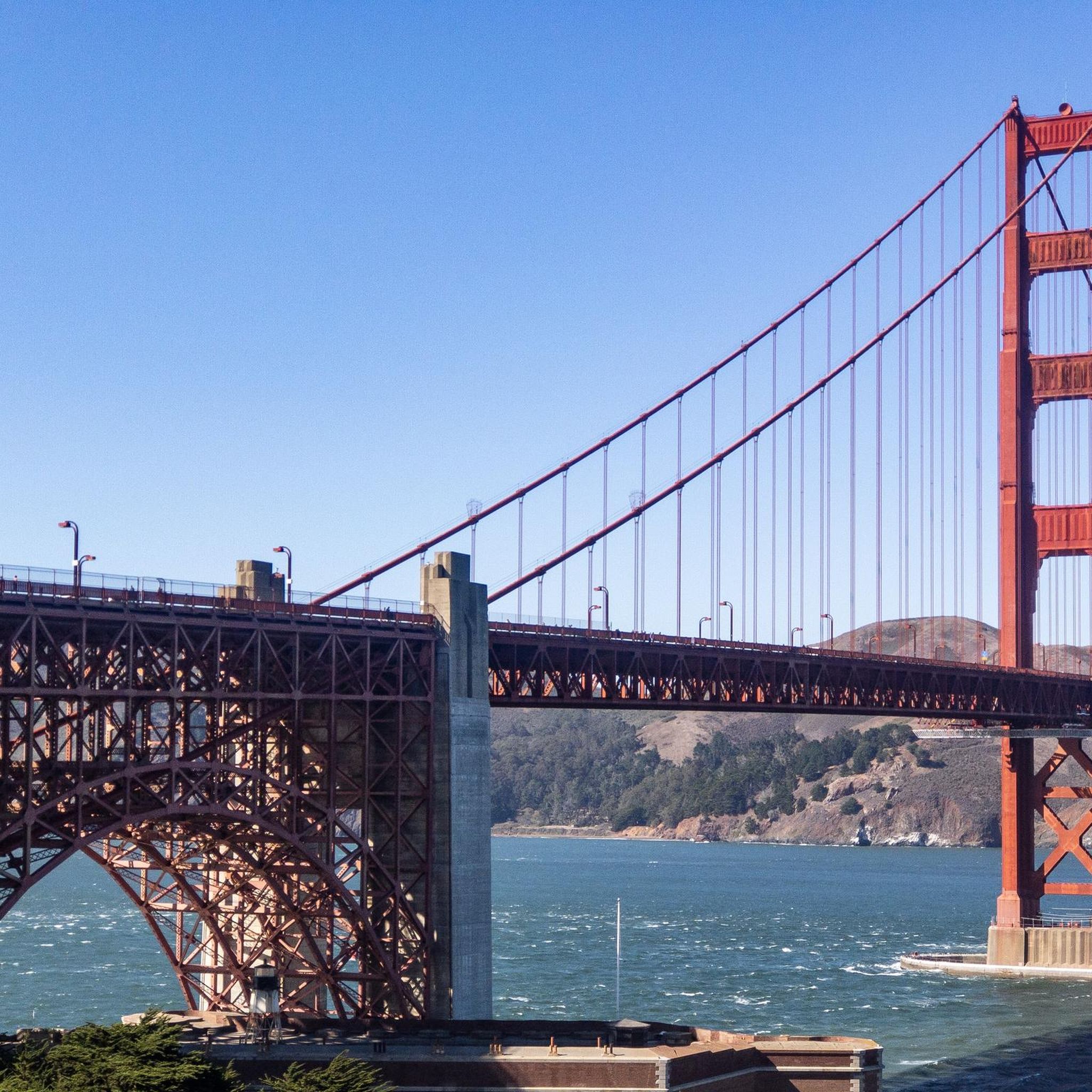
Running Trails in Golden Gate National Recreation Area
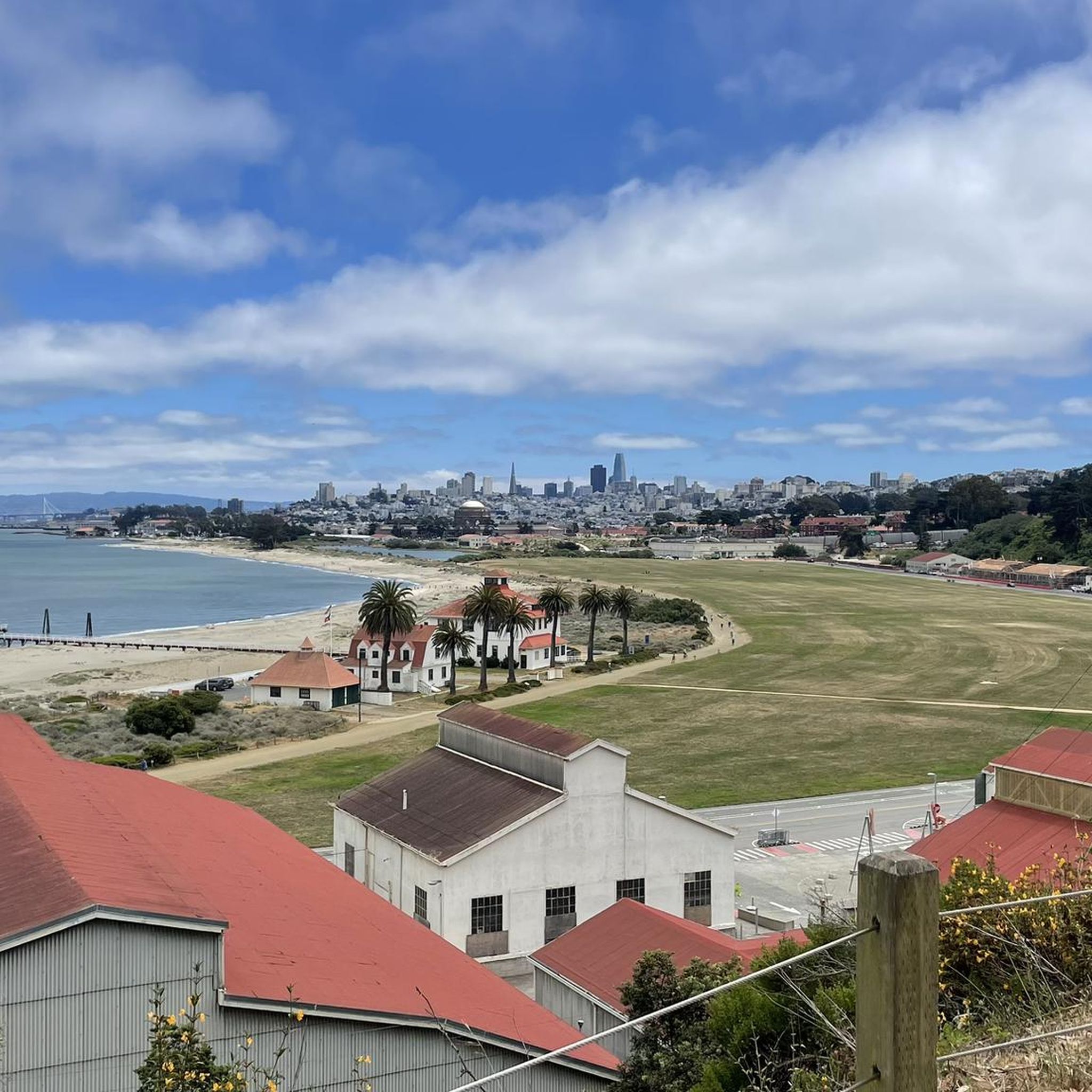
Cycling in Golden Gate National Recreation Area
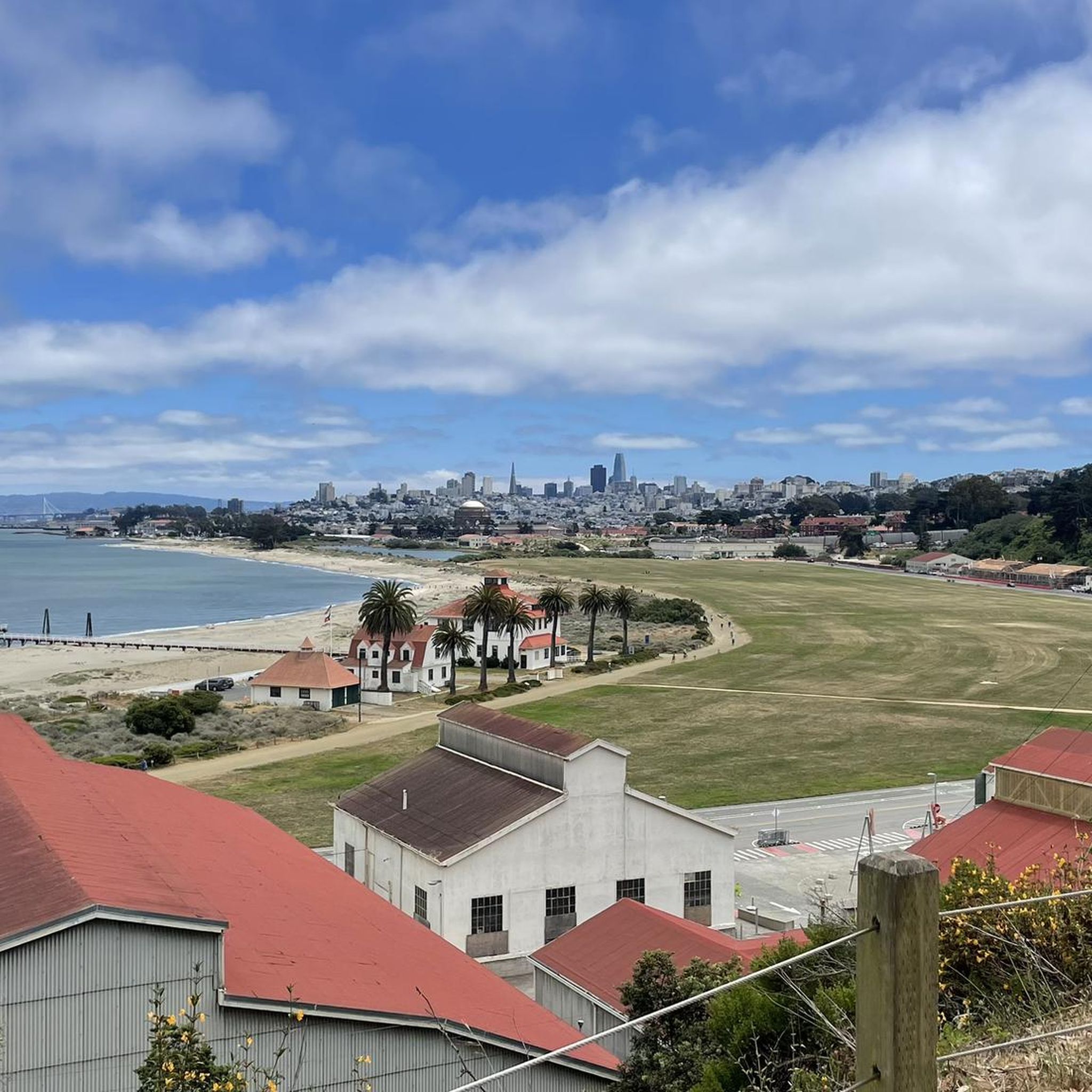
MTB Trails in Golden Gate National Recreation Area
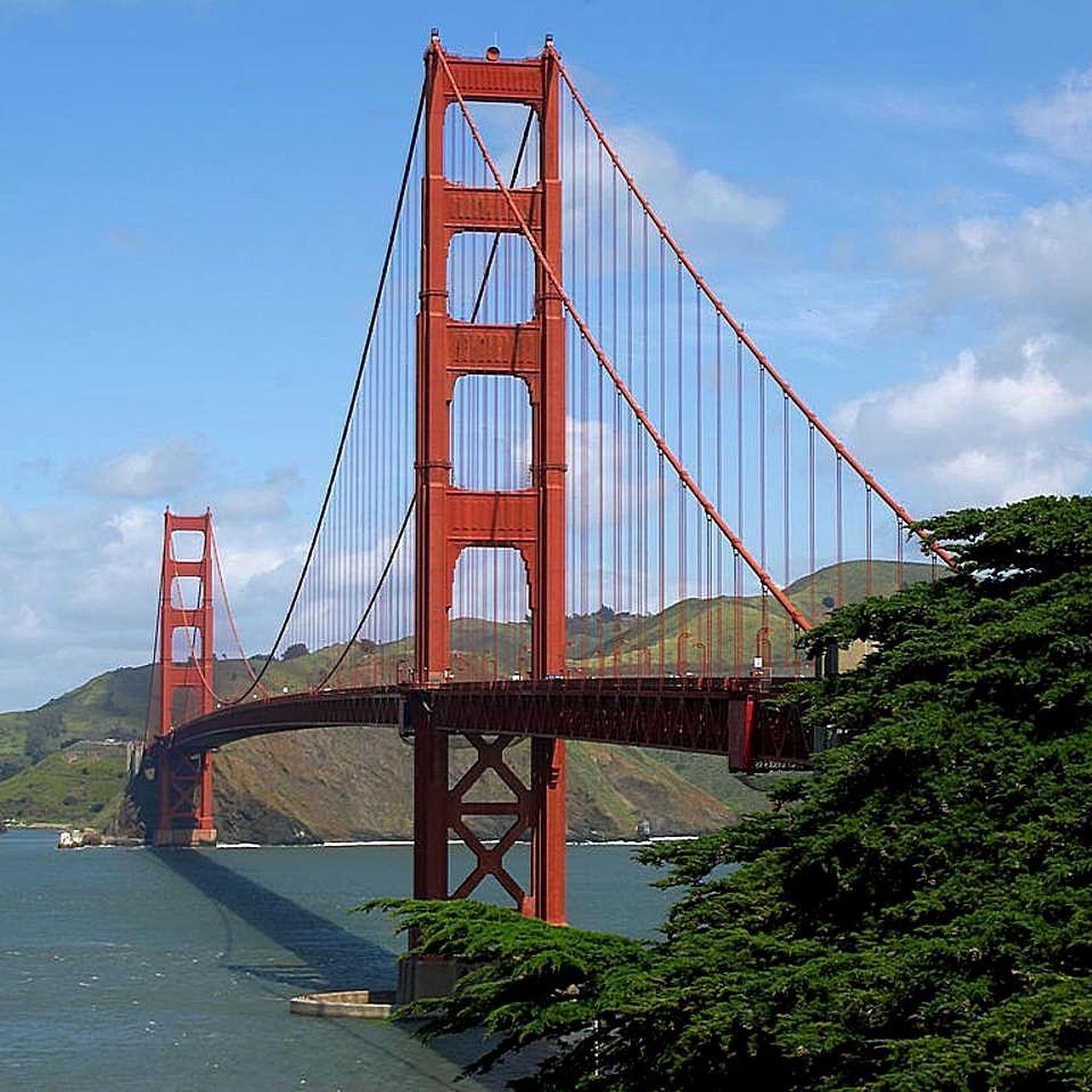
Gravel biking in Golden Gate National Recreation Area
Other adventures in Golden Gate National Recreation Area

Tips from the Community

Geodesic point at the top of Coyote Ridge, with panoramic views across the Marin Headlands, with low brush offering views down toward the coast
0
0

Experience the breathtaking Montara North Peak West Summit, featuring panoramic views of the Pacific coast and the state park.
0
0

Milagra Ridge forms what biologists refer to as an island ecosystem surrounded by urban development. Volunteers work to preserve the area and ensure that the local endangered species, such as California red-legged frogs and San Bruno and Mission blue butterflies continue to thrive. Visitors are required to stay on the trail, and pets must be leashed. There is a gate at the entrance that prevents cars from entering.
0
0

Attention very steep and loose gravel/sand danger of falling (in summer/in drought)
0
0
Westernmost peak of the several summits on Montara Mountain. It has the best views to the south along the coast.
0
0
Stunning views up and down the Pacific coast and the entire state park. The best is from this secondary summit, a few steps further west of the main peak
0
0
A barrier prevents cars from entering, but the first mile of this road continues with excellent pavement to the summit. A gravel trail then drops down to the coast to Connemara Drive and Oceana Blvd
0
0
The remaining walls of old defensive structures near the summit of Mori Point are a display of colorful and often creative spray paintings.
0
0
Frequently Asked Questions
What are some of the most popular mountain peaks and viewpoints in the Golden Gate National Recreation Area?
Visitors frequently enjoy Mori Point Summit Graffiti Bunkers, known for its unique historical structures and vibrant spray paintings. Another favorite is Coyote Ridge Summit, offering excellent panoramic views of the Marin Headlands and the Pacific. North Peak (west summit) also provides stunning vistas of the Pacific coast and the state park.
What kind of natural features and wildlife can I expect to see on the mountain peaks in the Golden Gate National Recreation Area?
The region boasts diverse natural features, from coastal bluffs to dense forests. Mount Tamalpais, for instance, features redwood valleys, creeks, and expansive grasslands, supporting over 750 plant species, including California poppies and lupines. Wildlife such as gray foxes, bobcats, coyotes, black-tailed deer, and various bird species are common. Mori Point is a vital habitat for threatened species like the California red-legged frog and the endangered San Francisco garter snake.
Are there any mountain peaks with significant historical importance in the Golden Gate National Recreation Area?
Yes, several peaks have rich histories. Sweeney Ridge is where the Portolá expedition first sighted San Francisco Bay in 1769 and also contains remnants of a Cold War-era Nike Missile Site (SF-51). Hawk Hill features World War II-era defensive positions and tunnels, later housing radars for the Nike Missile Defense System. Mount Tamalpais was historically home to the "world's crookedest railroad" from 1896 to the 1930s.
What is the best time to visit the mountain peaks in the Golden Gate National Recreation Area?
Spring is particularly beautiful for its vibrant wildflower displays, especially at Sweeney Ridge and Mori Point. For birdwatching, Hawk Hill is renowned for its annual fall raptor migration between September and November. Generally, the region offers pleasant conditions for outdoor activities year-round, though weather can vary, so checking local forecasts is always recommended.
Are there family-friendly trails or activities near the mountain peaks?
Many areas within the Golden Gate National Recreation Area offer accessible trails suitable for families. Mount Tamalpais has numerous hiking trails and dedicated picnicking areas like Bootjack and East Peak. Mori Point features newly built trails connecting the ridgeline to park entrances and Sharp Park beach, which can be enjoyed by families. When visiting Milagra Ridge Road trailhead, visitors are required to stay on the trail, and pets must be leashed, making it a safe environment for families with children and dogs.
What outdoor activities can I do near these mountain peaks?
The Golden Gate National Recreation Area offers a wide range of outdoor activities. You can find numerous MTB Trails, including the moderate Miwok, Coastal, and Dias Ridge Loop. For road cycling, explore Road Cycling Routes like the Presidio Promenade – Battery East Road Trail loop. Running enthusiasts can enjoy Running Trails such as the challenging SCA, Bobcat, and Julian Trail Loop.
Where can I find unique viewpoints of the Golden Gate Bridge and San Francisco skyline?
Hawk Hill, rising 920 feet above the San Francisco Bay, offers spectacular, sweeping views of the Golden Gate Bridge, the San Francisco skyline, and the rugged California coastline. Coyote Ridge Summit also provides excellent surround views up and down the Marin Headlands, including glimpses of the San Francisco skyline and the Pacific.
Are there any urban mountain peaks that offer a unique natural escape within San Francisco?
Yes, Mount Sutro is a 909-foot-high hill located in the heart of San Francisco. It's known for its unique ecological oasis, covered by a dense eucalyptus forest that creates a damp, fog-laden environment. It offers over 5.5 miles of multi-use trails for walking, running, hiking, and mountain biking, providing a serene escape and a chance to experience a unique urban forest ecosystem.
What are some of the challenges or considerations when hiking to Peak Mountain?
Hiking to Peak Mountain, the westernmost peak of Montara Mountain, can be challenging. Visitors should be aware that the trail can be very steep and may have loose gravel or sand, especially during summer or drought conditions, posing a danger of falling. However, it offers some of the best views to the south along the coast.
What is special about Milagra Ridge and its trails?
Milagra Ridge forms an island ecosystem surrounded by urban development. Volunteers work to preserve the area and ensure that local endangered species, such as California red-legged frogs and San Bruno and Mission blue butterflies, continue to thrive. The Milagra Ridge Road trailhead offers an excellent paved path for the first mile to the summit, with a gravel trail continuing down to the coast.
What do visitors enjoy most about the mountain peaks in Golden Gate National Recreation Area?
Visitors particularly appreciate the diverse landscapes and significant viewpoints across the San Francisco Bay and Pacific Ocean. The combination of natural beauty, rich history, and varied outdoor activities, from exploring historical sites like the Mori Point Summit Graffiti Bunkers to enjoying panoramic views from Coyote Ridge Summit, makes the region a highly valued destination.
Most popular routes in Golden Gate National Recreation Area
Most popular attractions in Golden Gate National Recreation Area

Get inspired with the komoot mobile app


