The best cycling routes in San Diego National Wildlife Refuge
4.6
(40)
554
riders
62
rides
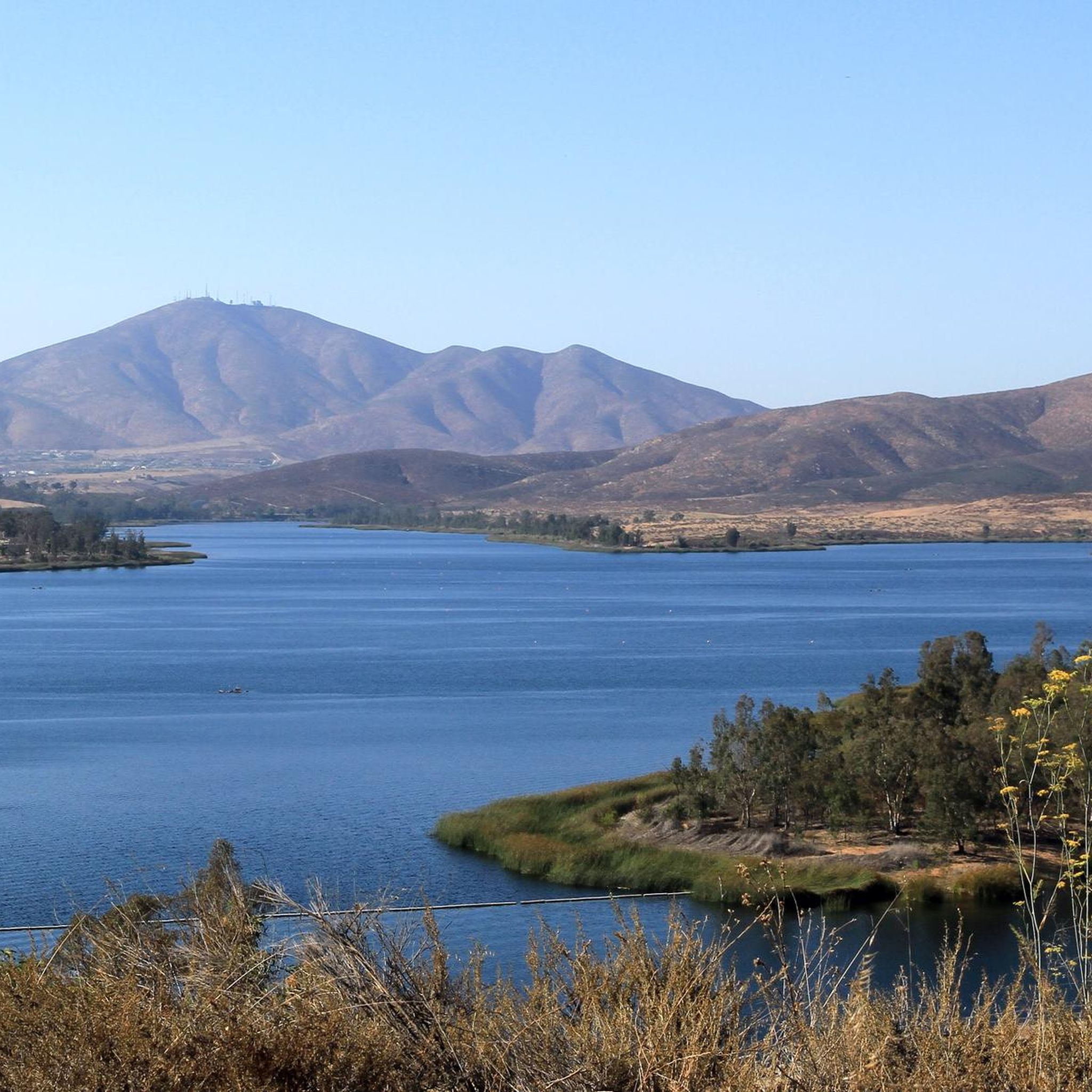
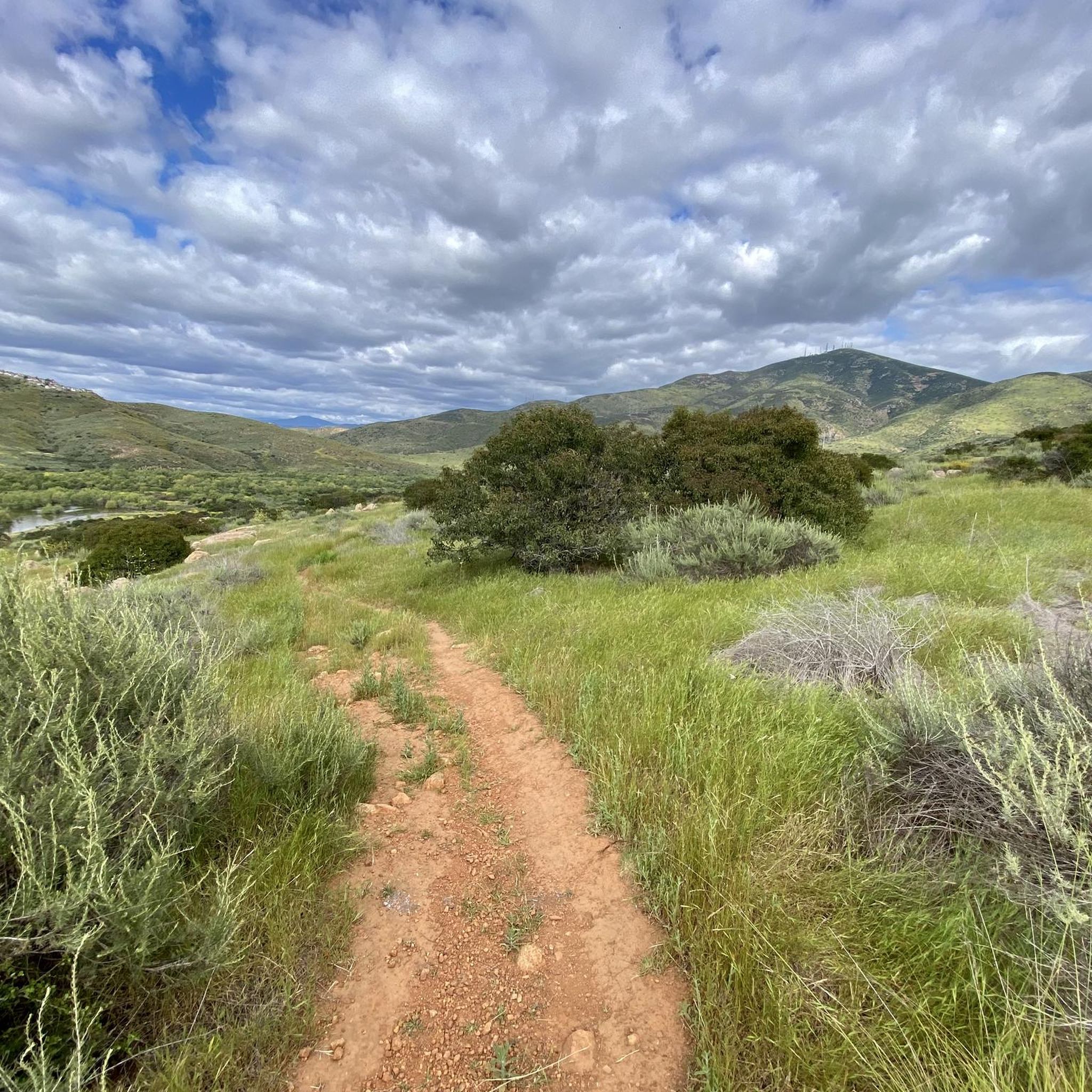
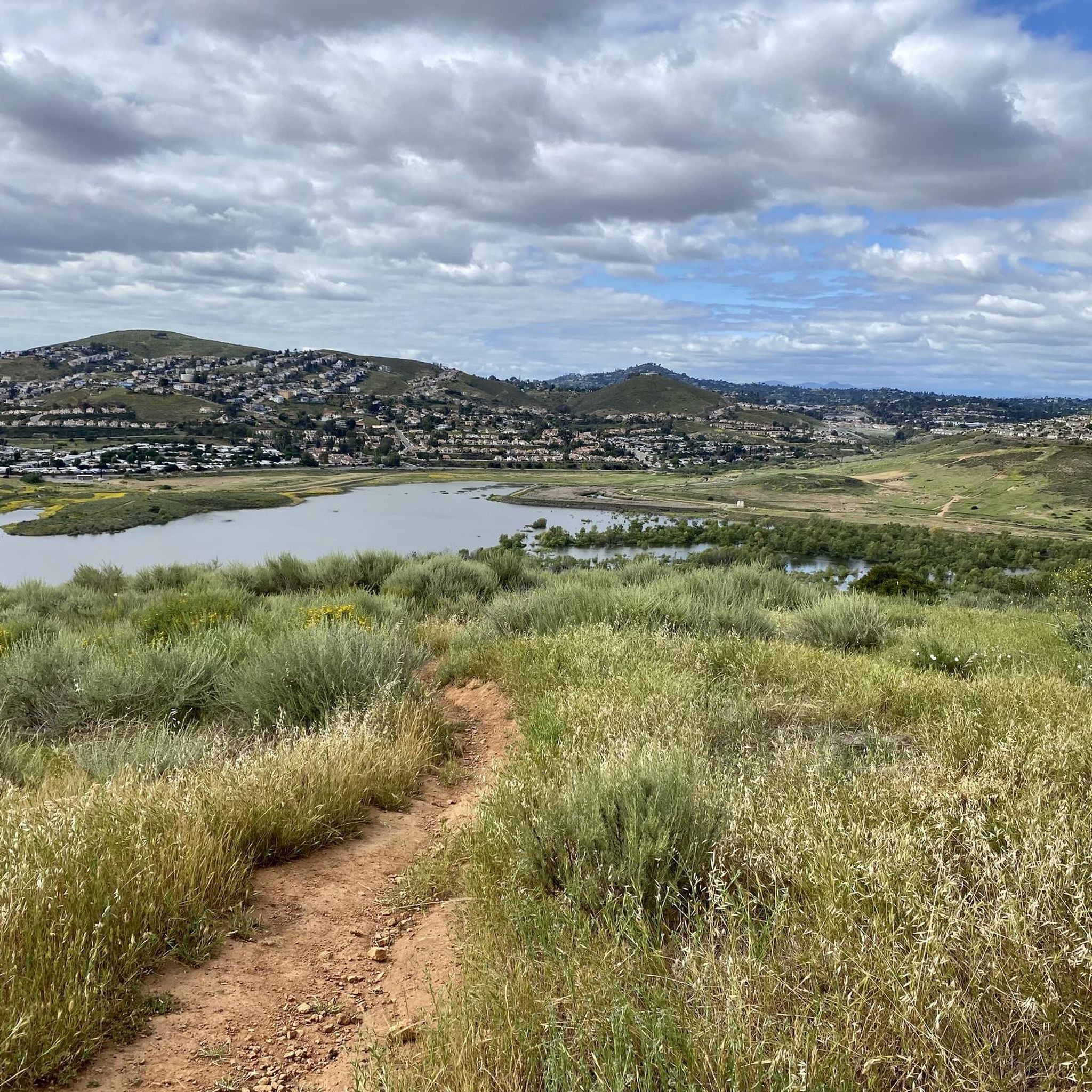
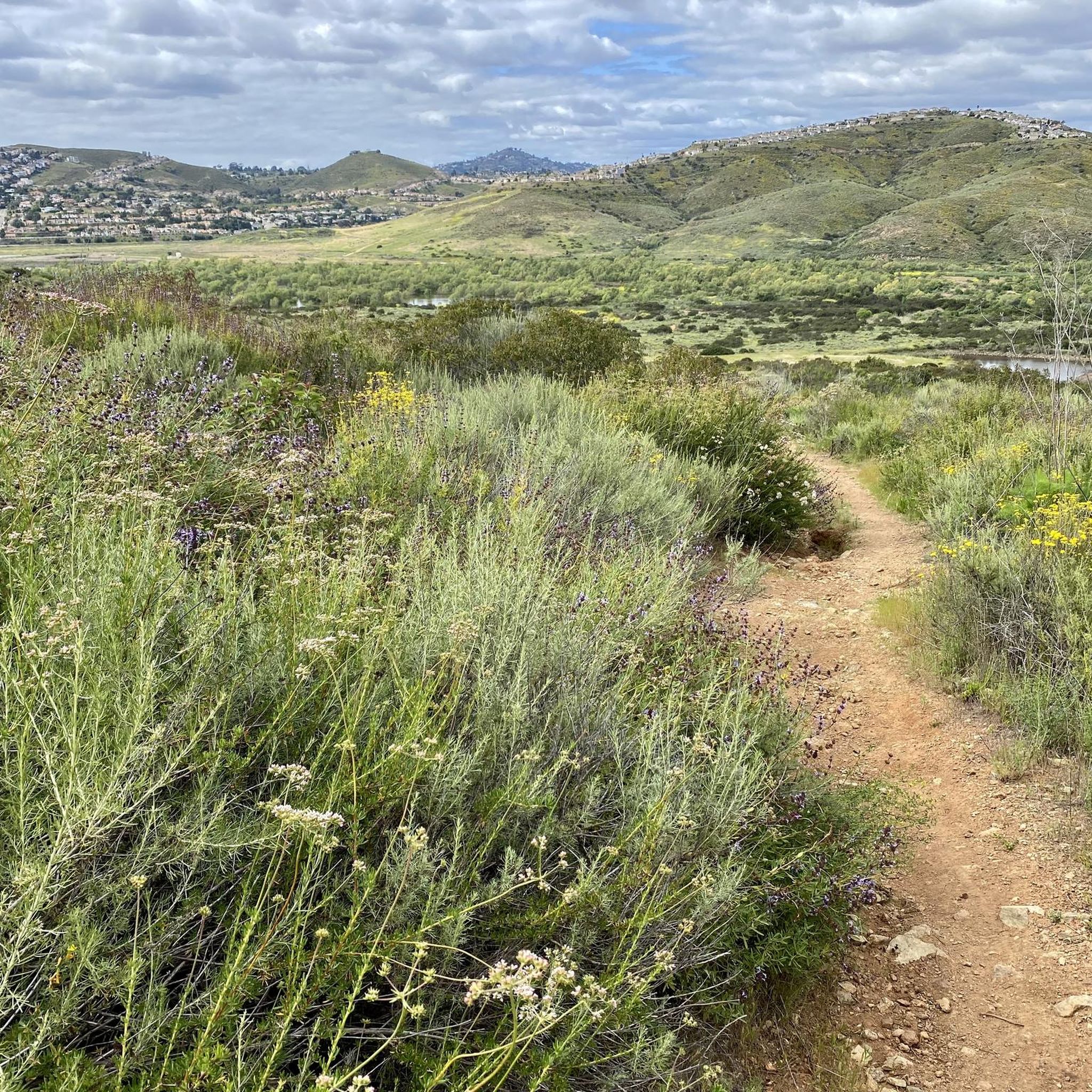
Touring cycling in San Diego National Wildlife Refuge offers diverse landscapes across its over 12,300 acres, providing a vital sanctuary for wildlife and outdoor enthusiasts. The region is characterized by extensive multi-use trails that traverse open grasslands, streamside vegetation, and chunky rock canyons. Prominent features include the Sweetwater Reservoir and coastal salt marsh habitats, offering varied terrain for cyclists. This expansive refuge protects significant open space, contributing to the preservation of diverse ecosystems in coastal Southern California.
Best touring cycling…
Last updated: October 14, 2026
10
riders
50.5km
03:40
1,030m
1,030m
Hard bike ride. Very good fitness required. Mostly paved surfaces. Suitable for all skill levels.
10
riders
59.6km
03:50
740m
740m
Hard bike ride. Very good fitness required. Mostly paved surfaces. Suitable for all skill levels.

7
riders
45.4km
04:32
1,020m
1,010m
Hard bike ride. Very good fitness required. Mostly paved surfaces. Suitable for all skill levels.
7
riders
32.8km
02:08
260m
260m
Moderate bike ride. Good fitness required. Mostly paved surfaces. Suitable for all skill levels.
10
riders
35.7km
03:30
640m
630m
Hard bike ride. Very good fitness required. Mostly paved surfaces. Suitable for all skill levels.
Get access to more routes and recommendations from other explorers.
Already have an account?
Our route recommendations are based on thousands of hikes, rides, and runs completed by other people on komoot.
Start today with a free account
Your next adventure awaits.
Popular around San Diego National Wildlife Refuge
Tips from the Community

Nice bike trail. Just watch out for the homeless camp
0
0


This multi-use trail runs along the Sweetwater River between Chula Vista and the Sweetwater Reservoir. Keep and eye out for hikers, runners, and horses, as they all use this trail.
0
0

The Sweetwater River is a small year-round stream that flows 55 miles from the Cuyamaca Mountains to the San Diego Bay.
1
0

Sweetwater Bike Park offers a variety of features for mountain bikers of all skill levels, including four jump lines ranging from beginner to expert, a kid's pump track, a skill zone, two flow trails, and a perimeter trail.
0
0
Within Sweetwater Regional Park, Sweetwater Park Trail winds throughout peaceful surroundings of native flora. Keep in mind that it can get quite muddy If you're visiting after a rain.
0
0

The Steele Canyon Bridge, also known as the Sweetwater River Bridge, is a beautiful landmark crossing the Sweetwater River. It is on the National Register of Historic places, and is no longer used for vehicles but is a great hiking, running or biking spot.
0
0
Frequently Asked Questions
How many touring cycling routes are available in San Diego National Wildlife Refuge?
The San Diego National Wildlife Refuge offers a wide variety of touring cycling routes, with over 60 different options to explore. These routes cater to various skill levels, from easy to difficult.
What are the typical difficulty levels for touring cycling routes in the refuge?
You'll find a good mix of difficulty levels. There are approximately 9 easy routes, 35 moderate routes, and 25 difficult routes, ensuring options for every cyclist, from beginners to experienced riders seeking a challenge.
Are there any family-friendly touring cycling routes in the San Diego National Wildlife Refuge?
Yes, the refuge offers routes suitable for families. While specific 'easy' routes are available, the region research mentions options like the Bonita Valley to Tiki Hut Loop as suitable for a 'family cruise'. Look for routes with lower elevation gain and shorter distances for a more relaxed family experience.
What kind of landscapes and natural features can I expect to see while cycling?
Cyclists can enjoy diverse landscapes including open grasslands, serene streamside vegetation, and rugged chunky rock canyons. Prominent features often include picturesque views of the Sweetwater Reservoir and, in some areas, coastal salt marsh and intertidal mudflat habitats, particularly within the San Diego Bay National Wildlife Refuge unit.
What notable landmarks or attractions can I find along the touring cycling routes?
Along your rides, you might encounter several interesting points. These include the challenging Mother Miguel Mountain Summit Rockhouse, scenic sections of the Sweet Water River Trail, and the Sweetwater Reservoir trail system. You may also cross the Steele Canyon Bridge or the Sweetwater River Crossing.
Are there any circular touring cycling routes available?
Yes, many routes in the refuge are designed as loops. For example, the Otay Reservoir Dam – Upper Otay Reservoir loop from Rancho San Diego offers reservoir views over 22.2 miles. Another option is the Rock House Trailhead – Tiki Hut loop from Mount San Miguel Park, a moderate 12.3-mile ride.
What is the best time of year to go touring cycling in the San Diego National Wildlife Refuge?
The refuge is generally pleasant for cycling year-round, but spring and fall are particularly good. These seasons offer milder temperatures and are ideal for birdwatching, as hundreds of thousands of birds migrate along the Pacific Flyway through the refuge.
Are e-bikes permitted on the trails in the refuge?
Yes, e-bikes are generally permitted on U.S. Fish and Wildlife Service refuge land and most county-managed trails within the San Diego National Wildlife Refuge, enhancing accessibility for touring cyclists.
What kind of wildlife might I see while cycling?
The refuge is a haven for wildlife. You may spot a variety of birds, especially during migration seasons, and potentially endangered species. The diverse ecosystems support a rich array of native plants and animals.
What do other touring cyclists say about the routes in San Diego National Wildlife Refuge?
The routes in San Diego National Wildlife Refuge are highly rated by the komoot community, with an average score of 4.7 stars from more than 20 reviews. Cyclists often praise the diverse terrain, scenic reservoir views, and the opportunity to experience coastal Southern California's unique ecosystems.
Are there any particularly challenging routes for experienced touring cyclists?
Absolutely. For experienced cyclists seeking a challenge, routes like the Bike loop from Rancho San Diego offer over 3,300 feet of elevation gain across 31.4 miles. These difficult routes traverse varied terrain and provide a significant workout.
Is there an educational center nearby to learn more about the refuge?
Yes, the Living Coast Discovery Center is located within the Sweetwater Marsh Unit of the San Diego Bay National Wildlife Refuge. It offers educational resources and programs, making it a great family-friendly destination to learn about coastal resource protection.
Where can I find more information about the San Diego National Wildlife Refuge?
For official information about the refuge, you can visit the U.S. Fish and Wildlife Service website at fws.gov/refuge/san-diego. For broader visitor information about the San Diego Bay National Wildlife Refuge, you can check govisitsandiego.com.
Most popular routes in San Diego National Wildlife Refuge
Most popular attractions in San Diego National Wildlife Refuge

Get inspired with the komoot mobile app


Explore more
Browse the best Cycling routes in other regions.
