Attractions and Places To See in Big Thicket National Preserve - Top 5
Best attractions and places to see in Big Thicket National Preserve, often called the "biological crossroads of North America," offers a unique convergence of diverse ecosystems. This protected area in Southeast Texas encompasses nine land units and six water corridors, showcasing an extraordinary variety of natural features. The preserve is renowned for its exceptional biodiversity, where eastern hardwood forests, Gulf coastal plains, and midwest prairies meet, resulting in nine distinct ecosystems including longleaf pine forests, cypress-lined bayous, and swamps. A…
Last updated: May 5, 2026
Village Creek
Highlight • River
Tip by

Kirby Nature Trail
Highlight • Trail
Tip by
Sign up now to discover places like this
Get recommendations on the best single tracks, peaks, & plenty of other exciting outdoor places.
Sign up for free
Turkey Creek Trail trailhead
Highlight • Trail
Tip by
Pitcher Plant Loop
Highlight • Trail
Tip by
Pitcher Plant Loop
Highlight • Trail
Tip by
Sign up for free to discover even more attractions in Big Thicket National Preserve.
Sign up for free
Already have an account?
Start today with a free account
Your next adventure awaits.
Login or Signup
Popular around Big Thicket National Preserve
Tips from the Community

The Kirby Trail can be extended via this bridge.
0
0
The Kirby Trail can easily be extended to 10 km by incorporating the Sandhill Loop, which follows a section of the Turkey Greek Trail. This is essentially a sandy singletrack trail that winds through pine forest, offering glimpses of marshy areas and flowing water.
1
0


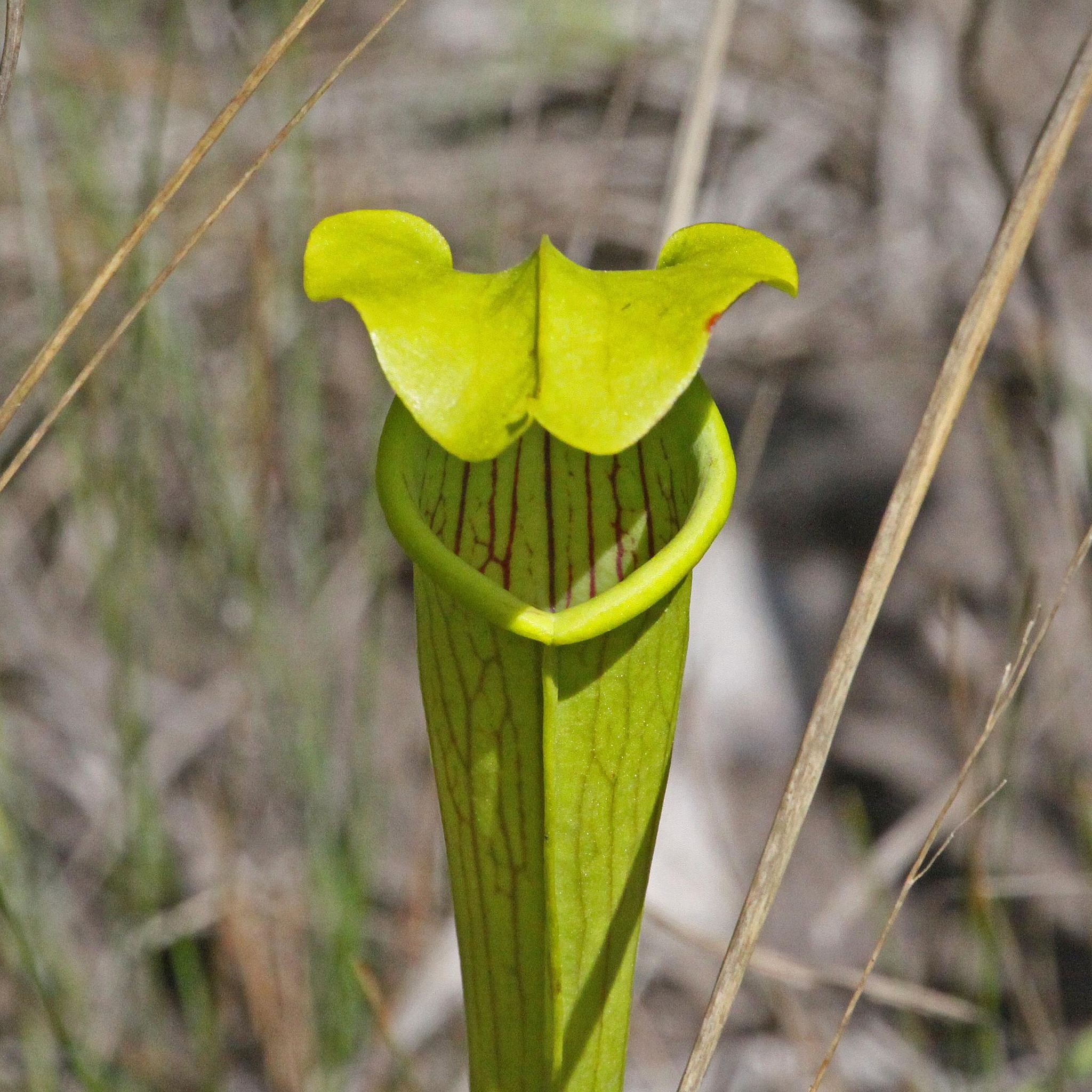
Named after the carnivorous pale pitcher plant that inhabits the bogs here, this path is a loop that branches off the main Turkey Creek Trail. It's only a mile (1.6 km) in length and can be accessed directly from its own trail head. You can combine it with the other Turkey Creek trailheads to make a longer run.
0
0
This is the northernmost trailhead for the Turkey Creek Trail, a 17-mile (27 km) trail through some delightful woodland. There are three lovely loops that branch off the trail: the Sandhill Loop and its sandy soil and desert vegetation; the Pitcher Plant Trail with its carnivorous plants and, at its southern end, the Kirby Nature Trail and its cypress sloughs.
1
0
The serene waters of Village Creek feature on the Kirby Nature Trail. The trail is a great way to experience the natural beauty of the Big Thicket and also links onto the 17-mile (27 km) Turkey Creek Trail. The Nature Trail here is split into two main loops, the Outer and Inner. Perhaps the most satisfying run is to do both in a figure 8 route. (At the time of writing – September 2022 – the bridge across Village Creek is closed due to flood damage.)
1
0
The Kirby Nature Trail is a beautiful way to get acquainted with the Big Thicket. It comprises three loops, two big – Inner and Outer – and the smaller Cypress Loop, which branches off the Inner Loop. At the Village Creek crossing, the 17-mile (27 km) Turkey Creek Trail begins.
1
0
This is the northernmost trailhead for the Turkey Creek Trail, a 17-mile (27 km) trail through some delightful woodland. There are three lovely loops that branch off the trail: the Sandhill Loop and its sandy soil and desert vegetation; the Pitcher Plant Trail with its carnivorous plants and, at its southern end, the Kirby Nature Trail and its cypress sloughs.
1
0
Frequently Asked Questions
What unique natural features can I explore in Big Thicket National Preserve?
Big Thicket is renowned for its exceptional biodiversity, where eastern hardwood forests, Gulf coastal plains, and midwest prairies converge. You can explore nine distinct ecosystems, including longleaf pine forests, cypress-lined bayous, swamps, and sandhills. A unique highlight is the presence of carnivorous plants, with four of the five known types in the U.S. found here, such as pitcher plants and sundews.
Are there any trails where I can see carnivorous plants?
Yes, the Pitcher Plant Loop is specifically named after the carnivorous pale pitcher plant that inhabits the bogs there. This 1-mile (1.6 km) loop branches off the main Turkey Creek Trail and can be accessed directly from its own trailhead. Another location to find carnivorous plants is the Sundew Trail in the Hickory Creek Savannah Unit.
What are the best hiking trails for an introduction to Big Thicket National Preserve?
The Kirby Nature Trail is an excellent starting point. It offers three loops—Inner, Outer, and a smaller Cypress Loop—providing a great introduction to the preserve's natural beauty, including serene views of Village Creek and cypress sloughs. It's also considered family-friendly.
What are some longer hiking options in the preserve?
The Turkey Creek Trail is a 17-mile (27 km) trail that winds through delightful woodlands. It offers branching loops like the Sandhill Loop, featuring sandy soil and desert vegetation, and the Pitcher Plant Trail. You can find various hiking routes, including longer options, in the area on the Hiking in Big Thicket National Preserve guide.
What water activities are available in Big Thicket National Preserve?
The preserve's waterways offer great opportunities for paddling. The Village Creek Texas State Paddling Trail is popular year-round for canoeists and kayakers, with multiple access points for trips ranging from a few hours to overnight. The Neches River also provides opportunities for boating and fishing.
Is Big Thicket National Preserve suitable for families with children?
Yes, several attractions are family-friendly. The Kirby Nature Trail and the Pitcher Plant Loop are both excellent choices for families, offering easy walks and unique natural sights. The Big Thicket National Preserve Visitor Center also provides interactive exhibits and park videos that can engage younger visitors.
When is the best time to visit Big Thicket National Preserve for wildlife viewing, especially birds?
The preserve is excellent for bird watching, especially from mid-April to mid-May, as it lies on the Central and Mississippi migratory bird flyways. This period offers the best chance to observe a wide variety of bird species.
Where can I start my visit to Big Thicket National Preserve?
The Big Thicket National Preserve Visitor Center is an ideal first stop. It offers interactive exhibits, park videos, and the opportunity to speak with park rangers who can provide current information and recommendations for your visit.
What are some of the distinct units within Big Thicket National Preserve that I can explore?
The preserve is comprised of several distinct units, each offering different experiences. For example, the Turkey Creek Unit is home to many scenic highlights and carnivorous plants, while the Big Sandy Creek Unit offers a mix of longleaf pine uplands and flooded bottomlands. The Beech Creek Unit allows visitors to explore a forest of beech trees on the Beech Woods Trail.
What kind of outdoor activities, besides hiking, can I do in Big Thicket National Preserve?
Beyond hiking and paddling, Big Thicket National Preserve is excellent for bird watching, especially during spring migration. Other popular activities include backcountry camping, fishing, horseback riding, and general wildlife viewing throughout its diverse ecosystems.
What do visitors enjoy most about the trails in Big Thicket National Preserve?
Visitors particularly enjoy the serene waters of Village Creek, which features on the Kirby Nature Trail, and the unique experience of seeing carnivorous plants on the Pitcher Plant Loop. The diverse ecosystems and the opportunity to immerse oneself in nature are highly appreciated.
Are there any cultural or historical sites related to the Big Thicket area?
Historically, the area was settled by the Alabama and Coushatta tribes in the 1780s. While not directly within the preserve, the nearby Heritage Village Museum in Woodville documents the area's history and occasionally features performances by members of the Alabama-Coushatta tribe, offering a glimpse into the region's rich past.
Most popular routes in Big Thicket National Preserve

Get inspired with the komoot mobile app


