Attractions and Places To See in Glen Canyon National Recreation Area - Top 20
Best attractions and places to see in Glen Canyon National Recreation Area span over 1.25 million acres across Arizona and Utah. This region features a diverse range of natural wonders, significant landmarks, and cultural heritage sites. The landscape is dominated by Jurassic-age sedimentary rocks, creating a striking palette of reds, oranges, and whites across canyons, mesas, and buttes. It offers extensive opportunities for both water-based and backcountry recreation.
Best attractions and places to see in Glen Canyon National Recreation Area
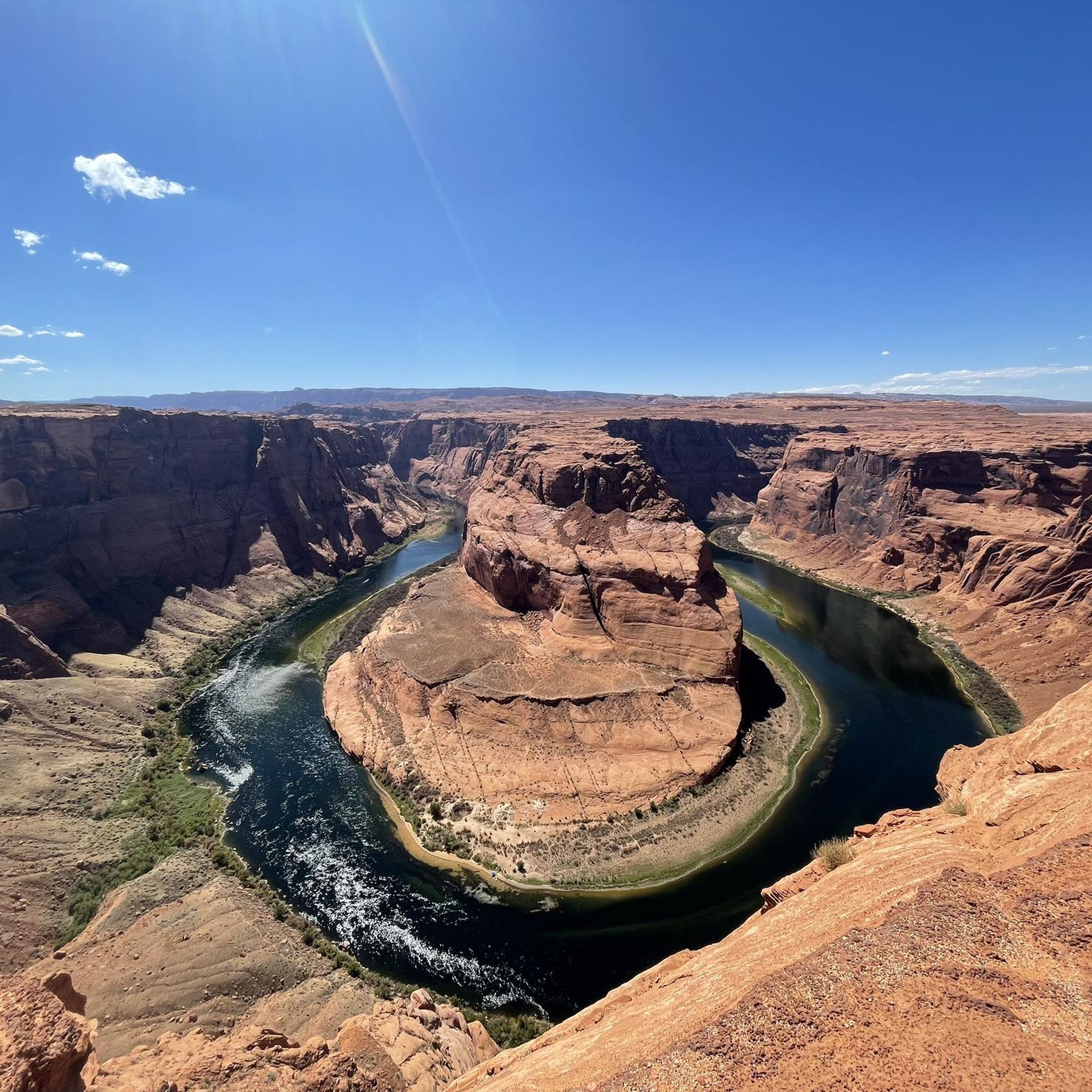
- The most popular attractions is Horseshoe Bend, a viewpoint that offers a panoramic overlook of a 270-degree bend in the Colorado River. It provides an impressive view as the river winds around the mesa.
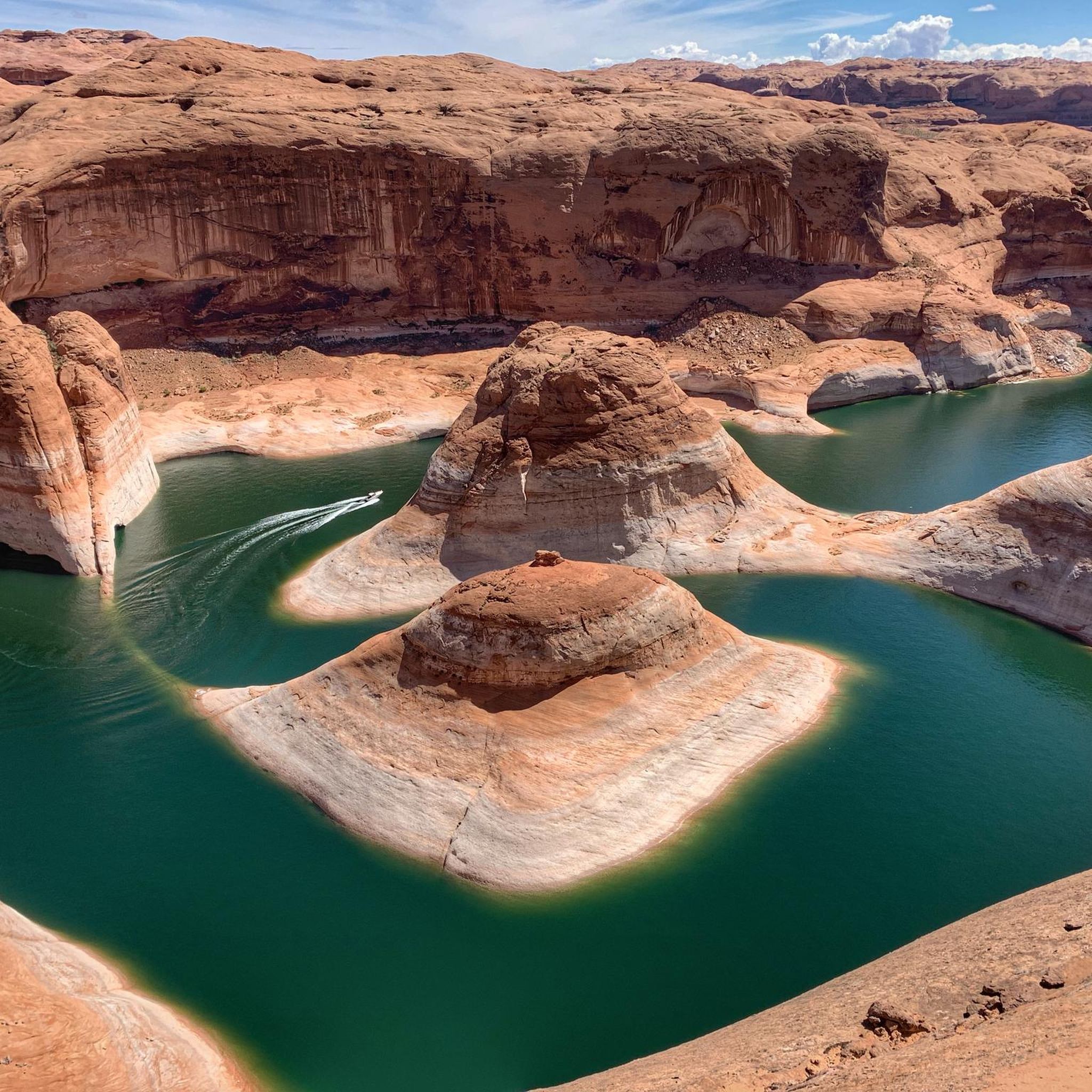
- Another must-see spot is Hanging Garden, a natural monument. This sheltered cove is home to a unique hanging garden, formed when water seeps from rock walls, creating an environment where plants can grow on the rock face.
- Visitors also love Glen Canyon Dam, a man-made monument. This massive structure impounds the Colorado River to form Lake Powell and rises 216 meters above the bedrock within the steep, rust-colored sandstone walls of Glen Canyon.
- Glen Canyon National Recreation Area is known for its natural monuments, historical sites, and viewpoints. The area offers a variety of attractions to see and explore, from geological formations to cultural heritage sites.
- The attractions in Glen Canyon National Recreation Area are appreciated by the komoot community, with over 100 photos and more than 100 upvotes.
Last updated: April 23, 2026
Horseshoe Bend
Highlight • Viewpoint
Until 2018 you could visit it for free, but since the crowds have arrived, you have to pay 10 Dollar at the parking lot. In 2019 there was a new platform installed to offer a safe view point for the increasing number of tourists.
Tip by

Hanging Garden
Highlight • Natural Monument
A hanging garden is formed when a water source reaches an impermable layer of rock and can no longer move downwards. The water then moves sideways across the rock and once it reaches the wall of a canyon, it seeps out of the rock. If there is an overhang that prevents the water from evaporation quickly, it creates an environment where plants can grow on the rock wall and on the ground below.
Tip by

Sign up now to discover places like this
Get recommendations on the best single tracks, peaks, & plenty of other exciting outdoor places.
Sign up for free
Glen Canyon Dam
Highlight • Monument
Due to the needs of water and electricity in the southwestern states, Glen Canyon Dam was constructed and changed nature and environment in this area and the nearby Grand Canyon forever.
Tip by
New Wave (sandstone formation)
Highlight • Natural Monument
While the Wave now requires a permit to visit, the New Wave does not have these restrictions, so is a good option if you are in Page.
Tip by
Cathedral Wash - lower canyon
Highlight • Canyon
Translated by Google •
Tip by

Sign up for free to discover even more attractions in Glen Canyon National Recreation Area.
Sign up for free
Already have an account?
Start today with a free account
Your next adventure awaits.
Login or Signup
Popular around Glen Canyon National Recreation Area
Tips from the Community

Very special its construction.
2
0


This sheltered cove is home to a hanging garden, an interesting feature to see in the rocky Glen Canyon. A hanging garden is formed when a water source reaches an impermeable layer of rock and can no longer move downwards. The water then moves sideways across the rock and once it reaches the wall of a canyon, it seeps out of the rock. If there is an overhang that prevents the water from evaporation quickly, it creates an environment where plants can grow on the rock wall and on the ground below.
0
0

We visit the Glen Canyon Dam, which dams the Colorado River here to form Lake Powell. We cross the dam, one of the last dams built to generate energy from water. The Glen Canyon Dam, which rises 216 meters above the bedrock within the steep, rust-colored sandstone walls of Glen Canyon, was built to harness the power of the Colorado River to meet the water and electricity needs of millions of people in the West. From here we have a fantastic view of the lake, whose crystal blue water meets the red rock walls.
5
0

Spanning the bridge on either side offers a spectacular view of the dam and the start of the Grand Canyon. From here, the Colorado River flows all the way to the Gulf of California.
0
0

A beautiful natural phenomenon, how the Colorado River draws a horseshoe in nature with incredibly beautiful colors👍🏼
3
0
This sheltered cove is home to a hanging garden, an interesting feature to see in the rocky Glen Canyon. A hanging garden is formed when a water source reaches an impermable layer of rock and can no longer move downwards. The water then moves sideways across the rock and once it reaches the wall of a canyon, it seeps out of the rock. If there is an overhang that prevents the water from evaporation quickly, it creates an environment where plants can grow on the rock wall and on the ground below.
1
0
Similar to the Wave, the New Wave is a sandstone formation that is intriguing because of how undulating and colorful the rock is. It was originally formed by water erosion and is now being eroded solely by the wind. While the Wave now requires a permit to visit, the New Wave does not have these restrictions, so is a good option if you are in Page.
1
0
Frequently Asked Questions
What natural wonders can I explore in Glen Canyon National Recreation Area?
Glen Canyon National Recreation Area is rich in natural wonders. You can visit the iconic Horseshoe Bend, a dramatic 270-degree bend in the Colorado River. Another unique spot is the Hanging Garden, a sheltered cove where plants grow on rock walls due to seeping water. The area also features impressive geological formations like the New Wave (sandstone formation), known for its undulating and colorful rock patterns. Further afield, you can find Rainbow Bridge National Monument, one of the world's largest natural arches, and the striking slot canyons like Antelope Canyon, accessible via boat tours from Lake Powell.
Are there any significant historical or cultural sites to visit?
Yes, Glen Canyon National Recreation Area has a rich history. The Glen Canyon Dam itself is a significant man-made monument, and its visitor center offers educational exhibits. The Lees Ferry Historic District and Lonely Dell Ranch Historic District showcase the area's past, including Native American land use, early Spanish explorers, Mormon settlement, and ranching. Thousands of archaeological sites, featuring granaries, dwellings, and rock art, reflect over 10,000 years of human history in the region.
What are some family-friendly attractions in the area?
Many attractions in Glen Canyon National Recreation Area are suitable for families. The Hanging Garden offers an interesting and relatively easy walk to see unique plant life. The Glen Canyon Dam provides impressive views and an informative visitor center. Lake Powell is a central hub for family-friendly water activities like houseboating, swimming, and exploring hidden coves. The accessible path to Horseshoe Bend also makes it a popular choice for families.
Where can I find scenic viewpoints in Glen Canyon National Recreation Area?
For breathtaking vistas, Horseshoe Bend offers a world-famous panoramic overlook of the Colorado River. The Glen Canyon Dam provides fantastic views of Lake Powell and the surrounding red rock walls. Muley Point is another excellent spot for expansive views of the rugged landscape. Additionally, many of the hiking trails, such as the Beehive Trail, lead to spectacular overlooks.
What kind of hiking trails are available, and are there options for all skill levels?
Glen Canyon National Recreation Area offers a diverse range of hiking trails. You can find easy walks like the Hanging Gardens Trail and the path to Horseshoe Bend. For more challenging adventures, trails like the Beehive Trail offer steep sections and exposed cliff faces, rewarding hikers with stunning views. The Escalante Backcountry, including areas like Coyote Gulch, provides some of the best backcountry hiking with natural bridges and narrow canyons. You can explore more options for all difficulties in the Hiking in Glen Canyon National Recreation Area guide.
Are there any easy hikes suitable for a relaxed outing?
Yes, several easy hikes are perfect for a relaxed outing. The Hanging Gardens Trail is a pleasant walk to a unique natural feature. The 1.5-mile roundtrip hike to Horseshoe Bend is also considered easy and highly rewarding. Another accessible option is the walk across the Glen Canyon Dam for impressive views. For more easy options, check out the Easy hikes in Glen Canyon National Recreation Area guide.
What water-based activities can I do in Glen Canyon National Recreation Area?
Lake Powell, the centerpiece of the recreation area, is ideal for water-based activities. It's a premier destination for houseboating, kayaking, paddleboarding, and other water sports. You can explore numerous hidden coves and access incredible slot canyons directly from the lake. Lees Ferry, at the beginning of the Grand Canyon, also offers opportunities for fishing and river running.
Is it possible to visit Antelope Canyon from Glen Canyon National Recreation Area?
Yes, Antelope Canyon is a famous slot canyon located within the vicinity of Glen Canyon National Recreation Area. It is best accessed via boat tours from Lake Powell, offering a unique perspective on its striking formations. Permits and guided tours are typically required to visit Antelope Canyon.
When is the best time of year to visit Glen Canyon National Recreation Area?
The best time to visit Glen Canyon National Recreation Area generally depends on your planned activities. Spring (April-May) and Fall (September-October) offer pleasant temperatures for hiking and exploring. Summer (June-August) can be very hot, making water-based activities on Lake Powell particularly popular. Winter (November-March) brings cooler temperatures and fewer crowds, with some opportunities for unique experiences, though certain services might be limited.
Are there any less-known spots or 'hidden gems' worth exploring?
Beyond the well-known attractions, Glen Canyon National Recreation Area holds many less-trafficked gems. The New Wave (sandstone formation) offers a similar visual appeal to the famous Wave but without the permit restrictions. Exploring the vast Escalante Backcountry, including areas like Coyote Gulch, can lead to incredible natural bridges and arches away from the crowds. Hole-in-the-Rock Road also provides access to scenic drives and points of interest like Devil's Garden.
What should I know about parking at popular attractions like Horseshoe Bend?
Parking at popular attractions like Horseshoe Bend is available, but it's important to note that a fee is typically required. Since 2018, visitors have had to pay a fee at the parking lot due to the increasing number of visitors. It's advisable to arrive early, especially during peak season, as parking lots can fill up quickly. Always check for current parking fees and availability before your visit.
What kind of wildlife can I expect to see in Glen Canyon National Recreation Area?
Glen Canyon National Recreation Area supports diverse ecosystems, from warm desert lowlands to pinyon-juniper woodlands and lush riparian zones along the Colorado River. This variety of habitats means you might spot desert bighorn sheep, mule deer, coyotes, and various species of birds, including raptors. Along the water, look for waterfowl and other aquatic species. Always observe wildlife from a distance and do not disturb their natural behavior.
Most popular routes in Glen Canyon National Recreation Area
Most popular attractions in Glen Canyon National Recreation Area

Get inspired with the komoot mobile app


Explore more
Still not found the Highlight you’re looking for? See guides of the top attractions in other regions:
