Top 20 Castles around Hessisch Oldendorf
Best castles around Hessisch Oldendorf are found in the picturesque Weserbergland region, a landscape characterized by rolling hills and the Weser river. This area offers a glimpse into centuries of German architecture and noble history through its well-preserved estates and historic ruins. The town itself is nestled amidst natural features, providing a backdrop for exploring these historical landmarks. Visitors can discover a variety of castles, from grand Renaissance complexes to ancient fortifications.
Best castles around Hessisch Oldendorf
- The most popular…
Last updated: October 9, 2026
Schaumburg
Highlight • Castle
Showing Translation
Tip by

Ruins of Hünenburg
Highlight • Historical Site
Translated by Google •
Tip by

Sign up now to discover places like this
Get recommendations on the best single tracks, peaks, & plenty of other exciting outdoor places.
Hülsede Water Castle
Highlight • Castle
Translated by Google •
Tip by

Paschenburg — View of the Weser Valley
Highlight • Viewpoint
Translated by Google •
Tip by
Schwedesdorf Water Castle
Highlight • Castle
Translated by Google •
Tip by

Sign up for free to discover even more castles around Hessisch Oldendorf.
Already have an account?
Start today with a free account
Your next adventure awaits.
Popular around Hessisch Oldendorf
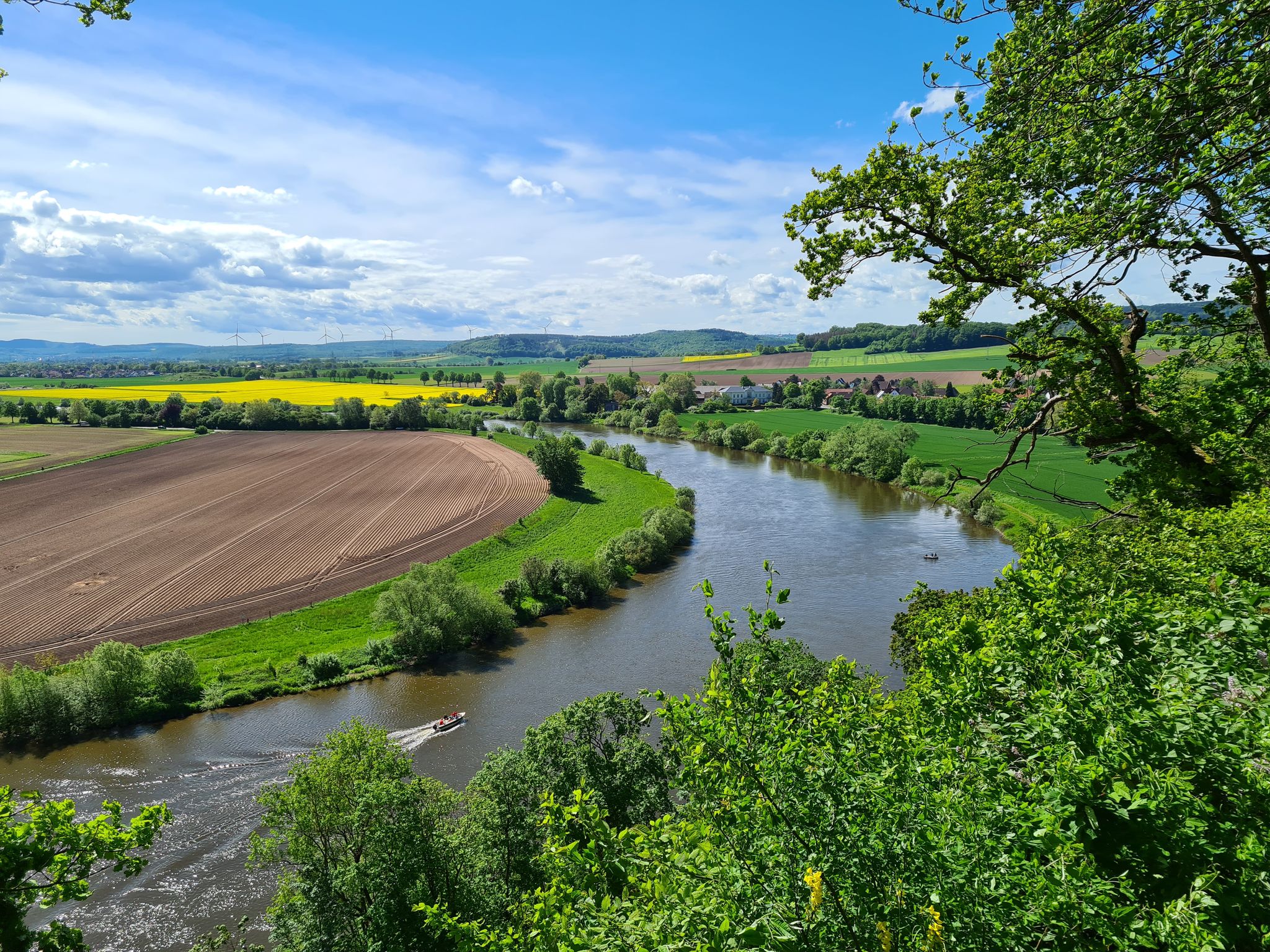
Loccum-Volkenroda pilgrim's way – From monastery to monastery
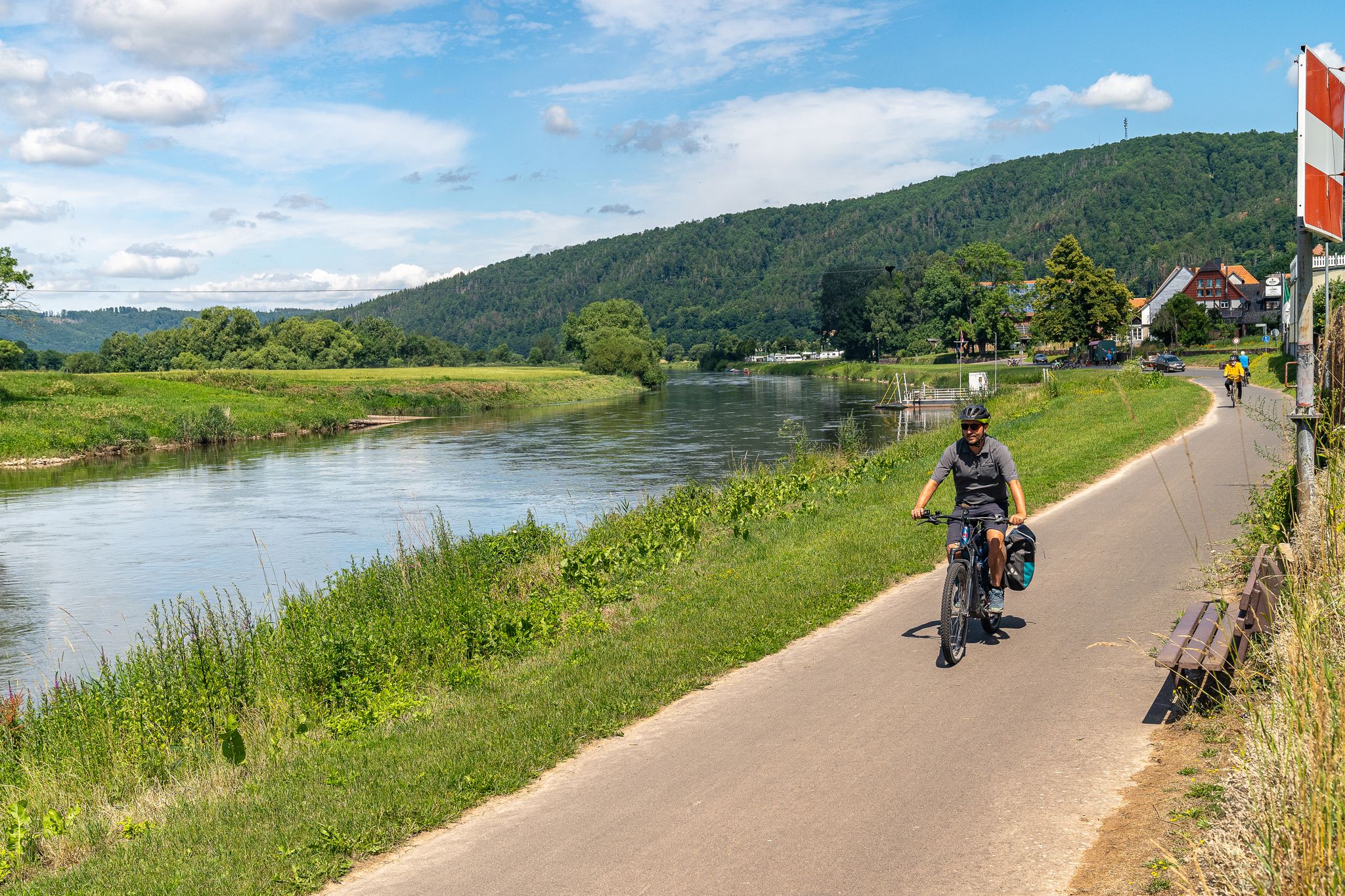
Freedom and pure cycling pleasure – Bike & Camp in the Weser Uplands
The National Natural Landscapes in Niedersachsen
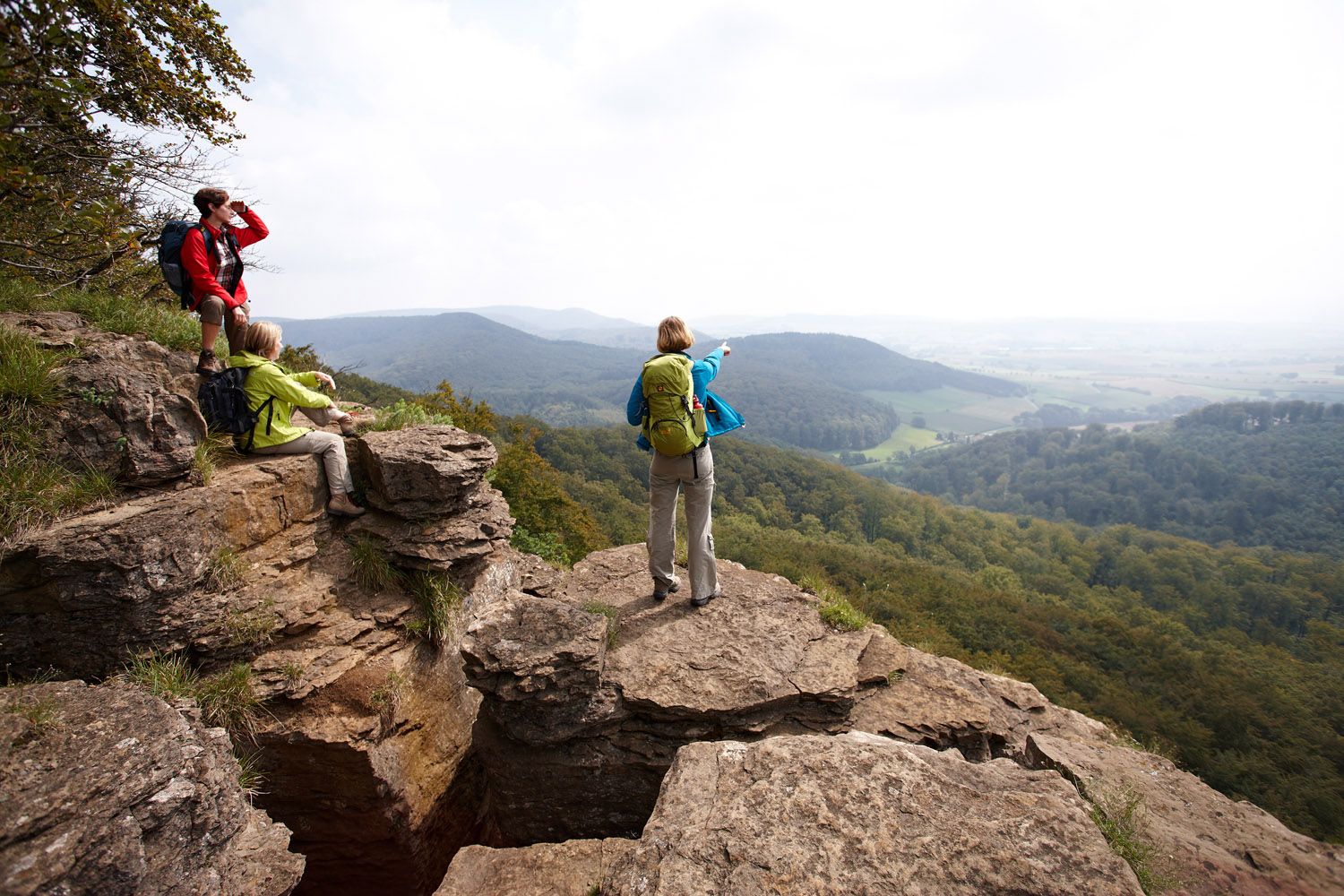
Weser Uplands Extreme – hiking for true adventurers
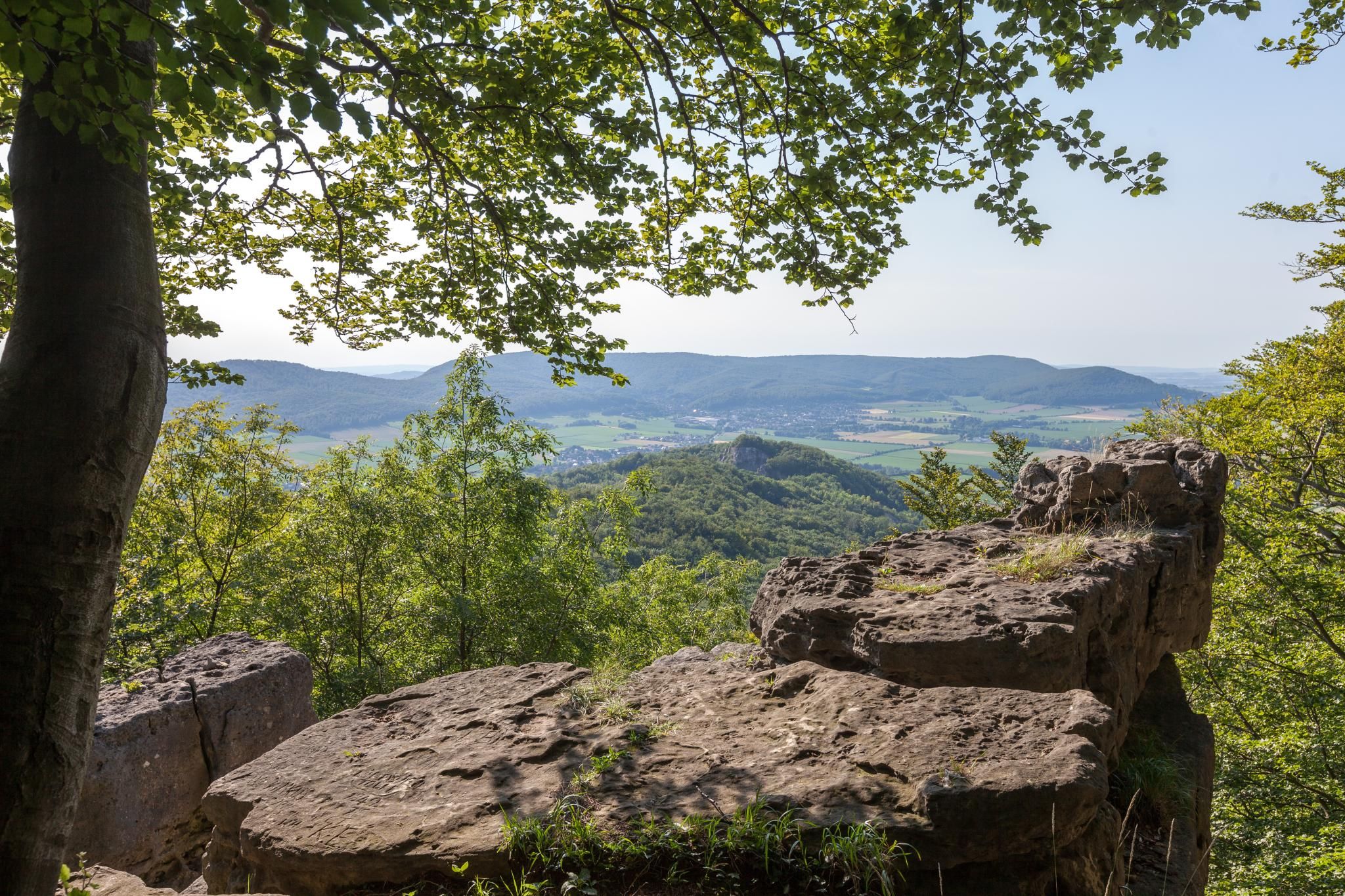
High up on cliffs and viewpoints in the Weserbergland region
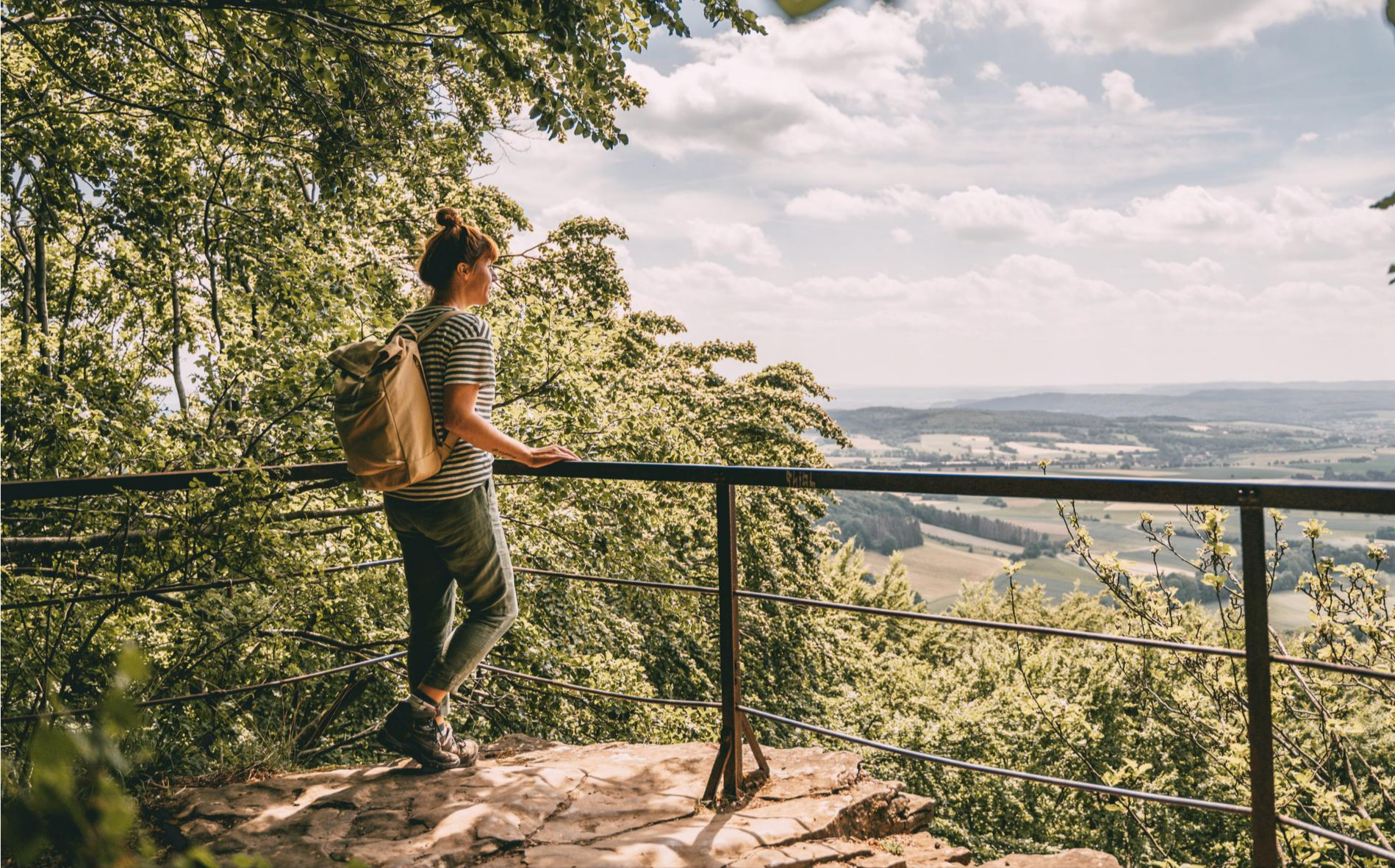
Fabulously scenic – hiking Germany’s Weserbergland Trail
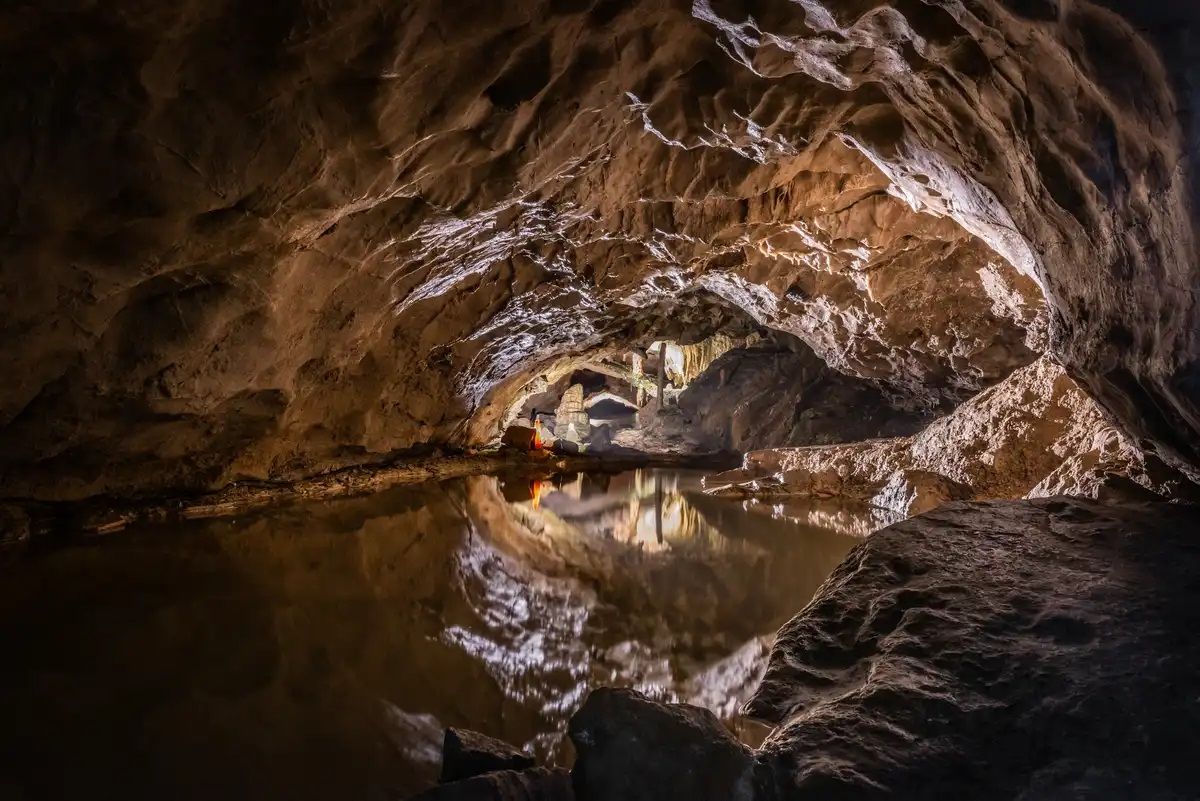
Stalactite caves – magical worlds beneath the surface
Hiking around Hessisch Oldendorf
Cycling around Hessisch Oldendorf
MTB Trails around Hessisch Oldendorf
Other adventures around Hessisch Oldendorf


Tips from the Community

Beautiful old water castle in Lauenau.
2
0

Foundations of a mysterious castle
2
0

Once you have deciphered the plaque, the text of which can hardly be read because the glass pane is extremely reflective, the reconstruction of the foundation walls helps to understand the size and structure of the castle. It was small, but it has that in common with many other castles.
2
0

The moated castle in Schwedesdorf is privately owned, like many castles in the Schaumburg region.
6
0

The moated castle shell de, near Hanover, located in the valley between Deister and Süntel, was built between 1529 and 1548 as a four-winged complex. It is a typical example of an early Renaissance building in the Weser area. The outstanding art-historical value of the castle lies in the original structure of the 16th century. The moated castle and the courtyard buildings are listed buildings and have been extensively restored over the past thirty years. The entire facility and the associated agriculture have been family-owned for over 400 years. Source: https://schloss-huelsede.de/das-schloss/
4
0
Schwedesdorf Palace is a palace complex in Lauenau in Lower Saxony that was built between 1596 and 1600 and has been owned by the Barons of Münchhausen since it was built. The castle consists of a main building and a side building, which are at right angles to each other. A hexagonal stair tower, which was added later in 1606, stands on one building. The half-timbered upper floor was renewed in the 19th century. In the years 1892 and 1893 Hermann Schaedtler carried out conversions and extensions. Inside the castle there are three chimneys decorated with scrollwork, fittings and tailwork. On the west side of the castle there is a public garden with exotic trees. As early as 1377, the counts of Schauenburg and Holstein enfeoffed the white line of the Münchhausen noble family with half a tithe in Schwedesdorf, at the same time as three farms in neighboring Apelern. This free burglehn in the outer bailey of Lauenau was used to provide for them, as was the case with other burghers at the Lauenau official castle. In 1594, three brothers divided the inheritance: Claus received Apelern (with the Renaissance castle built in 1560-1561, which is also still owned by the family) and Nienfeld, Otto Lauenau and Ludolf received the inheritance from their mother Heilwig Büschen in Hessisch Oldendorf and Remeringhausen. The builder of Schwedesdorf Castle was Otto von Münchhausen, who had been Drost at the official castle since 1583. In 1596 he began building his own palace in Schwedesdorf on the old Münchhausen Burgmannshof in the immediate vicinity in order to upgrade it to a manor of his own. The master builder is Johann Hundertossen from Hamelin. The building was completed in 1600, and since then the inscription "Otto von Munnichhusen, Anno domini 1600" has adorned a coat of arms. In 1892, the bay window and gables were adjusted and provided with a stone inscription, which can also be found in the Münchhausen family crest: "Mine Borg is God." wedding had drawn. Source: Wikipedia
5
0

The castle is private, but you can visit some parts of the courtyard and take some pictures. At the entrance you will find a nice information table.
4
0

The castle has been privately owned by the Münchhausen family since it was built in the late 16th century. With the help of EU funds, the castle is kept in good condition as an important cultural heritage. The courtyard of the castle is freely accessible, although the building itself cannot be visited.
6
1
Frequently Asked Questions
What types of castles can I explore around Hessisch Oldendorf?
The region around Hessisch Oldendorf offers a diverse range of castles, including grand Renaissance complexes, historic moated castles, and ancient fortifications. You can find examples of Weser Renaissance architecture, medieval ruins, and estates that blend defensive capabilities with residential use.
Which castles showcase the Weser Renaissance architectural style?
Several castles in the area are prime examples of Weser Renaissance architecture. Hülsede Water Castle is a typical four-winged palace from this era. Additionally, Hämelschenburg Castle is considered one of Germany's most significant Renaissance complexes, and Münchhausenhof in Hessisch Oldendorf also features this distinctive style.
Are there family-friendly castles to visit near Hessisch Oldendorf?
Yes, several castles are suitable for families. Schaumburg, Hülsede Water Castle, and the Ruins of Hünenburg are all listed as family-friendly. These sites often offer space to explore and historical insights that can engage younger visitors.
Can I bring my dog to the castle areas?
The Ruins of Hünenburg are noted as dog-friendly, making it a good option for walks with your canine companion. For other castles, it's advisable to check specific visitor guidelines, as access policies for dogs can vary.
Which castles offer the best views of the Weser valley?
Schaumburg provides significant historical importance and a location with expansive views into the Weser valley. From its George Tower, you can enjoy panoramic vistas, including a glimpse of Paschenburg Castle.
Are there any castles that are still privately owned or used for events?
Hämelschenburg Castle has been continuously owned and inhabited by the von Klencke family for over 500 years, offering guided tours of its historic rooms. Hülsede Water Castle is a private residence that can be rented for events and weddings, with a part of its courtyard accessible to visitors. Münchhausenhof is also privately owned and can be viewed from its public park.
What outdoor activities can I do near these castles?
The area around Hessisch Oldendorf is excellent for outdoor activities. You can find numerous running trails, road cycling routes, and general cycling paths. For example, you can explore routes like the Weser Island loop or the Fischbeck surf pond loop. Discover more options on the running trails guide, road cycling guide, or cycling guide for the region.
Are there hiking trails that incorporate castle visits?
Yes, many castles are situated along or near hiking trails. For instance, the Ruins of Hünenburg are a short branch off the "Long Wall" trail in the nature reserve "ridge of the Weser Mountains." You can find various routes that combine historical exploration with scenic walks in the surrounding natural landscape.
What is the historical significance of the Münchhausenhof in Hessisch Oldendorf?
Münchhausenhof is a former aristocratic estate and one of the largest and most important town castles of the Schaumburg nobility in the Weser Renaissance style. Built around 1583, it once housed a significant library and is associated with local legends. While privately owned, its public park allows appreciation of its architecture and historical importance. More information can be found on Wikipedia.
Are there cafes or restaurants near the castles?
Hämelschenburg Castle features a café with a beer garden and a museum shop, inviting guests to linger. Near Schaumburg, the Paschenburg offers an inn with food and a great view. For other locations, it's best to check locally for nearby dining options.
What do visitors particularly enjoy about the castles around Hessisch Oldendorf?
Visitors appreciate the historical importance and stunning views offered by castles like Schaumburg. The well-preserved architecture of places like Hämelschenburg Castle and the picturesque setting of Hülsede Water Castle are also highly valued. The community has shared over 1800 photos and given more than 1200 upvotes, highlighting the visual appeal and historical depth of the region's castles.
Is there a castle that offers a unique historical perspective on medieval times?
The Ruins of Hünenburg provide insight into an 11th-century medieval castle. Despite requiring some imagination to visualize its original form, the restored foundations allow visitors to understand its former size and historical significance.
Most popular routes around Hessisch Oldendorf
Most popular attractions around Hessisch Oldendorf

Get inspired with the komoot mobile app


Explore more
Looking for the best castles somewhere else? Discover other guides around Hessisch Oldendorf:
