Attractions and Places To See in Salt Point State Park - Top 5
Best attractions and places to see in Salt Point State Park include a diverse coastal landscape along the Sonoma coast. The park features unique geological formations, marine reserves, and distinct forest ecosystems. Sandstone from the area was historically used in San Francisco's construction. Visitors can explore various natural environments, from rocky coves to pygmy forests.
Best attractions and places to see in Salt Point State Park
- The most popular attractions is Gerstle Cove Marine Reserve, a beach that features…
Last updated: July 2, 2026
Gerstle Cove Marine Reserve
Highlight • Beach
Sandstone from Salt Point was used in the construction of San Francisco's streets and buildings during the mid-1800s. At the rocks at Gerstle …
Tip by

North Trail — Salt Point State Park
Highlight (Segment) • Forest
Tip by
Sign up now to discover places like this
Get recommendations on the best single tracks, peaks, & plenty of other exciting outdoor places.
Sign up for free
Salt Point Rock Formations
Highlight • Natural Monument
Tip by

Kruse Rhododendron State Natural Reserve
Highlight • Natural Monument
Tip by
Fisk Mill Cove Overlook
Highlight • Viewpoint
Tip by
Start today with a free account
Your next adventure awaits.
Login or Signup
Popular around Salt Point State Park
Tips from the Community

This is a key segment of one of Salt Point State Park's world wonders: a pygmy forest. The Bishop and Bolander pines, Mendocino cypresses, and redwoods here are fully mature (and in some cases, more than a century old), but at only a few feet tall, are uniquely miniature. These trees’ stunted growth is caused by an inhospitable combo of highly-acidic, nutrient-free soil and a below-surface hardpan layer that blocks soil drainage and prevents the trees from setting the deep roots they need to thrive. The 3.8-mile, two-hour loop of the Pygmy Forest Trail takes you through a mixed evergreen forest, a grassy prairie surrounded by pines, and lots of mushrooms and wildflowers (in season) before you reach pygmy tree territory. Start out on Central Trail, located near the ranger station. You’ll pass madrone, Douglas fir, tan oaks, and eucalyptus as you ascend steadily upward. The occasional interpretive signs are interesting, describing various plants and the way they were used by the area’s first residents, the Kashaya Pomo. After you’ve walked about one-and-a-half miles you’ll come to an intersection; turn left onto this North Trail, which brings you through the pygmy forest. Turn left again at the Water Tank Trail; it’s short, less than a quarter mile, at which time you rejoin the Central Trail by turning right. This brings you back to the ranger station https://www.parks.ca.gov/?page_id=453
2
0

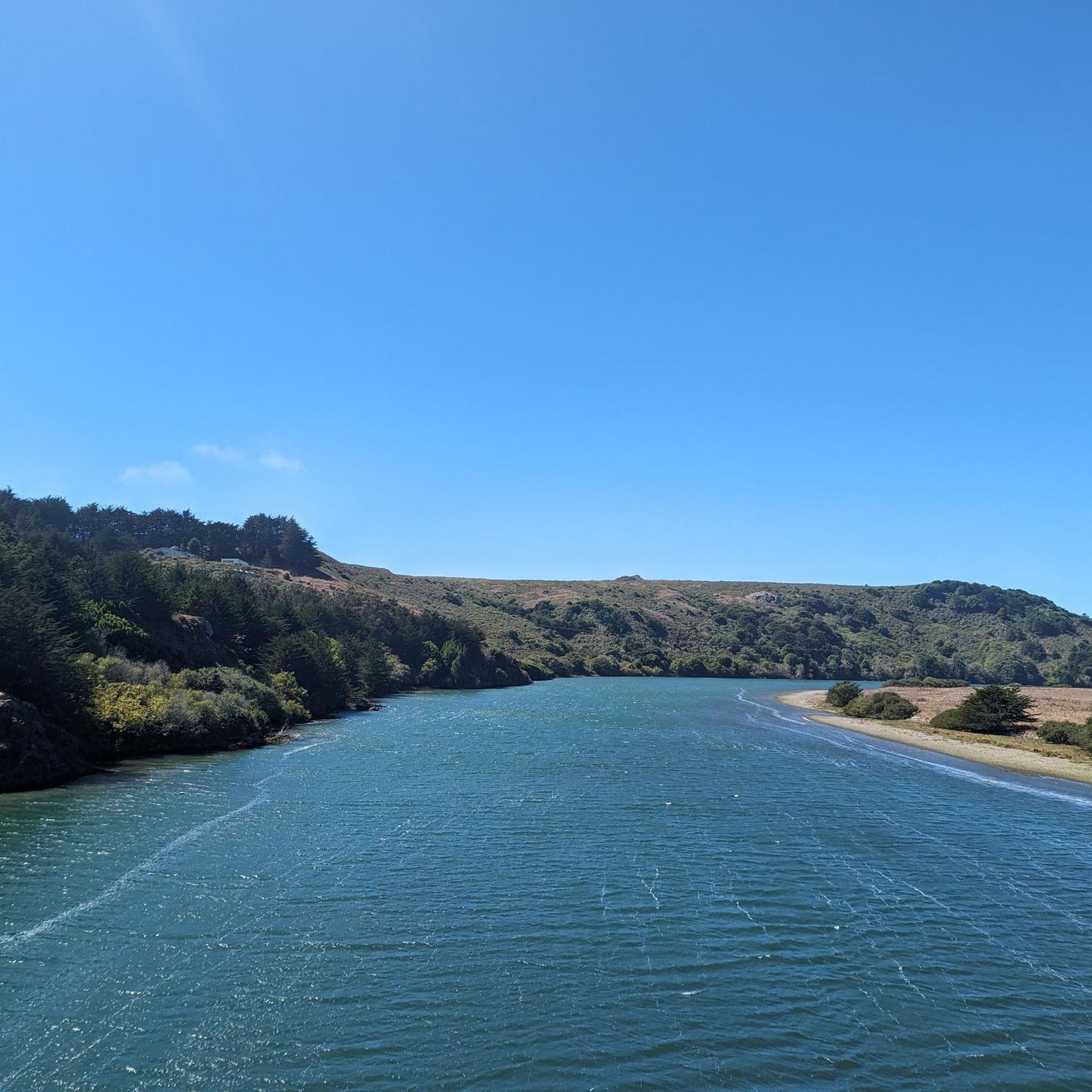
From here you can enjoy a beautiful view of Fisk Mill Cove and the ocean.
0
0
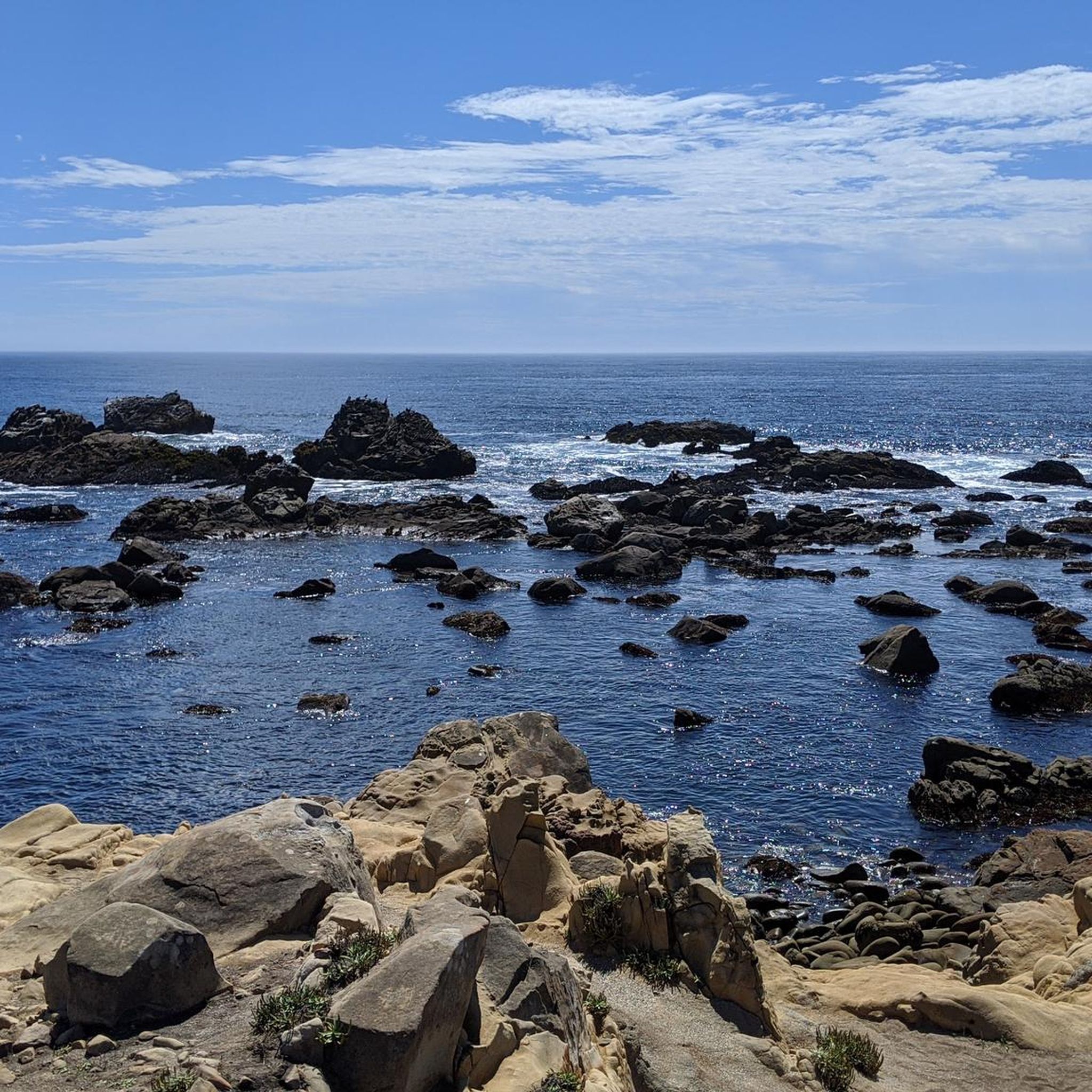
Salt point is located on the Sonoma coast. Be careful, because the waves can be quite big, so it can be dangerous here.
0
0

Salt point is located on the Sonoma coast. The sea can be dangerous here. Be extremely cautious, because the waves can be quite big especially in winter.
1
0
Salt Point trail passes to this nice overlook at the south end of a sandy cove
1
0
Rocky but beautiful cove under tall cliffs. Sandstone from Salt Point was used in the construction of San Francisco's streets and buildings during the mid-1800s. At the rocks at Gerstle Cove are still eyebolts where the ships anchored, where sandstone slabs were loaded on board. Quarried rocks can still be seen scattered along the marine terrace north of Gerstle Cove. Drill holes along the edges of the rocks were used to separate the large rocks into smaller slabs. Tafoni is the Italian word for ‘cavern’. It is a natural phenomenon that is common along the sandstone near the ocean's edge at Gerstle Cove and Fisk Mill. They have a honeycomb-type network carved into the rocks forming pits, knobs, ribs, and ridges.
0
0
Wonderful area to see the white and rose-colored coast rhododendron in their natural coastal habitat. The blossoming is between April and early June. Free entrance
0
0

Frequently Asked Questions
What unique geological features can I explore in Salt Point State Park?
Salt Point State Park is renowned for its distinctive geological formations. At Gerstle Cove Marine Reserve, you can observe fascinating tafoni, which are honeycomb-like patterns carved into the sandstone rocks by natural erosion. The park's coastline also features dramatic Salt Point Rock Formations, offering spectacular views of the ocean.
Where can I find unique forest ecosystems within the park?
The park is home to a rare pygmy forest, a segment of which can be explored via the North Trail — Salt Point State Park. Here, you'll see Bishop and Bolander pines, Mendocino cypresses, and redwoods that, despite being mature, are only a few feet tall due to the highly acidic, nutrient-poor soil and a hardpan layer that prevents deep root growth.
What is the best time to visit Salt Point State Park for blooming flowers?
For a vibrant display of flowers, plan your visit between April and early June to see the white and rose-colored coast rhododendrons in full bloom at Kruse Rhododendron State Natural Reserve. Entrance to this reserve is free.
Are there easy hiking trails suitable for beginners in Salt Point State Park?
Yes, Salt Point State Park offers several easy hiking options. You can find routes like the Bluff Trail Loop or the Gerstle Cove Marine Reserve – Salt Point Rock Formations loop. For more details and a selection of easy trails, refer to the Easy hikes in Salt Point State Park guide.
What kind of coastal views can I expect in Salt Point State Park?
The park offers breathtaking coastal vistas. From the Fisk Mill Cove Overlook, you can enjoy expansive views of Fisk Mill Cove and the Pacific Ocean. The dramatic Salt Point Rock Formations also provide spectacular ocean scenery, especially during winter when waves can be quite large.
Are there family-friendly attractions within Salt Point State Park?
Absolutely. The Kruse Rhododendron State Natural Reserve is considered family-friendly, offering a wonderful natural setting to explore, especially during the rhododendron blooming season from April to early June.
Can I learn about the history of the area while visiting Salt Point State Park?
Yes, the park has a rich history. At Gerstle Cove Marine Reserve, you can still see historical eyebolts in the rocks, remnants from when sandstone slabs were quarried and loaded onto ships for use in San Francisco's construction during the mid-1800s. Drill holes from these operations are also visible.
What wildlife might I encounter in Salt Point State Park?
As a marine reserve, Gerstle Cove is home to diverse marine life. Along the coast, you might spot various seabirds and marine mammals. Inland, the forests and prairies support a range of terrestrial wildlife, though specific sightings depend on the season and luck.
Are there loop hikes available in Salt Point State Park?
Yes, the park features several loop hikes. For example, the Pygmy Forest Trail is a 3.8-mile loop that takes about two hours, guiding you through mixed evergreen forests, prairies, and the unique pygmy tree territory. You can find more loop options, including moderate ones like the Central, North, and Salt Point Trail Loop, in the Hiking in Salt Point State Park guide.
What should I know about coastal safety when visiting Salt Point State Park?
The Sonoma coast at Salt Point can be dangerous, especially during winter when waves can be quite large. Always exercise extreme caution near the ocean's edge and be aware of sneaker waves. It's advisable to stay on marked trails and maintain a safe distance from cliffs and the water.
Are dogs allowed on trails in Salt Point State Park?
Dogs are generally permitted in Salt Point State Park, but they must be kept on a leash no longer than six feet and are typically restricted to paved areas, campgrounds, and some designated trails. It's always best to check the official park regulations upon arrival or on the California State Parks website for the most current information regarding specific trail access for dogs.
Where can I find information about more challenging hikes in the park?
For those seeking more challenging routes, the park offers moderate hikes such as the Pygmy Forest Trail or the Salt Point-Stump Beach Trail. You can explore these and other options in the comprehensive Hiking in Salt Point State Park guide, which provides details on various trail lengths and difficulties.
Most popular attractions in Salt Point State Park

Get inspired with the komoot mobile app


Explore more
Still not found the Highlight you’re looking for? See guides of the top attractions in other regions:
