The best cycling routes in John Heinz National Wildlife Refuge
4.7
(80)
757
riders
26
rides
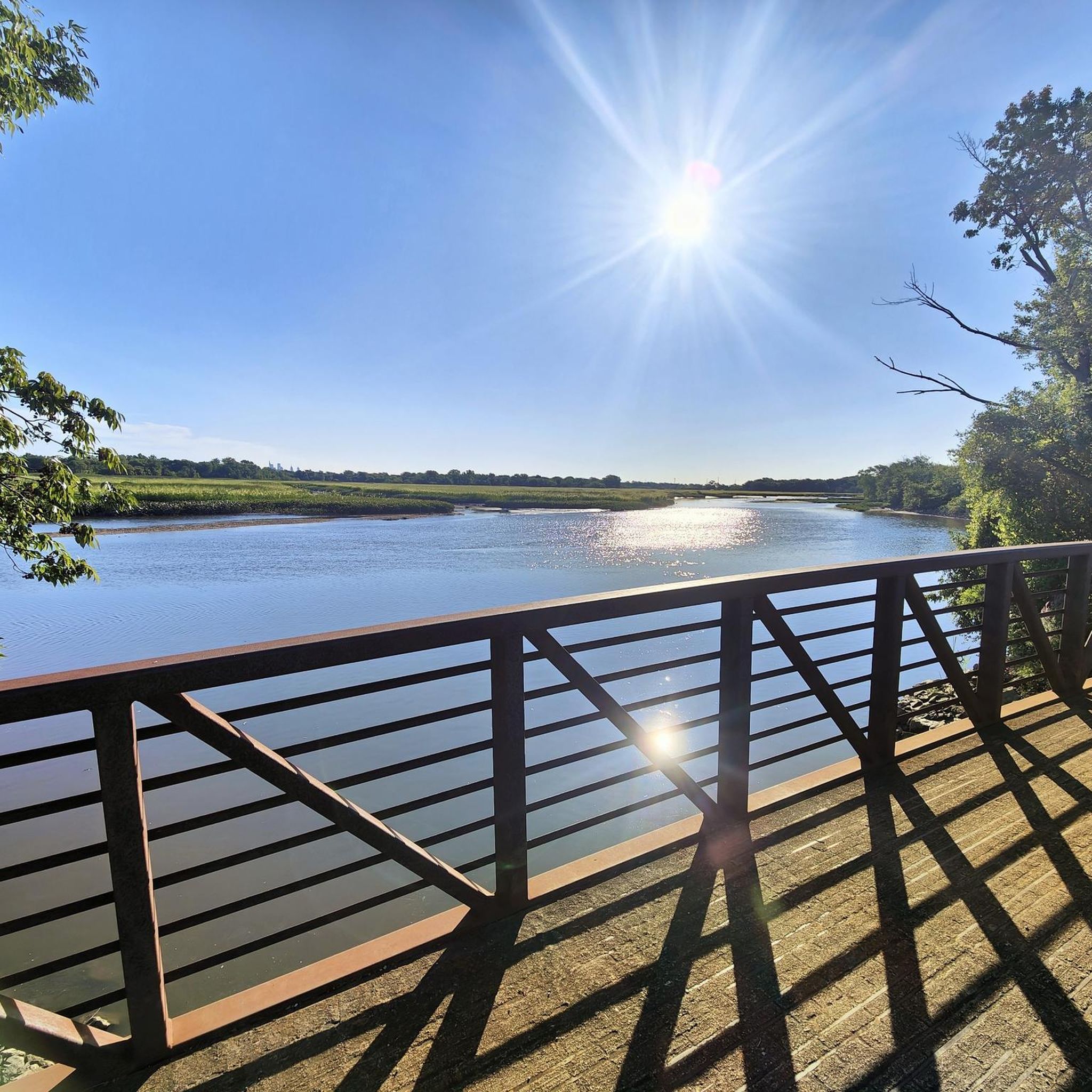
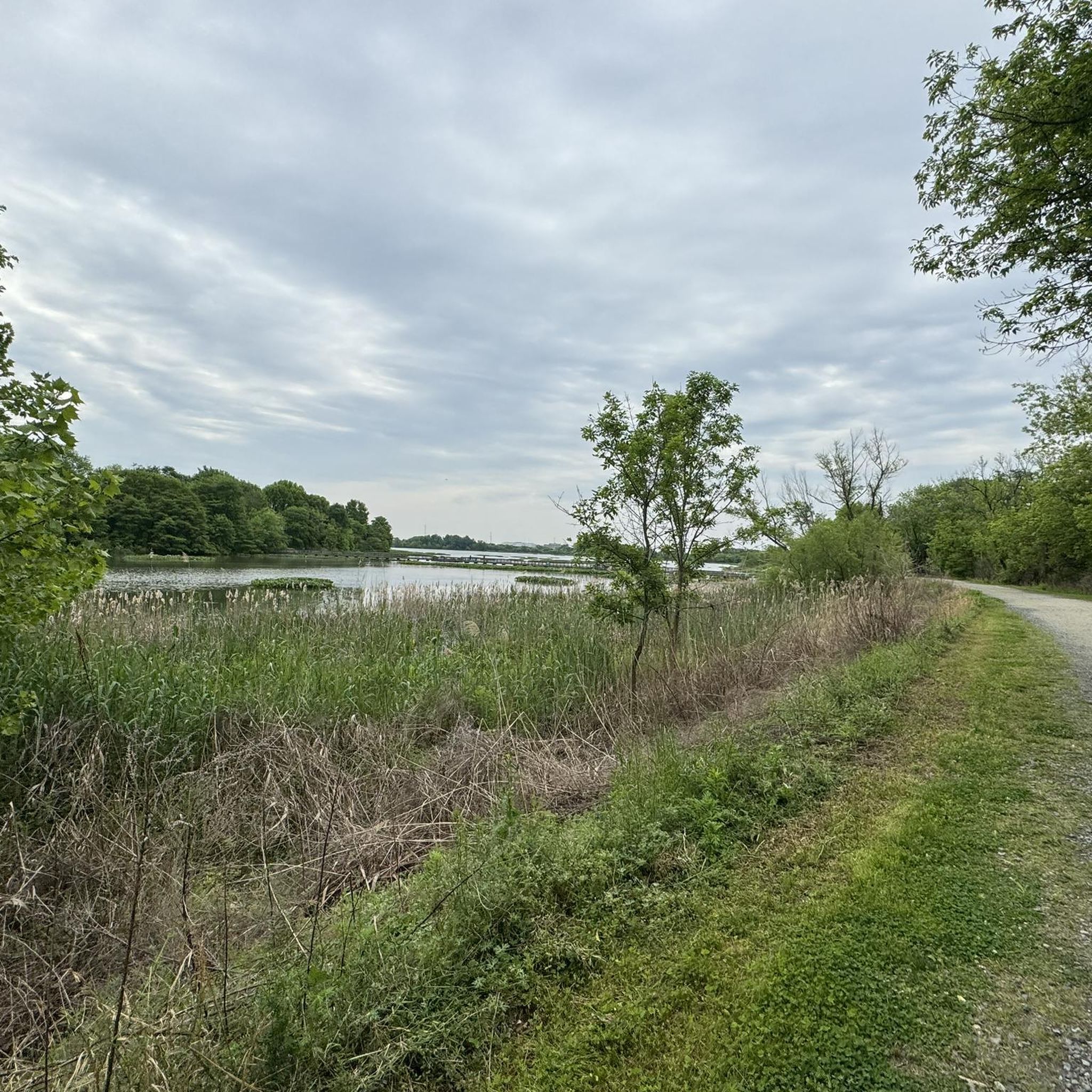
Touring cycling in John Heinz National Wildlife Refuge offers routes through a significant urban freshwater tidal marsh. The terrain is predominantly flat, characterized by wetlands, open water, and wooded areas, providing a unique environment for cycling. This refuge is a key habitat for diverse wildlife, making it suitable for nature observation from the trails. The area features well-maintained paths that are generally accessible for touring cyclists.
Best touring cycling routes in John Heinz National Wildlife Refuge
- The most popular touring cycling route is Wetland Loop Trail – Tinicum Park loop from John Heinz National Wildlife Refuge, an 8.3 miles (13.3 km) trail that takes 1 hour 13 minutes to complete. This easy route offers views of the refuge's wetlands and diverse birdlife.
- Another top favourite among local touring cyclists is Fort Mifflin loop from Little Tinicum Island Natural Area, an easy 13.9 miles (22.3 km) path. This route provides a mix of natural scenery and historical points of interest along the way.
- Local touring cyclists also love the Fort Mifflin – Cobbs Creek Trail loop from 49th Street, a 20.4 miles (32.8 km) trail leading through varied landscapes including urban green spaces and historical sites, often completed in about 1 hour 53 minutes.
- Touring cycling in John Heinz National Wildlife Refuge is defined by flat, accessible paths, wetland ecosystems, and opportunities for wildlife viewing. The network offers options for different ability levels, including many easy bike routes.
- The routes in John Heinz National Wildlife Refuge are highly rated by the komoot community with an average score of 4.6 stars from over 30 reviews. More than 200 touring cyclists have used komoot to explore John Heinz National Wildlife Refuge's varied terrain.
Last updated: October 19, 2026
5.0
(6)
9
riders
Easy bike ride. Great for any fitness level. Mostly paved surfaces. Suitable for all skill levels.
5.0
(1)
2
riders
21.7km
01:13
30m
30m
Easy bike ride. Great for any fitness level. Mostly paved surfaces. Suitable for all skill levels.

23.2km
01:36
80m
80m
Easy bike ride. Great for any fitness level. Mostly paved surfaces. Suitable for all skill levels.
3
riders
13.7km
01:15
170m
170m
Moderate bike ride. Good fitness required. Mostly paved surfaces. Suitable for all skill levels.
3.0
(1)
6
riders
34.0km
01:58
90m
90m
Easy bike ride. Great for any fitness level. Mostly paved surfaces. Suitable for all skill levels.
Get access to more routes and recommendations from other explorers.
Already have an account?
Our route recommendations are based on thousands of hikes, rides, and runs completed by other people on komoot.
Start today with a free account
Your next adventure awaits.


Tips from the Community

Eagle enthusiasts flock to John Heinz National Wildlife Refuge Impoundment for optimal eagle-watching opportunities. Traverse the impoundment loop counterclockwise, ensuring the impoundment is on your left, for the best view of these majestic birds and their nests. The observation platform and cross-dike road offer prime locations for eagle sightings.
0
0

This side of John Heinz National Wildlife Refuge tends to be quieter. There are some singletrack hiking trails and some packed gravel trails that are great on the bike. The I-95 Trail will take you northeast to the central loop of the park, or you can take the Fishing Point Trail out to the middle of Darby Creek.
0
0

Scattered throughout the trail are markers with historical information, offering a glimpse into the area's past. The trail is open from dawn to dusk, allowing you to experience its beauty anytime you wish.
0
0

This park was named after Samuel L. Smedley, the founder of Delaware County's Parks and Recreation Board. It is popular with hikers, runners, and bikers, offering miles of trails, ruins, and the scenic Crum Creek running throughout.
1
0
Crum Woods is one of the last remaining forested areas in Delaware County, featuring 3.5 miles of trails winding through a lush, biodiverse forest. The area serves as a classroom for the college, taking advantage of its rich biodiversity.
1
0
The native Lenni Lenape once inhabited this area, living along the banks of the Crum Creek. Along this trail, you'll encounter remnants of their time here, including old ruins. The trail is somewhat technical and features a picturesque bridge to cross.
1
0
Eagle enthusiasts flock to John Heinz National Wildlife Refuge Impoundment for optimal eagle-watching opportunities. Traverse the impoundment loop counterclockwise, ensuring the impoundment is on your left, for the best view of these majestic birds and their nests. The observation platform and cross-dike road offer prime locations for eagle sightings.
0
0

Loops around entire airport. Great views of planes and runways
0
0
Frequently Asked Questions
What is the general difficulty level of touring cycling routes in John Heinz National Wildlife Refuge?
The touring cycling routes in John Heinz National Wildlife Refuge are predominantly flat and generally accessible. Out of 29 available routes, 12 are rated as easy, 13 as moderate, and only 4 as difficult, making it suitable for a wide range of cyclists, including beginners.
Are there family-friendly touring cycling routes in John Heinz National Wildlife Refuge?
Yes, the refuge offers many family-friendly options due to its flat terrain and well-maintained paths. Routes like the Wetland Loop Trail – Tinicum Park loop from John Heinz National Wildlife Refuge are easy and provide a pleasant experience for families to enjoy nature together.
Are there circular touring cycling routes available in John Heinz National Wildlife Refuge?
Many of the routes in the refuge are designed as loops, allowing cyclists to start and end at the same point. For example, the popular Wetland Loop Trail – Tinicum Park loop from John Heinz National Wildlife Refuge is an 8.3-mile circular route offering views of the wetlands.
How long do touring cycling routes in John Heinz National Wildlife Refuge typically take to complete?
Route durations vary depending on distance and your pace. An easy 8.3-mile route like the Wetland Loop Trail – Tinicum Park loop from John Heinz National Wildlife Refuge typically takes around 1 hour 13 minutes. Longer routes, such as the 20.4-mile Fort Mifflin – Cobbs Creek Trail loop from 49th Street, can take approximately 1 hour 53 minutes.
Where can I park when visiting John Heinz National Wildlife Refuge for cycling?
The John Heinz National Wildlife Refuge typically provides designated parking areas for visitors. It's advisable to check the official refuge website or signage upon arrival for specific parking lot locations and any regulations.
What are the typical trail conditions for touring cycling in the refuge?
The refuge features well-maintained paths that are generally accessible for touring cyclists. The terrain is predominantly flat, characterized by wetlands, open water, and wooded areas. Conditions are usually good, but it's always wise to check local weather forecasts, especially after heavy rain, as some sections might be affected.
Can I bring my dog on the touring cycling routes in John Heinz National Wildlife Refuge?
Generally, pets are permitted on designated trails within National Wildlife Refuges, but they must be on a leash. It's always best to check the specific regulations for John Heinz National Wildlife Refuge on their official website before your visit, as rules can vary.
Are there opportunities for wildlife viewing while cycling?
Absolutely. John Heinz National Wildlife Refuge is a significant urban freshwater tidal marsh and a key habitat for diverse wildlife. Cycling through the refuge offers excellent opportunities for nature observation, including birdwatching, as you traverse wetlands, open water, and wooded areas.
What is the best time of year to go touring cycling in John Heinz National Wildlife Refuge?
Spring and fall are often considered ideal for cycling in the refuge, offering pleasant temperatures and active wildlife. Spring brings migratory birds and blooming flora, while fall provides colorful foliage. Summer can be warm and humid, and winter can be cold, but cycling is possible year-round depending on conditions.
Are there facilities like restrooms or cafes available near the cycling routes?
The refuge typically has visitor facilities, including restrooms, at its main visitor center. While there might not be cafes directly on the trails, you can find dining options in the surrounding areas of Philadelphia before or after your ride.
What do other touring cyclists enjoy the most about touring cycling in John Heinz National Wildlife Refuge?
The area is highly rated by the komoot community, with an average score of 4.6 stars from over 30 reviews. Reviewers often praise the refuge's peaceful wetland scenery, the abundance of wildlife, and the flat, accessible paths that make for an enjoyable and relaxing cycling experience.
Are there any historical points of interest along the touring cycling routes?
Yes, some routes offer a mix of natural scenery and historical points of interest. For instance, the Fort Mifflin loop from Little Tinicum Island Natural Area provides views of the historic Fort Mifflin, adding a cultural dimension to your ride.
Most popular routes in John Heinz National Wildlife Refuge

Get inspired with the komoot mobile app


Explore more
Browse the best Cycling routes in other regions.
