The best road cycling routes in Greenbrier State Park
36
riders
12
rides
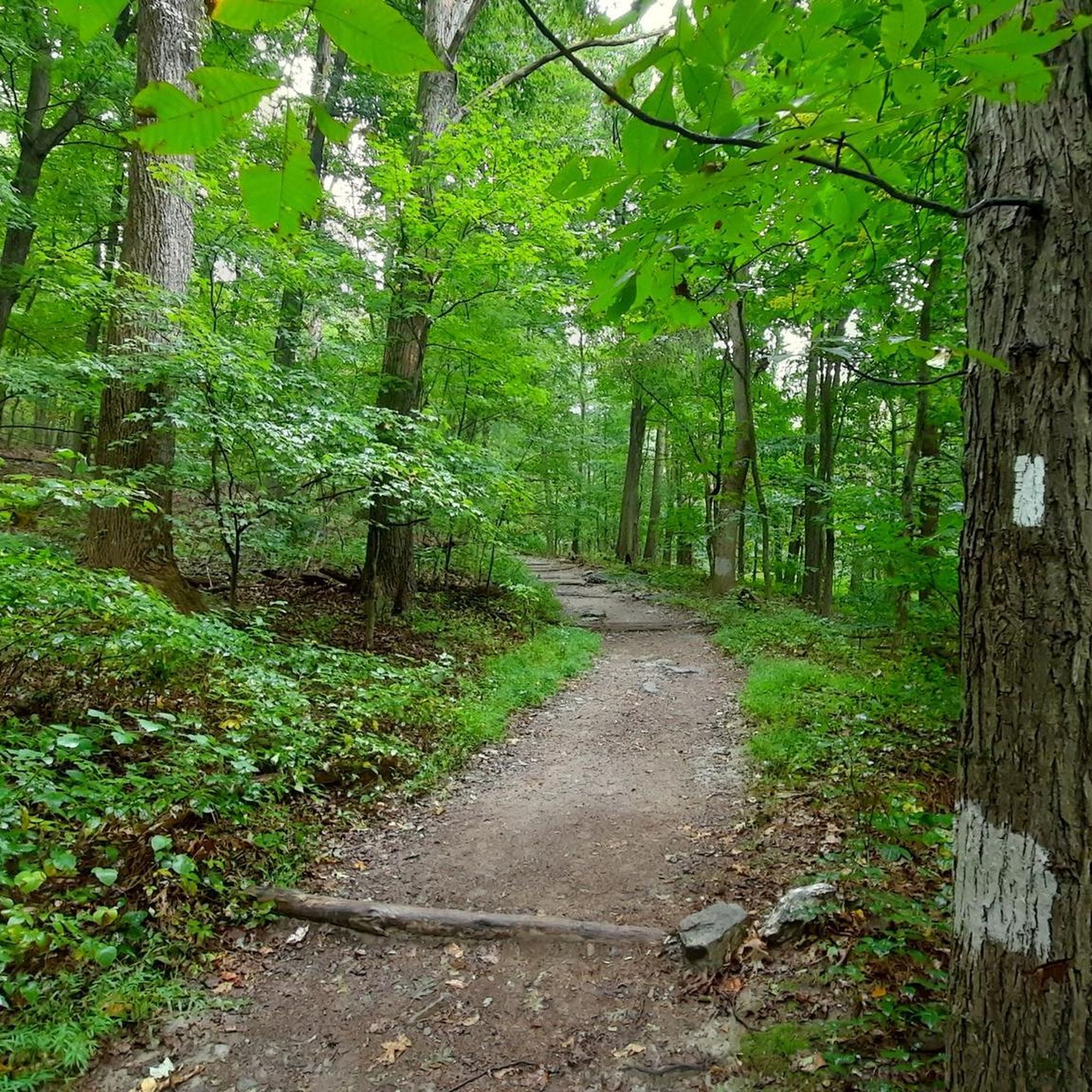
Road cycling routes in Greenbrier State Park are situated within the Appalachian Mountains, offering diverse landscapes and challenging terrain. The park features significant elevation changes, with routes including both climbs and descents. Well-paved surfaces are common, providing a dynamic cycling experience through forested areas and past natural features. This region is characterized by its mountainous setting, making it suitable for road cyclists seeking varied gradients.
Best road cycling routes in Greenbrier State Park
- The most popular road cycling route is…
Last updated: May 1, 2026
2
riders
34.3km
02:01
650m
650m
Moderate road ride. Good fitness required. Some segments of this route may be unpaved and difficult to ride.
6
riders
70.9km
03:43
1,160m
1,160m
Hard road ride. Very good fitness required. Mostly well-paved surfaces and easy to ride.

Sign up for free
4
riders
59.8km
04:22
780m
780m
Moderate road ride. Good fitness required. Some segments of this route may be unpaved and difficult to ride.
3
riders
76.4km
03:59
940m
940m
Hard road ride. Very good fitness required. Some segments of this route may be unpaved and difficult to ride.
4
riders
114km
05:43
1,220m
1,220m
Hard road ride. Very good fitness required. Some segments of this route may be unpaved and difficult to ride.
Get access to more routes and recommendations from other explorers.
Sign up for free
Already have an account?
Our route recommendations are based on thousands of hikes, rides, and runs completed by other people on komoot.
Start today with a free account
Your next adventure awaits.
Login or Signup
Popular around Greenbrier State Park
Tips from the Community

The Antietam Aqueduct was built in 1834 to carry canal boats over Antietam Creek. It is over 140 feet long and is one of many such aqueducts along the C&O Canal.
0
0

The Antietam Aqueduct, located at mile 69.4 of the C&O Canal Towpath, is a three-arch stone aqueduct that once carried the canal over Antietam Creek. Built in 1834, it is constructed from limestone quarried nearby and remains one of the best-preserved aqueducts along the canal. During the Civil War, it was near the site of Confederate troop movements before and after the Battle of Antietam in 1862. Though it suffered some damage over the years, it has been fully restored and now serves as a scenic and historic stop along the towpath, offering great river views and picnic spots.
0
0
Shepherdstown, West Virginia, is the oldest town in the state (founded in 1762) and has a fun, vibrant college-town atmosphere. Located along the Potomac River at mile 72 of the C&O Canal Towpath, it is home to Shepherd University, giving it a lively college-town vibe with great cafés, restaurants, and shops. Rich in Civil War history, it played a role in the aftermath of the Battle of Antietam, as wounded soldiers were treated here. With its historic district, riverside views, and plenty of accommodations, Shepherdstown is a perfect overnight stop for cyclists C&O Canal Towpath or to just visit when exploring the area.
0
0

Catoctin Creek is a 28-mile tributary of the Potomac River. The creek is named after the nearby Catoctin Mountains and features eleven stone aqueducts that span the creek before it empties into the Potomac near Brunswick
0
0
Catoctin Mountain Park is a 5,120-acre national park that is also home to the Presidential retreat, Camp David. The park, with its scenic vistas of the Blue Ridge Mountains, offers 25 miles of hiking trails, fishing streams, camping, and horseback riding.
0
0

The National War Correspondents Memorial (sometimes referred to as the War Correspondents Memorial Arch) was built in 1896 by George Townsend, a Civil War journalist, to commemorate those who died covering war and conflict. The monument is an amalgamation of symbolic architecture, sculpture, and engraving. It is maintained by the National Park Service in connection with Antietam National Battlefield.
0
0

Beautiful park and nature center known for its abundant wildlife, network of family-friendly walking trails, verdant nature and educational facilities.
1
0
Gathland State Park provides water, restrooms, and a picnic shelter, making it a good place to rest. There are also several historical buildings and ruins.
1
0
Frequently Asked Questions
How many road cycling routes are available in Greenbrier State Park?
Greenbrier State Park offers over 10 distinct road cycling routes, ranging in difficulty from moderate to difficult. These routes provide a variety of experiences through the Appalachian foothills.
What kind of terrain can I expect on road cycling routes in Greenbrier State Park?
The road cycling routes in Greenbrier State Park are characterized by mountainous terrain within the Appalachian Mountains. You can expect significant elevation changes, including challenging climbs and descents, with grades up to 14.5%. The routes generally feature well-paved surfaces, winding through forested areas and offering a dynamic cycling experience.
Are there any beginner-friendly road cycling routes in Greenbrier State Park?
While many routes in Greenbrier State Park are moderate to difficult, there are options suitable for those with good fitness. For instance, the Catoctin Creek loop from Myersville is a moderate 27.8-mile (44.8 km) trail with over 600 meters of elevation gain, offering a good challenge without being overly extreme.
What are some of the more challenging road cycling routes in the area?
For experienced riders seeking a significant challenge, routes like the Catoctin Mountain Park – High Rock loop from Myersville cover 90.2 km with over 1,800 meters of elevation gain. Another demanding option is the Shepherdstown – Antietam Aqueduct loop from Myersville, which is 114.2 km long with over 1,200 meters of climbing.
Are there any notable landmarks or viewpoints along the road cycling routes?
Yes, several routes offer access to significant landmarks and scenic viewpoints. The Catoctin Mountain Park – High Rock loop from Myersville, for example, can lead you towards High Rock Overlook, which provides expansive views of the surrounding foothills. Additionally, routes like the Shepherdstown – Antietam Aqueduct loop from Myersville pass near historic towns such as Sharpsburg, home to the Antietam National Battlefield, offering cultural stops.
What is the best time of year for road cycling in Greenbrier State Park?
The spring and fall seasons generally offer the most pleasant conditions for road cycling in Greenbrier State Park, with milder temperatures and beautiful foliage. Summer can be enjoyable, but be prepared for warmer weather. Winter cycling is possible but requires caution due to potential ice and snow, especially on higher elevations.
Is there parking available for cyclists at Greenbrier State Park?
Greenbrier State Park provides extensive parking facilities for visitors. While specific cycling parking areas are not designated, general parking lots are available throughout the park, including near the main entrance and lake area, which can serve as convenient starting points for your rides.
Are there any family-friendly road cycling options near Greenbrier State Park?
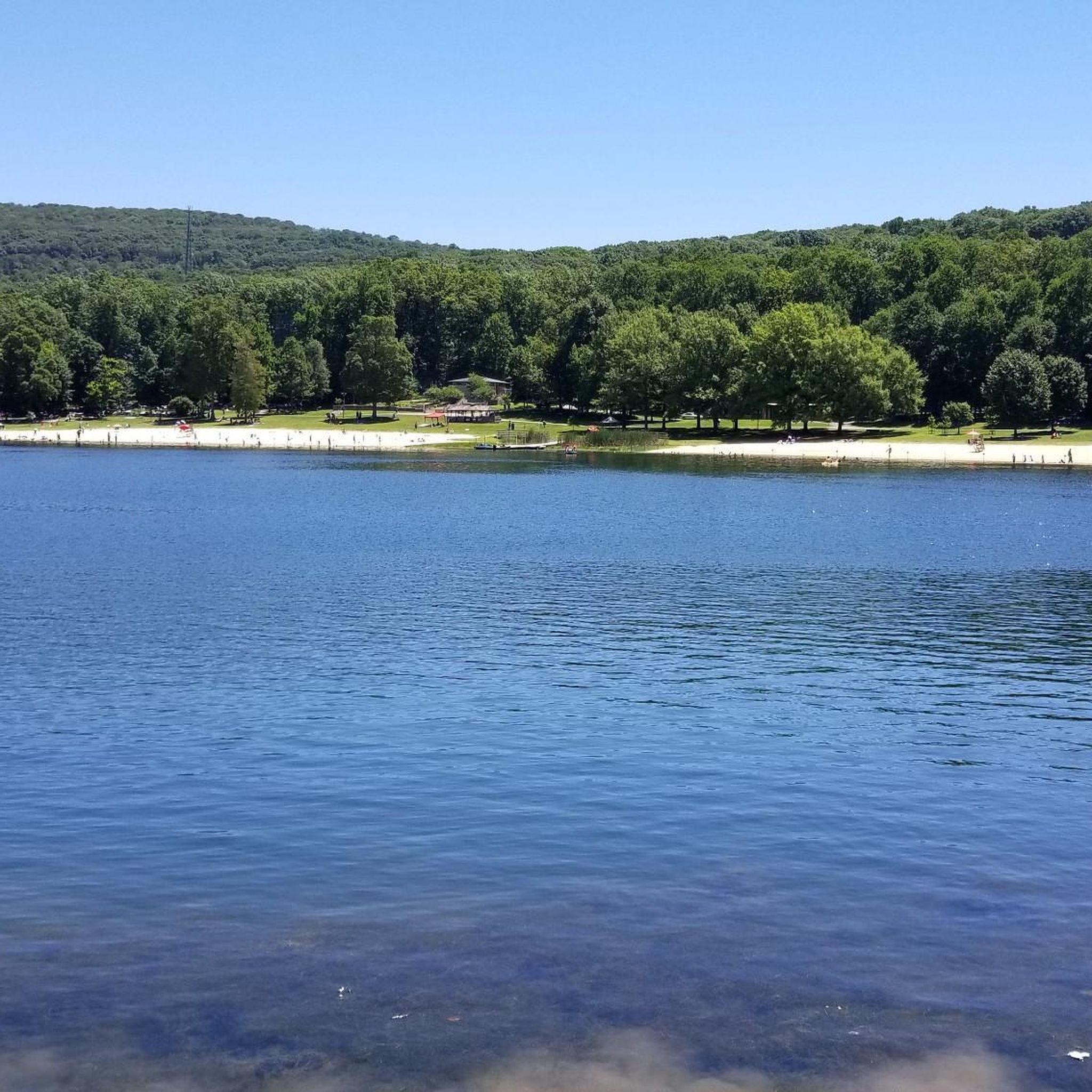
While many routes in the immediate vicinity of Greenbrier State Park feature significant elevation changes, the park itself offers a 42-acre man-made lake with a white sandy beach, which can be a pleasant destination for families. For less strenuous cycling, exploring the flatter, paved roads in nearby towns or designated bike paths outside the immediate mountainous terrain might be more suitable for younger children or those seeking a gentler ride.
What do other road cyclists enjoy most about cycling in Greenbrier State Park?
Road cyclists frequently praise the diverse landscapes and challenging terrain offered by Greenbrier State Park. The well-paved surfaces, significant elevation changes, and scenic views through the Appalachian foothills are often highlighted as key attractions. The opportunity to combine a challenging ride with visits to historic sites or natural features like Greenbrier Lake also adds to the appeal.
Are there cafes or refreshment stops accessible from the road cycling routes?
While Greenbrier State Park itself focuses on natural amenities, several road cycling routes pass near or through historic towns such as Myersville and Sharpsburg. These towns offer opportunities for refreshment stops, including cafes and local eateries, where you can refuel during longer rides. It's advisable to plan your route to include these stops if needed.
Are there any circular road cycling routes available?
Yes, many of the road cycling routes in Greenbrier State Park are designed as loops, allowing you to start and end at the same point. Examples include the Catoctin Mountain Park loop from Myersville and the Catoctin Creek loop from Myersville, providing convenient circular journeys through the region's scenic landscapes.

Get inspired with the komoot mobile app


Explore more
Browse the best Road cycling routes in other regions.
