The best MTB trails in Maxwell Mays Wildlife Refuge
4.0
(5)
51
riders
11
rides
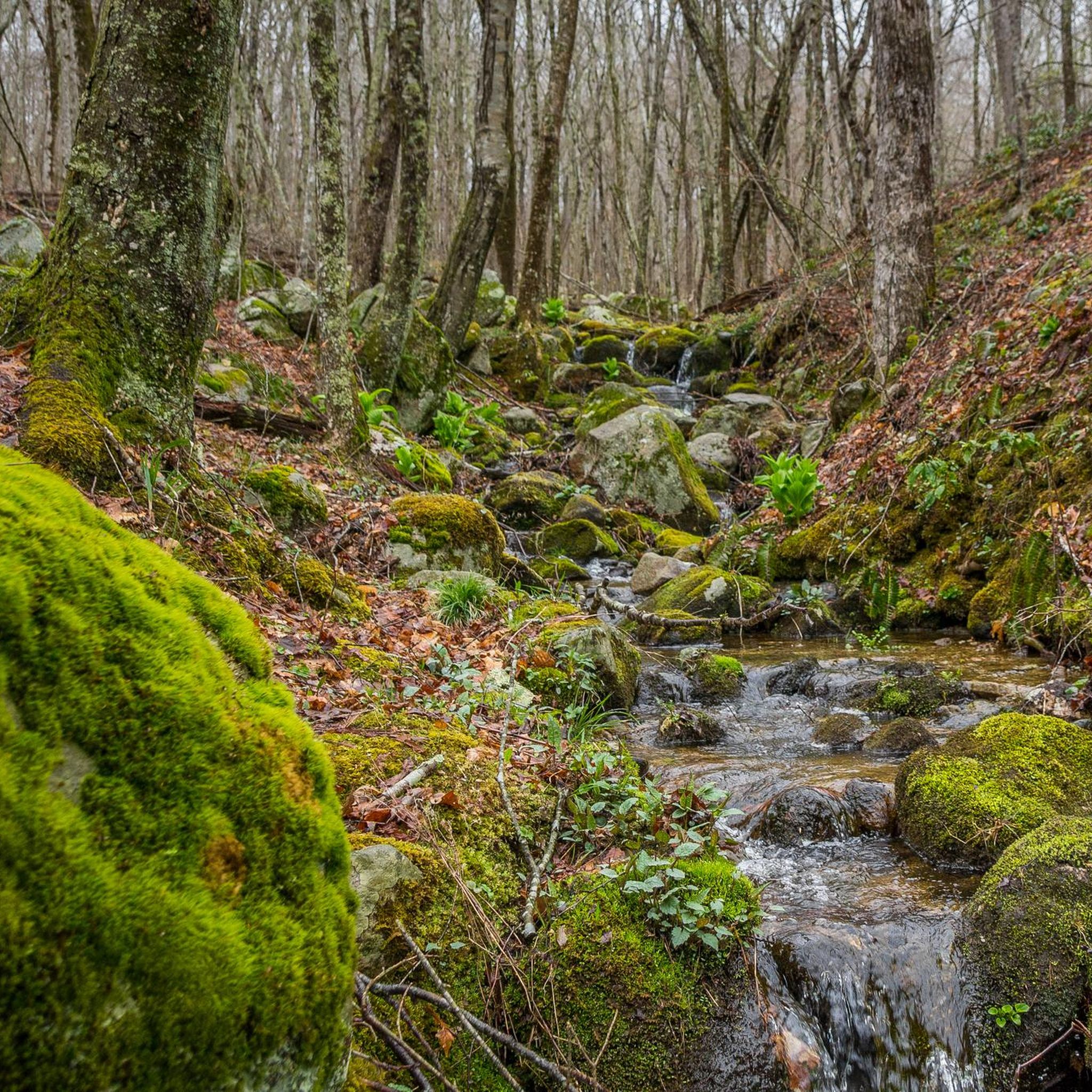
Mountain biking in Maxwell Mays Wildlife Refuge is characterized by diverse landscapes, including upland forests, wetlands, and open meadows. The area features a mix of mature closed-canopy forests and forested wetlands, with some routes traversing near ponds and streams. Trails often navigate through developed understory and provide access to varied natural habitats.
Best mountain bike trails in Maxwell Mays Wildlife Refuge
- The most popular mountain bike trail is Burnt Sawmill Road – Tarbox Pond loop from Mishnock Pond, an…
Last updated: June 29, 2026
15.2km
01:15
50m
50m
Easy mountain bike ride. Great for any fitness level. Suitable for all skill levels.
2
riders
15.4km
01:16
100m
100m
Easy mountain bike ride. Great for any fitness level. Suitable for all skill levels.

Sign up for free
5.0
(3)
10
riders
Easy mountain bike ride. Great for any fitness level. Suitable for all skill levels.
3.0
(2)
9
riders
19.3km
01:34
100m
100m
Easy mountain bike ride. Great for any fitness level. Suitable for all skill levels.
5
riders
12.4km
01:02
100m
100m
Easy mountain bike ride. Great for any fitness level. Suitable for all skill levels.
Get access to more routes and recommendations from other explorers.
Sign up for free
Already have an account?
Our route recommendations are based on thousands of hikes, rides, and runs completed by other people on komoot.
Start today with a free account
Your next adventure awaits.
Login or Signup



Tips from the Community

Originally this area was designated to be a reservoir in order to provide drinking water for the area. For whatever reason these plans never came to fruition and the 8,300-acre site has seen hikers, bikers, and motocross riders create dozens of trails around the forest, rivers, and ponds. Take your pick of trails but be sure to have your map downloaded since it's easy to get turned around with all the crisscrossing trails.
1
0

Burnt Sawmill Road is an abandoned logging road running north-south through Big River State Management Area. It is mostly unpaved.
0
0

The Trestle Trail is best known for its 5-mile paved path that shares a route with the Coventry Greenway. This extra section west of the Moosup River leaves the pavement and becomes a rough double-track road. The path is utilized by hikers, runners, cyclists, and ATVs. It also offers access to the Carbuncle Pond area.
0
0
Burnt Sawmill Road is an abandoned logging road running north-south through Big River State Management Area. It is mostly unpaved.
0
0
There are a number of trails that pass through this section of the Big River State Management Area. Hoover Trail is one of the most popular paths, and it couples well with the dirt roads nearby to create different loops.
0
0
The Trestle Trail is best known for its 5-mile paved path that shares a route with the Coventry Greenway. This extra section west of the Moosup River leaves the pavement and become a rough double-track road. The path is utilized by hikers, runners, cyclists, and ATVs. It also offers access to the Carbuncle Pond area.
0
0

You might get one of the better views of Sweet Pond from here. There's a rideable "sort-of loop" around it, but the trail gets pretty far away from the water in places.
0
0
You might get one of the better views of Sweet Pond from here. There's a rideable "sort-of loop" around it, but the trail gets pretty far away from the water in places.
0
0
Frequently Asked Questions
Is mountain biking permitted within the Maxwell Mays Wildlife Refuge?
No, mountain biking is not permitted within the Maxwell Mays Wildlife Refuge itself. The Audubon Society of Rhode Island, which manages the property, does not allow bicycles beyond the parking lot to protect the natural habitats. However, there are mountain biking trails available in the surrounding areas near the refuge.
What kind of mountain bike trails can I find near Maxwell Mays Wildlife Refuge?
The trails near Maxwell Mays Wildlife Refuge offer diverse landscapes, including upland forests, wetlands, and open meadows. You'll find a mix of mature closed-canopy forests and forested wetlands, with some routes traversing near ponds and streams. The network provides options primarily for easy to moderate skill levels.
Are there any family-friendly mountain bike trails in the vicinity?
Yes, many of the trails in the area are suitable for families, particularly those rated as easy. For example, the Burnt Sawmill Road & Sawmill Trail loop is an easy 9.5-mile (15.4 km) route that takes about 1 hour 16 minutes, offering a pleasant ride through forests and open areas.
What is the difficulty level of mountain bike trails near Maxwell Mays Wildlife Refuge?
The mountain bike trails in the vicinity of Maxwell Mays Wildlife Refuge are predominantly easy to moderate. Out of 12 available tours, 9 are rated easy and 3 are moderate, making the area accessible for various skill levels, including beginners and those looking for a relaxed ride.
Are there any longer mountain bike routes for more experienced riders?
For those seeking a longer ride, the Burnt Sawmill Road – Tarbox Pond loop from Mishnock Pond is a moderate 18.3-mile (29.5 km) trail. It typically takes around 2 hours 28 minutes to complete and features varied terrain through forested areas and near ponds.
Can I find loop trails for mountain biking in this area?
Yes, several loop trails are available. Popular options include the Burnt Sawmill Road & Sawmill Trail loop, the Burnt Sawmill Road – Tarbox Pond loop from Mishnock Pond, and the Tarbox Pond – Big River Management Area loop from Mishnock Pond, all offering scenic circular routes.
What do other mountain bikers say about the trails near Maxwell Mays Wildlife Refuge?
The trails in the area are highly rated by the komoot community, with an average score of 4.0 stars from over 5 reviews. More than 60 mountain bikers have used komoot to explore the varied terrain, often praising the natural beauty and accessible routes.
What kind of wildlife might I encounter on the trails near Maxwell Mays Wildlife Refuge?
While mountain biking is not allowed inside the refuge, the surrounding natural areas are rich in wildlife. You might spot deer, fox, coyote, and various bird species. The refuge itself is known for river otters, freshwater fish, and a wide array of migratory and forest interior birds.
Are there any specific points of interest or natural features to look out for on the trails?
The trails often pass through diverse habitats including mature closed-canopy forests and forested wetlands. Routes like the Tarbox Pond – Big River Management Area loop from Mishnock Pond offer scenic views of natural areas and pass by water features, providing opportunities to appreciate the local flora and fauna.
What is the best time of year to go mountain biking near Maxwell Mays Wildlife Refuge?
The region offers enjoyable mountain biking conditions through spring, summer, and fall. Spring brings lush greenery and wildflowers, while autumn showcases vibrant foliage. Winter riding is possible, but conditions can vary with snow and ice, so checking local weather and trail reports is advisable.
Where can I find more information about the Maxwell Mays Wildlife Refuge itself, beyond mountain biking?
For more details about the Maxwell Mays Wildlife Refuge, including its diverse habitats, extensive trail system for hiking, and educational opportunities, you can visit the official Audubon Society of Rhode Island page or the Visit Rhode Island website.
Is there parking available for accessing the mountain bike trails?
While specific parking for each trail may vary, general parking is typically available near trailheads or access points for the routes in the vicinity of Maxwell Mays Wildlife Refuge. It's always a good idea to check the specific route details on komoot for parking recommendations.
Most popular routes in Maxwell Mays Wildlife Refuge

Get inspired with the komoot mobile app


Explore more
Browse the best MTB trails in other regions.
