Spurn National Nature Reserve
Spurn National Nature Reserve
The best road cycling routes in Spurn National Nature Reserve
4.8
(5)
955
riders
5
rides
Road cycling routes in Spurn National Nature Reserve traverse a unique coastal landscape in East Riding of Yorkshire. The area is characterized by its narrow, sandy spit, offering expansive views of the Humber Estuary and the North Sea. Road cyclists can expect mostly flat or gently undulating terrain, with minimal elevation changes. The routes often pass by coastal features such as beaches, lighthouses, and small villages.
Best road cycling routes in Spurn National Nature Reserve
- The most popular road cycling…
Last updated: May 4, 2026
17
riders
Easy road ride. Great for any fitness level. Mostly well-paved surfaces and easy to ride.
12
riders
27.1km
01:06
100m
100m
Moderate road ride. Great for any fitness level. Some segments of this route may be unpaved and difficult to ride.

Sign up for free
9
riders
Easy road ride. Great for any fitness level. Mostly well-paved surfaces and easy to ride.
61
riders
92.8km
04:38
490m
490m
Moderate road ride. Good fitness required. Mostly well-paved surfaces and easy to ride.
47
riders
96.5km
04:34
480m
480m
Moderate road ride. Good fitness required. Some segments of this route may be unpaved and difficult to ride.
Our route recommendations are based on thousands of hikes, rides, and runs completed by other people on komoot.
Start today with a free account
Your next adventure awaits.
Login or Signup
Popular around Spurn National Nature Reserve
Tips from the Community

This church in Louth, a place of prayer for many centuries and dedicated to St. James as its patron saint, is closely intertwined with a very specific moment in English history that took place almost five centuries ago. In British history, this moment in October 1536 is known as the "Lincolnshire Rising." This uprising was a protest against King Henry VIII, particularly his actions following his separation from his wife, which led to the English Church splitting from the Roman Catholic Church.
0
0


hubbards hill louth lincolnshire small walk some steps up to the top of the hill
1
0

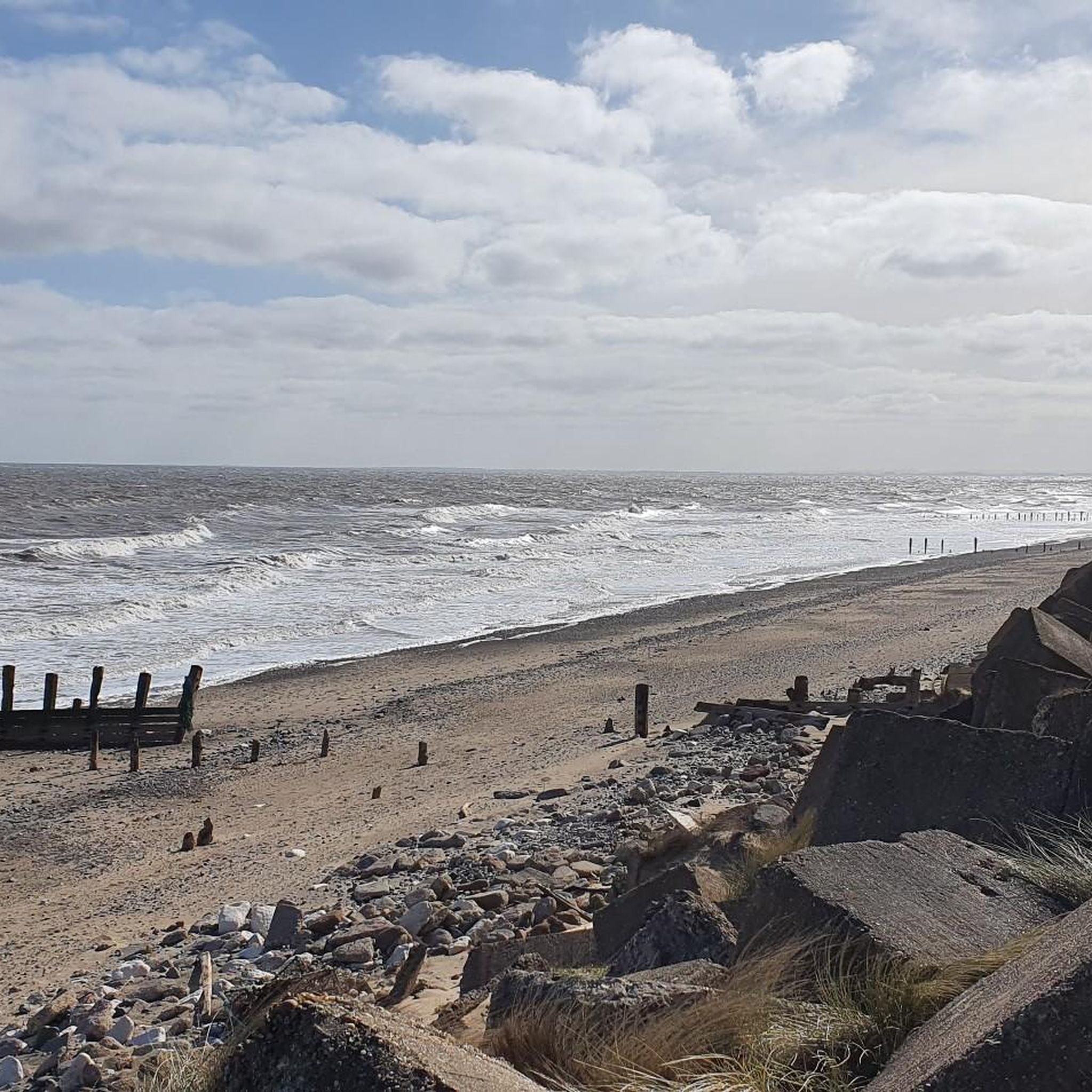
Make sure you check the tide times if you want to paddle in the sea otherwise it goes really far out for miles! Can be dangerous in some parts with the mud when the tides out so keep an eye out for signs of where not to go
0
0


Real Ale and Real Cider on offer here, very nice indeed
0
0

Bring some money for the pub at the end of walk as plenty of choice
1
0

The new Withernsea pier: technological feat and popular success Despite some damage during its construction, the 1,196-feet-long pier was completed by August 1877. Built entirely out of iron, except for the brick entrance and wooden decking, the pier used the new technology of screw piles, which were driven deep into the ground. Seating was provided along the full length of the pier and a saloon and hall for entertainment was situated at the pier head. The entrance to the pier consisted of two castellated towers, rumoured to be based on Conwy Castle in Wales. Storm damage and tragic loss of life On 28 October 1880, a devastating storm erupted which caused damage to many of Yorkshire’s piers. Withernsea Pier suffered twice when it was hit by two storm-damaged vessels. T The second vessel to hit the pier was the brig Saffron, which tore a 200-foot hole through its centre before coming to rest nearby. The Saffron had been part of a flotilla of ships which had set out from the Humber, journeying northwards. Around Flamborough Head, the wind increased rapidly to a storm force gale. The fleet was at the mercy of the elements. The pier had only just been repaired when it was damaged again on 28 March 1882, the pier head being destroyed along with the saloon above it. The pier was not repaired, but the remaining sections continued in use. The series of disasters was relentless, and on 20 October 1890, the Grimsby fishing smack Genesta hit the pier, destroying over half its length and leaving just over 300 feet remaining. Two years later even this was destroyed, when another vessel, the Henry Parr (formerly the Dido) rammed into it at the height of another storm. The remains of Withernsea pier: a landmark and memorial The history of the pier at Withernsea is both tragic and yet in some ways inspiring. The two entrance towers have survived all the devastation around them. They are a well-loved landmark in the town, even if many visitors are totally unaware that they once formed a part of a pier. They also act as a memorial to those sailors who perished in the seas around it.
0
0
Frequently Asked Questions
How many road cycling routes are available in Spurn National Nature Reserve?
There are 5 dedicated road cycling routes in Spurn National Nature Reserve, offering a range of experiences from easy to moderate difficulty. These routes primarily feature flat or gently undulating terrain, characteristic of the coastal landscape.
What is the general difficulty level for road cycling in Spurn National Nature Reserve?
Road cycling in Spurn National Nature Reserve is generally considered easy to moderate. The terrain is predominantly flat with minimal elevation changes, making it accessible for various skill levels. There are 2 easy routes and 3 moderate routes available.
Are there any easy road cycling routes suitable for beginners or families?
Yes, Spurn National Nature Reserve offers easy road cycling routes perfect for beginners or families. Consider the View of the Humber Estuary – Withernsea Pier Towers loop from Kilnsea, an easy 26.9-mile (43.2 km) path featuring coastal scenery. Another easy option is the Pelican Rockery and Waterfall – Cleethorpes Pier loop from 4th Avenue.
What kind of landmarks or attractions can I see along the road cycling routes?
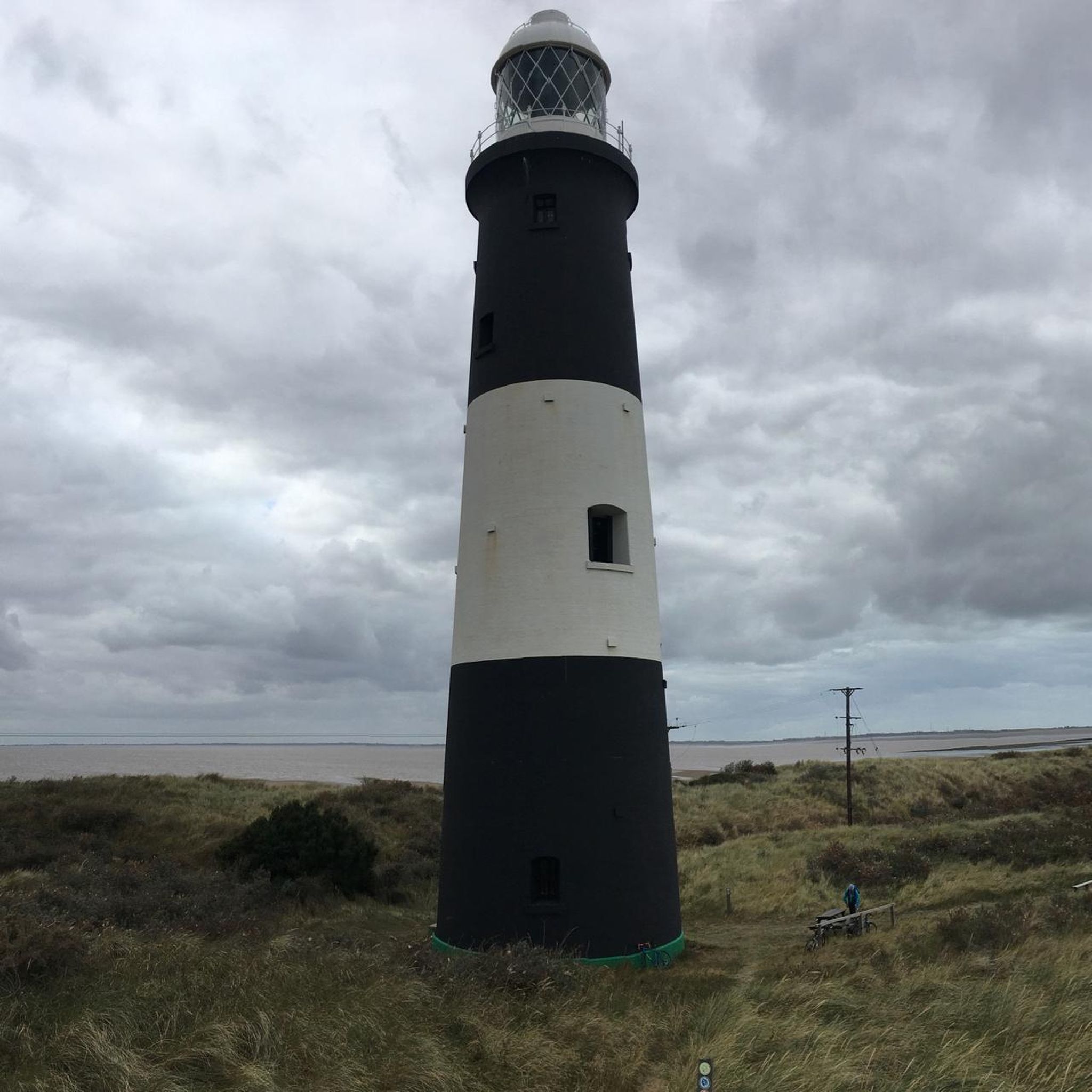
The routes offer views of the Humber Estuary and the North Sea coastline. You can pass by significant landmarks such as the Spurn Lighthouse, the Humber Lifeboat Station, and the Searchlight Bunker at The Point. The View of the Humber Estuary – Withernsea Pier Towers loop from Kilnsea specifically passes by the Withernsea Pier Towers.
Are there any circular road cycling routes in the area?
Yes, all the featured road cycling routes in Spurn National Nature Reserve are circular loops. Examples include the popular Kilnsea Beach – View of the Humber Estuary loop from Spurn National Nature Reserve and the longer Cakey Bakery Yum Yum – Greenwich Meridian Marker loop from Easington.
Where can I find parking for road cycling in Spurn National Nature Reserve?
While specific parking locations are not detailed for each route, starting points like Kilnsea and Easington, mentioned in the route descriptions, typically offer parking facilities for visitors to the nature reserve. It's advisable to check local signage upon arrival for designated cyclist parking areas.
What is the best time of year for road biking in Spurn National Nature Reserve?
The coastal nature of Spurn National Nature Reserve means weather can be variable. Spring and summer generally offer milder temperatures and longer daylight hours, making them ideal for road cycling. However, the reserve's unique landscape can be enjoyed year-round, with autumn and winter providing dramatic coastal views, though requiring appropriate gear for potentially strong winds.
Are there any cafes or pubs near the road cycling trails for refreshments?
The routes often pass through or near small villages like Kilnsea and Easington, where you may find local cafes or pubs. For example, the Cakey Bakery Yum Yum – Greenwich Meridian Marker loop from Easington route name suggests a bakery in Easington, indicating potential refreshment stops in these areas.
What do other road cyclists enjoy most about road cycling in Spurn National Nature Reserve?
Road cyclists frequently praise the unique coastal landscape, expansive views of the Humber Estuary and the North Sea, and the predominantly flat terrain which makes for enjoyable rides. The opportunity to cycle past historic lighthouses and through a significant nature reserve is also a highlight for many.
How long do the road cycling routes typically take to complete?
The duration of road cycling routes in Spurn National Nature Reserve varies depending on the distance and your pace. For instance, the Kilnsea Beach – View of the Humber Estuary loop from Spurn National Nature Reserve, at 16.5 miles (26.5 km), typically takes around 1 hour 8 minutes. Longer routes, like the 34.3-mile (55.2 km) Cakey Bakery Yum Yum – Greenwich Meridian Marker loop from Easington, can take about 2 hours 24 minutes.
Are there any routes that offer views of both the Humber Estuary and the North Sea?
Many routes in Spurn National Nature Reserve offer dual views of the Humber Estuary and the North Sea. The Kilnsea Beach – View of the Humber Estuary loop from Spurn National Nature Reserve is specifically highlighted for offering both these expansive coastal perspectives.
Most popular routes in Spurn National Nature Reserve
Most popular attractions in Spurn National Nature Reserve

Get inspired with the komoot mobile app


Explore more
Browse the best Road cycling routes in other regions.
