The best walks and hikes in Blackdown Hills Aonb
4.4
(1319)
9,745
hikers
165
hikes
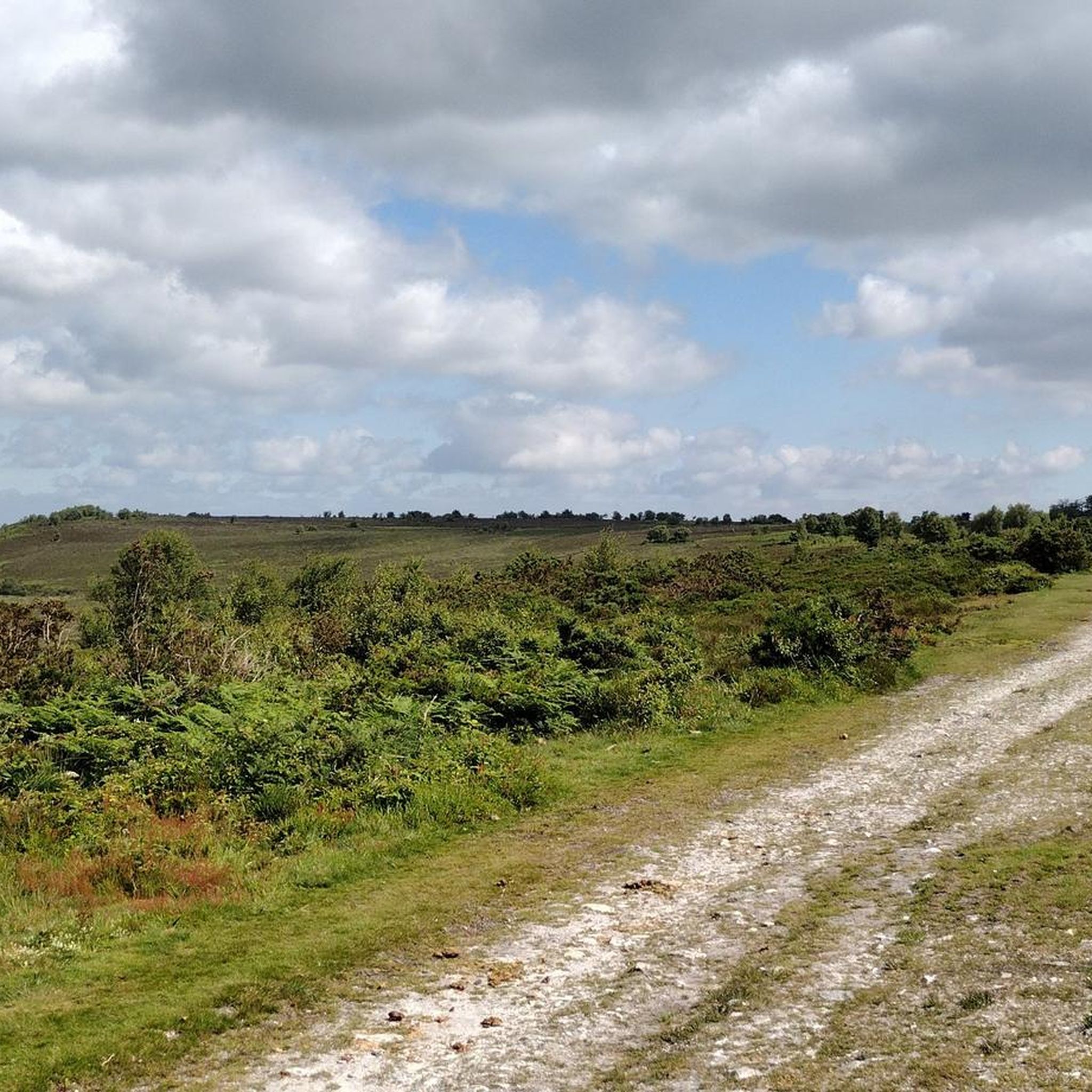
Hikes in Blackdown Hills AONB explore a landscape of steep, wooded slopes, river valleys, and open heathland. This Area of Outstanding Natural Beauty straddles the border of Devon and Somerset. The terrain features a network of rivers, including the Yarty, Otter, and Culm, with hills like Dumpdon Hill providing panoramic views of the surrounding countryside.
Best hiking trails in Blackdown Hills Aonb
- The most popular hiking route is the Castle Neroche & Curland loop via Herepath Trail — Blackdown Hills, a 4.0 mile (6.4 km) trail that takes around 1 hour 50 minutes to complete. This route explores the area around the historic Castle Neroche Iron Age hillfort.
- Another top favourite among local hiking enthusiasts is the Blackdown Common Pond & Culmstock Beacon loop — Blackdown Hills, an easy 3.2 mile (5.1 km) path. The trail leads across open common land to the historic Culmstock Beacon.
- Local hiking enthusiasts also love the Broadhembury Circular Walk, a 4.6 mile (7.4 km) trail leading through rolling fields and woodland, often completed in about 2 hours 5 minutes.
- Hiking in Blackdown Hills Aonb is defined by ancient woodlands, Iron Age hillforts, and serene river valleys. The network of trails offers a variety of routes suitable for different fitness levels.
- The routes in Blackdown Hills Aonb are highly rated by the komoot community with an average score of 4.4 stars from over 240 reviews. More than 1,600 hikers have used komoot to explore Blackdown Hills Aonb's varied terrain.
Last updated: October 10, 2026
4.5
(44)
132
hikers
6.40km
01:53
180m
180m
Easy hike. Great for any fitness level. Easily-accessible paths. Suitable for all skill levels.
4.7
(22)
146
hikers
5.11km
01:25
90m
90m
Easy hike. Great for any fitness level. Easily-accessible paths. Suitable for all skill levels.

4.6
(30)
70
hikers
7.51km
02:04
120m
120m
Moderate hike. Good fitness required. Easily-accessible paths. Suitable for all skill levels.
4.7
(10)
49
hikers
6.76km
01:49
80m
80m
Easy hike. Great for any fitness level. Easily-accessible paths. Suitable for all skill levels.
4.9
(7)
64
hikers
7.39km
02:05
160m
160m
Moderate hike. Good fitness required. Easily-accessible paths. Suitable for all skill levels.
Get access to more routes and recommendations from other explorers.
Already have an account?
Our route recommendations are based on thousands of hikes, rides, and runs completed by other people on komoot.
Start today with a free account
Your next adventure awaits.
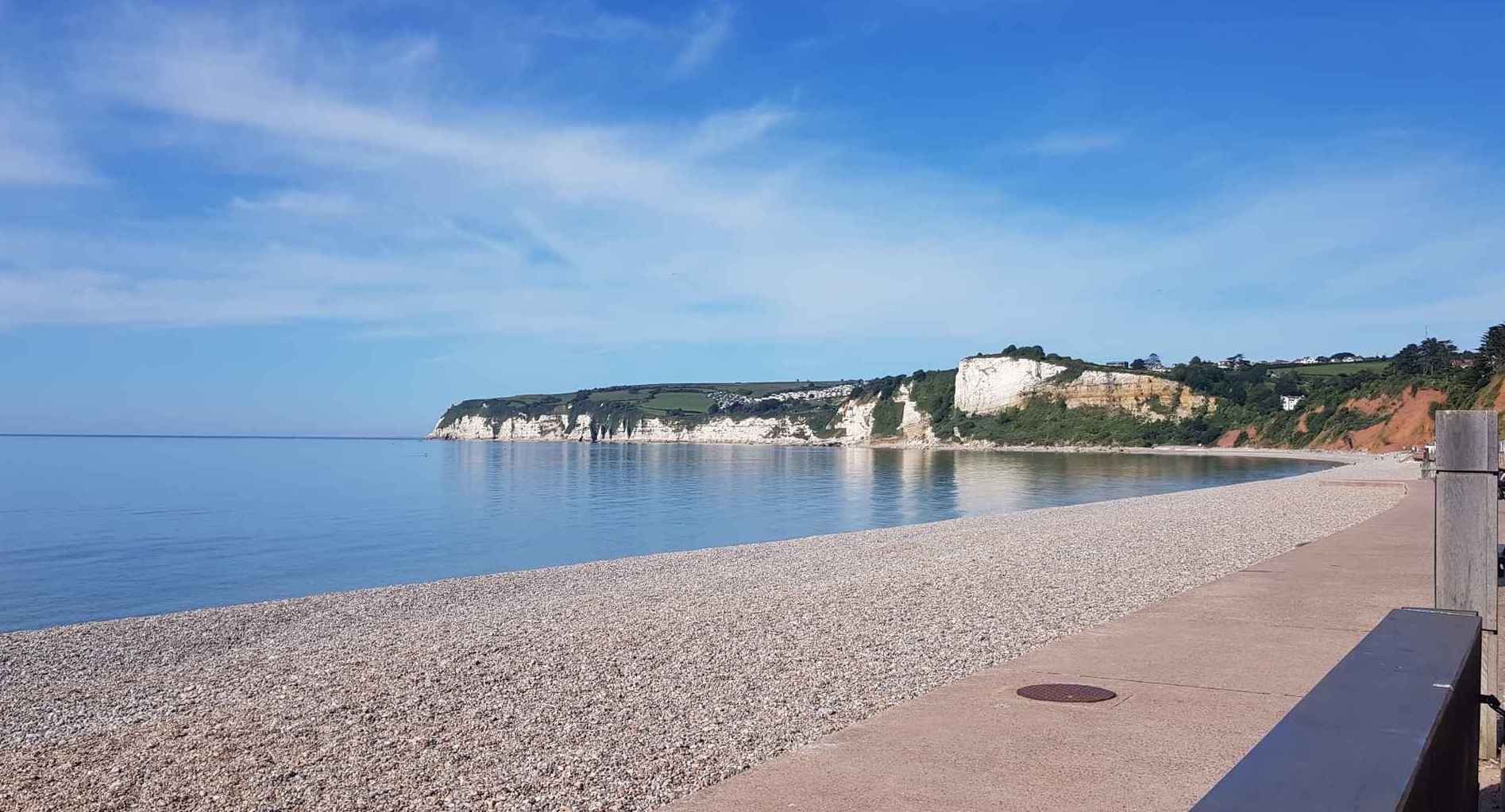
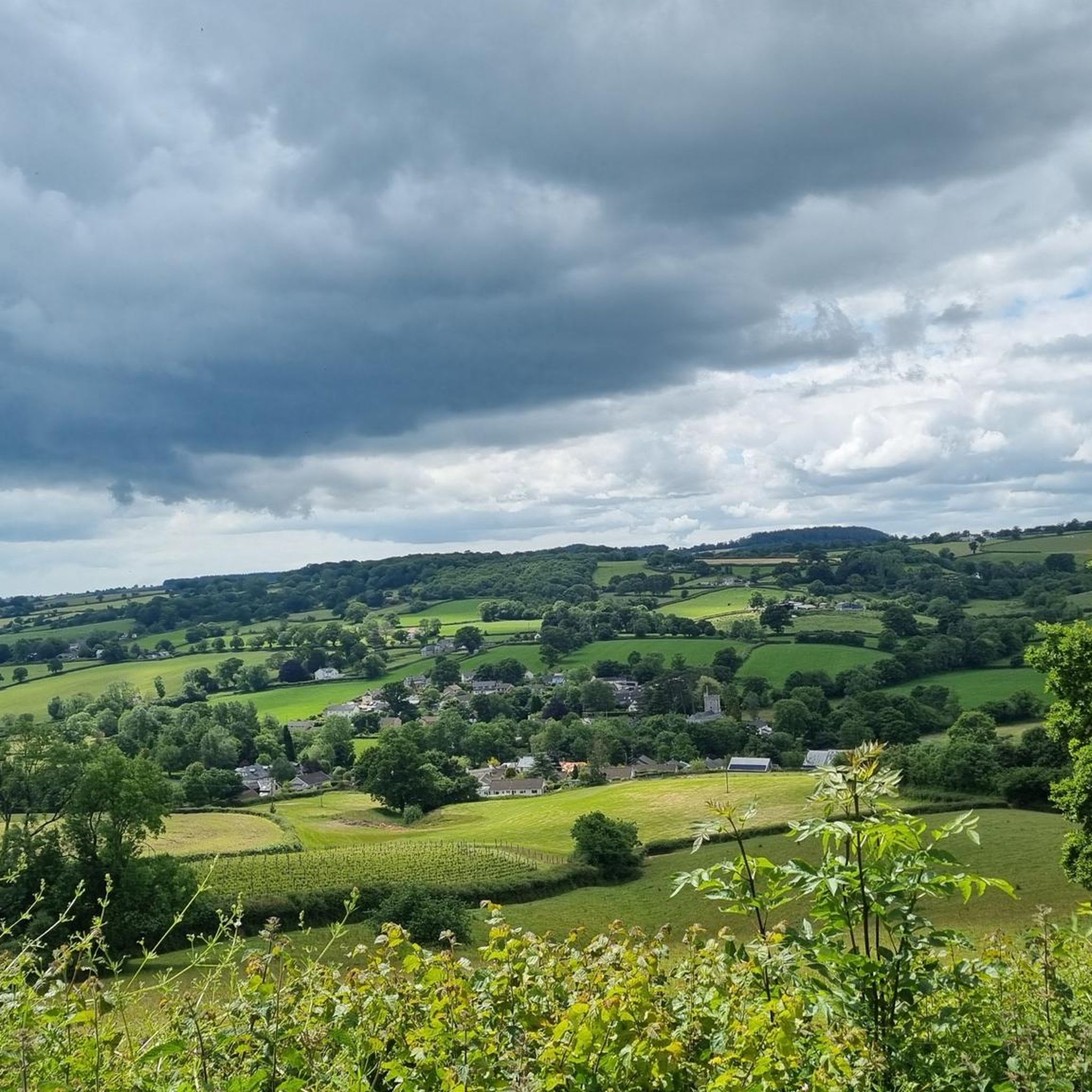
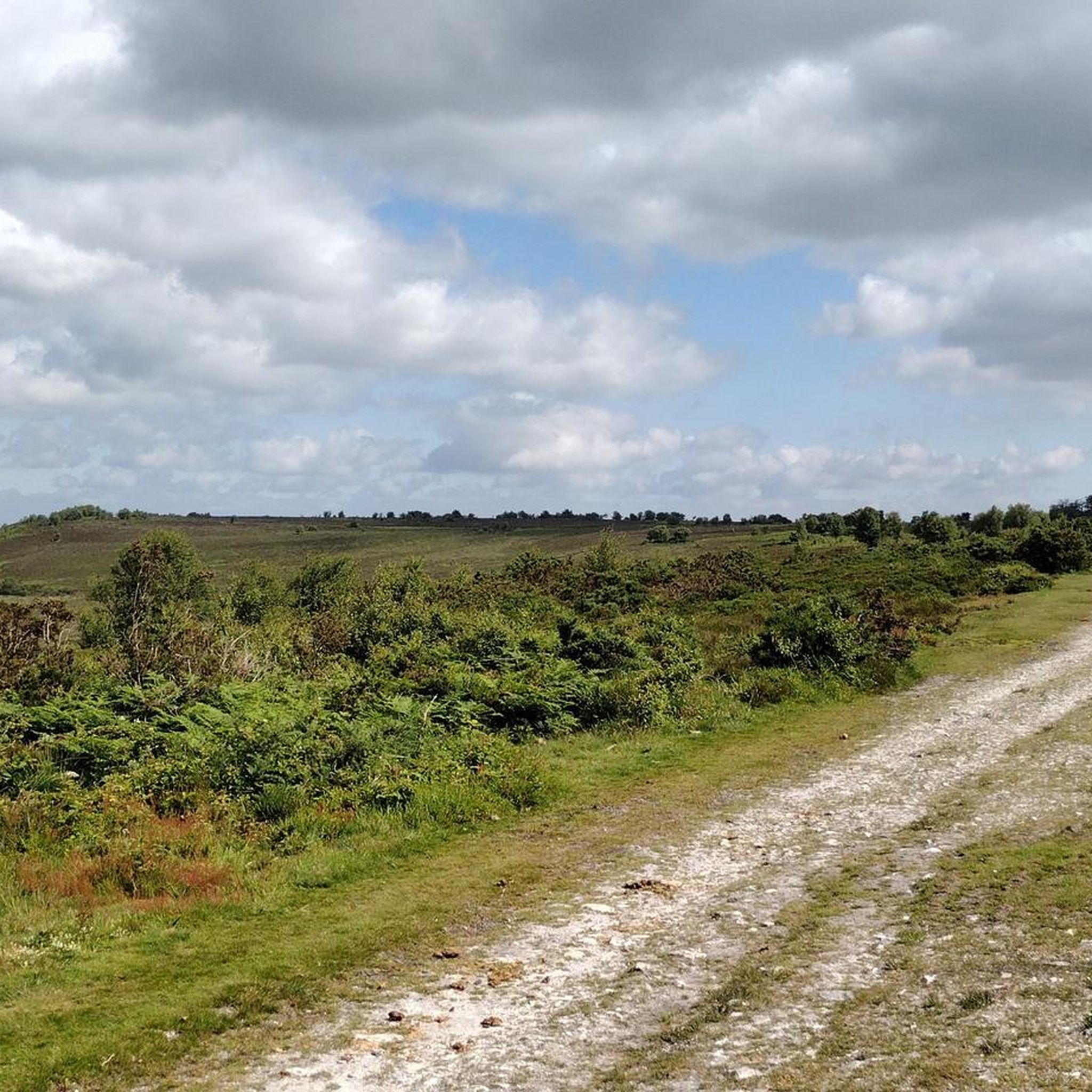
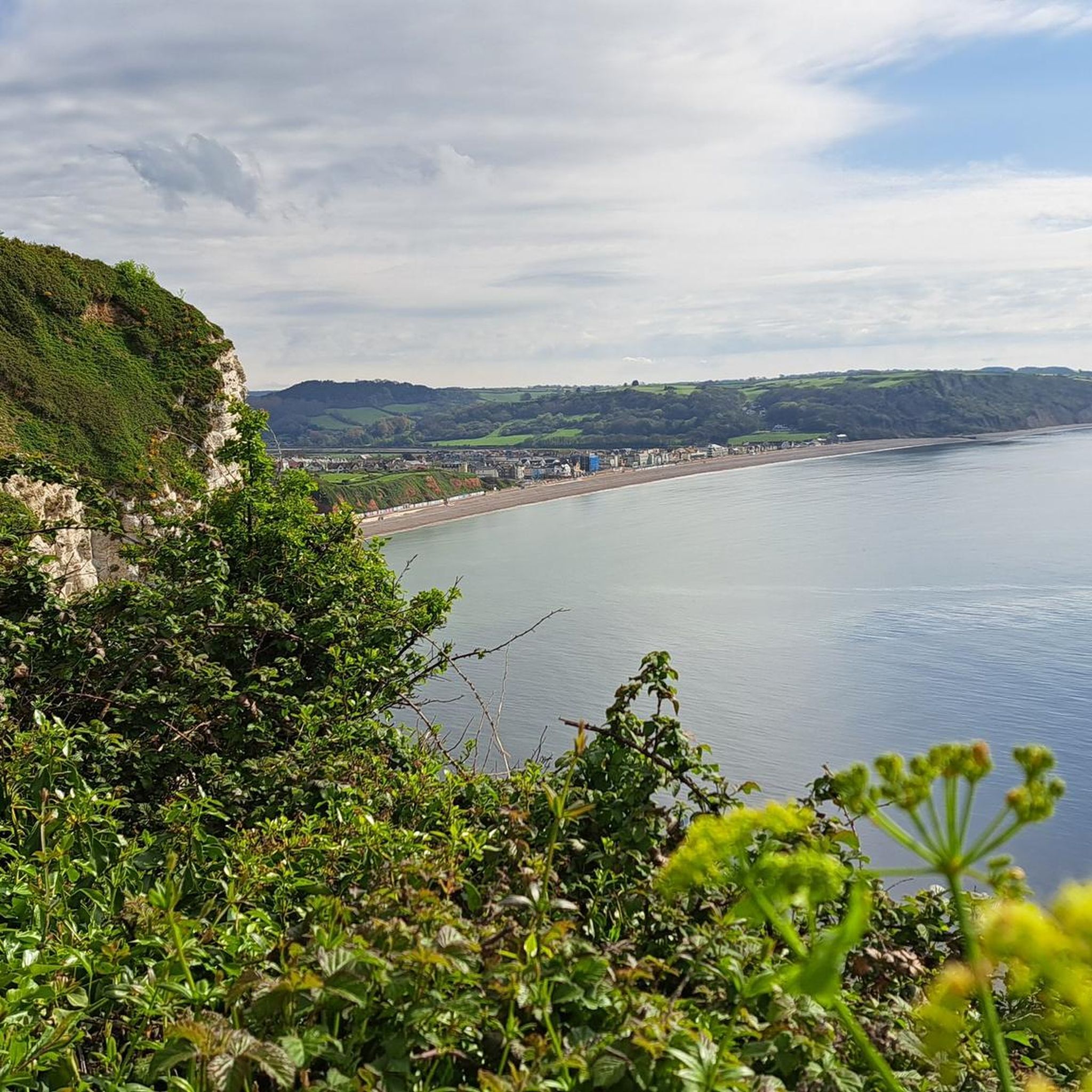
Other adventures in Blackdown Hills Aonb

Tips from the Community

The Drewe Arms is a beautiful country pub selling a good range of cask ales. Food is very good, but not sold Sunday evenings. Well worth a visit.
0
0

Great walks there is many ways to get to the Beacon, it's very cold up there and the ground was rocky wet and very muddy, good boots needed, you can see Dartmoor Exmoor and Somerset on a clear day.
3
0


Beautiful panoramic views across miles upon miles of countryside.
2
0
Norman castle The earthworks at the site are larger than would normally be found in a castle from the Norman period, raising speculation that it reused previously developed features. The castle was probably built by Robert, Count of Mortain in the 11th century. Archaeological evidence suggests it was built in several stages. During the first a rampart enclosing 7.5 acres (3.0 ha) was built. Soon after the Norman Conquest a smaller inner ringwork was constructed. The site was later converted into a motte and bailey, with a corner of the 20 feet (6.1 m) high motte serving as a barbican. By the early 12th century the castle was no longer in regular use. However, its use was resumed during The Anarchy, a period of civil war and unsettled government during a succession dispute between the supporters of King Stephen (1135–1154) and those of his cousin, the Empress Matilda. Continued use in the later 12th century may have been by administrators of the surrounding royal forest as a base for operations against poachers.
2
1
Castle Neroche is a Norman motte-and-bailey castle on the site of an earlier hill fort in the parish of Curland, near Staple Fitzpaine, Somerset, England. It is a Scheduled Ancient Monument. The origin of the term Neroche is believed to be a contraction of the Old English words nierra and rechich or rachich for Rache, a type of hunting-dog used in Britain in the Middle Ages, giving a meaning of the camp where hunting dogs were kept. This also gives the site its alternative name of Castle Rache. Iron Age The reason for the construction of Iron Age hill forts has been a subject of debate. It has been argued that they could have been military sites constructed in response to invasion from continental Europe, sites built by invaders, or a military reaction to social tensions caused by an increasing population and consequent pressure on agriculture. The dominant view since the 1960s has been that the increasing use of iron led to social changes in Britain. Deposits of iron ore were separated from the sources of tin and copper necessary to make bronze, and as a result trading patterns shifted and the old elites lost their economic and social status. Archaeologist Barry Cunliffe believes that population increase played a role and has stated "[the forts] provided defensive possibilities for the community at those times when the stress [of an increasing population] burst out into open warfare. But I wouldn't see them as having been built because there was a state of war. They would be functional as defensive strongholds when there were tensions and undoubtedly some of them were attacked and destroyed, but this was not the only, or even the most significant, factor in their construction.
2
0

A good few tracks and paths up here to explore, it never gets old
1
0

Frequently Asked Questions
Are there many circular walks in the Blackdown Hills?
Yes, the Blackdown Hills are ideal for circular walks. Many trails are designed as loops, allowing you to start and end at the same point, often a village or car park. A great example is the Knowles Wood & Blackborough Common loop, which takes you through varied scenery without needing to retrace your steps.
What are some good easy, family-friendly walks in the area?
The Blackdown Hills offer numerous gentle walks suitable for families. The terrain is often rolling rather than steeply mountainous. Look for routes on flatter ground, such as those following river valleys. The area around Otterhead Lakes is a local nature reserve with peaceful paths perfect for a family outing.
Can I get to the Blackdown Hills using public transport?
Reaching the heart of the Blackdown Hills AONB by public transport can be challenging due to its rural nature. Mainline train stations are located in nearby towns like Taunton and Honiton, from which you may be able to take local bus services to surrounding villages. However, services can be infrequent, so planning your journey in advance is essential. Most trailheads are best accessed by car.
Are dogs allowed on the hiking trails?
Dogs are generally welcome on public footpaths throughout the Blackdown Hills. However, you will be walking through a landscape of working farms and sensitive wildlife habitats. Always keep your dog under close control, especially near livestock, and on a lead where signposted to protect ground-nesting birds and other animals.
Are there any challenging hikes for experienced walkers?
While the Blackdown Hills are known for gentle rolling landscapes, there are more demanding options. For a longer, more strenuous day out, you could tackle a section of a long-distance path or combine several shorter loops. The Blackdown Common loop to Culmstock Beacon is a moderate route of 4.7 miles (7.5 km) that offers a bit more of a challenge with rewarding views.
What kind of historical sites can I see while hiking?
The landscape is rich with history. You can hike to several Iron Age hillforts like Hembury Fort and Dumpdon Hill, which offer panoramic views. Other points of interest include the Wellington Monument, the Elizabethan-era Culmstock Beacon, and the ruins of the 12th-century Dunkeswell Abbey.
Where can I find the best viewpoints in the Blackdown Hills?
For some of the most expansive views, head to the area's high points. Staple Hill, the highest point in the AONB, offers views as far as Wales on a clear day. Hikes to historic sites like the Wellington Monument, Culmstock Beacon, and Iron Age hillforts such as Castle Neroche are also rewarded with stunning panoramas of the surrounding countryside.
Are there any walks that include a pub stop?
Many walks can be planned to start, finish, or pass through picturesque villages that have traditional pubs. The village of Broadhembury, for example, features a lovely thatched pub and is the starting point for several circular routes through the surrounding fields and woodlands.
How many hiking trails are available in the Blackdown Hills AONB?
There are over 170 hiking routes to explore in the Blackdown Hills on komoot. These range from short, easy access trails to more demanding long-distance paths, covering the area's diverse landscapes of wooded valleys, high plateaus, and historic sites.
What do other hikers say about the trails in the Blackdown Hills?
The trails in the Blackdown Hills are highly regarded by the komoot community, with an average rating of 4.4 stars from over 240 reviews. Hikers often praise the tranquility of the area, the well-preserved ancient woodlands, and the fantastic views from the tops of the hills and historic beacons.
What is the terrain like for hiking in this area?
The hiking terrain is varied, defined by a mix of steep, wooded scarp slopes, particularly on the northern edge, and a gentler plateau incised by the river valleys of the Culm, Otter, and Yarty. You'll find a network of footpaths, bridleways, and quiet country lanes crossing a patchwork of fields, ancient woodlands, and open heathland.
Is parking available at the start of the trails?
Many of the popular walking spots, such as Castle Neroche, Staple Hill, and Culmstock Beacon, have small, dedicated car parks. You can also often find parking in the villages that serve as hubs for various circular walks. It's always a good idea to arrive early on sunny weekends as spaces can be limited.
Most popular routes in Blackdown Hills Aonb
Most popular attractions in Blackdown Hills Aonb

Get inspired with the komoot mobile app


Explore more
Browse the best Hikes in other regions.
