Lower Derwent Valley National Nature Reserve
Lower Derwent Valley National Nature Reserve
The best walks and hikes in Lower Derwent Valley National Nature Reserve
4.3
(264)
2,297
hikers
195
hikes
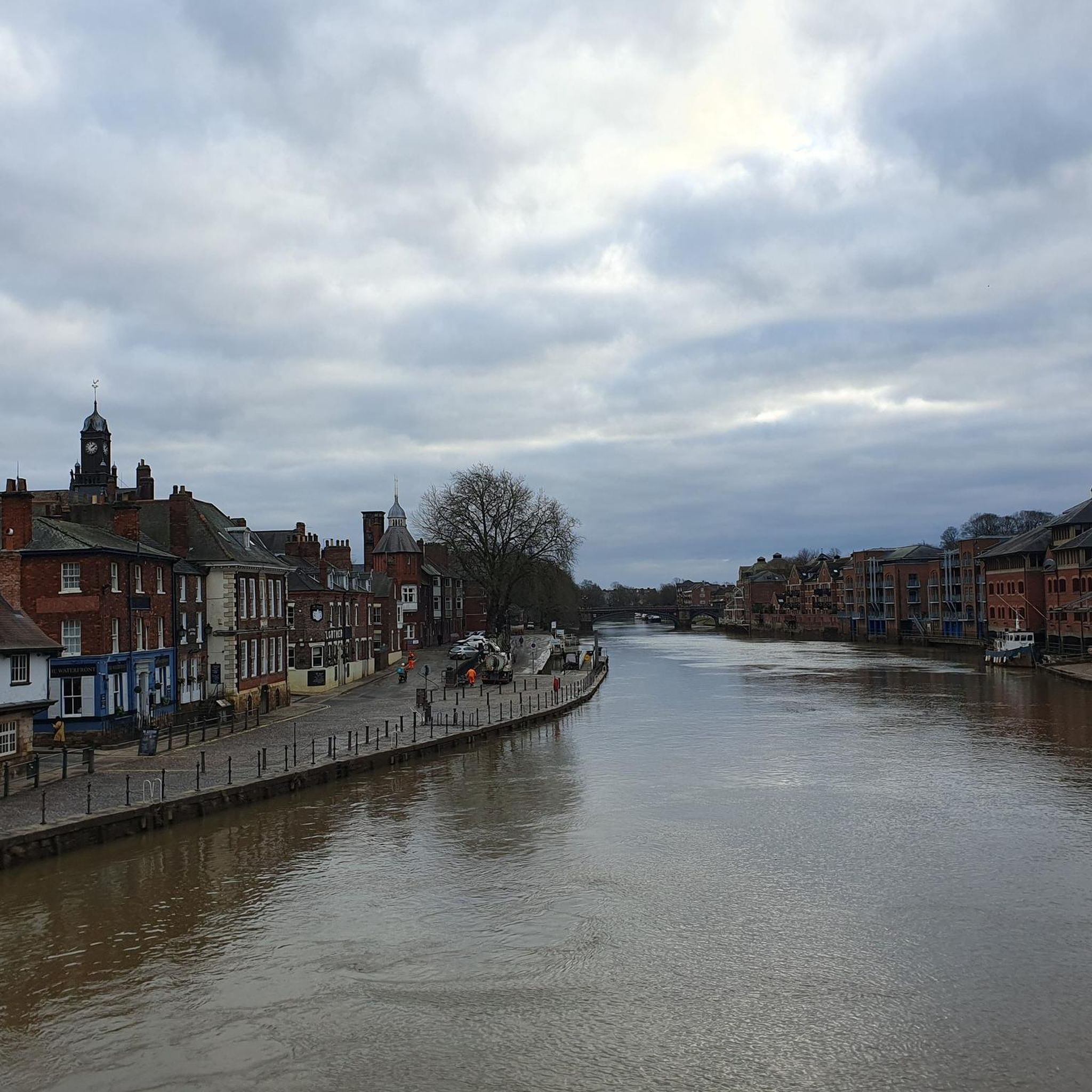
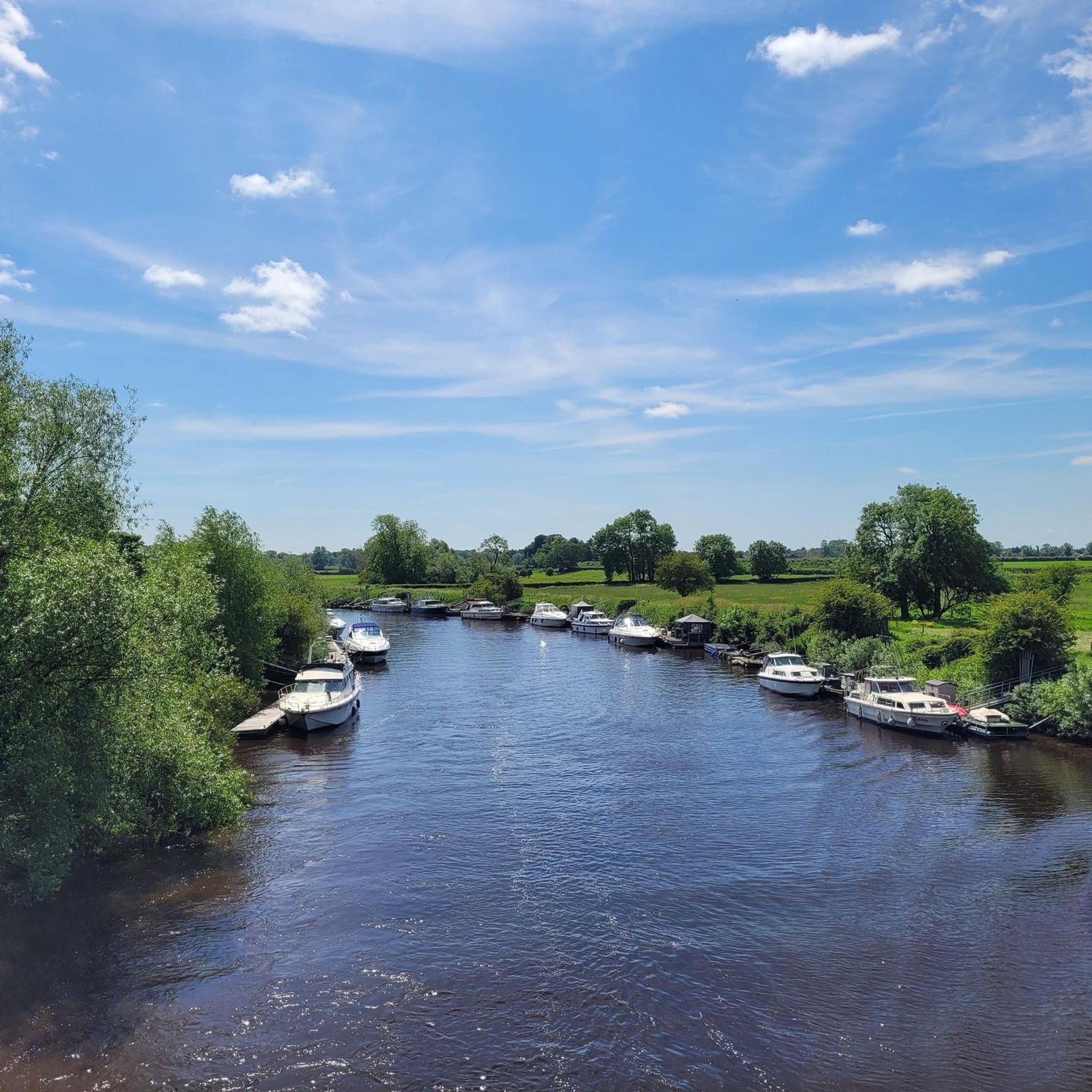
Hikes in Lower Derwent Valley National Nature Reserve follow the meandering River Derwent through a flat landscape. The region is characterized by tranquil grasslands, flood meadows, and peaceful woodlands. The network of paths is generally level, offering accessible routes through the reserve, which is known for its birdlife.
Best hiking trails in Lower Derwent Valley National Nature Reserve
- The most popular hiking route is Melbourne Arms – Top Lock loop from Melbourne, a 10.9 mile (17.6 km) trail that…
Last updated: August 26, 2026
4.4
(16)
65
hikers
17.6km
04:26
30m
30m
Moderate hike. Good fitness required. Easily-accessible paths. Suitable for all skill levels.
5.0
(2)
17
hikers
5.94km
01:30
10m
10m
Easy hike. Great for any fitness level. Easily-accessible paths. Suitable for all skill levels.

Sign up for free
4.2
(5)
28
hikers
15.6km
03:55
20m
20m
Moderate hike. Good fitness required. Easily-accessible paths. Suitable for all skill levels.
3.7
(3)
4
hikers
16.9km
04:17
30m
30m
Moderate hike. Good fitness required. Easily-accessible paths. Suitable for all skill levels.
4.5
(2)
7
hikers
11.7km
02:57
10m
10m
Moderate hike. Good fitness required. Easily-accessible paths. Suitable for all skill levels.
Get access to more routes and recommendations from other explorers.
Sign up for free
Already have an account?
Our route recommendations are based on thousands of hikes, rides, and runs completed by other people on komoot.
Start today with a free account
Your next adventure awaits.
Login or Signup
Popular around Lower Derwent Valley National Nature Reserve

Tips from the Community


The first of 5 disused locks between the canal head and Coat's Bridge. Although the next 4 (Silburn, Giles, Sandhill and Coat's Locks) are derelict, Top Lock's principal structure is relatively intact, and the lock gates and manual and hydraulic gearing mechanisms have been restored to traditional design.
2
0
Silburn Lock is the second of 5 disused locks as you walk from the canal head at Pocklington towards Coat's Bridge.
2
0
Giles Lock is quite easy to see, not as overgrown as some of the others, and the canal is but a shadow of its former self immediately south of the lock.
2
0
Very overgrown and difficult to see, this is one of 5 disused and derelict locks between the canal head at Pocklington and Coat's Bridge.
1
0
No longer used for mooring, the Bielby Arm marks the eastern limit of the canal's navigation. You can walk north to Coats Bridge on either side of the canal from the Bielby Arm.
2
0
Lock just 250m east of Church Bridge where there is some off-road parking. Grade II listed since 1987 and was restored along with Walbut Lock to create another 2 miles of navigable canal.
1
0
Carries Church Road which runs from Melbourne to Thornton. Grade II listed since 1987.
1
0
More Information
FAQs about hiking in Lower Derwent Valley National Nature Reserve
-
What type of landscapes can I expect when hiking in Lower Derwent Valley National Nature Reserve?
Hikers in Lower Derwent Valley National Nature Reserve will discover diverse landscapes including tranquil grasslands, lush meadows, and peaceful woodlands, all shaped by the meandering Derwent and Foss Beck rivers. -
What are the difficulty levels of the hiking trails in this nature reserve?
The network of trails in Lower Derwent Valley National Nature Reserve caters to various abilities, with most routes offering easy to moderate difficulty levels, suitable for both casual strollers and more experienced hikers. -
Is Lower Derwent Valley National Nature Reserve suitable for family hikes?
Yes, the reserve is ideal for family outings, offering easy-to-moderate trails that wind through scenic grasslands and woodlands, providing a pleasant experience for all ages. -
What kind of wildlife can be seen while hiking in the Lower Derwent Valley?
The reserve is a rich habitat for local wildlife, and as you walk along the riverbanks, you might spot various bird species and other animals in their natural environment. -
Are there any specific scenic highlights or natural features to look for?
Notable scenic highlights include the meandering Derwent and Foss Beck waterways, and in spring and summer, the meadows burst into color with vibrant wildflowers, enhancing the hiking experience. -
What is the longest recommended hike in Lower Derwent Valley National Nature Reserve?
The longest recommended route is the Melbourne Arms – Top Lock loop from Melbourne, covering 17.6 kilometers (10.9 miles) and typically taking about 4.5 hours to complete. -
What is the shortest recommended hike in Lower Derwent Valley National Nature Reserve?
For a shorter outing, the Melbourne Arms – Swingbridge No. 6 loop from Melbourne offers an easy 5.9-kilometer (3.7-mile) hike that can be completed in about 1.5 hours.
Frequently Asked Questions
Are dogs allowed in the Lower Derwent Valley National Nature Reserve?
Dogs are welcome in many parts of the reserve, but they must be kept on a short lead at all times. This is to protect the sensitive ground-nesting birds and other wildlife that the area is famous for. Some areas, particularly sensitive wildlife refuges like Wheldrake Ings, may have further restrictions, so always look for local signage.
What is the best time of year for birdwatching?
The Lower Derwent Valley is a spectacular birdwatching destination year-round. In spring, you can see breeding waders like lapwing and redshank. Autumn and winter are particularly dramatic, as the flood meadows attract over 40,000 ducks, geese, and swans. Key spots like Wheldrake Ings offer bird hides for excellent viewing opportunities.
Are there any easy, family-friendly walks in the reserve?
Yes, the reserve's flat terrain is ideal for families. For a shorter, manageable outing, consider the Melbourne Arms – Swingbridge No. 6 loop from Melbourne. It's a gentle 3.7-mile (5.9 km) walk through peaceful grasslands and is a great introduction to the area's scenery.
Can I walk along the Pocklington Canal?
Absolutely. The Pocklington Canal runs through the area and offers lovely waterside walking. For a comprehensive exploration that includes a significant section of the canal, the Top Lock – Pocklington Canal loop from Melbourne is a great choice. This 9.7-mile (15.6 km) route lets you experience both the canal and the surrounding reserve.
What is the terrain like? Are the paths difficult?
The hiking in the Lower Derwent Valley is characterized by its flat, level paths that follow the river and cross meadows. Most routes are rated as easy or moderate, with very little elevation change. However, the trails, especially in the flood meadows, can become very muddy and wet, particularly after rain or during the winter months. Good waterproof footwear is highly recommended.
How many hiking trails are there in the reserve?
There are over 200 routes to explore in and around the Lower Derwent Valley National Nature Reserve. These range from short, easy strolls perfect for an afternoon to longer, more immersive hikes, with the majority being easy or moderate in difficulty.
Are there any circular walks available?
Yes, many of the best routes in the reserve are circular. This allows you to enjoy a variety of scenery without retracing your steps. A good example of a longer circular hike is the Melbourne Arms – Church Bridge loop from Melbourne, which provides a varied 10.5-mile (16.9 km) journey through the landscape.
What do other hikers enjoy about the Lower Derwent Valley?
The area is highly regarded by the komoot community, with an average rating of 4.4 stars. Hikers frequently praise the tranquility of the riverside paths, the expansive, open feel of the meadows, and the exceptional opportunities for wildlife and bird spotting. The peaceful atmosphere is a consistent highlight in reviews.
What kind of wildlife might I see besides birds?
While the reserve is internationally famous for its birdlife, it's also a haven for other wildlife. Keep an eye out for mammals like otters along the River Derwent and Foss Beck, as well as brown hares in the fields. The area also supports several species of bats. The diverse habitats of woodland, wetland, and grassland support a rich variety of flora and fauna.
Are there any pubs or cafes for refreshments after a hike?
Many walks start or finish in nearby villages like Melbourne, which have traditional pubs. The Melbourne Arms, for instance, is a popular starting point for several routes and offers a place for refreshments. It's always a good idea to check opening times in advance, especially if you're hiking on a weekday.
How do I get to the reserve and where can I park?
The reserve is accessible by car, with several small car parks available at key access points like Wheldrake Ings and near villages such as Melbourne and Bubwith. Parking can be limited, especially on sunny weekends, so arriving early is advisable. Public transport options are infrequent, so planning your journey by car is often the most reliable way to visit.
Most popular routes in Lower Derwent Valley National Nature Reserve

Get inspired with the komoot mobile app


Explore more
Browse the best Hikes in other regions.
