Holt Heath National Nature Reserve
Holt Heath National Nature Reserve
The best cycling routes in Holt Heath National Nature Reserve
4.6
(363)
6,476
riders
293
rides
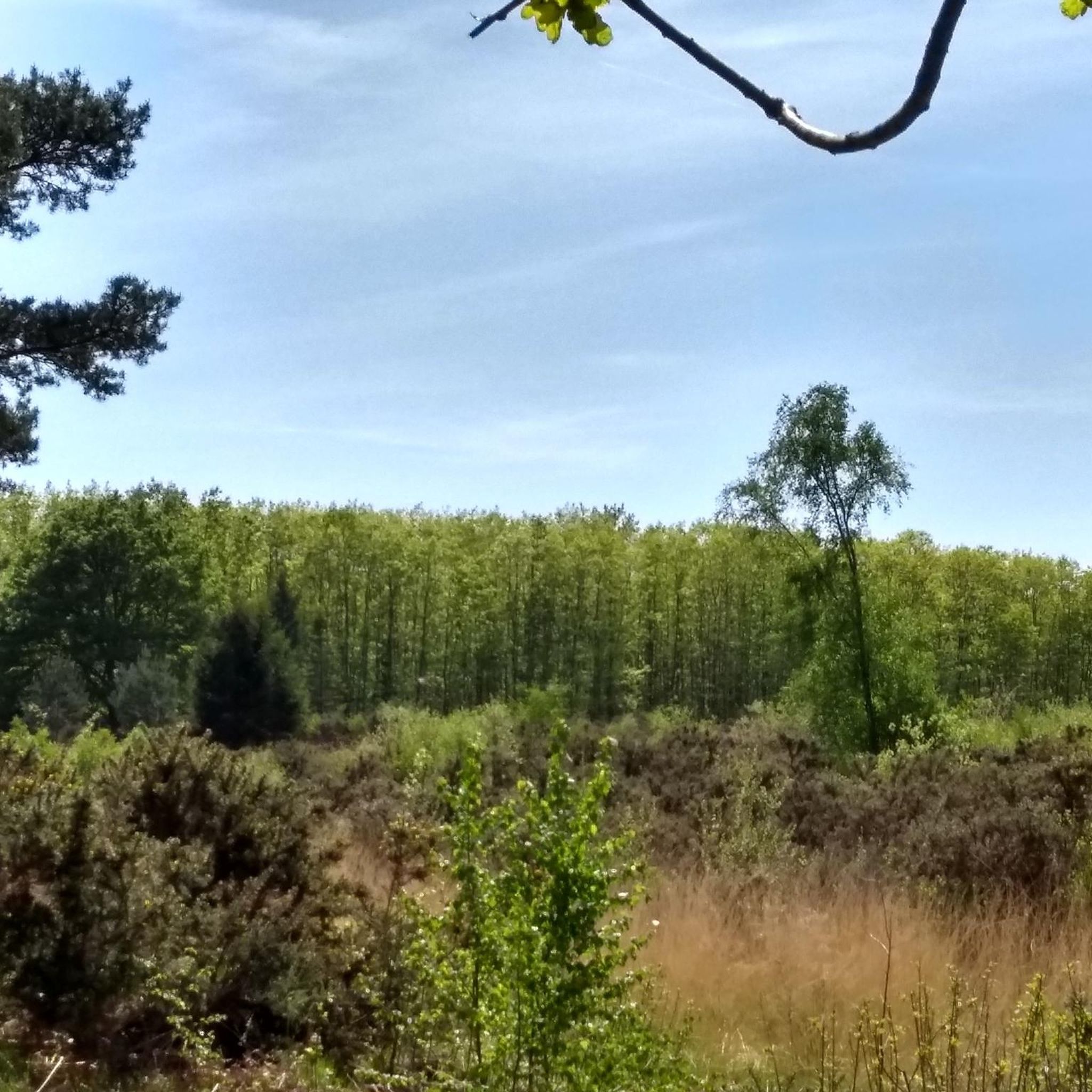
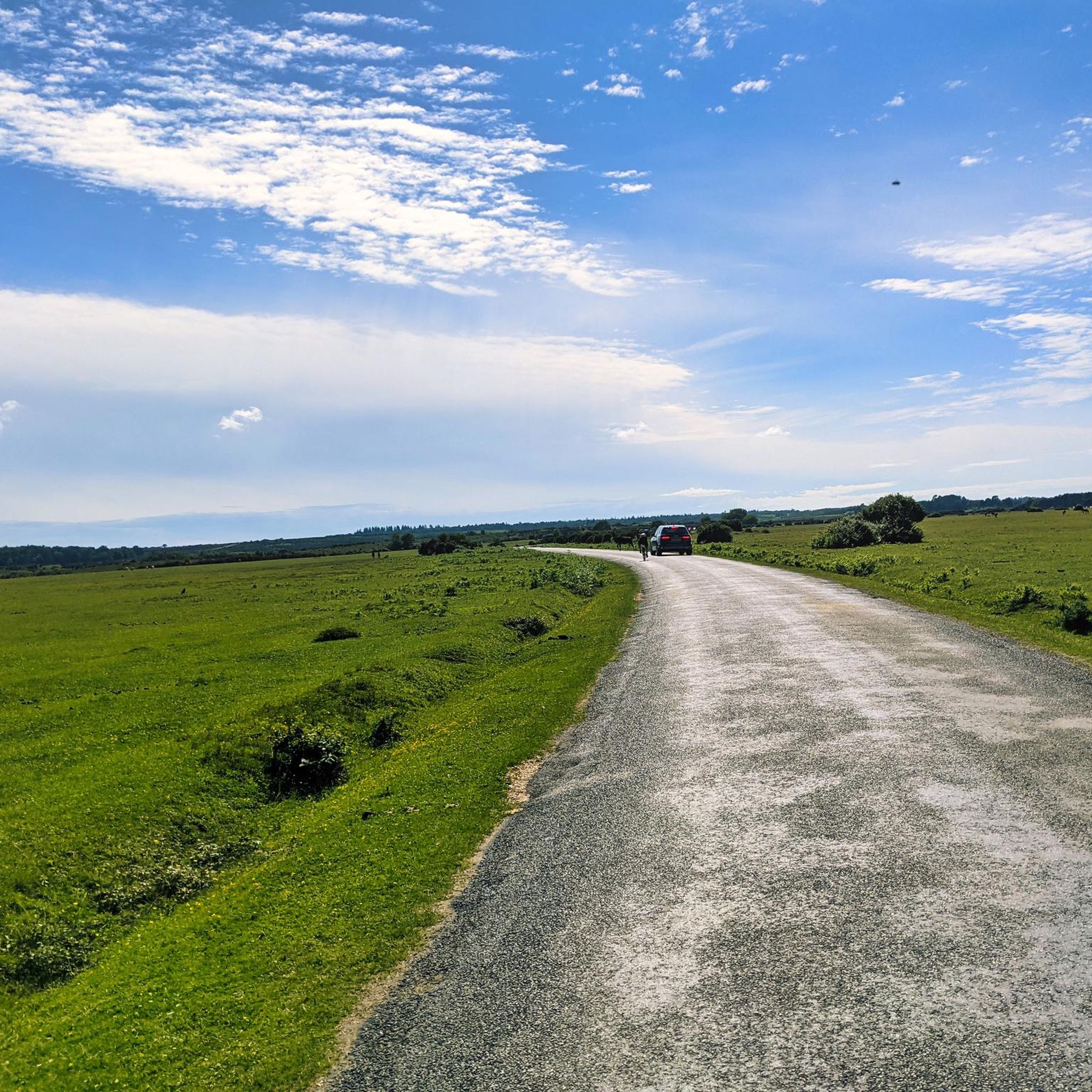
Touring cycling in Holt Heath National Nature Reserve offers diverse terrain across its 1000 acres. The landscape features lowland wet and dry heathland, valley mires, and ancient woodlands, including Holt Forest. Cyclists will find routes through areas of purple heather and gorse, as well as shaded sections under old oak pollards and beech trees. While largely flat, the reserve includes Bull Barrow, a Bronze Age burial mound, providing a point of interest.
Best touring cycling routes in Holt Heath National…
Last updated: July 14, 2026
5.0
(2)
5
riders
21.2km
01:37
240m
240m
Moderate bike ride. Good fitness required. Mostly paved surfaces. Suitable for all skill levels.
1
riders
19.0km
01:13
140m
140m
Easy bike ride. Great for any fitness level. Mostly paved surfaces. Suitable for all skill levels.

Sign up for free
3
riders
48.8km
03:09
420m
420m
Moderate bike ride. Good fitness required. Mostly paved surfaces. Suitable for all skill levels.
29
riders
Moderate bike ride. Good fitness required. Mostly paved surfaces. Suitable for all skill levels.
5.0
(1)
20
riders
Easy bike ride. Great for any fitness level. Mostly paved surfaces. Suitable for all skill levels.
Get access to more routes and recommendations from other explorers.
Sign up for free
Already have an account?
Our route recommendations are based on thousands of hikes, rides, and runs completed by other people on komoot.
Start today with a free account
Your next adventure awaits.
Login or Signup
Popular around Holt Heath National Nature Reserve
Tips from the Community

Lovely place overall, but the visitor centre area can get very busy. We found the trails a bit tricky to locate at first—look out for the “dog wash area” and then the “bike hire” just after it; they’re good waypoints to find the trail access, which is to the right and slightly behind the visitor centre (when facing it from the car park). Also worth noting there’s free parking at Potterne Park, not far from the centre.
0
0

Most people who pass by such a war memorial commemorating the victims will not have experienced the horrors of war firsthand. A dialogue invented by the writer Paul Harding might help. It is from a medieval detective novel, and the following exchange takes place: "Tell me, brother, when you went to war in France with your little brother, were you happy?" Athelstan felt his heart leap. "Of course." He smiled thinly. "I was young then. My blood was boiling, and I longed for great adventures." "And when you found your brother dead and cold as ice on the battlefield and returned to England... what was there?" Athelstan looked out into the courtyard; it was slowly getting dark. "In the Gospel, Sir John, Christ says that at the end of the world, the heavens will shake, and the planets will fall to earth in blazing fire." Athelstan closed his eyes. He felt Francis's spirit very clearly. "When I found my brother dead in the field," he continued, "it was like heaven falling to earth for me." (Source: "The House of the Red Butcher" by Paul Harding)
1
0


Interior Details: The interior is known for its high-quality flint work on the tower walls and a range of interesting features: Pulpit: A magnificent 15th-century pulpit is a central feature. Font: A 12th-century font is another medieval survival. Tomb Recess: Against the north wall, there is a canopied tomb recess from the 14th century. For a long time, it was thought to be a rare "Easter Sepulchre," but a skeleton was found inside during the 1860s restoration, suggesting it was a tomb. Organ: The church's organ is a fascinating piece of its history. An 18th-century Walker organ, it was gifted to the church and is said to have been used for choir practice at Westminster Abbey before its installation here. The church, set on a rise at the north-west corner of the village, is part of the "Knowlton Circle Benefice," which also includes nearby parishes like Cranborne and Wimborne St Giles, both of which are included on this cycle route.
0
0
All Saints Church is the parish church for the village of Gussage All Saints in Dorset. It's a Grade I listed building with a long and layered architectural history, primarily reflecting the Early English and Decorated Gothic styles. Medieval Origins: The church's main body, including the nave and chancel, dates largely to the early 14th century. The walls are constructed from a mix of local flint, rubble, and various types of stone, including Shaftesbury Sandstone and Heathstone. The Tower: The impressive west tower was built in several stages. Its lower part dates to the 14th century, while the upper stages and embattled parapet were added in the 15th century. The tower is particularly distinctive for its use of alternating bands of flint and ashlar stone. Victorian Restoration: Like many English churches, All Saints underwent a significant Victorian restoration. In 1864, architect Ewan Christian carried out extensive work. A notable change from this period was the moving of the original medieval chancel arch to the north wall, where it now frames the organ. A new chancel arch was then built by the architect John Hicks, who was a mentor to the famous novelist Thomas Hardy.
0
0
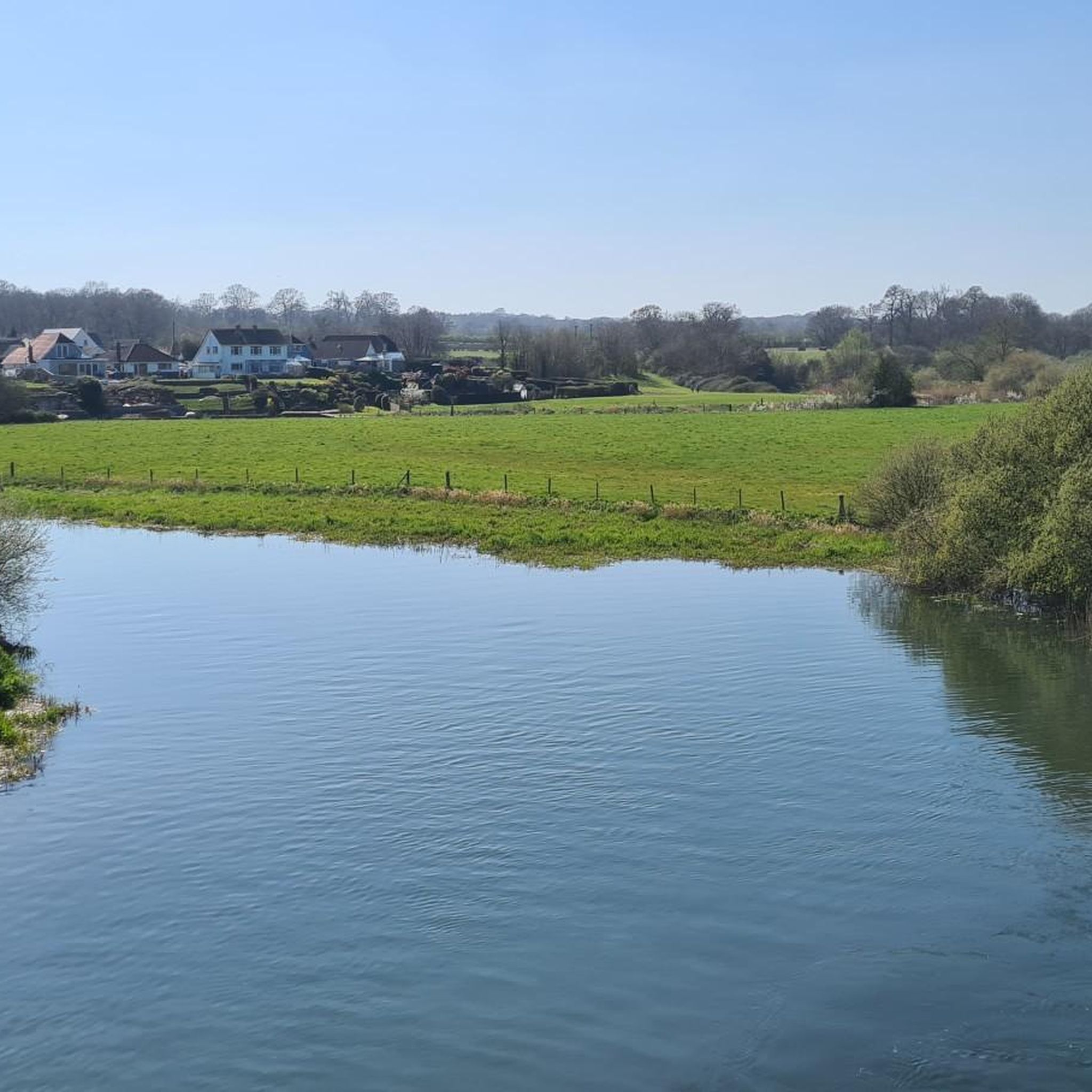
Iford Bridge is a historic bridge that crosses the River Stour, connecting Christchurch and Bournemouth. It is a Grade II listed building by English Heritage. Easternmost section: Dates back to the late 18th or early 19th century and is constructed of red brick with stone coping. Middle section: Built in the mid-17th century, it is made of ashlar stone and features four round-headed arches. This section is particularly old, with some sources indicating it dates back to 1184. Westernmost section: Also from the late 18th century, it complements the middle section's architectural style.
0
0

nice stopping off point, too the many bridleways and tracks in this area..
0
0

Frequently Asked Questions
How many touring cycling routes are available in Holt Heath National Nature Reserve?
Holt Heath National Nature Reserve offers over 300 touring cycling routes. These routes cater to various skill levels, from easy rides to more challenging paths requiring good fitness.
What kind of terrain can I expect when cycling in Holt Heath National Nature Reserve?
You'll find a diverse mix of terrain, including lowland wet and dry heathland, valley mires, and ancient woodlands. Routes often feature both paved surfaces and unpaved segments, gravel tracks, bridleways, and quiet lanes, providing a varied cycling experience. While largely flat, there are slight elevations like Bull Barrow, a Bronze Age burial mound.
Are there easy touring cycling routes suitable for beginners in Holt Heath National Nature Reserve?
Yes, there are many easy routes. For instance, the Castlemain Trailway – Forest Section loop from West Moors is an easy 6.6-mile path that combines on-road and off-road sections. Another accessible option is the Horton Tower loop, which is about 7.5 miles long and passes interesting landmarks.
Are there any circular touring cycling routes in Holt Heath National Nature Reserve?
Many routes in the reserve are circular, allowing you to start and end at the same point. A popular choice is the Hinton Martell Fountain – Silky Smooth Gravel Road loop from Horton, an 11.8-mile trail through varied terrain. The Moors Valley Forest Trails – Castleman Trailway loop from West Moors also offers a circular experience.
What natural features or landmarks can I see along the cycling routes?
Cyclists can enjoy areas of purple heather and gorse, especially vibrant in summer, and shaded sections under magnificent old oak pollards and beech trees in ancient woodlands like Holt Forest. You might also encounter Bull Barrow, a Bronze Age burial mound. The Horton Tower, a 15th-century folly, is another notable landmark visible on some routes.
Is Holt Heath National Nature Reserve suitable for family cycling?
Yes, the reserve offers routes suitable for families, particularly the easier and flatter sections. The varied terrain and natural beauty provide an engaging environment for cyclists of all ages. Look for routes with mostly paved surfaces or well-maintained gravel tracks for a smoother family experience.
Can I spot wildlife while cycling in Holt Heath National Nature Reserve?
Holt Heath is a haven for wildlife. You might spot all six native reptile species, including smooth snakes and sand lizards. Birdwatchers can look out for Dartford warblers, nightjars, and curlews. New Forest Ponies are also frequently seen, and the heathland pools are home to the black darter dragonfly, offering excellent opportunities for nature observation.
What is the best time of year to go touring cycling in Holt Heath National Nature Reserve?
The reserve is beautiful year-round, but summer is particularly stunning when the purple heather and gorse are in bloom. Spring offers fresh greenery and active wildlife. Autumn brings vibrant colors to the woodlands. While cycling is possible in winter, be prepared for potentially wetter and cooler conditions on some unpaved sections.
Are there specific parking areas for cyclists visiting Holt Heath National Nature Reserve?
While specific parking details for cyclists aren't provided in the guide, many routes start from villages or trailheads that typically offer public parking facilities. It's advisable to check local parking options near your chosen starting point, such as West Moors or Horton, before your visit.
What do other touring cyclists enjoy most about cycling in Holt Heath National Nature Reserve?
The area is highly rated by the komoot community, with an average score of 4.6 stars from over 300 reviews. Cyclists often praise the diverse terrain, the peaceful atmosphere of the heathland and ancient woodlands, and the variety of routes that cater to different fitness levels. The opportunity to combine routes for longer journeys is also a popular feature.
Are there any permits required for cycling in Holt Heath National Nature Reserve?
Generally, no specific permits are required for cycling on designated paths and bridleways within Holt Heath National Nature Reserve. However, as it is a protected area, cyclists are expected to stick to marked routes and respect conservation guidelines. For detailed information on regulations, you can consult official sources like Dorset's National Nature Reserves.
Can I reach Holt Heath National Nature Reserve by public transport with my bike?
Public transport options to Holt Heath National Nature Reserve with a bike can be limited. While some local bus services might operate in nearby towns, their capacity for bicycles can vary. It's recommended to check with specific transport providers for their bike carriage policies and schedules if you plan to use public transport.
Most popular routes in Holt Heath National Nature Reserve

Get inspired with the komoot mobile app


Explore more
Browse the best Cycling routes in other regions.
