The best road cycling routes in Hunedoara
4.8
(4)
127
riders
19
rides
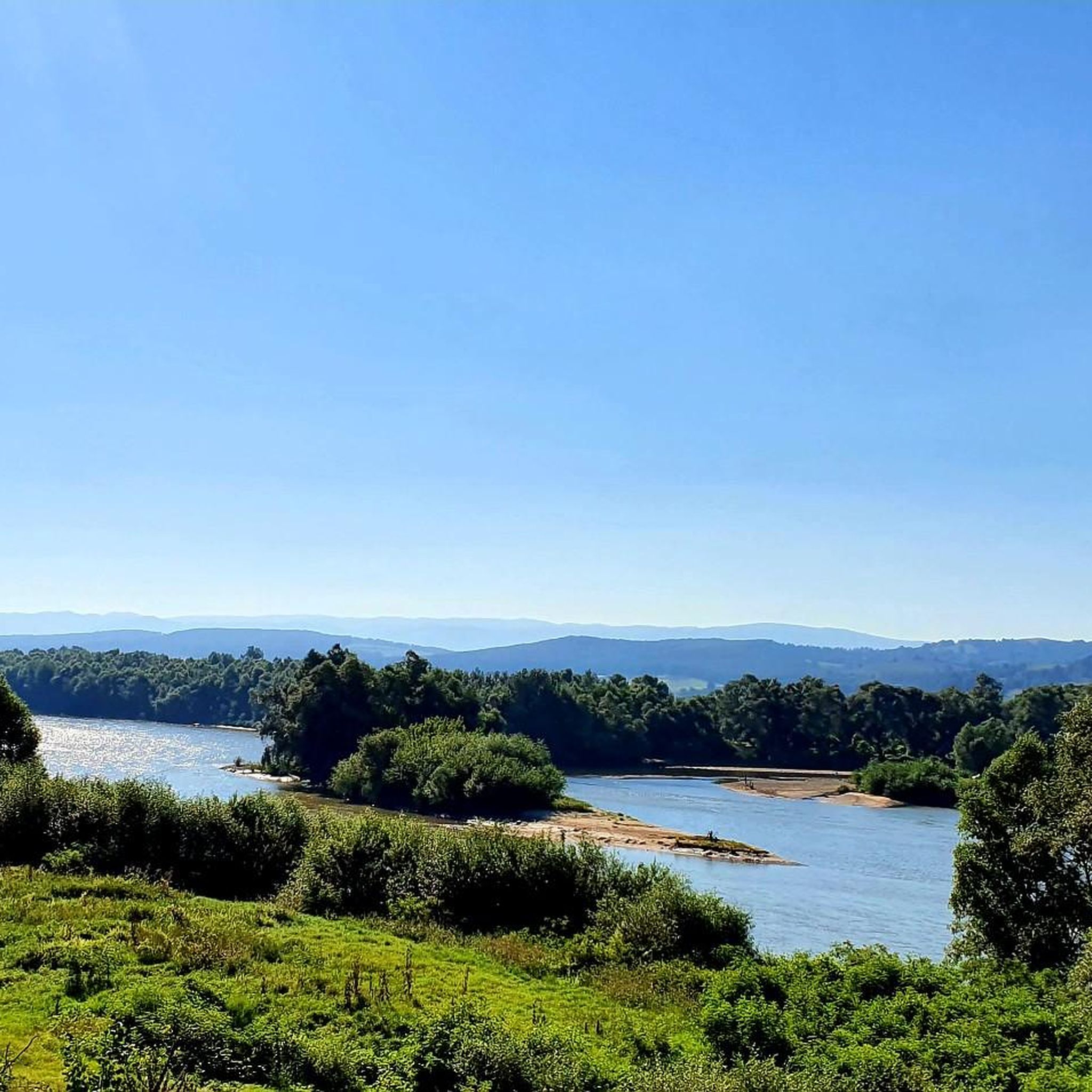
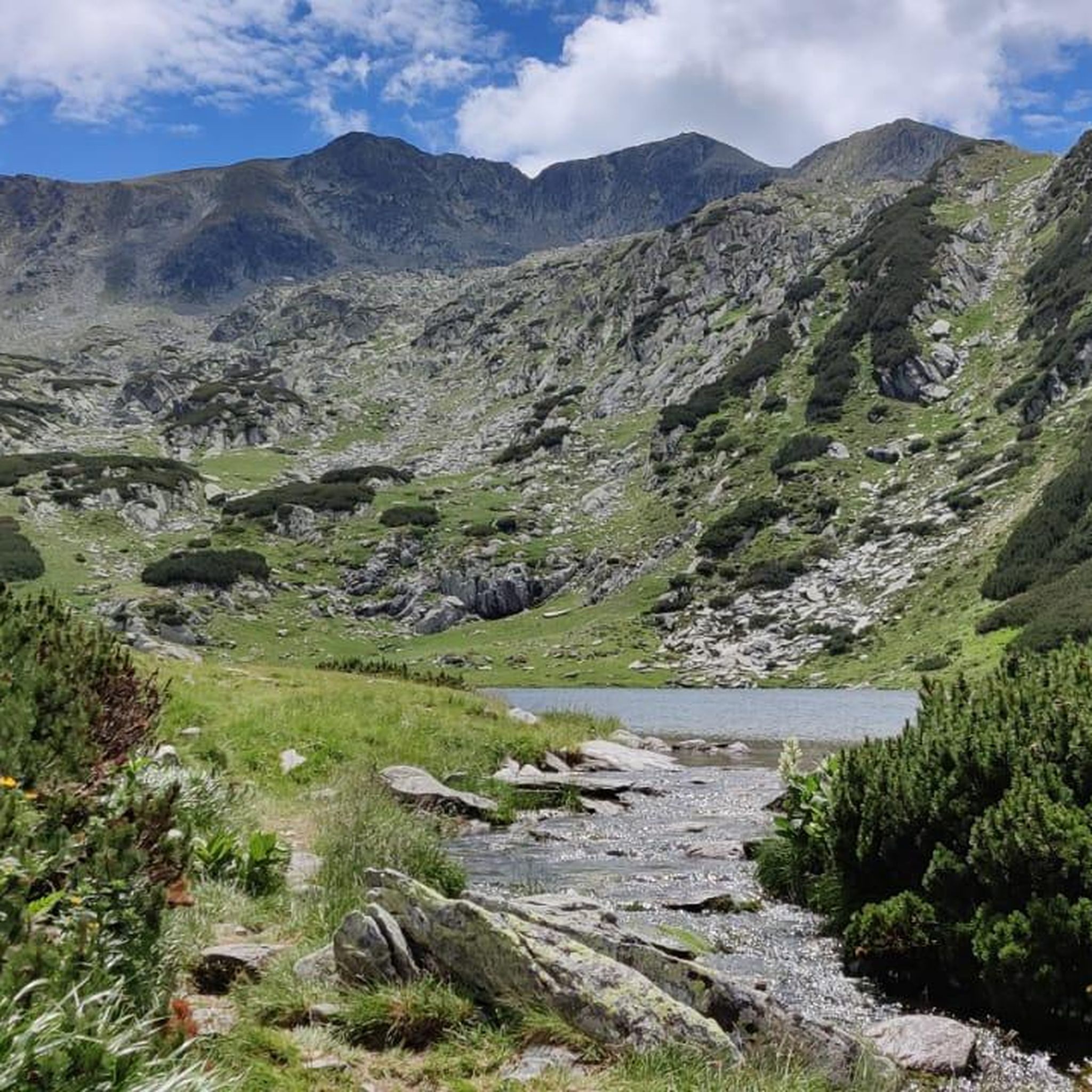
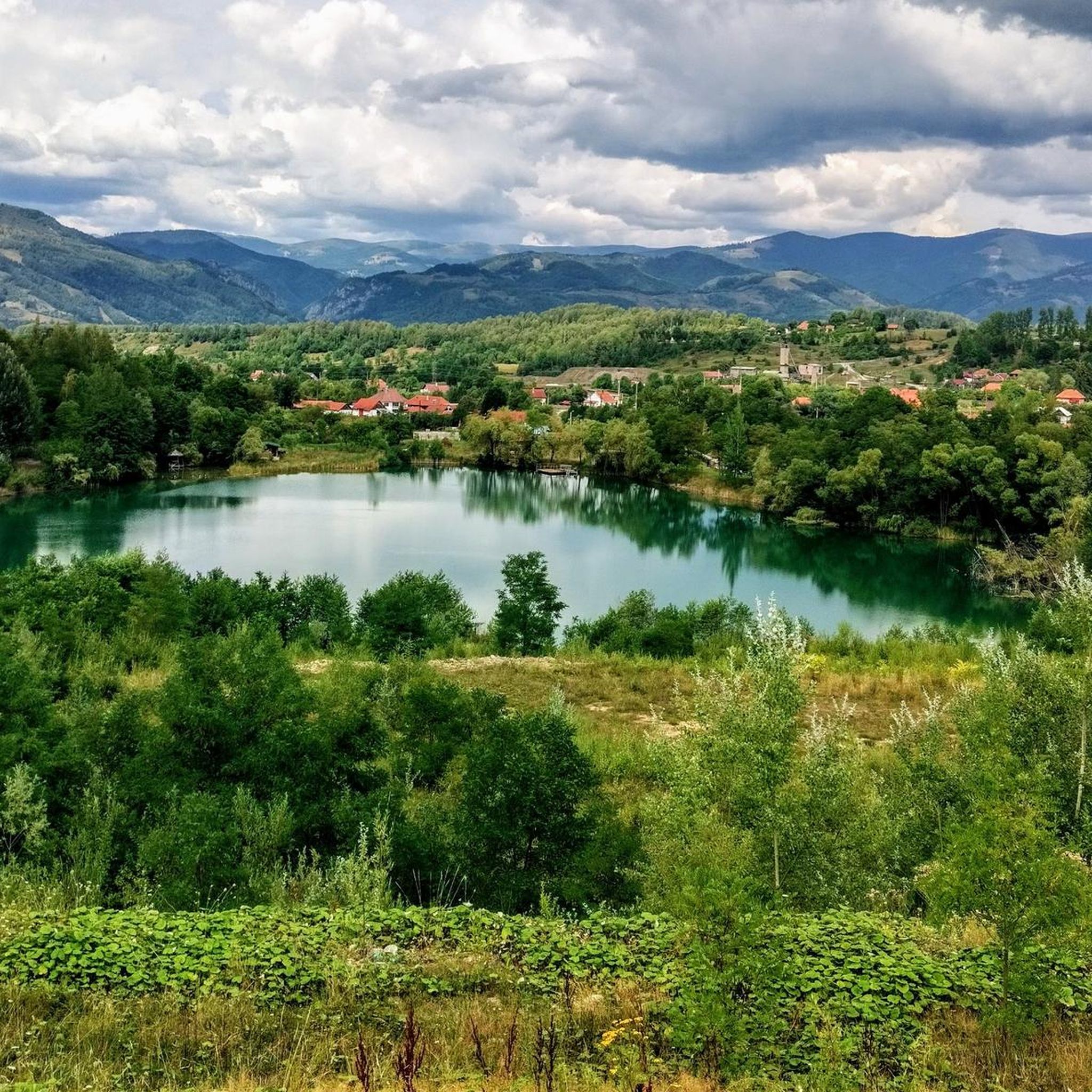
Road cycling in Hunedoara offers diverse landscapes, ranging from challenging mountain passes in the Retezat and Parâng Mountains to routes through the Țara Hațegului Dinosaurs Geopark. The region features a mix of paved and unpaved surfaces, with routes often traversing quiet roads and tracks. Cyclists can encounter varied terrain, including hills, gorges, and areas rich in natural and historical features. The elevation profiles vary significantly, catering to different fitness levels.
Best road cycling routes in Hunedoara
- The most popular road cycling route is Roadbike loop from Peștișu Mare, a 26.3 miles (42.3 km) trail that takes 2 hours 10 minutes to complete. This route features varied terrain and scenic views.
- Another top favourite among local road cyclists is Roadbike loop from Deva, a moderate 32.5 miles (52.3 km) path. This route offers a balanced ride through the region's landscapes.
- Local road cyclists also love the Roadbike loop from Hunedoara, a 25.2 miles (40.5 km) trail leading through the Hunedoara area, often completed in about 1 hour 53 minutes.
- Road cycling in Hunedoara is defined by mountain ranges, geoparks, and historical landmarks. The network offers options for different ability levels, from moderate loops to more challenging climbs.
- The routes in Hunedoara are highly rated by the komoot community with an average score of 5.0 stars from over 2 reviews. More than 100 road cyclists have used komoot to explore Hunedoara's varied terrain.
Last updated: October 18, 2026
12
riders
42.1km
02:16
640m
640m
Moderate road ride. Good fitness required. Some segments of this route may be unpaved and difficult to ride.
5.0
(1)
13
riders
52.2km
02:10
250m
250m
Moderate road ride. Good fitness required. Mostly well-paved surfaces and easy to ride.

11
riders
67.2km
02:41
240m
240m
Moderate road ride. Good fitness required. Mostly well-paved surfaces and easy to ride.
8
riders
48.2km
01:55
190m
190m
Moderate road ride. Great for any fitness level. Some segments of this route may be unpaved and difficult to ride.
7
riders
59.8km
02:37
580m
580m
Moderate road ride. Good fitness required. Mostly well-paved surfaces and easy to ride.
5
riders
90.8km
04:04
660m
660m
Moderate road ride. Good fitness required. Mostly well-paved surfaces and easy to ride.
5.0
(1)
5
riders
77.7km
03:18
460m
460m
Moderate road ride. Good fitness required. Mostly well-paved surfaces and easy to ride.
8
riders
143km
06:13
600m
600m
Hard road ride. Very good fitness required. Some segments of this route may be unpaved and difficult to ride.
5.0
(1)
3
riders
39.5km
01:50
420m
420m
Moderate road ride. Good fitness required. Mostly well-paved surfaces and easy to ride.
3
riders
36.4km
01:32
170m
170m
Moderate road ride. Great for any fitness level. Some segments of this route may be unpaved and difficult to ride.
Get access to more routes and recommendations from other explorers.
Already have an account?
Our route recommendations are based on thousands of hikes, rides, and runs completed by other people on komoot.
Start today with a free account
Your next adventure awaits.

Tips from the Community

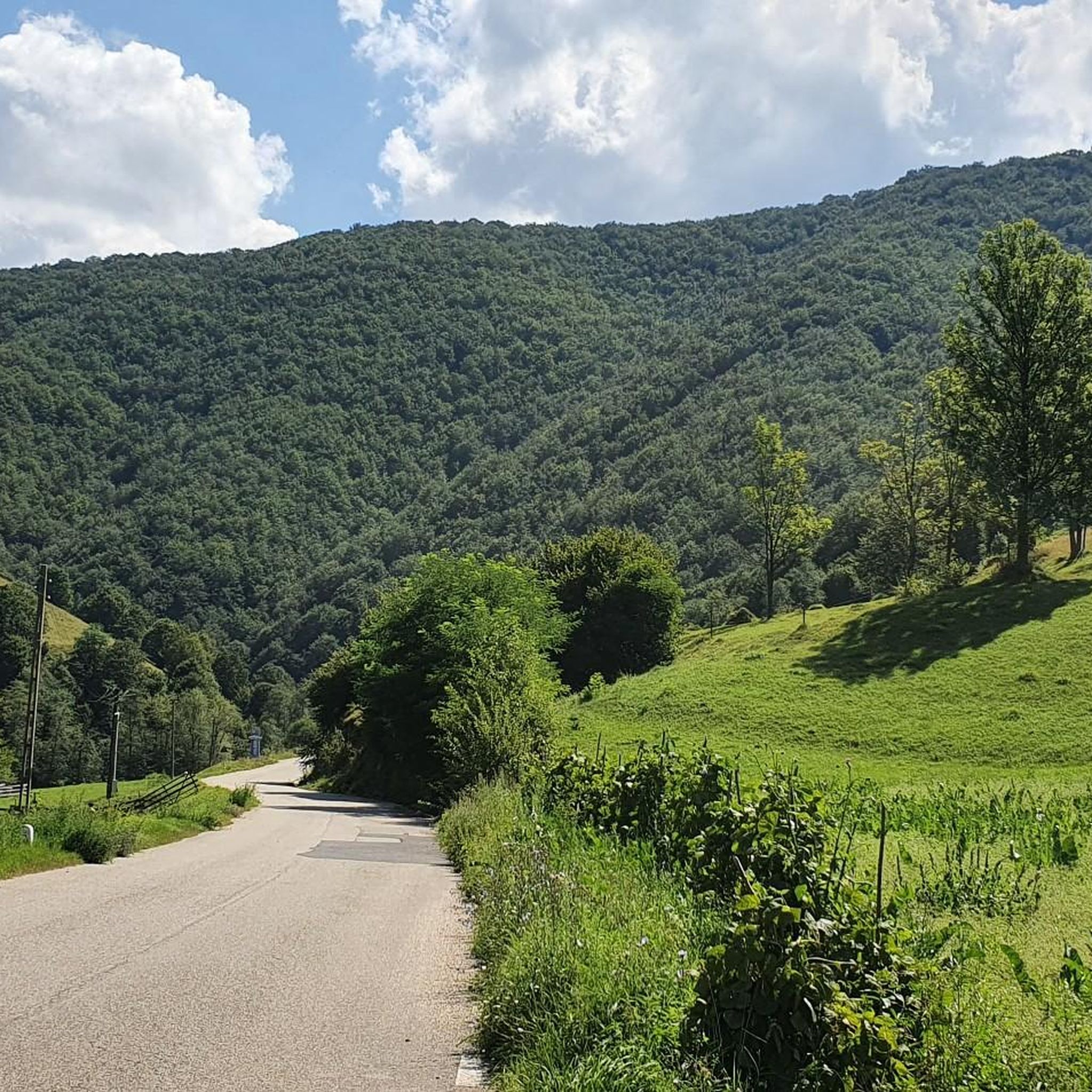
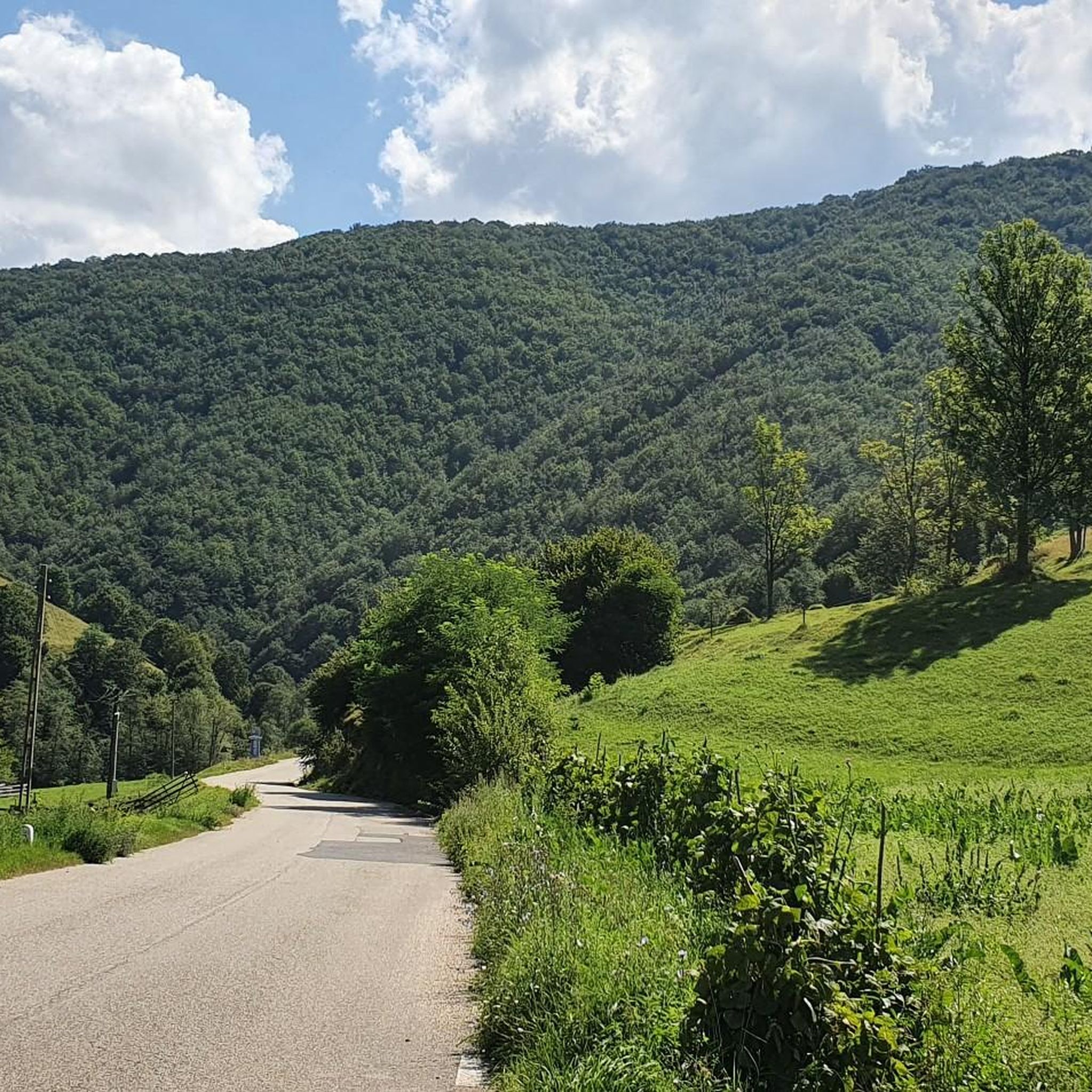
Quiet, well-paved side road, I can highly recommend it as an alternative to the national roads/DN! Little traffic, beautiful views of the countryside!
0
0
A simple campsite that offers everything you need! The owner Elena is incredibly friendly and accommodating, speaks perfect German. If you wish, you can also stay in the guesthouse or in one of the camping cabins. Clear recommendation! Phone: +40723741108
0
0

The Via Principalis was the main road connecting the two main gates of the ancient Roman castrum of Apulum, to the north and south. The road ran in front of the "Principia" of the Roman fort, the headquarters of the 13th Gemina Legion. Carts transporting salt, oil, wine, and military equipment for the camp's inhabitants drove along the stone-paved road. The remains of the road, along which the Roman soldiers walked, were uncovered during the fort's renovation. The Roman-era slabs can be seen here, as well as the masonry canal beneath the road's longitudinal axis, which was intended to ensure its drainage.
8
0
The bell depicts scenes from the three Romanian principalities of Transylvania, Wallachia, and Moldavia. As a whole, it is a monument to the unity of Greater Romania since 1918.
7
0
The National Museum of the Union (Muzeul Național al Unirii) is housed in Alba Iulia's largest Romantic-style building, built between 1851 and 1853. It once housed the Habsburg army in the citadel. Its residents were recruited from across the Habsburg Empire, and it was said that "all the languages of the world" were spoken here. Hence, locals called the building the "Babylon Building." With its thick walls and over 100 rooms, it resembles a fortress within a fortress. After the union of 1918, the Romanian army moved in. It wasn't until November 28, 1968, that the National Museum of the Union opened in the building, one of Romania's most famous museums, both culturally and scientifically.
9
1

Rectangular, with a gate on each side and main roads connecting the gates on opposite sides. This is how a Roman Castrum Apulum was planned by the engineers and architects of the Roman Empire almost two millennia ago. In Alba Iulia, a section of the Via Principalis can be seen. It was the road that connected the main gates of the castrum, the southern and the northern. The Via Principalis passed by the "Principia" of the Roman castrum, the headquarters of the 13th Legion, Gemina. Part of the 1800-year-old building can be seen in the Principia Museum. On the stone-paved road, carts carrying salt, oil, wine, or even military equipment needed by the inhabitants of the castrum passed by daily. The remains of the road, once trodden by Roman soldiers, were unearthed during the restoration of the Alba Iulia Citadel. ... The central section of the road was flanked by two rows of stone slabs with carved edges, designed to prevent the carts that supplied the military camp with food and equipment from slipping. The restoration team also highlighted sections of the side channels built by the Romans to ensure rainwater drainage, as well as some of the columns of the portico, the covered gallery that protected the road on both sides. Source: https://albaiuliaqr.ro/via-principalis
2
0
The museum has two buildings with historical monument value. The “Babilon” building was built between 1851 and 1853 in the spirit of romantic architecture. It was used as a living pavilion for officers and was converted into a museum room in 1967–1968. The Sala Unirii was built between 1898 and 1900 and was originally intended as a military casino. It was restored in 1922 and between 1967 and 1968. The union of Transylvania with Romania was voted on in this building. The museum in Alba Iulia was inaugurated in 1888 on the initiative of the Society for History, Archeology and Natural Sciences of the Lower Alba District under the direction of the renowned archaeologist Adalbert Cserny (1842 - 1916). In 1929 it was organized as the Unirii Museum under the auspices of ASTRA. Valuable pieces of modern Romanian history have been added to the rich archaeological collections. ... Source: Wikipedia
3
0
Its shape is said to be identical to the bell donated by King Ferdinand to the Reunification Cathedral (minus the crack in it). It represents a personal and modern interpretation of the union of the three Romanian principalities.
3
0
Frequently Asked Questions
How many road cycling routes are available in Hunedoara?
Hunedoara offers a wide selection of road cycling routes, with over 20 options listed on komoot. These routes cater to various skill levels, including easy, moderate, and challenging rides.
What is the best time of year for road cycling in Hunedoara?
The most popular months for road cycling in Hunedoara are typically May, June, and July. During these months, the weather is generally favorable for exploring the region's diverse landscapes, from mountain passes to geoparks.
Are there any easy road cycling routes for beginners or families?
Yes, there are routes suitable for beginners. While most routes are moderate, you can find easier options. For example, the region offers routes with less elevation gain, such as the La Băltuțe – Ruinele curții nobiliare loop from Orăștie, which covers 48.1 km with a more gentle ascent.
What kind of terrain can I expect on road cycling routes in Hunedoara?
Road cycling in Hunedoara features diverse terrain. You can expect a mix of paved and unpaved surfaces, quiet roads, and tracks. Routes often traverse hills, gorges, and areas with significant elevation changes, especially in the mountainous regions like the Retezat and Parâng Mountains.
Are there challenging routes for experienced road cyclists?
Absolutely. For experienced cyclists seeking a challenge, Hunedoara offers routes with significant elevation gains and longer distances. A notable difficult route is the Via Principalis – Union Bell loop from Deva, which spans over 143 km with more than 600 meters of ascent.
What historical landmarks can I see along the cycling routes?
Hunedoara is rich in history. Cyclists can integrate visits to impressive historical sites into their rides. You might encounter the dramatic Corvin Castle, the ancient Blidaru Dacian Fortress, or the Deva Citadel. The Țara Hațegului Dinosaurs Geopark also offers a unique blend of natural history and medieval fortresses.
Are there any natural attractions or viewpoints accessible by road bike?
Yes, the region boasts stunning natural features. You can cycle through areas near the Retezat and Parâng Mountains, which are known for their rugged ridges and alpine peaks. Routes might also pass by serene alpine lakes like Lake Ștevia, or offer views of impressive summits such as Peleaga Peak.
Are there circular road cycling routes available?
Many of the road cycling routes in Hunedoara are designed as loops, allowing you to start and end in the same location. Examples include the popular Roadbike loop from Deva or the Roadbike loop from Hunedoara, offering convenient circular journeys.
What do other road cyclists say about the routes in Hunedoara?
The road cycling routes in Hunedoara are highly regarded by the komoot community, holding an average rating of 5.0 stars. Cyclists often praise the varied terrain, scenic views, and the opportunity to explore both natural beauty and historical sites.
Can I find long-distance road cycling tours in Hunedoara?
Yes, Hunedoara offers options for longer road cycling tours. For instance, the Lac Acumulare loop from Subcetate is a substantial ride of nearly 78 km, and the La Băltuțe – Termele Romane loop from Deva covers over 80 km, providing excellent options for extended rides.
Are there routes that pass through the Țara Hațegului Dinosaurs Geopark?
Yes, Hunedoara is home to the Țara Hațegului Dinosaurs Geopark, a UNESCO site. You can find routes that traverse this unique area, offering a blend of natural history and stunning scenery. The Roadbike loop from Hațeg is a good starting point for exploring this fascinating region.
Most popular attractions in Hunedoara

Get inspired with the komoot mobile app


Didn’t find what you were looking for?
Check out more Road cycling routes throughout Hunedoara below and find the perfect route in your destination.
Explore more
Browse the best Road cycling routes in other regions.
