Top 8 Castles around Sassnitz
Best castles around Sassnitz are found in a region characterized by its Baltic Sea coast, dense forests, and historical significance on the island of Rügen. The area offers a blend of natural landscapes and architectural remnants, providing insights into past eras. Sassnitz serves as a gateway to exploring these historical sites, which range from grand ruins to unique historical structures. The surrounding environment, including the Jasmund National Park, complements visits to these notable landmarks.
Best castles around Sassnitz
- The most…
Last updated: June 22, 2026
Spyker Castle
Highlight • Castle
Translated by Google •
Tip by

Semper Castle Water Tower Ruin
Highlight • Monument
Translated by Google •
Tip by

Sign up now to discover places like this
Get recommendations on the best single tracks, peaks, & plenty of other exciting outdoor places.
Sign up for free
Ruins of the Prora KdF complex
Highlight • Historical Site
Translated by Google •
Tip by

Dwasieden Castle Ruins
Highlight • Castle
Translated by Google •
Tip by

View of Lietzow Castle
Highlight • Viewpoint
Translated by Google •
Tip by

Sign up for free to discover even more castles around Sassnitz.
Sign up for free
Already have an account?
Start today with a free account
Your next adventure awaits.
Login or Signup
Popular around Sassnitz
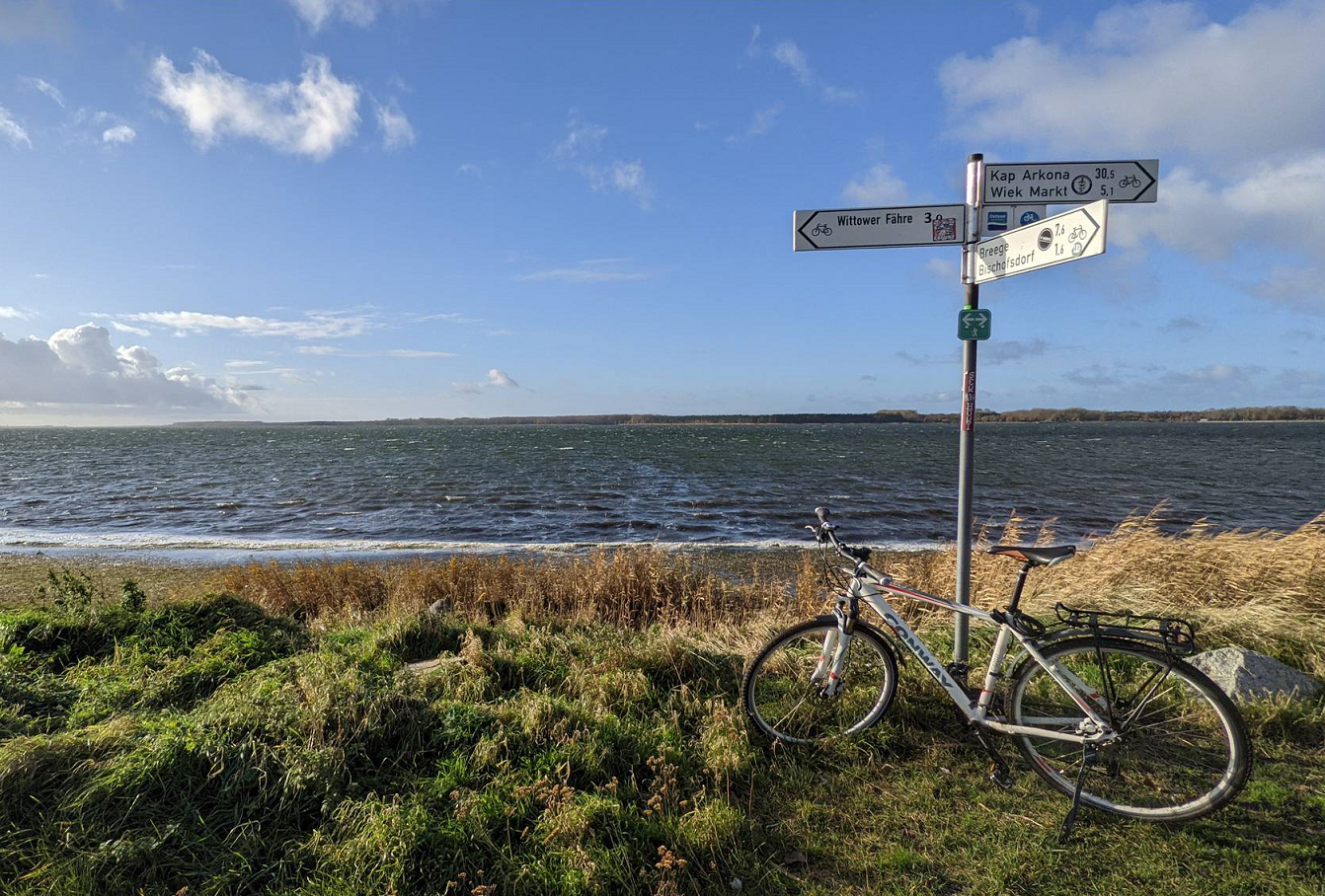
The Rügen circular route – Riding around Germany's largest island
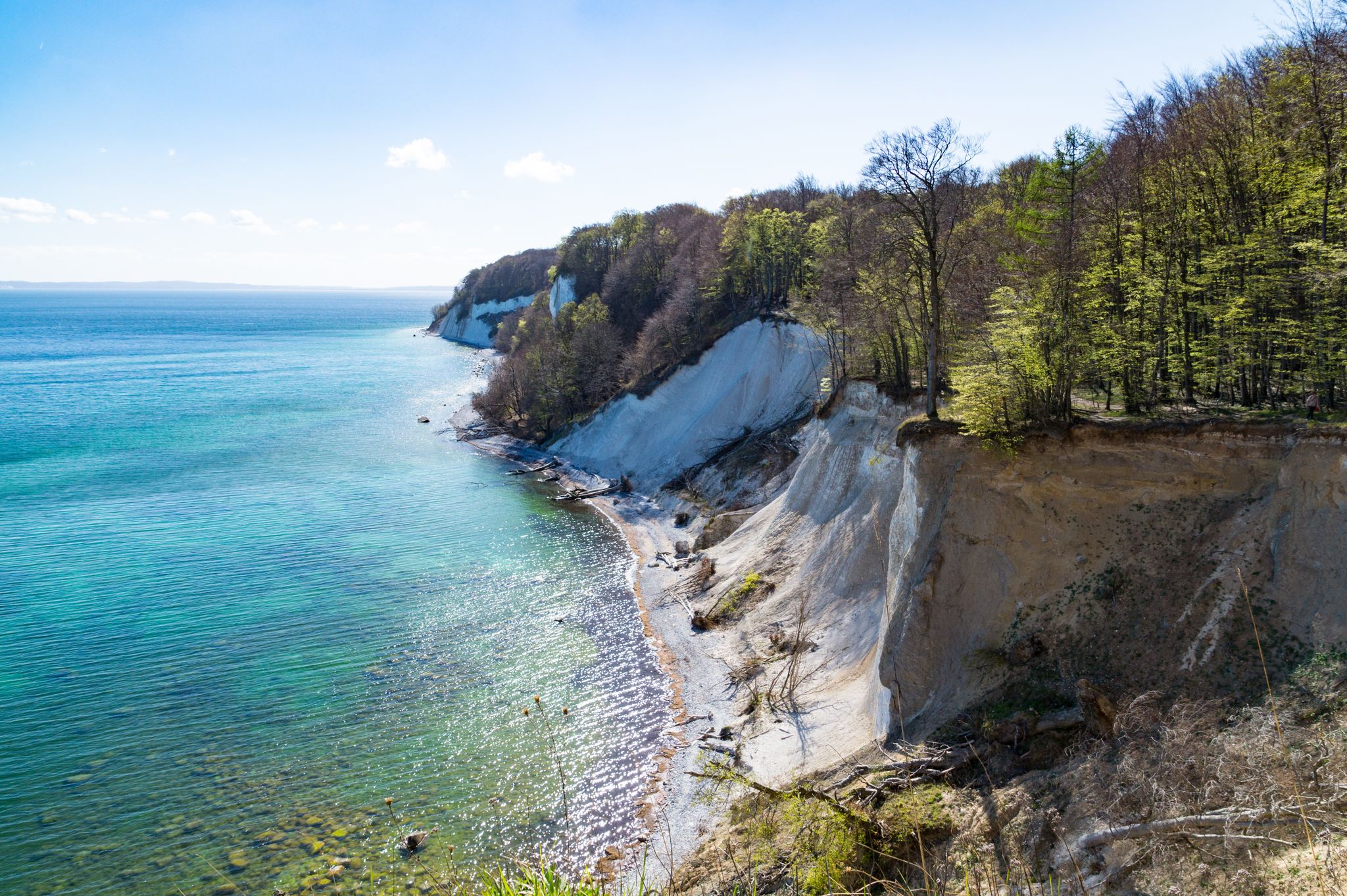
The National Natural Landscapes in Mecklenburg-Vorpommern
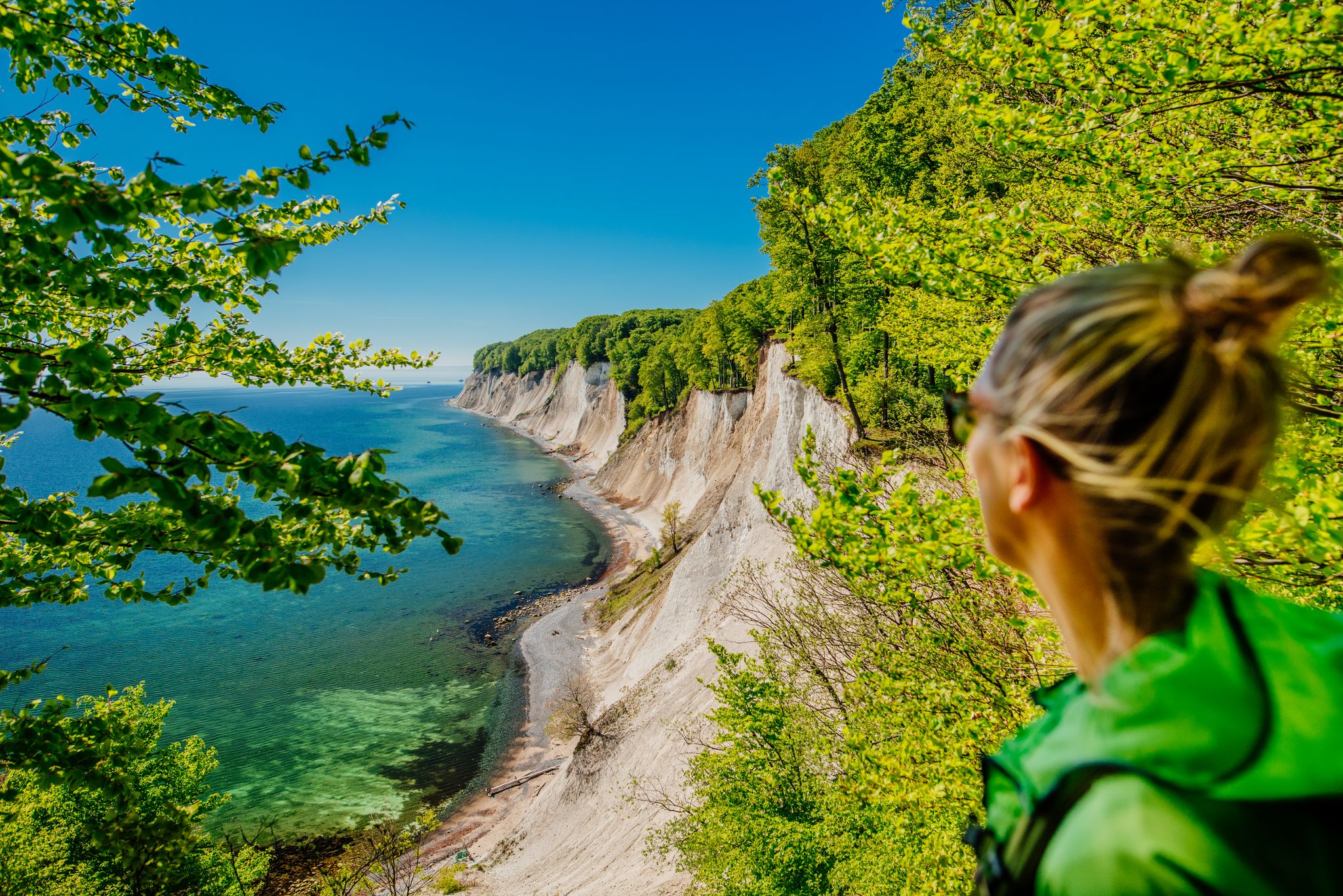
Beech forest and chalk coast – Jasmund National Park’s most beautiful hikes
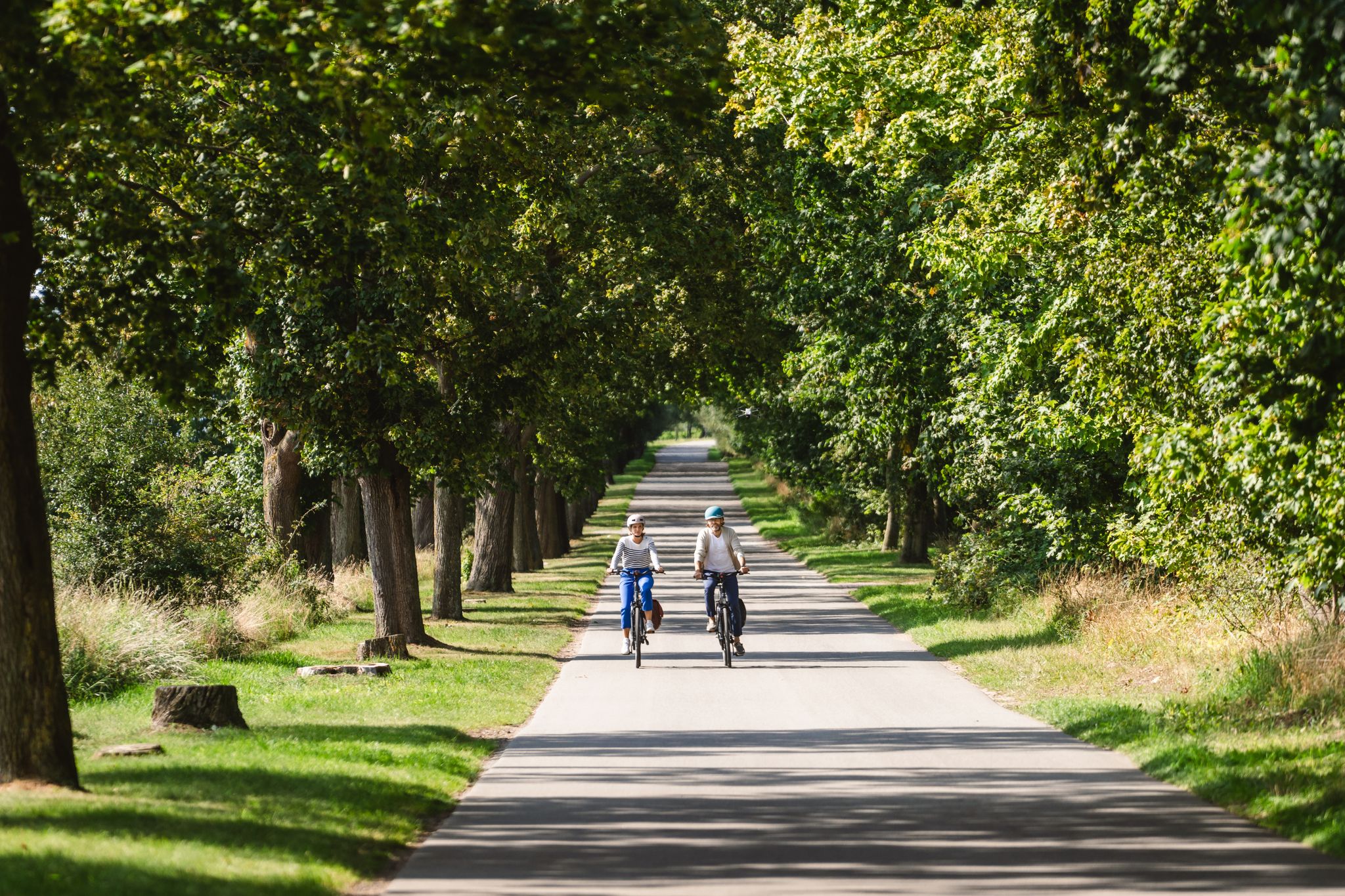
Route of North German Romanticism
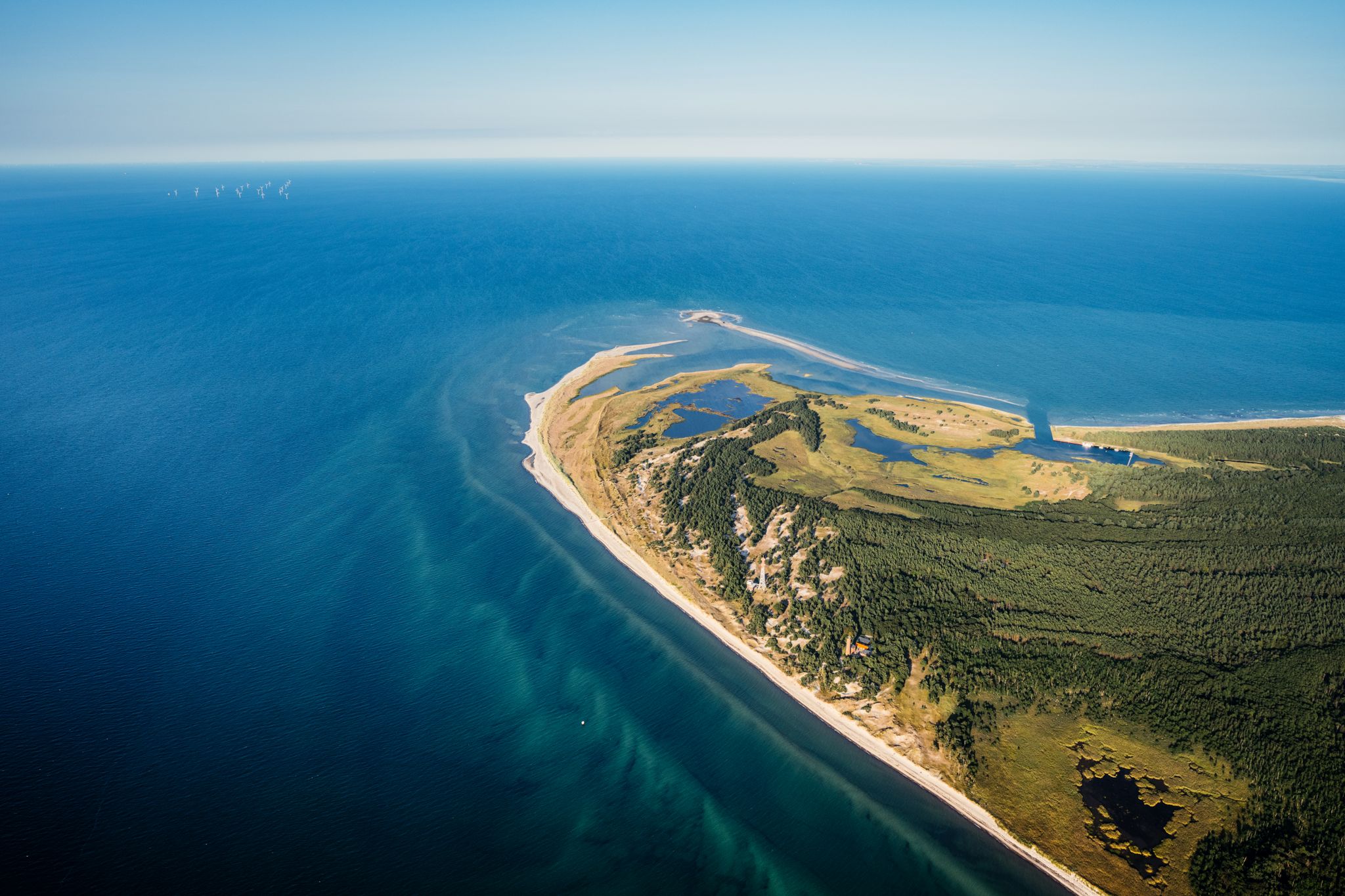
Anno 1826 - Caspar David Friedrich - Seventh Hike on Rügen
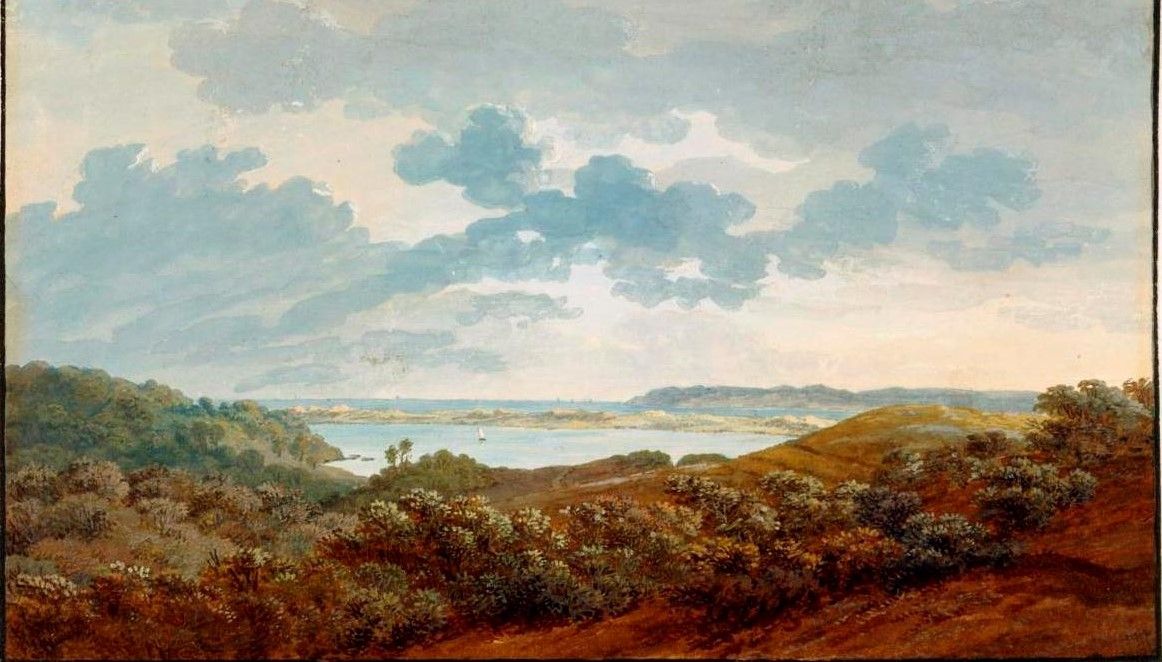
Anno 1801 – artist Caspar David Friedrich’s first hike on Rügen
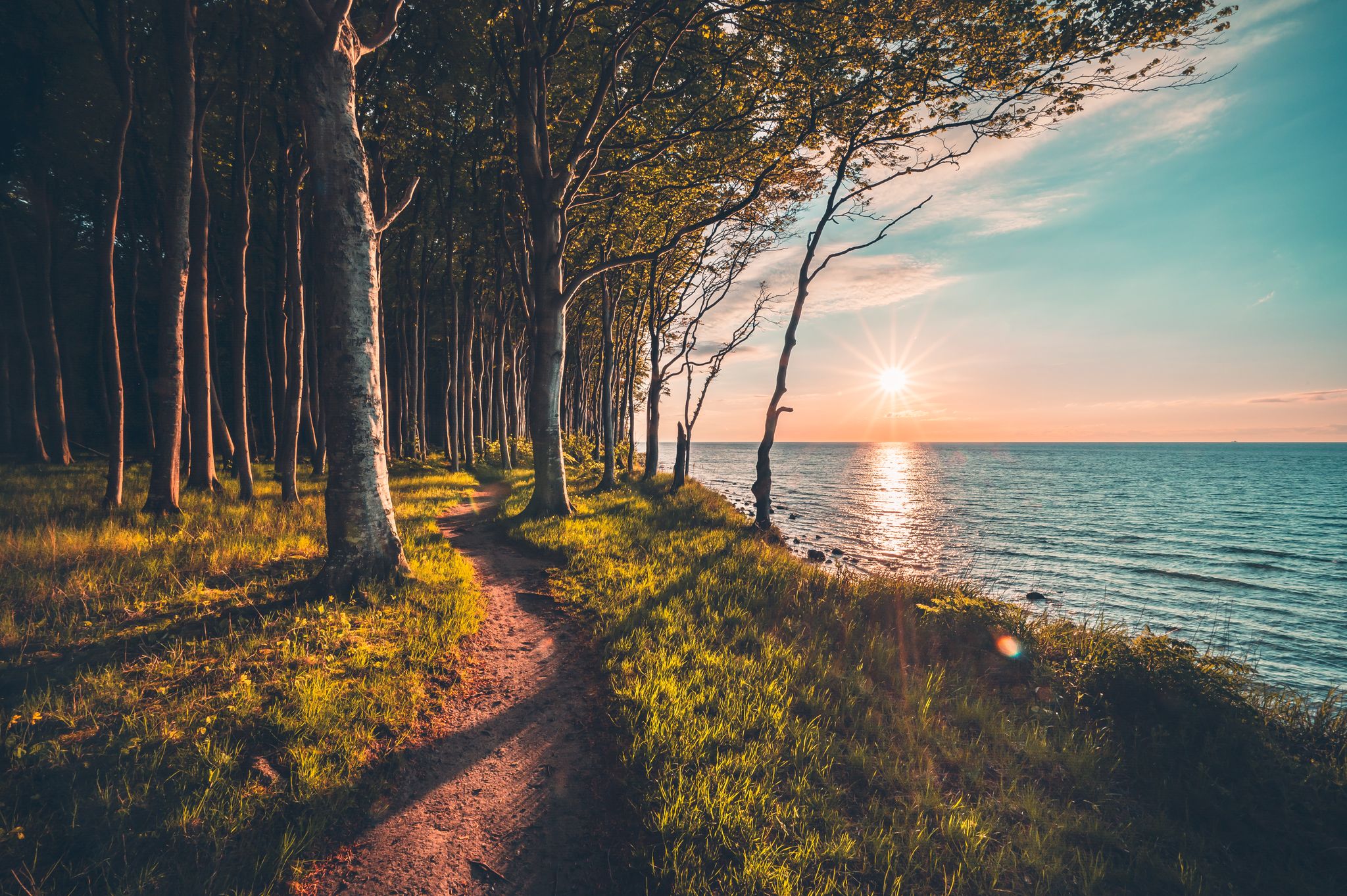
Coast, forest and moors – hike in Mecklenburg-Vorpommern
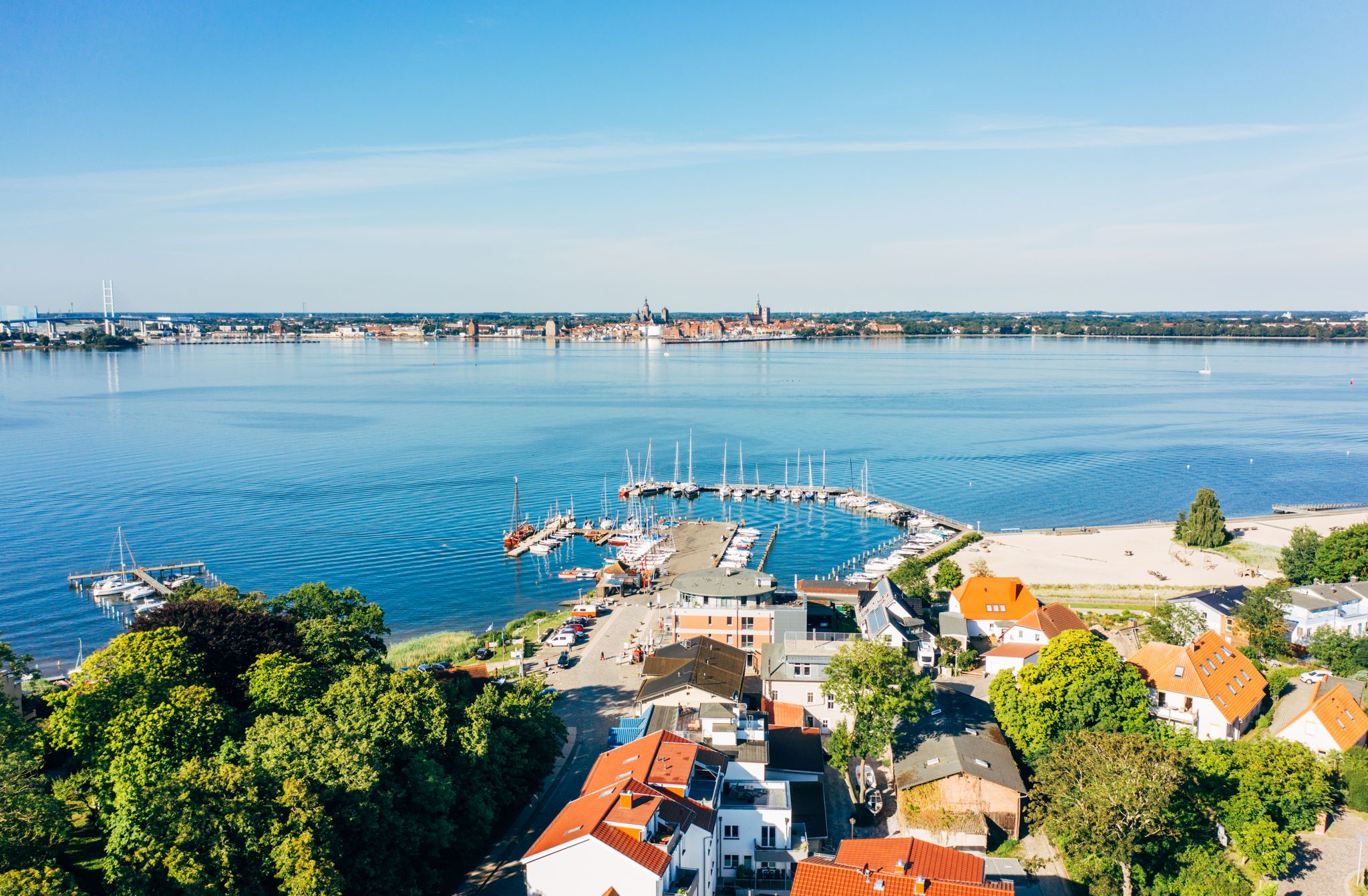
Spectacular nature in the cycle country Mecklenburg-Western Pomerania
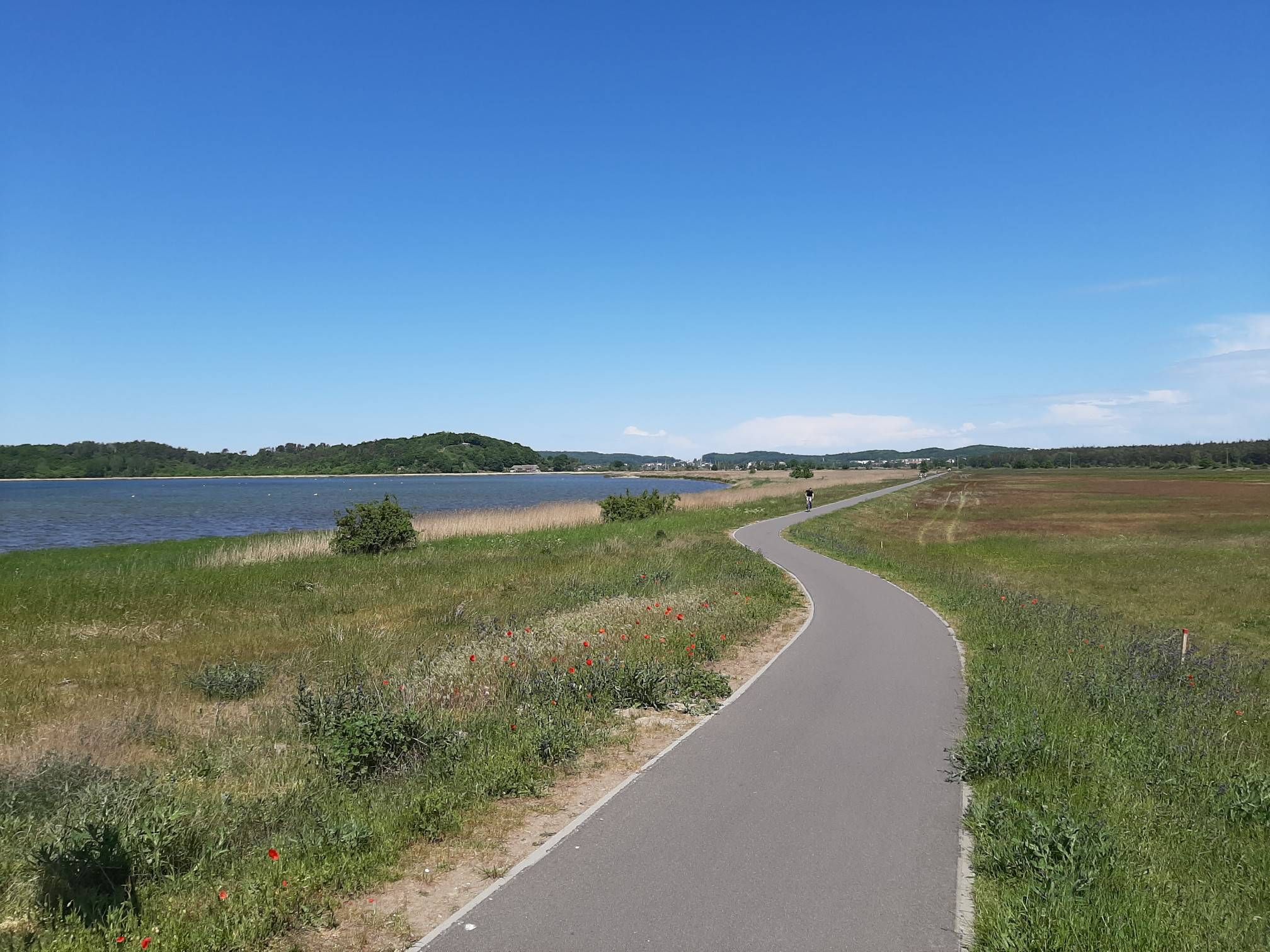
Fish, fishermen and bikes – cycling around Rügen island
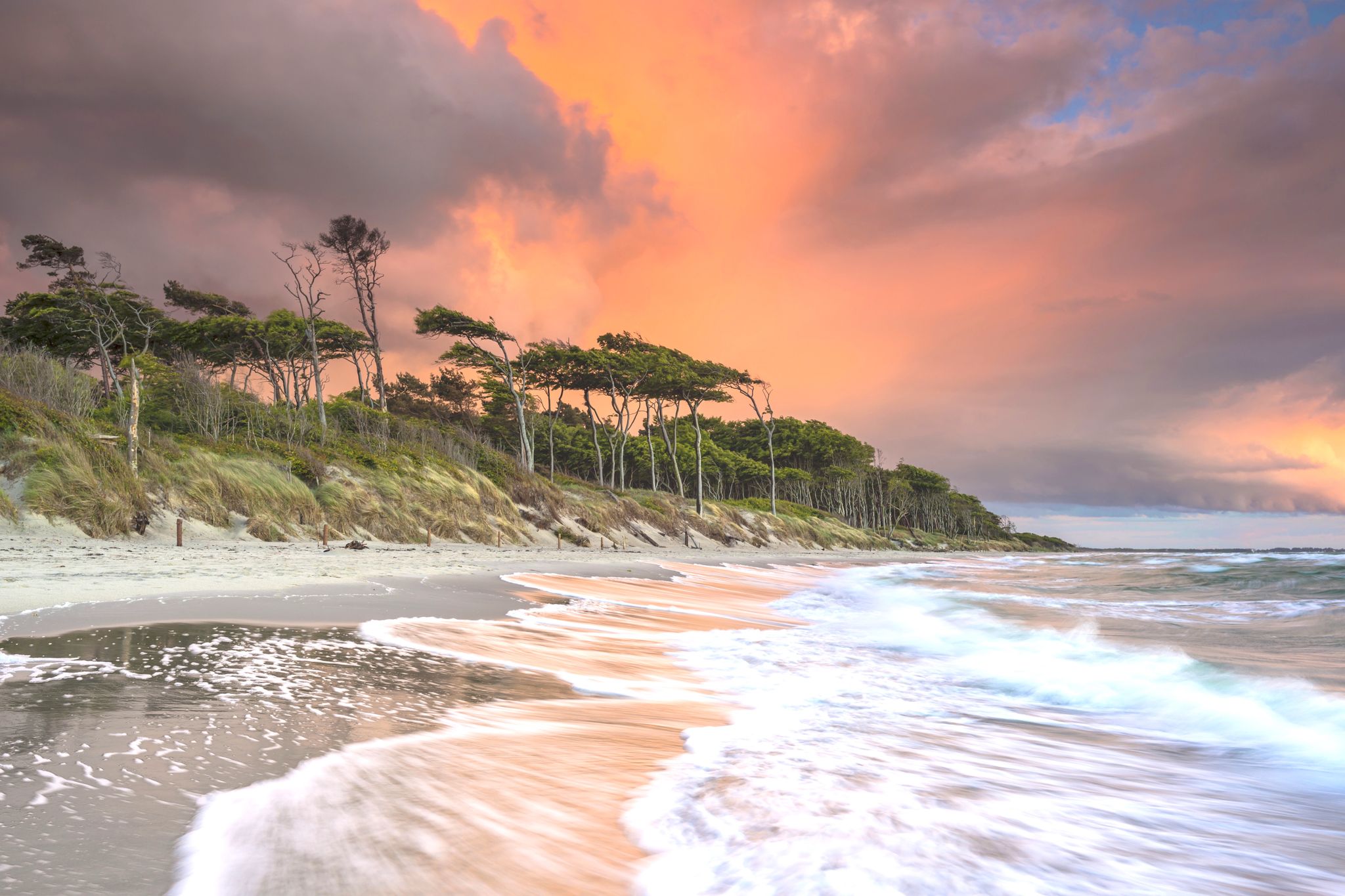
Hiking the Mecklenburg Lake District and Baltic coast – winter in the North
Other adventures around Sassnitz


Tips from the Community

The remaining ruins of the two northern blocks are also marketed to tourists – signs point the way and there is a paid parking lot. Information panels explaining the history of the site are lacking.
2
0

A large part has already been renovated. But at the northern end of the enormous structure, the ruins can still be seen.
2
0

Ruins of Prora. Here Block 8, the longest of the ruins that will still be standing in 2024. Entry prohibited, that should be clear to everyone.
1
0

The size of this former holiday property alone is impressive enough. After its (re-)use by the GDR holiday authorities, it has finally found another useful use. A suitable clientele has now been attracted, which is probably also in the interests of the town of Binz. I hope that the last buildings will also find a use.
3
1

From the car park on the B96 you have the best views of the castle from a distance. It is practically impossible to miss it if you drive past here in the direction of Lietzow. In 1892, the railway engineer Bopp, who was responsible for the construction of the Bergen-Sassnitz railway line, acquired the property. He had the castle built, which is partly a copy of Lichtenstein Castle near Reutlingen. In 1896, the bank director Rudolf F. acquired the castle, and after 1920 the owners changed frequently. Restoration work was carried out in 1960, but the building continued to deteriorate. Several families lived in the castle, who moved out by 1992. The building has been privately owned since 1997 and has been extensively reconstructed and renovated since then. It is used as a residential building. https://gutshaeuser.de/guts_herrenhaeuser/gutshaeuser_l/schloesschen_lietzow
4
0
Anyone who wanders the island of Rügen with a keen eye will notice them again and again: extensively renovated manor houses and stately palaces. Sadly, however, two of the most magnificent buildings have been lost – the princely Putbus Palace and the "white palace by the sea," Dwasieden Palace. The Sassnitz district of Dwasieden is somewhat hidden in the southwest of the traditional port town, which usually attracts tourists primarily for its maritime flair and as the gateway to Jasmund National Park with its famous chalk cliffs. Here, on a hill above the Baltic Sea, there once stood one of the most beautiful parks in all of Northern Germany and, with Dwasieden Palace, the most valuable building on the island of Rügen. Today, nothing remains of all this splendor except for a huge complex of ruins in the middle of the forest. In addition to the demolition of the castle in 1948, this is also due to the decades-long military use of the area, beginning in 1934 with the Nazi Navy, its use as a refugee and quarantine camp immediately after the war, and culminating in the use of the East German People's Navy. What the future holds for Dwasieden is still largely up in the air. Plans to establish a large spa resort here have so far come to nothing. https://www.ostseeappartements-ruegen.de/blog/insider-tipps/lost-places-auf-ruegen-das-schloss-dwasieden.php
5
0

Dwasieden the white castle by the sea or rather a lost place. But please be careful, it is not entirely without problems. There are holes in the ground and in some places the fuel bunker smells of diesel
14
0

The Spy(c)ker estate and castle are located in the municipality of Glowe in the Vorpommern-Rügen district in Mecklenburg-Western Pomerania. Spycker Castle is considered the oldest secular building on the Baltic Sea island. Spycker was first mentioned in 1318. At that time it belonged to the Stralsund patrician von Külpen family. In 1344 a daughter from the von Külpen family married into the Jasmund family. This is how the Spyker branch was founded by Jasmund, which died out in 1648. The castle is a rectangular, three-story plastered brick building from the 16th century. What is striking are the four round corner towers, which still make the building look like a castle today.[ Source: https://de.m.wikipedia.org/wiki/Schloss_Spycker
15
0
Frequently Asked Questions
What kind of historical sites can I explore around Sassnitz?
The region offers a diverse range of historical sites, from grand ruins to unique architectural structures. You can visit the remnants of the magnificent Dwasieden Castle Ruins, a Neo-Renaissance mansion, or the intriguing Semper Castle Water Tower Ruin, which was deliberately designed to look like a medieval ruin. For a more intact experience, Spyker Castle offers historical charm with modern amenities.
Are there family-friendly castles or historical sites to visit near Sassnitz?
Yes, several sites are suitable for families. Spyker Castle is known for its pleasant ambiance and surrounding forest areas, which are great for walks. Ralswiek Castle and Marina is also listed as family-friendly and hosts the popular Störtebeker Festival.
What outdoor activities can I do near the castles around Sassnitz?
The area around Sassnitz is excellent for outdoor activities. Near Spyker Castle, you'll find well-marked cycle paths and forest areas perfect for walking. The Dwasieden Castle Ruins are situated within a beautiful beech forest, ideal for exploration. You can find various hiking and road cycling routes in the region, such as those listed in the Hiking around Sassnitz guide and the Road Cycling Routes around Sassnitz guide.
Are there hiking trails that pass by or near these historical sites?
Absolutely. The beech forest around Dwasieden Castle Ruins is noted for its beauty and is an excellent spot for explorers. The Semper Castle Water Tower Ruin is integrated into a natural forest environment. For specific routes, the Hiking around Sassnitz guide includes trails like the 'Hochuferweg' and routes near the Königsstuhl Chalk Cliffs, which are in the broader region.
What natural features can I expect to see when visiting castles near Sassnitz?
Many castles are nestled within beautiful natural settings. Dwasieden Castle Ruins overlook the Baltic Sea from a hill within the Dwasieden Forest. Spyker Castle is surrounded by forest areas, and Semper Castle Water Tower Ruin is harmoniously integrated into a forest environment. The region is also close to Jasmund National Park, known for its chalk cliffs and ancient beech forests.
Can I find cafes or restaurants near the castles?
Yes, Spyker Castle has a hotel and restaurant known for its good gastronomy and pleasant ambiance. While the ruins like Dwasieden and Semper Water Tower might not have direct facilities, Sassnitz itself offers various options, and the surrounding areas are generally well-equipped for visitors.
What is the best time to visit the castles around Sassnitz?
The region is beautiful year-round, but spring through autumn generally offers the most pleasant weather for exploring the outdoor ruins and enjoying walks around the more intact castles. During these seasons, the surrounding forests are vibrant, and outdoor activities are more comfortable. Some sites, like Ralswiek Castle, host events like the Störtebeker Festival, which typically run in the warmer months.
Are there any unique or 'hidden gem' historical structures in the area?
The Semper Castle Water Tower Ruin is a unique monument, deliberately designed to mimic a medieval ruin with its field stone facade. It's a fascinating example of historical utility blended with aesthetic intent, offering an intriguing blend of architecture and nature.
What do visitors enjoy most about the castles and historical sites near Sassnitz?
Visitors appreciate the blend of history and nature. The dramatic and picturesque setting of the Dwasieden Castle Ruins, with views of the Baltic Sea, is highly valued. The pleasant ambiance and good gastronomy at Spyker Castle, combined with opportunities for walking and cycling, are also popular. The unique design of the Semper Castle Water Tower Ruin also captures interest.
Is it possible to visit the former East German Navy Site at Dwasieden?
Yes, the Ruins of the Former East German Navy Site at Dwasieden are accessible and offer an interesting glimpse into a more recent historical period. This area, which was used for military purposes from 1935, is located near the Dwasieden Castle Ruins.
How far are these castles from Sassnitz, and what are the transport options?
The castles mentioned, such as Dwasieden Castle Ruins and Semper Castle Water Tower Ruin, are located near Sassnitz. Spyker Castle is slightly further afield on the island of Rügen. While specific public transport details to each ruin might vary, Sassnitz serves as a good base, and many sites are accessible by car or bicycle, often with parking available nearby.
Are there any specific viewpoints near the castles?
The Dwasieden Castle Ruins offer breathtaking views of the surrounding landscape and the Baltic Sea from their elevated position. The area around Sassnitz, including parts of Jasmund National Park, is generally rich in viewpoints, especially along the coast.
Most popular routes around Sassnitz
Most popular attractions around Sassnitz

Get inspired with the komoot mobile app


Explore more
Looking for the best castles somewhere else? Discover other guides around Sassnitz:
