Attractions and Places To See around Rosenow - Top 20
Attractions and places to see around Rosenow are primarily found within the surrounding Mecklenburg Lake District. This region offers a mix of natural features, cultural sites, and historical landmarks. Visitors can explore ancient oak forests, wildlife parks, and historical museums within a reasonable distance from Rosenow. The area provides opportunities for experiencing local flora and fauna, as well as insights into regional history.
Best attractions and places to see around Rosenow
- The most popular attractions is Thousand-Year-Old Oak of Ivenack…
Last updated: July 7, 2026
Heinrich Schliemann Museum, Ankershagen
Highlight • Historical Site
Translated by Google •
Tip by

Ankershagen Church
Highlight • Religious Site
The oldest part of the …
Translated by Google •
Tip by

Sign up now to discover places like this
Get recommendations on the best single tracks, peaks, & plenty of other exciting outdoor places.
Sign up for free
Thousand-Year-Old Oak of Ivenack
Highlight • Natural Monument
Translated by Google •
Tip by

Turopolje Pigs in Ivenacker Tiergarten
Highlight • Natural
Translated by Google •
Tip by

Ivenack Oaks Treetop Walk
Highlight • Viewpoint
Translated by Google •
Tip by
Sign up for free to discover even more attractions around Rosenow.
Sign up for free
Already have an account?
Start today with a free account
Your next adventure awaits.
Login or Signup
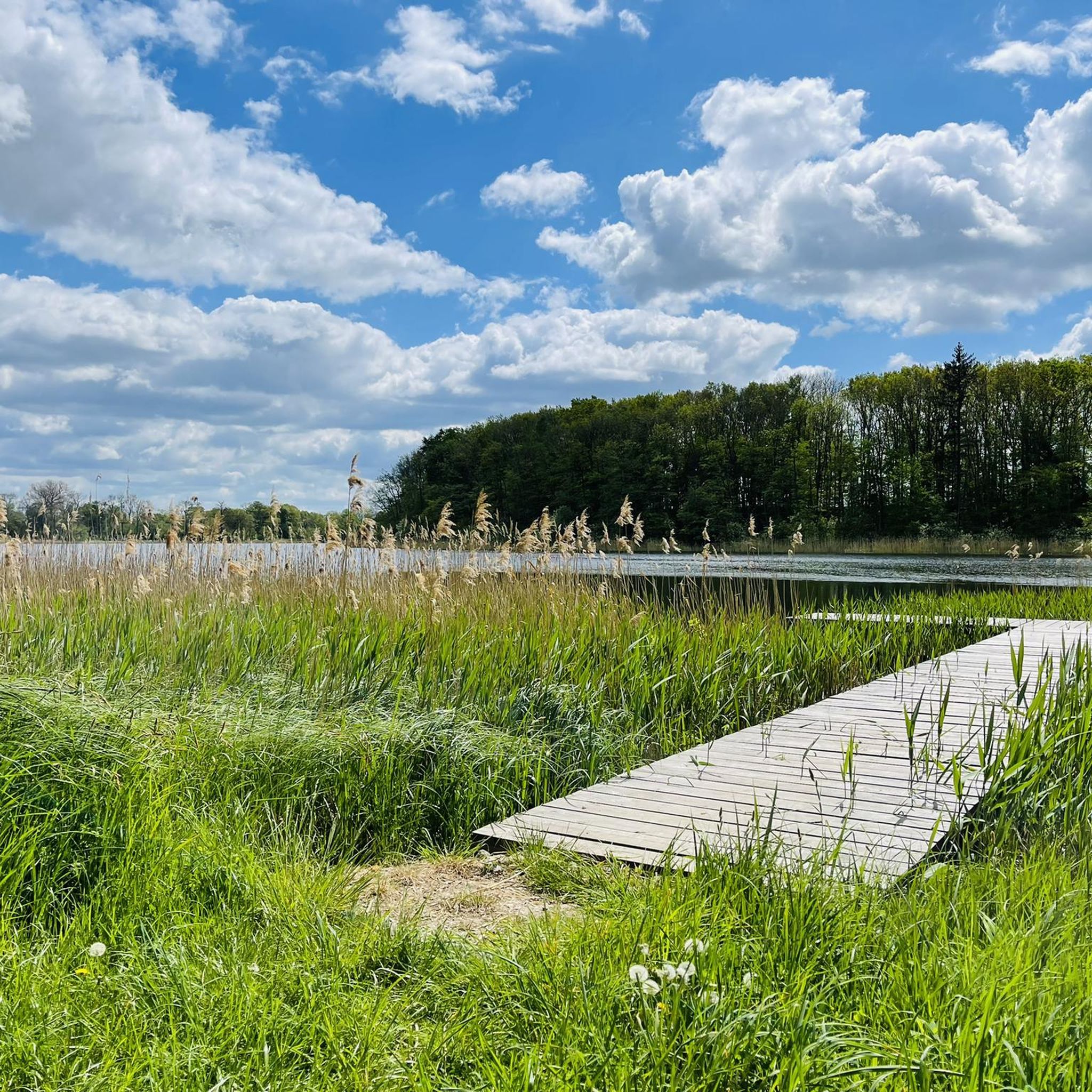
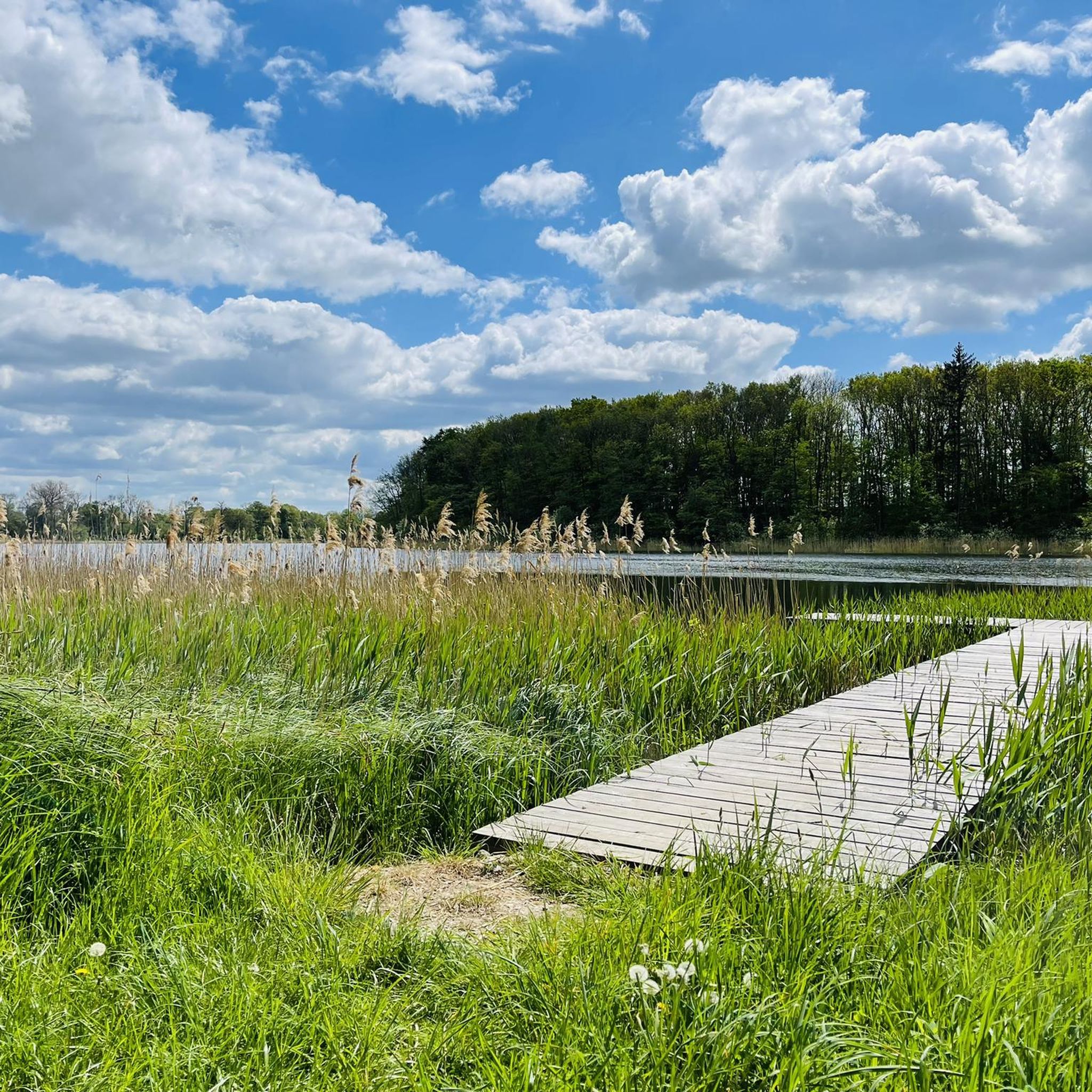
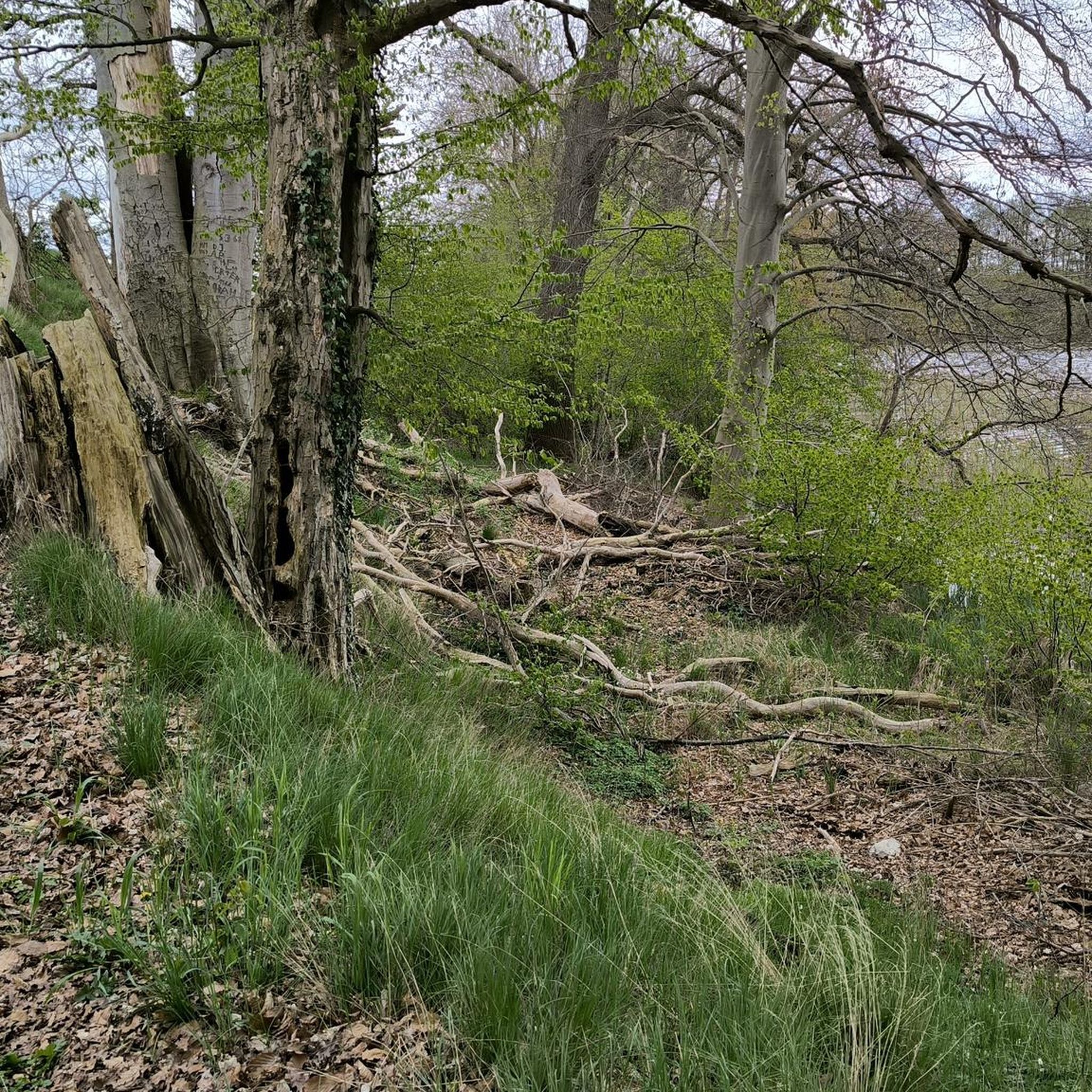
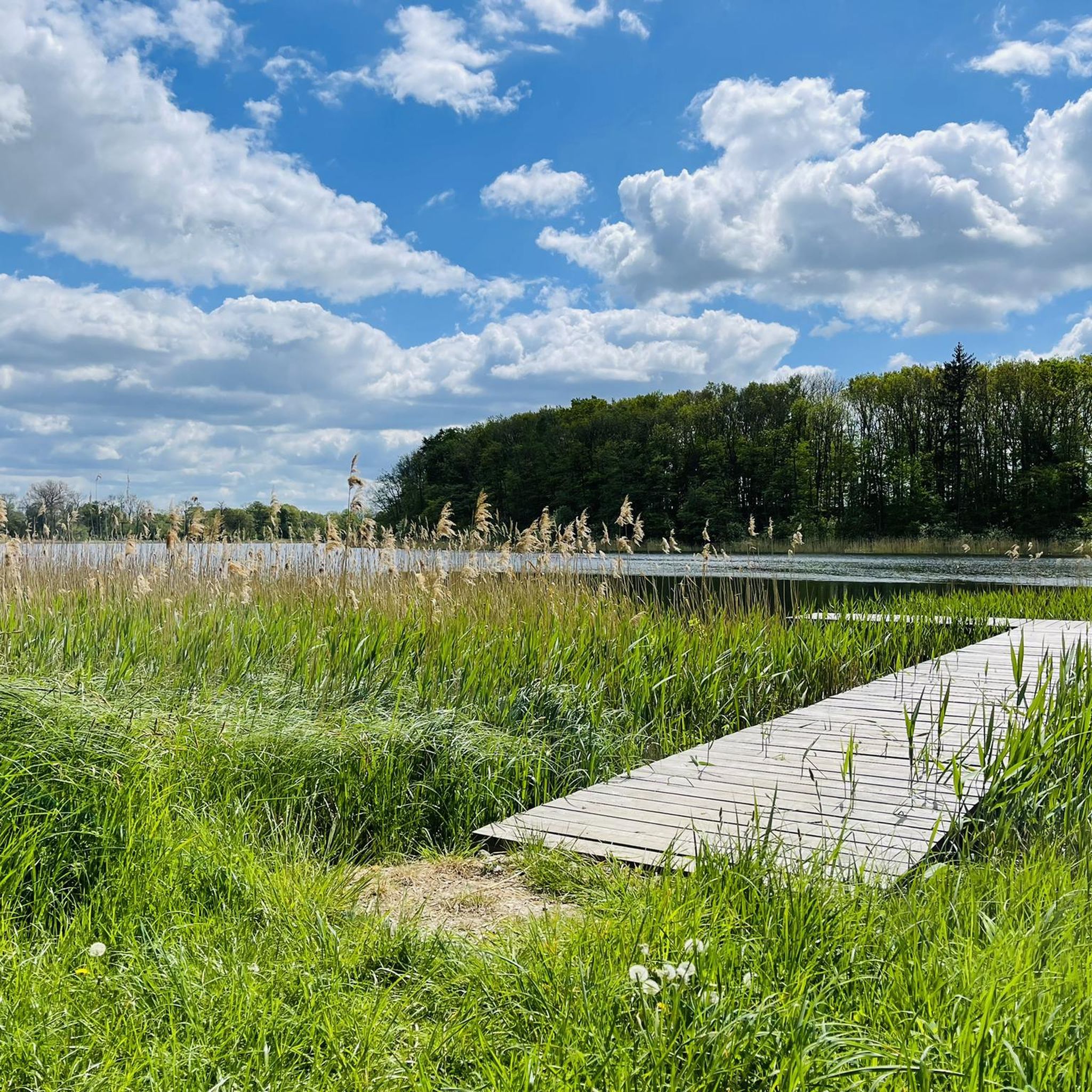
Tips from the Community

We enter the zoo and reach the 1,000-year-old oak trees, Germany's first national monument. After a few meters we see the first animals. The small baroque pavilion is a real gem, with a special exhibition on hunting inside. When we leave again, we are greeted by fallow deer. We are really impressed by the animals running around freely, with information boards to read. We explore the grounds and find the crispy ponds, 700 to 800 years old. Looking around us, the forest as a whole is impressive. We are standing in the middle of a pasture forest, a forest pasture that was used by the Slavs for livestock 1,000 years ago. The forest is the result of this long use. The Turopolje pigs are not showing themselves today. https://youtu.be/OTc4Ax3iIn8
0
0

In the 12th century, work began on building a church in Ankershagen in the Romanesque style that was common at the time. This is why one of the oldest surviving fieldstone churches in Mecklenburg can be found in Ankershagen today. The church was renovated in the middle of the 13th century. It was given its current form through a reconstruction that probably also led to an extension. It was renovated in the Gothic style, but Romanesque elements were retained. http://www.ankershagen.de/kirche.html
2
0
The Heinrich Schliemann Museum was established in 1980. It is dedicated to the most famous son of Ankershagen, Heinrich Schliemann, the world-famous excavator of the ancient cities of Troy, Mycenae and Tiryns. The Schliemann Museum is one of the most important museums in Mecklenburg-Western Pomerania. After Berlin, it has the most extensive material and scientific collection on the famous archaeologist. In his autobiography, Schliemann writes that he had already made the decision to search for and excavate Troy at the age of eight. His childhood experiences in Ankershagen must have had a great influence on his later life. Ankershagen can point to a long history, a rich world of legends, a knight's castle and many witnesses from ancient times. They obviously permanently inspired the imagination of the young Heinrich Schliemann. ankershagen.de/heinrich-schliemann.html
3
0
The Heinrich Schliemann Museum was established in 1980. It is dedicated to the most famous son of Ankershagen, Heinrich Schliemann, the world-famous excavator of the ancient cities of Troy, Mycenae and Tiryns. The Schliemann Museum is one of the most important museums in Mecklenburg-Western Pomerania. After Berlin, it has the most extensive material and scientific collection on the famous archaeologist. In his autobiography, Schliemann writes that he had already made the decision to search for and excavate Troy at the age of eight. His childhood experiences in Ankershagen must have had a great influence on his later life. Ankershagen can point to a long history, a rich world of legends, a knight's castle and many witnesses from ancient times. They obviously permanently inspired the imagination of the young Heinrich Schliemann. http://www.ankershagen.de/heinrich-schliemann.html
4
0

The church is one of the oldest surviving fieldstone churches in Mecklenburg-Western Pomerania (consecrated in 1266, the choir may date from this period). It stands in the middle of a cemetery surrounded by a fieldstone wall, opposite the Heinrich Schliemann Museum.
1
0

The 1,000-year-old Ivenacker oaks are part of the Ivenacker zoo. They are the cultural and natural history highlight of the area. The Ivenacker zoo is located in the landscape conservation area of the same name. The area lies 40 to 50 meters above sea level in the gently undulating ground moraine and was geologically shaped by the Pomeranian stage of the Vistula glaciation. Fallow deer have been kept in Ivenack since the 17th century. Around 100 animals live on 70 hectares. Because deer and visitors are in the same enclosure, the impression of the wild is largely preserved. The area is also home to four wild horses. https://www.auf-nach-mv.de/reiseziele/a-nationales-naturmonument-ivenacker-eichen
2
0

If you need a little break, you are welcome to visit the museum.
2
0

A museum about Heinrich Schliemann. In ten themed rooms, personal documents, photos and diary entries, quotes and contemporary witnesses show Heinrich Schliemann as a person, the multi-millionaire, progressive scientist and archaeologist, self-taught and cosmopolitan (source: Schliemann Museum, Ankershagen).
3
0
Frequently Asked Questions
What natural attractions can I explore near Rosenow?
The region around Rosenow is rich in natural beauty. You can visit the Thousand-Year-Old Oak of Ivenack, a natural monument featuring ancient oaks between 500 and 1,000 years old. Another highlight is the Ivenacker Tiergarten, where you can observe animals like Turopolje Pigs and free-roaming Dammwild up close.
Are there opportunities for wildlife spotting in the region?
Yes, the Ivenacker Tiergarten, located about 11 km from Rosenow, offers excellent opportunities for wildlife spotting. Visitors can experience many animals up close, including free-roaming Dammwild and Turopolje Pigs.
Where can I go for a unique nature experience like a treetop walk?
For a unique perspective of the natural surroundings, visit the Ivenack Oaks Treetop Walk. This path allows you to enjoy magnificent panoramic views from the height of the treetops and learn about the ancient oaks.
What historical sites are worth visiting near Rosenow?
History enthusiasts can explore the Heinrich Schliemann Museum in Ankershagen, dedicated to the famous archaeologist. Another historical site is Ankershagen Manor, a Renaissance-style building from the 16th century. The "Old Castle" Penzlin, about 11 km away, also offers historical and cultural insights.
Can I learn about local history or famous personalities in the area?
Absolutely. The Heinrich Schliemann Museum in Ankershagen is dedicated to the region's most famous son, Heinrich Schliemann. It showcases his life and work through personal documents, photos, and exhibits across ten themed rooms, providing a deep dive into his archaeological discoveries.
Are there family-friendly activities or attractions near Rosenow?
Many attractions are suitable for families. The Ivenacker Tiergarten, with its free-roaming animals and the Ivenack Oaks Treetop Walk, is a great option. The Heinrich Schliemann Museum also offers an engaging experience for older children interested in history.
Are there any wheelchair-accessible attractions around Rosenow?
Yes, the Ivenack Oaks Treetop Walk is designed to be wheelchair accessible, offering an inclusive way to experience the ancient forest from above. The area around the Thousand-Year-Old Oak of Ivenack is also generally accessible.
What hiking trails are available around Rosenow?
The region offers various hiking opportunities. You can find easy hikes like the "Bathing spot with wooden dock – Kastorfer See Circular Trail" or the "Old Manor House – Schwandter Lake loop." For more options, explore the Easy hikes around Rosenow guide or the Hiking around Rosenow guide.
Are there cycling routes suitable for exploring the area?
Yes, there are several cycling routes. Options include the "Bredenfelde Church – Gutshaus Briggow loop" or the "Stavenhagen Market Square – Ivenack Oaks loop." Discover more routes in the Cycling around Rosenow guide.
What do visitors enjoy the most about the attractions near Rosenow?
Visitors particularly appreciate the impressive and ancient nature of the Thousand-Year-Old Oak of Ivenack and the unique experience of the Ivenack Oaks Treetop Walk. The opportunity to see animals up close in the Ivenacker Tiergarten and the detailed insights into Heinrich Schliemann's life at his museum are also highly valued.
What is the best time to visit the attractions around Rosenow?
The Mecklenburg Lake District, including the area around Rosenow, is generally pleasant to visit from spring through autumn. Summer offers warm weather ideal for outdoor activities and watersports, while spring and autumn provide beautiful scenery and milder temperatures for exploring natural and historical sites.
Most popular routes around Rosenow
Most popular attractions around Rosenow

Get inspired with the komoot mobile app


Explore more
Still not found the Highlight you’re looking for? See guides of the top attractions in other regions:
