Attractions and Places To See around Grabow-Below - Top 20
Best attractions and places to see around Grabow-Below, now part of Eldetal in Mecklenburg-Vorpommern, Germany, include historical sites and natural landscapes. The region serves as a gateway to the broader Mecklenburg Lake District, offering a mix of cultural significance and natural beauty. Visitors can explore restored moorlands, historical churches, and castle ruins. The area provides opportunities to experience both local history and the natural environment.
Best attractions and places to see around Grabow-Below
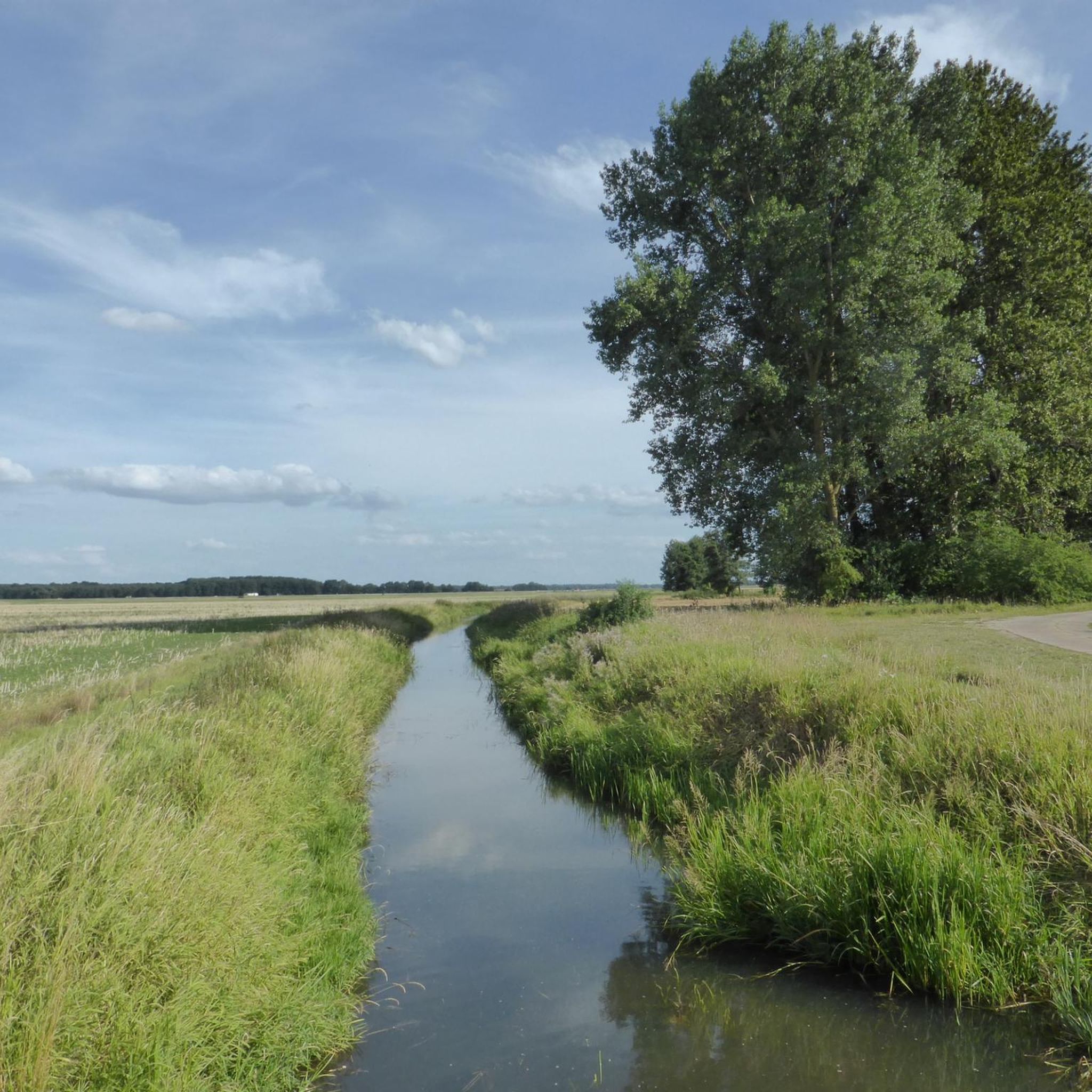
- The most popular attractions is Polder Kieve, a natural area that features a restored moor-polder landscape near the Elde. This rewetted moorland provides a valuable habitat for numerous bird species and is an example of successful moorland restoration.
- Another must-see spot is Dambeck Church Ruins, a religious building and historical site. Visitors can explore old gravestones and experience the atmosphere of these mystical ruins.
- Visitors also love Wredenhagen Castle, a historical castle complex. The origins of the castle date back to 1284, with accessible renovated parts like the castle gate and historical exhibitions available seasonally.
- Grabow-Below is known for historical sites, natural areas, and religious buildings. The region offers a variety of attractions to see and explore, from restored landscapes to ancient architectural remnants.
- The attractions around Grabow-Below are appreciated by the komoot community, with 75 upvotes and 39 photos shared by visitors.
Last updated: June 22, 2026
Polder Kieve
Highlight • Natural
Translated by Google •
Tip by

Church in Buchholz
Highlight • Religious Site
Translated by Google •
Tip by

Sign up now to discover places like this
Get recommendations on the best single tracks, peaks, & plenty of other exciting outdoor places.
Sign up for free
Dambeck Church Ruins
Highlight • Religious Site
Translated by Google •
Tip by

Wittstocker Gate and Freyenstein Castle
Highlight • Castle
Source: freyenstein.de/verzeichnis/objekt.php?mandat=58466
Translated by Google •
Tip by

Wredenhagen Castle
Highlight • Castle
Translated by Google •
Tip by
Sign up for free to discover even more attractions around Grabow-Below.
Sign up for free
Already have an account?
Start today with a free account
Your next adventure awaits.
Login or Signup
Tips from the Community

open Protestant church with interesting tower - entrance in the gateway of the tower
0
0

http://www.kirchenruine-dambeck.de A lot of information can be found here.
5
0
Old gravestones at the Dambeck church ruins.
5
0

The village church in Buchholz near Röbel was built in the first half of the 14th century and is one of the earliest examples of Gothic brick architecture in Mecklenburg-Western Pomerania. It stands on a foundation of granite ashlars and features a square west tower that extends into a clad, half-timbered upper story with a flat roof. Particularly striking is the tower's ground floor, which opens on three sides with pointed arches, forming an open vestibule – an architectural rarity in the region. The interior features pointed arch windows and portals, as well as profiled brickwork, complemented by colorful murals from the 1930s. Between 1998 and 2000, the church was extensively renovated, including the replacement of the roof. Since 2003, a support association has supported the maintenance and preservation of the building. Today, the church is used not only for worship services, but also as a space for cultural events and art projects.
0
0
Anyone cycling around Lake Müritz should plan a short detour to the church in Buchholz near Röbel. This charming 14th-century building, with its open tower and quiet courtyard, is ideal for a short break. A bench in the green surroundings invites you to linger, and a look inside the simple yet impressive church is always worthwhile. A quiet place steeped in history – perfect for a moment of peace on your bike ride.
0
0
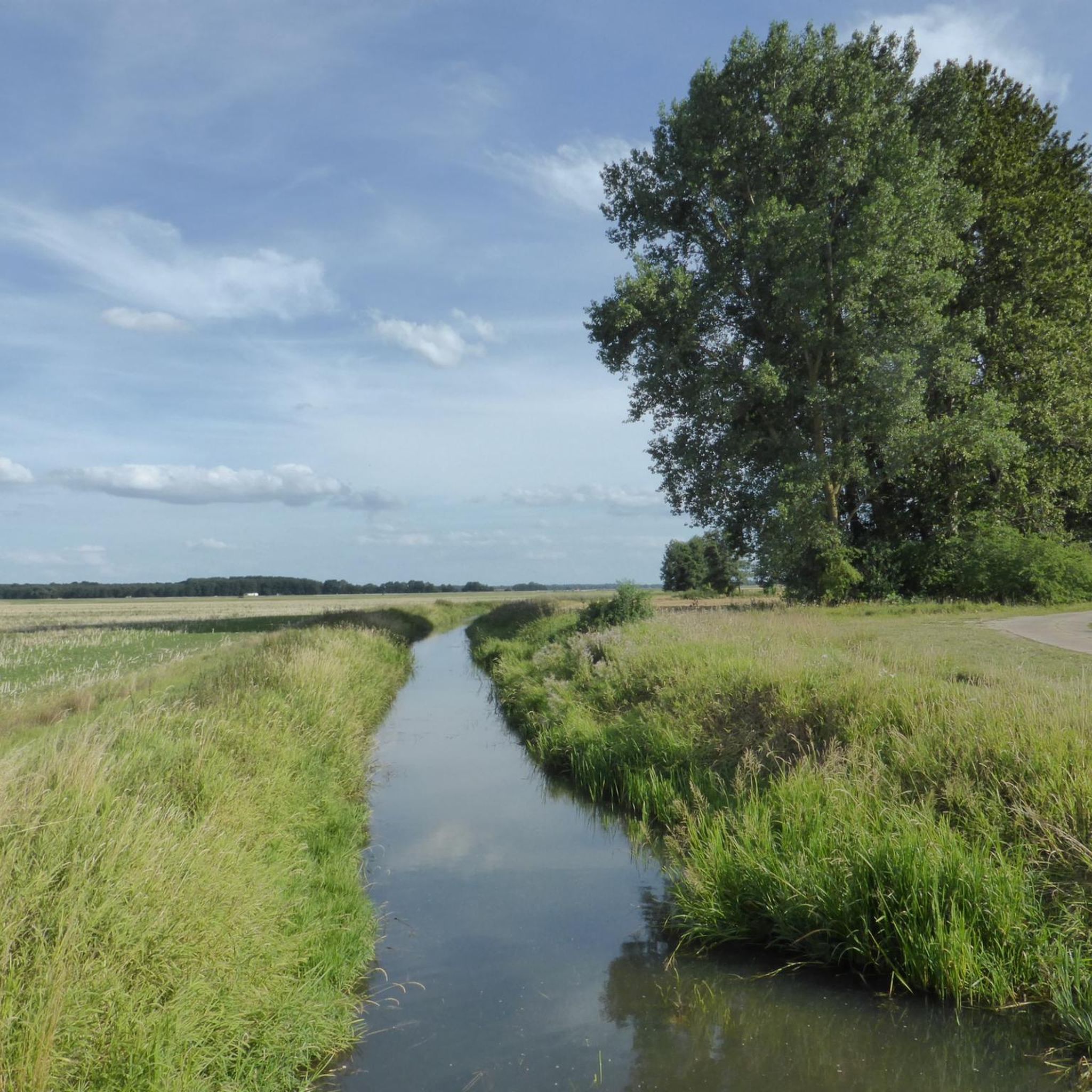
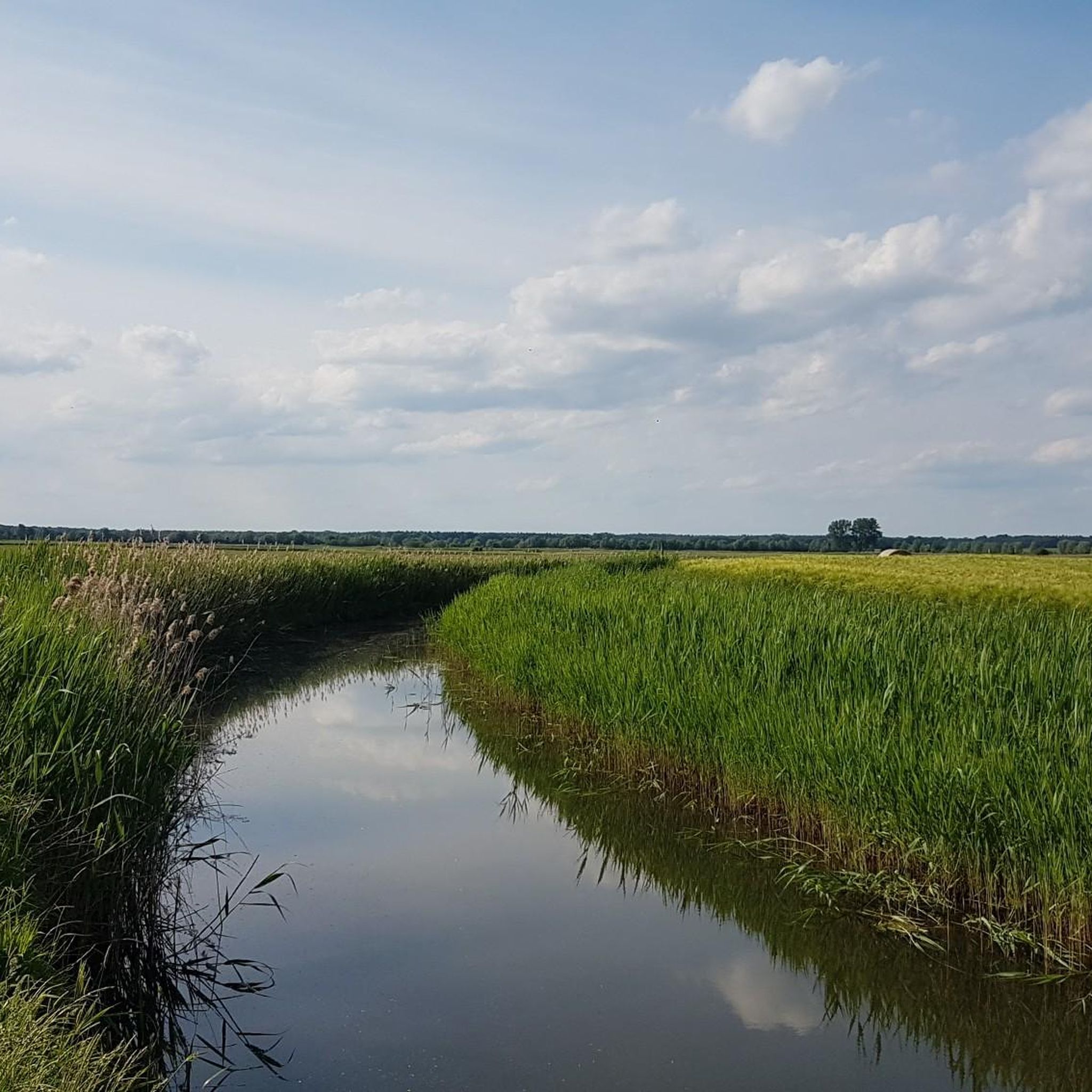
The Kieve Polder is a successful example of modern peatland restoration and active climate protection. The approximately 65-hectare area was intensively used for agriculture until 2012 and was severely affected by drainage. As part of an ambitious project, it was rewetted to restore the natural water balance and halt the decomposition of the peat – a crucial step towards reducing CO₂ emissions. At the same time, the area developed into a diverse habitat: bog plants returned, rare animal species found new habitats, and biodiversity visibly increased. The project was the first of its kind in the world to be financed through MoorFutures certificates, an innovative concept for the voluntary promotion of climate protection measures. Today, the Kieve Polder represents not only ecological regeneration but also a forward-looking interplay of nature conservation, sustainability, and regional responsibility.
0
0
The Kieve Polder is a restored moorland that was rewetted as part of a large-scale climate protection project. The approximately 65-hectare area was previously heavily drained and used for agriculture. When the project began in 2012, the water level was deliberately raised to slow peat decomposition and thereby reduce CO₂ emissions. At the same time, ecological diversity was promoted, as the rewetting led to the return of typical moorland plants and animal species. The project was the first of its kind worldwide to be financed through MoorFutures certificates – an innovative method for supporting voluntary climate protection measures. Today, the Kieve Polder not only contributes to climate protection but also provides a valuable habitat for numerous bird species and is an example of successful moorland restoration.
0
0

The Wittstock Gate is integrated into the construction of the "New Castle." The castle tower was built on top of the gate.
0
0
Frequently Asked Questions
What historical sites can I visit around Grabow-Below?
The region offers several significant historical sites. You can explore the Dambeck Church Ruins, a mystical place with old gravestones. Another notable site is Wredenhagen Castle, with origins dating back to 1284, offering renovated parts and historical exhibitions seasonally. Additionally, the Church in Buchholz is an early example of Gothic brick architecture from the 14th century.
Are there any natural areas or viewpoints to explore near Grabow-Below?
Yes, the area is part of the Mecklenburg Lake District, known for its natural beauty. A key natural attraction is Polder Kieve, a restored moor-polder landscape near the Elde. This rewetted moorland provides a valuable habitat for numerous bird species and is an example of successful moorland restoration, offering a unique viewpoint for nature observation.
What kind of outdoor activities are available near Grabow-Below?
The surrounding Mecklenburg Lake District provides ample opportunities for outdoor activities. You can enjoy hiking, cycling, and mountain biking. For specific routes, you can find various options in the guides for easy hikes around Grabow-Below, cycling around Grabow-Below, and MTB Trails around Grabow-Below.
Are there family-friendly attractions in the area?
Yes, several attractions are suitable for families. Polder Kieve is a great spot for nature observation, and the Church in Buchholz offers a quiet place for a break. Exploring the renovated parts of Wredenhagen Castle can also be an engaging experience for families.
Where can I find hiking trails around Grabow-Below?
There are several hiking opportunities in the vicinity. You can explore easy routes like the 'Wredenhagen Castle – Wredenhagen Village Church loop' or the 'Mönchsee Observation Tower loop'. More options are available in the easy hikes around Grabow-Below guide.
What about cycling routes near Grabow-Below?
The area is excellent for cycling. You can find easy loops like the 'Café Scheune – Café Scheune Wredenhagen loop' or more moderate routes such as the 'Polder Kieve – Melzer See loop'. For a comprehensive list, refer to the cycling around Grabow-Below guide.
Are there any significant memorials or remembrance sites in Grabow-Below?
Yes, Grabow-Below holds significant historical remembrance sites. The Monument for Ravensbrück Death March in the local cemetery commemorates concentration camp inmates. Nearby, the Death March Memorial in Below Forest marks the site where over 16,000 prisoners from Sachsenhausen were corralled during a forced march in 1945. This memorial features an open-air exhibition and a historic forest area with prisoner inscriptions.
What makes Polder Kieve a special place to visit?
Polder Kieve is special because it's a successfully restored moorland that was rewetted as part of a climate protection project. It has become a valuable habitat for numerous bird species, including swans and wild geese, especially in the evening. It's an excellent example of ecological restoration and offers unique opportunities for nature observation.
Can I visit historical churches in the region?
Absolutely. The Church in Buchholz, built in the first half of the 14th century, is a prime example of Gothic brick architecture with a distinctive square west tower. It's used for services, cultural events, and art projects. Additionally, the Dambeck Church Ruins offer a mystical glimpse into the past with old gravestones.
What is the best time of year to visit Grabow-Below for outdoor activities?
The Mecklenburg Lake District, where Grabow-Below is located, is renowned for its natural beauty, making spring, summer, and early autumn ideal for outdoor activities like hiking, cycling, and water sports. The Müritz National Park, a significant natural feature in the broader region, is particularly popular during these seasons for its diverse flora and fauna.
Are there any castle ruins to explore?
Yes, you can visit Wredenhagen Castle, which has origins dating back to 1284. While some parts are ruins, the castle gate has been renovated and is accessible, and historical exhibitions are available seasonally. The broader Eldetal municipality also includes the Burgruine Wredenhagen.
What do other visitors enjoy most about the attractions here?
Visitors appreciate the blend of historical significance and natural beauty. They find the Dambeck Church Ruins to be a very exciting and mystical place. The Polder Kieve is valued for its unique moor-polder landscape and the opportunity to observe wildlife like swans and wild geese. The historical context of sites like the Death March Memorial also leaves a profound impression.
Are there options for mountain biking near Grabow-Below?
Yes, there are mountain biking trails available. You can find routes like the 'Cycle route around Großer Wünnow – Cairns and view over Lake Müritz loop' or the 'Glambecksee loop'. More detailed information and routes can be found in the MTB Trails around Grabow-Below guide.

Get inspired with the komoot mobile app


Explore more
Still not found the Highlight you’re looking for? See guides of the top attractions in other regions:
