Attractions and Places To See around Gröde - Top 20
Best attractions and places to see around Gröde include natural landscapes and cultural facilities within the Wadden Sea National Park. This region offers opportunities to explore significant salt marsh areas and coastal dikes. Visitors can experience the unique environment of the North Sea coast, characterized by its flat terrain and maritime influence. The area provides a range of activities focused on nature observation and outdoor recreation.
Best attractions and places to see around Gröde
- The most popular attractions is Salt…
Last updated: October 5, 2026
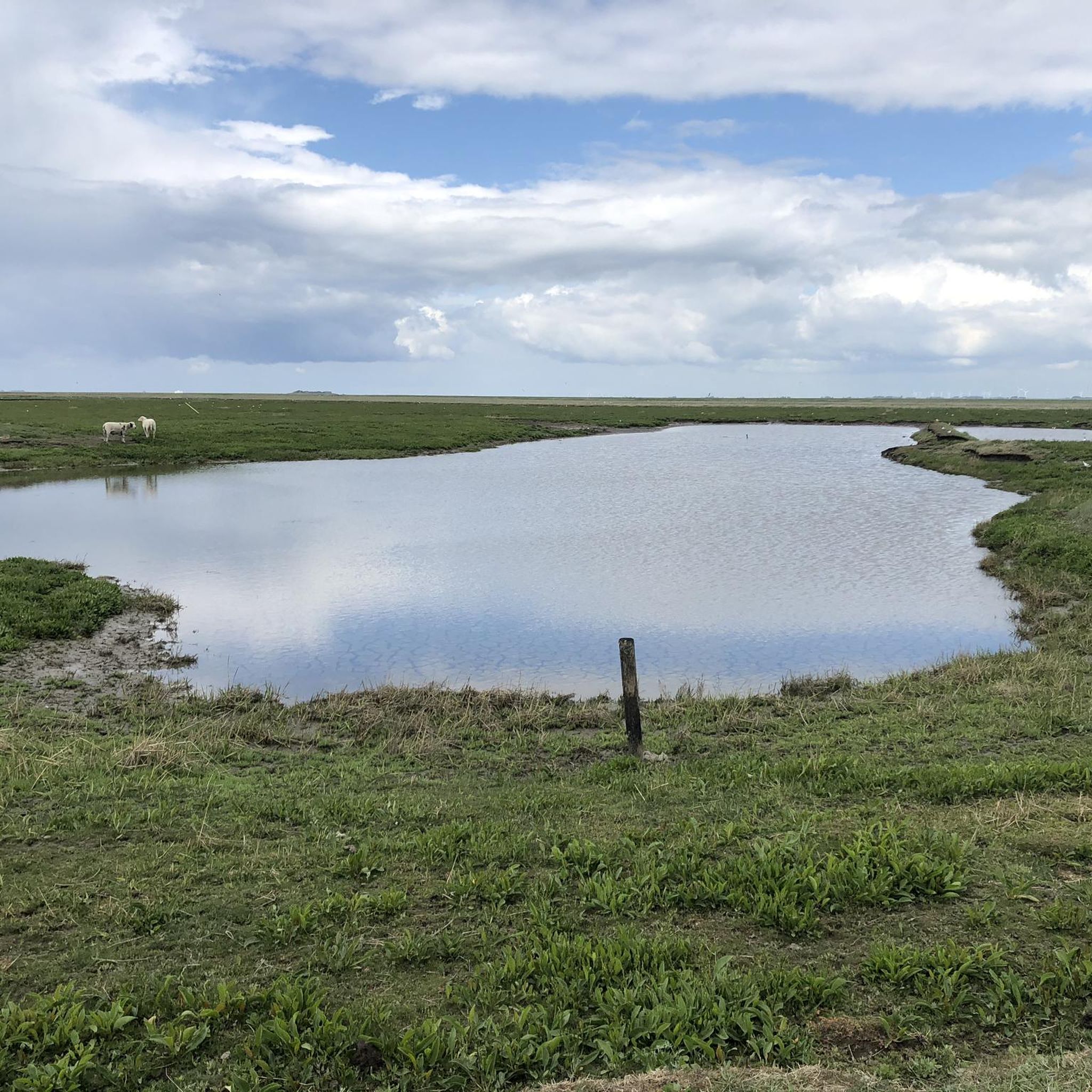
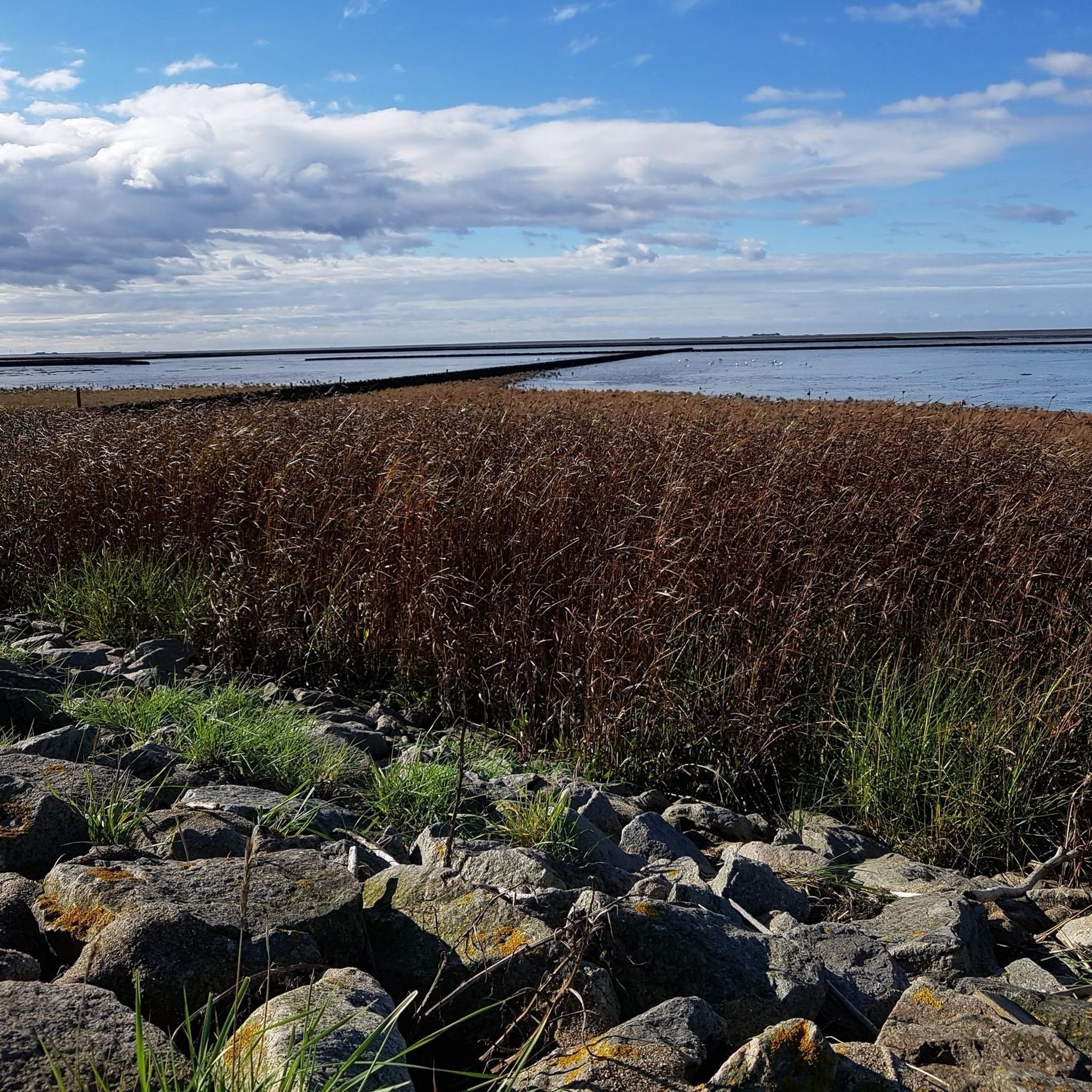
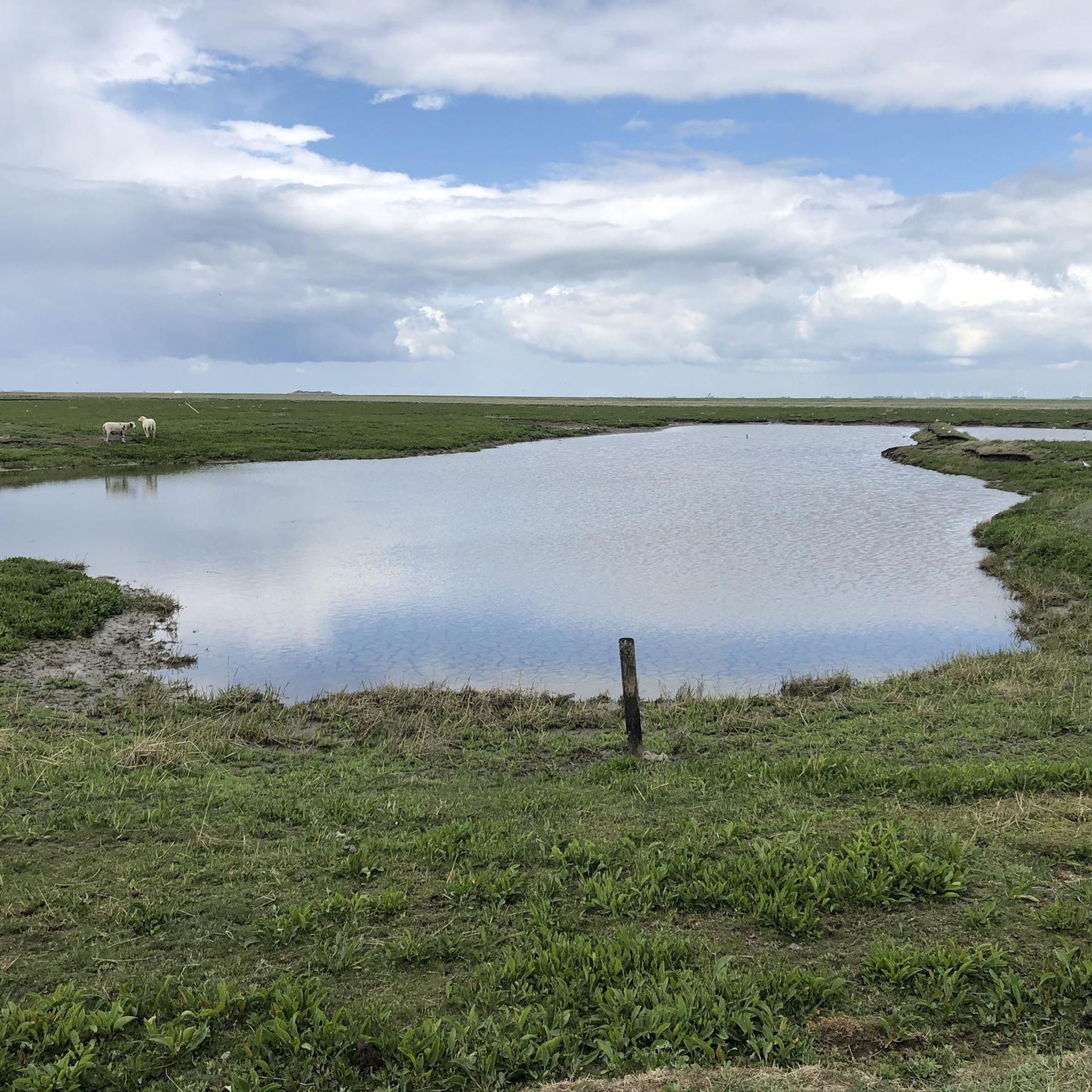
Salt Marsh Trail to Hamburger Hallig
Highlight (Segment) • Trail
Translated by Google •
Tip by

NABU Information Hut on Schafsberg (Hamburger Hallig)
Highlight • Rest Area
Translated by Google •
Tip by

Sign up now to discover places like this
Get recommendations on the best single tracks, peaks, & plenty of other exciting outdoor places.
Hauke-Haien-Koog Dike Cycle Path
Highlight • Cycleway
Translated by Google •
Tip by

Schlüttsiel Harbor
Highlight • Rest Area
Schlüttsiel Fährhaus has a restaurant with a café and a hotel.
The restaurant is open daily from 11am.
Translated by Google •
Tip by

Hamburger Hallig Causeway
Highlight (Segment) • Trail
Translated by Google •
Tip by
Sign up for free to discover even more attractions around Gröde.
Already have an account?
Start today with a free account
Your next adventure awaits.
Tips from the Community

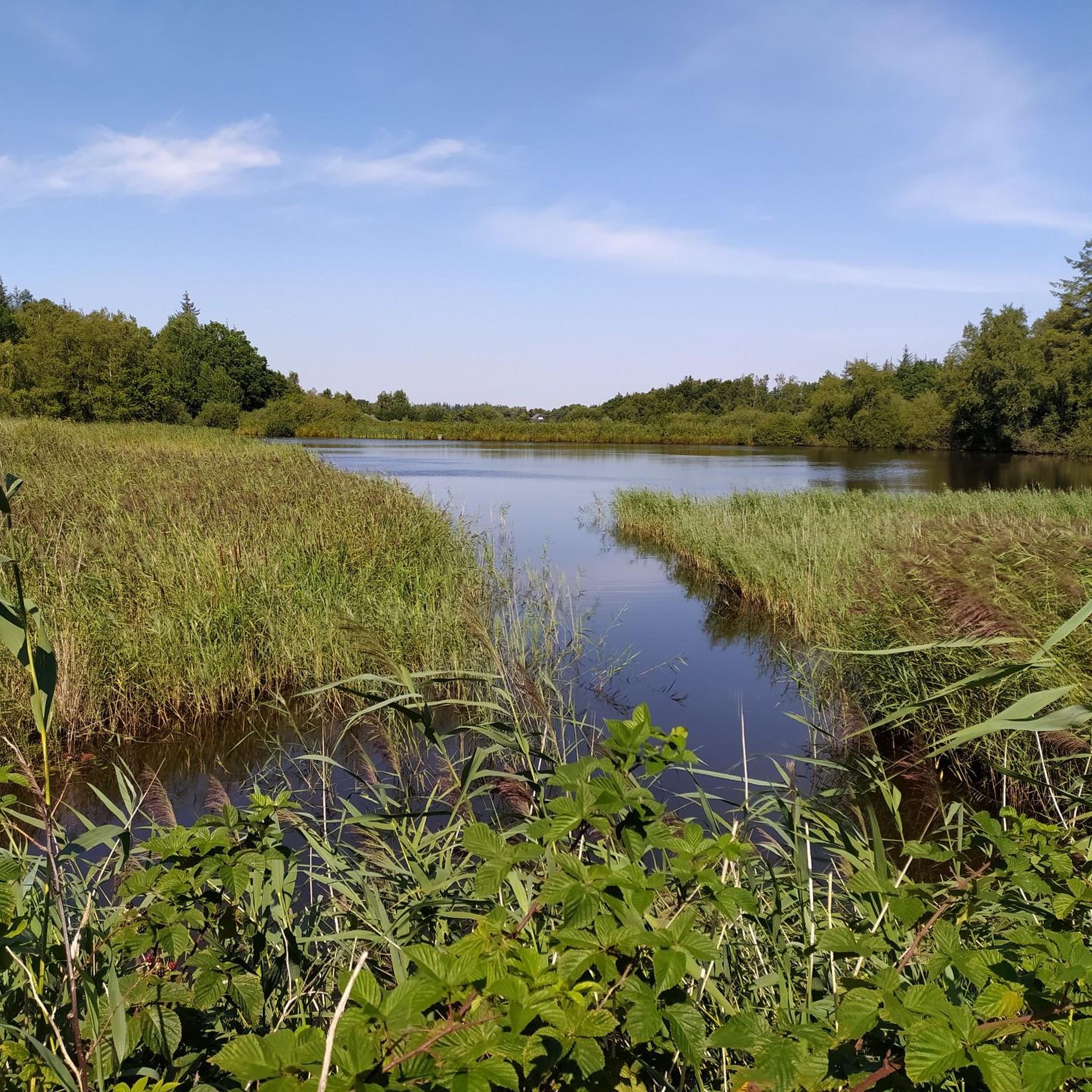
The loop around the Beltringharder Koog and over Nordstrand is also beautiful. Then perhaps over the car dam to Schobüll. Schobüll and Halebüll are located on a tongue of the Geest and therefore have no dyke. To the northwest of Schobüll there is a reed biotope, which is particularly scenic due to the fresh water that flows out. The old dyke of the Hattstedtermarsch from Lüttmoorsiel via Arlauschleuse and to Wobbenbüll has been patched up frequently due to many breaks. This makes it very winding, and inland there are often dikes, bodies of water that were created by the excavation for the repairs. The Arlau, which drains the area as far as the Geest, is also very impressive. The water can only flow to the side because of the clay bed below the ground, which makes the sea level important, and must not be allowed to rise too high.
1
0

The Hauke-Haien-Koog is an impressive bird sanctuary and a popular destination for cyclists and nature lovers in North Friesland. The Koog was dammed between 1958 and 1960 and is named after the main character in Theodor Storm's novella "The Rider on the White Horse". With an area of 1,250 hectares, of which around 700 hectares are for agricultural purposes and 538 hectares are freshwater reservoirs, the Koog is not only used for agriculture, but above all for bird and nature conservation. The cycle path along the dyke of the Hauke-Haien-Koog offers breathtaking views of the surrounding salt marshes and the diverse bird life. Especially during the migration periods in spring and autumn, the area is an important resting and moulting place for thousands of birds, including geese, ducks, avocets and terns. Rare species such as the bittern and the reed warbler can also be observed here. The cycle path is ideal for bird watching and offers numerous information boards and observation huts along the route. These are accessible all year round and offer insights into the flora and fauna of the protected area. In addition, the Jordsand Association, which looks after the area, offers regular guided tours and events.
1
0

Impressive Nabu protected area, about which further information is available at the information point on the Schafsberg
3
0
It is simply fantastic to ride this route, a well-developed "bicycle highway".
1
0

The 5km out to Hamburger Hallig are well worth it. The concrete slabs are well grouted and are definitely suitable for racing bikes. At the end is the Hallig-Krog restaurant - highly recommended. In the season it fills up quickly after opening.
5
0

The Hamburger Hallig is a non-dyked peninsula on the west coast of the Nordfriesland district in Schleswig-Holstein. The name of the Hallig is reminiscent of two Hamburg merchants, the brothers Rudolf and Arnold Amsinck. In 1624 they acquired the dyke rights on the northeast corner of the island of Strand as Oktroy and built dykes by 1628. This is how the Amsinck-Koog was created. The dikes were destroyed by the Burchardi flood in 1634. Only the terp with the “Hamburger Haus” remained and became a salvation for numerous Strand residents during the storm surge. After 1634, the dikes were rebuilt at great expense and survivors of the flood settled. In 1658 Arnold Amsinck died in the “Hamburger Haus” in his Koog after he had invested his entire fortune in rebuilding the dykes. In 1661 the house was demolished and replaced by a smaller one. What happened was described in literature by the Husum writer Albert Petersen in his novel Arnold Amsinck (1921). In 1711 the dikes were so destroyed that the Amsinck-Koog was a Hallig again. It remained in the possession of the Amsinck family until 1760. The name “Hamburger Hallig” was first mentioned in 1781. The house on the Hallig was destroyed by the February flood of 1825. In 1855 a dam connecting the island to the mainland was planned. The dam was built in 1859/60, but broke again in 1860. In 1866/67 a bush dam was built from Bordelumersiel to Hallig. This dam was fortified in 1874 and added a spillway that was closed in 1875. Due to the interruption of the tidal flows, the silt formation on both sides of the dam was greatly accelerated. The experience gained here has had a decisive influence on the further development of land reclamation. In 1878 the tax authorities bought the Hallig and from then on leased it for management. In 1880 an artesian well was built. The dam has been navigable since 1901. In 1908 the Hallig was 96 hectares in size. On April 16, 1930, it was 216 hectares in size including the dyke foreland and was declared a nature reserve. The Hamburger Hallig is no longer an island since it was connected to the mainland by a causeway in 1860. While a land connection via a dam does not, by definition, turn an island into a peninsula, the salt marshes in front of the dam are added here. https://de.wikipedia.org/wiki/Hamburger_Hallig
5
1

Great piece out into the Watt. Not quite as ideal for the road bike. Always busy.
10
2

Schlüttsiel is not only a ferry port, but also a great place for a break. There is a beautiful meadow with many benches with a great view of the North Sea. There is also a bathing area here.
5
0
Frequently Asked Questions
Are there family-friendly attractions around Gröde?
Yes, several attractions around Gröde are suitable for families. The Salt Marsh Trail to Hamburger Hallig is a great option, offering a unique experience through the Wadden Sea salt marshes, and it even has a restaurant and a swimming area. The NABU Information Hut on Schafsberg (Hamburger Hallig) provides educational insights into the Wadden Sea National Park and bird migration, which can be engaging for children. Additionally, the Hauke-Haien-Koog Dike Cycle Path is easy to use and sheltered, perfect for family bike rides.
What kind of natural features can I explore near Gröde?
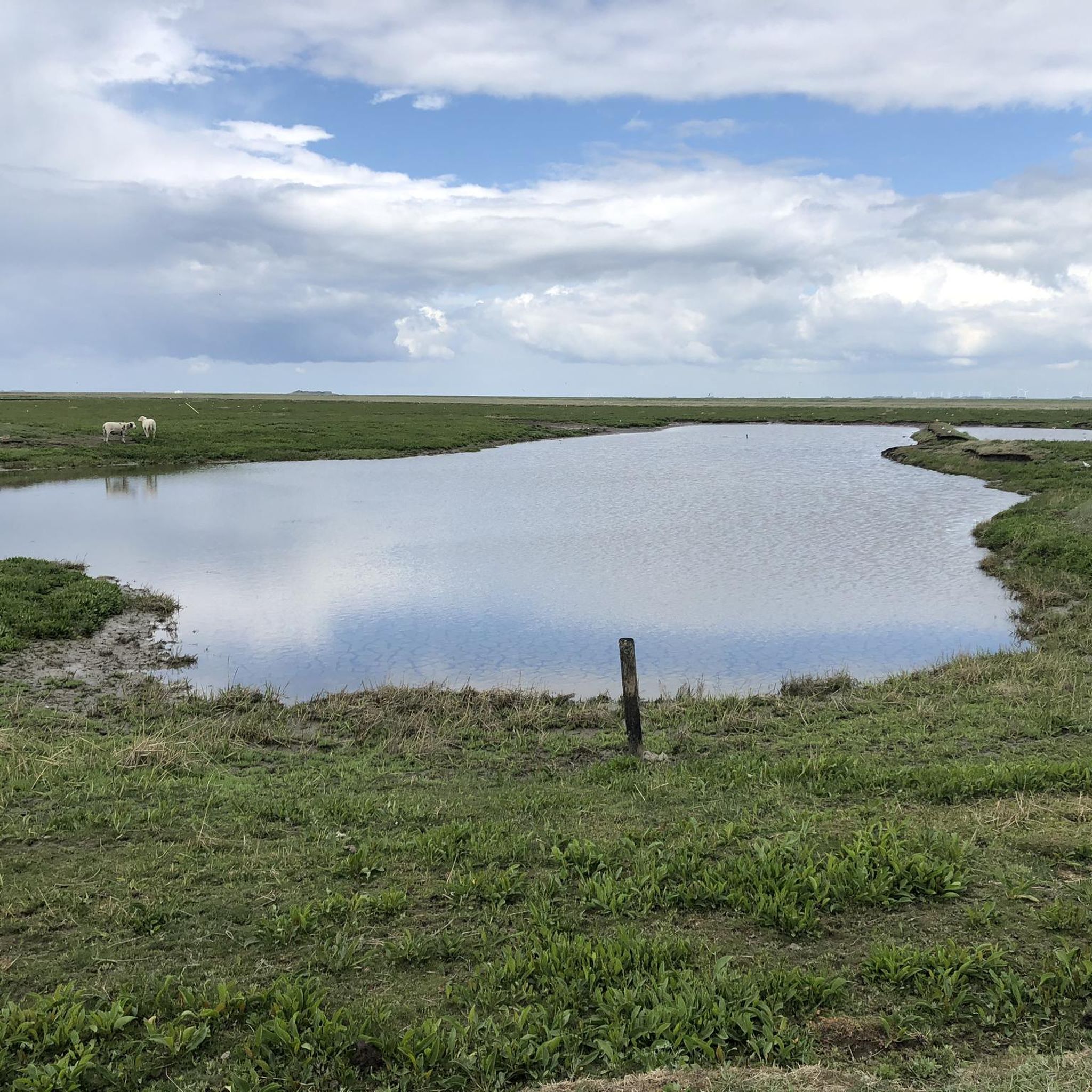
The region around Gröde is characterized by its unique North Sea coastal landscape. You can explore the extensive salt marsh areas, particularly along the Salt Marsh Trail to Hamburger Hallig, which is the largest salt marsh area on the open North Sea. The area is part of the Wadden Sea National Park, offering opportunities for nature observation, especially bird migration events, which are highlighted at the NABU Information Hut on Schafsberg (Hamburger Hallig). The coastal dikes, like those along the Hauke-Haien-Koog Dike Cycle Path, also offer panoramic views of the Wadden Sea.
Are there good cycling routes near Gröde's attractions?
Absolutely. The flat terrain and coastal dikes make the Gröde area ideal for cycling. The Hauke-Haien-Koog Dike Cycle Path is a popular choice, known for being easy to use and sheltered from the wind. You can also cycle along the causeway to Hamburger Hallig, which is part of the Salt Marsh Trail. For more cycling options, you can find various routes in the Cycling around Gröde guide, including easy and moderate loops like the "High Water Mark Pole – Glasswort on Hamburger Hallig loop from Ockholm".
What hiking opportunities are available around Gröde?
The region offers several hiking opportunities, particularly for experiencing the unique Wadden Sea landscape. The Salt Marsh Trail to Hamburger Hallig can be hiked, though it can be long on foot. For more dedicated hiking trails, explore the Hiking around Gröde guide, which includes routes such as the "Schlüttsiel Harbor – Dagebüll Beach loop from Schlüttsiel" and the "Schlüttsiel Harbor loop from Schlüttsiel".
Where can I find unique viewpoints around Gröde?
For unique viewpoints, head to the NABU Information Hut on Schafsberg (Hamburger Hallig), which offers excellent perspectives over the Wadden Sea National Park. The entire Salt Marsh Trail to Hamburger Hallig provides continuous views of the vast salt marshes and the open North Sea. Additionally, the dikes, such as those along the Hauke-Haien-Koog Dike Cycle Path, offer elevated vantage points to observe the coastal landscape.
Are there any information centers or facilities for visitors near Gröde?
Yes, the NABU Information Hut on Schafsberg (Hamburger Hallig) serves as an important information point within the Wadden Sea National Park, providing details on the protected area and bird migration. Another key facility is the Amsinck-Haus Visitor and Information Center, which offers extensive information about North Friesland and the Hamburger Hallig, along with services like bike rental, parking, and public toilets.
What is the best season to visit Gröde for outdoor activities?
The best season to visit Gröde for outdoor activities generally spans from spring to early autumn (April to October). During these months, the weather is typically milder and more stable, making it ideal for cycling, hiking, and exploring the salt marshes. Bird migration events, particularly in spring and autumn, offer a spectacular experience for nature enthusiasts. Always check the local weather forecast before planning your trip, as coastal weather can be unpredictable.
Are there places to eat or drink near the attractions?
Yes, if you venture to Hamburger Hallig via the Salt Marsh Trail, there is a restaurant directly on the Hallig. Additionally, the Schlüttsiel Harbor, a departure point for ferries to the Halligen, features the Schlüttsiel Fährhaus, which has a restaurant and café open daily from 11 am. The Amsinck-Haus Visitor and Information Center also provides a good opportunity for a rest and interruption of a bike tour.
What should I wear for a day trip to Gröde?
Given the coastal and often windy conditions around Gröde, it's advisable to dress in layers. Even on sunny days, a windproof and waterproof jacket is recommended. Comfortable walking or cycling shoes are essential for exploring trails and dikes. During warmer months, light, breathable clothing is suitable, but always carry an extra layer. In cooler seasons, warmer clothing, including a hat and gloves, will be necessary.
Are there any hidden beaches or swimming spots around Gröde?
While Gröde itself is a small Hallig, the broader region offers opportunities. The Salt Marsh Trail to Hamburger Hallig mentions a swimming area on Hamburger Hallig. However, the primary focus of the area is on the unique Wadden Sea ecosystem rather than traditional sandy beaches. Always be mindful of the tides and local regulations if considering swimming in the Wadden Sea.
What are the options for public transport to Gröde Island?
Gröde is one of the smallest Halligen and is primarily accessed by ferry. Ferries to Gröde typically depart from Schlüttsiel Harbor. It's essential to check the current ferry schedules as they can be infrequent and dependent on tides and seasons. The Schlüttsiel Harbor is a key hub for reaching the Halligen.
Are there any running trails near the attractions around Gröde?
Yes, the flat landscape around Gröde is suitable for running. You can find various routes in the Running Trails around Gröde guide. Options include moderate loops like the "Running loop from Langenhorn" and the "Lüttmoorsee Lagoon loop from Reußenköge," offering scenic paths through the coastal environment.
Most popular attractions around Gröde

Get inspired with the komoot mobile app


Explore more
Still not found the Highlight you’re looking for? See guides of the top attractions in other regions:
