Attractions and Places To See around Klanxbüll - Top 20
Best attractions and places to see around Klanxbüll include a blend of local historical sites and natural beauty, serving as a base for exploring the North Frisian region. This municipality in the Nordfriesland district of Germany is characterized by peaceful landscapes, dikes, and proximity to the Wadden Sea National Park. Visitors can find opportunities for cycling, walking, and observing diverse birdlife. The area offers a variety of natural features and cultural points of interest.
Best attractions and places to see…
Last updated: October 9, 2026
Morsum Cliff
Highlight • Natural Monument
Translated by Google •
Tip by

Morsum Cliff
Highlight • Natural Monument
landhaus-severins.de
Translated by Google •
Tip by

Sign up now to discover places like this
Get recommendations on the best single tracks, peaks, & plenty of other exciting outdoor places.
Morsum-Kliff
Highlight • Natural Monument
Translated by Google •
Tip by

Morsum Kliff Nature Reserve
Highlight • Natural Monument
Translated by Google •
Tip by

Rosenkranz–Rudbøl Border Crossing
Highlight • Structure
Translated by Google •
Tip by

Sign up for free to discover even more attractions around Klanxbüll.
Already have an account?
Start today with a free account
Your next adventure awaits.
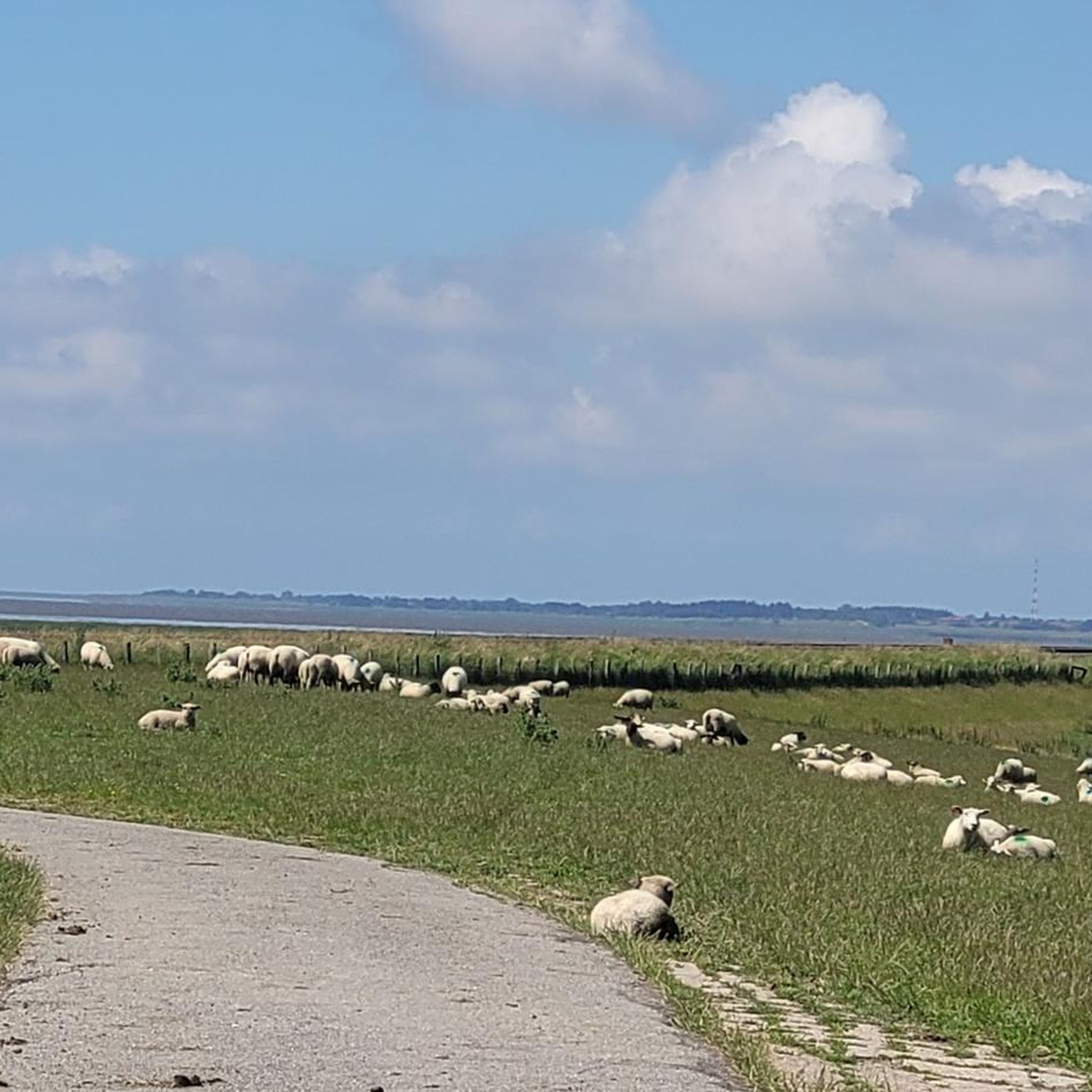
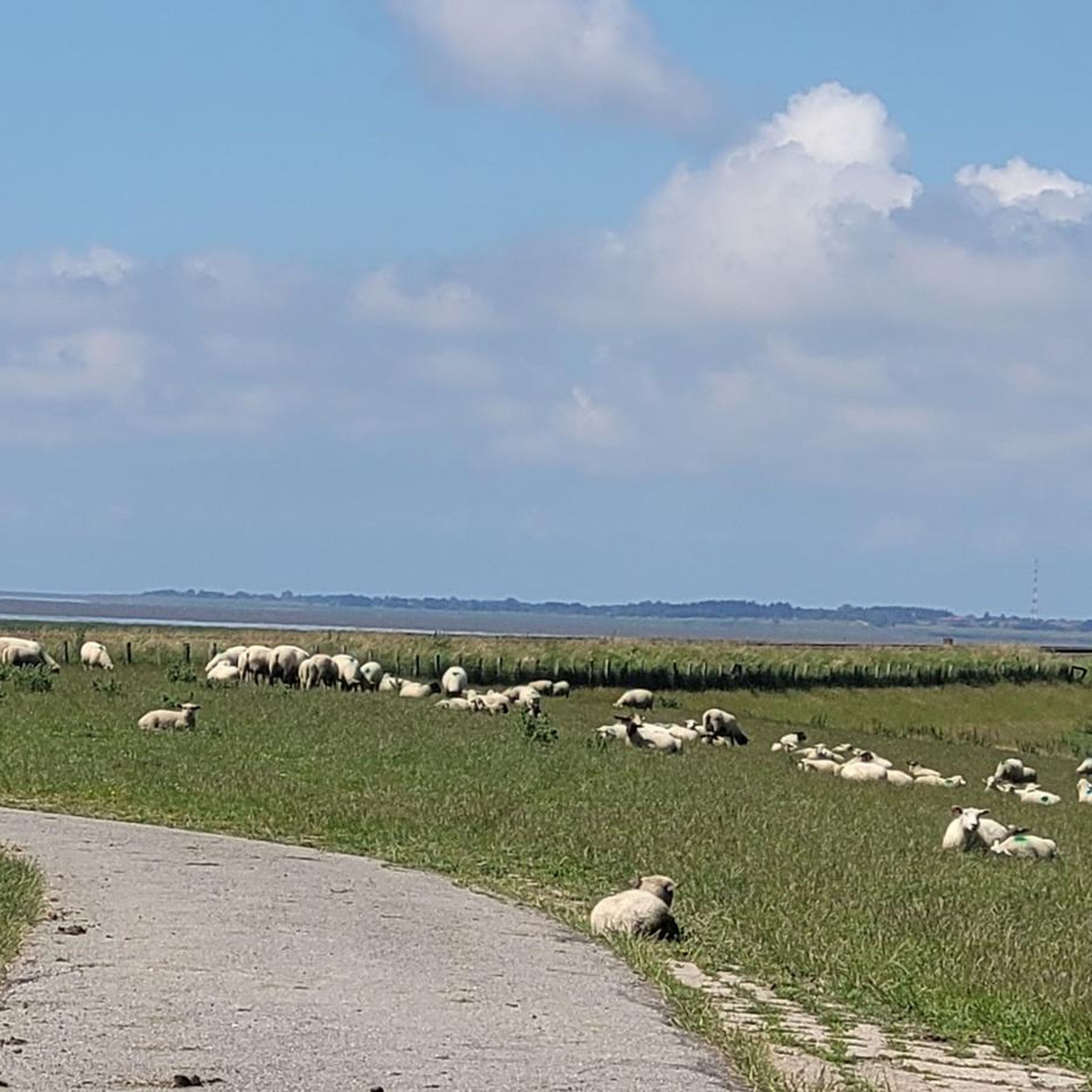
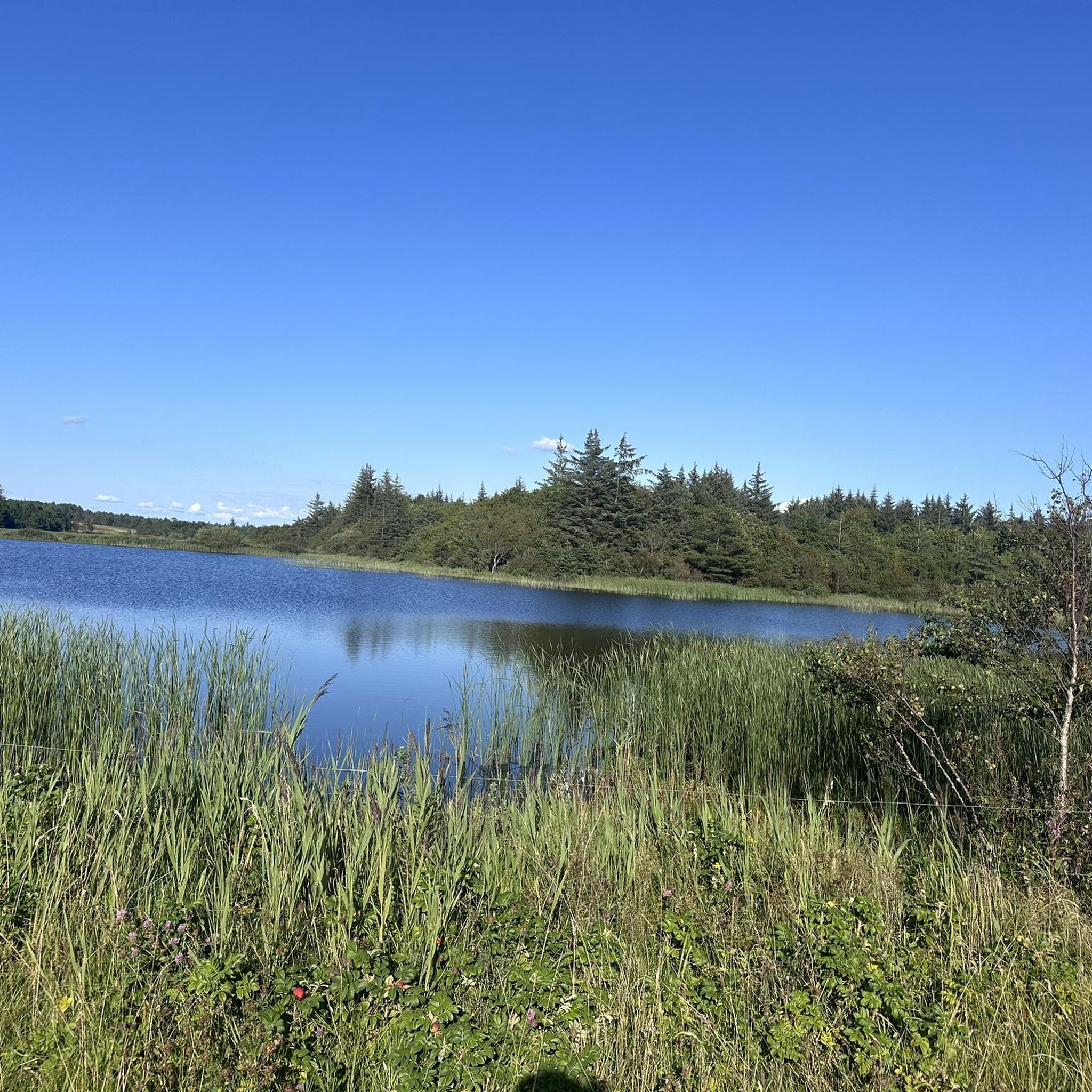


Tips from the Community

On a sunny day, you're never alone at the cliff. It's different in winter: there's plenty of space and time to appreciate the landscape, and you can easily imagine the history of the cliff.
8
0

Without a sign, you wouldn't notice that you're walking into another country... It's nice how easy this can be these days.
2
0

It is only 100 meters, but this section is a nice start to the area around the Morsum Cliff
4
0
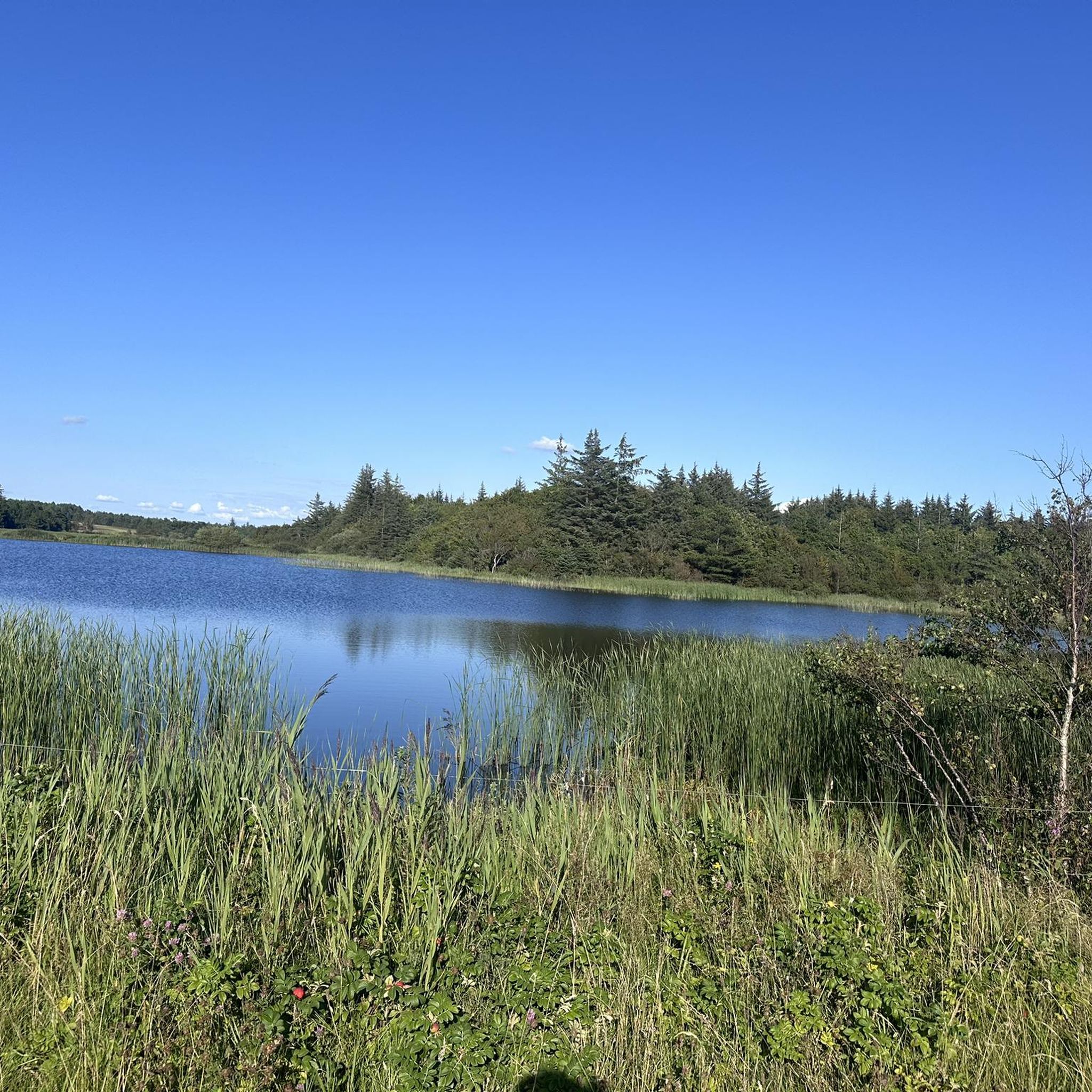
The route through the Morsum cliff is marked out on wide paths and cyclists find their way along the "Nösse Kuhle" lake. Cyclists can then dismount and look at the white-brown cliff and the heath and reed landscape. The way back goes via Africa: the slope dominated by sand creates the feeling of being in Africa.
8
0

Beautiful to look at and surrounded by an equally beautiful hiking area.
5
0

The panoramic circular trail around the geologically unique Morsum Cliff nature reserve offers a spectacular view of the Wadden Sea National Park and at the same time a fascinating insight into the earth's history, which is up to eight million years old. See: https://www.insel-sylt.de/tour/rundweg-am-morsum-kliff/
4
0
The panoramic circular trail around the geologically unique Morsum Cliff nature reserve offers a spectacular view of the Wadden Sea National Park and at the same time a fascinating insight into the earth's history, which is up to eight million years old. See: https://www.insel-sylt.de/tour/rundweg-am-morsum-kliff/
6
0

A very nice border crossing. We had very nice weather here. As you can see in the collage. Have fun on your tours!
2
0
Frequently Asked Questions
What natural features can I explore near Klanxbüll?
Klanxbüll is surrounded by serene landscapes, including endless fields and meadows, and picturesque dikes along the North Sea coast. You can explore the Morsum Cliff, a geologically unique natural monument known for its impressive colored earth layers and panoramic views of the Wadden Sea. The Rickelsbüller Koog offers hiking opportunities and diverse birdlife, while the Gotteskoogsee Lake provides a glimpse into the region's past geography. Klanxbüll also serves as an ideal starting point for visiting the nearby Wadden Sea National Park, a UNESCO World Heritage Site.
Are there any historical or cultural sites in Klanxbüll?
Yes, Klanxbüll offers a few notable historical and cultural sites. The town is home to a historic reed-thatched church, built around 1240, which is unique as the only surviving one on the mainland and is now under monument protection. The Historic Railway Station is a significant landmark, especially as a Park & Ride for those traveling to Sylt. Additionally, the "Alte Post" Cultural Centre hosts various cultural activities.
What outdoor activities are popular around Klanxbüll?
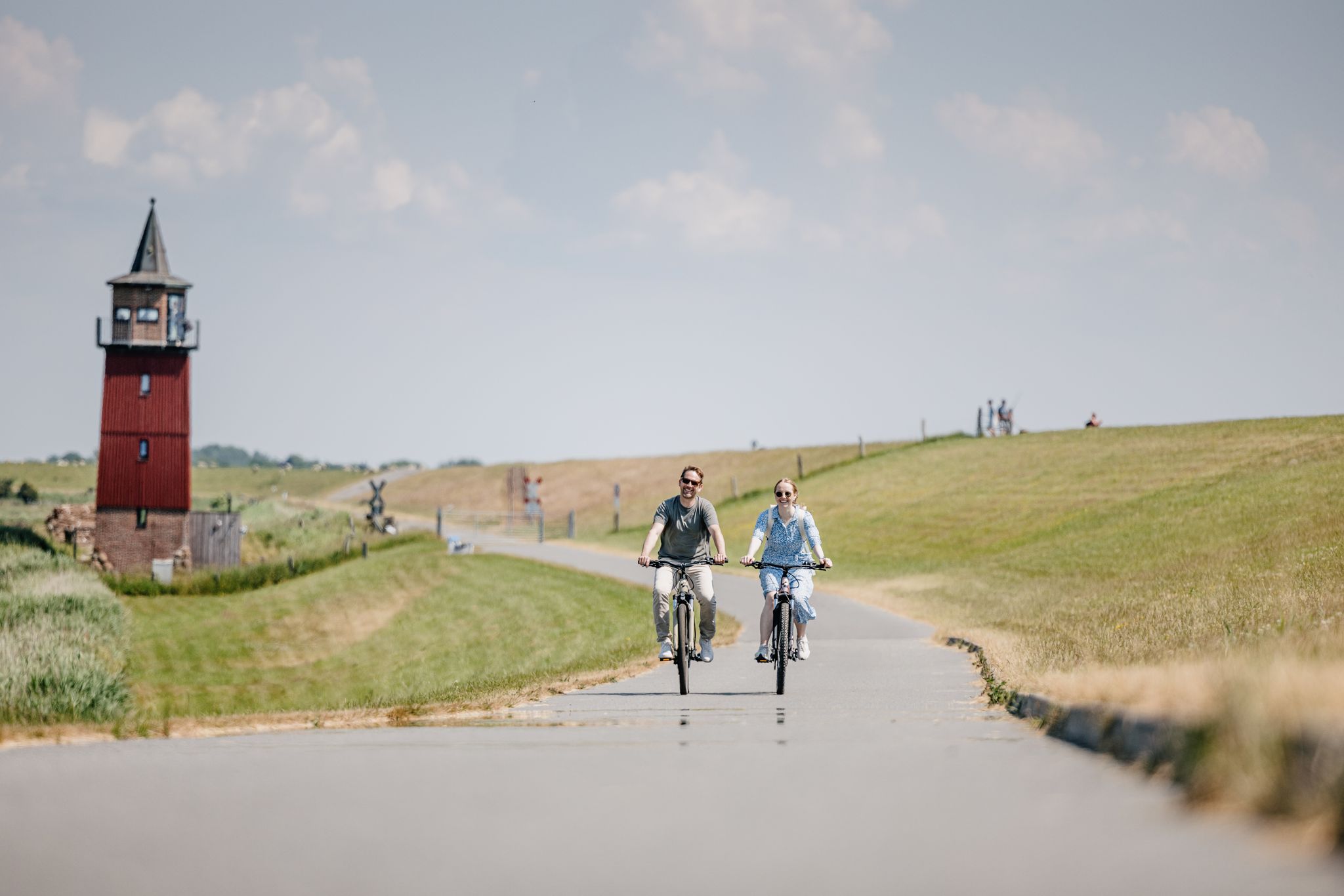
The region around Klanxbüll is excellent for outdoor activities. You can enjoy cycling and walking along the dikes and through the countryside. Hiking is popular, particularly in areas like the Rickelsbüller Koog, which offers WWF tours to observe birdlife. For more structured routes, you can find various easy hikes around Klanxbüll, as well as road cycling routes and MTB trails.
Are there family-friendly attractions or activities in Klanxbüll?
Many of the natural attractions around Klanxbüll are suitable for families. The Morsum Cliff is considered family-friendly, offering beautiful landscapes and opportunities to observe swallows. The extensive network of cycling and walking trails along the dikes provides safe and enjoyable outdoor experiences for all ages. Exploring the Wadden Sea National Park is also a great educational and recreational activity for families.
When is the best time to visit Klanxbüll for outdoor activities?
The summer months are particularly enjoyable for outdoor activities in Klanxbüll, offering pleasant weather for cycling and walking along the dikes. If you wish to see the heather blooming violet across the landscape, especially at the Morsum-Kliff, August is the ideal time. The fresh sea air can be enjoyed year-round, but summer provides the most comfortable conditions for extended exploration.
Can I visit nearby islands from Klanxbüll?
Yes, Klanxbüll serves as an excellent base for exploring nearby islands. You can easily take a train from Klanxbüll's Historic Railway Station to the popular island of Sylt. The island of Föhr is also easily accessible for a day trip, offering more opportunities to experience the North Frisian region.
What makes the Morsum Cliff a significant attraction?
The Morsum Cliff is geologically unique, known for its impressive array of colored earth layers, including dark mica, red limonite sand, white kaolin sand, and brown-yellow boulder clay. This creates a spectacular cliff landscape with wide panoramic views of the Wadden Sea. It's also a significant site for birdlife, with shore swallows nesting in its cliffs, and offers fascinating insights into earth's history.
Are there wheelchair accessible attractions around Klanxbüll?
Yes, the Morsum Cliff is listed as a wheelchair accessible attraction. While specific paths may vary, efforts have been made to ensure parts of this natural monument are accessible, allowing visitors to enjoy its unique geological formations and views.
Where can I observe wildlife or experience nature conservation near Klanxbüll?
The Rickelsbüller Koog is a prime location for observing diverse birdlife, particularly through WWF tours that highlight the nature conservation efforts in the 'nature conservation Kogs' near the German-Danish border. Additionally, the Sand Martin nesting site at Morsum Kliff provides a specific spot to witness these birds. The entire Wadden Sea National Park, accessible from Klanxbüll, is a UNESCO World Heritage Site renowned for its rich ecosystem and wildlife.
What kind of hiking trails can I find near Klanxbüll?
Near Klanxbüll, you can find a variety of hiking trails, many of which are considered easy. For example, there are easy loops like the "Hindenburgdamm loop from Nordhörn" and the "Klanxbüll Station – Church of Our Lady, Klanxbüll loop from Klanxbüll." These trails often take you along dikes, offering fresh sea air and scenic views. You can explore more options on the easy hikes around Klanxbüll guide.
How can I use public transport to reach attractions around Klanxbüll?
Klanxbüll's Historic Railway Station serves as a significant hub for public transport. It functions as an important Park & Ride station, making it convenient for those arriving by car to switch to trains. From here, you can take a train directly to the island of Sylt, which hosts attractions like the Morsum Cliff. Local bus services may also connect to various points of interest within the mainland region.
Are there opportunities for cycling along dikes near Klanxbüll?
Yes, Klanxbüll is renowned for its picturesque dikes along the North Sea coast, which provide excellent routes for bike rides. The surrounding countryside offers extensive cycling trails, allowing you to enjoy the serene landscape and fresh sea air. You can find various road cycling routes around Klanxbüll, including options that take you along the dikes.
Most popular attractions around Klanxbüll

Get inspired with the komoot mobile app


Explore more
Still not found the Highlight you’re looking for? See guides of the top attractions in other regions:
