Attractions and Places To See around Fahrenwalde - Top 20
Best attractions and places to see around Fahrenwalde are located in Mecklenburg-Vorpommern, northeastern Germany, offering a blend of rural scenery and historical insights. The municipality is situated on a plateau near the Brandenburg border, characterized by a hilly landscape and small lakes such as the Ziegeleipfuhl and Kleiner Roetpfuhl. Traditional farmhouses provide a glimpse into the region's architecture, while Schloss Bröllin serves as an international production center for performing arts.
Best attractions and places to see around Fahrenwalde
- The most popular attractions is Rothenklempenow Castle, a castle that is a manor complex with a castle and fishing tower. Its history dates back to the Middle Ages, with a half-timbered family estate built in 1761.
- Another must-see spot is Oak, a natural monument. This impressive, 1,000-year-old oak provides shade and features a stone with a poem about it.
- Visitors also love Prenzlauer Gate Pasewalk, a man-made monument. This Gothic three-story brick gate from the mid-15th century stands 25.6 meters high and houses the city museum since 1996.
- Fahrenwalde is known for historical sites, religious buildings, and scenic cycle paths. The region offers a variety of attractions, from ancient churches to historical gates and cycling routes.
- The attractions around Fahrenwalde are appreciated by the komoot community, with more than 90 upvotes and over 30 photos shared.
Last updated: October 9, 2026
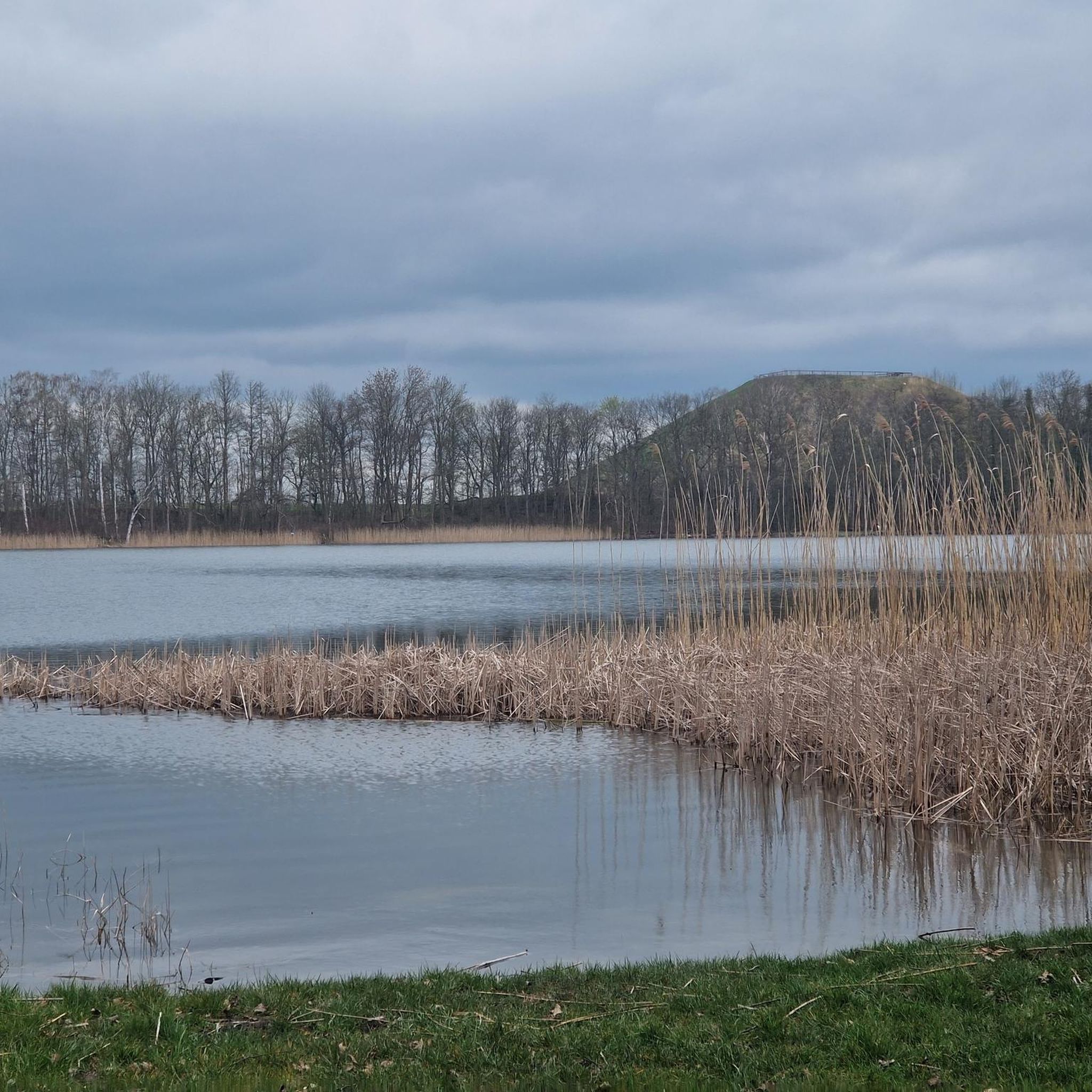
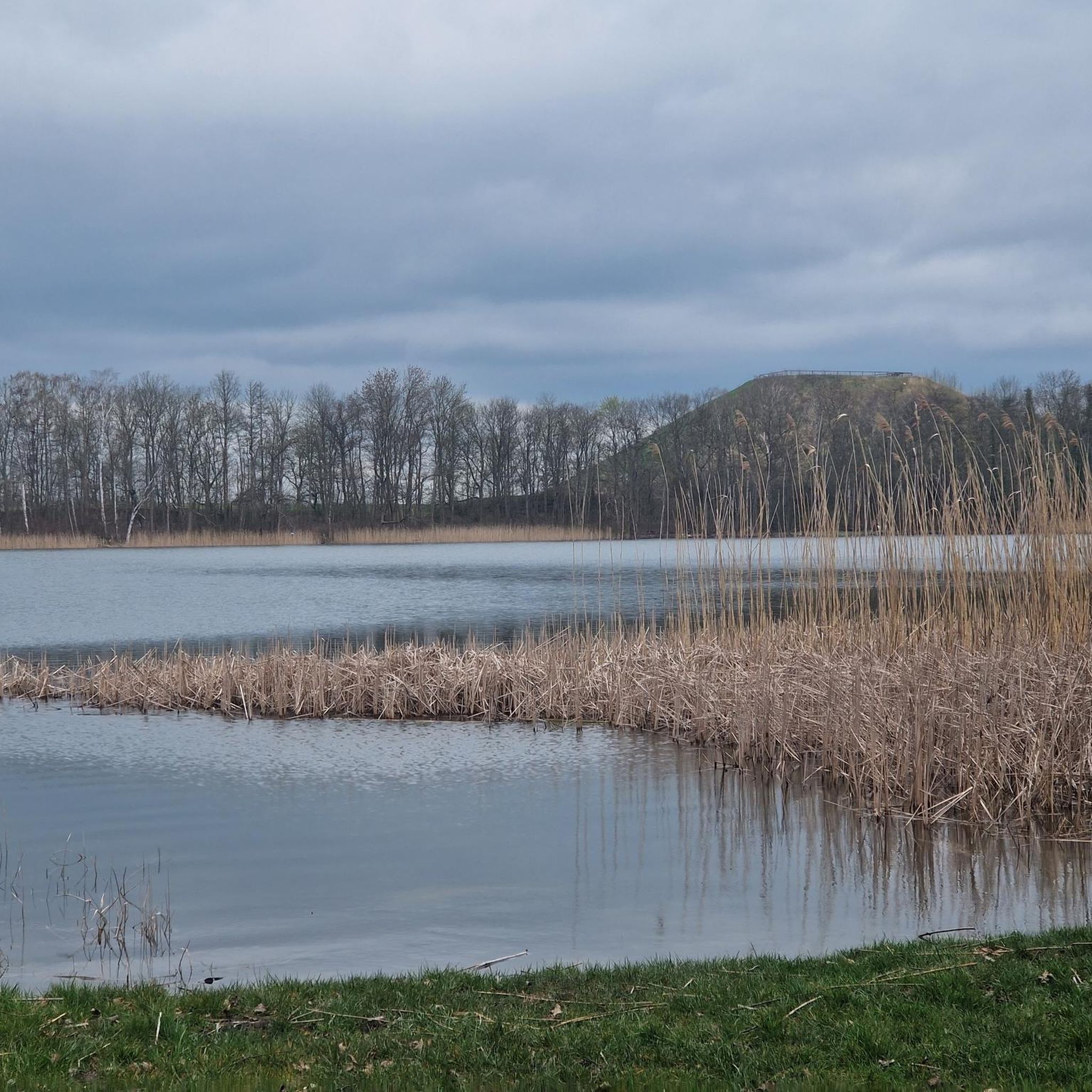
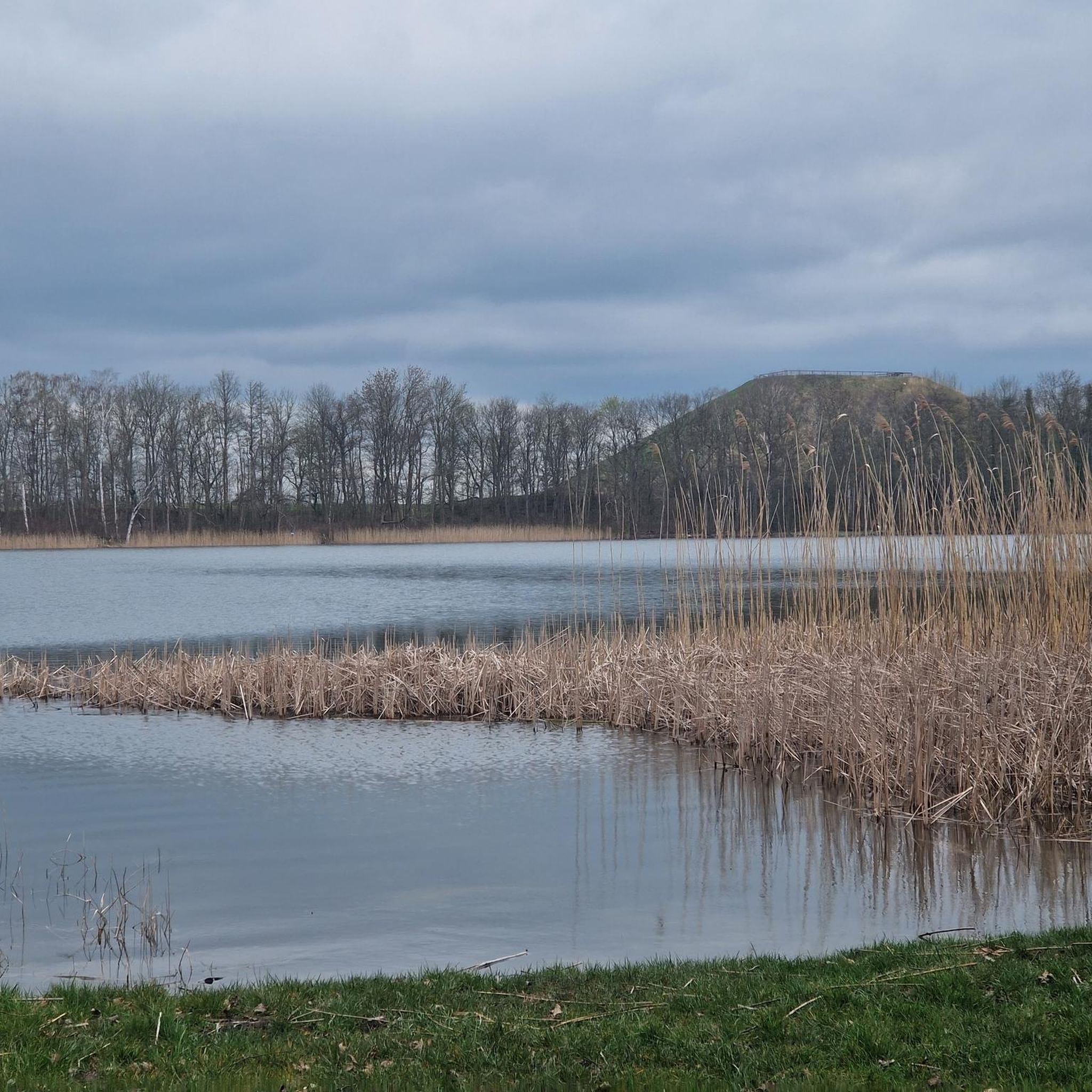
Löcknitzer Lake
Highlight • Lake
Translated by Google •
Tip by

Löcknitz Castle
Highlight • Castle
Translated by Google •
Tip by

Sign up now to discover places like this
Get recommendations on the best single tracks, peaks, & plenty of other exciting outdoor places.
Nechlin Village Church
Highlight • Religious Site
Translated by Google •
Tip by

Rothenklempenow Castle
Highlight • Castle
More information: de.wikipedia.org/wiki/Rothenklempenow#Sehensw%C3%BCrdigkeiten,_Kultur_und_Bildung
Translated by Google •
Tip by

Prenzlauer Gate Pasewalk
Highlight • Monument
The 25.6 m high gate has an ogival passage with a square base. It is adorned on the town and field side with rows of pointed arches on the ground floor and the two upper floors.
At the beginning of the 19th century, the formerly existing stepped gable was replaced by a hilted gable roof.
The tower and the adjoining building have been the seat of the city museum since 1996, in which, among other things, the draftsman Paul Holz is commemorated. The gate is connected to the adjoining building by a glass staircase.
Source: Wikipedia
Translated by Google •
Tip by

Sign up for free to discover even more attractions around Fahrenwalde.
Already have an account?
Start today with a free account
Your next adventure awaits.
Tips from the Community

A really beautiful swimming lake with an outdoor pool, boat rental, and diving tower. In summer, it's the hotspot for anyone who doesn't fancy crowded Baltic Sea beaches. Right next door is the hotel „Haus am See“ – perfect for sitting on the veranda in the evening with a beer and watching the mosquitoes bite.
0
0

Impressive and massive former city gate.
1
0
The manor house is relatively inconspicuous, but its deep red color makes it visible from afar. It is located in an elongated rectangular estate with farm buildings and a baroque landscape park (with old trees and a fieldstone wall).
0
0


great facility with park. worth a visit
0
0

Beautiful garden on the Ringstrasse
1
0
former city gate towards Prenzlau
0
0
Frequently Asked Questions
What historical sites can I visit near Fahrenwalde?
The region around Fahrenwalde is rich in history. You can explore the Rothenklempenow Village Church, a Renaissance hall church dating back to 1638 with intricate Baroque interiors. Another significant site is the Prenzlauer Gate Pasewalk, a Gothic brick gate from the mid-15th century that now houses a city museum. Other notable historical places include Torgelow Castle, Stolpe Manor House, and Löcknitz Castle.
Are there any natural attractions or outdoor activities to enjoy?
Yes, the area is known for its natural beauty. The Feldberger Seenlandschaft Nature Park is ideal for hiking and cycling, offering picturesque landscapes of lakes and forests. You can also enjoy scenic walks along Lake Tollense or relax by the water at Plaża w Krugsdorf. The general surroundings of Fahrenwalde provide ample opportunities for recreation like hiking, cycling, paddling, and fishing.
What cultural experiences are available in the Fahrenwalde area?
Beyond historical buildings, you can visit the Uckermark Literature House, which features regional authors and contemporary art exhibitions. The Village Church of Nieden is unique with a labyrinth in its courtyard. For indoor cultural exploration, especially on rainy days, consider the Müritzeum in Waren (Müritz) for insights into regional flora and fauna, or Neustrelitz Castle for its architecture.
Are there family-friendly attractions near Fahrenwalde?
Families can enjoy several attractions. The Village Church of Nieden, with its courtyard labyrinth, offers a unique visit. The Plaża w Krugsdorf provides a relaxing spot by the water. For animal lovers, the Moose and Reindeer Farm Golz is a nearby option. Additionally, the Prenzlauer Gate Pasewalk, housing a city museum, can also be an engaging historical visit for families.
Where can I find cycling routes around Fahrenwalde?
There are several cycling opportunities in the area. The Berlin–Usedom Cycle Path at E-Thälmann-Siedlung offers a well-developed route. For more options, you can explore various road cycling routes, including easy loops like the 'Brüssower See Bathing Area – Löcknitz Castle loop from Brüssow'. Find detailed routes on the Road Cycling Routes around Fahrenwalde guide page.
Are there hiking trails suitable for different skill levels?
Yes, the region offers hiking trails for various preferences. For easy walks, consider routes like the 'Brüssow Village Church – Brüssower See loop from Brüssow' or the 'View from Brüssower Utkiek – Brüssower See Bathing Area loop from Brüssow'. These are great for enjoying the natural surroundings. More options can be found on the Easy hikes around Fahrenwalde guide page.
What do visitors particularly enjoy about the attractions near Fahrenwalde?
Visitors appreciate the blend of historical depth and natural beauty. The intricate Baroque interiors of the Rothenklempenow Village Church and the historical significance of the Prenzlauer Gate Pasewalk are often highlighted. The well-developed cycling paths, like sections of the Berlin–Usedom Cycle Path, are also popular for exploring the scenic landscape.
Can I find running trails in the Fahrenwalde area?
Absolutely. There are several running trails available, ranging from moderate loops around Brüssow See to longer routes like the 'St. Marienkirche Dürkheim – Weir with Fish Ladder loop from Pasewalk'. These trails offer a great way to experience the local scenery while staying active. For more detailed information, refer to the Running Trails around Fahrenwalde guide page.
Are there any unique religious buildings to visit?
The region features several unique religious buildings. The Rothenklempenow Village Church stands out with its 17th-century origins and preserved Baroque furnishings. The Village Church of Nieden, a 13th-century fieldstone church, is notable for the labyrinth in its courtyard. Additionally, the impressive St. Nicholas Church, consecrated in 1885, is another significant religious landmark.
What is the best time to visit Fahrenwalde for outdoor activities?
The region's beautiful lakes and forests are best enjoyed during the warmer months, typically from spring through early autumn. This period offers ideal conditions for hiking, cycling, paddling, and exploring the natural parks. The pleasant weather allows for full enjoyment of both historical sites and outdoor recreation.
Are there any manor houses or castles to explore?
Yes, the area boasts several historical manor houses and castles. You can visit Stolpe Manor House, an 18th-century historic building that also features an excellent restaurant. Other notable castles in the vicinity include Torgelow Castle, Löcknitz Castle, and Schloss Bröllin, each offering a glimpse into the region's past.
Most popular attractions around Fahrenwalde

Get inspired with the komoot mobile app


Explore more
Still not found the Highlight you’re looking for? See guides of the top attractions in other regions:
