Attractions and Places To See around Löcknitz - Top 20
Best attractions and places to see around Löcknitz, a municipality in northeastern Germany, offers a blend of historical landmarks and natural features. Situated near the German-Polish border in the historic region of Pomerania, the area is characterized by its picturesque Randow Valley and several lakes. Visitors can explore a variety of sights, from ancient castles to expansive natural landscapes. The region provides numerous opportunities for outdoor activities, including hiking and cycling paths.
Best attractions and places to see around Löcknitz
- The most popular attractions is Buk Rest Area and Bicycle Repair Station, a facilities highlight that provides a large shelter, tables, benches, and a bicycle repair station. It is located at the border, offering a convenient resting place for cyclists.
- Another must-see spot is Blankensee-Buk border crossing, a facilities highlight. This border crossing features a covered rest area with benches and toilets, situated directly on a well-asphalted cycle path parallel to the border.
- Visitors also love Rothenklempenow Castle, a historical castle. This manor complex includes a castle and a fishing tower, with its history dating back to the Middle Ages and featuring a church from 1738.
- Löcknitz is known for its historical sites, natural landscapes, and facilities for outdoor enthusiasts. The area offers a variety of attractions to see and explore, including manors, lakes, and dedicated cycling and hiking paths.
- The attractions around Löcknitz are appreciated by the komoot community, with more than 320 upvotes and 60 photos shared by visitors.
Last updated: June 22, 2026
Blankensee-Buk border crossing
Highlight • Rest Area
Translated by Google •
Tip by

Buk Rest Area and Bicycle Repair Station
Highlight • Rest Area
Translated by Google •
Tip by

Sign up now to discover places like this
Get recommendations on the best single tracks, peaks, & plenty of other exciting outdoor places.
Sign up for free
Löcknitz Castle
Highlight • Castle
Translated by Google •
Tip by
Oak
Highlight • Natural Monument
Translated by Google •
Tip by

Lebehn Manor
Highlight • Historical Site
Translated by Google •
Tip by

Sign up for free to discover even more attractions around Löcknitz.
Sign up for free
Already have an account?
Start today with a free account
Your next adventure awaits.
Login or Signup

Tips from the Community


After the end of the Thirty Years' War (1618-1648), Löcknitz was largely in ruins, with only the castle and the fortifications and the castle mill remaining. The rivers Welse and Randow now formed the new border between Brandenburg and Swedish Pomerania. As a result, Löcknitz with its fortified castle became an important Brandenburg border fortress against Sweden after 1650.
0
0
Very pretty to look at but unfortunately inaccessible behind a fence.
0
0

The history of the city dates back to 1127, when the Slavs built a defensive stronghold in the Randow River valley. The first mention of a defensive structure in Löcknitz dates back to 1212, and in 1242 a bridge was built in place of the ford. For years, the border between Pomerania and Brandenburg running through here justifies the fortified character of the town. Once Löcknitz belonged to the Pomeranian princes, once to the Branderburgians. In the book Medieval Castles of Western Pomerania, Zbigniew Radacki wrote that the stronghold belonged to the bishops of Kamień. In 1280, a document on the division of the Kołobrzeg land was signed in the "castrum Lokenitz". In 1390, Bishop Filip von Rehberg renounced the castle to the princes of Szczecin, who gave it to the Wusses, knights from Lębork, "hus civitas i terra Lockenitze" for 3,000 marks towards the debt. Around 1400, the stronghold received a brick form, and in 1479 it came into the possession of the Schulenburg family. Then the place was rebuilt many times, in the mid-16th century it was converted into a Renaissance-style manor house. It lost its strategic importance in 1720 after the annexation of Brandenburg and Pomerania to Prussia.
1
0
Directly on the shore of Lake Lebehner See, a new representative manor house was built between 1907 and 1912, commissioned by the Cologne cement manufacturer Carl Königs and his wife Ursula, née von Dewitz. The old manor house then served as the estate manager's house. The previous owners of the Königs, who owned the estate from 1905 until the expropriation in 1945, were the Brandeck-Nadrense families, who sold it to the von Ramin family, who in turn sold it to the Gamp brothers. After 1945, both houses were initially used as refugee accommodation, and later also for municipal purposes and rural consumption. Today they are private property. The renovation of the manor house has started.
3
0
Directly on the shores of Lake Lebehner See, a new, stately manor house was built between 1907 and 1912 by Cologne cement manufacturer Carl Königs and his wife Ursula, née von Dewitz. At the time, the old manor house served as the estate manager's home. The Königs' previous owners, who owned the estate from 1905 until its expropriation in 1945, were the Brandeck-Nadrense family, who sold it to the von Ramin family, who in turn sold it to the Gamp brothers. After 1945, both houses initially served as refugee quarters, and later also for communal purposes and rural consumption. Today, they are privately owned. Renovation of the manor house has begun.
2
1

Here is also the tourist information. The castle is beautifully situated on the lowlands of the Randow
1
0

That's what I call an outfit! Covered seating with a table, a bench outside, bike racks and a repair station that really has just about everything! Exemplary!
3
0
Frequently Asked Questions
What historical sites can I explore in Löcknitz and its surroundings?
Löcknitz and its vicinity offer several historical sites. You can visit the remnants of Löcknitz Castle, which dates back to 1212 and features an octagonal keep with panoramic views. Another significant site is the Rothenklempenow Castle, a manor complex with a church from 1738. Additionally, the Gutshof Krackow, a renovated historic manor, and the stately Lebehn Manor on Lake Lebehner See are worth exploring.
Are there any notable natural attractions or scenic spots in the Löcknitz area?
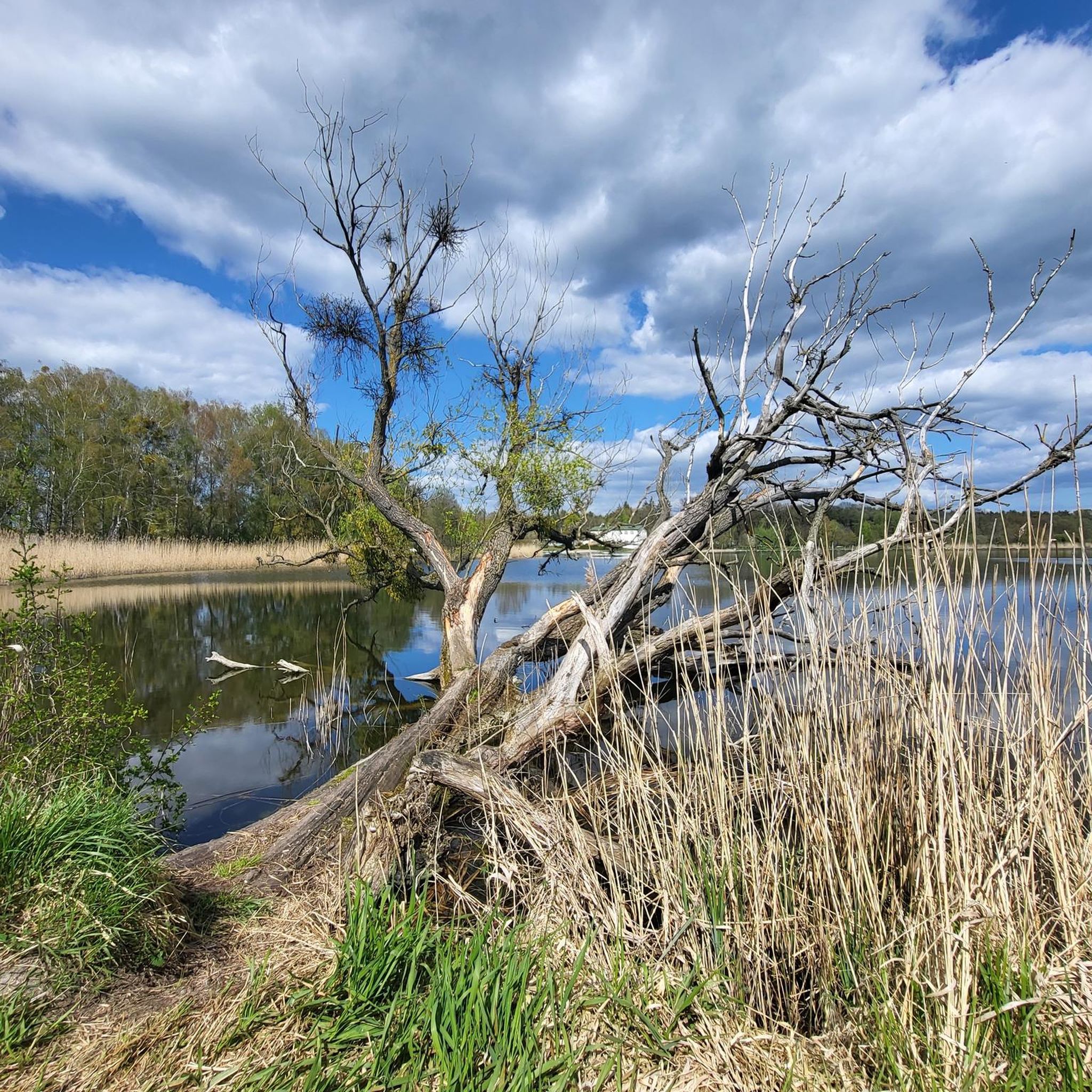
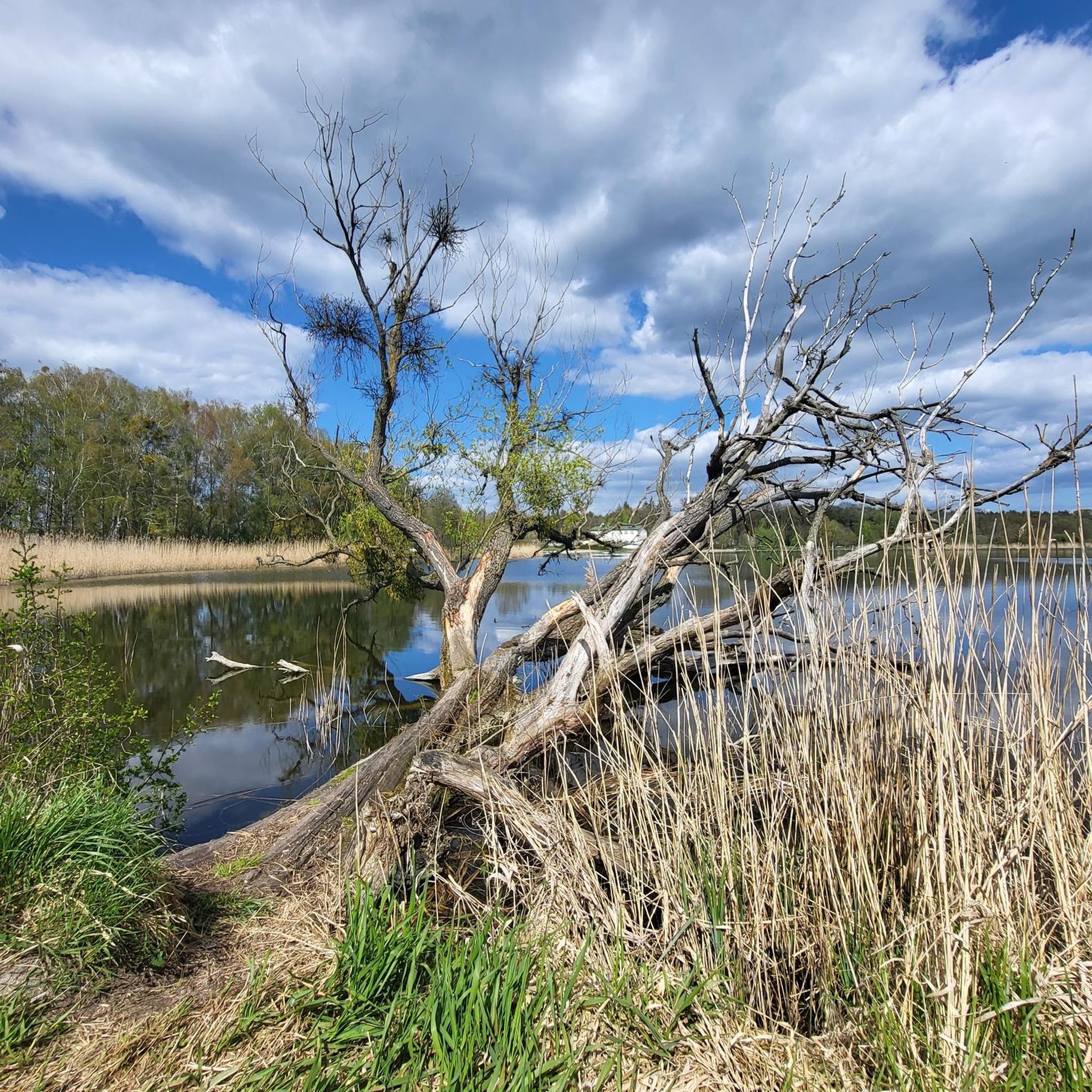
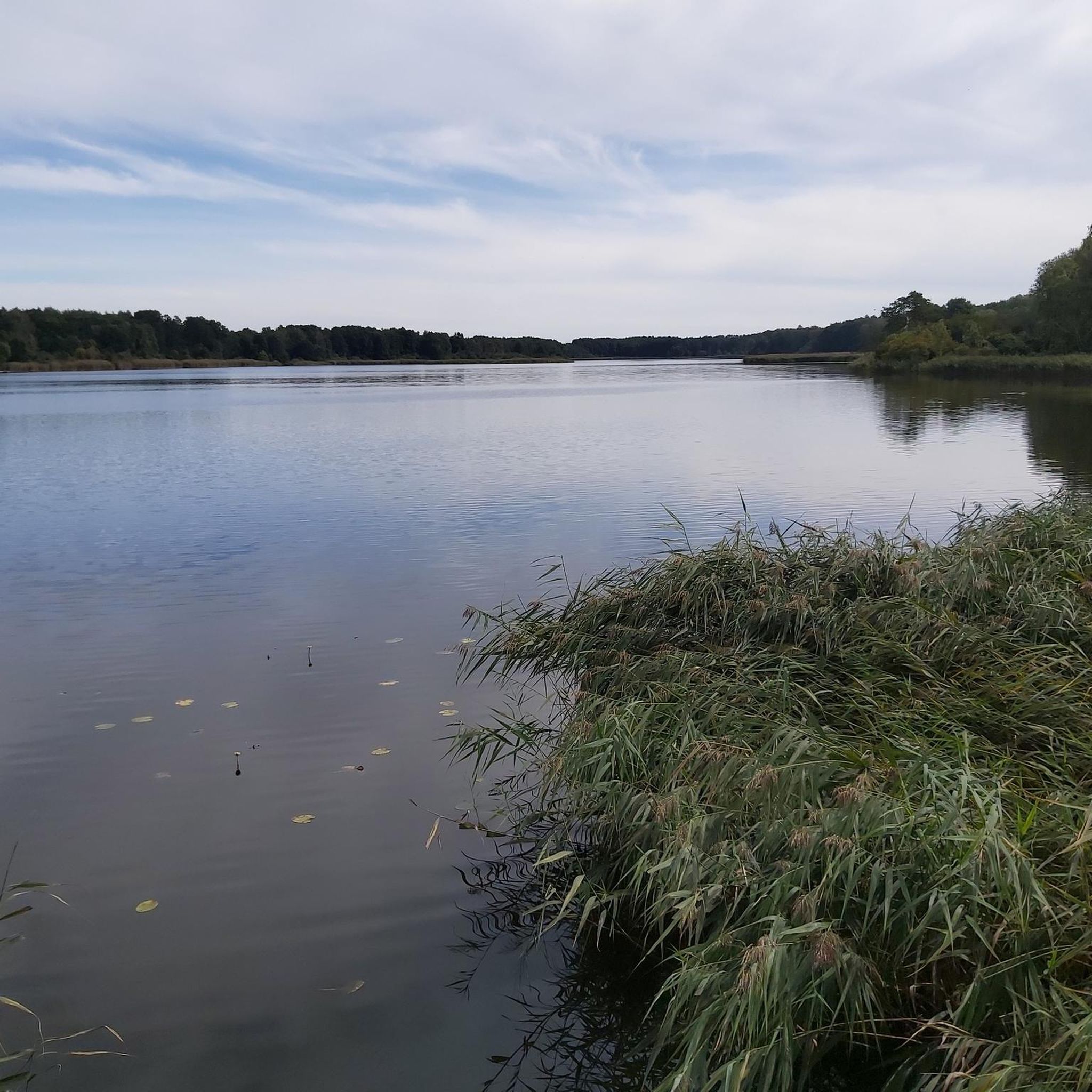
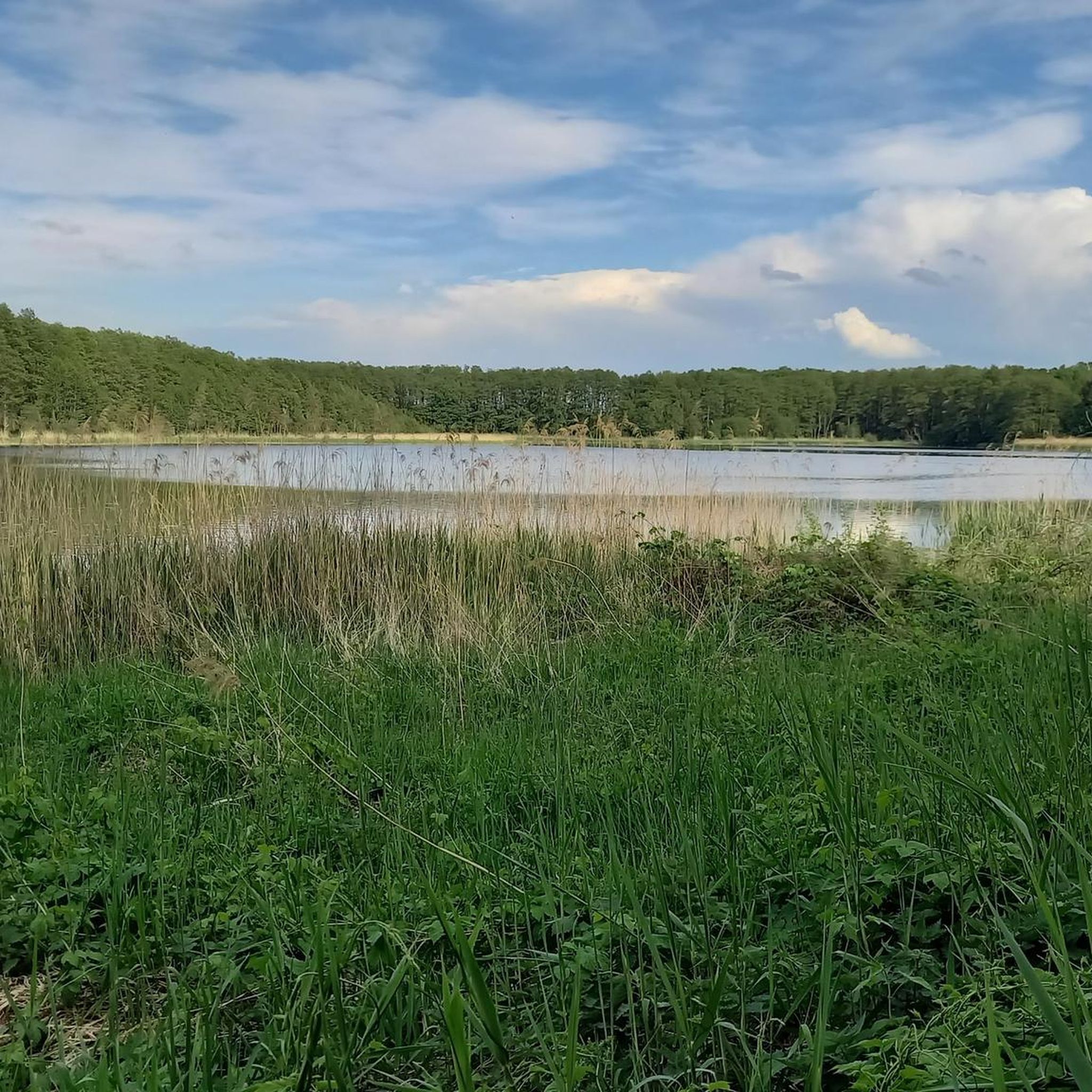
Yes, the region boasts beautiful natural features. The expansive Löcknitzer See (Löcknitz Lake) is a central attraction, offering a public lido and various leisure activities. On its northern shore, you can find the ancient 1000-year-old Oak, a natural monument. The idyllic Randow Valley, through which the Randow river flows, provides opportunities for exploration by boat, foot, or bicycle, and is home to diverse wildlife.
What kind of outdoor activities, like cycling or hiking, are available near Löcknitz?
Löcknitz is excellent for outdoor enthusiasts. The region features numerous cycling routes, including stages of the Oder-Neisse Cycle Path, and various hiking trails. For specific routes, you can explore options like the Road Cycling Routes around Löcknitz, Gravel biking around Löcknitz, or MTB Trails around Löcknitz. The Löcknitztal nature reserve also offers an eight-kilometer hiking trail for observing birds and flora.
Are there family-friendly attractions or activities suitable for children in Löcknitz?
Absolutely. The lido at Löcknitzer See is a popular family destination, featuring jetties, a diving tower, a multi-generational playground, table tennis, water volleyball, and a small football field. The Rothenklempenow Castle is also considered family-friendly, offering a glimpse into history.
Where can I find facilities for cyclists, such as rest areas or repair stations?
Cyclists will find excellent facilities in the area. The Buk Rest Area and Bicycle Repair Station, located at the border, provides a large shelter, tables, benches, a bicycle stand, a repair station, and parking. Another convenient spot is the Blankensee-Buk border crossing, which offers a covered rest area with benches and toilets directly on a well-asphalted cycle path.
What are some unique cultural points of interest in the Löcknitz region?
Beyond historical buildings, you can visit the Gorkow Forge (Schmiede in Gorkow), built in 1865 and renovated, offering a cozy atmosphere for events. The Rothenklempenow Village Church, a single-nave Renaissance hall church from 1638, features preserved baroque furnishings and intricate carvings.
Are there any wheelchair-accessible paths or facilities near Löcknitz attractions?
Yes, some facilities are designed with accessibility in mind. The Blankensee-Buk border crossing and the Buk Rest Area and Bicycle Repair Station are both categorized as wheelchair accessible, providing convenient stops for all visitors.
What do visitors enjoy most about the attractions around Löcknitz?
Visitors frequently appreciate the well-maintained facilities and the blend of history and nature. For instance, the border crossings are praised for their 'very nice' covered rest areas with benches and toilets, and the bicycle repair station at Buk is highlighted for its usefulness. The historical sites like Rothenklempenow Castle are valued for their rich history and architectural details.
Can I find places to rent boats or pedal boats in Löcknitz?
Yes, at the public lido (Badeanstalt) on Löcknitzer See, you can rent boats and pedal boats, making it a great way to enjoy the lake and its surroundings.
Are there any legends or mysterious places in Löcknitz?
Yes, the Leichensee, located at the foot of the castle mound near Löcknitz Lake, is associated with mysterious local legends, adding an intriguing element to the region's natural beauty.
What kind of wildlife can be observed in the Randow Valley?
The Randow Valley, with its natural riverbanks, forms a rich biotope. It is home to a diverse array of animal and plant species, including approximately 100 bird species, such as the crane, making it an excellent spot for nature observation.
Most popular routes around Löcknitz
Most popular attractions around Löcknitz

Get inspired with the komoot mobile app


Explore more
Still not found the Highlight you’re looking for? See guides of the top attractions in other regions:
