Dungeness National Wildlife Refuge
Dungeness National Wildlife Refuge
Attractions and Places To See in Dungeness National Wildlife Refuge - Top 4
Best attractions and places to see in Dungeness National Wildlife Refuge include a significant natural sand spit and a historic lighthouse. This refuge, established in 1915, protects diverse wildlife habitats near Sequim, Washington. It features the Dungeness Spit, the longest natural sand spit in the United States, extending approximately 5.5 to 6.8 miles into the Strait of Juan de Fuca. The area provides essential resting and feeding grounds for numerous bird and marine mammal species, alongside forested trails and cultural…
Last updated: August 25, 2026
Dungeness National Wildlife Refuge Trailhead
Highlight • Rest Area
Tip by

View of Dungeness Spit
Highlight • Beach
Translated by Google •
Tip by

Sign up now to discover places like this
Get recommendations on the best single tracks, peaks, & plenty of other exciting outdoor places.
Sign up for free
Dungeness Spit
Highlight (Segment) • Beach
Tip by
New Dungeness Lighthouse
Highlight • Monument
Tip by
Primitive Trail
Highlight (Segment) • Trail
Tip by
Start today with a free account
Your next adventure awaits.
Login or Signup

Tips from the Community


This trail can get muddy during the wet seasons, but adventurous hikers will be rewarded with views. Two overlooks have telescopes.
0
0
The historic lighthouse has been operating continuously since 14 December 1857. Nowadays, volunteer keepers stay for a week at a time. Visit between the hours of 9 am and 5pm for museum entrance and guided tours of the lighthouse.
1
0
The narrow, 5-mile stretch of beach out to the lighthouse is populated by a wide variety of coastal birds. Be sure to check the tides before starting your trek to the lighthouse! The spit can become impassable during particularly high tides.
1
0
Pay a nominal entrance fee ($3 for a group of up to 4 adults) or use your Federal Recreational Lands Pass to access this protected wildlife area.
0
0

Dungeness Spit is the longest US spit and towers about 5 miles into the San Juan de Fuca road between the Olympic Peninsula and Vancouver Island, each year a little further. A wild piece of coastline and an important reserve for seabirds and seals.
1
0

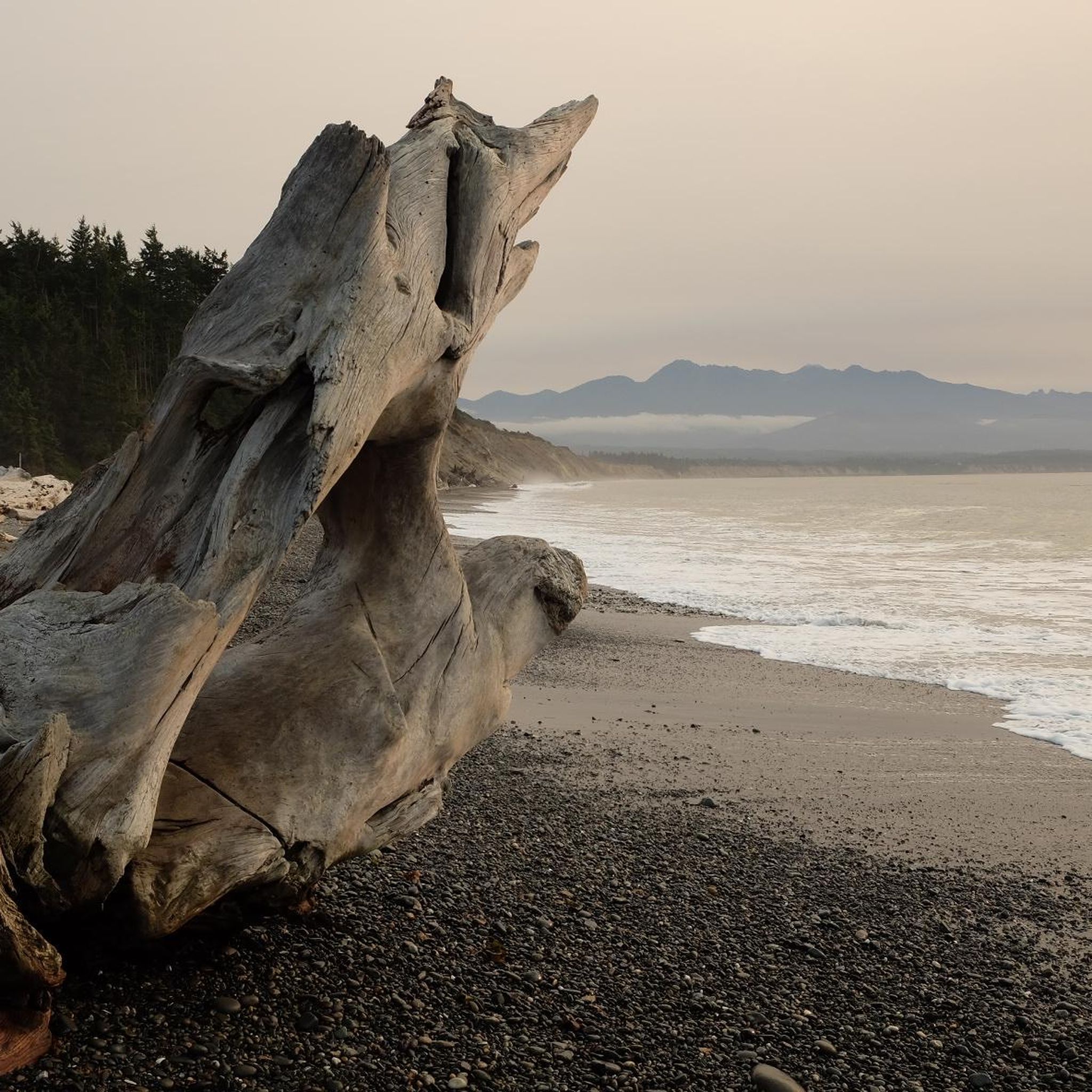
An approximately 7 km long sandbank with huge stranded, formed by wind and sea tree trunks - you feel like in a sculpture exhibition
0
0
Frequently Asked Questions
What natural features can I explore in Dungeness National Wildlife Refuge?
The refuge is home to the impressive Dungeness Spit, the longest natural sand spit in the United States, extending approximately 5.5 to 6.8 miles into the Strait of Juan de Fuca. You can also explore the serene Dungeness Bay and Harbor with their rich tideflats, and various forested trails like the Primitive Trail, which offers views of the spit.
What historical sites are there to visit in the refuge?
The most prominent historical site is the New Dungeness Lighthouse, located near the end of Dungeness Spit. This historic lighthouse has been in continuous operation since 1857 and is maintained by volunteers who also provide daily tours. It's recognized on the National Register of Historic Places.
What kind of wildlife can I expect to see at Dungeness National Wildlife Refuge?
The refuge is a prime spot for wildlife viewing, boasting over 250 bird species, 41 land mammal species, and eight marine mammal species. Common sightings include bald eagles, brant, harbor seals (often resting on the spit's end), black oystercatchers, and rough-skinned newts. It's a critical stopover for migratory birds and an Important Bird Area.
Are there hiking opportunities in the Dungeness National Wildlife Refuge?
Yes, hiking is a popular activity. The most well-known hike is along Dungeness Spit, which is an 11-mile round trip to the lighthouse. There are also forested trails within the refuge, including the Primitive Trail and the West Bluff Trail. For more options, you can explore various hiking routes in the area on our Hiking in Dungeness National Wildlife Refuge guide.
How long does it take to walk the Dungeness Spit to the lighthouse?
Walking the entire Dungeness Spit to the New Dungeness Lighthouse and back is an 11-mile round trip. This can take several hours, depending on your pace and how much time you spend at the lighthouse. It's crucial to check tide reports before starting, as high tides can make parts of the spit impassable.
Is there an entrance fee for the Dungeness National Wildlife Refuge?
Yes, a nominal entrance fee is required to access the refuge. This fee is typically $3 for a group of up to four adults. Alternatively, you can use your Federal Recreational Lands Pass for entry. The fee helps support the maintenance and protection of this vital wildlife area.
What is the best time to visit Dungeness National Wildlife Refuge?
The refuge is open year-round from 7 a.m. until half an hour before sunset. For wildlife viewing, migratory bird seasons (spring and fall) are excellent. Summer offers pleasant weather for hiking, but it's also the busiest. Winter can be beautiful for quiet walks, but be prepared for colder, potentially wet conditions. Always check tide reports, especially if planning to walk the spit.
Are dogs allowed in the Dungeness National Wildlife Refuge?
No, pets are generally prohibited within the Dungeness National Wildlife Refuge to protect the sensitive ecosystem and its inhabitants. This rule helps ensure the safety and undisturbed habitat for the diverse wildlife that calls the refuge home.
Are there family-friendly activities available?
Absolutely! Families can enjoy easy walks on designated trails, wildlife viewing, and exploring the beach areas. The New Dungeness Lighthouse offers guided tours that can be educational for all ages. The adjacent Dungeness Recreation Area also features a campground, picnic spots, and a scenic bluff trail suitable for families.
What other outdoor activities can I do near the refuge?
Beyond hiking, the waters around the refuge allow for boating, fishing (saltwater fishing on the Strait side of Dungeness Spit year-round), and shellfishing (May 15 to September 30). For more structured activities, you can find various cycling and running routes in the broader Dungeness area. Check out our guides for Cycling in Dungeness National Wildlife Refuge and Running Trails in Dungeness National Wildlife Refuge.
Where can I park when visiting the Dungeness National Wildlife Refuge?
Parking is available at the Dungeness National Wildlife Refuge Trailhead. This is the primary access point for visitors looking to explore the spit and other trails within the refuge. Remember that a nominal entrance fee applies upon entry.
What should I know about tides when planning a visit to Dungeness Spit?
Tide conditions are very important when planning a walk along Dungeness Spit, especially if you intend to reach the lighthouse. High tides can make the spit impassable or significantly more challenging to traverse. Always consult local tide charts before your visit to ensure a safe and enjoyable experience.
Are there any trails besides the main Dungeness Spit walk?
Yes, in addition to the main walk along Dungeness Spit, the refuge offers other trails. These include a half-mile forested trail that leads to an overlook of the spit, the Primitive Trail, and the West Bluff Trail. These provide different perspectives of the refuge's diverse landscapes.
Most popular routes in Dungeness National Wildlife Refuge

Get inspired with the komoot mobile app


Explore more
Still not found the Highlight you’re looking for? See guides of the top attractions in other regions:
