Attractions and Places To See in Réserve Naturelle Du Sillon De Talbert - Top 6
Best attractions and places to see in Réserve Naturelle Du Sillon De Talbert include a unique 3.2-kilometer-long spit of sand and pebbles extending into the sea. This geological formation is a significant natural barrier, constantly shaped by tides and elements. The reserve is home to diverse flora, including over 100 protected plant species, and provides a crucial habitat for marine nesting birds and migratory species. Historically, the area was known for seaweed harvesting, and it is now protected as a regional natural reserve.
Best attractions and places to see in Réserve Naturelle Du Sillon De Talbert
- The most popular attractions is Sillon de Talbert viewpoint, a beach that is a sandy and pebble tongue stretching for more than 3.2 kilometers. This unique geomorphological curiosity is ecologically rich, supporting extraordinary flora and fauna.
- Another must-see spot is Sillon de Talbert Nature Reserve, a natural monument. This unique pebble promontory extends about 3 km into the sea, offering the perspective of having the sea on both sides. It is an important nature reserve for nesting sea birds.
- Visitors also love Pen Vir Viewpoint, a viewpoint offering coastal views. This location provides excellent perspectives of the surrounding natural landscape.
- Réserve Naturelle Du Sillon De Talbert is known for its natural monuments, beaches, and viewpoints. Visitors can explore a variety of attractions that showcase the region's unique coastal environment.
- The attractions in Réserve Naturelle Du Sillon De Talbert are appreciated by the komoot community, with over 120 upvotes and 38 photos shared.
Last updated: October 9, 2026
Sillon de Talbert viewpoint
Highlight • Beach
Translated by Google •
Tip by

Mer Melen
Highlight • Other
Tip by

Sign up now to discover places like this
Get recommendations on the best single tracks, peaks, & plenty of other exciting outdoor places.
Pen Vir Viewpoint
Highlight • Viewpoint
Tip by
Sillon de Talbert Entrance and Tide Timetable
Highlight • Trail
Tip by
Start today with a free account
Your next adventure awaits.
Popular around Réserve Naturelle Du Sillon De Talbert
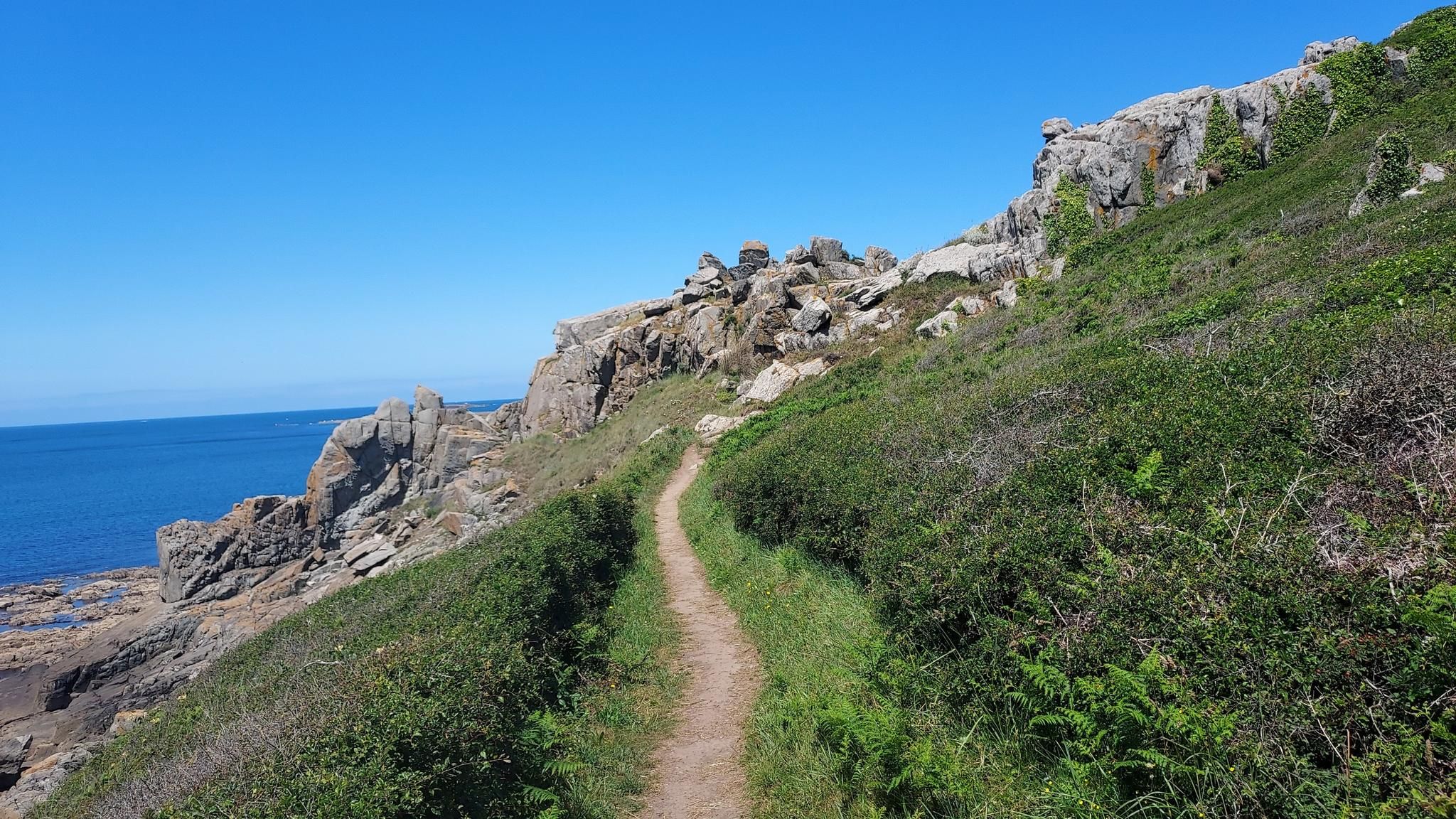
Customs Officers’ Path – GR 34 between Lannion and Paimpol
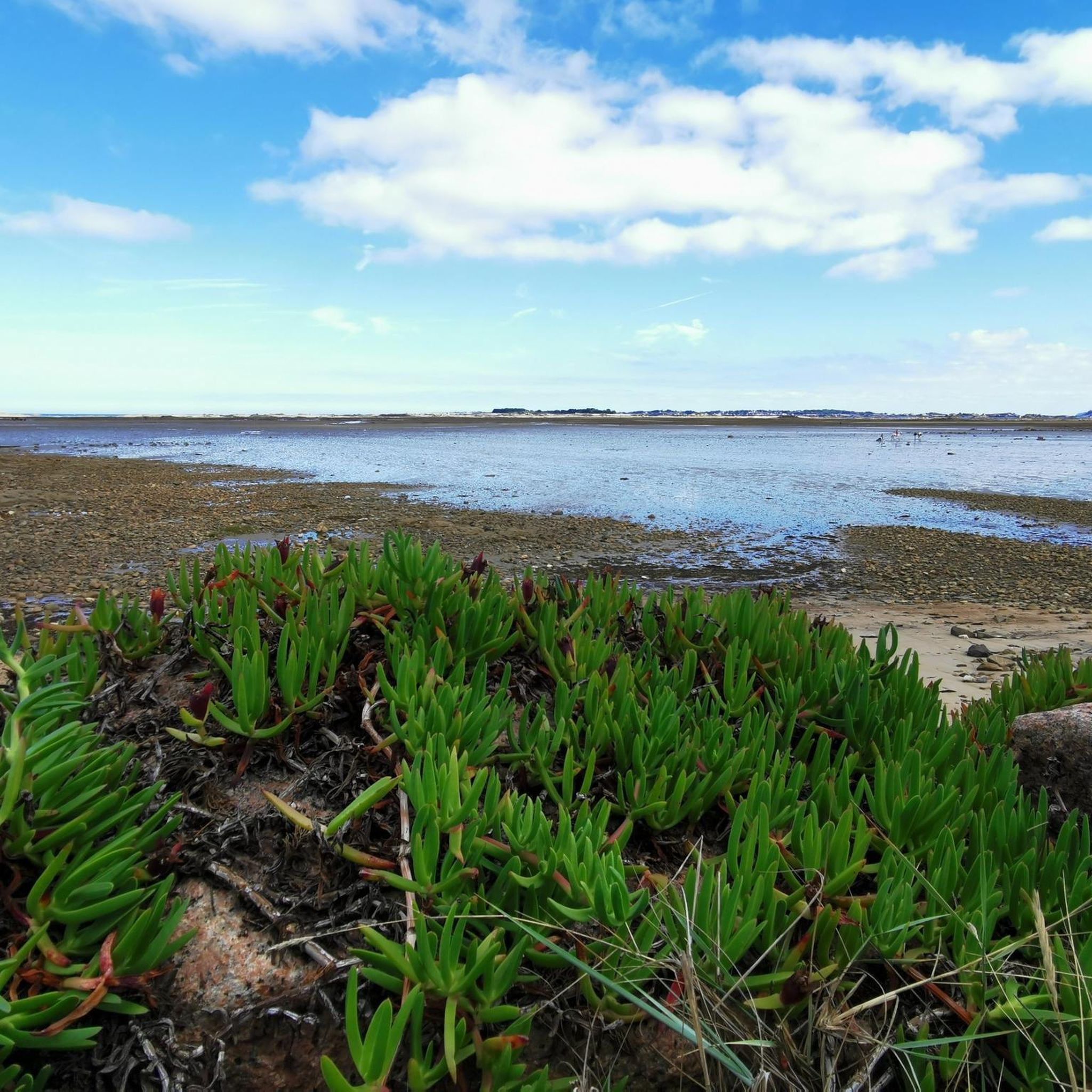
Hiking in Réserve Naturelle Du Sillon De Talbert
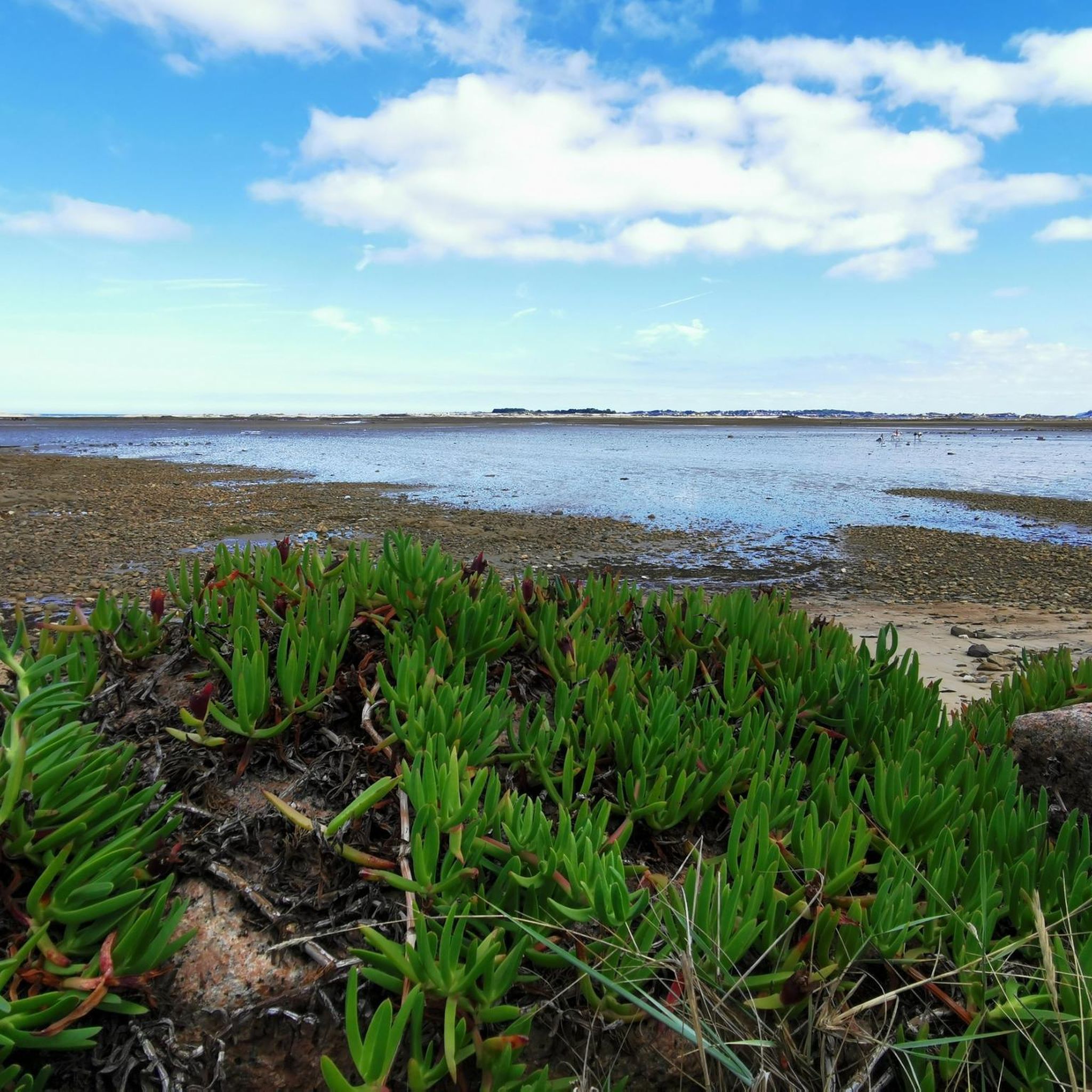
Cycling in Réserve Naturelle Du Sillon De Talbert
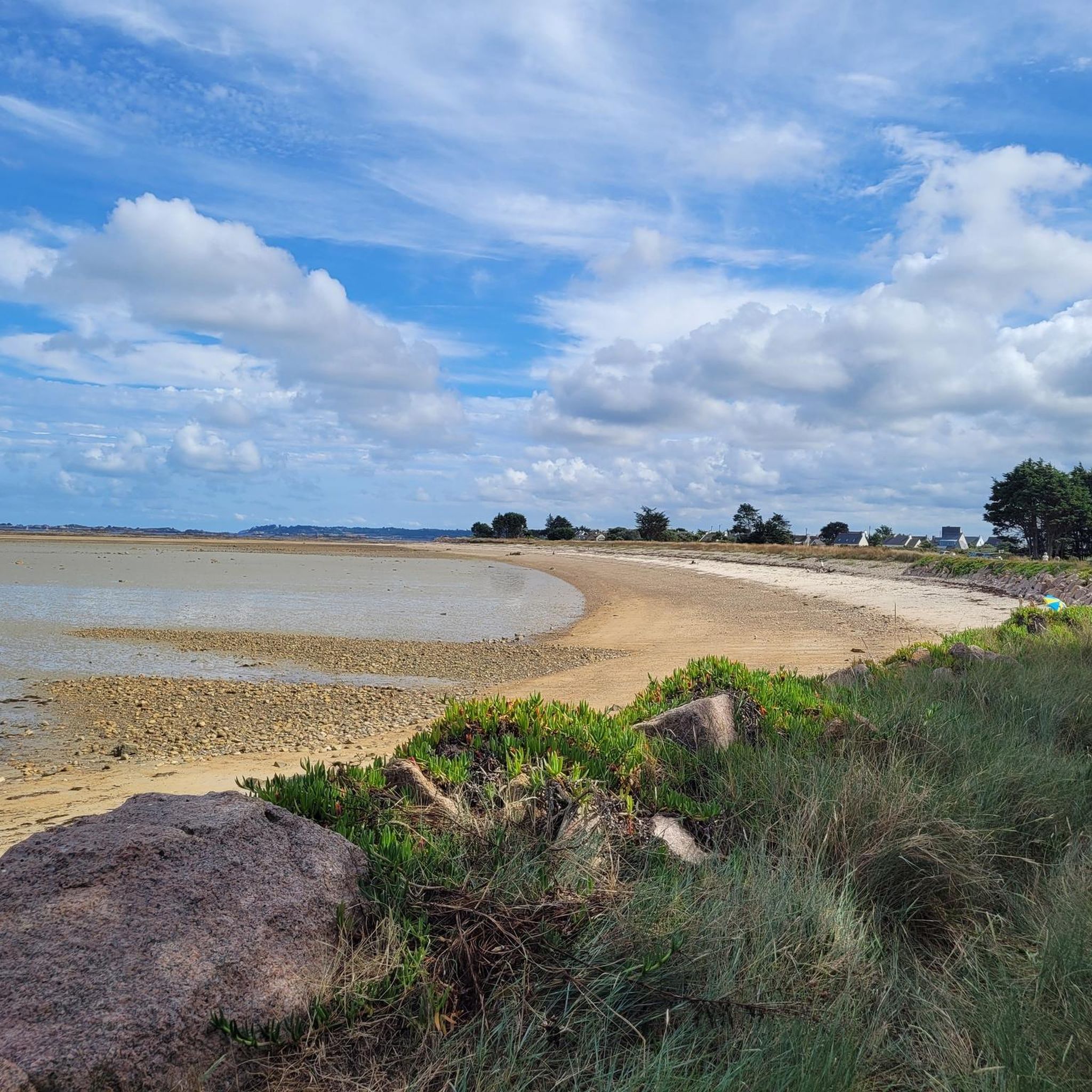
Running Trails in Réserve Naturelle Du Sillon De Talbert
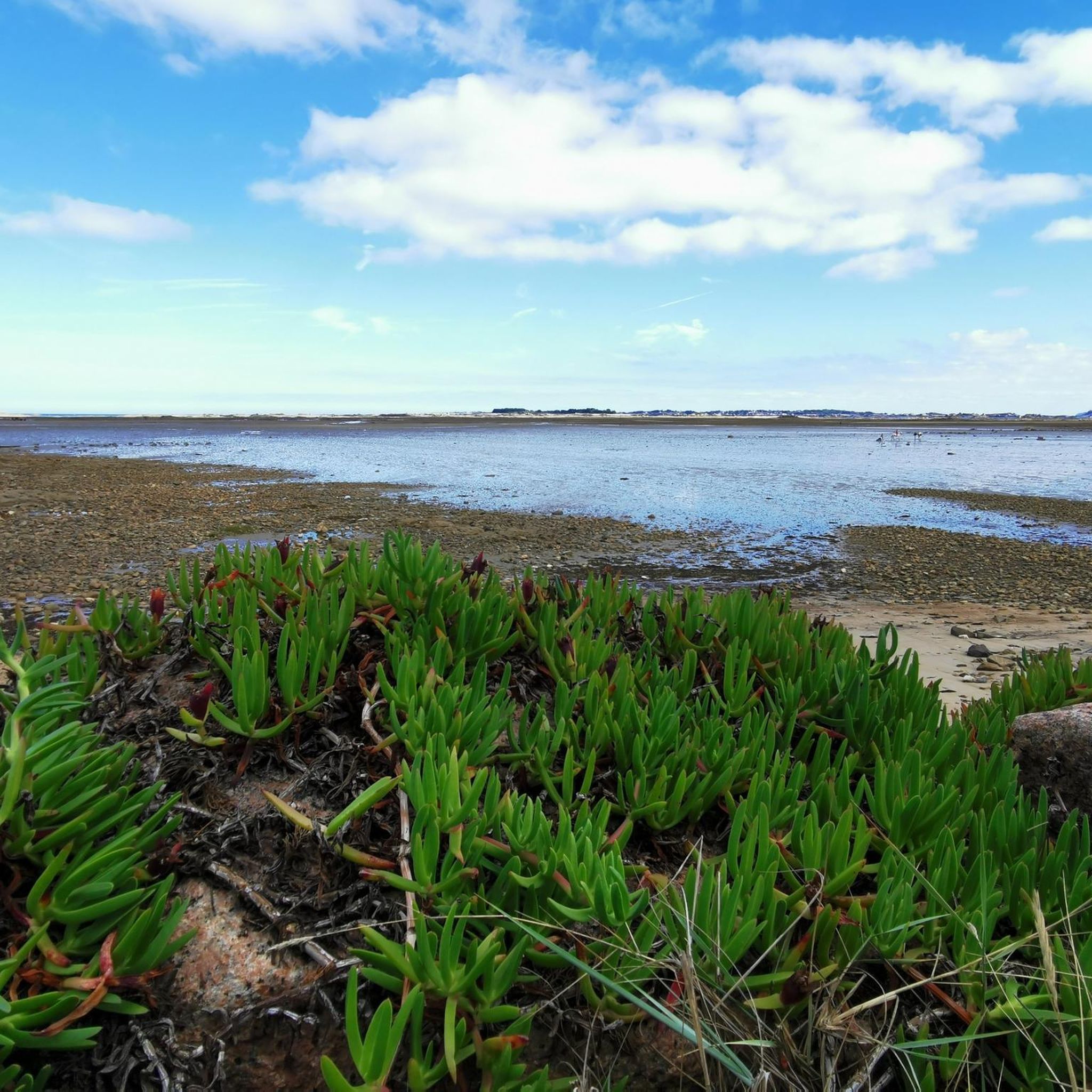
MTB Trails in Réserve Naturelle Du Sillon De Talbert
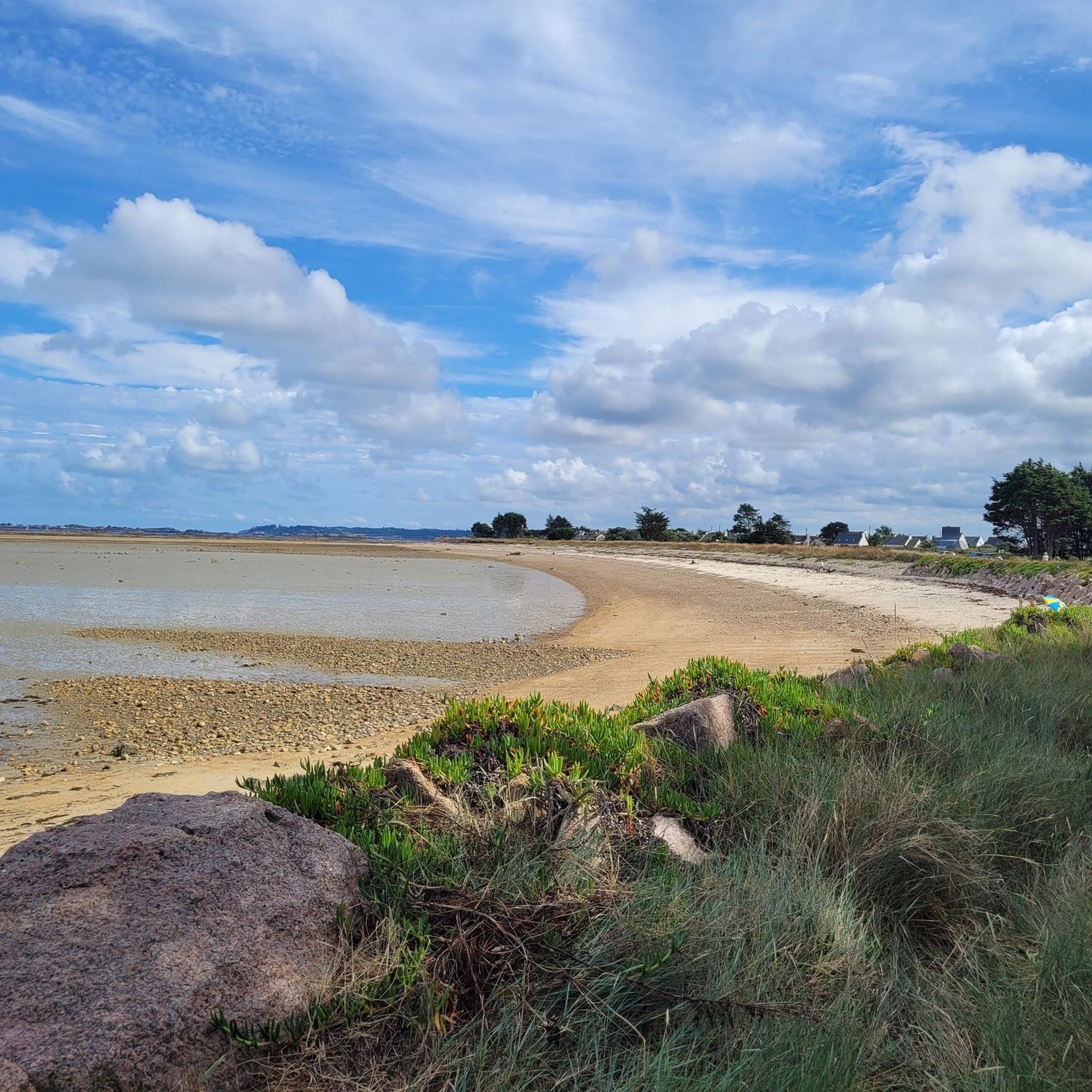
Road Cycling Routes in Réserve Naturelle Du Sillon De Talbert
Other adventures in Réserve Naturelle Du Sillon De Talbert

Tips from the Community

Hike on the wild coast with beautiful views of the Bréhat archipelago
0
0

A coastal strip of sand and pebbles extending 3.2 km into the sea, the Sillon is a geomorphological curiosity unique in Europe due to its size. (cotesdarmor.com) It is forbidden to cycle on the Sillon.
0
0

At the beginning of the Sillon you will see a timetable advising you of the return times to ensure you can pass the breech before the tide comes in.
1
0
Another vantage point for taking in the coastal views. Interesting both at high tide and low tide where a pair of binoculars are useful for watching the birdlife.
0
0
Worth ignoring the shortcut on the coastal path and walking around this point for the views it offers.
0
0

Site of the Conservatoire du Littoral classified as a regional reserve. A coastal strip of sand and pebbles extending into the sea for 3.2 km, the Sillon is a unique geomorphological curiosity in Europe due to its size. Of great ecological wealth thanks to its extraordinary flora and fauna, the Sillon is an important place for the nesting of species of seaside birds (plovers), the migration and wintering of numerous shorebirds, which makes it a major spot for ornithology in the Côtes d'Armor. Formerly connected to the islets of Olonne, constantly in motion, the furrow evolves according to the flow and the resource of sand and pebbles. Like a mineral tongue at the free end. Due to the presence of a gap in the Sillon de Talbert, 500m from its start, it is advisable to discover the site two hours after high tide and to return to the coast at low tide. Source: https://www.cotesdarmor.com/fr/fiche/patrimoine-naturel/sillon-de-talbert-pleubian_TFOPNABRE0220LPQ5C2/
1
0

The Talbert furrow is a sandy and pebble tongue that juts out into the sea and stretches for more than 3.2 kilometers. The furrow is protected as a natural site by the Conservatoire du littoral.
2
0

Nature reserve with a headland, suitable for bird watching. Unfortunately only accessible.
0
0
Frequently Asked Questions
What makes the Sillon de Talbert a unique natural site?
The Sillon de Talbert is a remarkable 3.2-kilometer-long spit of sand and pebbles extending into the sea, considered a unique geological formation in Europe due to its size and constant evolution with tides. It's often described as a 'mineral tongue' and provides protection to the waters of Île de Bréhat. This site is protected as a regional natural reserve, safeguarding its extraordinary flora and fauna.
What kind of wildlife can I observe in the Réserve Naturelle Du Sillon De Talbert?
The reserve is a crucial site for marine nesting birds like plovers and turnstones, and a significant stopover for numerous migratory and wintering birds, including geese and sandpipers. You can also spot terns, gulls, and cormorants. Mammals such as rabbits, ermines, and seals are present. At low tide, extensive mudflats and rocky reefs provide feeding grounds for many bird species.
Are there specific viewpoints to enjoy the coastal scenery?
Yes, several spots offer excellent perspectives. The Sillon de Talbert viewpoint provides panoramic views of the unique geological formation. You can also visit Pen Vir Viewpoint and Mer Melen for stunning coastal vistas, with binoculars recommended at Mer Melen for birdwatching.
What are the best times to visit the Sillon de Talbert, considering the tides?
The Sillon de Talbert is best explored at low tide. Due to a breach in the Sillon, it's advisable to start your visit two hours after high tide and return to the coast before the next high tide. Warning signs are posted to indicate safe visiting times, as the Sillon can become submerged, trapping visitors. Always check local tide tables before planning your walk.
Are there hiking or walking trails available in the reserve?
Absolutely. A nature trail runs along the ridge of the Sillon de Talbert, offering an opportunity to explore its unique ecosystem and enjoy breathtaking panoramic views. You can find various hiking options, including loops around the Sillon, on our dedicated Hiking in Réserve Naturelle Du Sillon De Talbert guide.
What other outdoor activities can I do near the attractions?
Beyond hiking, the area offers excellent opportunities for other outdoor sports. You can find various running trails, including the 'Sillon de Talbert – Pors Rand Beach loop', detailed in our Running Trails in Réserve Naturelle Du Sillon De Talbert guide. Road cycling is also popular, with routes like 'Quinic Promenade, Paimpol loop' available in our Road Cycling Routes in Réserve Naturelle Du Sillon De Talbert guide.
Is the Réserve Naturelle Du Sillon De Talbert suitable for families?
Yes, the reserve is generally family-friendly, especially for walks along the Sillon at low tide. The unique natural environment provides an educational experience for children to learn about geology, coastal flora, and birdlife. The Pen Vir Viewpoint is also noted as family-friendly. Remember to always check tide times for safety.
What historical or cultural aspects are associated with the Sillon de Talbert?
While primarily a natural site, the Sillon de Talbert has a rich history of seaweed harvesting, which was a significant activity for over ten centuries. Farmers would dry seaweed on the beach and dehydrate it in furnaces on the ridge. Although less common now, observing this tradition's modern continuation with tractors collecting seaweed can still be a unique cultural insight.
Are there guided tours available to learn more about the reserve?
Yes, guided tours are often available, led by coastguards or local guides. These tours offer deeper insights into the geology, diverse flora (including over 100 protected plant species like samphire and sea lavender), and rich fauna of this exceptional natural site. The Maison du Sillon often serves as a starting point for visitors and organizes these outings.
What kind of flora can be found in the reserve?
The reserve is home to over 100 protected plant species uniquely adapted to the harsh coastal conditions. You can find halophilic plants like samphire (salicorne) and sea lavender, as well as blue thistle, sea kale, and Ray's knotweed. This specialized flora contributes significantly to the site's ecological richness and beauty.
What should I know about the terrain and difficulty of walking the Sillon de Talbert?
The Sillon de Talbert is a spit of sand and pebbles, making for a unique walking surface. While generally considered an easy walk, the terrain can be uneven due to the pebbles. The main challenge is timing your visit with the tides, as parts of the Sillon can become impassable. Always wear appropriate footwear and consult tide schedules.
Where can I park when visiting the Réserve Naturelle Du Sillon De Talbert?
Parking is available near the entrance to the reserve. There is often bicycle parking at the Maison du Sillon, which serves as a visitor information point. Specific parking areas are usually signposted as you approach the site.
Most popular routes in Réserve Naturelle Du Sillon De Talbert

Get inspired with the komoot mobile app


Explore more
Still not found the Highlight you’re looking for? See guides of the top attractions in other regions:
