The best MTB trails in Las Médulas
4.2
(21)
217
riders
19
rides
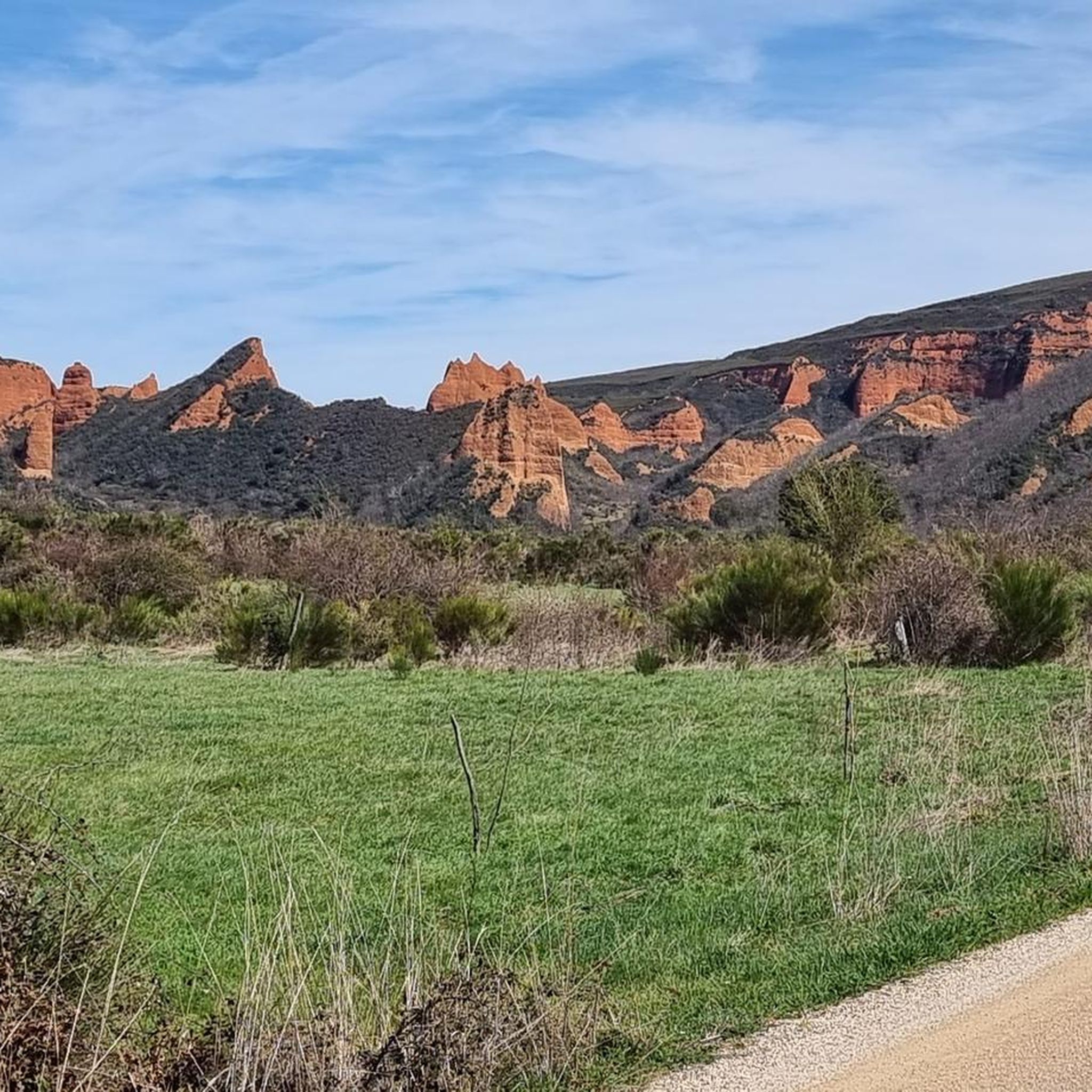
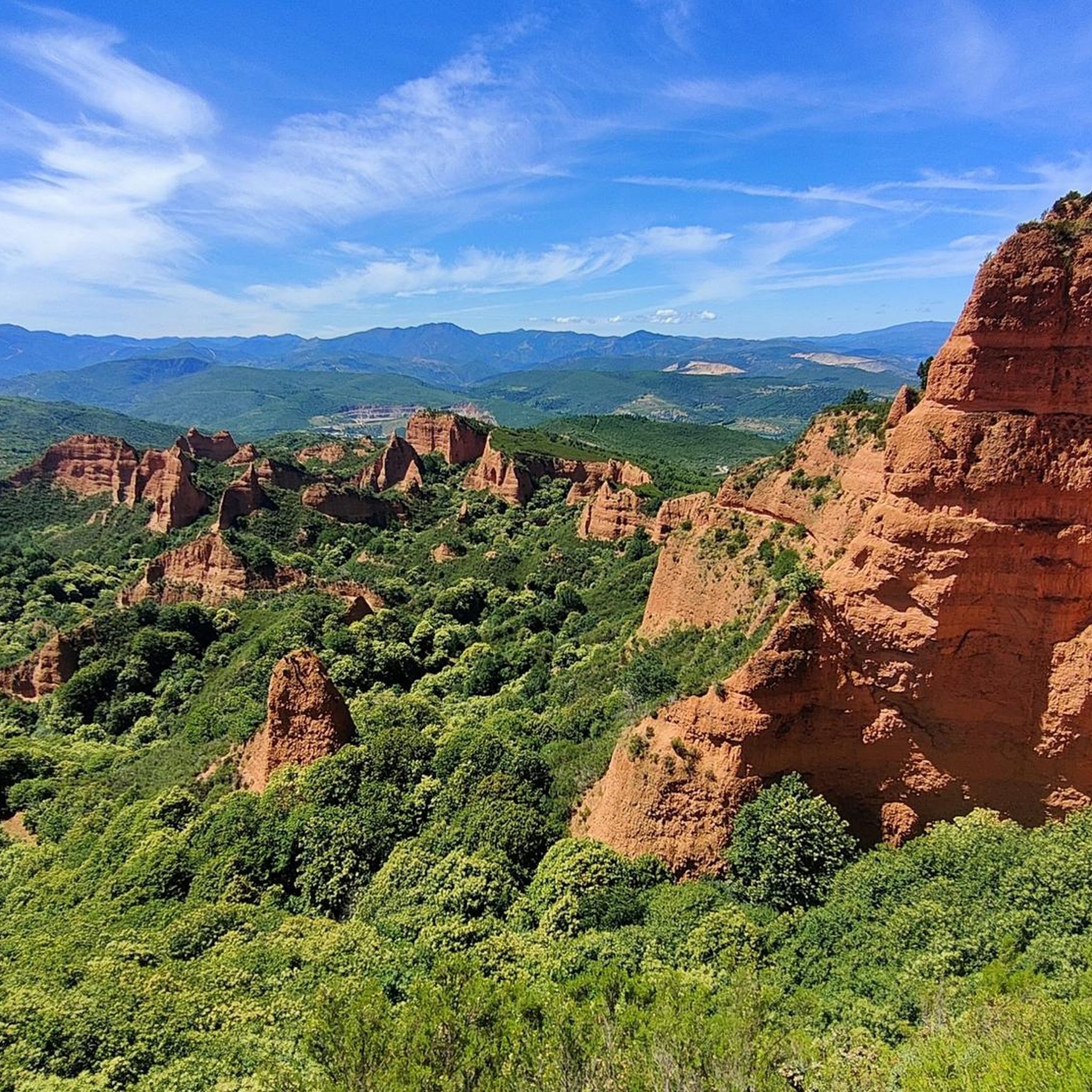
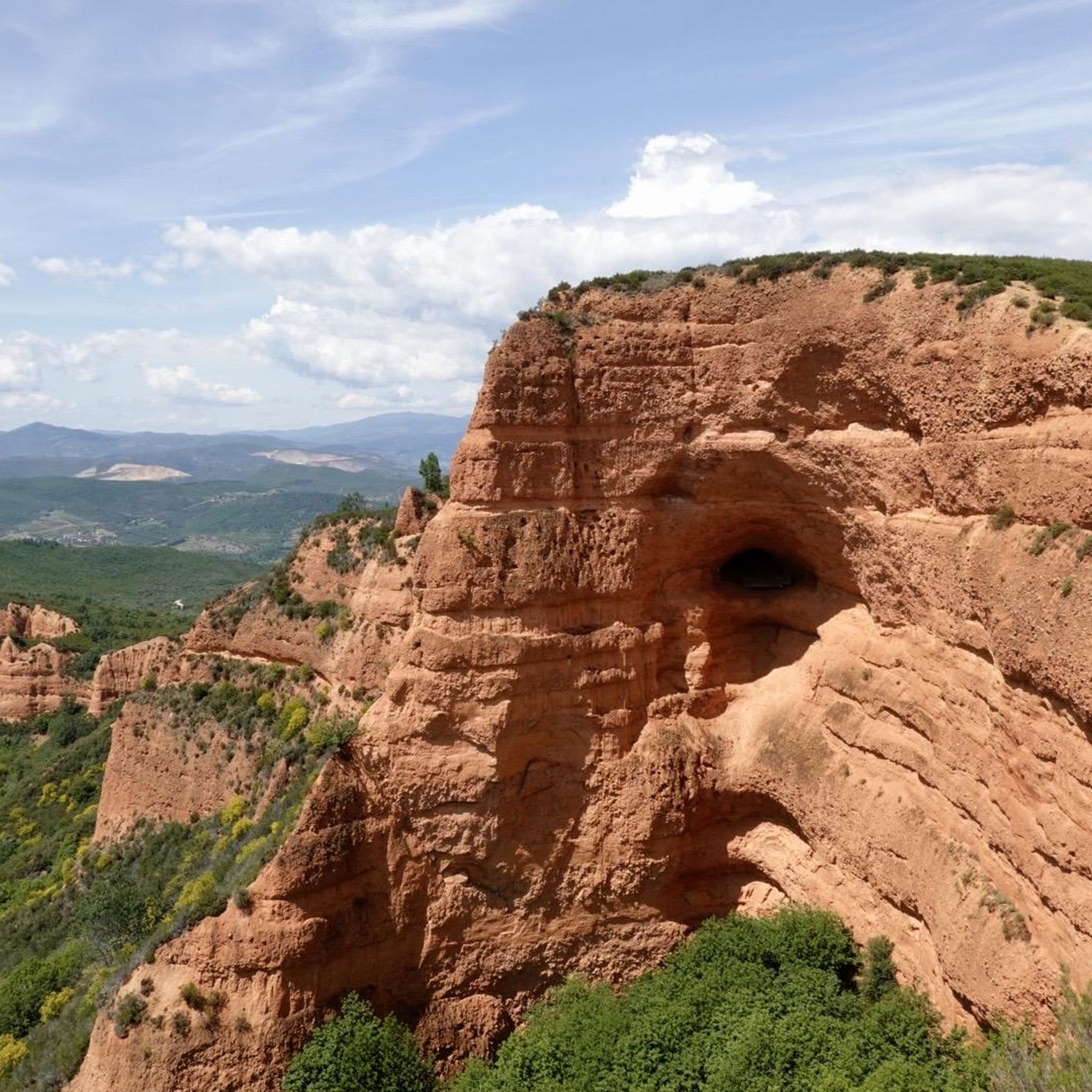
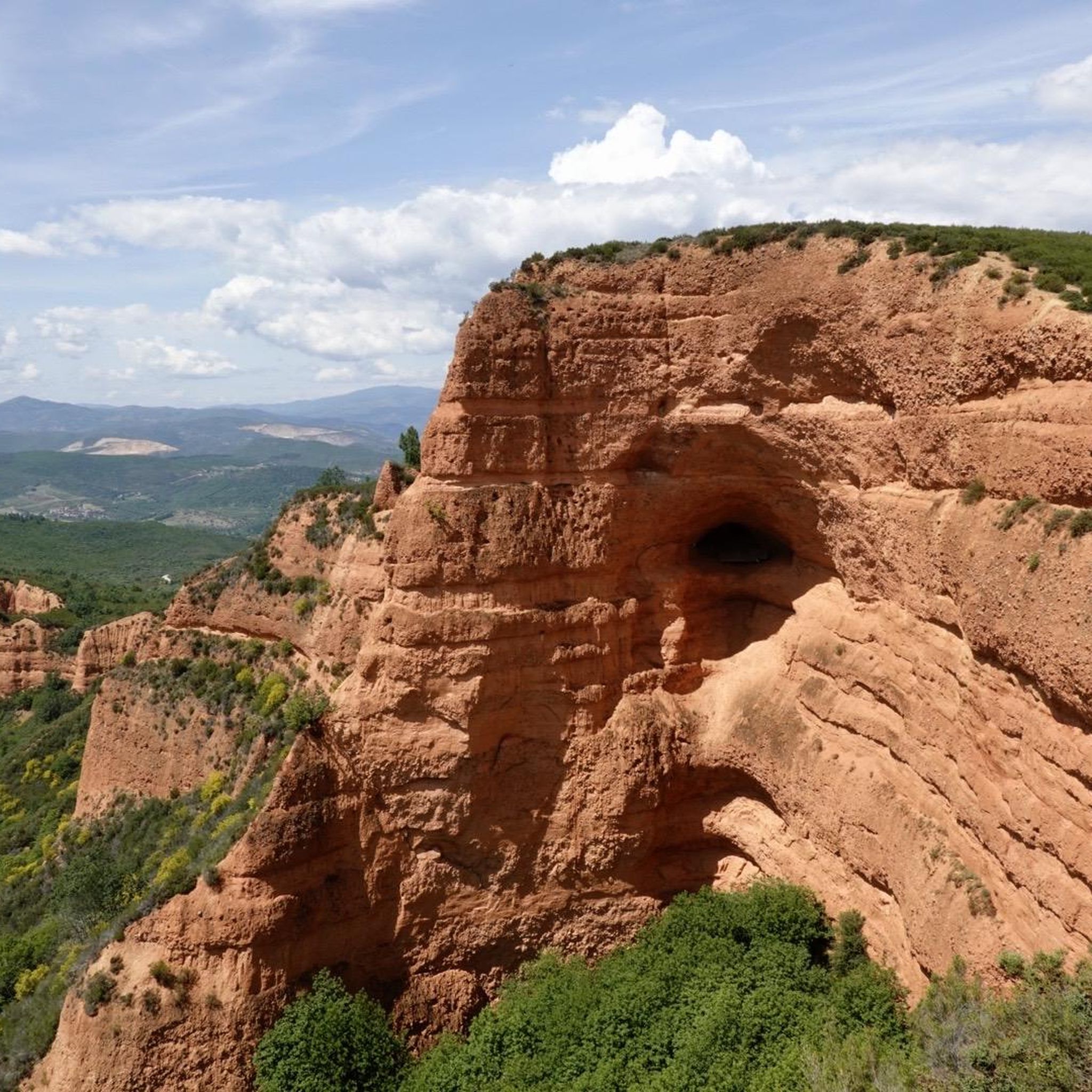
Mountain bike trails in Las Médulas traverse a distinctive landscape shaped by ancient Roman gold mining, featuring dramatic reddish clay formations and serrated peaks. This UNESCO World Heritage site combines historical mining remnants with natural reforestation, including ancient oak and chestnut forests. The terrain offers a network of routes winding through these unique geological features and lush woodlands.
Best mountain bike trails in Las Médulas
- The most popular mountain bike trail is Las Médulas Grand Loop, a 34.0 miles…
Last updated: June 24, 2026
54.7km
05:31
1,560m
1,560m
A challenging 34-mile mountain biking route through Las Médulas, featuring Roman gold mines, Lake Carucedo, and historic castles.
4.8
(5)
30
riders
24.6km
02:31
640m
640m
Moderate mountain bike ride. Good fitness required. Suitable for all skill levels.

Sign up for free
3
riders
21.6km
02:23
680m
680m
Moderate mountain bike ride. Good fitness required. Suitable for all skill levels.
4.8
(4)
59
riders
82.4km
06:42
1,430m
1,430m
Hard mountain bike ride. Very good fitness required. Advanced riding skills necessary. Some portions of the route may require you to push your bike.
6
riders
55.5km
05:18
1,530m
1,530m
Hard mountain bike ride. Very good fitness required. Advanced riding skills necessary.
Get access to more routes and recommendations from other explorers.
Sign up for free
Already have an account?
Our route recommendations are based on thousands of hikes, rides, and runs completed by other people on komoot.
Start today with a free account
Your next adventure awaits.
Login or Signup
Tips from the Community

Mountainous area found climbing towards Puerto de Foncebadón at an altitude of 1504 metres
1
0

The Mirador de Orellán is a spectacular observation point located in the town of Orellán, in the municipality of Borrenes, León. This viewpoint offers stunning panoramic views of the cultural landscape of Las Médulas, an ancient Roman gold mining complex declared a World Heritage Site by UNESCO. Near the viewpoint, you can visit the underground galleries that were part of the Roman gold mining system. Entry costs €3 and a helmet with headlamp is provided for the visit.
7
0
It is also known as Cruz de Fierro (Iron Cross). A mountain landmark (1504 m) that stands on the French Way in the mountains of León as it passes through the province of the same name, corresponding to the autonomous community of Castilla y León. 230 km from Santiago. It is one of the best-known and most symbolic places of all the Jacobean routes, and perhaps for this reason the most mythologised and exciting, with the Monte do Gozo de Santiago, the first place from which pilgrims on the French Way observe the city of Santiago.
8
0

The "iron cross" here on Monte Irago, which is legendary for many pilgrims on the Camino Frances to Santiago de Compostela to the grave of the Apostle James the Greater, has since been replaced by a copy at the original location. The cross, which appears comparatively small due to its enormous height, stands out from a constantly growing pile of stones at the top of a very long tree trunk. Many pilgrims take a stone with them on the Way of St. James and lay it here. This stone symbolizes the burdens and needs of the pilgrims (or their family members and friends at home), who in this way symbolically cast off their worries at this point with the stone, and can thus move on free of them.
2
0

At the end of the 11th century, Osmundo, Bishop of Astorga, ordered the construction of a bridge (partly made of iron = pons ferrata) over the Sil for the pilgrims on the Way of St. James, near which a settlement was built. At the "pons ferrata", the iron bridge, the Knights Templar built a huge castle on a surface area of 160 x 90 m to protect the pilgrims on the Way of St. James. The medieval castle complex was inhabited by the Knights Templar from 1178 to 1312. Source: Wikipedia
5
0

The Templars' heyday from the 12th to 14th centuries led to the construction of this mighty fortress, among other things to protect the pilgrims on the Way of St. James. The rampart on the city hill stands out impressively against the mountain backdrop and absolutely conforms to the stereotypical image of a knight's castle. It is sensationally well maintained and a feast for the eyes.
6
0
The order, often referred to simply as the "Order of the Knights Templar," whose full name is "Poor Knights of Christ and of Solomon's Temple in Jerusalem," takes us mentally back to the 13th century. Founded in the Holy Land, it spread surprisingly quickly to many countries in Central Europe, and this castle complex in Ponferrada, northern Spain, was one of its numerous branches. The order gained notoriety through its dissolution in 1312 by the French king and the pope, and many of its members were burned at the stake as alleged heretics. The main reason for the dissolution, however, was not the members' human and religious misconduct (heresy), which was merely a pretext, but the legendary wealth of this order. King Philip IV of France primarily wanted to secure the treasures to bolster his coffers.
6
0
If you decide to explore this route, you will be surrounded by nature and stunning views. Enjoy your hike! 🏞️🚶♂️🥾🚵🌞
1
0
Frequently Asked Questions
How many mountain bike trails are available in Las Médulas?
Las Médulas offers a diverse network of over 20 mountain bike trails. These routes wind through the unique landscape shaped by ancient Roman gold mining, featuring dramatic reddish clay formations and lush forests.
What is the best time of year to go mountain biking in Las Médulas?
The spring and autumn months are generally ideal for mountain biking in Las Médulas. During these seasons, the weather is milder, and the ancient chestnut and oak forests display vibrant colors, enhancing the scenic beauty of the trails. Summer can be hot, while winter might bring cooler temperatures and potentially wet conditions.
Are there mountain bike trails suitable for beginners in Las Médulas?
Yes, while many routes are moderate to difficult, there are options for beginners. The 'Perimeter Trail' is noted for its low difficulty and can be covered by mountain bike. Additionally, the 'Valiñas Trail' starting from the village of Las Médulas offers a gentle descent through chestnut groves, with much of it asphalted and restricted to traffic, making it suitable for a more relaxed ride.
What kind of terrain can I expect on the mountain bike trails in Las Médulas?
The terrain in Las Médulas is unique, characterized by reddish clay formations, serrated peaks, and ancient Roman mining remnants. Trails often pass through dense chestnut and oak forests, alongside lakes and lagoons, and over parts of the Roman hydraulic network. You'll encounter a mix of natural paths and some asphalted sections, offering varied riding experiences.
What are some notable viewpoints or landmarks I can see while mountain biking?
Mountain biking in Las Médulas offers access to several stunning viewpoints and historical landmarks. You can ride past the dramatic reddish clay formations, explore the Orellán Galleries, or visit the Las Médulas Roman Gold Mines. Other panoramic spots include Mirador de Orellán, Mirador de Las Pedrices, and Mirador de Reirigo, offering breathtaking vistas of the unique landscape.
Are there any family-friendly mountain bike routes in Las Médulas?
Yes, some sections of the trail network are suitable for families. The 'Perimeter Trail' is known for its low difficulty, and the 'Valiñas Trail' offers a gentle ride through chestnut groves. These routes allow families to enjoy the unique landscape and historical sites together at a comfortable pace.
Are there any circular mountain bike routes in Las Médulas?
Yes, many of the mountain bike routes in Las Médulas are designed as loops, allowing you to start and end in the same location. For example, the Las Médulas – Orellán Galleries loop from Carucedo and the Orellán Galleries – Laguna Larga loop from Quereño are popular circular options that showcase the region's natural beauty and historical sites.
What do other mountain bikers enjoy most about the trails in Las Médulas?
The area is highly rated by the komoot community, with an average score of 4.6 stars. Reviewers often praise the unique 'lunar' landscape, the blend of historical Roman mining sites with lush natural reforestation, and the diverse network of trails that cater to various skill levels. The scenic beauty, especially the reddish clay formations and ancient forests, is frequently highlighted.
Where can I find parking for mountain biking in Las Médulas?
Parking is generally available in and around the main villages and visitor centers within the Las Médulas area, such as Carucedo or the village of Las Médulas itself. These locations often serve as convenient starting points for many of the mountain bike trails.
Are there any long-distance or challenging mountain bike trails for experienced riders?
Absolutely. Experienced riders looking for a challenge can tackle routes like the Las Médulas Grand Loop, a difficult 34-mile trail that passes Roman gold mines, Lake Carucedo, and historic castles. Another challenging option is the Church of San Miguel de Biobra loop from Quereño, which covers over 30 miles with significant elevation changes.
Can I find cafes or places to eat near the mountain bike trails?
Yes, the villages within and around Las Médulas, such as Las Médulas village and Carucedo, offer amenities including cafes and restaurants where you can refuel after your ride. These spots provide opportunities to experience local cuisine and relax amidst the stunning scenery.
What kind of natural features will I encounter on the trails?
You'll encounter a remarkable blend of natural and man-made features. The most striking are the reddish clay formations and serrated peaks, a result of ancient Roman gold mining. These are interspersed with ancient chestnut and oak forests. You'll also find several lakes and lagoons, such as Lake Carucedo and Laguna Larga, which add to the area's biodiversity and scenic beauty.
Most popular routes in Las Médulas
Most popular attractions in Las Médulas

Get inspired with the komoot mobile app


Explore more
Browse the best MTB trails in other regions.
