The best cycling routes in Espacio Natural De Las Quilamas
4.6
(13)
307
riders
31
rides
Touring cycling in Espacio Natural De Las Quilamas traverses a solitary and complex mountainous landscape within the Sierra de Francia. The region features deep valleys, steep mountains, and rivers like the Quilamas and Palla, which carve through the terrain. Elevations range significantly, with Pico Cervero reaching 1,465 meters. The area is characterized by extensive highlands and a Mediterranean forest, acting as a bridge between dehesas and other natural parks, offering diverse vegetation for cyclists.
Best touring cycling routes in Espacio…
Last updated: October 14, 2026
4
riders
24.5km
01:49
600m
610m
Hard bike ride. Very good fitness required. Mostly paved surfaces. Suitable for all skill levels.
5
riders
41.8km
02:55
700m
700m
Hard bike ride. Very good fitness required. Mostly paved surfaces. Suitable for all skill levels.

5
riders
Hard bike ride. Very good fitness required. You may need to push your bike for some segments of this route.
4.0
(1)
41
riders
Hard bike ride. Very good fitness required. Mostly paved surfaces. Suitable for all skill levels.
6
riders
29.9km
02:10
650m
650m
Hard bike ride. Very good fitness required. Mostly paved surfaces. Suitable for all skill levels.
Get access to more routes and recommendations from other explorers.
Already have an account?
Our route recommendations are based on thousands of hikes, rides, and runs completed by other people on komoot.
Start today with a free account
Your next adventure awaits.
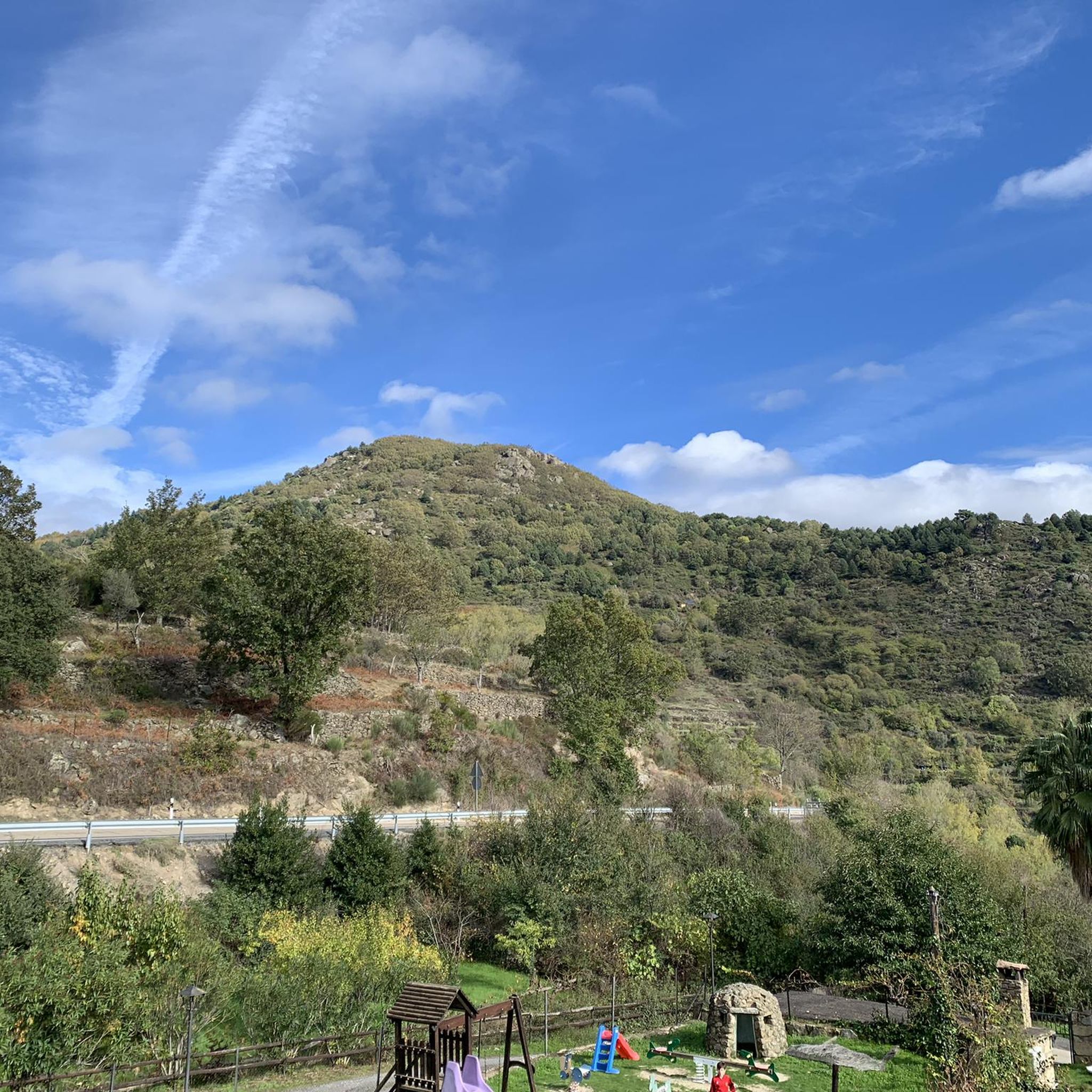
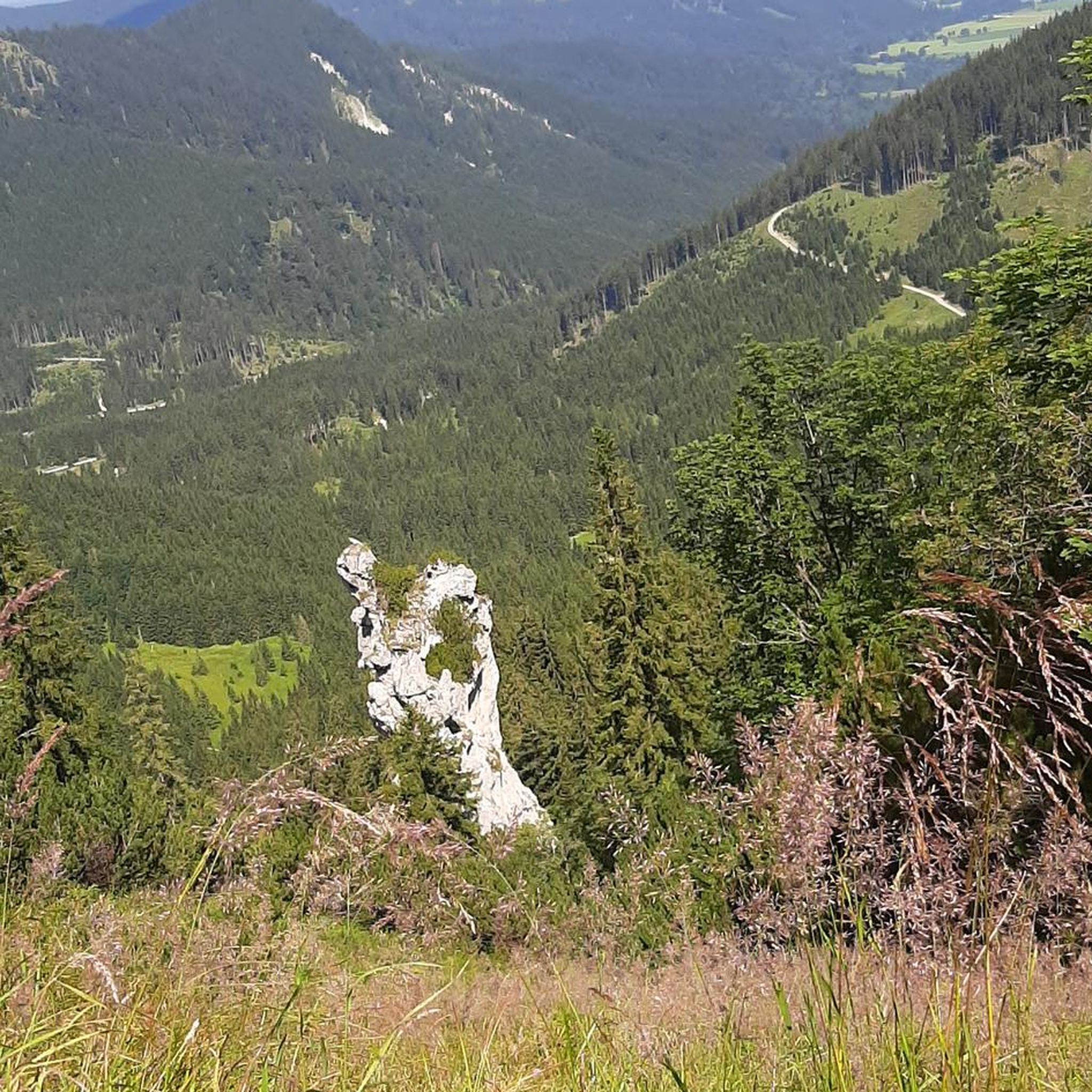
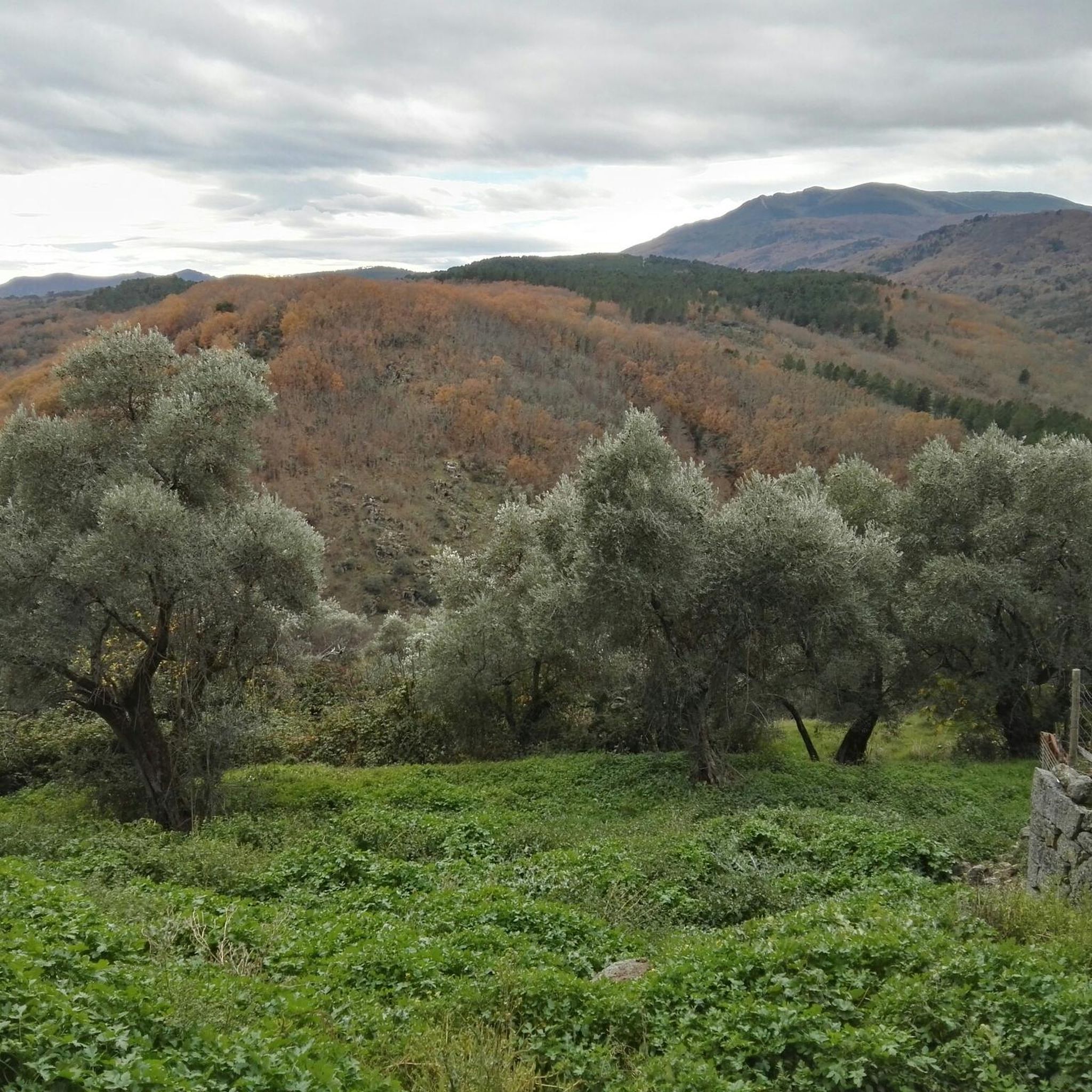
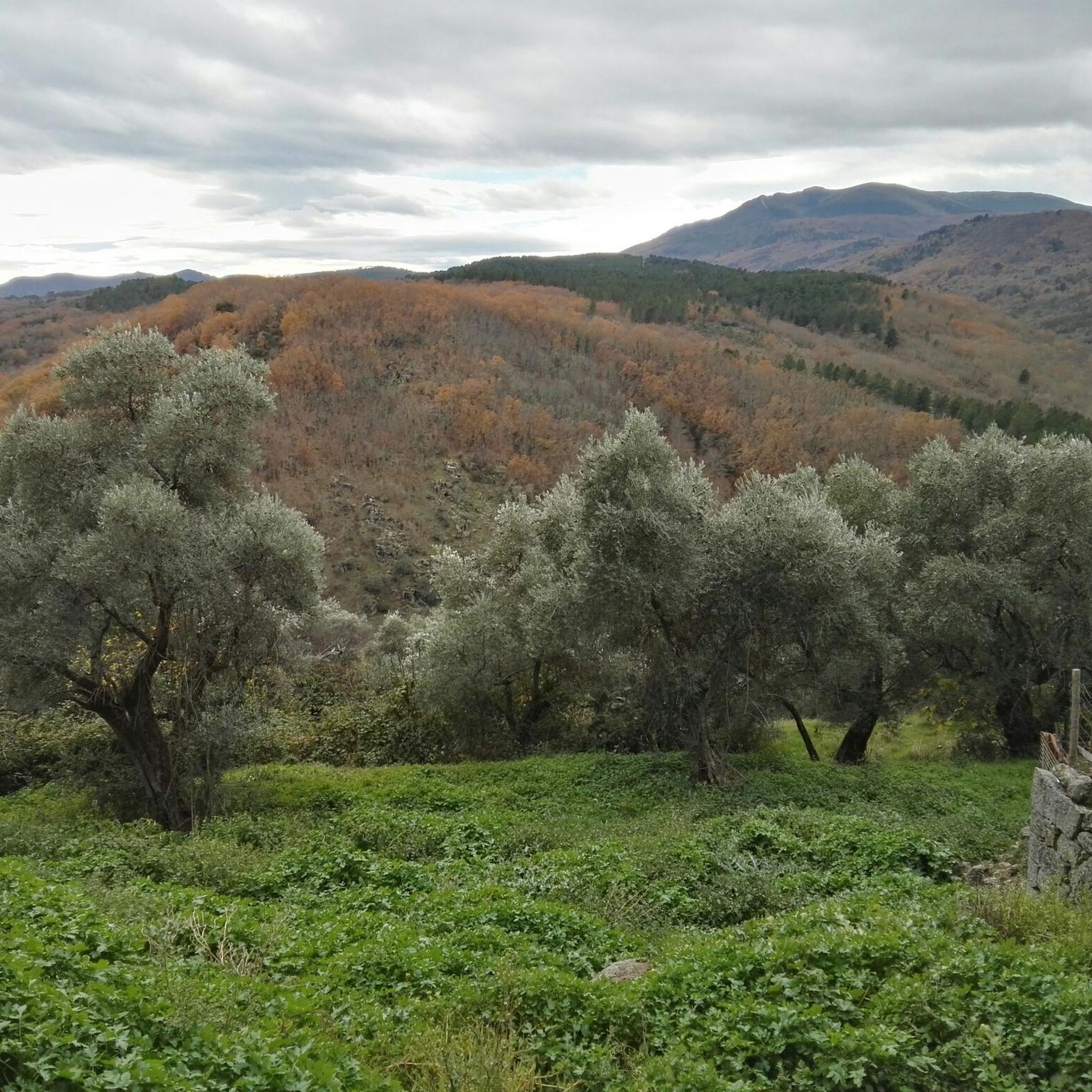
Tips from the Community

At the village's social meeting point, the Plaza Mayor with its arcades, stands a beautiful granite pilgrim's cross.
11
0
Beautiful top with views and a restaurant run by modern monks.
9
0
Beautiful view here, now the last stretch to the top with 200 altitude meters to go.
0
0

Beautiful view at an altitude of 1735 meters
0
0
Really such a top that stands out with over 1700 meters, offering a beautiful view all around.
13
0

On the SA-205 highway, just outside San Esteban de la Sierra heading towards Santibáñez de la Sierra, you'll find the entrance to the Sierra Viewpoints Route, which includes several spectacular panoramic viewpoints. Views: The Alagón River Valley and its meanders. The Sierra de Francia mountain range with the Peña de Francia peak in the background. The Sierra de Béjar mountain range and the Las Quilamas Natural Area. This viewpoint is a magnificent natural balcony, perfect for photography and birdwatching (vultures, eagles, black storks).
2
0
What to see in Mogarraz The Faces of Mogarraz More than 800 portraits painted on the facades, the work of artist Florencio Maíllo, who transformed the village into an open-air museum. This initiative originated from photos taken in the 1960s for residents' national identity cards. Main Square The central oval-shaped square, surrounded by traditional mountain houses with timber framing and stone walls. Church of Our Lady of the Snows A Renaissance-style church, built between the 16th and 17th centuries. Bell Tower An old defensive tower, separate from the church, used as a watchtower in the Middle Ages. Ethnographic Museum – House of Crafts Exhibits traditional crafts such as embroidery, shoemaking, and goldsmithing.
2
0
Founded during the 12th-century repopulation of León by Alfonso IX, within the district of Miranda del Castañar. Declared a Historic-Artistic Site in 1998 and a member of the network of the Most Beautiful Villages of Spain. Its mountain architecture combines stone, wood, and adobe, with flower-adorned balconies and heraldic details.
2
0
Frequently Asked Questions
How many touring cycling routes are available in Espacio Natural De Las Quilamas?
Espacio Natural De Las Quilamas offers a diverse network of over 25 touring cycling routes. These routes cater to various skill levels, with a focus on challenging mountain trails and paths through traditional villages.
What is the general difficulty level of touring cycling routes in this region?
The majority of touring cycling routes in Espacio Natural De Las Quilamas are classified as difficult, with 20 challenging options. There are also 6 moderate routes available, but no easy routes, indicating the terrain is generally rugged and best suited for experienced cyclists.
Are there any circular touring cycling routes in Espacio Natural De Las Quilamas?
Yes, many routes in the region are designed as loops. For example, the challenging Valero Loop from San Esteban de la Sierra and the San Miguel de Valero – Granite Theme Park loop from Linares de Riofrío are popular circular options that allow you to start and finish in the same location.
What natural features and landscapes can I expect to see while cycling?
You'll traverse a solitary and complex mountainous landscape characterized by deep valleys, steep mountains, and rivers like the Quilamas and Palla. The region boasts a rich Mediterranean forest with Pyrenean oaks, cork oaks, holm oaks, and arbutus, creating a 'mosaic of colors' especially in areas like 'La Honfría'. You can also expect immense panoramic views from higher elevations.
Are there any notable viewpoints along the touring cycling routes?
Yes, the mountainous terrain offers numerous opportunities for stunning views. One significant highlight is the San Esteban Viewpoint and Sierra de Béjar, which provides expansive vistas of the surrounding landscape. Ascents to peaks like Cervero Peak also offer intense environmental contrasts and panoramic views.
What kind of wildlife might I encounter while cycling in Espacio Natural De Las Quilamas?
Espacio Natural De Las Quilamas is a haven for wildlife. You might spot one of Castilla y León's largest black vulture colonies, as well as black storks, peregrine falcons, Egyptian vultures, and golden eagles. Mammals such as otters, wildcats, genets, badgers, wild boars, foxes, and rabbits also inhabit the area.
Are there any cultural or historical points of interest along the routes?
The region is dotted with small villages that reflect ancient settlement patterns and traditional ways of life. You may also encounter ancient stone paving, suggestive of medieval paths. The Cilleros de la Bastida and San Miguel de Valero settlements are examples of such cultural points.
What do other cyclists enjoy most about touring cycling in Espacio Natural De Las Quilamas?
The area is highly rated by the komoot community, with an average score of 4.75 stars from over 10 reviews. Cyclists often praise the challenging mountain ascents, the diverse Mediterranean forests, and the immense panoramic views. The blend of natural beauty and physical challenge is a recurring highlight.
Is Espacio Natural De Las Quilamas suitable for family cycling trips?
Given that the majority of routes are classified as difficult and there are no easy routes, Espacio Natural De Las Quilamas is generally more suited for experienced cyclists. Families with younger children or those seeking very gentle rides might find the terrain too challenging.
What is the best season for touring cycling in Espacio Natural De Las Quilamas?
The diverse vegetation, including Pyrenean oaks and mixed forests, suggests pleasant conditions during spring and autumn when temperatures are milder and the 'mosaic of colors' is at its peak. Summers can be hot, and winters might bring colder temperatures to the mountainous terrain, making spring and autumn ideal for comfortable cycling.
Are there places to eat or stay near the cycling routes?
The region is characterized by small villages where inhabitants maintain traditional ways of life. These villages often serve as starting points for routes and may offer local establishments for refreshments or accommodation. It's advisable to plan ahead, especially in more isolated areas.
Is public transport available to access the cycling routes in Espacio Natural De Las Quilamas?
While the region is somewhat isolated, some routes connect to longer trails like the GR-181 and GR-184 within the 'Ruta de los Caminos Históricos de Entresierras'. However, direct public transport options specifically for accessing trailheads with bikes might be limited. It's recommended to check local transport schedules or consider driving to starting points like San Esteban de la Sierra or Linares de Riofrío.
Are dogs allowed on the touring cycling routes?
While the region is rich in wildlife, specific regulations regarding dogs on touring cycling routes are not detailed. It's generally recommended to keep dogs on a leash to protect the local fauna, especially given the presence of black vulture colonies and other sensitive species. Always check local signage for any specific restrictions.
Most popular routes in Espacio Natural De Las Quilamas
Most popular attractions in Espacio Natural De Las Quilamas

Get inspired with the komoot mobile app


Explore more
Browse the best Cycling routes in other regions.
