The best walks and hikes in Reserva Natural De Las Lagunas De Villafáfila
3.8
(12)
58
hikers
17
hikes
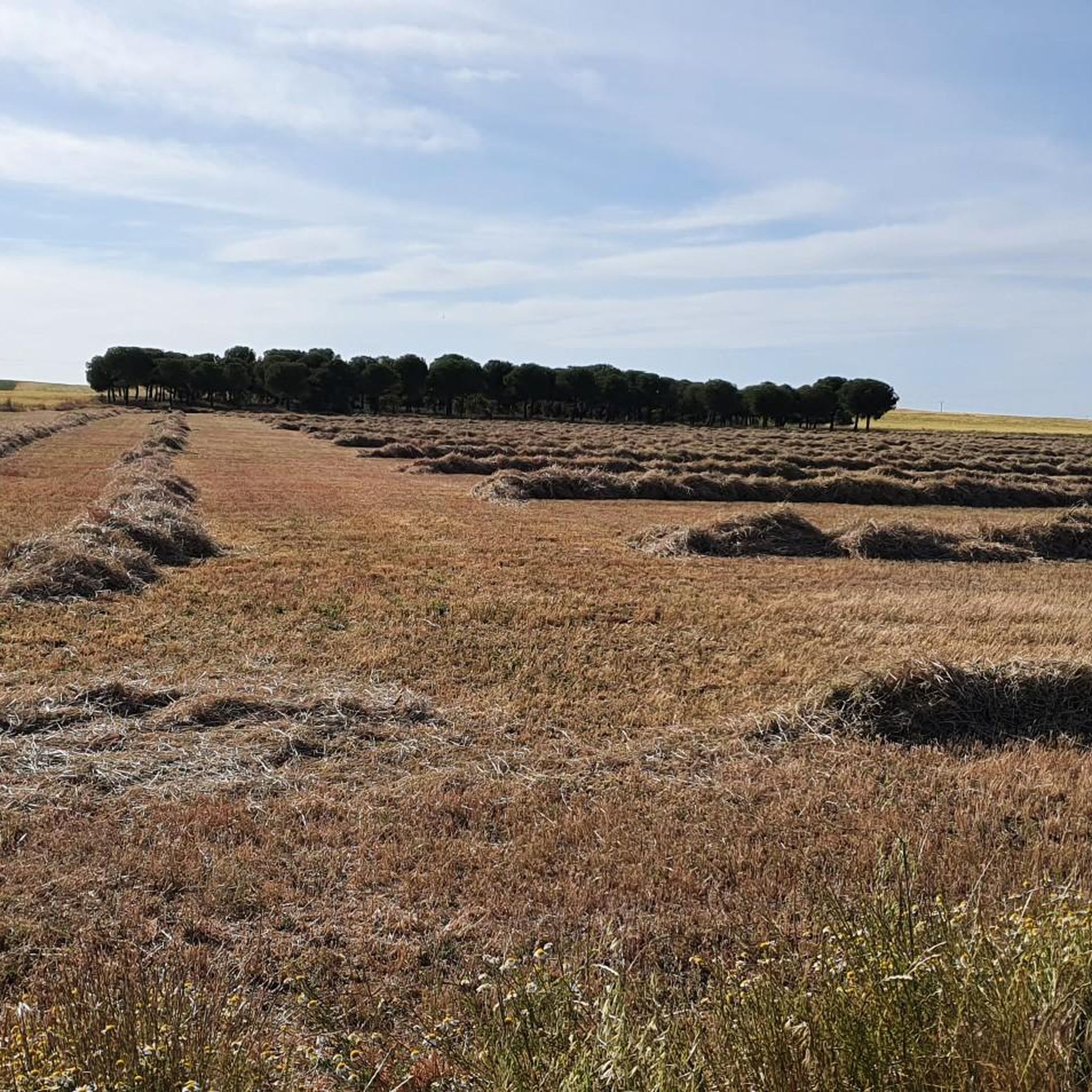
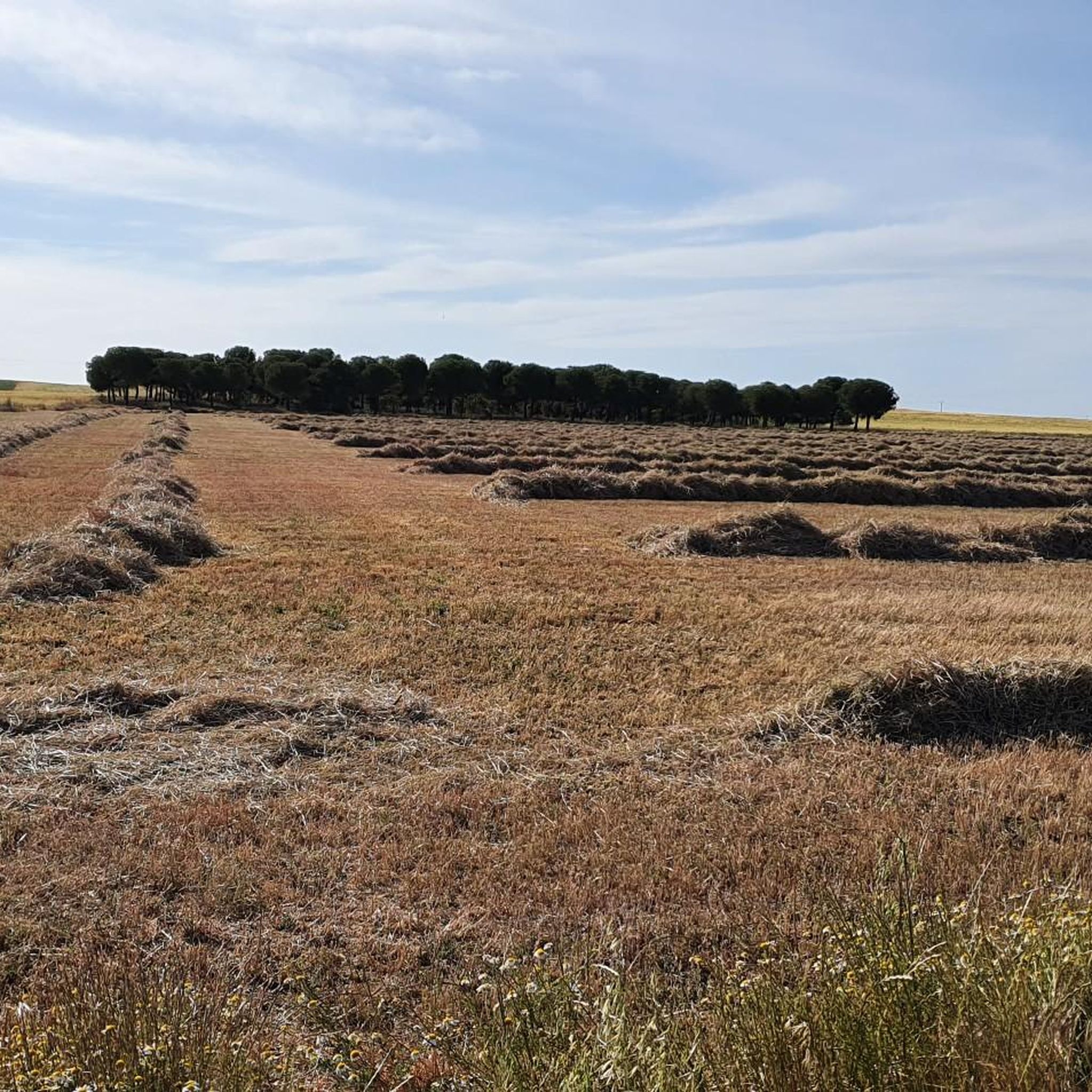
Hiking in Reserva Natural De Las Lagunas De Villafáfila offers routes through a unique landscape of vast cereal steppes and a temporary, saline lake complex. This region in Castilla y León, Spain, is characterized by shallow, fluctuating saline lagoons, including Laguna Grande and Laguna de Barillos. The gentle topography makes it suitable for various outdoor activities. Specialized flora thrives in this environment, which is also a significant habitat for diverse bird species.
Best hiking trails in Reserva Natural De Las…
Last updated: October 22, 2026
4.0
(2)
14
hikers
Moderate hike. Good fitness required. Easily-accessible paths. Suitable for all skill levels.
Moderate hike. Good fitness required. Easily-accessible paths. Suitable for all skill levels.

2.0
(1)
7
hikers
7.83km
01:59
20m
20m
Easy hike. Great for any fitness level. Easily-accessible paths. Suitable for all skill levels.
2.0
(1)
6
hikers
8.03km
02:03
30m
30m
Hike the moderate 5.0-mile Camino Sanabrés and Moreruela Monastery Loop to explore historic ruins and idyllic landscapes near Granja de More
4.0
(1)
1
hikers
21.6km
05:39
170m
170m
Hike the difficult 13.4-mile Camino Sanabrés: Moreruela Monastery Loop, exploring historic ruins and the Esla River valley.
Get access to more routes and recommendations from other explorers.
Already have an account?
Our route recommendations are based on thousands of hikes, rides, and runs completed by other people on komoot.
Start today with a free account
Your next adventure awaits.
Popular around Reserva Natural De Las Lagunas De Villafáfila
Tips from the Community

It is the largest lagoon in the Lagunas de Villafáfila Nature Reserve.
1
0

The Roman Bridge of Villarigo is located east of Villafáfila, near Laguna Salina Grande and Laguna el Puente. This bridge, dating from the High Roman Empire (27 BC - 305 AD), has three arches of unequal size, with the central arch twice the size of the side arches. Although it has been extensively rebuilt, it retains its original structure with strong ashlar voussoirs. The bridge was part of a network of Roman roads that connected various settlements and facilitated crossing the Villafáfila lagoons. Today, the bridge is a point of historical and architectural interest in the region.
3
0
Laguna Salina Grande is located in the Villafáfila Nature Reserve, in the province of Zamora. This lagoon is the largest in the reserve and is an ideal place for birdwatching, especially during winter and spring. In winter, thousands of geese and ducks congregate there, while in spring, a wide variety of waders can be observed. One of the most interesting routes to explore the area is the circular trail that passes by Laguna Salina Grande, the Otero de Sariegos bird observatory, and the Roman bridge in Villafáfila. This route offers an excellent opportunity to enjoy the reserve's wildlife and landscape.
5
0
Otero de Sariegos is an uninhabited village located in the municipality of Villafáfila, in the province of Zamora, Castile and León. This place is known for its natural lagoon, which attracts numerous tourists and birdwatchers due to the diversity of species found there. Historically, Otero de Sariegos has been linked to salt production since prehistoric times. The name "Sariegos" is believed to come from "saliegos," referring to salt producers. During the Middle Ages, salt exploitation reached its peak, and the area was filled with small villages dedicated to this activity. Although currently uninhabited, the site remains of interest for its historical and natural value.
5
0

This monastery complex, where Cistercians once prayed and worked day after day, even as a ruin still provides impressive evidence of the magnificent architecture. This monastic order (the order's Latin name is "Ordo Cisterciensis") takes its name from the French town of Citeaux in Burgundy, where the first monastery was founded in 1098. It is a reform branch of the Benedictines.
3
1
Even if we always use the term “St. James Way” in the singular in the German language, there is no such thing as “one”. Rather, it is a network of many Ways of St. James that runs through several European countries and then concentrates on a few main routes in Spain (the most famous is the "Camino Frances", which leads from the Pyrenees through the north of Spain). However, in order to get from the south of Spain to Santiago de Compostela in Galicia, a different route is required, which JavierCR and DennisKe have already described briefly.
2
0

Leaving Granja de Moreruela you reach an important crossing of the Vía de la Plata: towards the north, Astorga and the Camino Francés; Towards the northwest, Sanabria and Ourense. In which direction are you dreaming?
2
0
Spectacular stone bridge with 9 symmetrical arches that crosses the Esla River. It was built in 1920 to connect the trade route between the Zamora regions of Tierra de Campos and Tábara. The bridge is located on the Jacobean route known as Camino Mozárabe Sanabrés, which allows pilgrims to cross into Zamora and Galicia beyond.
3
1
Frequently Asked Questions
How many hiking trails are available in Reserva Natural De Las Lagunas De Villafáfila?
The Reserva Natural De Las Lagunas De Villafáfila offers a network of over 14 hiking trails. These routes cater to various preferences, ranging from easy walks to more challenging excursions.
What is the typical terrain and elevation gain like on hikes in this reserve?
The reserve is characterized by a generally gentle topography, making most trails accessible. You'll find yourself traversing vast cereal steppes and the unique saline lake complex. Elevation gains are typically low, with routes like the Laguna Salina Grande — return via the Villafáfila Lagoons Natural Reserve having minimal ascent.
Are there easy hiking options suitable for beginners or those looking for a relaxed walk?
Yes, the reserve offers 5 easy hiking routes perfect for beginners or those seeking a leisurely experience. These trails typically feature gentle gradients and well-defined paths, allowing you to enjoy the unique landscape without strenuous effort. An example is the Cistercian Monastery of Santa Maria from Granja de Moruela route.
What kind of wildlife can I expect to see while hiking in the reserve?
The Reserva Natural de las Lagunas de Villafáfila is a renowned birdwatching paradise. You can expect to see a wide array of species, including one of the largest concentrations of great bustards worldwide, along with geese, ducks, storks, harriers, lesser kestrels, lapwings, and cranes, especially during migratory seasons. The saline lagoons are crucial habitats for these birds.
Are there specific spots for birdwatching along the trails?
Absolutely. The reserve is well-equipped with several strategically placed bird observatories to enhance your wildlife viewing experience. Notable spots include the Otero de Sariegos Bird Observatory, as well as observatories at Laguna de Barillos and Laguna de San Pedro. The Casa del Parque "El Palomar" also serves as an excellent starting point with information on observation points.
What natural features define the landscape of Reserva Natural De Las Lagunas De Villafáfila?
The landscape is uniquely defined by its vast cereal steppes contrasting with a temporary, saline lake complex. The three main lagoons, Laguna Salina Grande, Laguna de Barillos, and Laguna de las Salinas (Villarín), fluctuate in size with the seasons, creating a distinctive semi-endorheic basin. This environment supports specialized flora adapted to varying water and salinity levels.
Are the hiking trails in Reserva Natural De Las Lagunas De Villafáfila suitable for families with children?
Yes, many trails in the reserve are suitable for families due to the gentle topography and generally easy to moderate difficulty levels. The opportunity for birdwatching and exploring the unique natural environment makes it an engaging experience for children. Consider routes that are shorter and have observation points for added interest.
Can I bring my dog on the hiking trails in the reserve?
While the reserve is a natural area, specific regulations regarding dogs can vary. It's generally advisable to keep dogs on a leash to protect the sensitive wildlife, especially ground-nesting birds. Always check local signage or the official reserve guidelines upon arrival to ensure compliance and a respectful visit.
Are there any circular hiking routes available in the reserve?
Yes, the reserve offers several circular routes, which are popular for their convenience and varied scenery. A notable option is the Laguna Salina Grande from Villarrín de Campos – circular through Reserva Natural de las Lagunas de Villafáfila, which provides extensive views of the characteristic saline lagoons and steppes.
What is the best time of year to go hiking in Reserva Natural De Las Lagunas De Villafáfila?
The best time to visit for hiking and birdwatching is typically during the autumn and winter months (October to March), when migratory birds are most abundant. Spring also offers pleasant hiking conditions and the chance to see the landscape come alive. Summers can be hot and dry, which might affect water levels in the lagoons.
What cultural or historical sites can I explore near the hiking trails?
Beyond its natural beauty, the area boasts a rich cultural heritage. You can visit the ruins of the Cistercian Monastery of Moreruela, which is often colonized by white storks, or explore the Roman Villa of Fuente de San Pedro. The region also features traditional adobe and rammed earth buildings, reflecting the local 'culture of clay'.
Is there parking available for hikers at the reserve?
Yes, parking facilities are generally available at key access points and visitor centers within the reserve, such as near the Casa del Parque "El Palomar" and various bird observatories. These spots provide convenient starting points for your hikes.
What do other hikers enjoy the most about hiking in Reserva Natural De Las Lagunas De Villafáfila?
The area is highly rated by the komoot community, with an average score of 3.7 stars. Reviewers often praise the unique, tranquil landscape, the exceptional birdwatching opportunities, and the accessibility of the trails. Many appreciate the chance to connect with nature in such a distinctive saline wetland environment.
Most popular routes in Reserva Natural De Las Lagunas De Villafáfila
Most popular attractions in Reserva Natural De Las Lagunas De Villafáfila

Get inspired with the komoot mobile app


Explore more
Browse the best Hikes in other regions.
