The best road cycling routes in Área Natural Singular Del Carrascal De Villarroya
80
riders
8
rides
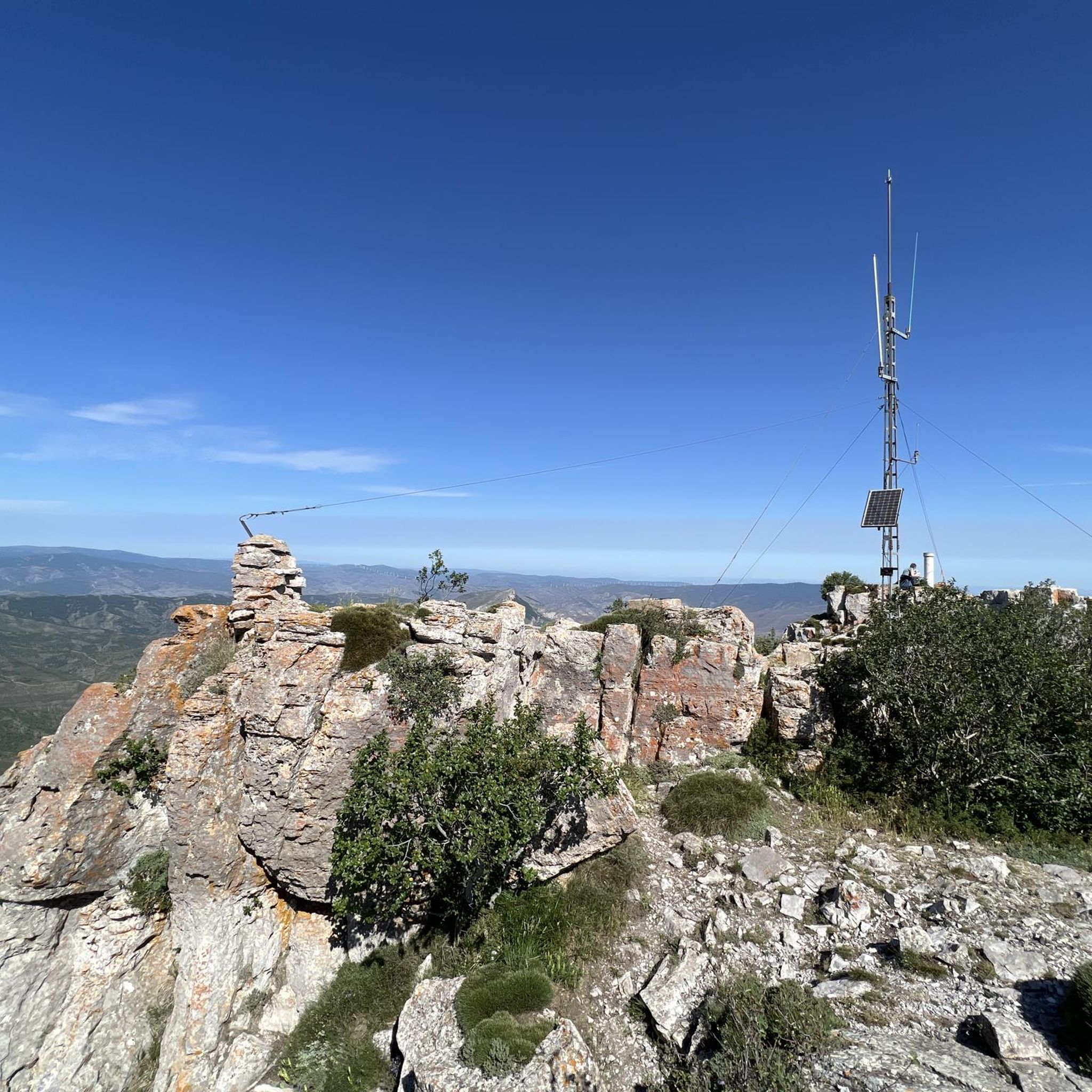
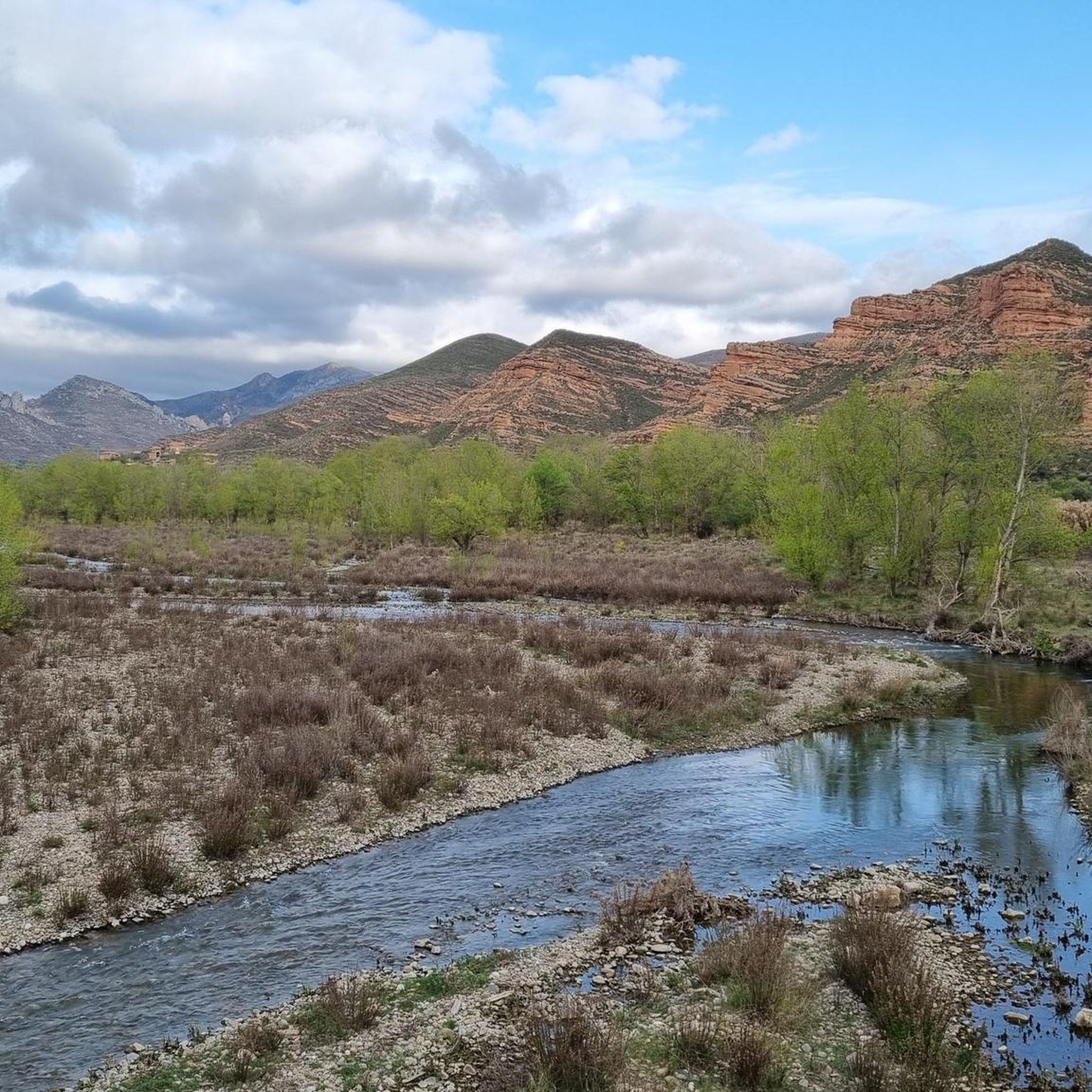
Road cycling routes in Área Natural Singular Del Carrascal De Villarroya navigate a landscape characterized by significant elevation changes and varied terrain. The region features numerous hills and valleys, offering challenging ascents and descents suitable for experienced road cyclists. Routes often traverse natural areas, providing a consistent cycling experience across its diverse topography.
Best road cycling routes in Área Natural Singular Del Carrascal De Villarroya
- The most popular road cycling route is Cornago – Cornago loop from Grávalos, a 25.8 miles (41.5 km) trail that takes 2 hours 7 minutes to complete. This moderate route includes over 700 meters of elevation gain.
- Another top favourite among local road cyclists is Fitero – Cervera del Río Alhama loop from Muro de Aguas, a difficult 53.1 miles (85.4 km) path. This route features over 1300 meters of climbing, traversing varied terrain.
- Local road cyclists also love the Southern valleys of the Iberian System in La Rioja, an 81.7 miles (131.5 km) trail leading through the Iberian System, often completed in about 6 hours 44 minutes.
- Road cycling in Área Natural Singular Del Carrascal De Villarroya is defined by its challenging climbs, winding valley roads, and natural park landscapes. The network offers options primarily for moderate to advanced ability levels.
- The guide includes highly-rated routes that showcase the best of the region's landscape. More than 350 road cyclists have used komoot to explore Área Natural Singular Del Carrascal De Villarroya's varied terrain.
Last updated: July 5, 2026
14
riders
65.9km
03:28
1,190m
1,190m
Hard road ride. Very good fitness required. Some segments of this route may be unpaved and difficult to ride.
5
riders
88.7km
04:30
1,380m
1,380m
Hard road ride. Very good fitness required. Some segments of this route may be unpaved and difficult to ride.

Sign up for free
17
riders
47.2km
02:23
790m
790m
Moderate road ride. Good fitness required. Mostly well-paved surfaces and easy to ride.
9
riders
131km
06:44
2,290m
2,290m
Hard road ride. Very good fitness required. Some segments of this route may be unpaved and difficult to ride.
12
riders
60.4km
02:47
640m
640m
Moderate road ride. Good fitness required. Mostly well-paved surfaces and easy to ride.
Get access to more routes and recommendations from other explorers.
Sign up for free
Already have an account?
Our route recommendations are based on thousands of hikes, rides, and runs completed by other people on komoot.
Start today with a free account
Your next adventure awaits.
Login or Signup
Popular around Área Natural Singular Del Carrascal De Villarroya


Tips from the Community

Fitero stands out for three main reasons: Historical and architectural heritage (its Cistercian monastery), Thermal wellness (a highly regarded spa), and Outstanding natural beauty (Bardenas Reales Natural Park and hiking and biking trails). It also boasts local cuisine and a peaceful, welcoming atmosphere, ideal for getting away from it all. If you're looking for a trip that combines culture, relaxation, and nature in an authentic setting, Fitero is a highly recommended option.
3
0

San Pedro Manrique is a municipality in Soria in the Tierras Altas region, in the community of Castilla y León. Its origin dates back to the Celts, Vascones, Iberians and Romans. With the passage of time, other neighboring towns such as Sarnago, Las Fuentes de San Pedro, Matasejún, Palacio de San Pedro, Taniñe, Valdenegrillos and Ventosa de San Pedro have been incorporated into the municipal area. San Pedro Manrique is well known for his particular way of celebrating San Juan Day. On the night of San Juan the well-known "paso del fuego" is carried out, in which the embers of a bonfire are stepped on by the town's natives, barefoot and carrying someone on their backs. Among its heritage, the hermitage of the Virgen de la Peña, the church of San Miguel, the remains of a castle on the outskirts and the ruins of the convent of San Pedro el Viejo stand out.
0
0

Impressive population that is attached to one of the walls created by the river itself, not only the church but also the houses and the castle. It's worth a stop.
0
0

Valverde was located at the confluence of the kingdoms of Castilla, Navarra and Aragón. According to the legends, when the kings Sancho el Fuerte, Alfonso II el Casto and Alfonso VII met on one occasion to delimit the limits of their reigns, each one was sitting in his own kingdom.
1
0
About 300 inhabitants live in Cornago and it is framed within the Sierra de Alcarama. The town stands out for its 18th century castle-fortress that stands imposingly on a hill and offers wonderful views of the town and the valley.
0
0
Enciso is located in a mountainous area of the Iberian system and is crossed by the Cidacos River. In the town there are more than 3,000 dinosaur footprints and it has a paleontological center with information on how they were formed.
0
0
Spectacular town located on the northern side of the Sierra de Alcarama. From a distance you can see how the center is located at the top of a hill with its church as a flag. The group of houses form a very beautiful perspective.
0
0
Vilarroya is a small municipality in the Arnedo region, in the province of La Rioja and the autonomous community of La Rioja. It is one of the municipalities with the least population in all of Spain, with only five registered inhabitants. The depopulation of Vilarroya has been gradual throughout the 20th century, until the nearby coal mines were closed in the mid-1960s, which accelerated the process. Despite being a victim of depopulation, Vilarroya has the Association of Friends of Vilarroya, which, among other activities, paid for the restoration of the parish church of San Juan Bautista. The church has a single nave, four sections and a head. The first two sections are covered with edges, and the last two sections with a barrel vault. For its part, the head is covered with tiercerons. The tower, with three sections, was built by José Soriano, a resident of Autol, in 1714.
0
0
Frequently Asked Questions
How many road cycling routes are available in Área Natural Singular Del Carrascal De Villarroya?
Área Natural Singular Del Carrascal De Villarroya offers 16 road cycling routes. The majority, 13 routes, are classified as difficult, while 3 are moderate, catering primarily to experienced cyclists.
Are there road cycling routes suitable for beginners in Área Natural Singular Del Carrascal De Villarroya?
The road cycling routes in Área Natural Singular Del Carrascal De Villarroya are predominantly moderate to difficult, with no easy routes available. The terrain features significant elevation changes, making it more suitable for cyclists with some experience.
What is the best time of year for road cycling in Área Natural Singular Del Carrascal De Villarroya?
The best time for road cycling in this region is typically during the spring and autumn months. Temperatures are milder, and the natural landscape is vibrant. Summers can be quite hot, especially in the valleys, while winters may bring colder temperatures and potential for adverse weather conditions at higher elevations.
Are there any circular road cycling routes in the area?
Yes, many of the routes in Área Natural Singular Del Carrascal De Villarroya are designed as loops. For example, the Cornago – Cervera del Río Alhama loop from Cornago is a moderate 37-mile (59.8 km) route, offering a complete circular experience.
What kind of views or natural features can I expect along the road cycling routes?
Road cycling routes in Área Natural Singular Del Carrascal De Villarroya offer diverse natural scenery, including winding valley roads, views of the Iberian System, and landscapes characteristic of a natural park. You'll experience varied topography with challenging ascents and descents.
Are there any long-distance road cycling routes for advanced riders?
Yes, for advanced riders seeking a significant challenge, the region offers several long and demanding routes. The Southern valleys of the Iberian System in La Rioja is an 81.7-mile (131.5 km) difficult trail with over 2200 meters of climbing, typically taking over 6 hours to complete.
What is the typical duration for road cycling routes in this area?
Route durations vary significantly based on distance and elevation. Moderate routes, like the Cornago – Cornago loop from Grávalos (25.8 miles), can take around 2 hours. Longer, difficult routes, such as the Fitero – Cervera del Río Alhama loop from Muro de Aguas (53.1 miles), may require over 4 hours due to their extensive climbing.
Are there any family-friendly road cycling options in Área Natural Singular Del Carrascal De Villarroya?
Given the challenging nature of the terrain with significant elevation changes and the classification of all routes as moderate to difficult, Área Natural Singular Del Carrascal De Villarroya is generally not considered ideal for family road cycling with young children or inexperienced riders.
Where can I find parking for road cycling routes in Área Natural Singular Del Carrascal De Villarroya?
Parking availability will depend on your chosen starting point. Many routes begin near towns or villages where public parking may be available. It is advisable to check specific route details or local information for parking options at your intended trailhead.
What are the elevation gains like on the road cycling routes?
The region is characterized by significant elevation changes. Even moderate routes can feature over 700 meters of climbing, while difficult routes often exceed 1000 meters of elevation gain. For instance, the Arnedillo and thermal baths – Autol and its Picuezos loop from Arnedo route has over 1000 meters of ascent.
What do other road cyclists enjoy most about road cycling in Área Natural Singular Del Carrascal De Villarroya?
Road cyclists using komoot frequently praise the challenging climbs and the scenic winding roads through natural park landscapes. The varied terrain and the sense of accomplishment after tackling the significant elevation gains are often highlighted as key attractions.
Most popular routes in Área Natural Singular Del Carrascal De Villarroya

Get inspired with the komoot mobile app


Explore more
Browse the best Road cycling routes in other regions.
