Attractions and Places To See in Desembocadura Del Riu Racons - Top 4
Best attractions and places to see in Desembocadura Del Riu Racons are centered around its unique natural landscape, where the Racons River (also known as Molinell River) meets the Mediterranean Sea. This region, situated between Alicante and Valencia, is characterized by its significant coastal wetland, the Marjal de Pego-Oliva Natural Park. Visitors can explore diverse natural features, including river estuaries, coastal dune systems, and natural springs. The area offers opportunities to observe varied flora and fauna within its distinct fresh…
Last updated: August 29, 2026
Mouth of the Molinell River
Highlight • River
Translated by Google •
Tip by

River Flowing Into the Sea
Highlight • River
Translated by Google •
Tip by

Sign up now to discover places like this
Get recommendations on the best single tracks, peaks, & plenty of other exciting outdoor places.
Sign up for free
Bridge Over the River in Oliva
Highlight • Bridge
Translated by Google •
Tip by

Start today with a free account
Your next adventure awaits.
Login or Signup
Popular around Desembocadura Del Riu Racons

Tips from the Community

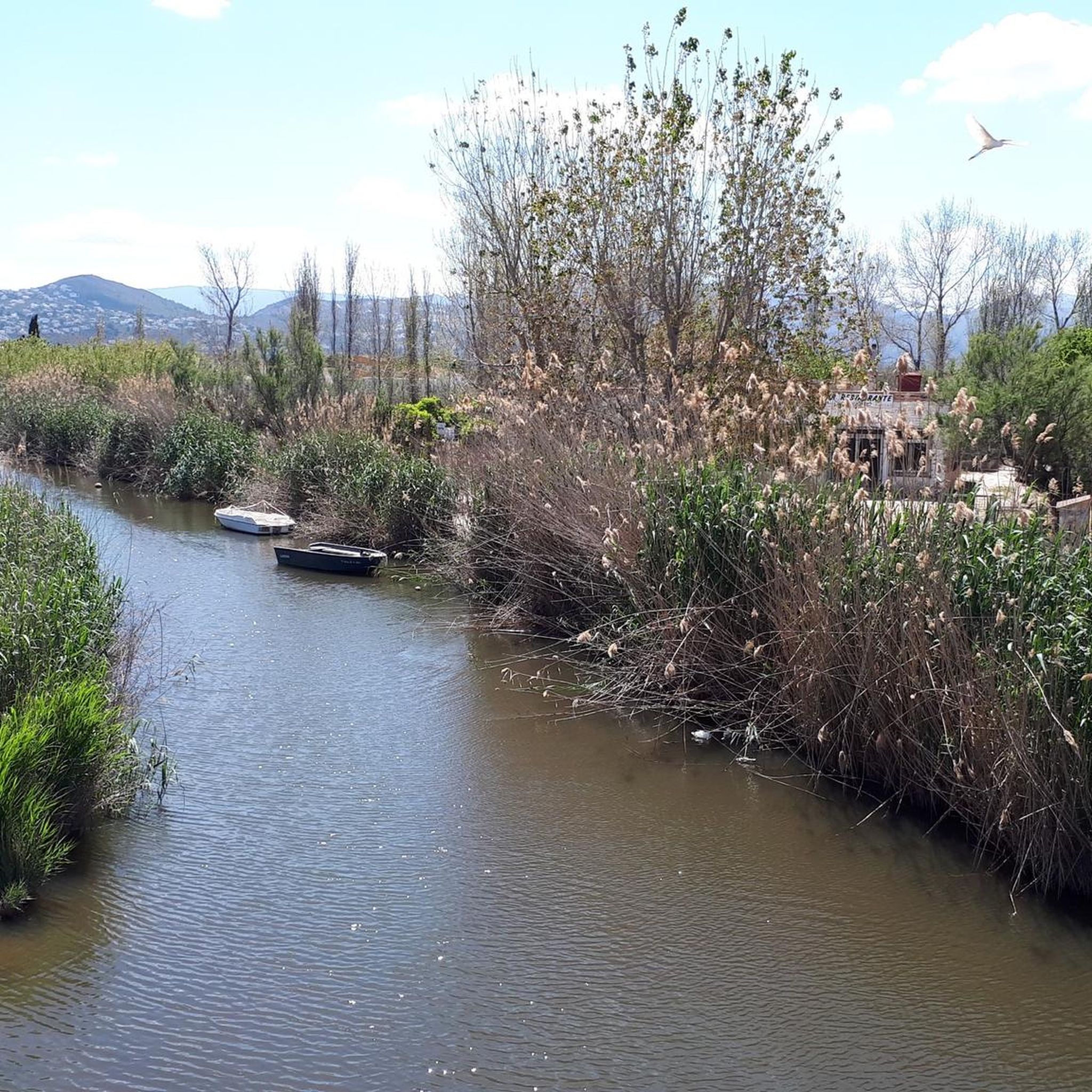
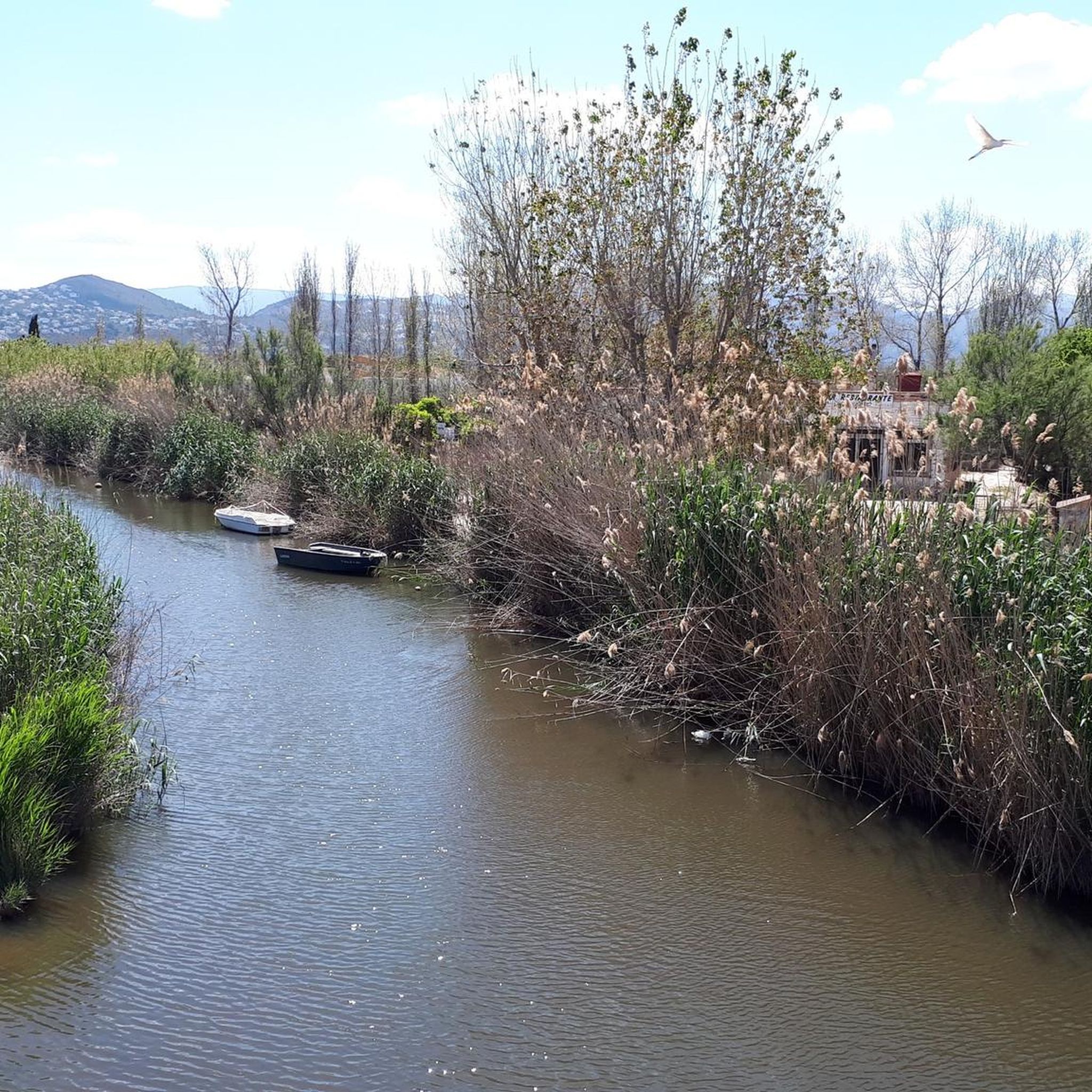
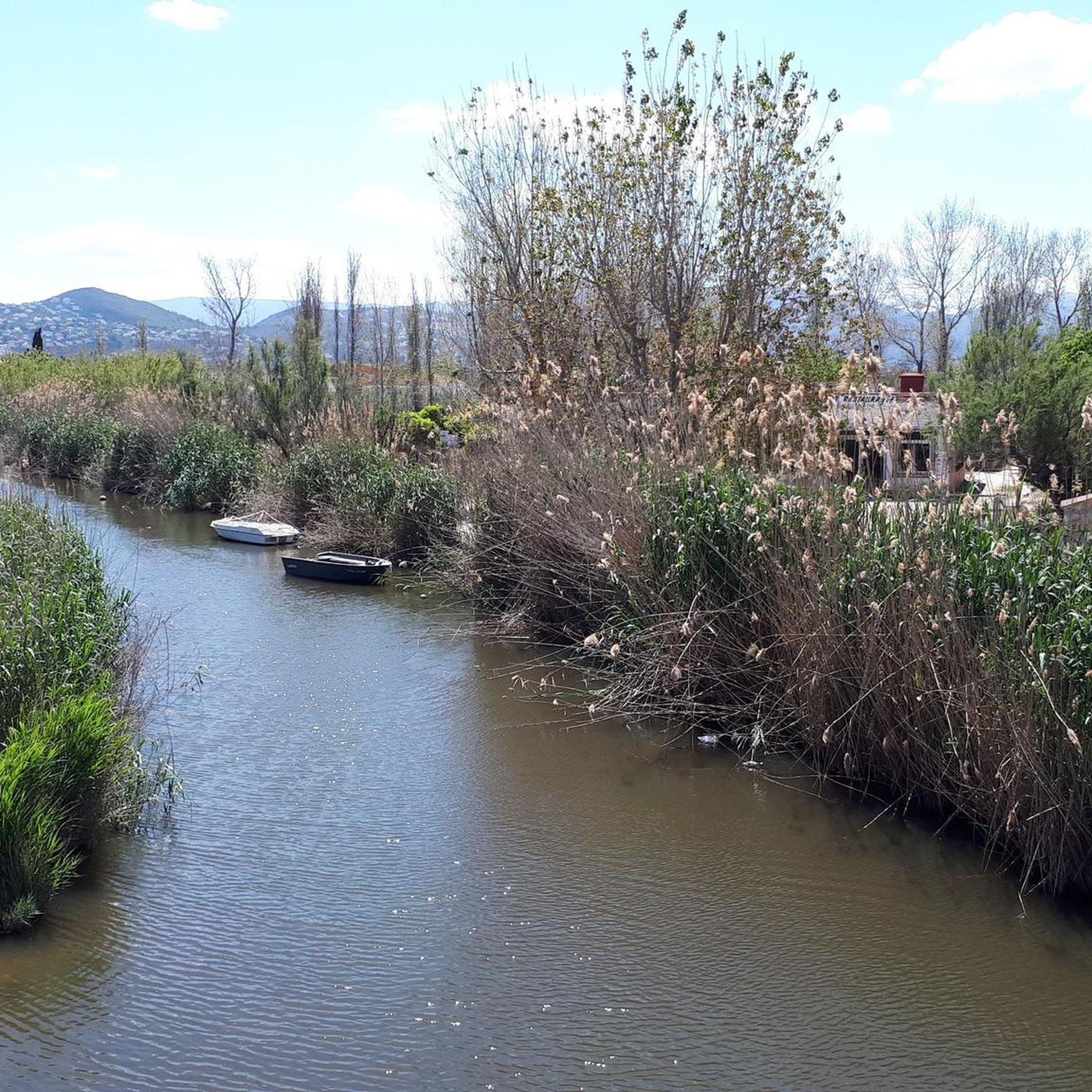
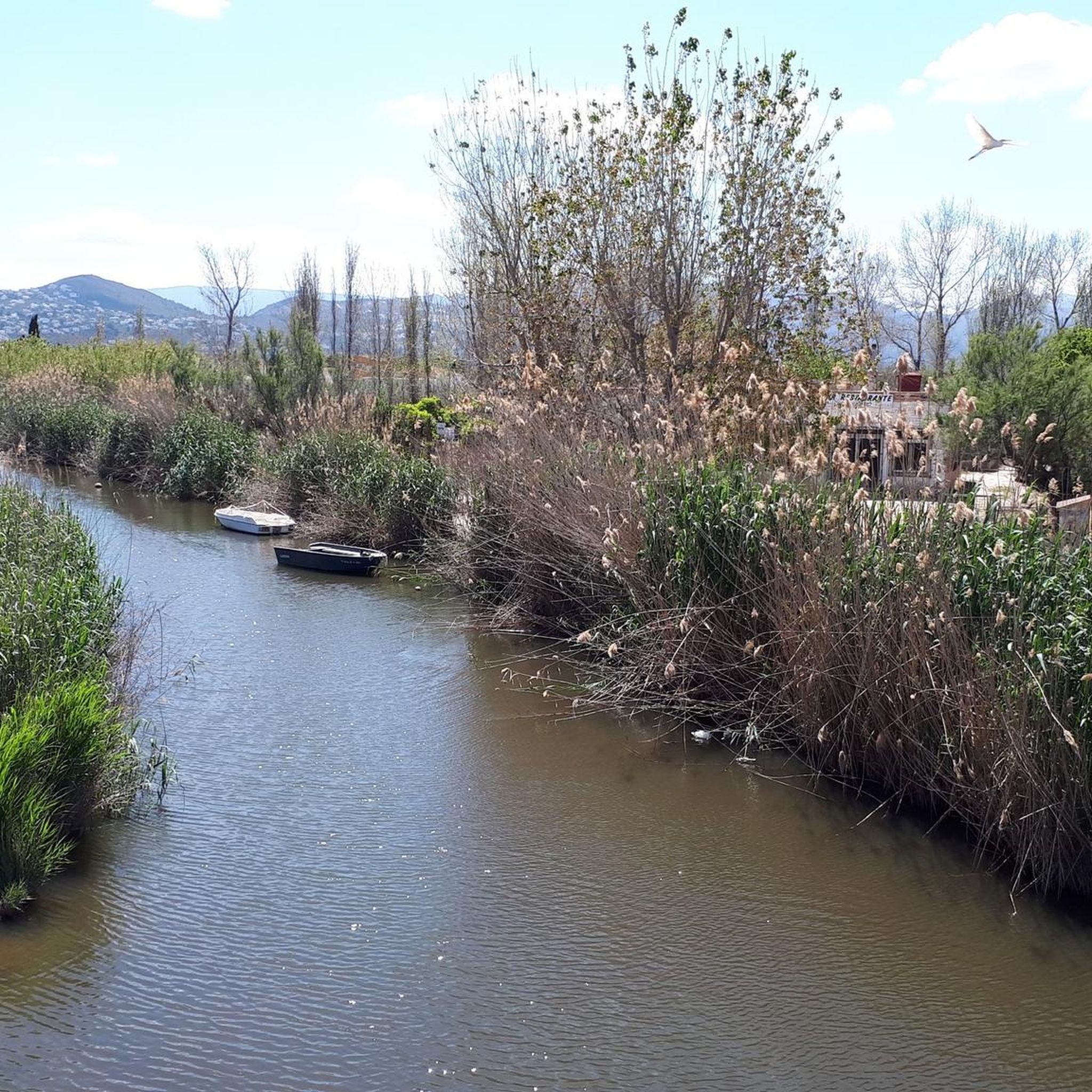
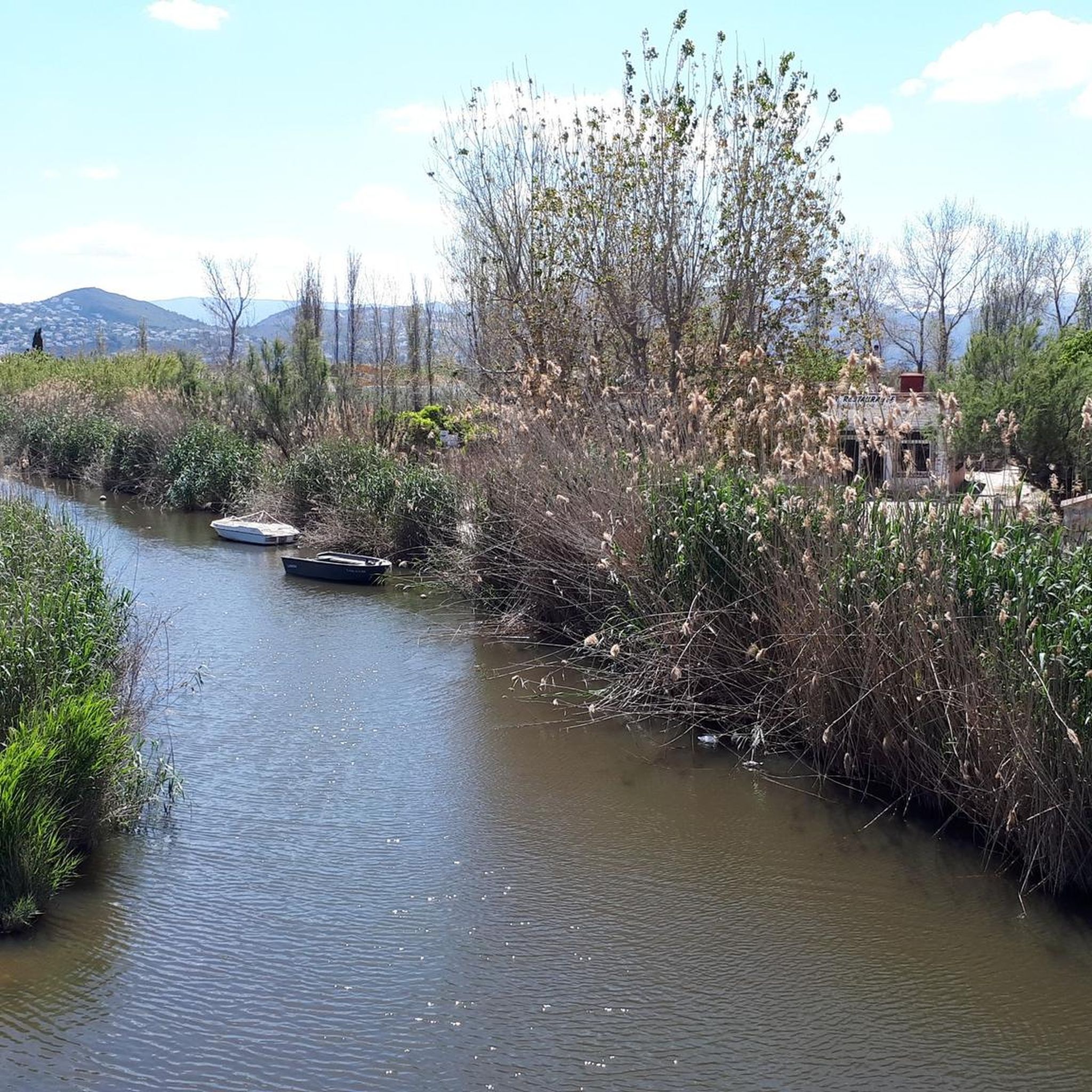
From the bridge you have a beautiful view of the estuary, where the river meanders through reeds and dunes before flowing into the sea.
1
0
A tour to the mouth of the Río Molinell is particularly attractive, as the route is mostly flat and traffic-free. Starting from Dénia, for example, the route leads along quiet roads and coastal paths through the dune landscape of Les Marines. Shortly before the estuary, you pass the small bridge over the river, which allows a direct crossing and offers a beautiful view of the estuary. Here, where the river flows through reeds and dunes into the sea, fresh and salt water meet, creating a diverse landscape with rich birdlife. This section is ideal for a relaxing ride that combines nature experiences with coastal panoramas.
2
0
At the mouth of the Río Molinell, which forms the border between Dénia and Oliva, a small bridge spans the river. It connects the coastal paths of both towns and provides cyclists and walkers with a convenient crossing away from the main roads. From here, a wide view opens up of the estuary, where the river winds its way through reed beds and dunes to the sea. The confluence of fresh and salt water is particularly impressive, creating a diverse landscape with a rich birdlife. For cyclists, the bridge provides a convenient crossing point for continuing their tour between Dénia and Oliva or for taking a short break.
2
0

At this point there is a footbridge to cross the Molinell River just before it flows into the sea. The high step allows you to better see the union of the river and sea landscapes. Therefore it is also an ideal point to access the beach.
4
1

If you are wearing shorts and the river is not carrying much water, you can sometimes cross through the water to the other side and do not need the bridge.
1
0

Pass enabled for cyclists and pedestrians to cross the Molinell river at its mouth.
1
0
There is a footbridge to cross the river and continue along La Devesa beach.
2
1
The footbridge allows you to cross the Molinell river.
3
1
Frequently Asked Questions
What natural features define the Desembocadura Del Riu Racons area?
The region is primarily characterized by the estuary of the Racons River (also known as Molinell River) where it meets the Mediterranean Sea. This area is part of the significant Marjal de Pego-Oliva Natural Park, an extensive coastal wetland. You'll find diverse ecosystems, coastal dune systems, and rich birdlife, particularly around the Mouth of the Molinell River.
Are there any unique natural springs or hidden gems to discover?
Yes, the area features a few notable natural springs. Font Salada is known for its waters that maintain a constant temperature year-round and have traditional beneficial properties. Another spring, Balsa de Sineu, forms a small lagoon with chloride-sodium waters, offering a unique natural spot between the marshland and the Sierra de Segaria foothills.
What kind of wildlife can I expect to see in the area?
The Marjal de Pego-Oliva Natural Park is a haven for diverse flora and fauna, especially birdlife. The confluence of fresh and saltwater at the river mouth creates a rich habitat, making it an excellent spot for birdwatching. There are dedicated bird observatories within the natural park, accessible via wooden walkways, providing great opportunities to observe the diverse avifauna.
What outdoor activities are popular near the attractions in Desembocadura Del Riu Racons?
The region is ideal for various outdoor activities, particularly hiking, walking, and cycling. The flat terrain and coastal paths make it suitable for road cycling, mountain biking, and gravel biking. You can find numerous routes for these activities, such as those listed in the Road Cycling Routes in Desembocadura Del Riu Racons guide.
Are there good walking or hiking trails around the estuary?
Yes, there are many trails, especially around the Parc Natural de la Marjal Pego-Oliva. The path along the Río Molinell estuary is particularly appealing due to its flat, car-free nature, offering picturesque views through the dune landscape of Les Marines. This route is ideal for a relaxing walk combining nature experiences with coastal panoramas.
Can I go cycling in Desembocadura Del Riu Racons?
Absolutely. The flat terrain and coastal paths are excellent for cycling. You can enjoy various forms of cycling, including road cycling, mountain biking, and gravel biking. Routes like the 'Vedat River – Sant Pere Bridge loop' are available for gravel biking, and many others can be found in the Gravel biking in Desembocadura Del Riu Racons guide.
Are the attractions in Desembocadura Del Riu Racons suitable for families?
Yes, several attractions are considered family-friendly. For instance, the Mouth of the Molinell River and River Flowing Into the Sea are great spots for families to enjoy the natural landscape and observe birdlife. The flat, car-free paths along the estuary are also suitable for walks with children.
Is Desembocadura Del Riu Racons accessible for wheelchair users?
Some parts of the area are designed to be accessible. The Mouth of the Molinell River highlight is noted as wheelchair accessible, offering views of the river and sea landscapes. Additionally, bird observatories within the natural park are often accessed via wooden walkways, which can improve accessibility.
Can I bring my dog to the attractions and trails?
While specific regulations for dogs can vary, many natural outdoor areas in Spain are generally dog-friendly, especially on trails where dogs are kept on a leash. Given the region's focus on natural landscapes and outdoor activities, it's often possible to bring dogs, but always check local signage for any restrictions, particularly within protected areas like the Marjal de Pego-Oliva Natural Park.
What is the best time to visit Desembocadura Del Riu Racons?
The region can be enjoyed year-round, but spring and autumn offer pleasant temperatures for outdoor activities like hiking and cycling, avoiding the peak heat of summer. These seasons are also excellent for birdwatching as migratory species pass through. Winter can also be mild, making it suitable for walks along the estuary.
Are there any viewpoints offering panoramic views of the estuary?
Yes, the Mouth of the Molinell River features a footbridge that provides a wide view of the estuary, allowing you to see the river winding through reed beds and dunes to the sea. The River Flowing Into the Sea viewpoint also offers coastal panoramas and a chance to experience the confluence of fresh and salt water.
What do visitors enjoy most about Desembocadura Del Riu Racons?
Visitors particularly appreciate the unique natural environment where the Molinell River meets the sea. The footbridge at the Mouth of the Molinell River is highlighted for its excellent views of the river and sea landscapes. The flat, traffic-free routes along the estuary are also popular for their relaxing nature experiences and coastal panoramas.
Most popular routes in Desembocadura Del Riu Racons

Get inspired with the komoot mobile app


Explore more
Still not found the Highlight you’re looking for? See guides of the top attractions in other regions:
