The best road cycling routes in Complejo Lagunar De Ballesteros
4.4
(57)
2,132
riders
62
rides
Road cycling routes in Complejo Lagunar De Ballesteros traverse the broader landscape of the Cuenca province, characterized by a mix of dry cereal fields, river valleys, and the unique evaporitic karst system of the lagoons. While the immediate lagoon complex is known for its unpaved tracks, the surrounding region offers paved roads suitable for road cycling. These routes often feature rolling terrain with notable elevation changes, passing through areas with riparian vegetation along rivers and views of the distinctive geological…
Last updated: October 14, 2026
3.3
(3)
20
riders
83.7km
03:54
930m
930m
Hard road ride. Very good fitness required. Some segments of this route may be unpaved and difficult to ride.
7
riders
78.7km
03:51
1,060m
1,060m
Hard road ride. Very good fitness required. Mostly well-paved surfaces and easy to ride.

4
riders
102km
04:50
1,290m
1,300m
Hard road ride. Very good fitness required. Mostly well-paved surfaces and easy to ride.
5.0
(1)
149
riders
52.4km
02:25
600m
600m
Moderate road ride. Good fitness required. Mostly well-paved surfaces and easy to ride.
4.0
(2)
39
riders
38.3km
02:07
700m
700m
Moderate road ride. Good fitness required. Mostly well-paved surfaces and easy to ride.
Get access to more routes and recommendations from other explorers.
Already have an account?
Our route recommendations are based on thousands of hikes, rides, and runs completed by other people on komoot.
Start today with a free account
Your next adventure awaits.
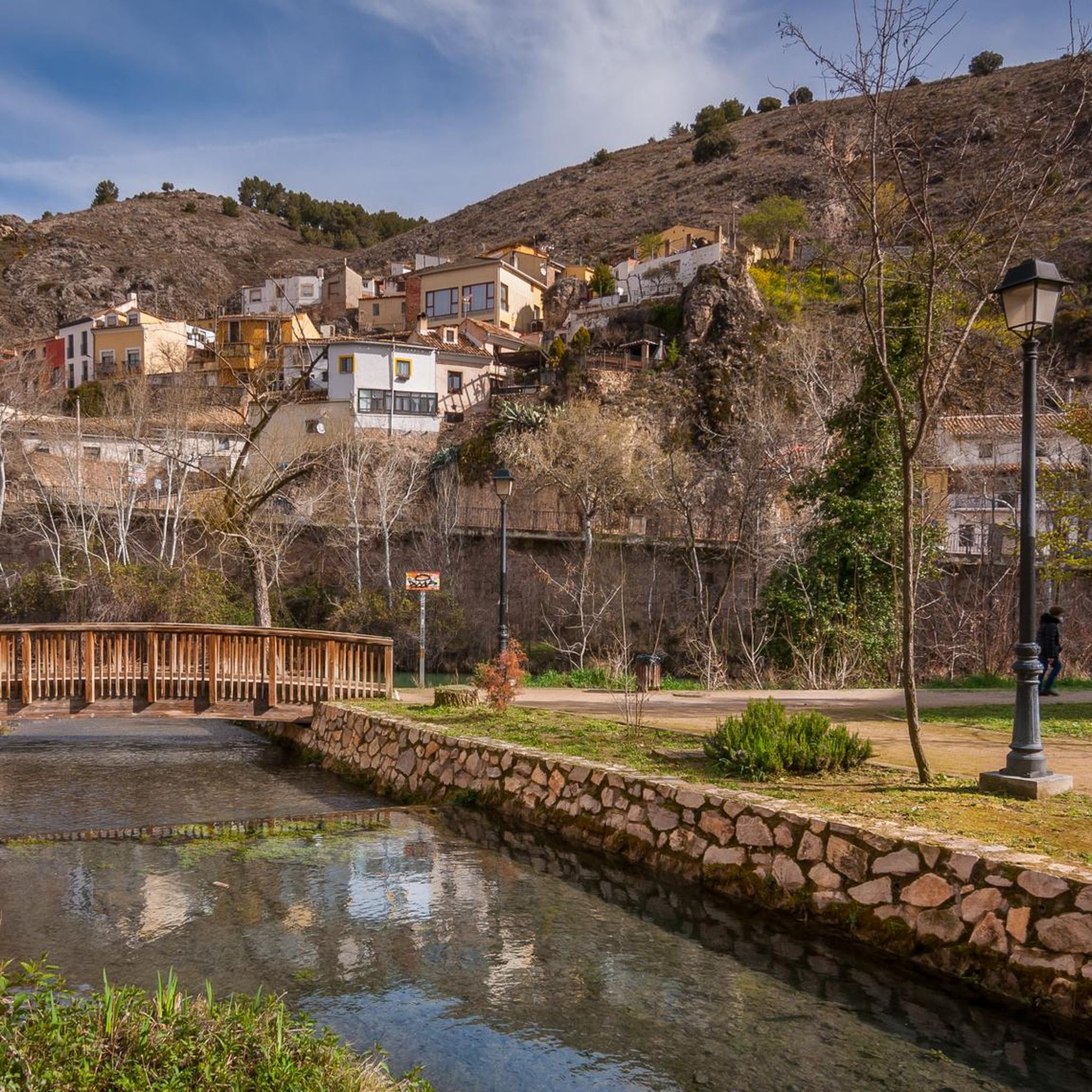
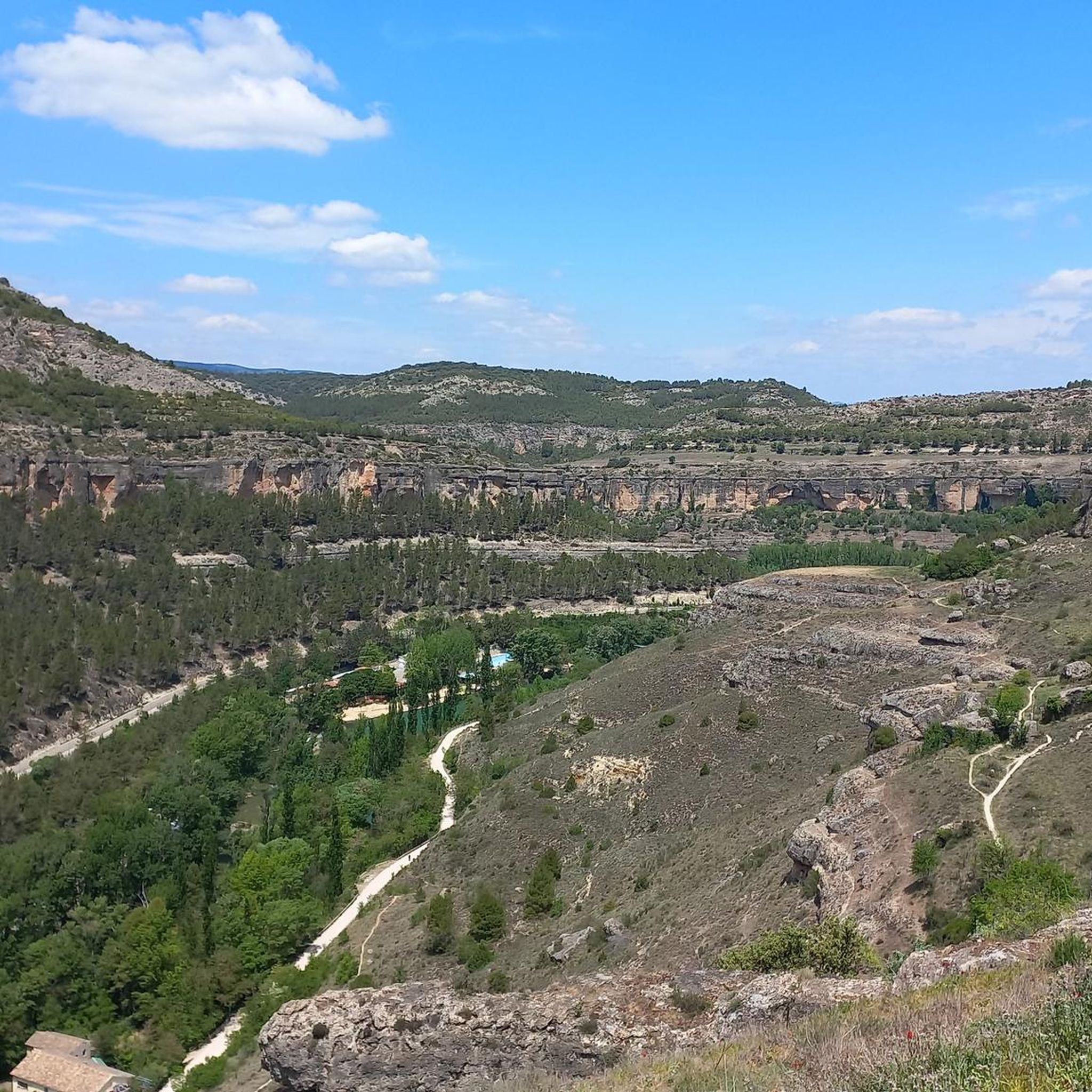
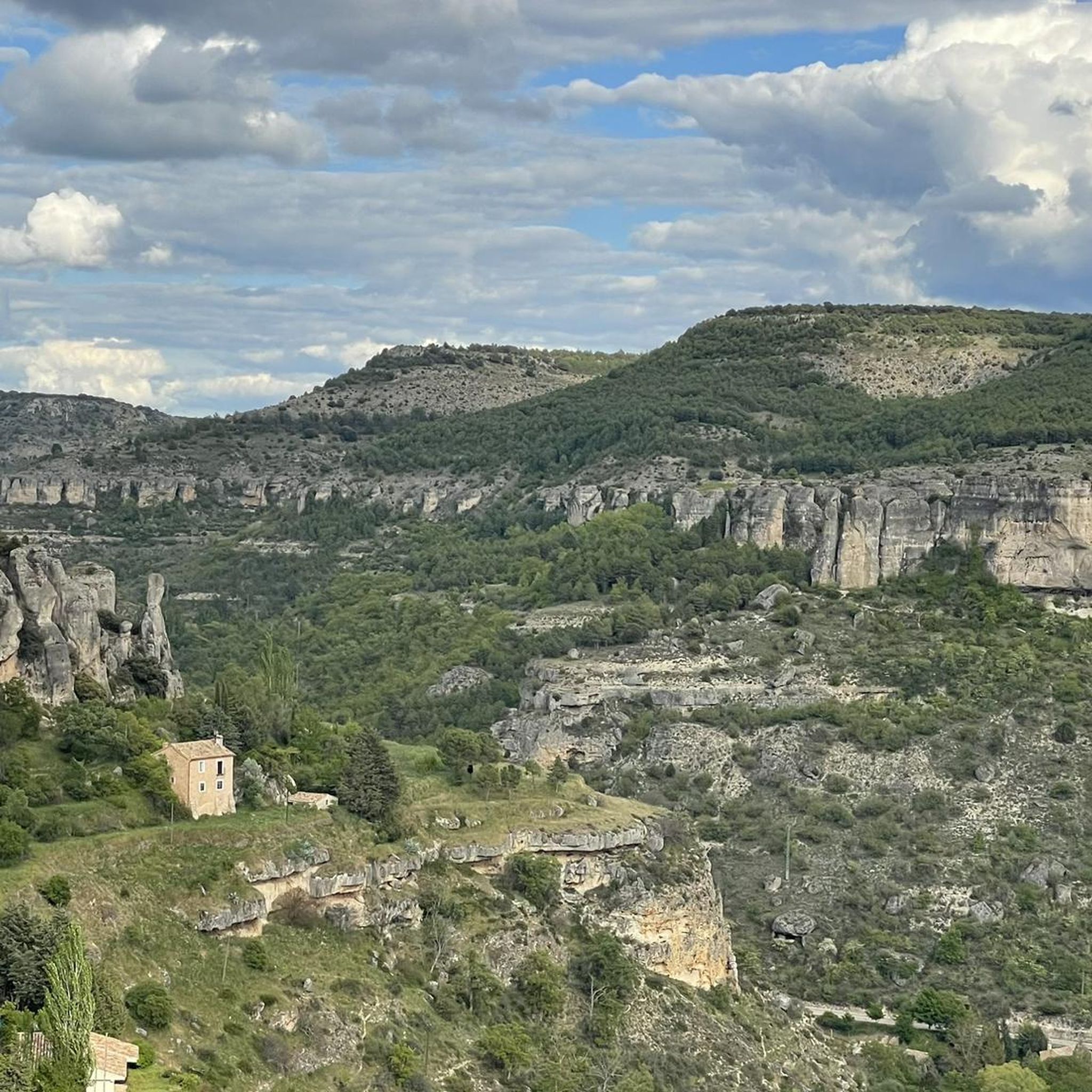
Tips from the Community

Common crossing point for going to or returning from the Júcar gorge trail.
3
0
The children's ice rink is located at Christmas time.
1
0

What to see at the archaeological site: Roman Forum: Political and commercial center. Judicial Basilica: Space for the administration of justice. Nymphaeum: Monumental fountain with sculptural decoration. Cisterns: Large reservoirs beneath the forum square. Hanging Houses: Dwellings partially suspended over the cliff, precursors to the famous hanging houses of Cuenca. Roman Baths: Visible from the outside. Church of La Sey: Built with Roman materials, a blend of Romanesque, Renaissance, and Baroque styles.
3
0
Valeria is a Roman city located in the province of Cuenca (Castilla-La Mancha), in the municipality of Las Valeras, on the gorge of the Gritos River. It is one of the most important archaeological sites on the Meseta Central plateau and preserves a very complete Roman forum, as well as other urban elements characteristic of Roman Hispania.
5
0
The most emblematic streets of Cuenca are concentrated in the Old Town, declared a World Heritage Site, and are ideal for strolling and discovering the history and architecture of the city.
7
0
San Julián Park is the most emblematic green space in Cuenca, located in the heart of the city, near streets such as Carretería and Aguirre, and a few minutes from the Old Town.
5
0
The San Antón Bridge in Cuenca is a structure steeped in history and symbolism for the city. The current bridge was built in the 18th century, replacing a much older one, probably of Muslim origin.
9
0

Frequently Asked Questions
How many road cycling routes are available in Complejo Lagunar De Ballesteros?
There are over 40 road cycling routes available in the broader Complejo Lagunar De Ballesteros region. These routes cater to various skill levels, with 3 easy, 17 moderate, and 22 difficult options to explore.
What is the best time of year for road cycling in Complejo Lagunar De Ballesteros?
The region can be enjoyed year-round, but spring and autumn generally offer the most pleasant temperatures for road cycling. Summers can be hot, so bringing sufficient water is advisable. The unique karst lagoons can even acquire a natural pink coloration at certain times of the year, adding to the scenic beauty.
What are the typical road conditions like for cycling in this region?
While the immediate lagoon complex is known for its unpaved tracks, the surrounding Cuenca province offers paved roads suitable for road cycling. These routes often feature rolling terrain with notable elevation changes, traversing agricultural lands and offering views of the distinctive geological formations. Expect a mix of well-maintained roads and potentially some secondary roads.
Are there road cycling routes suitable for beginners or families?
Yes, there are routes suitable for beginners and families. For an easier ride, consider the Chillarón Ethnographic Museum loop from Cuenca, which is an easy 16.0 miles (25.7 km) path offering cultural points of interest without significant elevation gain.
What natural features or landmarks can I see while road cycling in Complejo Lagunar De Ballesteros?
Road cycling routes in the region offer views of the unique evaporitic karst system, including the numerous dolinas and úvalas that form the lagoons. You might also pass by riparian vegetation along rivers like the San Martín, and observe the dry cereal fields that characterize the landscape. Routes like the Ciudad Encantada y Ventano del Diablo — circular desde Cuenca will take you past impressive geological formations.
Are there any historical or cultural sites accessible by road bike?
Absolutely. Several routes incorporate historical and cultural landmarks. For instance, the challenging Valeria – Roman city ruins – Gritos River Gorge loop from Arcas explores ancient Roman sites. Another option is the Chillarón Ethnographic Museum loop from Cuenca, which passes by cultural points of interest.
Is there parking available for cyclists near the routes?
While specific parking areas for cyclists are not explicitly detailed for every route, the municipalities surrounding the Complejo Lagunar de Ballesteros, such as Arcas del Villar, Villar de Olalla, Valdetórtola, and Cuenca, typically offer public parking options where you can start your ride. It's advisable to check local parking regulations in these towns.
Can I reach the cycling routes using public transport?
The Complejo Lagunar de Ballesteros is situated between several municipalities. While direct public transport to the immediate natural complex might be limited, you can often reach nearby towns like Cuenca or Arcas del Villar by bus or train, and then cycle from there. It's recommended to check local public transport schedules and bicycle carriage policies for the Cuenca province.
Are there any circular road cycling routes in Complejo Lagunar De Ballesteros?
Yes, many of the road cycling routes in the region are designed as loops, allowing you to start and end in the same location. Examples include the Valeria – Roman city ruins – Gritos River Gorge loop from Arcas and the Torca de la Novia – Parador of Cuenca loop from Cuenca, offering varied distances and difficulties.
Are there places to eat or stay near the cycling routes?
The towns surrounding the Complejo Lagunar de Ballesteros, such as Arcas del Villar, Villar de Olalla, Valdetórtola, and especially the city of Cuenca, offer various options for accommodation, cafes, and restaurants. These towns serve as excellent starting points or refreshment stops for your cycling adventures.
What do other road cyclists think about the routes in Complejo Lagunar De Ballesteros?
The road cycling routes in Complejo Lagunar De Ballesteros are highly rated by the komoot community, with an average score of 4.0 stars from over 50 reviews. Cyclists often praise the varied terrain, the scenic views of the unique karst topography, and the opportunity to explore both natural and historical sites.
Are the road cycling routes in Complejo Lagunar De Ballesteros dog-friendly?
While the natural reserve itself is a protected area, and dogs may be allowed on trails under certain conditions (e.g., on a leash), specific regulations for road cycling routes with dogs are not universally defined. It's best to check local signage or contact the regional tourism office for the most up-to-date information regarding dog policies on paved roads and in specific towns you plan to visit.
Most popular routes in Complejo Lagunar De Ballesteros

Get inspired with the komoot mobile app


Explore more
Browse the best Road cycling routes in other regions.
