Top 20 Natural Monuments around Nordharz
Best natural monuments around Nordharz showcase the diverse landscapes of the Harz Mountains. This region features a variety of natural wonders, including high peaks, deep valleys, and unique rock formations. The area is characterized by its forests, rivers, and geological features, providing numerous opportunities for outdoor exploration. Many of these natural monuments are part of the Harz National Park, a protected area known for its ecosystems.
Best natural monuments around Nordharz
- The most popular natural monuments is Brocken Summit,…
Last updated: June 26, 2026
Brocken Summit
Highlight • Summit
Translated by Google •
Tip by

Eckerlochstieg Trail
Highlight (Segment) • Trail
Translated by Google •
Tip by

Sign up now to discover places like this
Get recommendations on the best single tracks, peaks, & plenty of other exciting outdoor places.
Sign up for free
Lower Ilse Falls
Highlight • Waterfall
Translated by Google •
Tip by

Upper Ilse Falls
Highlight • Waterfall
Translated by Google •
Tip by

Eckerlochstieg Trail
Highlight (Segment) • Trail
Translated by Google •
Tip by

Sign up for free to discover even more natural monuments around Nordharz.
Sign up for free
Already have an account?
Start today with a free account
Your next adventure awaits.
Login or Signup

Other adventures around Nordharz

Tips from the Community

Sturdy shoes and sure-footedness are required. Very nice, but also somewhat challenging, tour. 😁
13
1

The water of the wild Ilse flows loudly down the valley over a multitude of small and large cascade-like natural waterfalls. Over the millennia, nature has created a truly impressive, interconnected attraction of rock and water. You can always discover beautiful views and enjoy nature at various rest areas.
6
0

Very scenic path to hike on the Brocken, but only recommended with sturdy shoes and a certain level of fitness.
12
0

The Eckerlochstieg is a challenging natural trail to the Brocken. Many stones have to be conquered, so sturdy shoes are advisable. Also interesting for children, as there are small and varied climbing opportunities over the stones.
12
1

A nice hiking experience, more for advanced
15
0

Appropriate footwear should be worn in winter and when the weather is thawing.
11
0

The Ilse Falls plunge leisurely over a distance of one kilometer about 120 meters into the beautiful Ilsetal. The roaring Ilse can be heard from afar. The picturesque river has already inspired Heinrich Heine, who actually writes everything about it in his Harzreise: "It is indescribable how cheerfully, naively and gracefully the Ilse tumbles down over the adventurously formed pieces of rock, so that the water hisses wildly up here and then scuttles over the small stones again like a lively girl. Yes, Ilse is a princess who runs down the mountain laughing and blooming.”
10
1

The Steinweg is a beautiful path, but suffers from the crowds of tourists.
34
6
Frequently Asked Questions
What are some of the most unique natural monuments in the Nordharz region?
The Nordharz region, part of the larger Harz Mountains, offers diverse natural monuments. Highlights include the Brocken Summit, the highest peak in northern Germany, known for its panoramic views and unique climate. The romantic Ilsetal Valley features the beautiful Lower Ilse Falls and Upper Ilse Falls, where the wild Ilse river carves through rock scenery. Another striking feature is the Teufelsmauer (Devil's Wall), a sandstone rock formation with bizarre cliffs.
What kind of landscapes can I expect to see among the natural monuments in Nordharz?
You can expect a variety of landscapes, from high mountain peaks like the Brocken, often above the tree line, to deep river valleys and gorges such as the Ilsetal and Bode Valley. The region is characterized by extensive forests, misty moors, and unique geological formations like the sandstone cliffs of the Teufelsmauer. Many areas are part of the Harz National Park, showcasing diverse ecosystems.
Are there family-friendly natural monuments in Nordharz?
Yes, several natural monuments are suitable for families. The Lower Ilse Falls in the Ilsetal are considered family-friendly, offering pleasant walks along the river. The Teufelsmauer (Devil's Wall) is also a great spot for children to explore and climb its unique rock formations.
What are the hiking opportunities near these natural monuments?
The Nordharz region is excellent for hiking. You can find numerous trails, from easy walks to challenging ascents. For instance, the Eckerlochstieg Trail offers a very beautiful but difficult hike towards the Brocken. The Bode Valley also provides challenging but rewarding hiking experiences. For more options, explore the Hiking around Nordharz guide.
Are there challenging trails for experienced hikers?
Absolutely. The Eckerlochstieg Trail is known for being very steep and stony, requiring good physical condition and sure footing. The Bode Valley also offers demanding routes with fabulous scenery. When hiking challenging trails, sturdy shoes are essential, and be prepared for obstacles and mud.
Can I visit natural monuments by bike?
Yes, the Nordharz area offers cycling opportunities near its natural monuments. While some trails, like the direct ascent to Brocken, might be challenging for mountain bikes, there are many routes suitable for touring and road cycling. You can find various cycling tours in the Cycling around Nordharz guide and the Road Cycling Routes around Nordharz guide.
What geological features are prominent in the Nordharz natural monuments?
The region is rich in geological wonders. The Brocken Summit is characterized by its exposed granite and unique high-altitude climate. The Ilsetal features the wild Ilse river carving through rugged rock scenery, creating cascades and waterfalls. The Teufelsmauer is a striking example of sandstone rock formations, with bizarre cliffs and individual rocks like the Großvaterfelsen.
What is the best time of year to visit the natural monuments in Nordharz?
The Harz region can be visited year-round, but conditions vary. The Brocken Summit, for example, experiences extreme climatic conditions, comparable to an alpine peak at 2,000 meters, with frequent fog, icy temperatures, and strong winds, especially outside of midsummer. For clear views, aim for days with good weather forecasts. The Ilsetal is beautiful regardless of the season. Always bring warm clothes when heading to higher elevations.
Are there any natural monuments with historical significance?
Yes, several natural monuments in Nordharz are intertwined with history and folklore. The Brocken Summit is steeped in legends, particularly those involving witches, due to its stark landscape and frequent fog. The Ilsetal Valley was famously described by Heinrich Heine in his 'Harz Journey.' Additionally, the 'Witch Tree' (Die Hexenbuche) near Stecklenberg grows on the ruins of Lauenburg Castle, offering a unique blend of nature and history.
What wildlife can be observed in the Harz National Park, which encompasses many of these monuments?
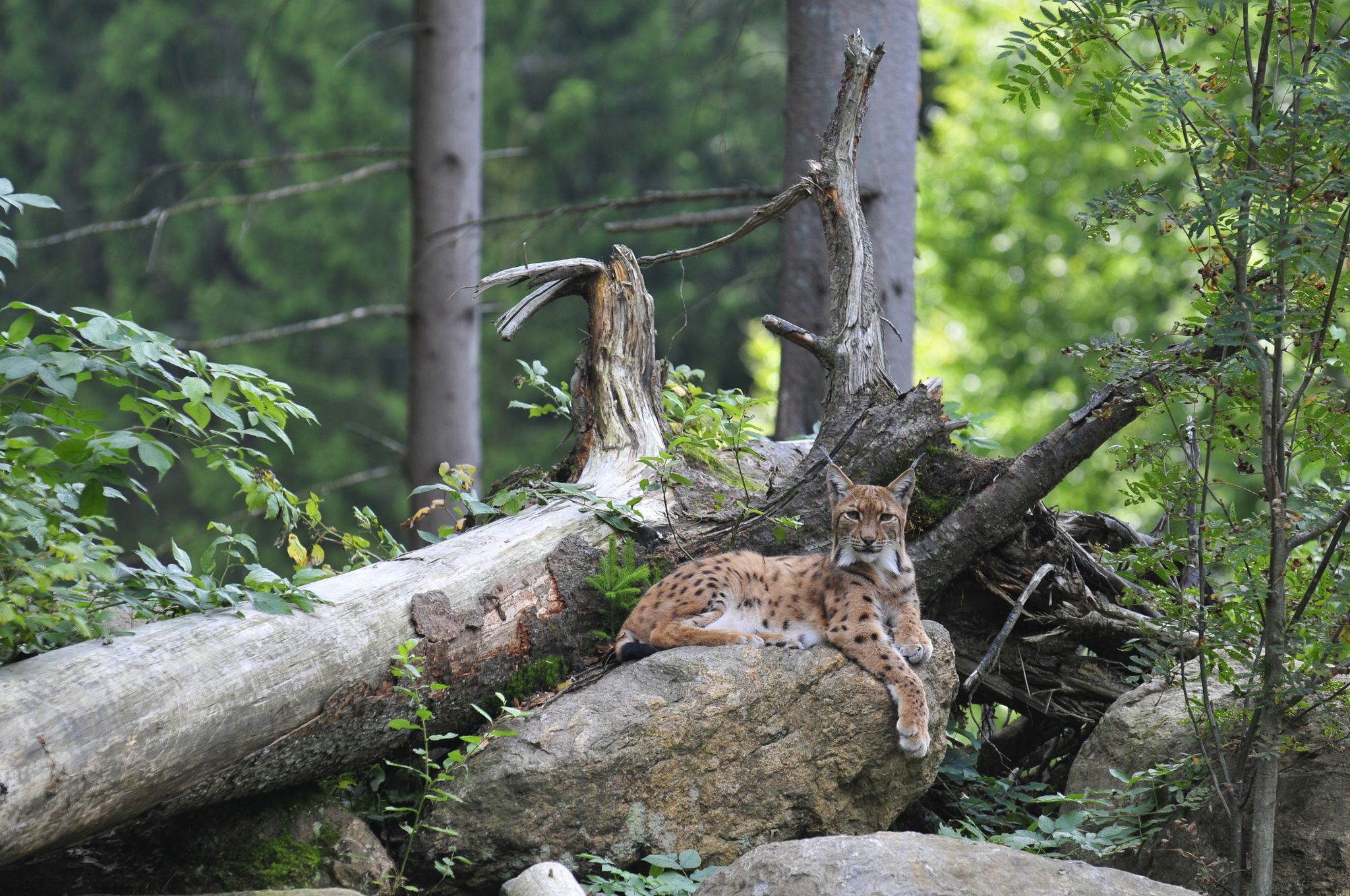
The Harz National Park is a biodiverse region, home to over 10,000 plant, fungi, and animal species. Visitors might spot rare animals such as the wildcat, black stork, and lynx. The park is committed to restoring its original wilderness, transitioning to robust mixed forests, which supports a rich variety of flora and fauna.
What do visitors say about hiking the Eckerlochstieg Trail?
Visitors describe the Eckerlochstieg Trail as a very beautiful but also very difficult hike. It's considered a unique and challenging path, rewarding nature lovers with an extremely natural hiking route. Hikers emphasize the need for sturdy shoes due to steep, stony sections, obstacles, and mud holes. Despite the difficulty, the experience is highly valued.
What should I consider when planning a visit to the Brocken Summit?
When visiting the Brocken Summit, be prepared for extreme weather conditions, as it can be cold, foggy, or both, even outside of summer. Always bring warm clothes. On clear days, the panoramic views are phenomenal. You can reach the summit by foot via various routes, including the Heinrich-Heine-Weg or the Eckerlochstieg, or by the historic Brockenbahn steam train.
Where can I find impressive waterfalls in Nordharz?
The Ilsetal Valley is home to impressive waterfalls. The Lower Ilse Falls are a beautiful sight where the wild Ilse river carves through rock. Further upstream, the Upper Ilse Falls see the Ilse plunge about 120 meters over a kilometer, with its roaring sound audible from afar. These falls are a highlight of any visit to the valley.
Most popular routes around Nordharz
Most popular attractions around Nordharz

Get inspired with the komoot mobile app


Explore more
Extend your search for the best caves by checking out these guides of the top ones around Nordharz:
