The best walks and hikes in Albion Hills Conservation Area
5.0
(5)
57
hikers
8
hikes
Hiking in Albion Hills Conservation Area offers trails through a diverse landscape of rolling hills and dense forests in Caledon, Ontario. The area is situated within the Humber River Watershed and the headwaters of the Oak Ridges Moraine, featuring wetlands, meadows, and the meandering Humber River. This natural heritage site provides varied terrain for outdoor activities.
Best hiking trails in Albion Hills Conservation Area
- The most popular hiking route is Oak Ridges Lowlands loop from Palgrave, a 6.9 miles (11.1 km) trail that takes about 2 hours 52 minutes to complete, winding through forests and open areas.
- Another top favourite among local hikers is Humber Valley Heritage Trail, a difficult 13.2 miles (21.3 km) path that follows the Humber River and traverses varied natural habitats.
- Local hikers also love the Palgrave Trail loop, a 4.8 miles (7.7 km) trail leading through woodlands and open fields, often completed in about 1 hour 59 minutes.
- Hiking in Albion Hills Conservation Area is defined by dense forests, rolling hills, and river valleys, offering routes for various outdoor activities. The network provides options for different ability levels, from easy loops to more challenging long-distance trails.
- The routes in Albion Hills Conservation Area are highly rated by the komoot community with an average score of 4.8 stars from several reviews. More than 50 hikers have used komoot to explore Albion Hills Conservation Area's varied terrain.
Last updated: October 7, 2026
14
hikers
5.93km
01:36
70m
70m
Easy hike. Great for any fitness level. Easily-accessible paths. Suitable for all skill levels.
4
hikers
4.10km
01:04
20m
20m
Easy hike. Great for any fitness level. Easily-accessible paths. Suitable for all skill levels.

5.0
(1)
12
hikers
7.66km
01:59
50m
50m
Easy hike. Great for any fitness level. Easily-accessible paths. Suitable for all skill levels.
19.1km
04:54
80m
80m
Moderate hike. Good fitness required. Easily-accessible paths. Suitable for all skill levels.
4
hikers
21.3km
05:39
220m
220m
Hard hike. Very good fitness required. Easily-accessible paths. Suitable for all skill levels.
Get access to more routes and recommendations from other explorers.
Already have an account?
Our route recommendations are based on thousands of hikes, rides, and runs completed by other people on komoot.
Start today with a free account
Your next adventure awaits.
Popular around Albion Hills Conservation Area

Other adventures in Albion Hills Conservation Area

Tips from the Community

Following a railway corridor first built in 1877, the Caledon Trailway winds through rolling farmland, woodlots, wetlands, and small rural communities across the Caledon countryside. This section between Caledon East and Palgrave is part of both The Great Trail and the Greenbelt Route, with a wide crushed-limestone surface that makes for easy walking. Along the way, you'll pass open views of the Oak Ridges Moraine, quiet forests, beaver ponds, and reminders of the region's railway heritage.
0
0
Set within the headwaters of the Humber River and the Oak Ridges Moraine, Albion Hills Conservation Area protects more than 500 hectares of rolling hills, forests, wetlands, and river valleys. The trail network explores a surprisingly varied landscape, from pine plantations and hardwood forest to open meadows and creek crossings. While the area is well known for mountain biking, it also offers some of the most extensive hiking trails in the region, with routes ranging from short nature walks to longer loops through the Caledon countryside.
0
0
This wetland along the Caledon Trailway is more than just a scenic stop. Interpretive signs explain the important role wetlands play in filtering water, reducing flooding, and providing habitat for wildlife. The area is also used for frog monitoring, helping track the health of local ecosystems over time. If you pause for a few minutes, there's a good chance you'll hear frogs calling from the marsh or spot birds moving through the reeds and shallow water.
0
0

The park is a popular for hiking, biking, skiing, disc golf, and has a pool that is open seasonally. There are many spots to camp, and you have access to miles of forested trails past scenic ponds and open picnic areas. There is an $8.30 fee for day use as of early 2026.
0
0
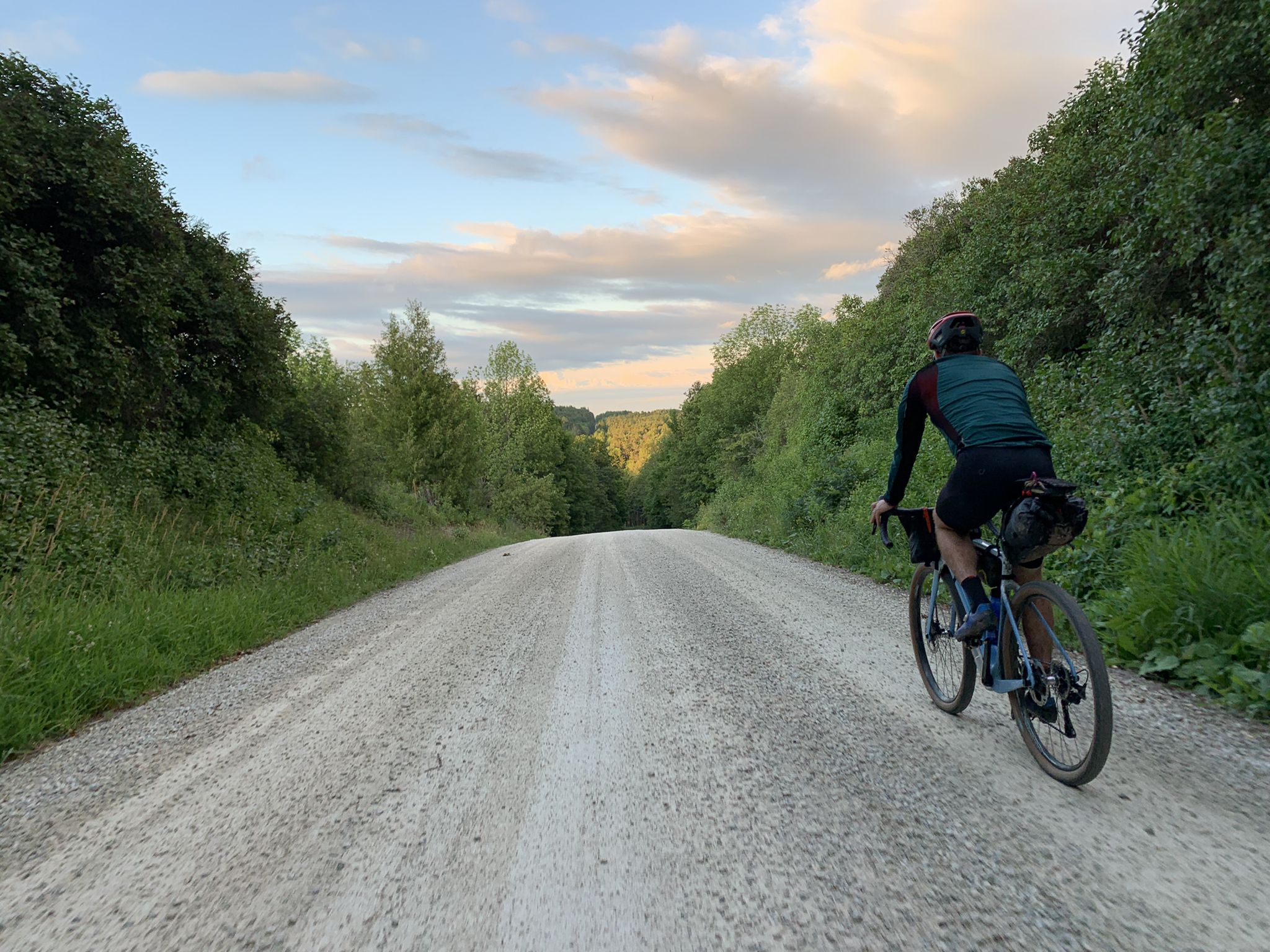
Here you can find a combination of gravel roads and singletrack mountain biking trails in the northwest area of the park. You can drive in along Duffy Road, where there is a trailhead by the gate, or park down by the pool and hike north past the picnic areas.
0
0

The forest breaks, and in the middle of a beautiful meadow sits the Honey Palgrave Pond, sometimes also called the Humphrey Palgrave Pond. The pond changes with the seasons; in winter it will ice over, while in summer and spring the water is moss-covered and dotted with lily pads.
0
0
The Palgrave Trail, also known as the Oak Ridges Trail, is well-marked and easy to follow, looping twice through the Palgrave Forest and Wildlife Area. This trail follows rolling hills and is shared by hikers and mountain bikers, so be aware and watch your footing in the thick forests, as roots can be a tripping hazard.
0
0
The Palgrave Forest and Wildlife Area is made up of protected forest, wetlands, and small lakes. The rolling hills found here were created by glaciers retreating about 12,000 years ago. Today the hills are covered with forests of pine, cedar, and spruce trees, providing lots of shade for hikers and mountain bikers.
0
0
Frequently Asked Questions
How many hiking trails are there in Albion Hills Conservation Area?
Albion Hills Conservation Area offers a diverse network of trails. While the park boasts over 50 kilometers of trails for various activities, nearly 23 kilometers are specifically dedicated to hiking. Our guide features 7 distinct hiking routes for you to explore.
What are the difficulty levels of the hiking trails in Albion Hills Conservation Area?
The hiking trails in Albion Hills Conservation Area range from easy to difficult. Our collection includes 4 easy routes, 2 moderate routes, and 1 challenging route, ensuring options for various fitness levels and preferences.
Are there any family-friendly hiking trails in Albion Hills Conservation Area?
Yes, Albion Hills Conservation Area is a great place for families. Many of the park's trails are suitable for all ages, with 4 easy routes available in our guide. The park also features amenities like a splash pad and picnic sites, making it ideal for a family day out.
Can I bring my dog on the hiking trails in Albion Hills Conservation Area?
Albion Hills Conservation Area is generally dog-friendly, but it's always best to check the specific park regulations regarding pets, especially leash requirements and designated areas. Ensure your dog is well-behaved and you clean up after them to maintain a pleasant experience for all visitors.
What kind of natural features and landmarks can I expect to see while hiking?
Hikers can enjoy a rich variety of natural features, including dense forests, wetlands, and meadows. The trails often follow the picturesque Humber River and Centreville Creek. You might also spot wildlife like deer, foxes, beavers, and numerous bird species. A historical log cabin, built by the Jefferson family in 1833, is also on-site.
Are there any circular hiking routes available?
Yes, Albion Hills Conservation Area offers several circular hiking routes. For example, you can explore the Oak Ridges Lowlands loop from Palgrave, a moderate 11.1 km trail, or the shorter, easy Oak Ridges Lowlands loop from Palgrave Forest and Wildlife Area, which is 3.6 km.
What is the best time of year to go hiking in Albion Hills Conservation Area?
Albion Hills Conservation Area is suitable for hiking year-round. Each season offers a unique experience, from vibrant spring foliage and summer greenery to stunning autumn colours and tranquil winter landscapes. The trails are also used for cross-country skiing and snowshoeing in winter.
Is there an entrance fee for Albion Hills Conservation Area?
Yes, Albion Hills Conservation Area typically has an entrance fee. It's advisable to check the official Toronto and Region Conservation Authority (TRCA) website for the most current information on fees and operating hours before your visit.
Are there parking facilities available at Albion Hills Conservation Area?
Yes, Albion Hills Conservation Area provides ample parking facilities for visitors. Specific trailheads often have dedicated parking areas, making access to the trails convenient.
What do other hikers enjoy most about hiking in Albion Hills Conservation Area?
The area is highly rated by the komoot community, with an average score of 4.75 out of 5 stars. Reviewers often praise the diverse landscapes, well-maintained trails, and the opportunity to experience nature within the rolling hills of Caledon.
Are there any longer, more challenging hikes for experienced hikers?
For experienced hikers seeking a challenge, the Humber Valley Heritage Trail offers a difficult 21.2 km route with significant elevation changes. Another demanding option is the Maple Syrup Production Site – Gazebo on the Bruce Trail loop from Glen Haffy Conservation Area, covering 21.1 km.
Are there any places to eat or stay near Albion Hills Conservation Area?
Albion Hills Conservation Area is located near several towns like Bolton, Palgrave, and Caledon, which offer various options for cafes, pubs, and restaurants. The conservation area itself also features a full-service campground with serviced and unserviced sites for those looking to stay overnight.

Get inspired with the komoot mobile app


Explore more
Browse the best Hikes in other regions.
