Attractions and Places To See in Parque Nacional Del Este - Top 10
Best attractions and places to see in Parque Nacional Del Este, officially known as Cotubanamá National Park, encompass diverse natural landscapes and significant cultural heritage sites. This protected area in the Dominican Republic includes both mainland and marine zones, notably Saona Island. The park features a variety of ecosystems, from subtropical dry forest to mangroves, and is home to over 400 caves, many containing ancient Taíno art. Visitors can explore pristine beaches, coral reefs, and archaeological sites.
Best attractions and places to see in Parque Nacional Del Este
- The most popular attractions is Upside-Down Tree (Árbol Patas Arriba), a natural monument that was toppled by a hurricane and continued to grow, appearing "upside down." This unique natural feature is a notable landmark within the park.
- Another must-see spot is Chicho II Cave, a cave with an underground lake and Taíno petroglyphs. Visitors can explore the cave, which offers bathing possibilities in its cold, refreshing water.
- Visitors also love Rode Pasa Arriba Trail, a trail that leads over karst rock to a cave. This route features diverse plants, including orchids and tall cacti, making it a worthwhile walking experience.
- Parque Nacional Del Este is known for its caves, trails, and natural monuments. The region offers a variety of attractions to see and explore, from archaeological sites to unique geological formations.
- The attractions in Parque Nacional Del Este are appreciated by the komoot community, with 16 upvotes and 66 photos shared by visitors.
Last updated: July 5, 2026
Chicho II Cave
Highlight • Cave
Translated by Google •
Tip by

Entrance to Padre Nuestro Trail (Cueva de Chicho)
Highlight • Trail
Entrance to the park costs 200 Peso, to be paid in cash at the entrance.
Taking a car costs another 300 Peso.
Translated by Google •
Tip by

Sign up now to discover places like this
Get recommendations on the best single tracks, peaks, & plenty of other exciting outdoor places.
Sign up for free
Rode Pasa Arriba Trail
Highlight • Trail
Translated by Google •
Tip by
Upside-Down Tree (Árbol Patas Arriba)
Highlight • Natural Monument
Translated by Google •
Tip by
Cave
Highlight • Cave
Translated by Google •
Tip by

Sign up for free to discover even more attractions in Parque Nacional Del Este.
Sign up for free
Already have an account?
Start today with a free account
Your next adventure awaits.
Login or Signup
Popular around Parque Nacional Del Este
Tips from the Community

Really cool. This trail is not in the map but absolutely worth doing!
0
0
Really cool hike. Especially if you take the footpath from the end of the first parking space (there are two large signs)
0
0

The Cueva del Chicho is one of the most important underground caves in the country. Located in the Cotubanamá National Park, the crystal clear aquamarine waters draw many visitors. There are also numerous petroglyphs attesting to the Taino presence at this site. You can dive in the fresh blue waters that resemble a lake. If you are a certified cave diver, you can go deep diving with licensed operators in Bayahibe or La Romana.
0
0

Many only look into the cave from above and turn around (the water is so clear that you can hardly see it from the outside) - big mistake! Swimming is quite unproblematic, the rocks are such that you can easily get in and out without bathing shoes. But good lighting is very important (I always have a headlamp and flashlight with me)!
0
0

Take a torch with you
3
1


This tree was toppled by a hurricane and still grew. That is why this tree is "upside down".
4
0
Frequently Asked Questions
What unique natural features can I explore in Parque Nacional Del Este?
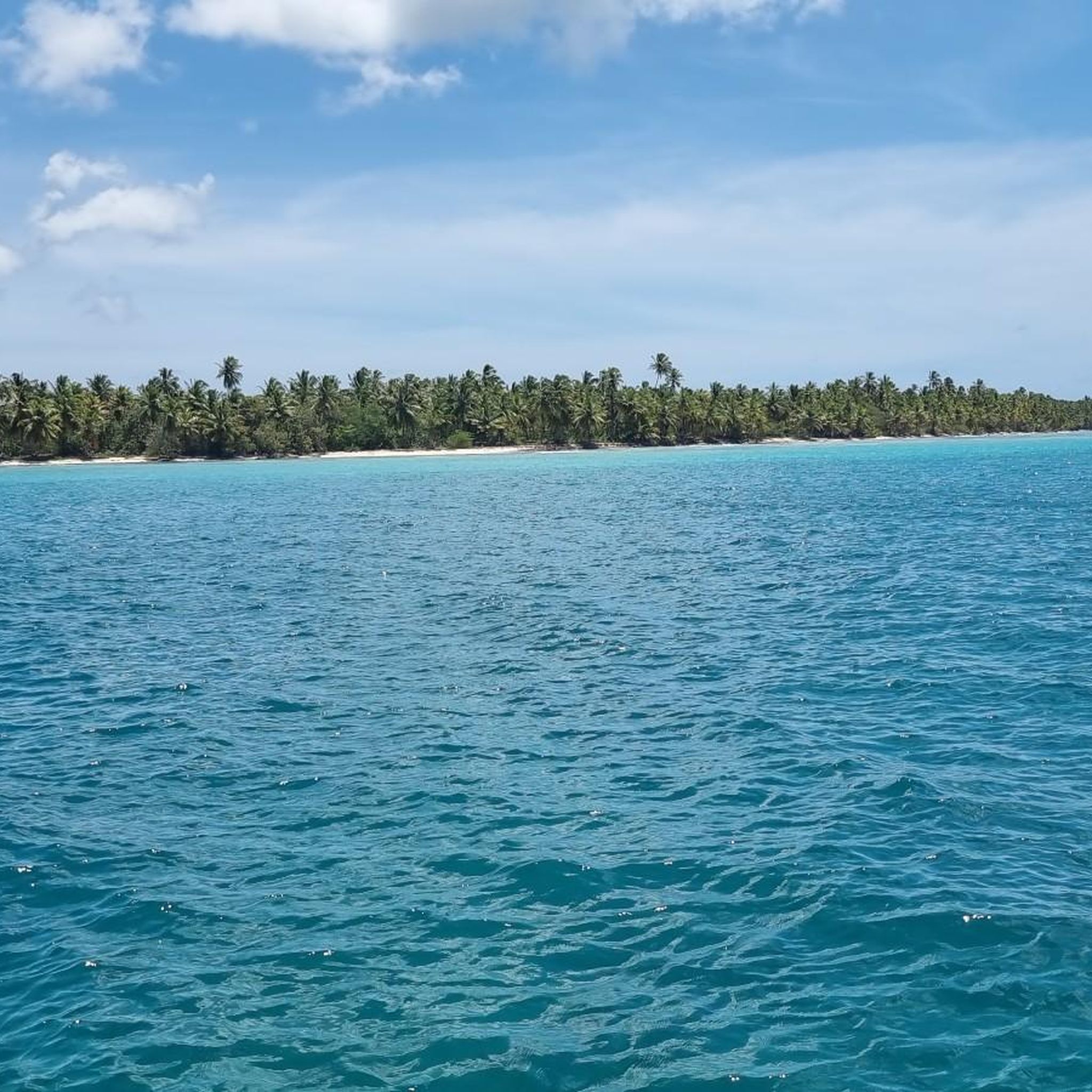
Parque Nacional Del Este is home to diverse natural wonders. You can visit the Upside-Down Tree (Árbol Patas Arriba), a natural monument that continued to grow after being toppled by a hurricane. The park also features pristine white-sand beaches, such as those on Saona Island, and the famous Piscina Natural, a shallow sandbar known for its crystal-clear waters and starfish. Beyond these, you'll find subtropical rainforests, dry forests, mangroves, and vibrant coral reefs.
Are there any significant historical or cultural sites in the park?
Yes, the park is rich in cultural heritage. It contains over 400 caves, many with significant archaeological evidence of the indigenous Taíno people. Notable examples include Cueva de Berna, which features over 300 petroglyphs and pictographs, and Chicho II Cave, known for its underground lake and Taíno petroglyphs. You can also find a replica of a charcoal site in Padre Nuestro, offering insight into past local practices.
What kind of wildlife can I expect to see in Parque Nacional Del Este?
The park is a haven for wildlife, both terrestrial and marine. It supports over 500 species of flowers and 112 bird species, including some endemic to the Caribbean. In its marine areas, you might spot dolphins, manatees, and various fish within the coral reefs. Saona Island is also a crucial nesting site for endangered sea turtles, such as hawksbill, green, and leatherback species, particularly from March through November.
Are there hiking opportunities or trails to explore the park?
Absolutely. The park offers several trails for exploration. The Rode Pasa Arriba Trail leads over karst rock to a cave, showcasing diverse plants like orchids and tall cacti. Another option is the Padre Nuestro Ecological and Archaeological Trail, a 1.9 km path through indigenous forest, towering cacti, and various caves. For more hiking options, you can explore routes like the 'Heart of Bayahibe' loop, which is an easy hike, or more moderate trails like the 'Bayahibe Harbor – Bayahibe Sign' loop. Find more details on Hiking in Parque Nacional Del Este.
What are the best activities for families visiting Parque Nacional Del Este?
Families can enjoy a variety of activities. The shallow, clear waters of Piscina Natural near Saona Island are perfect for safe swimming and observing starfish. Exploring the less challenging caves, like Chicho II Cave, can be an exciting adventure, especially with its bathing possibilities. Gentle walks along the beaches of Saona Island or easy hiking trails also offer great family experiences. Many excursions to Saona Island are family-friendly, often including catamaran rides and snorkeling in calm waters.
What is the best way to access Parque Nacional Del Este and its attractions?
Bayahibe is a common starting point for many excursions into the park, particularly for trips to Saona Island. For terrestrial areas, you can take a tourist taxi to the park's entrance. The entry fee is typically 200 Peso per person, payable in cash. If you bring a car, there might be an additional fee of 300 Peso. Some trails, like the Padre Nuestro Trail, have a designated entrance point.
Can I swim in any of the caves or natural pools?
Yes, you can! Chicho II Cave offers bathing possibilities in its cold, refreshing underground lake. It's recommended to bring a flashlight and bathing shoes for comfort and safety. The Piscina Natural (Natural Pool) near Saona Island is also a popular spot for swimming in its crystal-clear, shallow waters.
What should I bring when visiting the caves in the park?
When exploring the caves, it's highly recommended to bring a flashlight or headlamp, as some areas can be quite dark. If you plan to swim, don't forget your swimming trunks and bathing shoes to protect your feet on potentially stony surfaces. Mosquito repellent can also be useful, especially in humid cave environments.
What are the marine attractions and activities available?
The marine areas of Parque Nacional Del Este are spectacular. You can enjoy snorkeling and scuba diving to explore the vibrant coral reefs and diverse underwater world. Saona Island is a prime destination for relaxing on white-sand beaches and swimming in turquoise waters. Catamaran rides are a popular way to experience the coastal beauty and reach destinations like Saona Island and the Piscina Natural.
Are there any easy hiking trails suitable for beginners?
Yes, there are easy hiking options available. For instance, the 'Heart of Bayahibe – Play Bar Co Bar loop from Dominicus' is an easy 6.4 km hike. Another easy route is the 'Bayahibe Sign – Bayahibe Harbor loop from Dominicus,' which is about 6.3 km. These trails offer a good introduction to the park's natural beauty without being overly strenuous. You can find more easy hikes on Easy hikes in Parque Nacional Del Este.
What do visitors particularly enjoy about the attractions in Parque Nacional Del Este?
Visitors frequently praise the unique natural formations and the opportunity to connect with nature. The Upside-Down Tree is often highlighted for its unusual story. The caves, especially those with bathing possibilities like Chicho II Cave, are popular for their refreshing waters and archaeological significance. The diverse plant life, including orchids and tall cacti along trails like Rode Pasa Arriba Trail, also receives positive feedback.
Most popular routes in Parque Nacional Del Este
Most popular attractions in Parque Nacional Del Este

Get inspired with the komoot mobile app


Explore more
Still not found the Highlight you’re looking for? See guides of the top attractions in other regions:
