Top 20 Castles around Ditfurt
Best castles around Ditfurt are found in the broader Saxony-Anhalt region, as Ditfurt itself is a municipality in the Harz district known for its churches and half-timbered houses. The surrounding area offers a rich history of fortifications and aristocratic residences. These sites provide diverse historical insights and architectural beauty.
Best castles around Ditfurt
- The most popular castles is Schlossberg and Collegiate Church of St. Servatius (Quedlinburg), a castle and historical site that features a museum on Ottonian history and…
Last updated: June 22, 2026
Schlossberg and Collegiate Church of St. Servatius (Quedlinburg)
Highlight • Castle
Opening …
Translated by Google •
Tip by

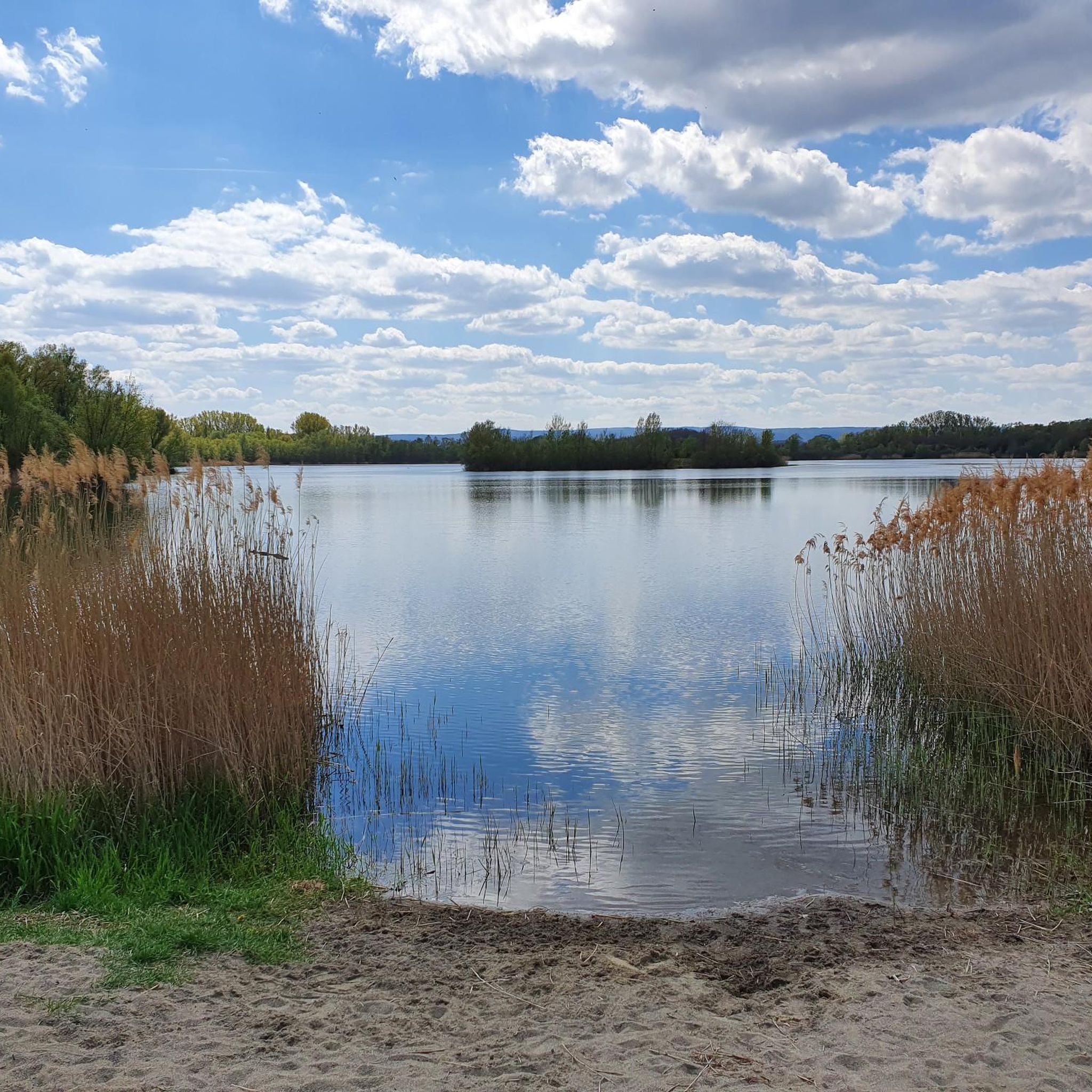
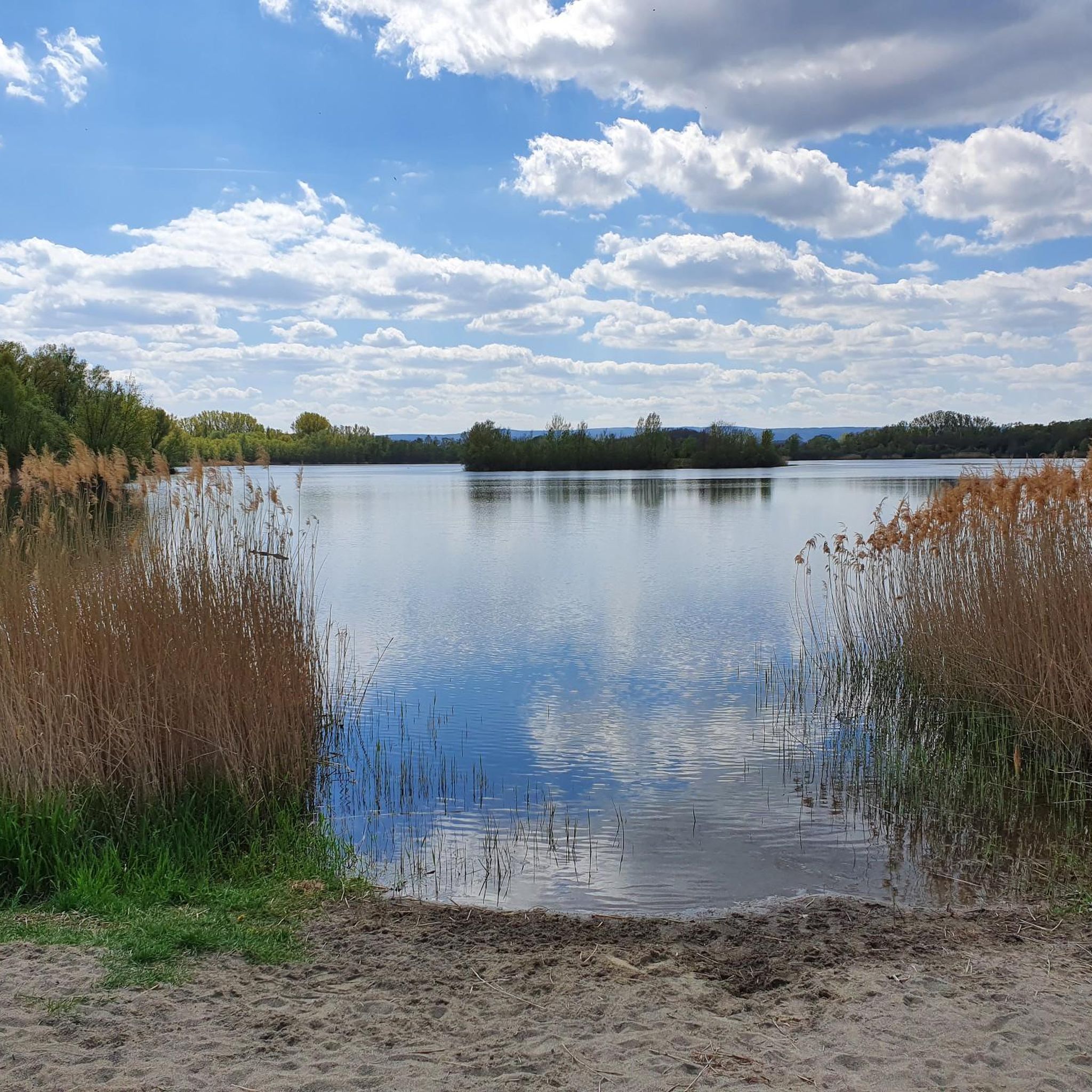
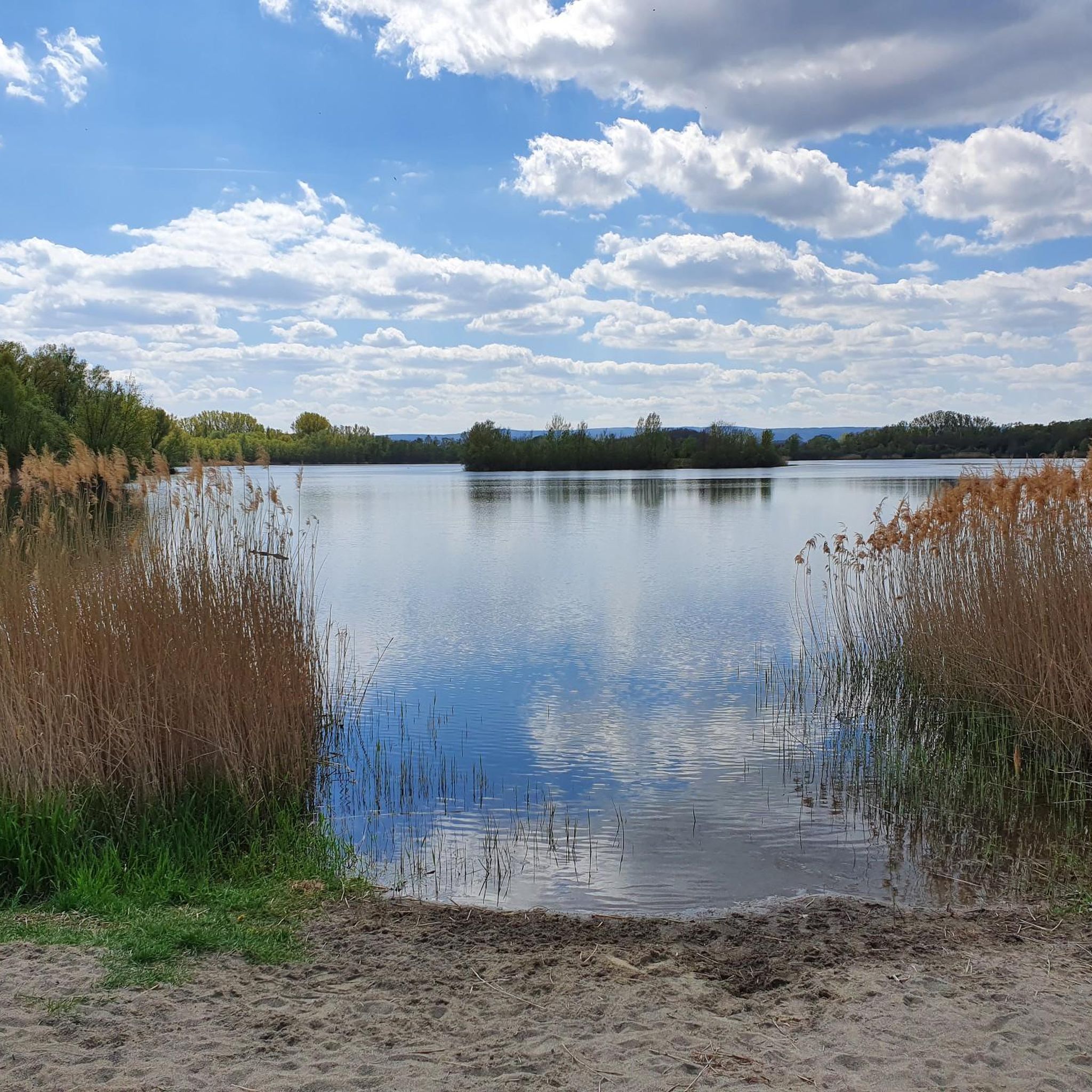
Castle Pond in Ballenstedt Castle Park
Highlight • Lake
Translated by Google •
Tip by

Sign up now to discover places like this
Get recommendations on the best single tracks, peaks, & plenty of other exciting outdoor places.
Sign up for free
View of Quedlinburg’s Castle Hill
Highlight • Castle
Extensive renovation and construction work is …
Translated by Google •
Tip by

Ballenstedt Castle and Castle Park
Highlight • Castle
Translated by Google •
Tip by

Roseburg (HWN)
Highlight • Castle
Translated by Google •
Tip by

Sign up for free to discover even more castles around Ditfurt.
Sign up for free
Already have an account?
Start today with a free account
Your next adventure awaits.
Login or Signup
Tips from the Community

The Ballenstedt Castle stamp is located here.
14
1
A very beautiful castle.
8
0

In 1907, Sehring began building the Roseburg, which he intended as a summer residence and place to display his collected art treasures. The property is built throughout in the style of a medieval German castle complex with a gatehouse, residential tower and watchtower with ascending battlements. A 1600 m long stone wall encloses the outer bailey. The so-called mausoleum with the observation tower and the adjoining park were built later. Here, Sehring combined garden quotations from the Italian Renaissance, the Baroque and English landscape gardens. Next to the tower begins the backbone of the park, the 100 m long terraced water axis sloping to the northwest. Source: http://www.roseburg.de/
10
0

Another jag in autumn 😎👍🌲🏞☝️
18
2

Ballenstedt Castle is a baroque residential castle in Ballenstedt in Saxony-Anhalt. It was the residence of the Princes of Anhalt-Bernburg and the summer residence of the Dukes of Anhalt, built on a medieval castle and monastery complex of the Counts of Ballenstedt (Ascanians). Source: Wikipedia
20
1

Quedlinburg Castle rises up next to the St. Servatius Collegiate Church on the Stiftsberg hill, which impressively overlooks the World Heritage town of Quedlinburg. Extensive renovation and construction work is currently underway on the buildings of the former women's convent. Visitors will soon be able to enjoy a completely redesigned museum tour through the impressive ensemble of the collegiate church, church treasury and living and representation rooms. The castle museum is not open during the construction period, but the climb up the castle hill is still worthwhile. The St. Servatii Collegiate Church, with its important cathedral treasury and the burial place of King Henry I in the Romanesque crypt, can be visited. A walk through the collegiate gardens on the mountain plateau offers an enchanting view of the historic half-timbered town of Quedlinburg, which can also be enjoyed in the cozy atmosphere of the Schlosskrug restaurant.
9
0

The residential buildings of the castle, i.e. the palace, have been rebuilt many times over the centuries. Only the interior of the medieval castle at the time of the monastery's heyday has remained in its original form. The first stone residential buildings were probably built in the 10th century. In 1928, the city of Quedlinburg acquired the palace and opened the museum in the north wing on May 8, 1929. It is currently closed for renovation.
8
3

In the process of being renovated. You can still visit the exhibition.
7
1
Frequently Asked Questions
What are the most popular castles and historical sites near Ditfurt?
The most popular historical site is Schlossberg and Collegiate Church of St. Servatius (Quedlinburg), a UNESCO World Heritage site offering insights into medieval architecture and Ottonian history. Another highly regarded spot is Roseburg (HWN), a unique castle-like park with impressive sculptures, pools, and a lookout tower.
Are there family-friendly castles or attractions around Ditfurt?
Yes, several sites are suitable for families. Schlossberg and Collegiate Church of St. Servatius (Quedlinburg) offers engaging historical exhibits. The Roseburg (HWN), with its castle-like park, sculptures, and cafe, is also a great family destination. Additionally, the Miniature model of Anhalt Castle in Ballenstedt provides a fascinating visual representation of a historic princely seat.
What kind of historical insights can I gain from visiting castles in the region?
The castles in the broader Saxony-Anhalt region offer diverse historical insights. For example, Schlossberg and Collegiate Church of St. Servatius (Quedlinburg) provides a deep dive into Ottonian history and medieval architecture. Querfurt Castle, one of the oldest and largest in central Germany, showcases medieval fortifications and daily life from the 9th century. Wernigerode Castle offers a glimpse into 19th-century noble life with its Neo-Gothic design and original rooms.
What outdoor activities can I do near the castles around Ditfurt?
Many castles are excellent starting points for outdoor adventures. For instance, Roseburg (HWN) is a good base for hikes. The region around Ditfurt offers various routes for different activities. You can find easy hikes like the 'Ditfurter Lake loop' or 'Old Watermill – St. Boniface Church, Ditfurt loop' on the easy hikes around Ditfurt guide. For cycling, explore routes like 'Quedlinburg Old Town – Teufelsmauer near Neinstedt loop' in the gravel biking around Ditfurt guide, or mountain biking trails such as 'Great Thekenberg – Steinholz Watchtower loop' from the MTB Trails around Ditfurt guide.
Are there any castles with museums or exhibitions?
Yes, several castles in the region feature museums. Schlossberg and Collegiate Church of St. Servatius (Quedlinburg) has a museum on Ottonian history and Bronze Age finds. Querfurt Castle houses a museum documenting everyday life, rule, and building history. Bernburg Castle also functions as a multifaceted museum, showcasing 243 million years of history, including dinosaur tracks and archaeological finds.
What are the opening hours and admission fees for Schlossberg and Collegiate Church of St. Servatius (Quedlinburg)?
Opening hours for the museum at Schlossberg and Collegiate Church of St. Servatius (Quedlinburg) are typically Tuesday to Sunday, 10 a.m. to 6 p.m. from April to October, and 10 a.m. to 4 p.m. from November to March. It is closed on Mondays (except Easter and Whit Monday). Admission fees are subject to change, but a combined ticket for the castle and church is usually available, offering a saving compared to single tickets. Please check their official website for the most current information.
Can I find cafes or restaurants near the castles?
Yes, some castle locations offer dining options. For instance, Roseburg (HWN) has a cafe on its premises, open daily from 12 noon to 6 pm. The historic town of Quedlinburg, home to Schlossberg and Collegiate Church of St. Servatius, also offers numerous cafes and restaurants within walking distance.
What is the best time to visit the castles in the Ditfurt area?
The best time to visit is generally from spring to autumn (April to October) when the weather is pleasant for exploring outdoor castle grounds and parks. During these months, most attractions, like the Schlossberg and Collegiate Church of St. Servatius (Quedlinburg) museum, also have extended opening hours. Winter visits can be charming for specific events or a quieter experience, but some outdoor areas might be less accessible.
Are there any castles with unique architectural styles or features?
Absolutely. Wernigerode Castle, for example, is a stunning example of 19th-century Neo-Gothic architecture, featuring intricate towers, bay windows, and winding facades. Querfurt Castle stands out with its well-preserved medieval fortifications, including three massive towers and Romanesque chapels, making it one of the largest and oldest castles on the Romanesque Road.
What do visitors enjoy most about the castles and historical sites near Ditfurt?
Visitors frequently praise the rich history and architectural beauty. Many appreciate the well-preserved medieval structures and the insights into past eras. The scenic views from places like the Schlossberg in Quedlinburg and the lookout tower at Roseburg (HWN) are also highly enjoyed. The detailed exhibitions and family-friendly aspects, such as those at the Miniature model of Anhalt Castle, also receive positive feedback.
Are there any castles that are particularly good for photography?
Many castles in the region offer excellent photographic opportunities. Wernigerode Castle, with its dramatic Neo-Gothic architecture and elevated position, is very photogenic. The historic ensemble of Schlossberg and Collegiate Church of St. Servatius (Quedlinburg), especially with its medieval backdrop, is also a favorite. The Miniature model of Anhalt Castle, set against the real landscape, is a popular spot for unique photos.
How can I get to the castles using public transport?
While Ditfurt itself is a smaller municipality, larger towns like Quedlinburg and Wernigerode, which host significant castles, are generally well-connected by regional public transport. From these towns, local buses or a short walk can often take you to the castle sites. For specific routes and schedules, it's best to check local transport provider websites or use a journey planner for your chosen destination.
Most popular routes around Ditfurt
Most popular attractions around Ditfurt

Get inspired with the komoot mobile app


Explore more
Looking for the best castles somewhere else? Discover other guides around Ditfurt:
