Attractions and Places To See in Parc D'Olèrdola - Top 16
Attractions and places to see in Parc D'Olèrdola offer a blend of historical significance and natural landscapes. Located between Canyelles and Olèrdola, this park features a Mediterranean environment with holm oak and pine forests, alongside distinct calcareous outcrops. The region is characterized by a rich archaeological heritage, encompassing remains from the Bronze Age, Iberian settlements, Roman forts, and medieval towns. Elevated positions within the park provide panoramic views of the surrounding Penedès plain and Garraf coast.
Best attractions and places…
Last updated: July 5, 2026
Puig de l'Àliga
Highlight • Summit
Translated by Google •
Tip by

Olèrdola Castle and Archaeological Site
Highlight • Castle
Translated by Google •
Tip by

Sign up now to discover places like this
Get recommendations on the best single tracks, peaks, & plenty of other exciting outdoor places.
Sign up for free
Pla dels Albats Necropolis and Chapel Ruins
Highlight • Historical Site
Translated by Google •
Tip by

Lime Kiln of Can Castellví
Highlight • Monument
Translated by Google •
Tip by

Dry Stone Hut of Olèrdola Castle
Highlight • Structure
Isolated aerial construction with a circular plan and false dome. Flat blown stone eaves on the roof. Note the large …
Translated by Google •
Tip by
Sign up for free to discover even more attractions in Parc D'Olèrdola.
Sign up for free
Already have an account?
Start today with a free account
Your next adventure awaits.
Login or Signup
Tips from the Community

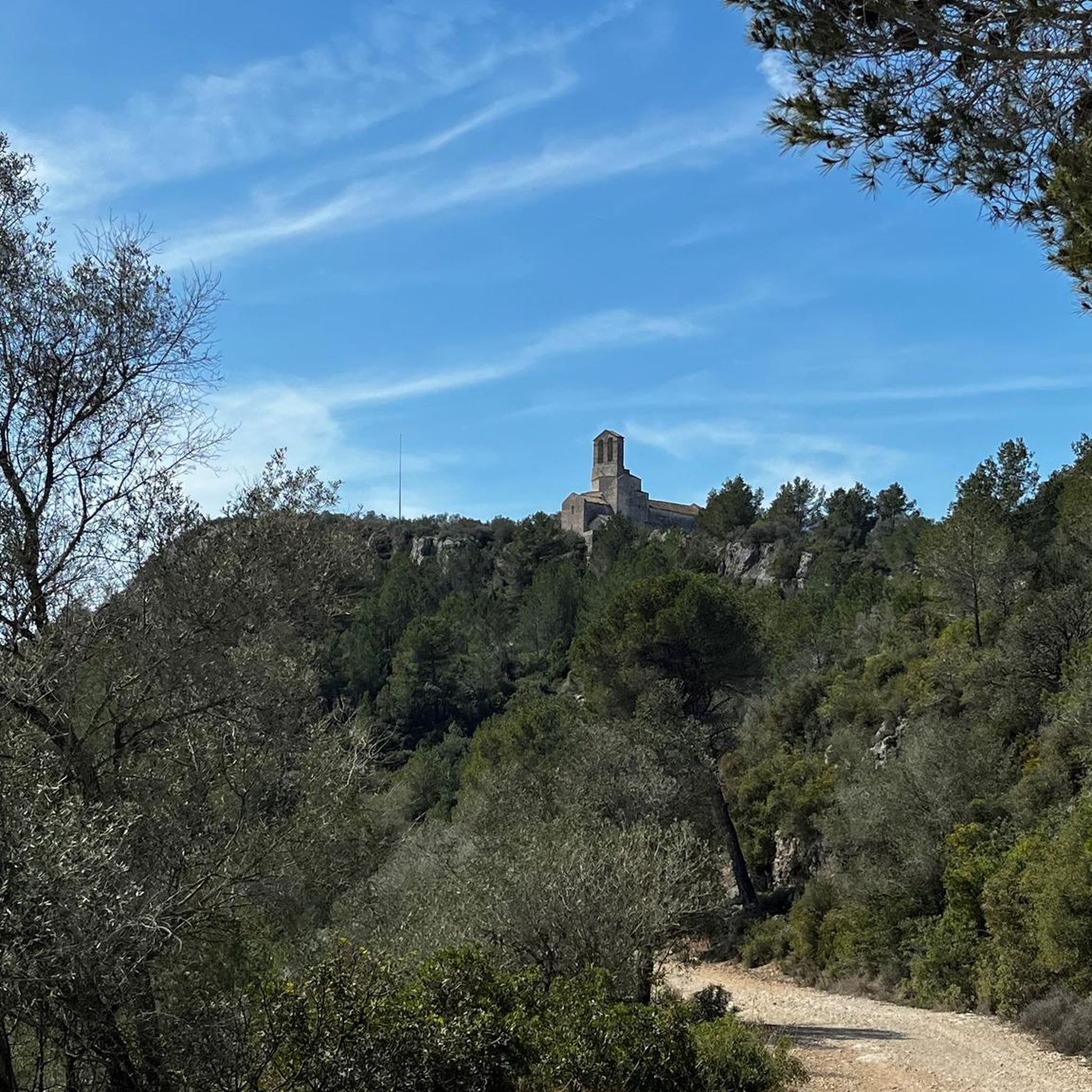
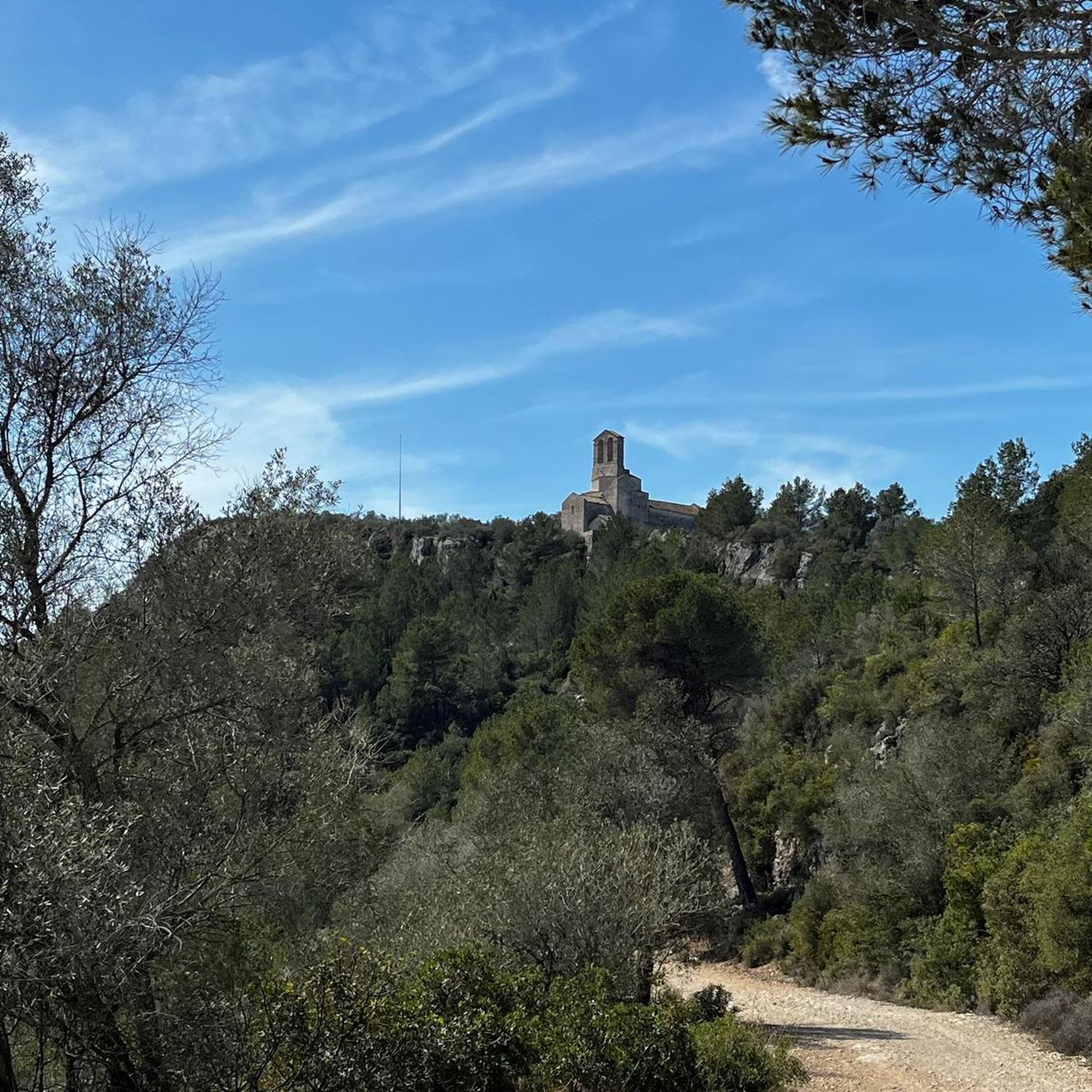
From the Canyellas road it is a two kilometer climb to the castle.
0
0


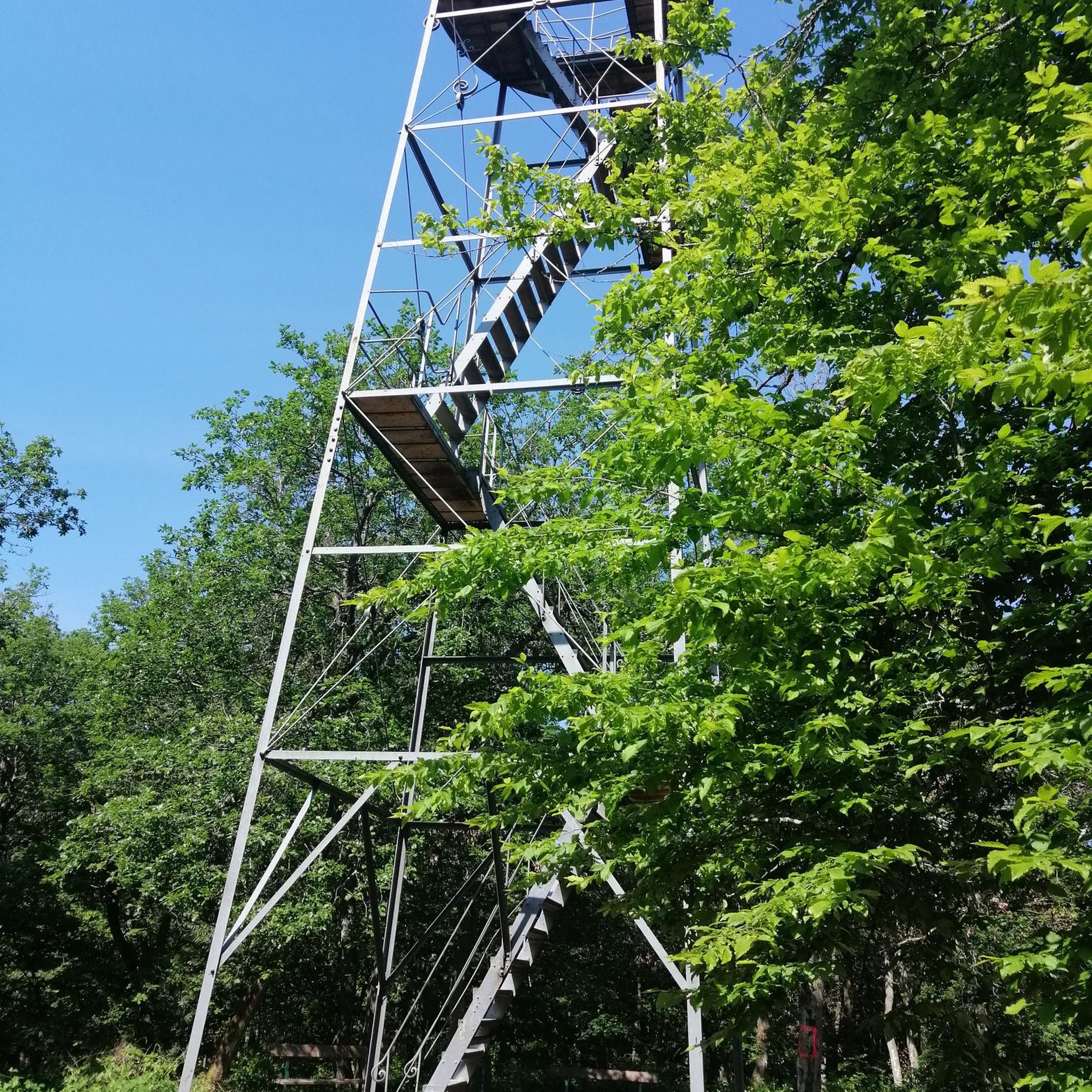
The Puig de l'Àliga, at 464 meters above sea level, is not the highest peak of the Garraf, that honor goes to the Puig de la Mola (534 meters), but it is the highest of the foothills southern parts of the Garraf massif. It forms a natural border between the regions of Alt Penedès and Garraf and is a natural viewpoint of both the Penedès plain and the Garraf coast. At its highest point there is a geodesic vertex, a large cross, and a fire watch tower.
2
0

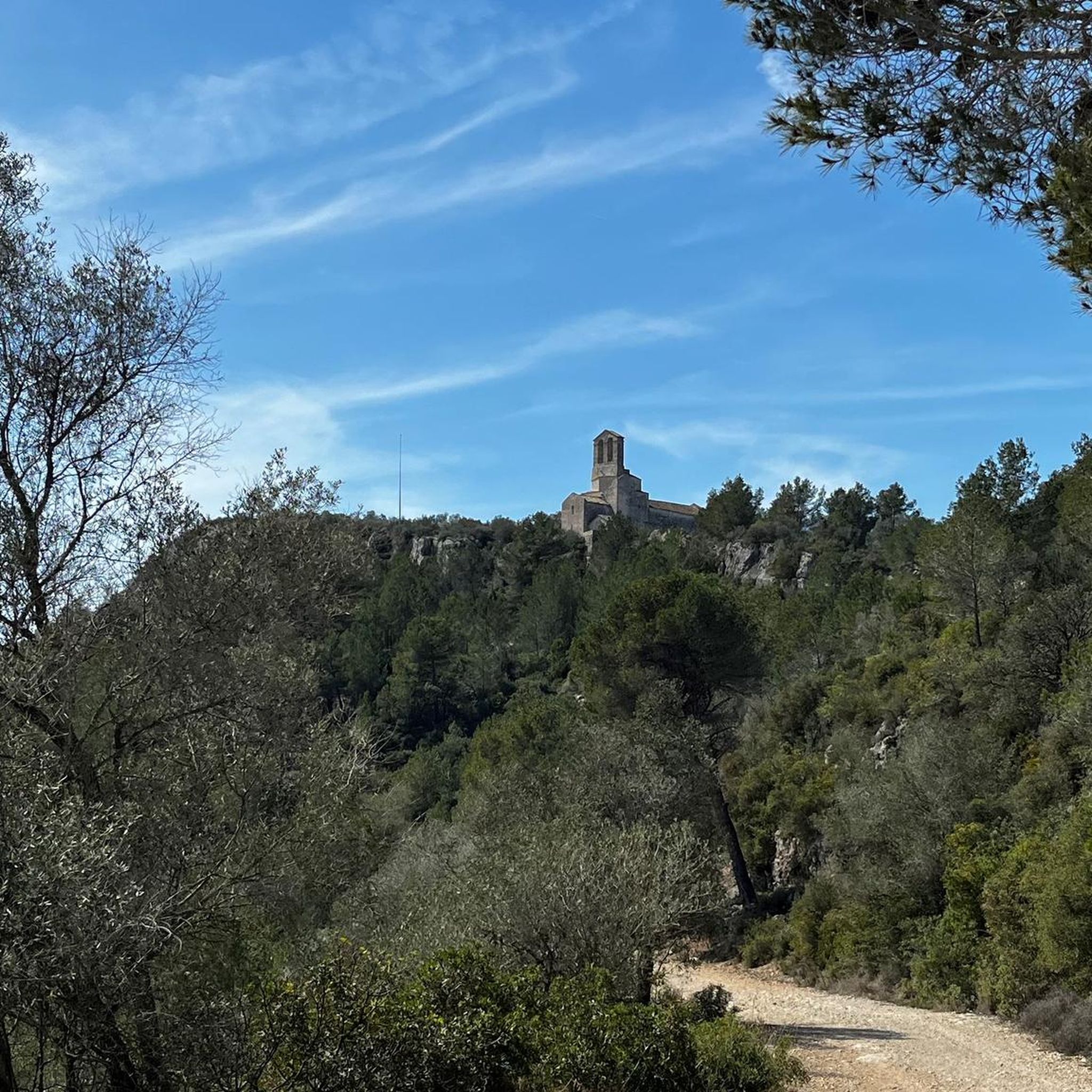
Castle at the top of Olèrdola Park. This is one of the 12 natural spaces that try to be protected and at the same time that people can pass through giving life to the area. The old castle is an example, and passing by and seeing its walls is always beautiful!
0
0

Dry stone hut inventoried with the code: 92 (Source: Wikipedra) Isolated aerial construction with a circular plan and false dome. Flat blown stone eaves on the roof. Note the large side stones of the entrance door. Shack affected by the works on the C-15. October 2011: it is dismantled from its original location (X393452E / Y4574963N) and rebuilt next to the Castell d'Olèrdola car park.
1
0
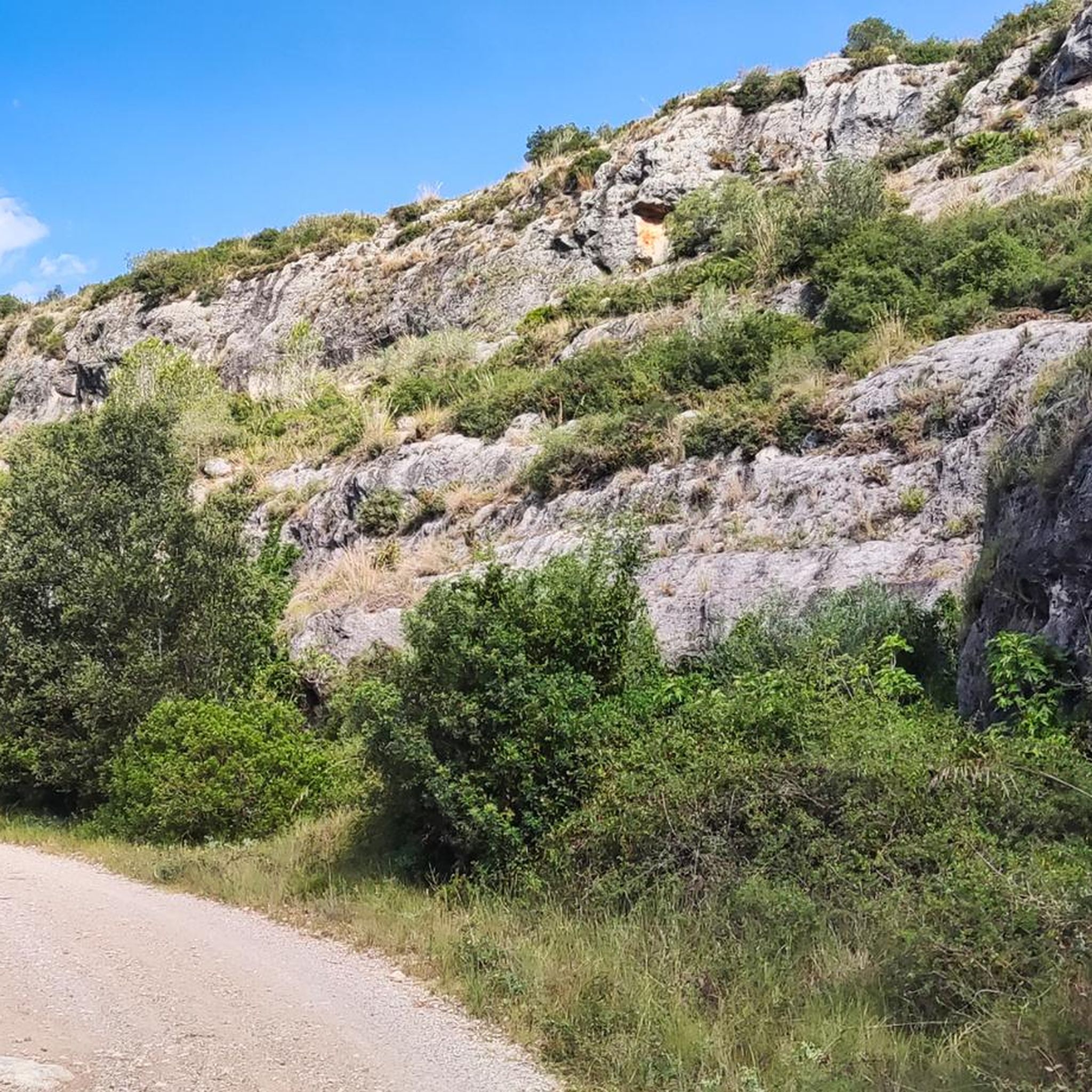
Necropolis located on the elongated hill located in front of the Olerdolana wall. It is known as Pla dels Albats (relatively modern place name). This name comes from the numerous small and medium-sized tombs corresponding to infants and alabtas (babies who died before receiving the sacraments or having the use of reason) found in the necropolis of anthropomorphic tombs. More than a hundred tombs have been located. The graves are excavated in the rock, they are rectangular in plan, with the head separated from the rest of the body and narrower at the feet. Most feature a socket in the rock itself for the cap. The graves follow the east-west orientation. In the middle of the necropolis are the ruins of a building that has been identified as the remains of the chapel of Santa Maria. Part of the north wall is preserved, with a height close to 3 meters and the west wall, modernly altered. The chapel of Santa Maria and the necropolis must be associated with the population, more or less dispersed, located outside the walls in medieval times. They were already in operation at the beginning of the 10th century. Observations: Archaeological research is very incipient in this sector, its evolution will confirm the exact functionality of the building described, its chronology and the relationship with the remains of another building that can be guessed in the middle of the necropolis.
3
0
The history of the place tells of the settlement of several tribes during the Bronze Age (2000-1800 BC), the construction of a primitive wall during the Iron Age (8th-7th centuries BC) and the arrival of the Cossetans (5th-4th centuries BC), an Iberian tribe that built an entire town there, later replaced by a Roman military camp that controlled the Via Augusta. At the time of the Christian conquest (929), Count Sunyer I built the first castle on the ruins of a Roman watchtower, as well as the church of Sant Miquel. The Muslim incursions of the 10th century seriously damaged the place, which had to be rebuilt during the following two centuries, after it belonged to Mir Geribert, self-proclaimed prince of Olèrdola. The visit to the complex is worth taking it easy and dedicating at least an hour to it. Before you go, you should consult their website: http://www.macolerdola.cat/Visita-ns/Informacio-per-a-la-visita
1
0
It consists of a whole series of vestiges and constructions that allow you to follow the history of Penedes from the Bronze Age to the High Middle Ages. The spectacular Sant Miquel church and the Pla dels Albats necropolis (both from the Middle Ages) stand out. Within the protected natural environment of the Regional Park of Olèrdola, and with a privileged view over the surroundings of Vilafranca and Garraf, there is a whole series of vestiges and constructions that allow you to follow the history of Penedes since the Bronze Age (about 4,000 years ago) until the High Middle Ages. It is located in an installation of the Museum of Archeology of Catalonia (MAC), which includes an interpretation center, and the visit to the complex is organized in an itinerary that starts at the interpretation center and links the various points of interest The vestiges of the Roman era are some of the most interesting, such as the wall (2nd-1st centuries BC), which defended the only point on the mountain that is not surrounded by cliffs and consists of a single central gate and four towers, and the cistern (also from the 2nd-1st centuries BC), dug into the rock and used to store rainwater, unique in the country for its capacity of 350,000 litres. From the Middle Ages, the spectacular church of Sant Miquel stands out, perched on top of the hill of the same name and destroyed and rebuilt several times since the beginning of the 10th century. It consists of two parts, one pre-Romanesque (built in 929) , which still preserves the apse and stands out for its horseshoe arch, and another from later (10th-12th centuries), which was in use until 1885. It is also necessary to mention the necropolis of Pla dels Albats (10th- XI), with a hundred anthropomorphic tombs excavated in the rock next to the ruins of the chapel of Santa Maria, the various structures of Iberian and medieval streets, houses and silos, the castle, also medieval, and the Roman watchtower.
1
0
Frequently Asked Questions
What historical sites can I explore in Parc D'Olèrdola?
Parc D'Olèrdola is rich in history, with the primary attraction being the Olèrdola Monumental Complex. This site features remains from the Bronze Age, an Iberian settlement, a Roman fort, and a medieval town. You can also visit the Romanesque Church of Sant Miquel, a unique Roman Cistern dug into the rock, and the medieval walls and castle ruins. Another notable site is the Pla dels Albats Necropolis, with its rock-cut tombs.
What natural features and viewpoints can I find in Parc D'Olèrdola?
The park boasts a quintessential Mediterranean landscape with holm oak and cork oak groves, pine forests, and unique palm thickets. Distinct calcareous outcrops add to its geological interest. For breathtaking views, head to Puig de l'Àliga, a summit offering panoramic vistas of the Penedès plain and the Garraf coast. The Olèrdola Monumental Complex also provides excellent elevated viewpoints.
Are there hiking trails suitable for different skill levels?
Yes, Parc D'Olèrdola offers a variety of hiking routes, including sections of the GR92 and local paths like the 'Ruta de les fonts i els forns'. You can find trails ranging from easy to difficult. For more detailed information on routes, including difficulty grades and distances, you can explore the Hiking in Parc D'Olèrdola guide.
What activities are available for families in Parc D'Olèrdola?
Families can enjoy exploring the historical sites, particularly the Olèrdola Monumental Complex, which often offers guided and dramatized tours to bring history to life. The park also has numerous hiking trails suitable for various ages, and designated picnic areas, such as those near Castell d'Olèrdola, are perfect for a family outing amidst nature.
What is the best time of year to visit Parc D'Olèrdola?
The best time to visit Parc D'Olèrdola is generally during spring (April to June) and autumn (September to October) when the weather is mild and pleasant for outdoor activities like hiking and exploring historical sites. Summers can be hot, while winters are cooler but still suitable for visits, especially on sunny days.
Can I bring my dog to Parc D'Olèrdola?
Parc D'Olèrdola is generally dog-friendly, allowing dogs on many of its trails and in natural areas, provided they are kept on a leash. However, specific rules might apply to certain archaeological sites or indoor facilities within the monumental complex. Always check local signage for any restrictions.
Are there any unique archaeological features in the park?
Beyond the main complex, you can discover unique archaeological features such as the Pla dels Albats Necropolis, an interesting site with over a hundred anthropomorphic tombs carved directly into the rock. The Roman Cistern within the Olèrdola Monumental Complex, entirely dug into the rock, is also a remarkable example of ancient engineering.
What other outdoor activities can I do near these attractions?
Besides hiking, the park offers opportunities for rock climbing in areas like Penya de l'Escofet and Font de l'Ametlló. Caving is also possible, though permits may be required. For cycling enthusiasts, there are numerous mountain biking trails. You can find more details on routes in the MTB Trails in Parc D'Olèrdola guide and the Running Trails in Parc D'Olèrdola guide.
Are there places to eat or drink near Parc D'Olèrdola?
While there might not be many establishments directly adjacent to the main entrances, the nearby villages and towns offer various options. You can find cafes and restaurants in Sant Miquel d'Olèrdola and other surrounding areas. Additionally, the region is known for its vineyards, and many wineries offer visits and tastings.
Is there an entry fee for the Olèrdola Monumental Complex?
Yes, there is typically an entry fee to access the Olèrdola Monumental Complex, which includes the Archaeology Museum of Catalonia (MAC) site and its interpretation center. It's advisable to check the official MAC website or the visitor center for current ticket prices and opening hours before your visit.
How can I get to Parc D'Olèrdola by public transport?
Access to Parc D'Olèrdola by public transport can be limited, as it is a natural park. The closest major towns with public transport connections are Vilafranca del Penedès or Vilanova i la Geltrú. From there, you might need to rely on local bus services or taxis to reach the park's main access points. Planning your journey in advance is recommended.
What is the Lime Kiln of Can Castellví?
The Lime Kiln of Can Castellví is a significant historical site within the park, representing one of the oldest cement facilities in Catalonia. Active from 1899 to 1906, it worked at high temperatures, using the area's calcareous rocks to produce lime. You can still see the quarry that fed its kilns.
Most popular routes in Parc D'Olèrdola

Get inspired with the komoot mobile app


Explore more
Still not found the Highlight you’re looking for? See guides of the top attractions in other regions:
