Attractions and Places To See around Schöpstal - Top 20
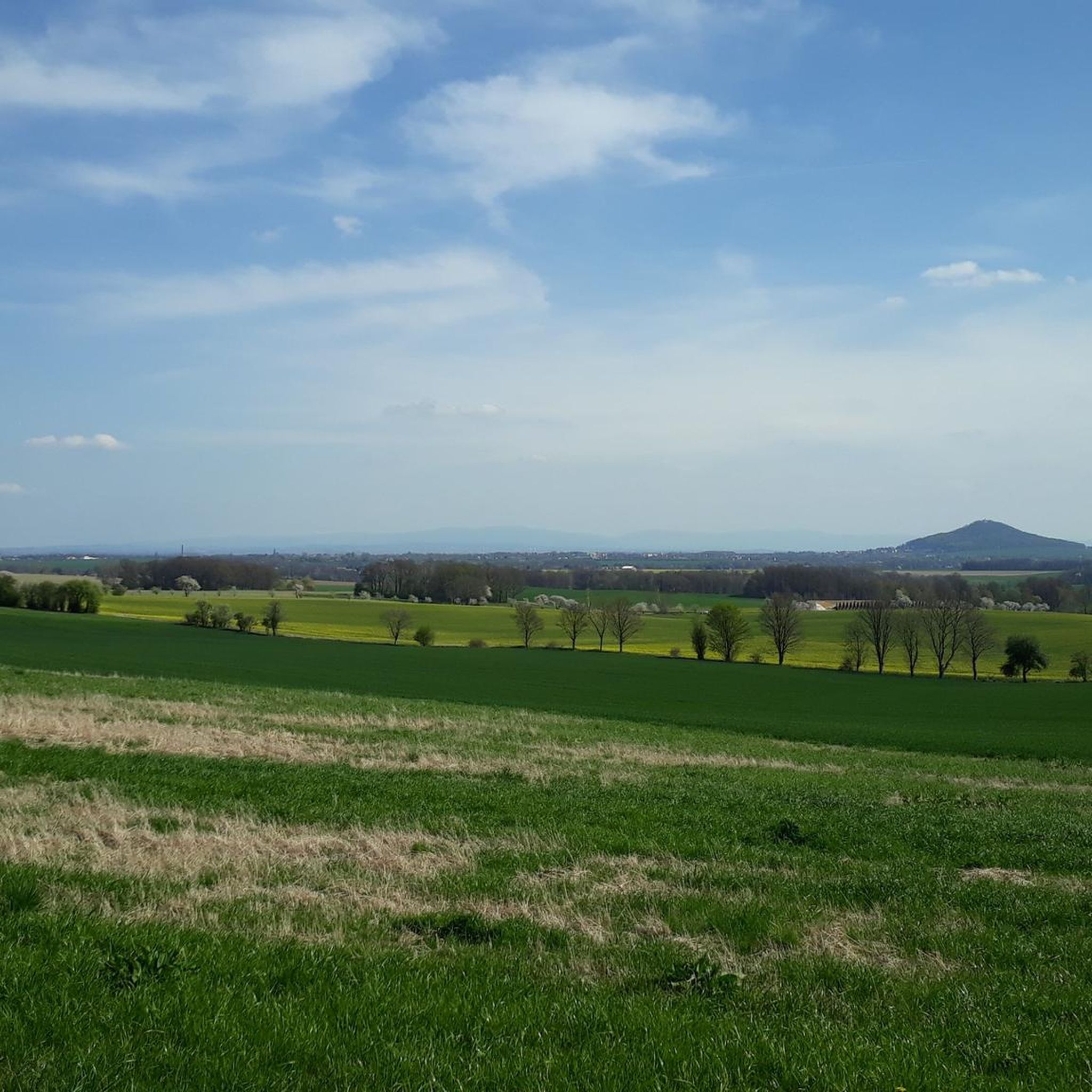
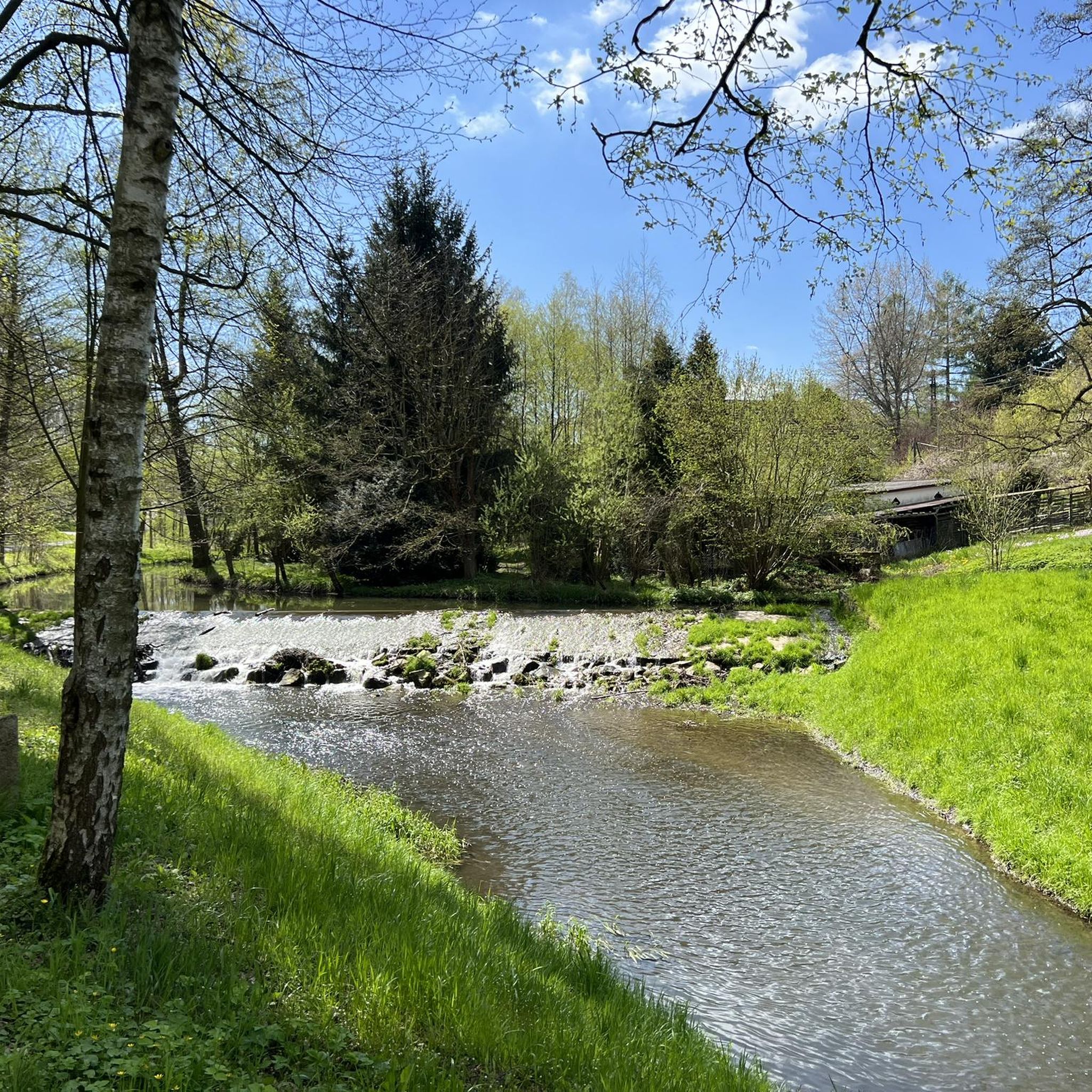
Best attractions and places to see around Schöpstal include a blend of historical landmarks, natural landscapes, and cultural sites in the district of Görlitz, Germany. The region features rolling hills, forests, and rivers like the "Weißen Schöps," offering opportunities for outdoor activities. Visitors can explore well-preserved farmsteads, historic churches, and significant points of interest that reflect the area's rich heritage. Schöpstal provides a diverse range of sights for those interested in history, nature, and local culture.
Best attractions and places…
Last updated: August 16, 2026
Neisse Viaduct (Görlitz)
Highlight • Bridge
Translated by Google •
Tip by

Landeskrone Observation Tower
Highlight • Viewpoint
Translated by Google •
Tip by

Sign up now to discover places like this
Get recommendations on the best single tracks, peaks, & plenty of other exciting outdoor places.
Sign up for free
Untermarkt (Lower Market), Görlitz
Highlight • Historical Site
Translated by Google •
Tip by

Blaue Lagune Beach, Berzdorfer See
Highlight • Beach
Translated by Google •
Tip by

Old Town Hall, Görlitz
Highlight • Historical Site
Translated by Google •
Tip by

Sign up for free to discover even more attractions around Schöpstal.
Sign up for free
Already have an account?
Start today with a free account
Your next adventure awaits.
Login or Signup

Other adventures around Schöpstal

Tips from the Community

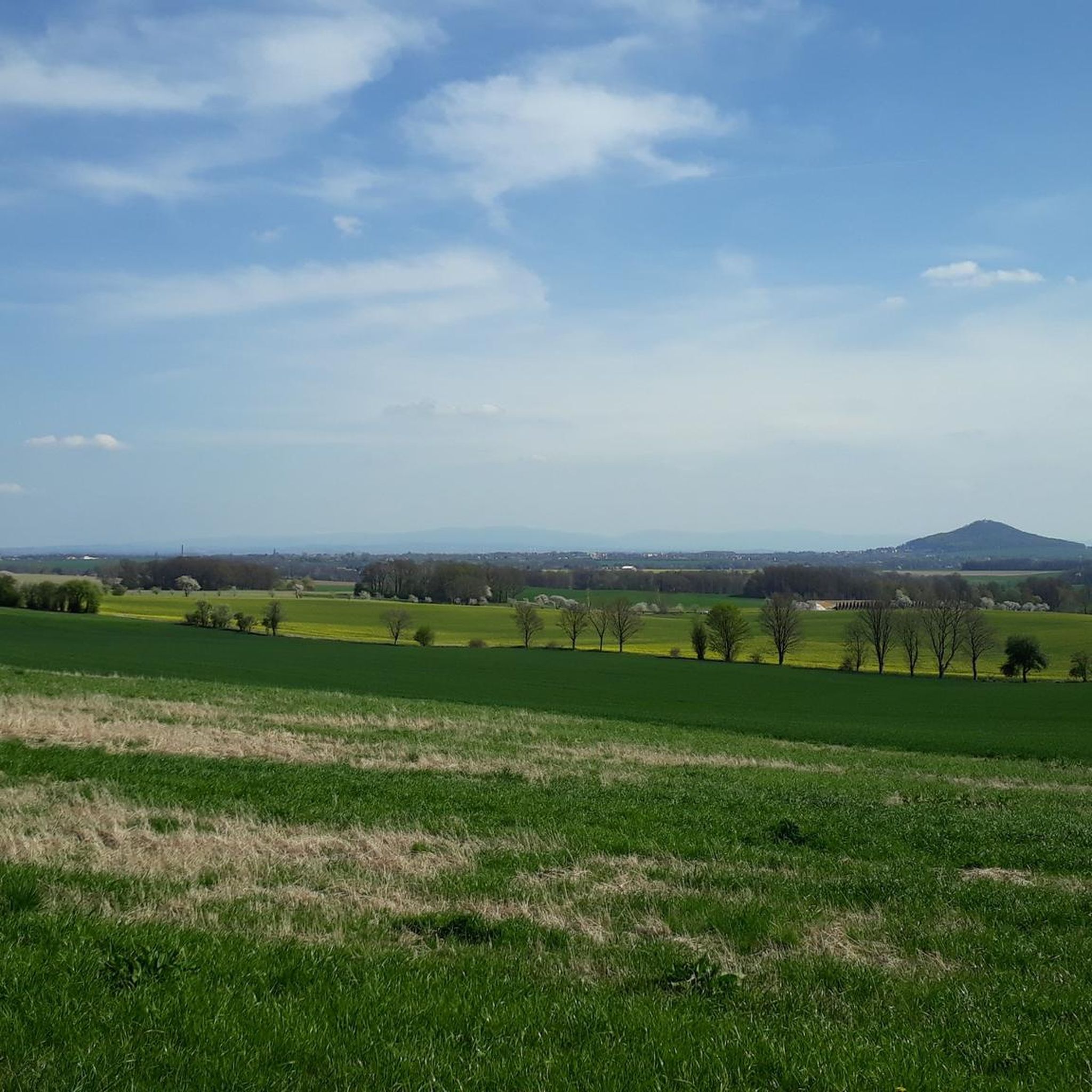
A beautiful view from the local mountain of Görlitz
2
0

Since February 28, 2009, three pairs of passenger trains have once again run between Dresden and Wrocław over the viaduct. However, electric train service has not resumed since the viaduct's reconstruction, as the Soviet Union dismantled the overhead wire west and east of the Neisse after the war in the autumn of 1945. In 2011, it was announced in the local press that the Polish Railway, which owns the viaduct, planned to renovate the railway bridge by 2013 and simultaneously prepare for electrification. Construction work was completed at the end of 2013. Renovation and maintenance work was carried out on the tracks and substructure. The permitted speed was increased from 30 to 80 kilometers per hour. Heavy freight trains can now also cross the viaduct. The PKP had the parapet removed and replaced with a new one. Furthermore, new sand traps for drainage were installed, lights were installed, and new control systems for rail traffic were installed. Check Wikipedia
6
0

The Whispering Arch at Untermarkt 22 in Görlitz is a magnificent late Gothic portal decorated with elaborate details. Construction of the portal began in 1500, followed by extensions in 1525 and 1726. The Whispering Arch's keel-arch archivolt transmits sound waves so that even quiet words can be heard from one end to the other. Today, the Whispering Arch is one of the city's most visited sights.
7
0

The town hall staircase is a special work of art and testifies to good stonemasonry.
3
1

The historic medieval Untermarkt in Görlitz is the centre of Görlitz's old town and is one of the most beautiful squares in the city. Here, in the middle of a unique ensemble of historic buildings, you will find the Görlitz town hall, the historic arches of the hall houses and the famous whispering arch.
6
0

The town hall stairs were probably built in 1537 by Wendel Roskopf. They are a masterpiece of the early Renaissance. The stairs lead to the court wing. The Annunciation pulpit, which is located to the side of the stairs, was also built at the same time. The sculptor Andreas Walther I decorated the stairs with motifs that were unusual for the time. The Justitia statue was added in 1591. Above the stairs on the right is the Corvinus coat of arms. https://de.m.wikipedia.org/wiki/Rathaus_G%C3%B6rlitz
4
0
There is a head on the daytime clock. According to legend, this head represents the city guard who slept through the city fire and who, according to legend, was walled up alive in the tower. The color of the eyes is said to reflect the city fire and the open mouth the horror of the city fire. In the upper window lies the Bohemian lion, which is said to have roared at midnight to scare away thieves. It didn't roar for a long time because the mechanism was defective. It has been replaced and during tours of the tower the guide operates the mechanism and you can hear the lion. https://vonortzuort.reisen/deutschland/sachsen/goerlitz/rathausturm/
3
1

The original name of this square, first mentioned in 1305, is simply Market. In 1403 the name Niedermarkt appears in the archives. The name Ring, which existed between 1340 and around 1600, probably comes from Silesian. The part north of the Zeile separating the square was also temporarily called the Alter Markt, Fischmarkt or Herringsmarkt. The country people selling goods mainly stood in the northern part of the square, while the artisans in the southern part. It was not until 1864 that the weekly market moved to Elisabethstrasse. The block of houses in the middle of the square is called Zeile or Mittelzeil. A passageway from east to west led through this block of houses; this no longer exists today. This passageway provided access to the southern grocers. Later, the houses were opened to the south side of the square, because the rich merchants (also spice and silk merchants) had their stalls on the south side.
9
0
Frequently Asked Questions
What kind of natural landscapes can I explore around Schöpstal?
Schöpstal is known for its picturesque natural features, including rolling hills, dense forests, and clear lakes. You can enjoy cycling tours along the "Weißen Schöps" River or explore mountains like Kesselberg, Kapellenberg, and Limasberg for hiking. The Berzdorfer Lake is a popular spot for recreation, offering bathing areas and gastronomy.
Are there any historical sites or cultural monuments in Schöpstal?
Yes, Schöpstal boasts several historical and cultural sites. Within the municipality, you can find the Wasserschloss (Water Castle), historic churches like St. Barbara Church in Ebersbach, and the Altes Schloss Kunnersdorf (Old Kunnersdorf Castle). The Schulscheune (School Barn) in Kunnersdorf also offers a glimpse into the region's past with its historical furnishings. The Pfarrkirche St. Barbara in Ebersbach is even located along the historic Pilgrim Way Via Regia.
What are some family-friendly attractions near Schöpstal?
For families, the Blaue Lagune Beach at Berzdorfer See is an excellent choice, offering clear waters and white sand for a relaxing day. The Untermarkt (Lower Market) in Görlitz is also family-friendly, where children might enjoy the unique Whispering Arch. Additionally, the Schöpstal nature trail is designed to engage children in learning about local flora and fauna.
What outdoor activities are popular around Schöpstal?
The region around Schöpstal is ideal for various outdoor activities. You can find numerous well-signposted hiking trails, including the Schöpstal nature trail. Cycling is also popular, especially along the "Weißen Schöps" River. For more structured routes, explore options like the 'Kunnersdorf Church – Kunnersdorf Castle loop' for hiking or the 'Oder-Neisse Cycle Path' for road cycling. You can find more details on these and other routes in the hiking guide and road cycling guide for Schöpstal.
Where can I find scenic viewpoints or panoramic views?
For breathtaking panoramic views, head to the Landeskrone Observation Tower. Situated on the 420-meter Landeskrone mountain, it offers a 360-degree vista of the surrounding landscape. The Quitzdorf Reservoir also provides magnificent views and refreshing breaks.
Are there any lakes or beaches for swimming and recreation?
Yes, the Berzdorfer Lake is a beautiful destination with numerous bathing areas and gastronomy options, perfect for swimming and recreation. The Blaue Lagune Beach on Berzdorfer See is particularly noted for its clear waters and white sand, making it a great spot for a quick break or a longer beach trip.
What historical landmarks can I see in nearby Görlitz?
Görlitz, conveniently close to Schöpstal, offers significant historical landmarks. The Untermarkt (Lower Market) is the historic medieval center of Görlitz's old town, featuring the town hall and the famous Whispering Arch. Another impressive sight is the Neisse Viaduct, a 475-meter-long railway bridge and one of Germany's largest and oldest.
What do visitors particularly enjoy about the attractions around Schöpstal?
Visitors frequently praise the diverse blend of historical sites and natural beauty. Many enjoy the impressive architecture of the Neisse Viaduct and the unique experience of the Whispering Arch at Untermarkt in Görlitz. The clear waters and white sand of Blaue Lagune Beach are also highly appreciated for relaxation.
Are there opportunities for hiking or walking trails in Schöpstal?
Absolutely. Schöpstal offers numerous well-marked hiking trails suitable for various skill levels. You can explore routes like the 'Shelter on the Kreisbahnradweg – Ebersbach Moated Castle loop' which is an easy option, or the 'Limasberg Rocky Outcrop – Kunnersdorf Church loop' for a moderate challenge. The Schöpstal nature trail is also a great option for a leisurely walk. More hiking routes can be found in the hiking guide for Schöpstal.
Can I find places to eat or drink near the attractions?
Yes, several attractions offer dining options. The Landeskrone Observation Tower has a restaurant with an outdoor terrace. Around Berzdorfer Lake, you'll find various gastronomy options, and the Untermarkt in Görlitz is home to several restaurants and cafes.
What are some unique historical features in Schöpstal?
Beyond castles and churches, Schöpstal has unique historical features such as the Hochwasserstein (Flood Stone) near the Ebersbach Church, which commemorates a 1766 flood disaster. The region also preserves various historic farmsteads and the Rudolphmühle (mill) with its associated buildings, showcasing the area's agricultural and architectural heritage as cultural monuments.
Are there any cycling routes suitable for different skill levels?
Yes, Schöpstal and its surroundings offer cycling routes for various abilities. You can enjoy relaxing, nature-oriented cycling tours along the "Weißen Schöps" River. For road cycling, options range from easy routes like the 'Elsnerberg Ascent loop' to moderate ones such as the 'Oder-Neisse Cycle Path – Görlitz Old Town loop'. Detailed routes can be explored in the road cycling guide for Schöpstal.
Most popular routes around Schöpstal
Most popular attractions around Schöpstal

Get inspired with the komoot mobile app


Explore more
Still not found the Highlight you’re looking for? See guides of the top attractions in other regions:
