The best cycling routes in Sasso Di Pale
4.5
(142)
2,926
riders
225
rides
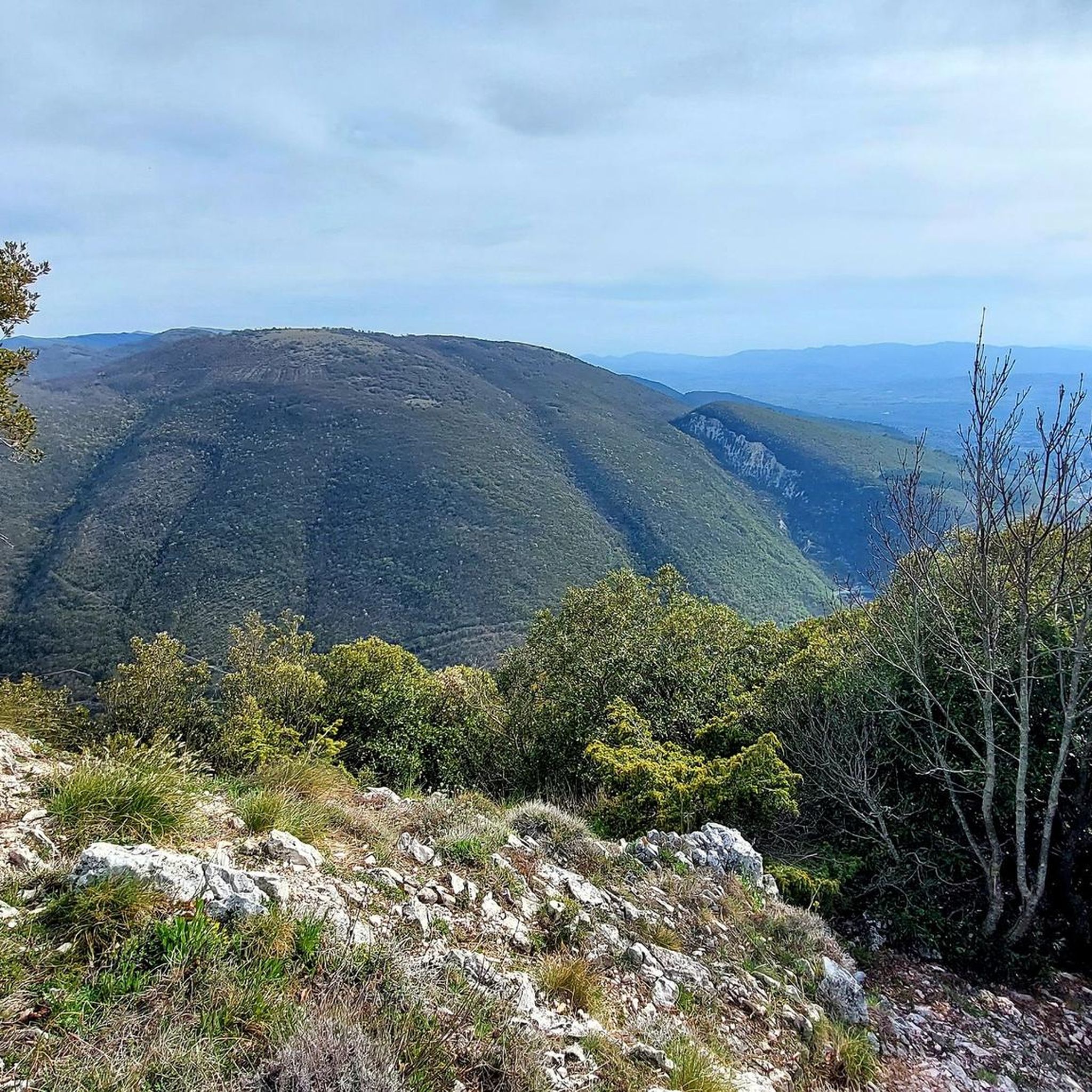
Touring cycling routes in Sasso Di Pale traverse varied terrain, from river valleys to rugged cliffs and historic "strade bianche." The region is characterized by the calcium-rich Menotre River, which has created notable travertine formations, and the dramatic Sasso di Pale cliff. Cyclists can explore a mix of paved and unpaved roads, winding through scrublands of holm oaks and past ancient villages. This diverse landscape provides a range of routes suitable for different cycling preferences.
Best touring cycling routes in…
Last updated: July 8, 2026
12
riders
16.5km
00:59
120m
120m
Easy bike ride. Great for any fitness level. Mostly paved surfaces. Suitable for all skill levels.
9
riders
19.9km
01:12
120m
120m
Easy bike ride. Great for any fitness level. Mostly paved surfaces. Suitable for all skill levels.

Sign up for free
5.0
(4)
51
riders
64.2km
04:06
470m
470m
Hard bike ride. Very good fitness required. Mostly paved surfaces. Suitable for all skill levels.
38
riders
55.0km
04:53
1,100m
1,100m
Hard bike ride. Very good fitness required. You may need to push your bike for some segments of this route.
5.0
(1)
34
riders
47.1km
03:15
790m
790m
Hard bike ride. Very good fitness required. Mostly paved surfaces. Suitable for all skill levels.
Get access to more routes and recommendations from other explorers.
Sign up for free
Already have an account?
Our route recommendations are based on thousands of hikes, rides, and runs completed by other people on komoot.
Start today with a free account
Your next adventure awaits.
Login or Signup
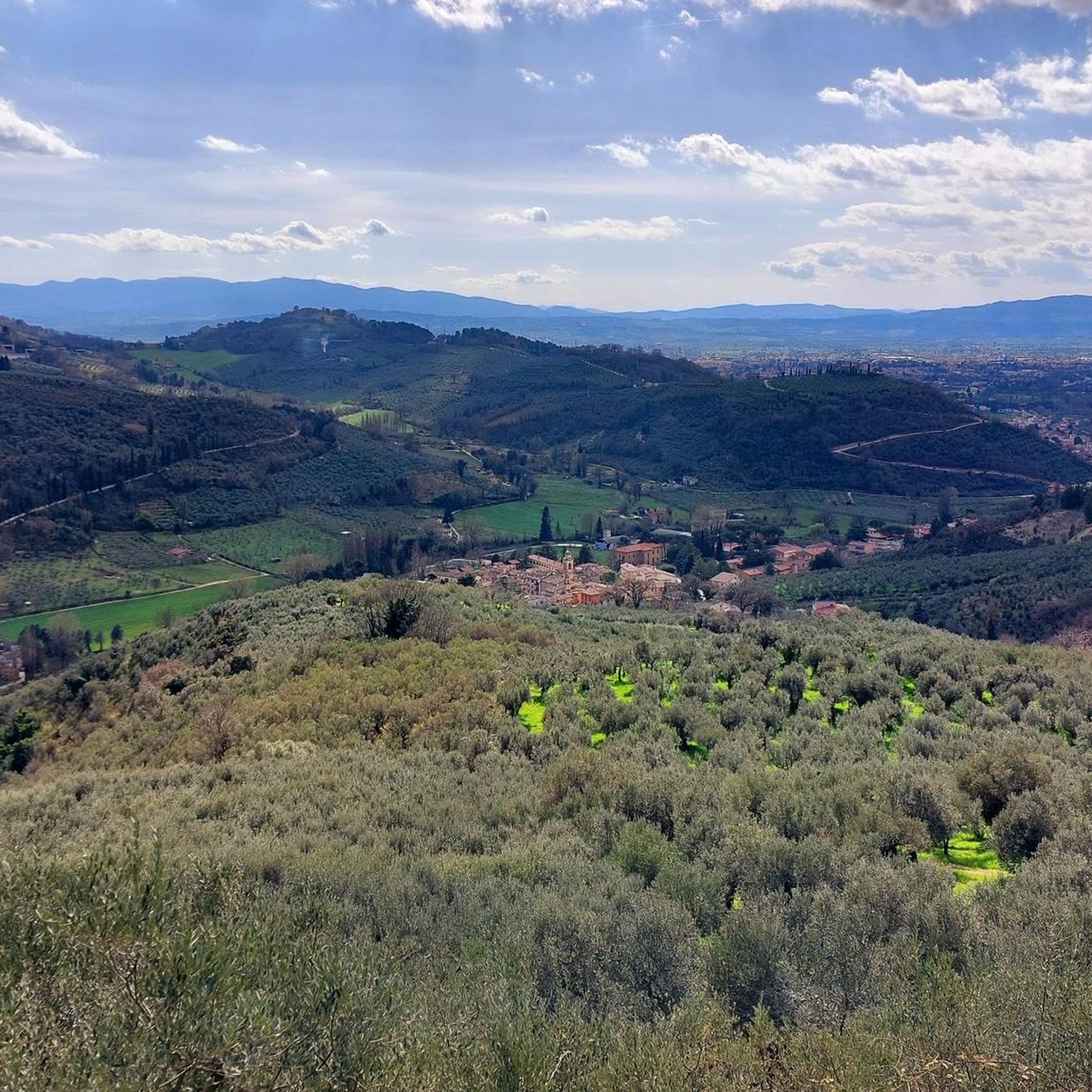
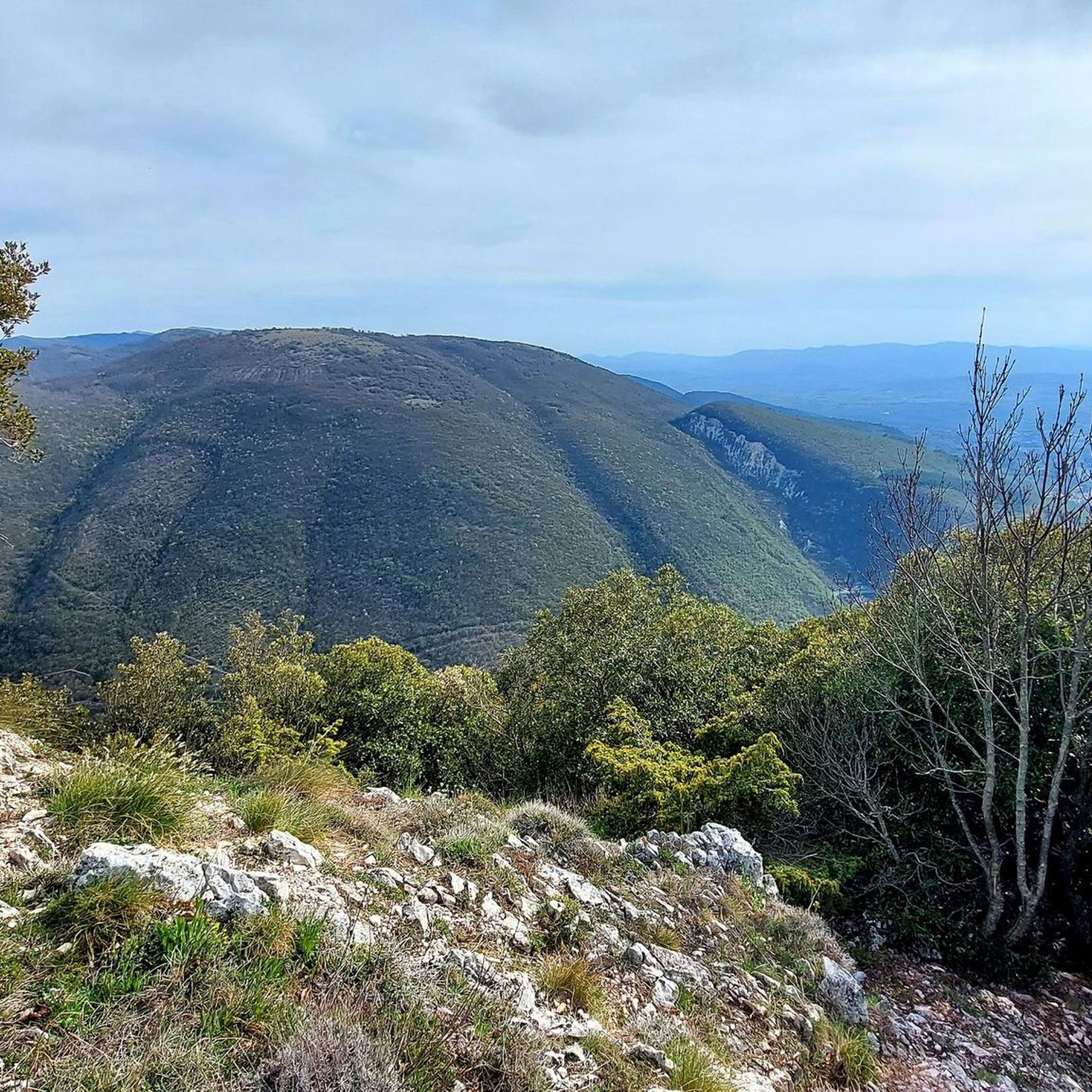
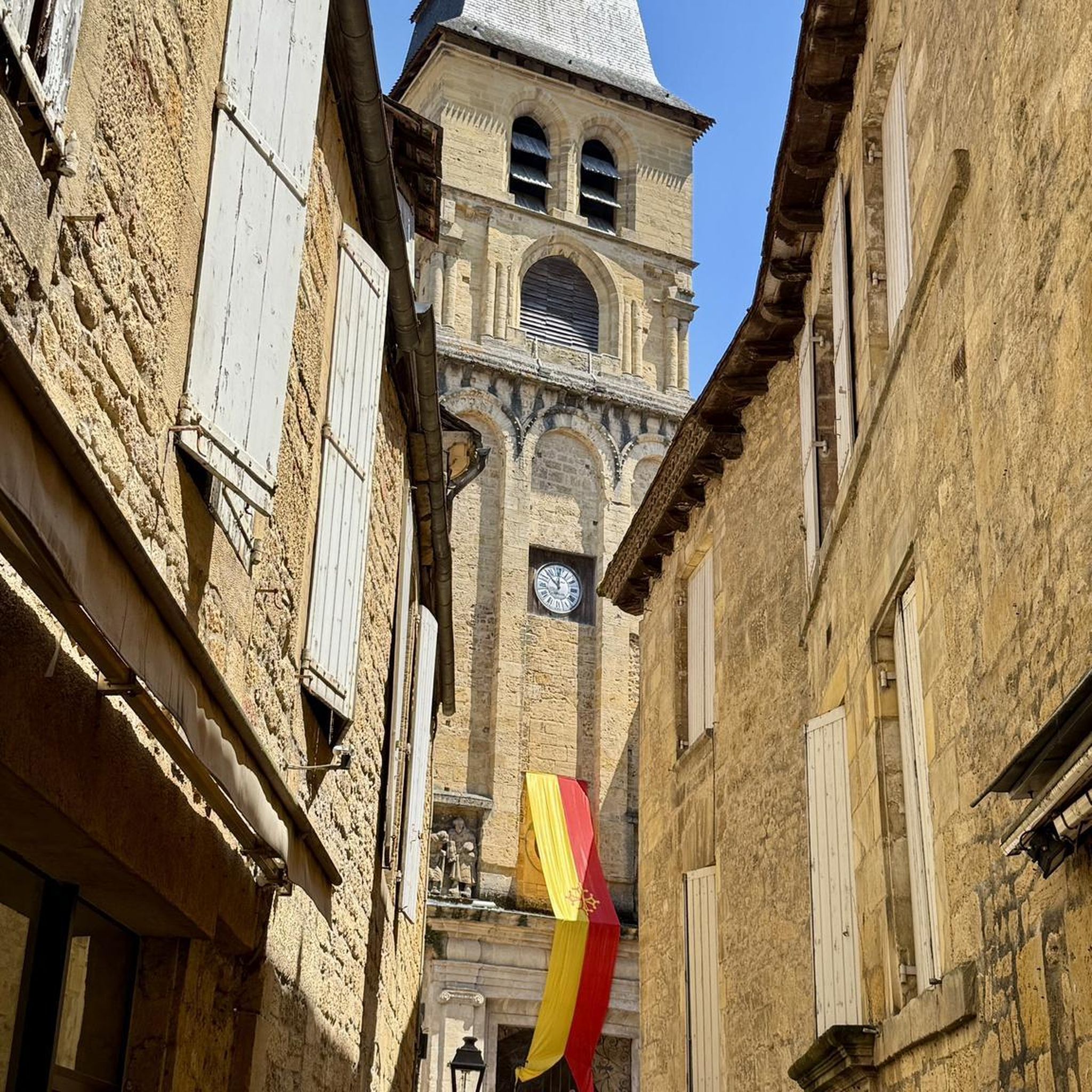
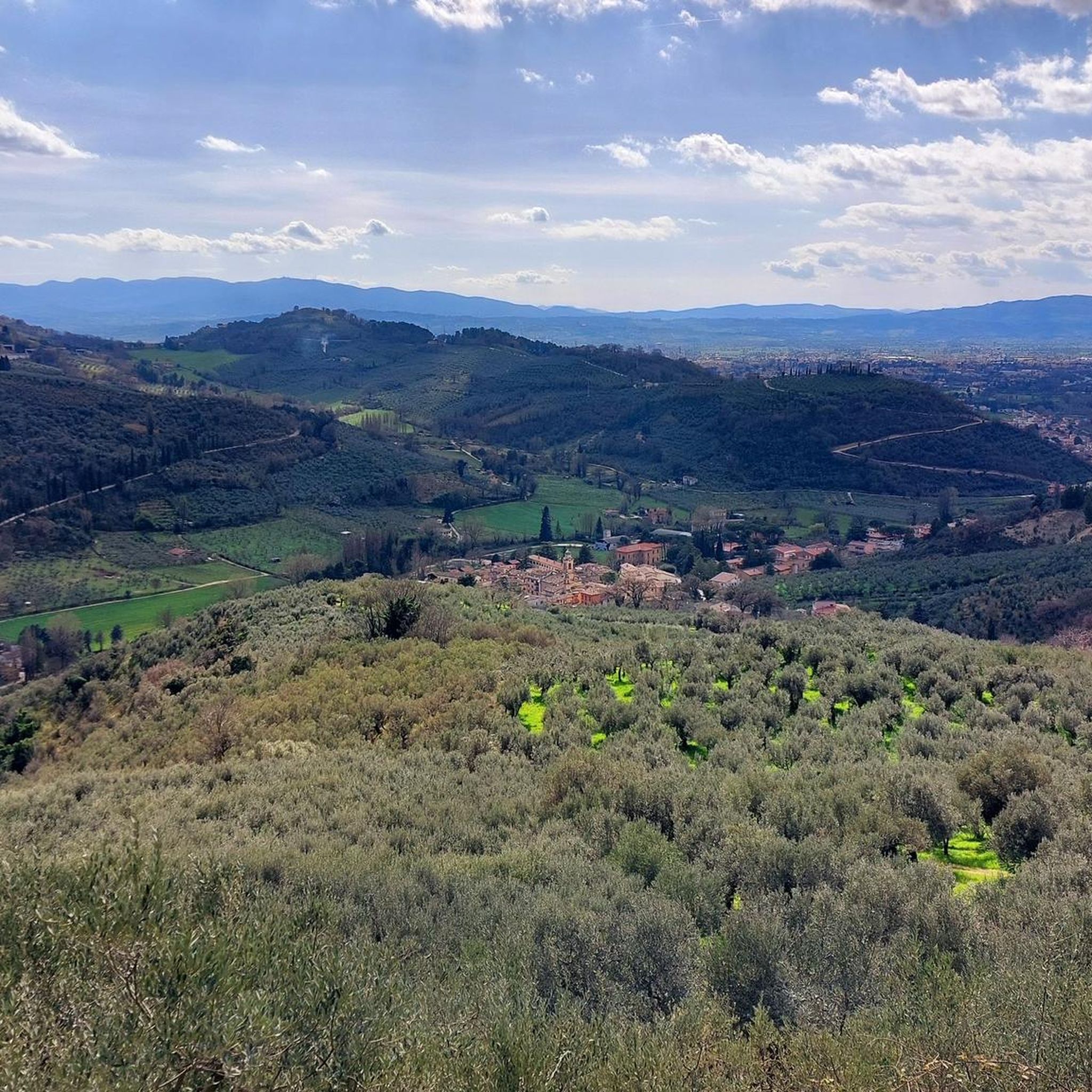
Tips from the Community


The Church of Santa Maria Infraportas is one of Foligno's oldest sacred buildings, founded in the early Middle Ages near the city's ancient eastern gate. The sober and austere exterior reflects the building's Romanesque origins, while the interior retains a simple single-nave structure. Of great significance are the medieval and Renaissance frescoes, which testify to a long continuity of worship and artistic interventions. The church played an important role in the city's religious life, also as a place linked to the confraternities. Today, it represents a significant testimony to medieval Foligno and its historical stratification.
0
0

It's definitely worth it for the views it offers!
0
0

Church of Romanesque construction, renovated several times following seismic events, the last time significantly in the 18th century. Inside you can admire a very interesting Renaissance work, the polyptych by Alunno, a fifteenth-century painter from Foligno. In reality the work that is presented to us is not complete, three "pictures" are missing at the base (predella) as they were looted by Napoleon's troops (currently exhibited at the Louvre). In Foligno the church is better known as "Santa Rita" as on May 22nd of each year the feast of the highly venerated Saint is celebrated, with a procession through the alleys of the neighborhood in the evening hours.
0
0

Bevagna / Region – Umbria / Province – Perugia (PG) The town, surrounded by a city wall with towers and gates, has an intact medieval structure (12th-13th centuries). In the upper part of the town, numerous Roman remains can still be seen: the ruins of a temple, the theater, and a thermal bath complex, of which a frigidarium with a magnificent black and white floor mosaic depicting marine figures from the 2nd century AD survives. The medieval town structure, with its squares and noble houses, developed over the Romanesque foundations: The magnificent Piazza Silvestri is home to the Palazzo dei Consoli (1270), which houses the Torti Theater, the Romanesque churches of San Silvestro and San Michele Arcangelo, both from the late 12th century, and the church of San Domenico e Giacomo (1291). Worth seeing is the Palazzo Comunale (late 18th century), which houses the historical archives, the library, and the art gallery. The Baroque churches of the Monastery of Santa Margherita and San Filippo are also very interesting. At the highest point in the town stands the Church of San Francesco (late 13th century). Next to the altar, one can see the stone on which St. Francis knelt when he preached to the flock of birds at Pian d'Arca. The 18th-century Palazzo Lepri houses the Museum of Bevagna, with works that tell the story of the town from pre-Roman times to the 18th century: archaeological finds from the ancient city of Mevania, medieval documents, and paintings by Dono Doni, Fantino, and Corrado Giaquinto. In the surrounding area, the Sanctuary of Madonna delle Grazie (late 16th century), the Sanctuary of Madonna della Valle, and the Monastery of Annunziata (11th century), formerly a defensive castle, rise up against the hillsides. Text / Source: Umbria Tourism.it contatti@umbriatourism.it https://www.umbriatourism.it/de/bevagna
14
1

Fantastic Colfiorito pass, the old road with almost no cars.
0
0

This church in Bevegna has a patronal name that is truly on everyone's lips, but only a few will know the person behind it: San SILVESTRO's feast day is December 31st. He lived at the end of the third and beginning of the fourth century and was Bishop of Rome when Emperor Constantine recognized Christianity as a religion with the Edict of Milan - known as the "Edict of Toleration" - and thus ended (at least temporarily) the period of bloody persecution of Christians.
1
0

Great place for lunch. Some of the best wines in umbria
0
0
Frequently Asked Questions
How many touring cycling routes are available in Sasso Di Pale?
Sasso Di Pale offers a wide selection of touring cycling routes, with nearly 200 options available. These routes cater to various preferences, ranging from easy riverside paths to more challenging ascents through the rugged landscape.
What do other touring cyclists enjoy about the routes in Sasso Di Pale?
The touring cycling routes in Sasso Di Pale are highly rated by the komoot community, with an average score of 4.5 stars from over 140 reviews. Cyclists often praise the diverse terrain, which includes historic 'strade bianche' and scenic paths along the Menotre River, as well as the opportunity to explore ancient villages and natural wonders.
What is the best time of year for touring cycling in Sasso Di Pale?
The region's varied terrain, from river valleys to higher elevations, makes spring and autumn ideal for touring cycling. During these seasons, the weather is generally mild, and the natural landscapes, such as the scrublands of holm oaks, are particularly beautiful. Summers can be warm, especially in lower areas, while winters may bring cooler temperatures and potential for rain or snow at higher altitudes.
Are there routes suitable for beginners or families in Sasso Di Pale?
Yes, Sasso Di Pale offers several easy touring cycling routes perfect for beginners and families. For instance, the Chiesina di San Paolo – Historic Centre of Foligno loop from Sasso di Pale is an easy 12.4-mile (19.9 km) path exploring historic centers and gentle terrain. Another option is the Laghetti dell'Acquabianca loop from Sasso di Pale, which is also rated easy and covers 15.4 km.
Are there challenging routes for experienced touring cyclists?
Absolutely. For experienced touring cyclists seeking a challenge, Sasso Di Pale provides numerous difficult routes. The region features significant elevation changes and includes gravel sections. An example is the Colfiorito Lake – Colfiorito Pass loop from Sostino, a 26.5-mile (42.7 km) trail leading through challenging terrain with substantial climbs, offering rewarding lake views.
Can I find circular touring cycling routes in Sasso Di Pale?
Yes, many touring cycling routes in Sasso Di Pale are designed as loops, allowing you to start and end at the same point. A popular circular route is the Porta Urbica di Spello – Porta Consolare loop from Sasso di Pale, which connects historic towns with scenic views over 27.5 km.
What natural attractions can I explore along the touring cycling routes in Sasso Di Pale?
While cycling in Sasso Di Pale, you can encounter several stunning natural attractions. The Menotre Waterfalls, formed by the calcium-rich Menotre River, are a highlight. You can also explore the impressive Abbadessa Caves of Pale, an extensive underground system with stalactites and stalagmites. The Menotre Waterfalls – Laghetti dell'Acquabianca loop from Belfiore is an easy route that takes you past some of these natural wonders.
Are there historical sites or landmarks to visit while cycling in Sasso Di Pale?
Sasso Di Pale is rich in historical significance. You can visit the 13th-century Hermitage of Saint Mary Jacob, perched dramatically on the Sasso di Pale cliff. The ruins of Villa Elisei, dating back to 1268, and the ancient village of Pale itself, with its charming pink stone houses and castle remains, also offer fascinating stops. The Abbey of Santa Croce di Sassovivo, an 11th-century monastery, is another significant historical landmark in the area.
What kind of terrain can I expect on touring cycling routes in Sasso Di Pale?
The touring cycling routes in Sasso Di Pale offer a diverse range of terrain. You'll encounter a mix of paved roads, historic 'strade bianche' (white roads), and unpaved paths. Some routes feature compact gravel surfaces, such as the Gravel route to Croce di Pale, providing an authentic and untamed cycling experience through river valleys, scrublands of holm oaks, and dramatic cliff backdrops.
Are there places to eat or stay near the touring cycling routes in Sasso Di Pale?
Yes, the village of Pale and nearby Foligno offer various options for refreshments and accommodation. You'll find local cafes and restaurants where you can refuel, as well as guesthouses and hotels for overnight stays. It's advisable to check local listings for specific establishments and their operating hours, especially during off-peak seasons.
Is public transport available to reach Sasso Di Pale cycling routes?
While Sasso Di Pale is somewhat secluded, the nearest major town is Foligno, which is well-connected by regional train services. From Foligno, local bus services or taxis can provide access to Pale and the surrounding areas where many cycling routes begin. It's recommended to check current bus schedules and bike transport policies in advance.
Where can I park my car when starting a touring cycling route in Sasso Di Pale?
Parking is generally available in and around the village of Pale, as well as at popular starting points for routes. Many routes begin near historical sites or natural attractions, which often have designated parking areas. It's always a good idea to check specific route descriptions or local signage for the most convenient and appropriate parking spots.
Are there any dog-friendly touring cycling routes in Sasso Di Pale?
Many of the natural paths and 'strade bianche' in Sasso Di Pale are suitable for cycling with dogs, provided they are well-behaved and kept on a leash where necessary, especially near wildlife or other visitors. Always ensure your dog has access to water and is comfortable with the distance and terrain. It's best to choose less crowded routes and be mindful of local regulations regarding pets in specific areas or attractions.
Most popular routes in Sasso Di Pale
Most popular attractions in Sasso Di Pale

Get inspired with the komoot mobile app


Explore more
Browse the best Cycling routes in other regions.
