Top 7 Castles around Mühlenbecker Land
Castles around Mühlenbecker Land offer a blend of historical sites and natural landscapes. The region is characterized by its diverse natural features, including the Tegeler Fließ nature reserve. While traditional fortified castles are not prominent within the municipality, the broader area features historical palaces and significant cultural monuments. The area provides opportunities to explore historical architecture alongside its natural environment.
Best castles around Mühlenbecker Land
- The most popular castles is Dammsmühle Castle, a castle that originated from a 16th-century mill site and was later built as a two-storey palace. This baroque palace, now a ruin, is situated by a mill pond amidst three lakes, offering a historical site for exploration.
- Another must-see spot is Schönhausen Palace Park, a historical site with a landscape park designed by Peter Josef Lenné. Visitors can follow the Panke stream along curved paths and enjoy old trees.
- Visitors also love Tegel Palace and Palace Park, a castle that was initially a 16th-century manor house and later a hunting lodge. The beautiful park is freely accessible daily until sunset, offering a historical setting for walks.
- Mühlenbecker Land is known for historical sites, palaces, and ruins. The region offers a variety of historical buildings to see and explore, from former hunting lodges to significant cultural monuments.
- The castles around Mühlenbecker Land are appreciated by the komoot community, with more than 3200 upvotes and over 370 photos shared by visitors.
Last updated: June 22, 2026
Schönhausen Palace Park
Highlight • Forest
Translated by Google •
Tip by

Dammsmühle Castle
Highlight • Castle
After the end of the war in 1945, the castle was occupied by the Red Army. In 1959 the East German Stasi took over the house and used it as a hunting lodge until 1989. After reunification, the castle served as a hotel for a short time.
Unfortunately, today it is a ruin with an uncertain future
Translated by Google •
Tip by

Sign up now to discover places like this
Get recommendations on the best single tracks, peaks, & plenty of other exciting outdoor places.
Sign up for free
Naturhof Malchow
Highlight • Rest Area
Translated by Google •
Tip by
Tegel Palace and Palace Park
Highlight • Castle
But the beautiful park is freely accessible every day until sunset and on Mondays you can visit parts of the castle as part of a guided tour. Further information is available here: museumsportal-berlin.de/de/museen/humboldt-museum-schloss-tegel
Translated by Google •
Tip by

Oranienburg History Information Point
Highlight • Historical Site
Translated by Google •
Tip by

Sign up for free to discover even more castles around Mühlenbecker Land.
Sign up for free
Already have an account?
Start today with a free account
Your next adventure awaits.
Login or Signup
Popular around Mühlenbecker Land
On the move sustainably at Wandlitz Lakes
Your day at the lake north of Berlin – hikes around Wandlitz
Swimming fun — on the S-Bahn to the lakes of Berlin and Brandenburg

Strawberry, Raspberry & Blueberry - by S-Bahn to berry picking
Purple splendour – by S-Bahn into the heath
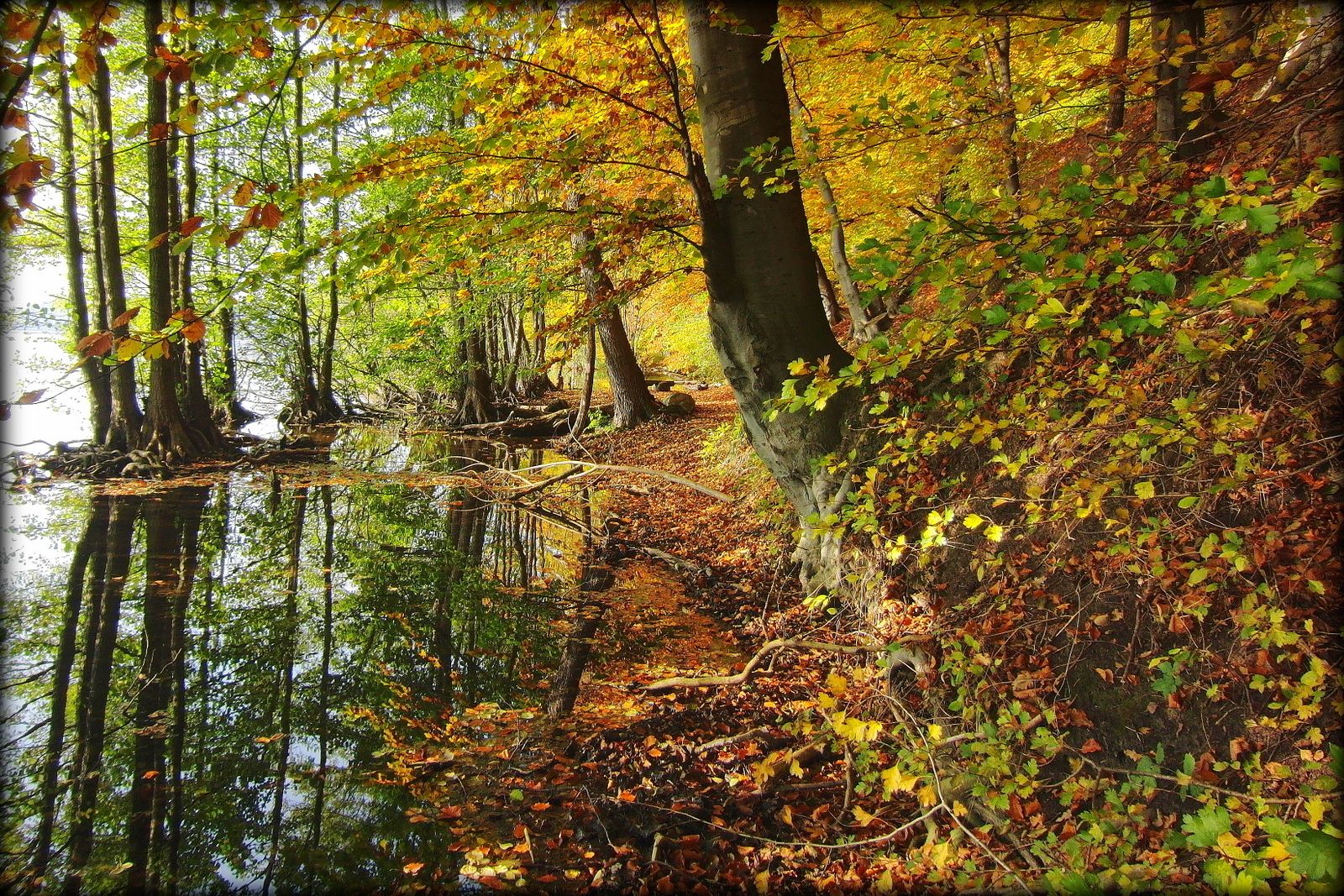
Fabulous autumn hikes around Berlin
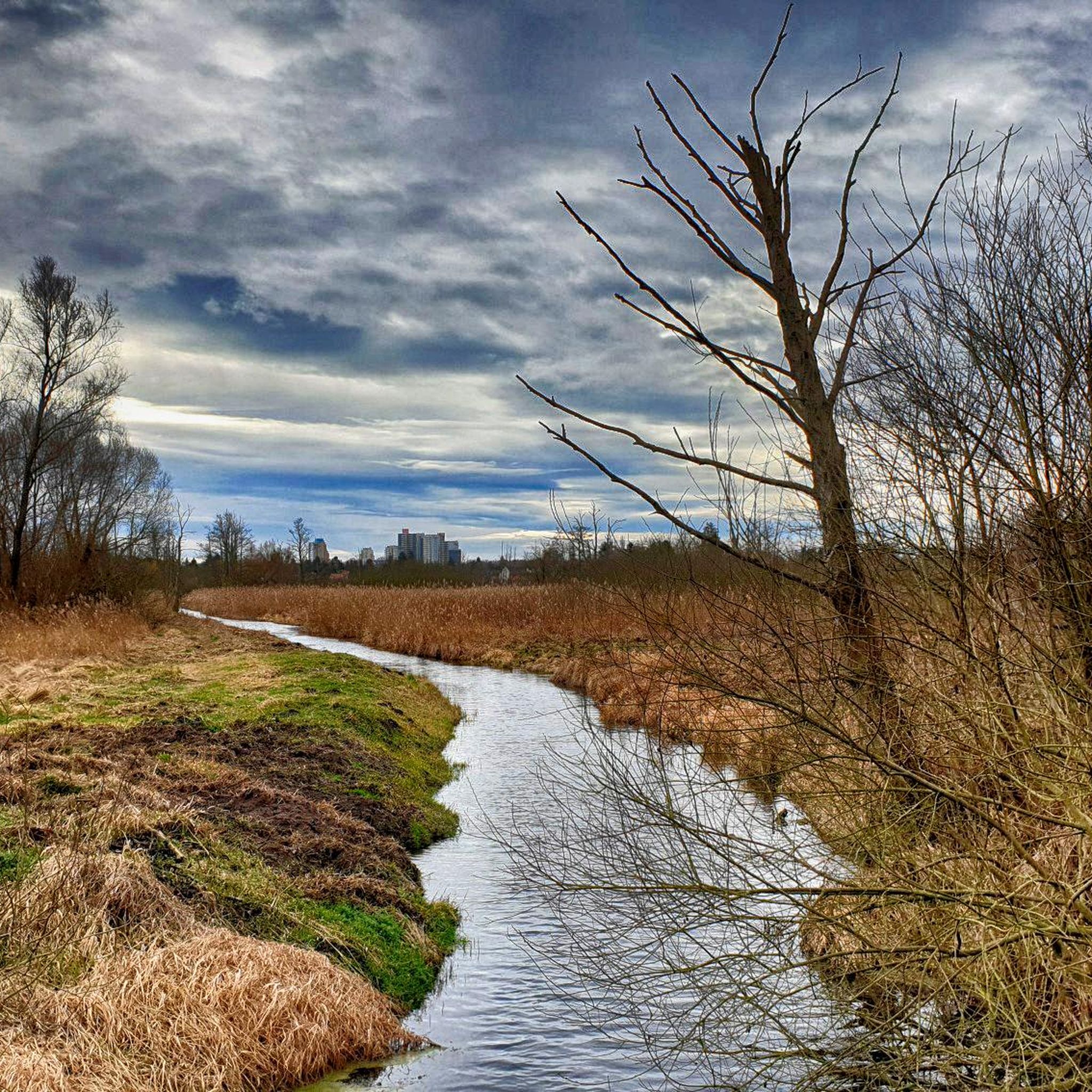
Hiking around Mühlenbecker Land
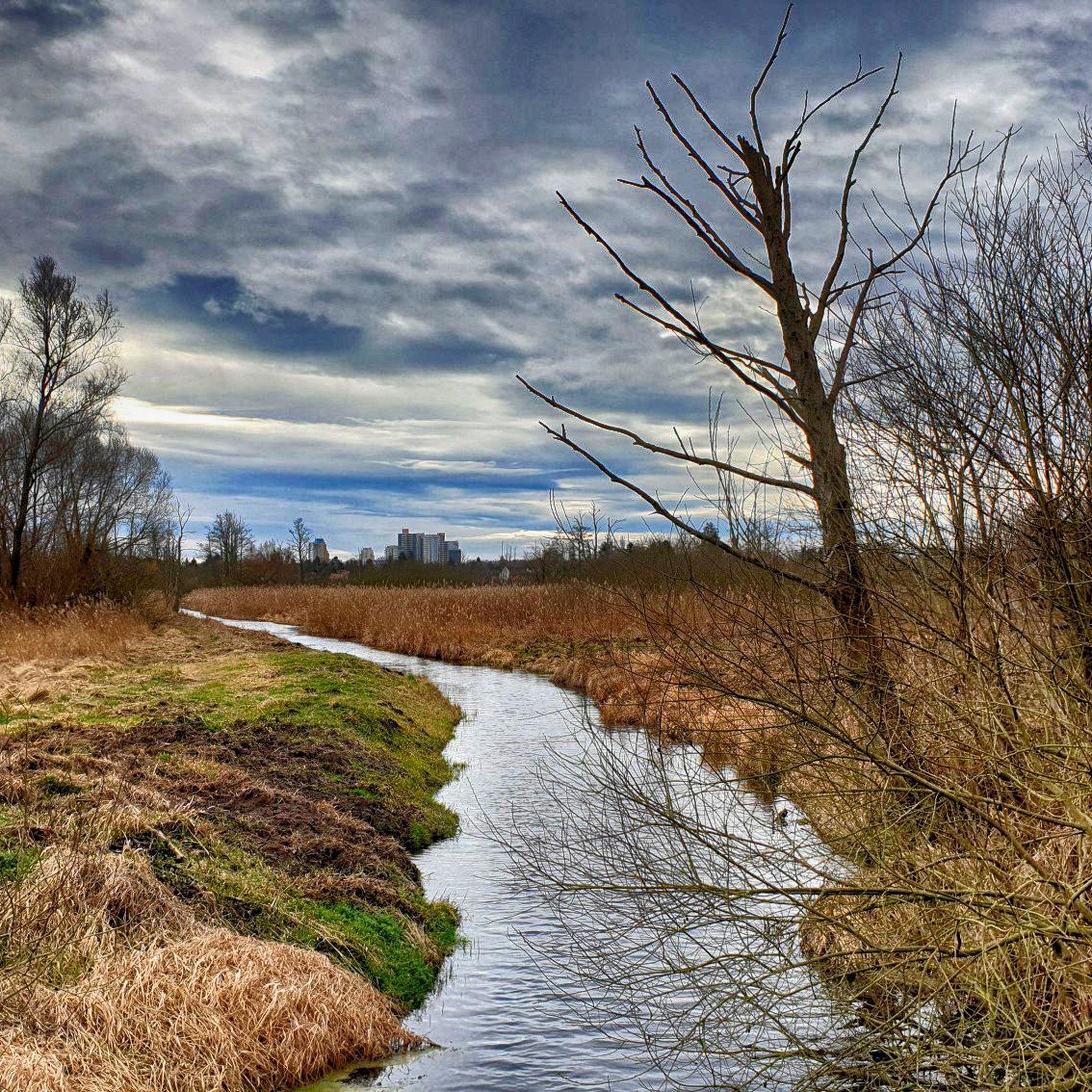
Cycling around Mühlenbecker Land
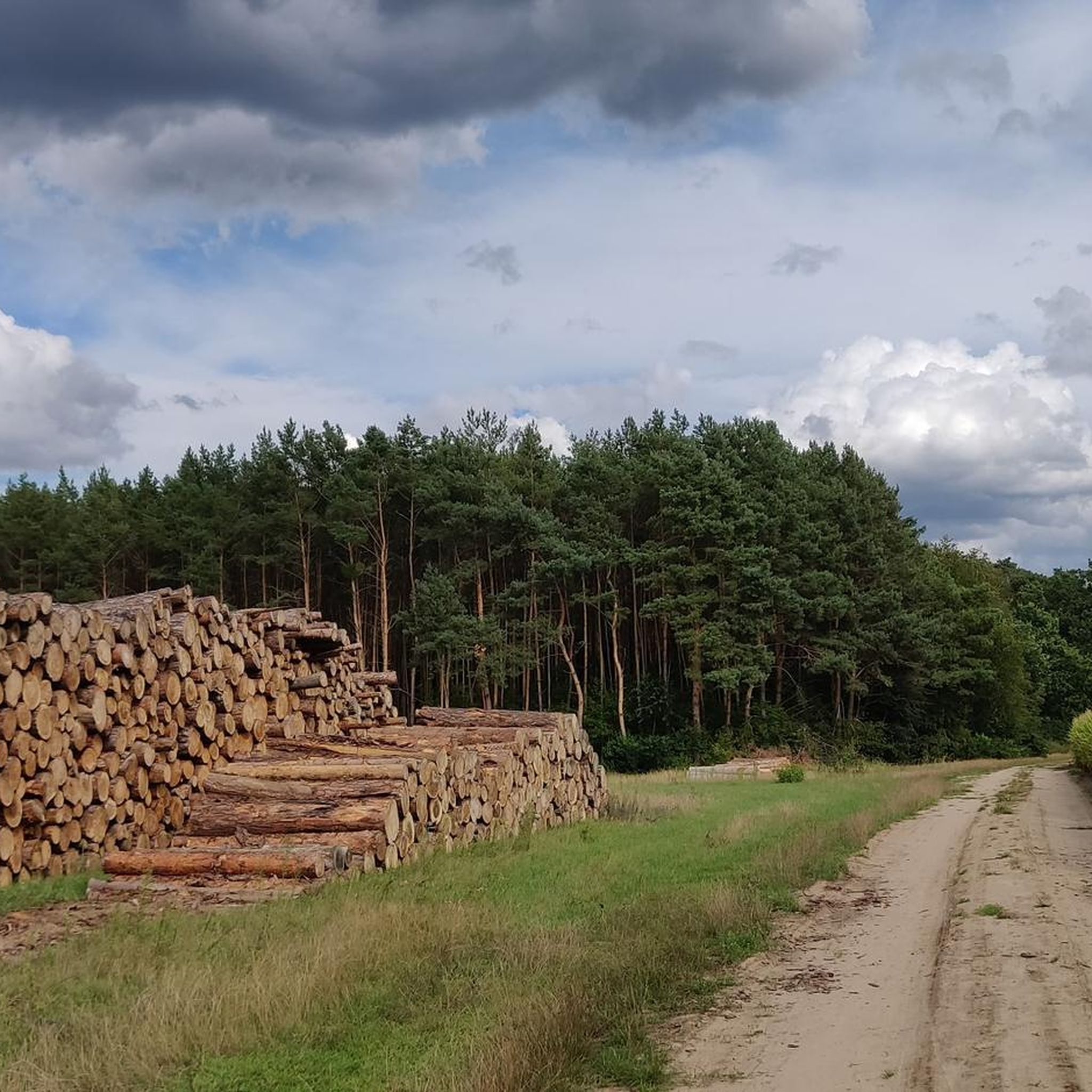
Running Trails around Mühlenbecker Land
Road Cycling Routes around Mühlenbecker Land
Other adventures around Mühlenbecker Land


Tips from the Community

Malchow Nature Farm: The non-profit organization Naturschutz Berlin-Malchow (Nature Conservation Berlin-Malchow) has been based at the Malchow Nature Farm since 1991. For more than three decades, its members have been actively involved in practical environmental, nature, and species conservation in Berlin through a variety of means. Visitors to this former Brandenburg farm, now a listed historical monument, can admire nature exhibits, marvel at the Arvid Goltz freshwater aquarium, and explore the large adventure garden. The farm shop offers seasonal and regional organic products for sale.
0
0

At the Malchow Nature Farm, you can learn about local wildlife and nature conservation in lovingly designed exhibits. You'll also find the Nature Farm shop, which offers organic products and homemade cakes made with fruit from the surrounding orchards. You can find more information and opening hours here: https://www.naturschutz-malchow.de/index.php/geniessen.
2
0

What a wonderful place - especially if you’re riding with kids. So much to discover (insect hotel, mini stork museum, butterfly house) and going between April -August will mean you’ll probably get to see the stork in its nest! 💛
0
0

On historic natural stone paving, visitors discover the Brandenburg farm with exposed brick facades on the barn, old stable and coach house - almost a journey back in time to the 19th century. From spring onwards, the farm's guest of honour can be seen, Master Adebar, who sails gently in the wind with his long black and white wings. Between March and May, he and his partner clatter and beak in an unmistakable competition, and from May onwards they feed their young. The shade of the farm's linden tree invites you to linger, drink coffee and watch the birds and the farm's activities.
0
0

The castle was initially built as a manor house in the 16th century and then converted into an electoral hunting lodge under Joachim II. It has been owned by the von Humboldt family since 1766 and from then on it was considered a meeting place for scientists and artists. Tegel's current popularity and notoriety is largely due to the brothers Wilhelm and Alexander von Humboldt. Her parents' house and former residence is the Humboldt Castle.
0
0

Schönhausen Palace Park has two faces: that of a lively, tree-filled public park with a meandering stream and that of a secluded, quiet monastery garden. The reason for this is a wall that divides the park into different areas.
6
0

This information point was created for the 800th anniversary of Oranienburg.
0
0

Schönhausen Palace Park has two faces: that of a lively, tree-filled public park with a meandering stream and that of a secluded, quiet monastery garden. The reason for this is a wall that divides the park into different areas.
5
1
Frequently Asked Questions
What kind of historical sites can I expect to find around Mühlenbecker Land, given there aren't many traditional castles?
While Mühlenbecker Land itself doesn't feature many traditional fortified castles, the broader region offers a blend of historical palaces, significant cultural monuments, and unique historical sites. A prime example is the Historische Mönchmühle, an ancient watermill with origins dating back to 1230, which serves as a vibrant cultural center. You'll also find sites like Dammsmühle Castle, a baroque palace ruin, and historical palace parks such as Niederschönhausen Palace Park and Tegel Palace and Palace Park.
Which historical sites are most popular with visitors?
Among the most appreciated sites are Dammsmühle Castle, known for its eventful history and picturesque ruin by a mill pond. Niederschönhausen Palace Park is also very popular for its beautiful landscape design by Peter Josef Lenné and its freely accessible grounds. Tegel Palace and Palace Park, the former home of the Humboldt brothers, also draws many visitors to its freely accessible park.
Are there any historical sites suitable for families?
Yes, several sites are family-friendly. Niederschönhausen Palace Park offers extensive meadows and playgrounds, perfect for a family outing. Tegel Palace and Palace Park also provides a beautiful, freely accessible park for walks. Additionally, the Historische Mönchmühle hosts various events and has a 'Mühlencafé' open on Sundays during summer, making it an engaging visit for all ages.
What natural features can I explore near these historical sites?
The region is rich in natural beauty. The Historische Mönchmühle is located in the picturesque 'Tegeler Fließ' nature reserve, offering opportunities for strolls. Dammsmühle Castle is situated by a mill pond amidst three lakes, providing a scenic backdrop. Niederschönhausen Palace Park features the Panke stream winding through old trees and extensive meadows.
Are there hiking trails near the historical sites?
Yes, the area around Mühlenbecker Land offers various hiking opportunities. For instance, you can find routes like the 'Mühlenbecker Lake – Dammsmühle Castle loop' which is a moderate 10 km hike. You can explore more hiking trails in the region by visiting the Hiking around Mühlenbecker Land guide.
What about cycling routes near these historical sites?
The region is great for cycling. You can find routes such as the 'Rustic Bridge Over the Briese – Briesetal Wetlands loop' for touring bicycles, or 'Oder-Havel Canal – Lehnitzsee Cycle Path loop' for gravel biking. For more options, check out the Cycling around Mühlenbecker Land guide and the Gravel biking around Mühlenbecker Land guide.
Is there public transport access to these historical sites?
While specific public transport details for each site can vary, many locations in the broader Berlin-Brandenburg area are accessible via regional trains and buses. For example, Tegel Palace and Palace Park is within Berlin and generally well-connected. It's advisable to check local transport schedules for the most up-to-date information when planning your visit.
Are there cafes or places to eat near the historical sites?
Yes, you can find places to refresh yourself. The Historische Mönchmühle hosts a 'Mühlencafé' every Sunday during the summer months. Additionally, Naturhof Malchow offers a cafe and village shop, providing a pleasant stop for coffee and cake in an idyllic setting.
What is the history behind <a href="https://www.komoot.com/highlight/110070" target="_blank" rel="noopener">Dammsmühle Castle</a>?
Dammsmühle Castle originated from a 16th-century mill site. It was built as a two-story baroque palace in the 18th century. Its history is quite eventful, having been occupied by the Red Army after 1945 and later used as a hunting lodge by the East German Stasi until 1989. Despite several failed renovation attempts, it remains a captivating ruin with an incomparable charm, located beautifully amidst three lakes.
What makes <a href="https://www.komoot.com/highlight/129804" target="_blank" rel="noopener">Niederschönhausen Palace Park</a> special?
Niederschönhausen Palace Park is renowned for its scenic landscape design by Peter Josef Lenné. Visitors can follow the Panke stream along numerous curved paths, enjoying old trees like acacia, oak, and chestnut. The majority of the 30-hectare park is freely accessible, offering a tranquil escape and a glimpse into its long and varied history, including its time as a baroque garden and later as the seat of the first GDR president.
Can I visit <a href="https://www.komoot.com/highlight/2681064" target="_blank" rel="noopener">Tegel Palace</a>, or just the park?
Tegel Palace itself is privately owned and inhabited, but its beautiful park is freely accessible daily until sunset. You can visit parts of the castle as part of a guided tour, typically on Mondays. The park offers a historical setting for walks and is a great tip for fans of Wilhelm and Alexander von Humboldt, who spent their childhood here.
What is the <strong>Historische Mönchmühle</strong>, and why is it significant?
The Historische Mönchmühle is a historic watermill in Mühlenbecker Land, with origins around 1230, making it one of Brandenburg's oldest. It's significant not only for its historical connection to Cistercian monks and its preserved technology (it operated as a grain mill until 1973), but also as a vibrant cultural hub. It houses a museum, hosts events like the German Mill Day, and features a 'Mühlencafé' and 'Mühlengalerie' with changing exhibitions, all set within the picturesque Tegeler Fließ nature reserve.
Are any of the historical sites accessible for wheelchairs?
The Oranienburg History Information Point is noted as wheelchair accessible, offering informative boards about the history of Oranienburg. For other historical sites and parks, accessibility can vary, so it's recommended to check specific details for each location if you require wheelchair access.
Most popular routes around Mühlenbecker Land
Most popular attractions around Mühlenbecker Land

Get inspired with the komoot mobile app


Explore more
Looking for the best castles somewhere else? Discover other guides around Mühlenbecker Land:
