Top 9 Castles around Leegebruch
Castles around Leegebruch offer a journey through the region's history, from ancient archaeological sites to historic manor houses. While Leegebruch itself features the archaeological site of Burgwall Leegebruch, the surrounding Brandenburg area is home to several notable estates. These sites provide insights into early medieval defensive structures and later architectural styles. The landscape around these historical landmarks often includes extensive forest areas, offering tranquil surroundings for exploration.
Best castles around Leegebruch
- The most popular castles is Schlossgut Schwante Sculpture Park…
Last updated: June 22, 2026
Forsthaus at Sommerswalde Castle
Highlight • Restaurant
An oasis of silence and peace, surrounded by extensive forest.
A great and warm community, here you can …
Translated by Google •
Tip by

Baroque Village Church Wansdorf
Highlight • Religious Site
Translated by Google •
Tip by

Sign up now to discover places like this
Get recommendations on the best single tracks, peaks, & plenty of other exciting outdoor places.
Sign up for free
Wansdorf Castle (New Wansdorf Castle)
Highlight • Castle
Translated by Google •
Tip by
Schlossgut Schwante Sculpture Park
Highlight • Monument
Translated by Google •
Tip by

Remains of Vehlefanz moated castle
Highlight • Historical Site
Translated by Google •
Tip by

Sign up for free to discover even more castles around Leegebruch.
Sign up for free
Already have an account?
Start today with a free account
Your next adventure awaits.
Login or Signup
Tips from the Community

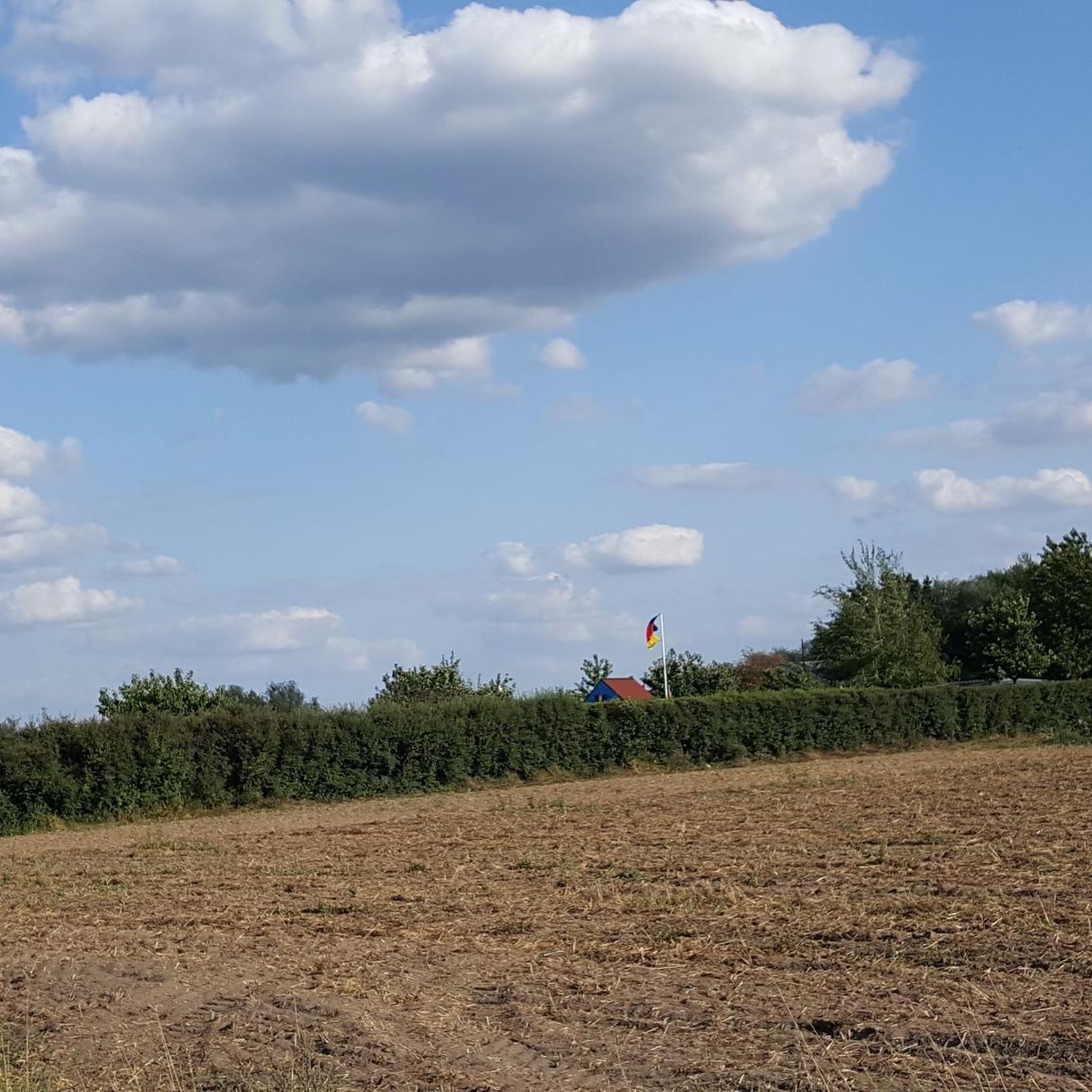
Accessible, but inhabited.
0
0
There are also seating areas here.
0
0
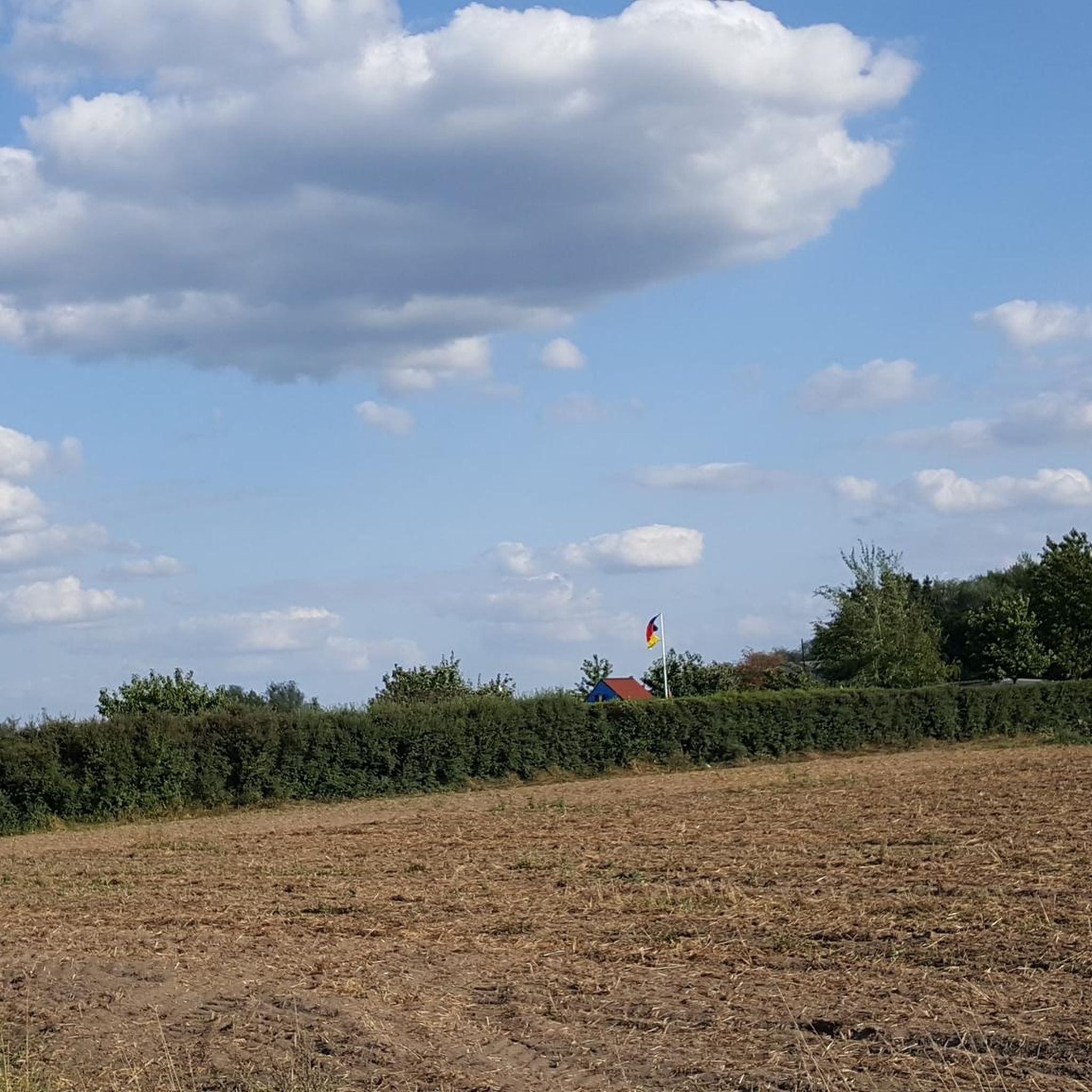
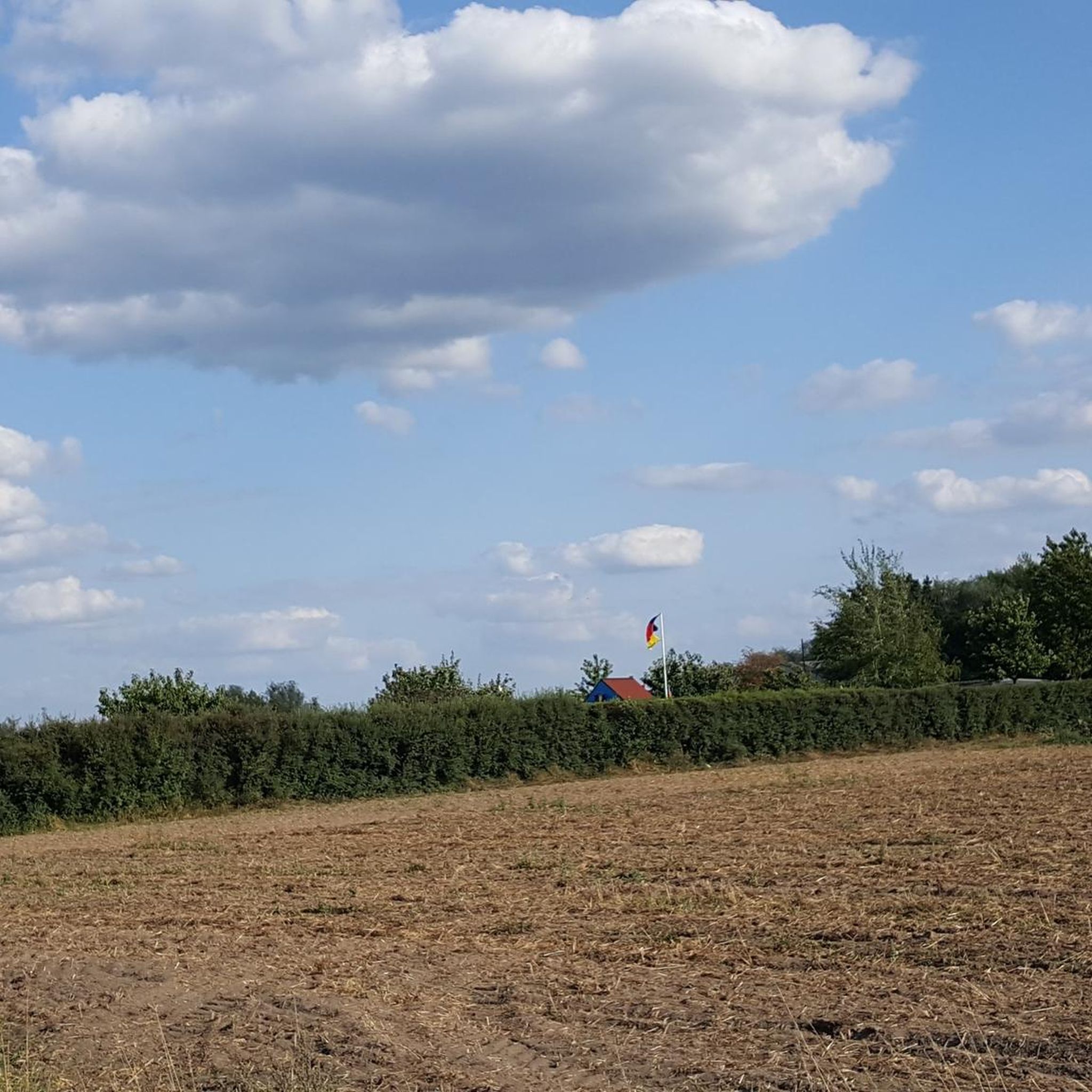
The so-called New Palace is an Art Nouveau villa built around 1900 by the Vetschau industrialist Ferdinand Griebenow (1848–1910), who appointed Count Reichenbach as his general representative for local business.[4] In 1907, the estate manager was Hans von Gynz-Rekowsky (1853–1932), who also lived in Wansdorf with members of his family.[5] In 1914, the 1140-hectare manor belonged to the municipality of Spandau, which appointed chief inspector Feuerstack to manage it. In 1929, the owner was Berliner Stadtgüter GmbH. At that time, the Wansdorf estate had a remaining area of 643 hectares.[6] Source: Wikipedia Accessible via a side passage. But inhabited.
0
0

A manor house to feel good in & for every occasion On the Bay of Lübeck, not far from Timmendorfer Strand, you will find the ideal environment for a unique, relaxing holiday and private celebrations. The Neuruppersdorf manor house will spoil you with its stylish atmosphere and its park and at the same time offers you a highly professional team.
0
0

Texts by Anne Seubert can be read – and heard – at the sculpture park at Schlossgut Schwante.
0
0

The castle was built between 1741 and 1743 under the landowner Erasmus Wilhelm von Redern from the House of Schwante and his wife Catherina Elisabeth von Bredow from the House of Sontz by an unknown architect, probably with advice from Knobelsdorff. It was built on the site of a fortified house from 1618, parts of which have been preserved in the cellar vaults of the current castle.
0
0

The former moated castle of Vehlefanz is a successor to the castle on the castle rampart from the 13th century, which stood on the castle hill that is still visible today a few meters further to the northwest. From 1375 onwards, the village and castle were owned by the von Redern family, who replaced the old castle with a new moated castle. The further course of history is unclear. It is unclear when and why the castle was destroyed or whether it was simply abandoned. What is certain is that it no longer existed in 1786, as an office building was built to replace the castle. The stones of the former moated castle were also used for this. Today, all that remains of Vehlefanz Castle is a small tower ruin. Source: https://www.burgen-und-schloesser.net/brandenburg/burg-vehlefanz/geschichte.html
1
1

Schwante Castle was built between 1741 and 1743 by an unknown architect under the ownership of landowner Erasmus Wilhelm von Redern and his wife Catherina Elisabeth von Bredow. In 1888, Friedrich August Richard Sommer, builder of Sommerswalde Castle, acquired the property. After his death, the castle came into the possession of Vicco Karl Alexander von Bülow-Schwante. After 1945, it served as a makeshift hospital and later as an educational center for the FDJ. In 2009, after a long period of vacancy, the Hexenkessel Hoftheater und Strand GmbH became the owner and has used it as a theater ever since. In 2019, the property was resold to a married couple of art dealers and collectors, who live there and offer smaller public events. In June 2020, a sculpture park opened in the 20-hectare palace gardens with works by Hans Arp, Martin Creed, Tony Cragg, Björn Dahlem, Dan Graham, Carsten Nicolai, George Rickey and Ai Weiwei.
0
0
Frequently Asked Questions
What types of historical sites can I expect to find around Leegebruch?
The area around Leegebruch offers a diverse range of historical sites, from ancient archaeological remains to historic manor houses and castle ruins. You'll find insights into early medieval defensive structures, baroque estates, and neo-baroque architecture.
Are there any archaeological sites to visit directly in Leegebruch?
Yes, Leegebruch is home to the Burgwall Leegebruch, an archaeological site representing a lowland castle from the 7th to 9th centuries. While not a standing castle, it offers a glimpse into the early history and defensive settlements of the region.
What cultural experiences are available at the manor houses near Leegebruch?
Near Leegebruch, you can visit Schlossgut Schwante Sculpture Park, a manor house from the 1740s that now hosts a sculpture park in its 20-hectare gardens and smaller public events. Another notable site is Schloss Sommerswalde, which houses the Tharpaland Kadampa Meditation Centre, offering meditation and lecture evenings, as well as day and weekend courses in a serene environment.
Can I visit Schloss Sommerswalde, and what does it offer?
Yes, Schloss Sommerswalde is home to the Tharpaland Kadampa Meditation Centre. Visitors can attend meditation and lecture evenings, as well as day and weekend courses. Day visits, group and school visits, guided tours, and overnight stays are also possible after prior registration. The extensive forest area surrounding the Schloss makes it an 'oasis of silence and peace'.
Are there any castle ruins to explore in the area?
Yes, you can explore the Remains of Vehlefanz moated castle. All that remains is a small tower ruin and the heaped Botscheberg, which was once the site of a tower hill castle in the 14th century. It offers a fascinating look into past defensive architecture.
Are the castles and historical sites around Leegebruch family-friendly?
Many sites are considered family-friendly. For example, Schlossgut Schwante Sculpture Park offers open spaces for families to enjoy art and nature. The Tharpaland Kadampa Meditation Centre at Schloss Sommerswalde also welcomes visitors of all ages for certain events and offers a peaceful environment. The archaeological sites and ruins provide educational opportunities for children interested in history.
What outdoor activities can I do near these historical sites?
The areas around these sites are often surrounded by forests and natural landscapes, perfect for outdoor activities. You can find numerous hiking, cycling, and running routes. For example, there are several hiking trails around Leegebruch, including loops around the Lake at Moorgraben. Cyclists can explore road cycling routes like the Velten–Leegebruch cycle path.
Are there walking paths or trails near the castles?
Yes, many of the historical sites are integrated into or surrounded by natural areas with walking paths. The extensive forest around Schloss Sommerswalde provides an 'oasis of silence and peace' ideal for walks. Schlossgut Schwante Sculpture Park also features 20-hectare gardens perfect for a stroll.
Is there parking available at these historical sites?
Parking availability varies by site. For specific locations like Schloss Sommerswalde and Schlossgut Schwante, visitor parking is generally available. For archaeological sites like Burgwall Leegebruch or the Vehlefanz ruins, parking might be more limited to nearby public spaces.
What is the best season to visit the castles and historical sites around Leegebruch?
The best season largely depends on your interests. Spring and summer offer pleasant weather for exploring the outdoor sculpture park at Schlossgut Schwante and enjoying the natural surroundings of Schloss Sommerswalde. Autumn provides beautiful foliage for walks. Many indoor cultural offerings, such as those at Schloss Sommerswalde, are available year-round.
Are there cafes or restaurants near these historical sites?
Yes, you can find dining options. The Forsthaus at Sommerswalde Castle includes a restaurant and café, offering freshly prepared dishes with regional products. Schlossgut Schwante also hosts smaller public events which may include food and drink options.
What is Wansdorf Castle, and can I visit it?
Wansdorf Castle (New Wansdorf Castle) is a symmetrical, neo-baroque plaster construction from around 1900. It forms part of a historic village ensemble alongside an 18th-century baroque church. While it's a significant architectural landmark, public access may vary, as it is often a private residence or event venue. You can admire its exterior and the surrounding historic village.
Most popular routes around Leegebruch
Most popular attractions around Leegebruch

Get inspired with the komoot mobile app


Explore more
Looking for the best castles somewhere else? Discover other guides around Leegebruch:
