Top 8 Castles around Hennigsdorf
Best castles around Hennigsdorf are situated within the historically rich Berlin-Brandenburg area, offering a diverse range of historical sites. While the original Hennigsdorf Castle no longer stands, the surrounding region provides access to numerous impressive castles and palaces. These structures showcase centuries of German history and architectural styles, making the area a notable destination for exploring historical castles near Hennigsdorf. The region is known for its cultural significance and historical landscapes.
Best castles around Hennigsdorf
- The most popular castles is Charlottenburg Palace, a castle that is considered the most impressive castle complex of the Brandenburg Electors, Prussian kings, and German emperors in Berlin. It showcases the grandeur and architectural evolution over centuries of Prussian royalty.
- Another must-see spot is Spandau Citadel, a castle that is one of the most important and best-preserved Renaissance fortresses in Europe. Today, the facility is used for cultural events, including concerts, theater, and exhibitions.
- Visitors also love Karpfenteich Bridge, Charlottenburg Palace Park, an interesting metal bridge offering a unique view of the castle reflecting in the lake. It provides a nice photo opportunity within the tranquil park.
- Hennigsdorf is known for grand palaces, manor houses, and historical sites. The region offers a variety of castles to see and explore, from baroque splendor to historical village ensembles.
- The castles around Hennigsdorf are appreciated by the komoot community, with more than 1900 upvotes and over 1200 photos shared by visitors.
Last updated: July 6, 2026
Charlottenburg Palace
Highlight • Castle
Originally, the Elector Frederick I gave his wife in 1694 the lands in Lietze, as the village was called at the time. She immediately had a small castle built to serve as her residence. When the queen died at the tender age of 36 in 1705, the widowed king renamed the castle and adjacent village in her honor in Charlottenburg.
Larger alterations to the castle then took place under her grandson King Friedrich II and her great-grandson Frederick William II. The castle is still in perfect condition today Read the style well.
Opening hours:
Winter season (01.11 to 31.03.)
closed on Mondays
Tuesday to Sunday 10 to 16.30
Summer season (01.04. To 31.10.)
closed on Mondays
Tuesday to Sunday 10 to 17.30
More information at spsg.de/schloesser-gaerten/objekt/schloss-charlottenburg-altes-schloss.
Translated by Google •
Tip by

Karpfenteich Bridge, Charlottenburg Palace Park
Highlight • Bridge
Translated by Google •
Tip by
Sign up now to discover places like this
Get recommendations on the best single tracks, peaks, & plenty of other exciting outdoor places.
Sign up for free
Carp Pond in Charlottenburg Palace Park
Highlight • Lake
Translated by Google •
Tip by
Baroque Village Church Wansdorf
Highlight • Religious Site
Translated by Google •
Tip by

Wansdorf Castle (New Wansdorf Castle)
Highlight • Castle
Translated by Google •
Tip by
Sign up for free to discover even more castles around Hennigsdorf.
Sign up for free
Already have an account?
Start today with a free account
Your next adventure awaits.
Login or Signup
Popular around Hennigsdorf
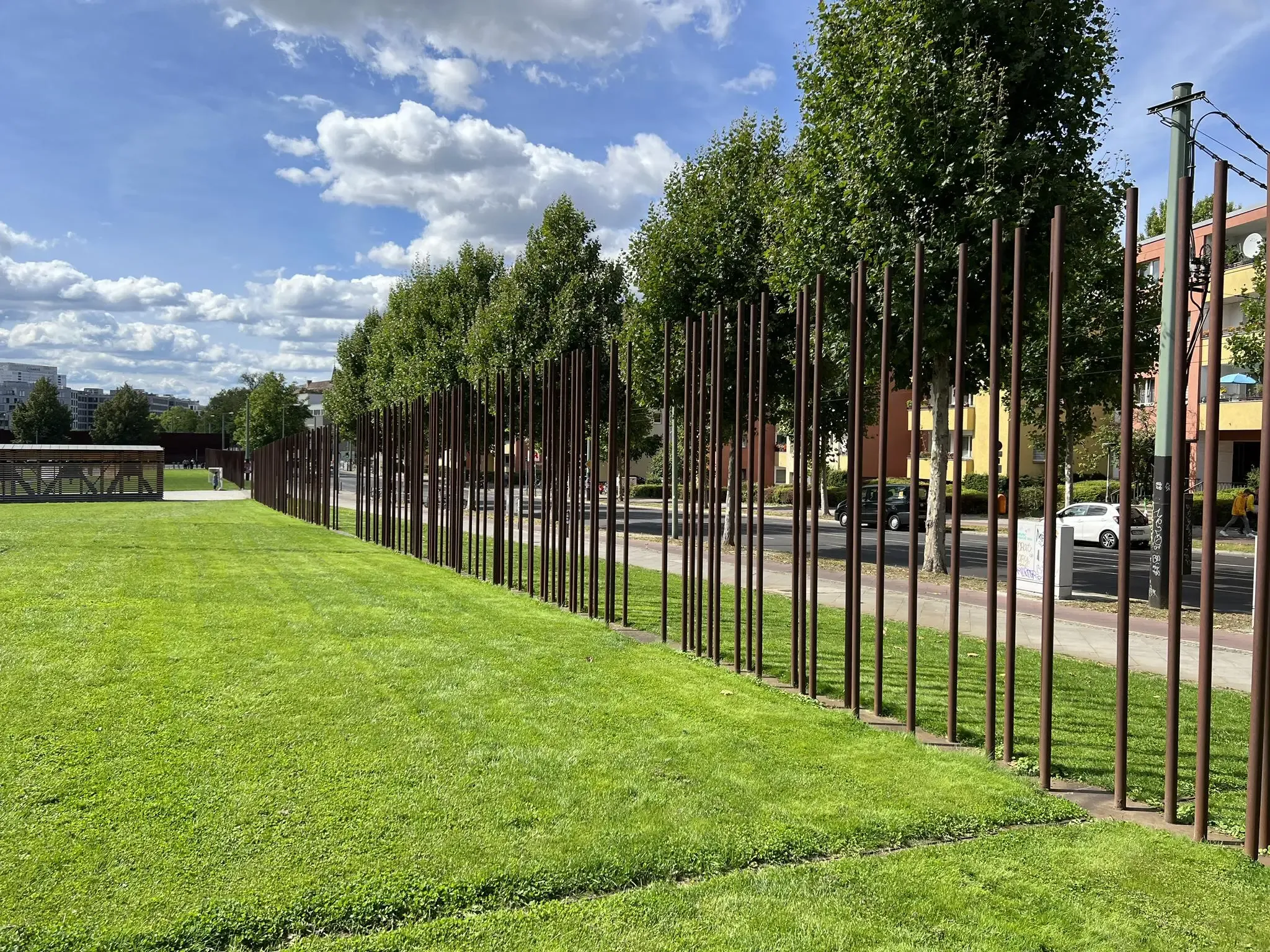
Hiking the Berlin Wall Trail
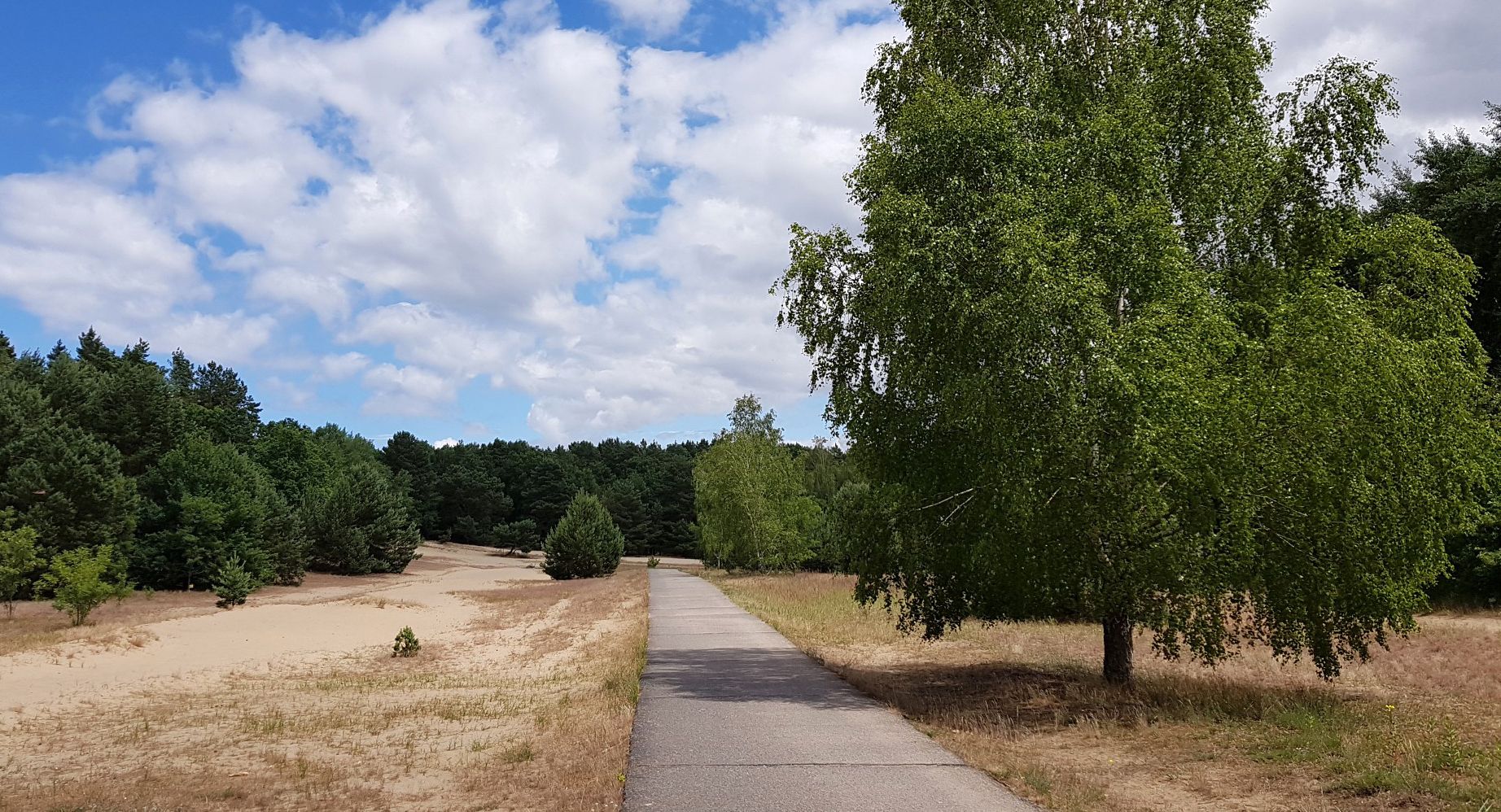
Berlin Wall – tracing history with the S-Bahn

Strawberry, Raspberry & Blueberry - by S-Bahn to berry picking
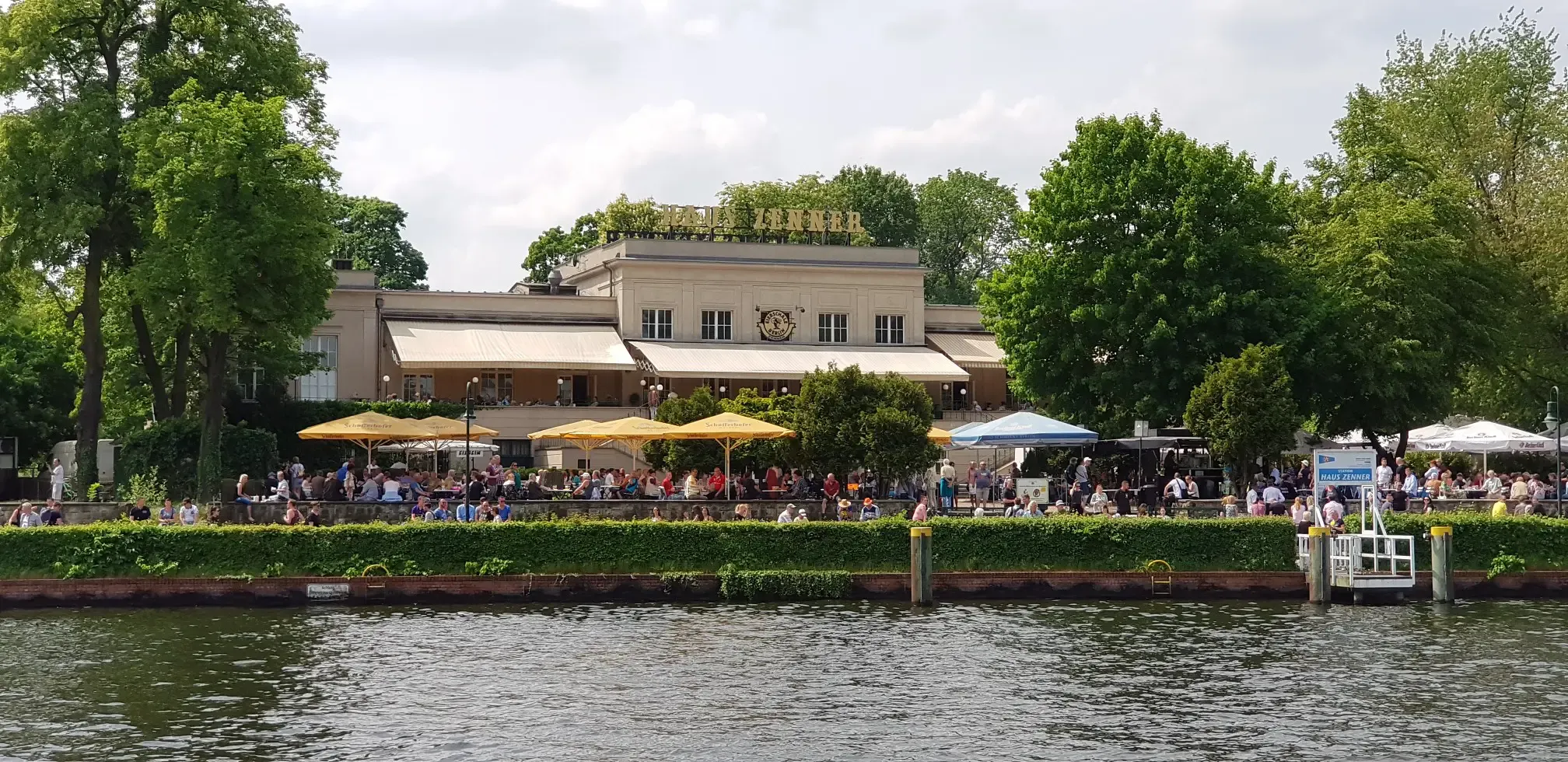
Discovering the best beer gardens in and around Berlin with the S-Bahn
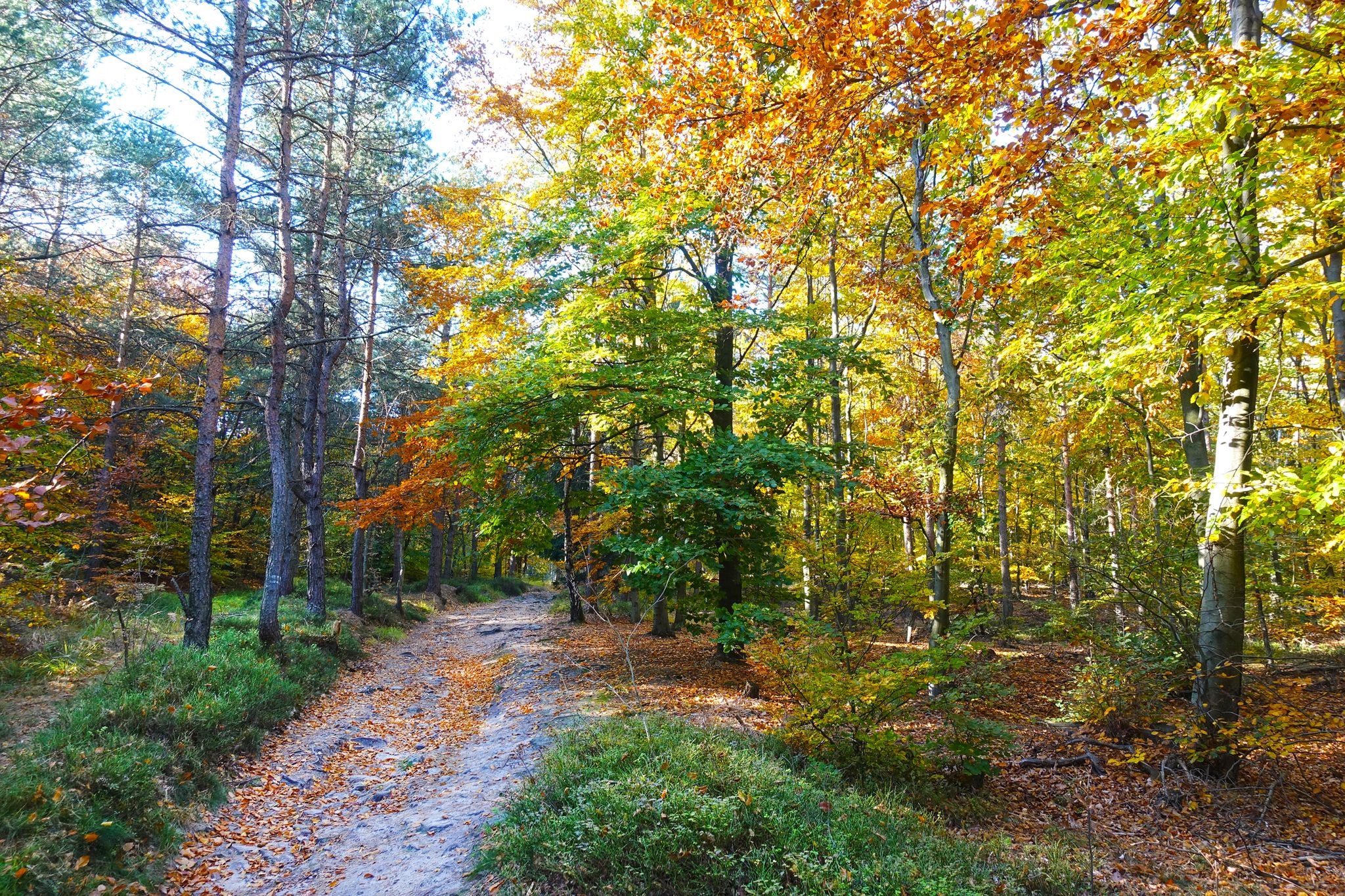
The most beautiful forests in and around Berlin during autumn
66 lakes around Berlin
Havel-Radweg: Entdecke die Natur, erlebe Freiraum!
Cycling around Hennigsdorf
Hiking around Hennigsdorf
Running Trails around Hennigsdorf
Other adventures around Hennigsdorf


Tips from the Community

Accessible, but inhabited.
0
0
The so-called New Palace is an Art Nouveau villa built around 1900 by the Vetschau industrialist Ferdinand Griebenow (1848–1910), who appointed Count Reichenbach as his general representative for local business.[4] In 1907, the estate manager was Hans von Gynz-Rekowsky (1853–1932), who also lived in Wansdorf with members of his family.[5] In 1914, the 1140-hectare manor belonged to the municipality of Spandau, which appointed chief inspector Feuerstack to manage it. In 1929, the owner was Berliner Stadtgüter GmbH. At that time, the Wansdorf estate had a remaining area of 643 hectares.[6] Source: Wikipedia Accessible via a side passage. But inhabited.
0
0

From this vantage point, you get a beautiful view of the bridge and castle. While the bridge partially obscures the castle, the reflection in the water provides an unobstructed view.
5
0

A manor house to feel good in & for every occasion On the Bay of Lübeck, not far from Timmendorfer Strand, you will find the ideal environment for a unique, relaxing holiday and private celebrations. The Neuruppersdorf manor house will spoil you with its stylish atmosphere and its park and at the same time offers you a highly professional team.
0
0

Another Prussian queen is leaving her mark in Charlottenburg: Luise, the queen revered by the people. She is buried in the mausoleum with her husband and son. Then it becomes quiet in the castle. As early as 1888 it no longer serves as a royal residence and visitors can visit the complex. After the Second World War, the badly damaged castle was rebuilt.
10
1

The pretty baroque church and the unrestored manor house ensemble opposite give the Wansdorf village green a special charm.
0
0

Charlottenburg is a district within the Charlottenburg-Wilmersdorf borough of Berlin. Founded as a town in 1705, Charlottenburg became a major city in 1893. When it was incorporated into Greater Berlin in 1920, it became the independent borough of Charlottenburg. Previously, Charlottenburg had at times been the municipality with the highest per capita tax revenue in Germany. Following the merger with the former borough of Wilmersdorf to form the new borough of Charlottenburg-Wilmersdorf during the 2001 administrative reform, the borough of Charlottenburg was downgraded to a district. A reorganization of the districts within the Charlottenburg-Wilmersdorf borough took place in 2004, dividing the area of the former borough of Charlottenburg into the present-day districts of Westend, Charlottenburg-Nord, and Charlottenburg. Today, Charlottenburg largely consists of Gründerzeit (late 19th-century) neighborhoods. (Source: Wikipedia)
5
0
The carp pond was created in the park of Charlottenburg Palace. The palace was accessible by boat via a ramp leading to the Spree River. On the steps leading down to the carp pond are eight putti and four decorative vases. They are made of white-painted aluminum, date from 1984, and stand on stone pedestals approximately 1 meter high. The putti are meant to represent the four seasons and the four elements of the earth. (Source: https://www.berlin.de)
3
3
Frequently Asked Questions
What historical castles can I visit near Hennigsdorf?
While the original Hennigsdorf Castle no longer exists, the region boasts several significant historical sites. Charlottenburg Palace in Berlin is a prime example, showcasing centuries of Prussian history and diverse architectural styles. Other notable historical sites in the wider area include Wansdorf Castle, Schloss Nieder Neuendorf, and Schloss Tegel, each offering a glimpse into bygone eras.
Are there family-friendly castles to explore around Hennigsdorf?
Yes, several castles and their surrounding areas are great for families. Charlottenburg Palace is highly recommended, not just for its impressive interiors but also for its extensive gardens and park, which are perfect for leisurely walks. Schloss Tegel is another excellent option for families, offering insights into historical aspects and popular for nature lovers.
Can I combine a castle visit with nature walks or outdoor activities?
Absolutely. Many castles, like Charlottenburg Palace, are set within beautiful parks and natural landscapes. The Charlottenburg Palace Park offers numerous paths and small sights. For more extensive outdoor activities, you can find various hiking and cycling routes around Hennigsdorf. For example, you can explore routes like the 'Berlin Wall Trail' or 'Havel Canal Riverside Path' which are easily accessible from the area. Find more details on these routes in the Hiking around Hennigsdorf or Cycling around Hennigsdorf guides.
Are there any lesser-known or 'hidden gem' castles worth visiting?
Beyond the grand palaces, you can discover charming historical sites. Wansdorf Castle (Neues Schloss Wansdorf), an Art Nouveau villa, is located in the tranquil village of Wansdorf, which also features a Baroque church and two manor houses, creating a historic village ensemble. Schloss Nieder Neuendorf, mentioned by the city of Hennigsdorf itself, offers another local historical point of interest.
What kind of historical insights do the castles around Hennigsdorf offer?
The castles provide a deep dive into centuries of German history, particularly Prussian royalty and nobility. Charlottenburg Palace, for instance, showcases various construction phases and changing styles from the Brandenburg Electors to Prussian kings. These sites offer insights into historical architecture, royal lifestyles, and significant events that shaped the region.
Are there options for cycling near the castles?
Yes, the region around Hennigsdorf is well-suited for cycling, and many castles are accessible via scenic routes. For example, the idyllic cycle path along the Spree near Charlottenburg Palace offers beautiful views. You can find numerous cycling routes, including easy and moderate options like the 'Havel Canal Riverside Path', in the Cycling around Hennigsdorf guide.
What are the opening hours for Charlottenburg Palace?
Opening hours for Charlottenburg Palace vary by season. During the winter season (November 1 to March 31), it's open Tuesday to Sunday from 10:00 to 16:30, closed on Mondays. In the summer season (April 1 to October 31), it's open Tuesday to Sunday from 10:00 to 17:30, also closed on Mondays. It's always a good idea to check the official website for the most current information before your visit.
Is Charlottenburg Palace accessible for visitors with mobility needs?
Charlottenburg Palace is noted as being wheelchair accessible, making it a suitable destination for visitors with mobility needs. Its extensive park also offers wide paths for easier navigation.
What do visitors particularly enjoy about the castles around Hennigsdorf?
Visitors frequently praise the baroque splendor and extensive gardens of places like Charlottenburg Palace. The tranquil atmosphere, historical insights, and photo opportunities, such as the unique view from the Karpfenteich Bridge, are also highly appreciated. The komoot community has shared over 1100 photos and given more than 1800 upvotes, highlighting the visual appeal and historical significance of these sites.
Are there any castles that offer extensive parks for leisurely strolls?
Yes, Charlottenburg Palace is renowned for its magnificent and extensive gardens that border directly on the Spree. The adjacent castle park is a haven of peace and history, offering numerous paths, bridges, and small sights perfect for leisurely strolls. Schloss Tegel is also recommended for its appeal to nature lovers and those seeking pleasant walks.
What is the history behind Charlottenburg Palace?
Charlottenburg Palace was originally built in 1694 for Elector Frederick I's wife, Sophie Charlotte. After her death in 1705, the king renamed the castle and the adjacent village in her honor. Significant alterations and expansions were made under subsequent rulers, including King Friedrich II and Frederick William II, resulting in the impressive complex seen today, which remains in excellent condition.
Can I find information on other castles and historical sites in the wider Berlin-Brandenburg area?
Yes, the broader Berlin-Brandenburg area is rich with historical sites. Beyond those mentioned, you can explore places like Jagdschloss Grunewald, Zitadelle Spandau, Schloss Dammsmühle, and Schloss Schönhausen. For a comprehensive list and further details, you might find resources like Wikipedia's list of castles in Berlin and Brandenburg helpful.
Most popular routes around Hennigsdorf
Most popular attractions around Hennigsdorf

Get inspired with the komoot mobile app


Explore more
Looking for the best castles somewhere else? Discover other guides around Hennigsdorf:
