Top 7 Mountain Passes in Riserva Naturale Val Di Mello
Best mountain passes in Riserva Naturale Val Di Mello traverse a landscape characterized by granite cliffs, alpine lakes, and high-altitude routes. This region, often referred to as "Little Yosemite," offers challenging terrain for experienced adventurers. The area features majestic granite monoliths and peaks, providing access to extensive climbing routes and panoramic views. High-elevation trails and climbing approaches define the pass-like experiences within this rugged alpine environment.
Best mountain passes in Riserva Naturale Val Di Mello
- The most popular mountain passes…
Last updated: July 10, 2026
Exposed section on Torrione Qualido
Highlight • Trail
Translated by Google •
Tip by

Bocchetta Roma
Highlight • Mountain Pass
Translated by Google •
Tip by
Sign up now to discover places like this
Get recommendations on the best single tracks, peaks, & plenty of other exciting outdoor places.
Sign up for free
Passo Camerozzo
Highlight • Mountain Pass
Translated by Google •
Tip by

Cameraccio Pass
Highlight • Mountain Pass
Translated by Google •
Tip by
Passo dell'Averta
Highlight • Mountain Pass
Translated by Google •
Tip by
Sign up for free to discover even more mountain passes in Riserva Naturale Val Di Mello.
Sign up for free
Already have an account?
Start today with a free account
Your next adventure awaits.
Login or Signup
Popular around Riserva Naturale Val Di Mello
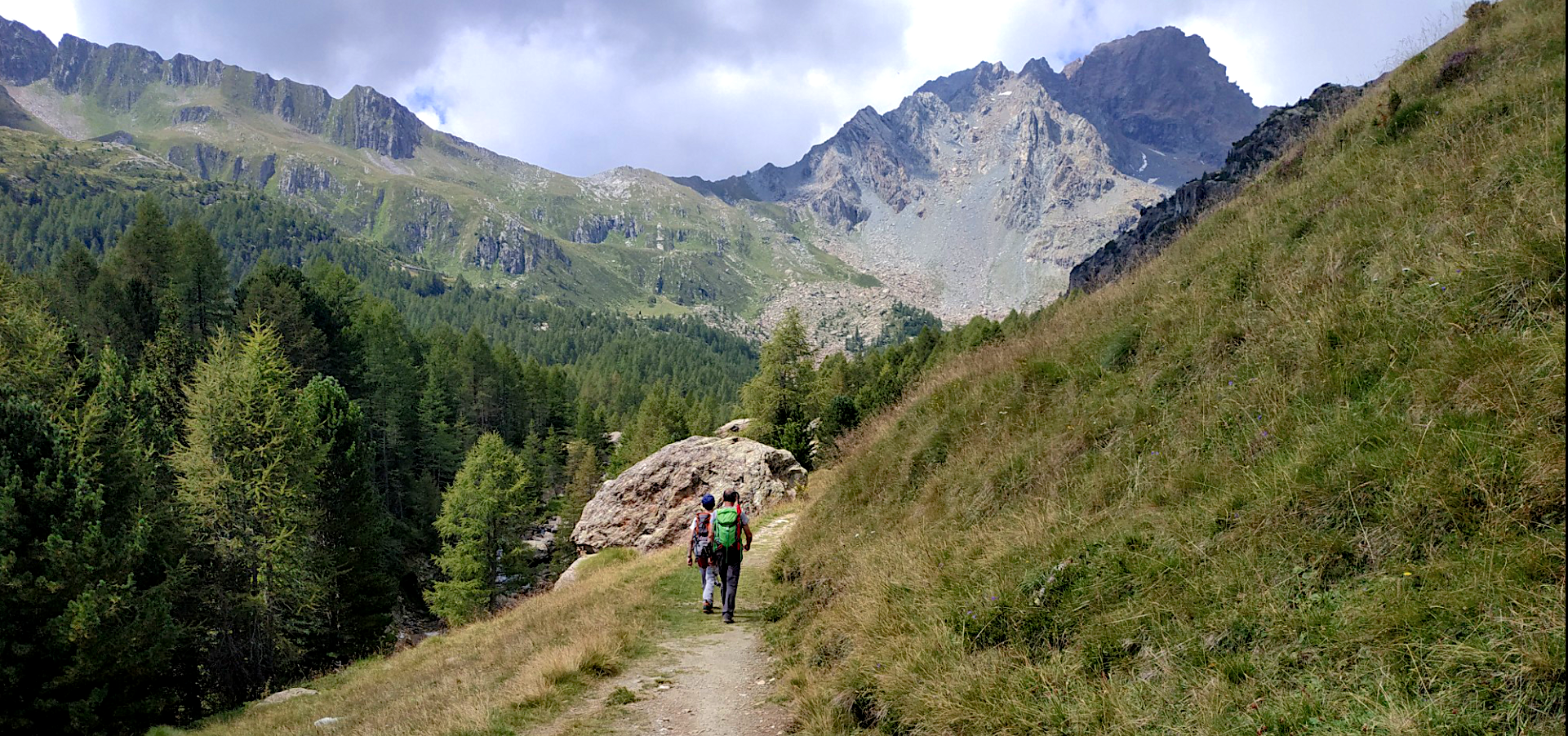
Sentiero Roma — A thrilling trekking adventure at high altitude
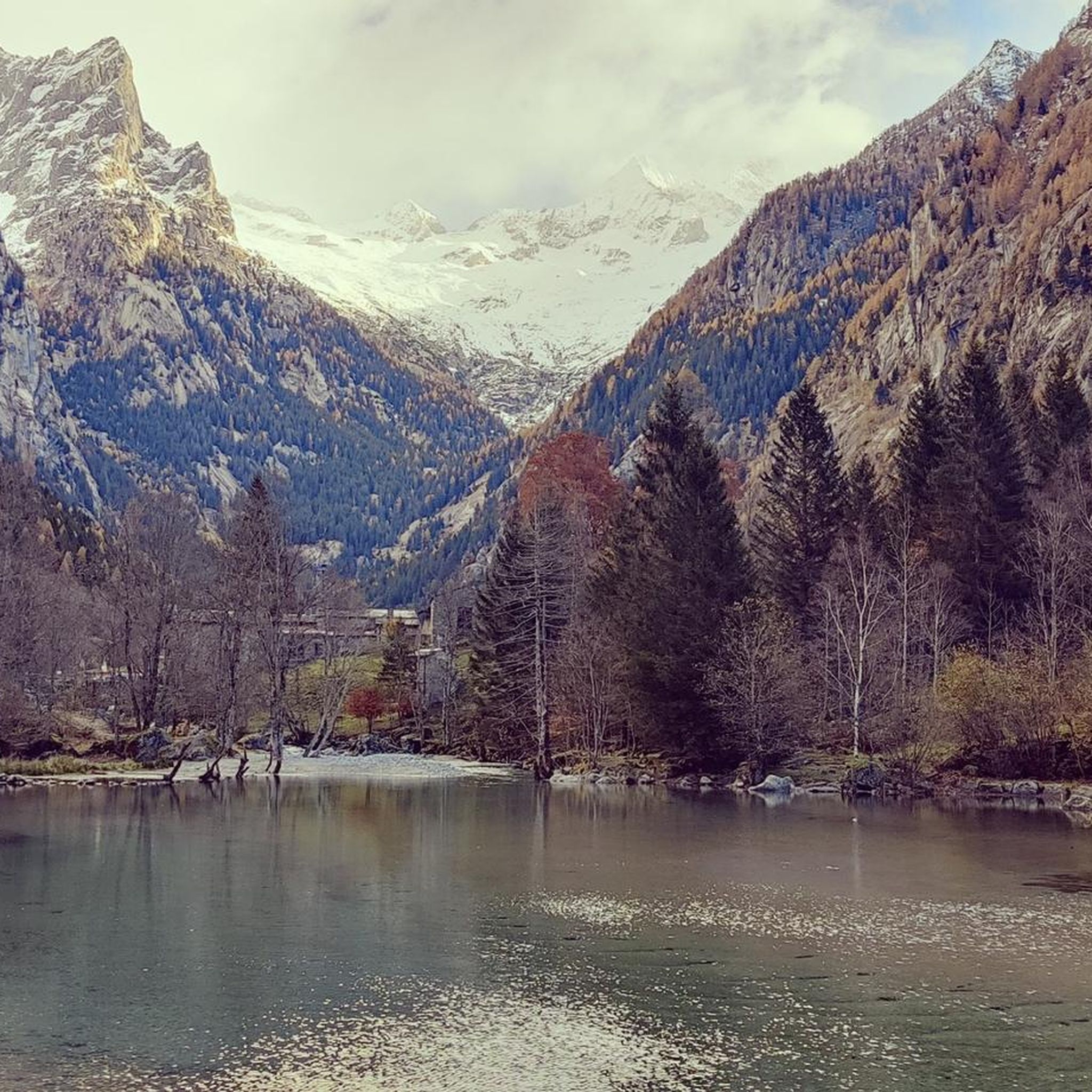
Road Cycling Routes in Riserva Naturale Val Di Mello
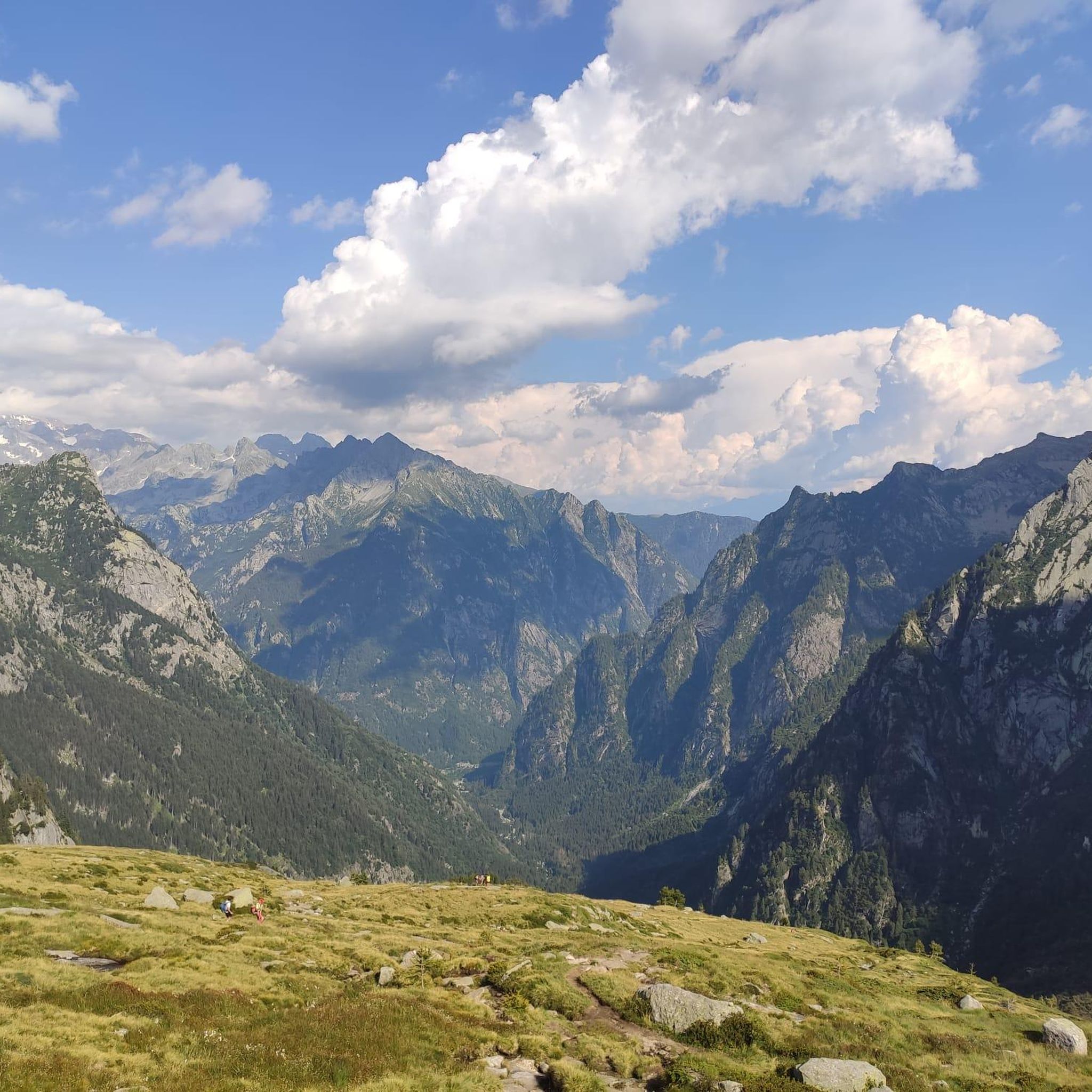
Hiking in Riserva Naturale Val Di Mello
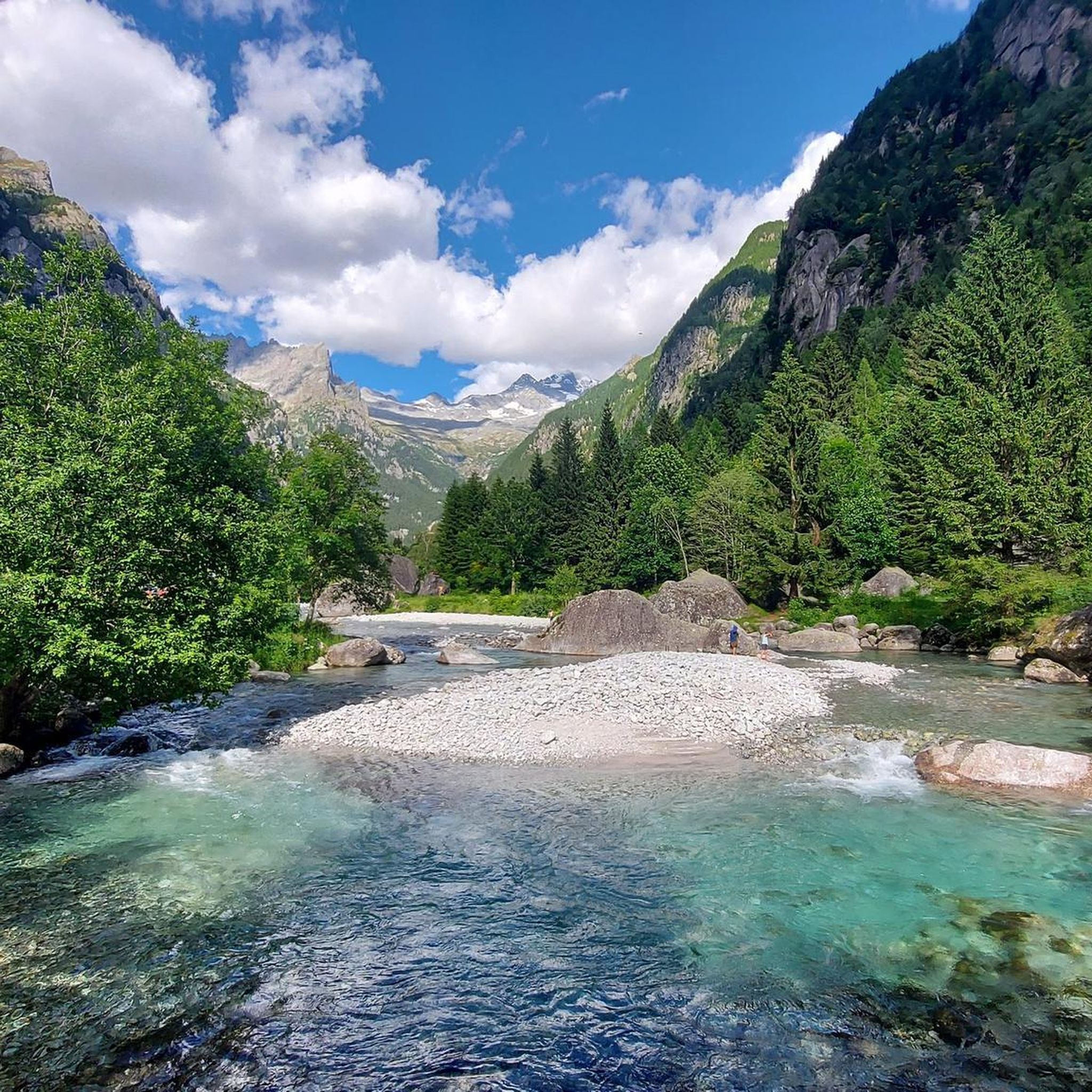
Running Trails in Riserva Naturale Val Di Mello
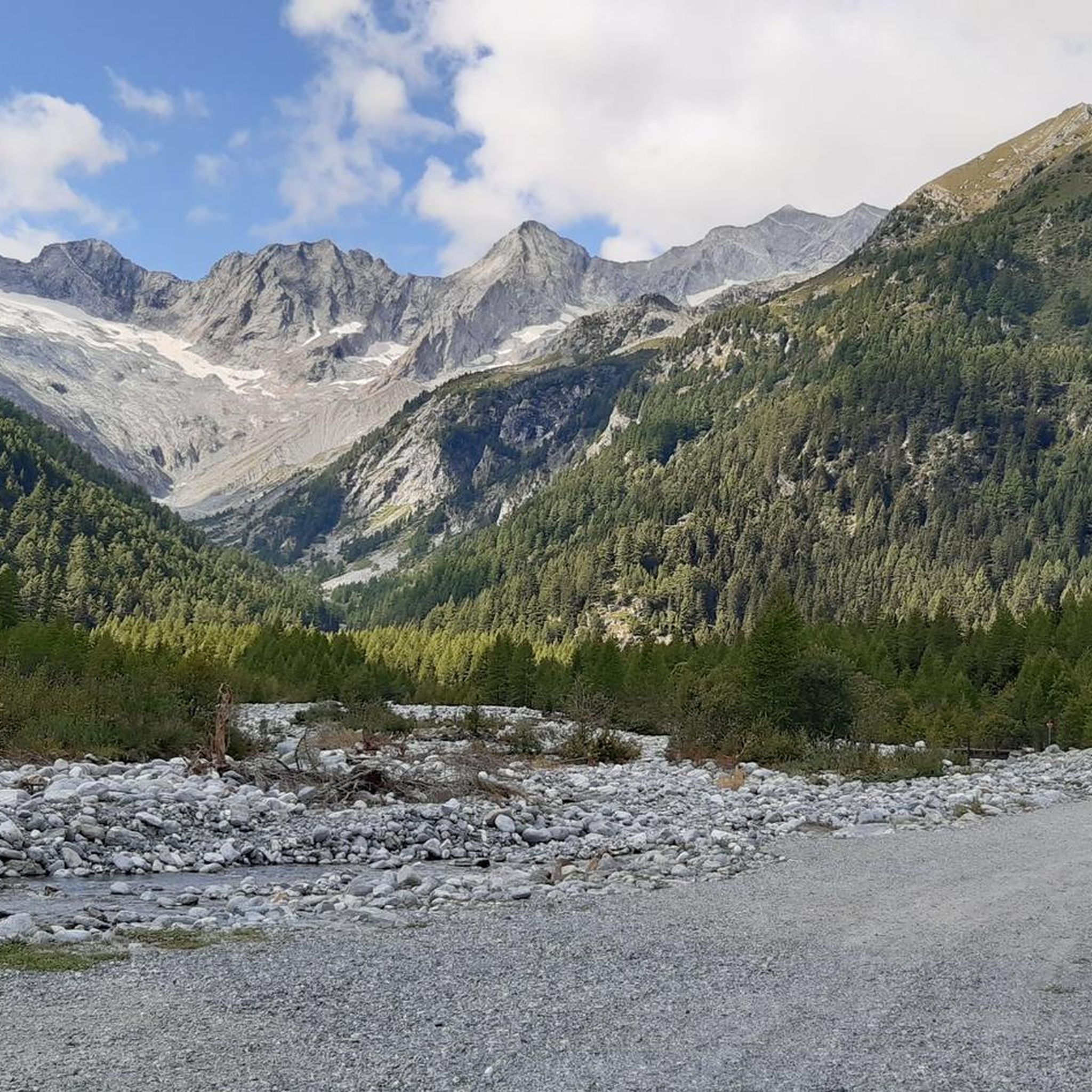
Cycling in Riserva Naturale Val Di Mello
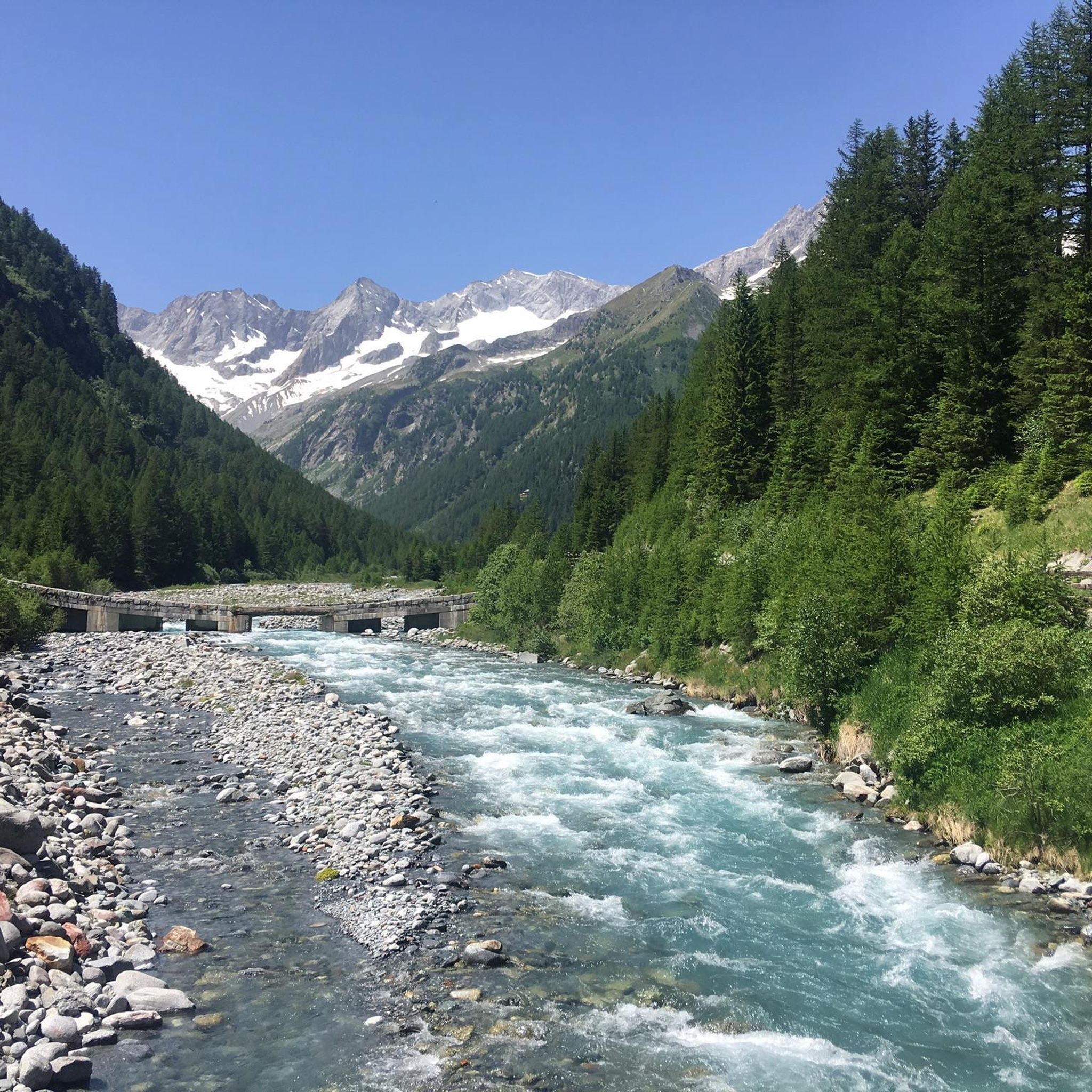
MTB Trails in Riserva Naturale Val Di Mello
Mountain Hikes in Riserva Naturale Val Di Mello
Other adventures in Riserva Naturale Val Di Mello

Tips from the Community

At 2,950 metres, this pass is the highest point on the Sentiero di Roma. The path leads steeply up and down from both sides and is secured with steel cables (via ferrata).
1
0


The Averta Pass is located at 2,500 meters and is part of the Path of Rome. From here you can get to the Allievi Bonacossa Refuge (closest stopping point) along sections equipped with ropes and stony ground.
1
0
La Bocchetta Roma is located at 2,898 meters and is a stony ground where the Roma Path is well signposted between large blocks of granite. It is located on the border between the Val di Mello and the Valle di Predarossa.
4
0
The Cameraccio Pass is 2,940 meters above the sea level. It is the pass and the highest point of the Path of Rome. There can be snow even in summer.
2
0
When you reach the base of Passo Qualido (2,674 m) the ascent develops along an exposed stretch and loose rocks. The descent from the opposite side is more difficult because it follows a steep wall until you reach the pastures of Val Qualido. The most exposed sections are aided.
4
0
Passo Camerozzo is very steep and could cause dizziness. At times it is equipped with ropes, chains and iron steps.
3
0
Frequently Asked Questions
What are some of the most notable mountain passes in Riserva Naturale Val Di Mello?
Riserva Naturale Val Di Mello offers several challenging and scenic mountain passes. Among them, Bocchetta Roma stands out at 2,898 meters, known for its stony ground and well-signposted Roma Path. Another significant pass is Passo Camerozzo, quickly accessible from Rifugio Gianetti, which requires a head for heights due to its chains and iron steps. The Cameraccio Pass, at 2,940 meters, is the highest point on the Sentiero di Roma, often secured with steel cables.
How challenging are the mountain passes in Riserva Naturale Val Di Mello?
The mountain passes in Riserva Naturale Val Di Mello are generally considered challenging and require good fitness, sure-footedness, and often alpine experience. Many routes involve exposed sections, loose rocks, and aided passages with chains and iron steps. For example, the ascent to Exposed section on Torrione Qualido involves an exposed stretch and loose rocks, with the most difficult sections being aided.
Are there any beginner-friendly mountain passes in Val di Mello?
The higher-elevation routes and mountain passes in Val di Mello are typically demanding and suited for experienced adventurers. While the flat valley floor offers accessible paths suitable for all skill levels, leading to picturesque spots like the Bidet della Contessa, the true 'pass-like' experiences are found in more strenuous, high-alpine terrain. There are no specific mountain passes listed as beginner-friendly; most require significant physical challenge and alpine skills.
What kind of natural scenery and features can I expect to see around the mountain passes?
The region, often called 'Little Yosemite,' boasts exceptional alpine scenery. You'll encounter stunning granite walls, majestic monoliths, and peaks like Monte Disgrazia. The passes offer panoramic views into multiple valleys, crystal-clear streams, and alpine lakes, all carved by ancient glaciers. The high-altitude environment provides a dramatic and awe-inspiring natural backdrop for your adventures.
What is the best time of year to visit the mountain passes in Riserva Naturale Val Di Mello?
The best time to visit the mountain passes in Riserva Naturale Val Di Mello is typically during the warmer months, from late spring to early autumn (June to September). During this period, the weather is generally more stable, and the trails are more accessible. Even in summer, high-altitude passes like Cameraccio Pass can still have snow, so be prepared for varied conditions.
Can I visit the mountain passes in winter?
Visiting the high mountain passes in Riserva Naturale Val Di Mello during winter is generally not recommended for casual visitors due to extreme conditions, deep snow, and increased avalanche risk. These routes are challenging even in summer and become significantly more dangerous in winter, requiring specialized equipment and extensive mountaineering experience. Many mountain huts are also closed during the off-season.
Are there mountain huts or accommodations near the passes?
Yes, the region has several welcoming mountain refuges that serve as essential rest points and starting points for hikes. Notable huts include Rifugio Gianetti, Rifugio Allievi Bonacossa, Rifugio Mello, and Rifugio Luna Nascente. These huts often provide local cuisine and hospitality, offering a cozy atmosphere after a day of exploration. For instance, Passo dell'Averta leads to the Allievi Bonacossa Refuge.
What other outdoor activities can I do near the mountain passes in Riserva Naturale Val Di Mello?
Beyond exploring the mountain passes, Riserva Naturale Val Di Mello is a hub for various outdoor activities. You can find world-class climbing opportunities on its granite slabs, with routes for different skill levels. The area also offers extensive hiking trails, including challenging loops like the Averta Pass and Sentiero Roma Loop. For those interested in running or road cycling, there are numerous routes available throughout the wider region.
Are there specific hiking routes recommended in the area?
Yes, the region offers a variety of hiking routes. For challenging experiences, consider the Averta Pass and Sentiero Roma Loop, a 12.5-mile trek with significant elevation gain. Other notable routes include the ascent to Rifugio Allievi Bonacossa from Rifugio Luna Nascente, or the Val Torrone and Val di Zocca loop. You can find more details on these and other trails in the Hiking in Riserva Naturale Val Di Mello guide.
Are dogs allowed on the trails leading to the mountain passes?
While the flat valley floor of Val di Mello generally allows dogs on leash, specific regulations for the higher-altitude trails and mountain passes within the Riserva Naturale can vary. It's always best to check local signage or official park guidelines before bringing your dog on challenging alpine routes, especially those with exposed sections or aided climbs, to ensure their safety and compliance with park rules.
What do visitors enjoy most about the mountain passes in Riserva Naturale Val Di Mello?
Visitors highly appreciate the exceptional alpine scenery, the sense of achievement from completing demanding high-altitude treks, and the tranquility of immersing themselves in nature. The dramatic granite landscapes, panoramic views, and the challenge of routes like those leading to Bocchetta Roma or Passo Camerozzo are frequently cited as major draws. The presence of welcoming mountain huts also enhances the experience.
Most popular routes in Riserva Naturale Val Di Mello
Most popular attractions in Riserva Naturale Val Di Mello

Get inspired with the komoot mobile app


Explore more
See even more epic mountain passes by checking out these guides in Riserva Naturale Val Di Mello:
