Attractions and Places To See in Parco Della Collina Di San Colombano - Top 5
Best attractions and places to see in Parco Della Collina Di San Colombano include a unique hill formation rising from the flat Po Valley, spanning across the provinces of Milan, Lodi, and Pavia. This protected area features diverse landscapes, including extensive woods, terraced vineyards, and shaded valleys. The park is known for its ancient geological origins, agricultural heritage, and opportunities for outdoor activities.
Best attractions and places to see in Parco Della Collina Di San Colombano
- The most popular attractions…
Last updated: August 29, 2026
Ascent from San Colombano to Moccia
Highlight (Segment) • Climb
Translated by Google •
Tip by

Ramp on Via Collada, San Colombano Castle
Highlight (Segment) • Castle
Translated by Google •
Tip by

Sign up now to discover places like this
Get recommendations on the best single tracks, peaks, & plenty of other exciting outdoor places.
Sign up for free
Chapel of Madonna of the Mountains
Highlight • Religious Site
Translated by Google •
Tip by
PS1-MTB Trail
Highlight • MTB Park
Translated by Google •
Tip by
Via Serafina Climb
Highlight (Segment) • Climb
Translated by Google •
Tip by
Sign up for free to discover even more attractions in Parco Della Collina Di San Colombano.
Sign up for free
Already have an account?
Start today with a free account
Your next adventure awaits.
Login or Signup
Popular around Parco Della Collina Di San Colombano
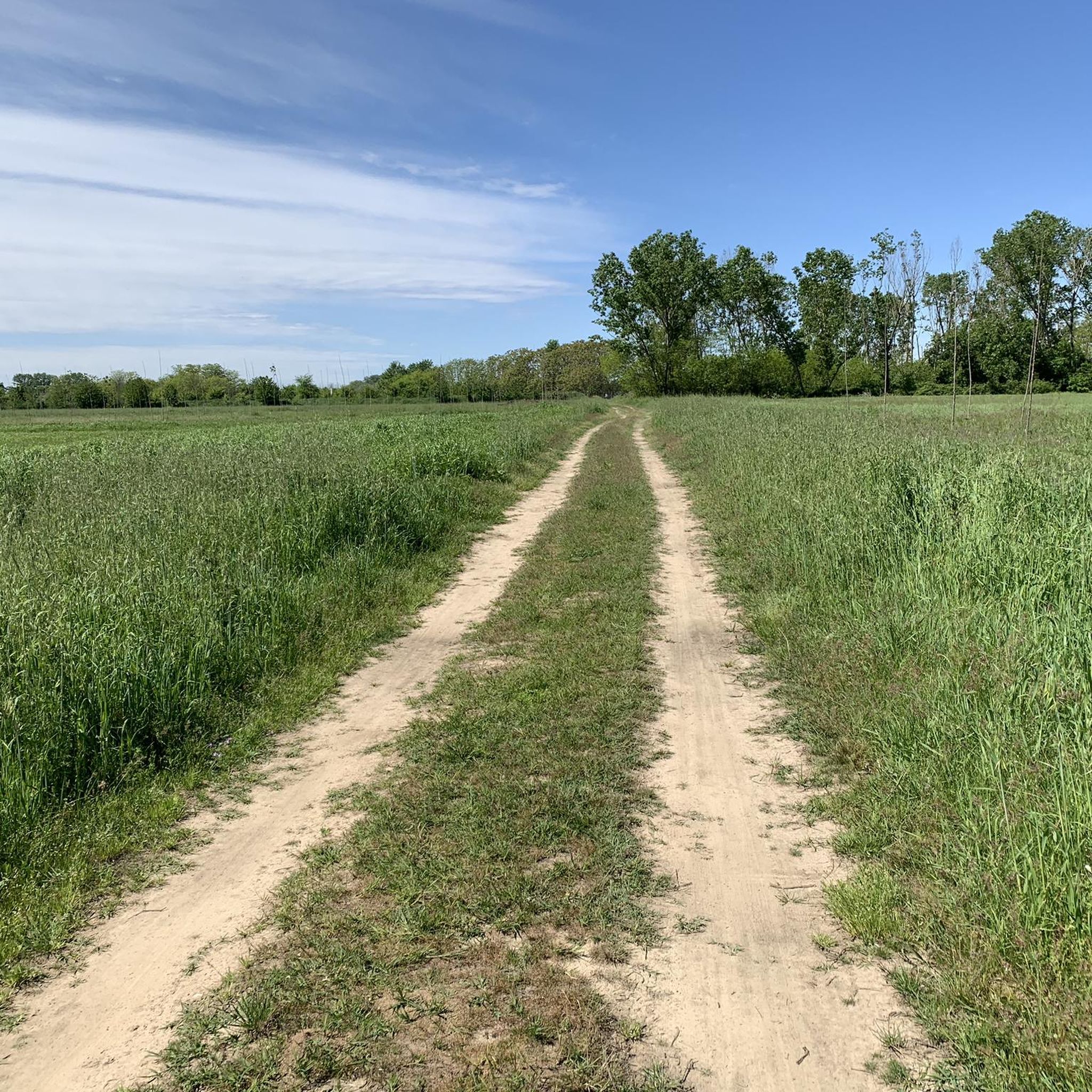
Cycling in Parco Della Collina Di San Colombano
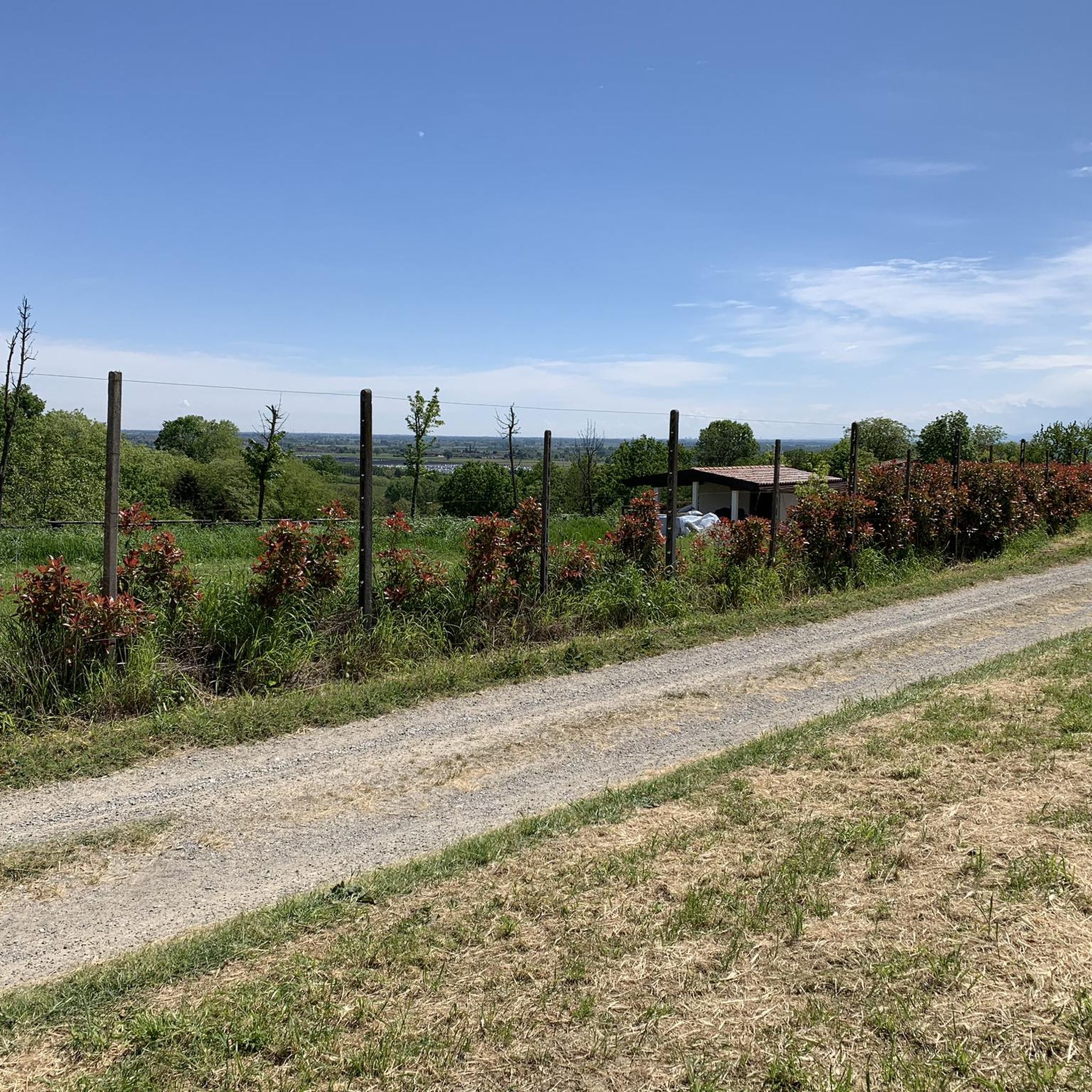
MTB Trails in Parco Della Collina Di San Colombano
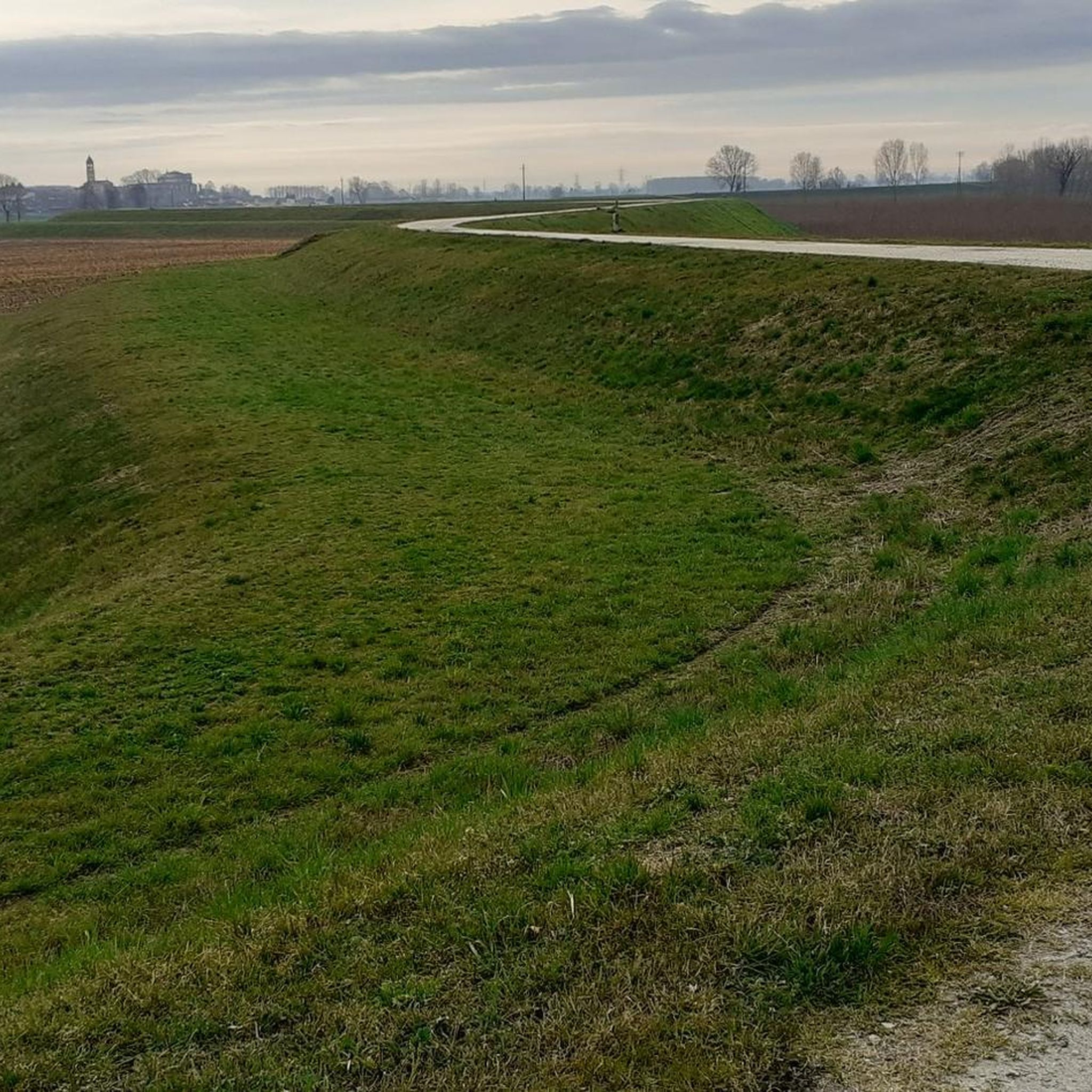
Road Cycling Routes in Parco Della Collina Di San Colombano
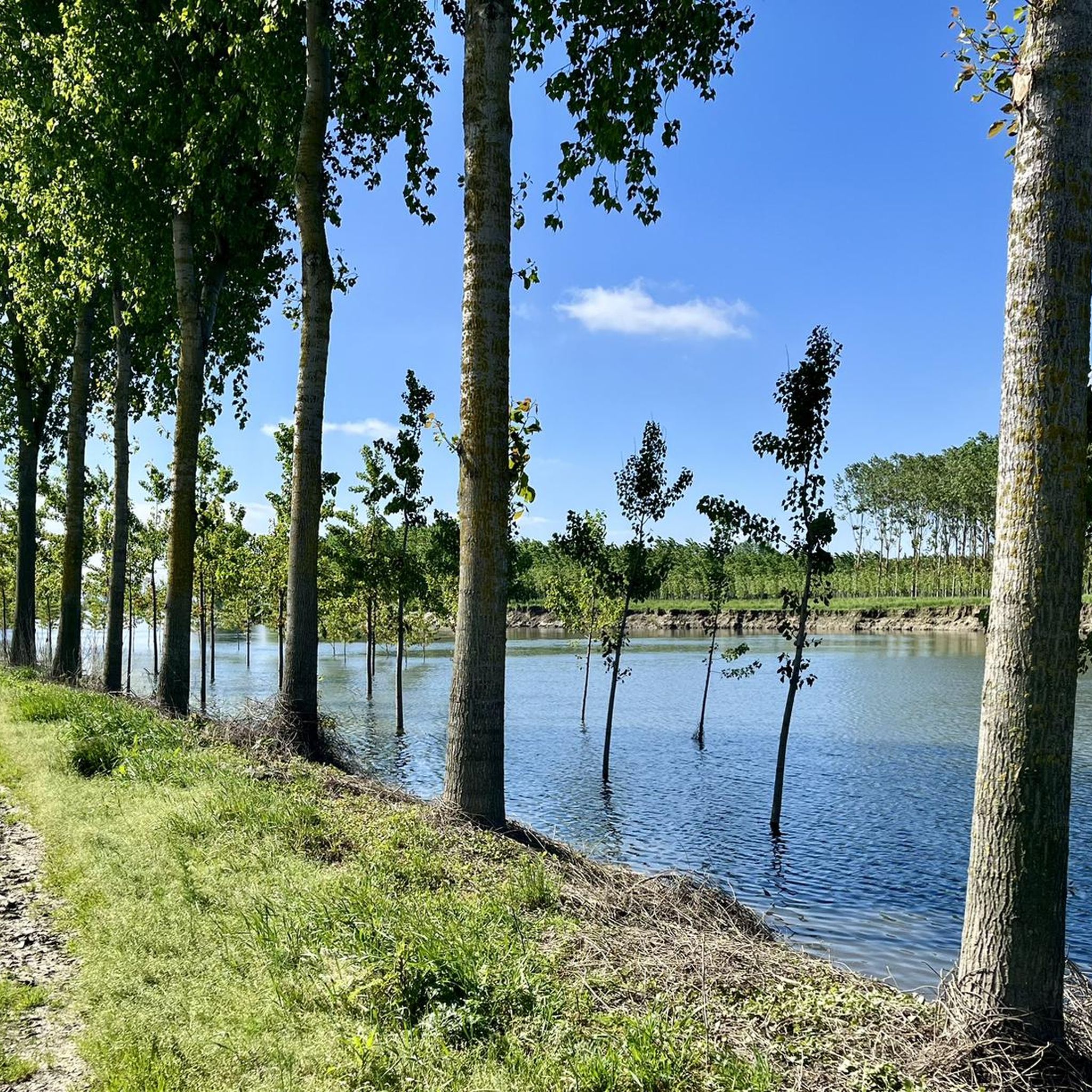
Running Trails in Parco Della Collina Di San Colombano

Gravel biking in Parco Della Collina Di San Colombano
Hiking in Parco Della Collina Di San Colombano
Tips from the Community

The Ramp on Via Collada in San Colombano al Lambro (MI) is a climb of about 700-1160 meters that starts right by the castle walls. It is known for its challenging average gradient of ~17% and peaks exceeding 20%] Length: Approximately 1.16 km (with a steep initial section of ~ 500 meters). Elevation gain: ~ 199 meters. Average gradient: 17.12%. Maximum gradient: Very steep, suitable for intense training (MTB/road bike climb category).
0
0
The climb from San Colombano al Lambro (Viale Milano) to the Moccia area and the crest of the hill covers about 750 m to the plateau. Along the way, you cross the Strada della Capra and skirt the splendid Bosco della Moccia, a protected area rich in oaks and hornbeams. San Colombano hill offers several routes to walk or cycle to reach the panoramic part
0
0

Classic climb of the San Colombano hills
0
0

It is a house with a farmhouse, attached to other buildings that are now empty or have become homes but which were once a convent of the Diocese of Pavia. The building was built shortly after 1881 when the entire area was purchased by the bishop of Pavia, Mons. Agostino Riboldi, as a holiday home and from there began restoration work and adaptation to the new use.
1
0

after facing the Colada, turn right and slightly uphill you reach Madonna dei Monti. Very nice route to look at
0
0

The climb banishes the heart. Perhaps the least steep, certainly the most beautiful. Halfway, for those who want, we organize barbecues.
0
0
Ramp of about 500m starting from the Castle of San Colombano
2
0

Path called PS1-mtb not to be covered with mud, entrance on the right with descent, ups and downs with very beautiful humps. There is a stretch of path to be taken at the entrance on the left then leads back to the PS1.
1
0
Frequently Asked Questions
What kind of outdoor activities can I do in Parco Della Collina Di San Colombano?
The park offers a variety of outdoor activities, including hiking, cycling, and gravel biking. You can explore numerous trails that wind through vineyards, woods, and offer panoramic views. For specific routes, check out the dedicated guides for Hiking in Parco Della Collina Di San Colombano, Cycling in Parco Della Collina Di San Colombano, and Gravel biking in Parco Della Collina Di San Colombano.
Are there challenging trails for mountain biking?
Yes, for experienced mountain bikers, the park features challenging routes like the PS1-MTB Trail. This trail is known for its complex terrain, descents, ups and downs, and humps, making it unsuitable for beginners. Another option is the Start of Il Cinghiale Trail, which is best enjoyed in dry weather due to its sliding sections.
What historical and cultural sites can I visit in the park?
The region is rich in history. You can visit the magnificent Castello di San Colombano with its medieval walls in San Colombano al Lambro, or the 14th-century Church of SS. Pietro e Paolo. The Chapel of Madonna of the Mountains, originally a convent, also holds historical significance. Additionally, the Virginio Caccia Paleontological and Archaeological Museum offers insights into the area's ancient marine past.
What natural features and viewpoints should I look for?
The park is centered around the isolated San Colombano hill, which rises to 147 meters, offering extensive panoramic views of the Po Valley, extending to the Alps and Apennines. You'll find shaded valleys, robinia woods, and terraced vineyards. The hill's geological composition reveals a marine past, and thermal waters are found in Miradolo Terme. Many climbs, like the Via Serafina Climb and Banine – Capra Climb, San Colombano al Lambro, offer excellent viewpoints.
Are there any easy hiking trails suitable for families?
Yes, the park offers several easy hiking options. The "Sentiero Natura" is a specially designed naturalistic path with informative panels, guiding visitors through diverse ecosystems. For specific routes, consider the "Chapel of Madonna of the Mountains – Pond of San Colombano Park loop" which is an easy 6.2 km hike, or the "Colli Banini – Chapel of Madonna of the Mountains loop" for a moderate 12.4 km experience. You can find more details in the Hiking in Parco Della Collina Di San Colombano guide.
What is the best time of year to visit Parco Della Collina Di San Colombano?
The park is enjoyable throughout the year, but autumn is particularly special for wildlife enthusiasts, as the raptor observatory along the "Sentiero Natura" becomes active with migrating birds flying south from Central Europe. Spring and early summer offer pleasant weather for hiking and cycling amidst blooming vineyards and lush greenery.
Can I find places to relax and enjoy the scenery?
Absolutely. The park features numerous panoramic terraces along its hilly ridge, providing vast views of the surrounding plains. Additionally, equipped rest areas can be found adjacent to the Experimental Vineyard, perfect for a break while appreciating the viticultural landscape.
What kind of wildlife can I expect to see?
The park's diverse ecosystems, including wetlands and woods, support various wildlife. You might spot mammals such as weasels, dormice, hares, and foxes. Birdwatchers can look out for owls, magpies, and ravens, especially around the raptor observatory during migration season.
Is the park known for any local products or traditions?
Yes, the region has a deep-rooted tradition of viticulture, dating back to Roman times. The park is heavily covered by vineyards, and the DOC San Colombano wine is a testament to this heritage. The cultivation of vines is traditionally attributed to the Irish monk Saint Columbanus.
Are there any specific climbs popular with cyclists?
Cyclists frequently enjoy the Banine – Capra Climb, San Colombano al Lambro, a classic ascent of about 1 km on asphalt with gentle slopes that become more pronounced towards the end. Another popular option is the Via Serafina Climb, known for its scenic beauty.
What makes the thermal waters of Miradolo Terme significant?
Miradolo Terme, located within the park, is known for its historic thermal waters. These natural springs have been appreciated since ancient Roman times for their therapeutic properties, adding another layer of natural and historical interest to the area.
Most popular routes in Parco Della Collina Di San Colombano

Get inspired with the komoot mobile app


Explore more
Still not found the Highlight you’re looking for? See guides of the top attractions in other regions:
