Attractions and Places To See in Parco Nord Milano - Top 20
Best attractions and places to see in Parco Nord Milano is a significant example of urban regeneration, spanning over 600 hectares as a crucial green lung for Milan. This area blends natural beauty with historical and cultural points of interest, offering diverse landscapes including woodlands, meadows, and artificial lakes. The park provides extensive recreational opportunities, transforming a former industrial site into a vibrant public space.
Best attractions and places to see in Parco Nord Milano
- The most popular attractions is…
Last updated: July 5, 2026
Niguarda Lake, Parco Nord Milano
Highlight • Lake
Translated by Google •
Tip by

Parco Nord Milano
Highlight • Forest
Translated by Google •
Tip by

Sign up now to discover places like this
Get recommendations on the best single tracks, peaks, & plenty of other exciting outdoor places.
Sign up for free
Velodromo Parco Nord
Highlight • Cycleway
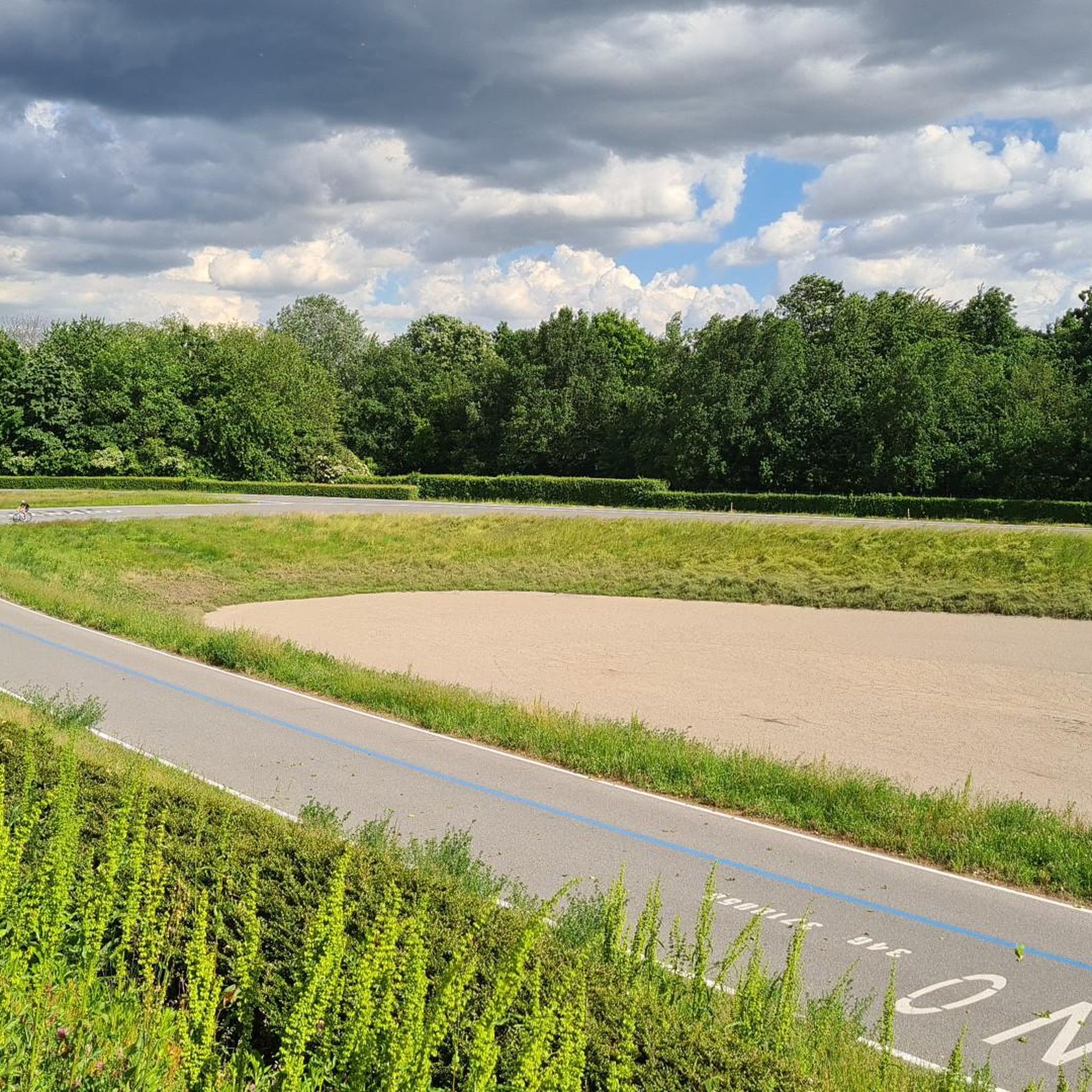
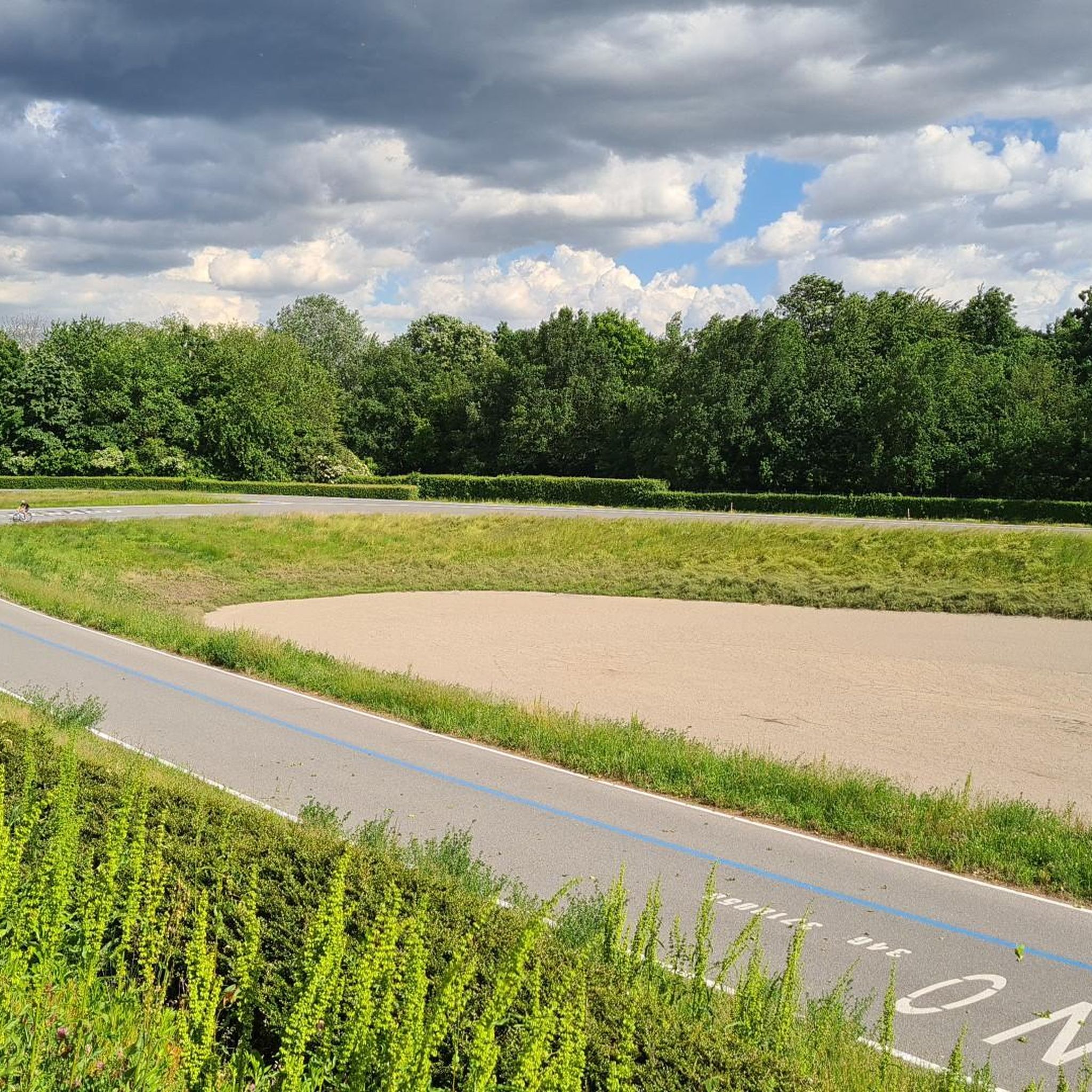
I go to the velodrome where I can ride safely.
Translated by Google •
Tip by

Laghetto di Bruzzano
Highlight • Lake
Translated by Google •
Tip by

Villa of Alessandro Manzoni
Highlight • Historical Site
Translated by Google •
Tip by

Sign up for free to discover even more attractions in Parco Nord Milano.
Sign up for free
Already have an account?
Start today with a free account
Your next adventure awaits.
Login or Signup
Tips from the Community

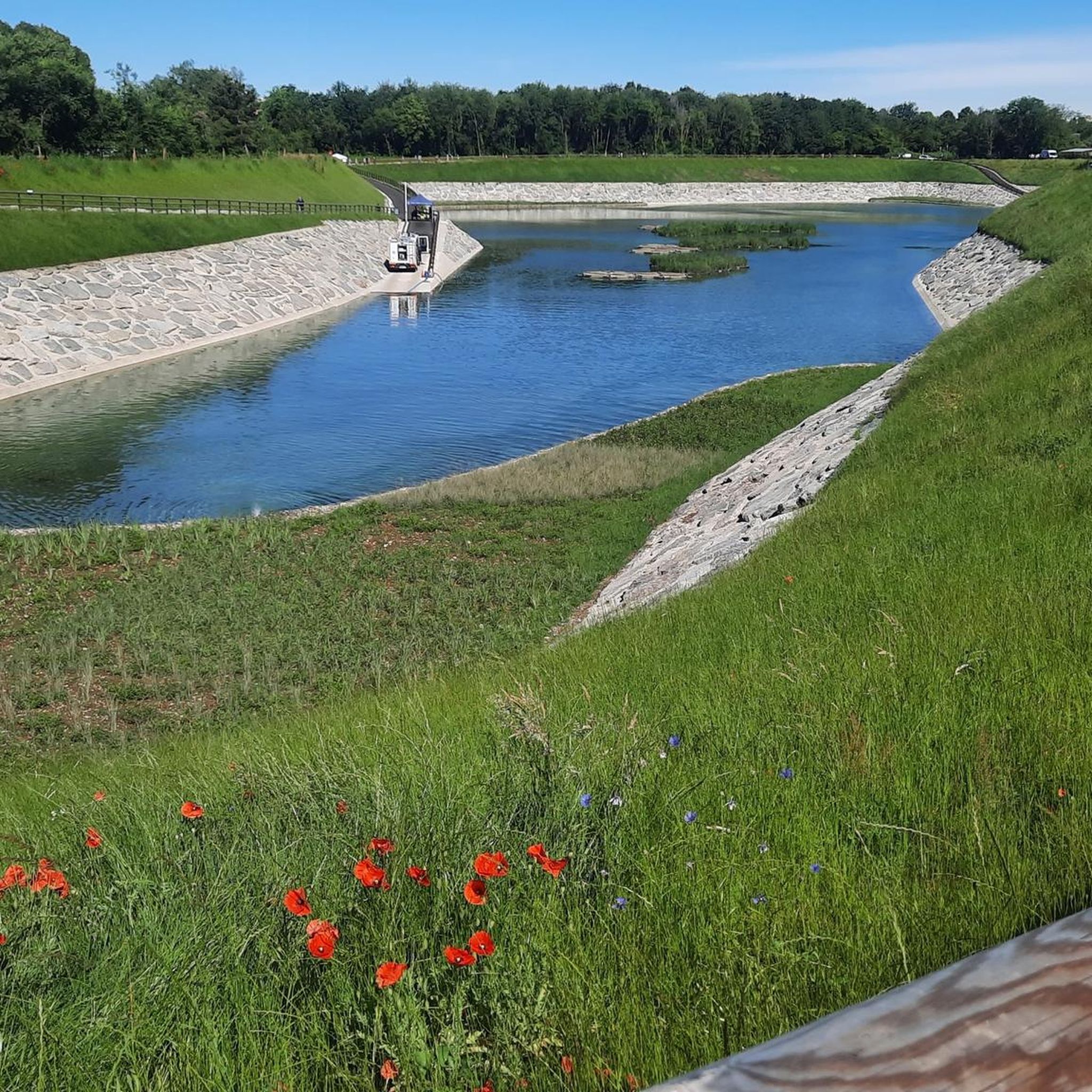
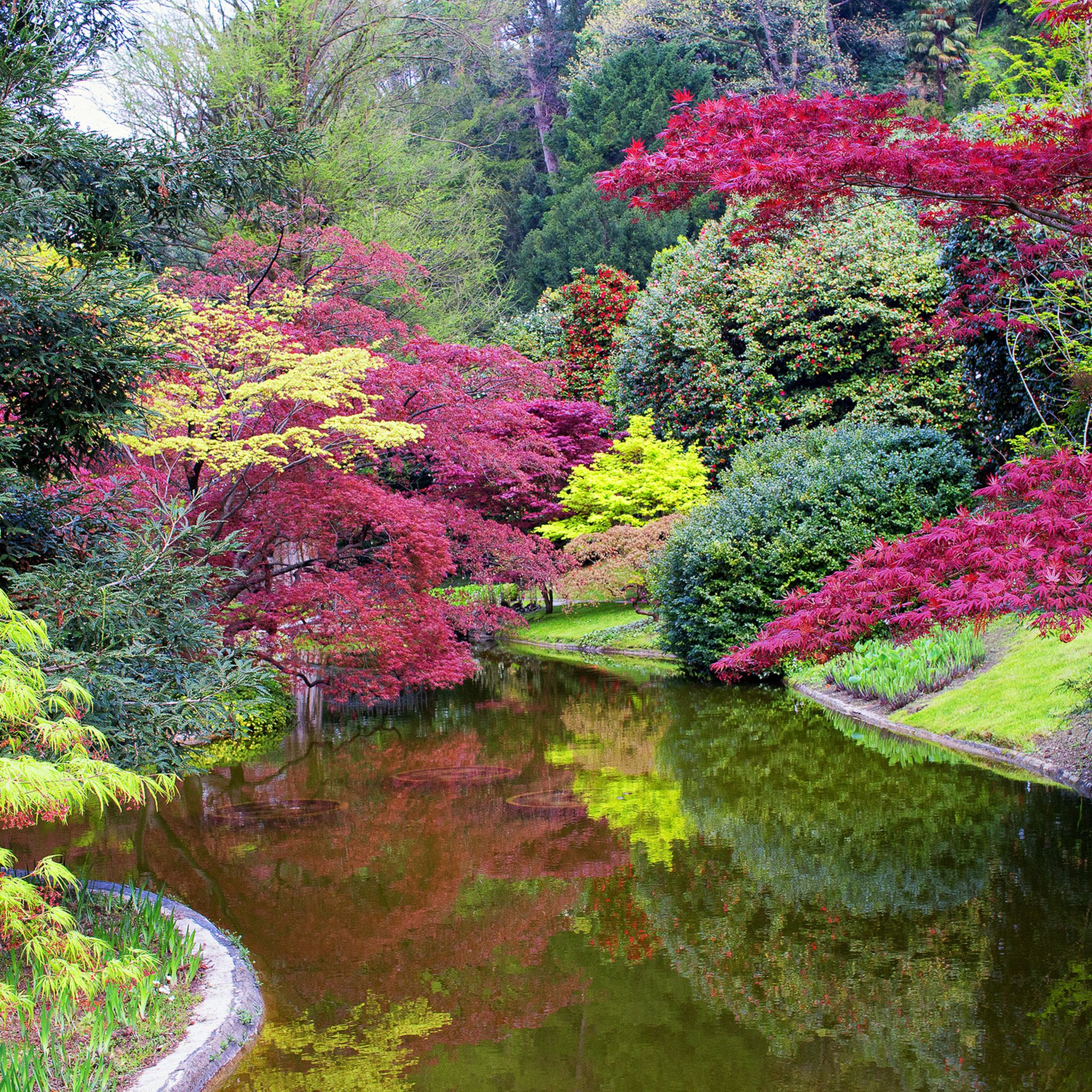
Lago di Bruzzano is an artificial lake situated within Parco Nord Milano, specifically in the Bruzzano area. Constructed to manage floodwaters from the Seveso River, it serves as a recreational spot with walking and cycling paths, as well as birdwatching opportunities. The lake is fed by groundwater and features an island to support aquatic bird nesting. In the event of exceptional rainfall, the lake can temporarily hold floodwaters, which are filtered before being released back into the Seveso River. The area is monitored by surveillance cameras, and automatic barriers prevent public access during flood events.
1
0
Lake Bruzzano is an artificial lake located within the Parco Nord Milano, specifically in the Bruzzano area. Created to manage floodwaters from the Seveso River, it serves as a recreational area with walking and cycling trails, as well as birdwatching opportunities. The lake is fed by groundwater and features an island for nesting waterfowl. In the event of exceptional rainfall, the lake can temporarily retain floodwaters, which are filtered before being returned to the Seveso River. The area is monitored by surveillance cameras, and automatic barriers prevent public access during flood events.
1
0
Please remember to wear a helmet, otherwise they won't let you race.
2
0

Villa Manzoni was owned by the Counts Imbonati family, who built the oldest part of the building in the late 17th century. Upon Carlo Imbonati's death in 1805, the house and all its land were left in his will to Giulia Beccaria, mother of Alessandro Manzoni (1785–1873). When the Manzonis moved permanently from Paris to Milan in 1810, they decided to begin restoration and renovation work. During these years, from 1811 to 1818, Alessandro Manzoni personally supervised the construction of the central body, together with the architect Gottardo Speroni. The two existing buildings were joined, and the Villa acquired the architectural appearance reminiscent of the French style that characterizes Villa Manzoni today. From 1810 to 1820 he devoted himself to creating the large park, whose avenues he loved to stroll along; he planted many trees that are still present today, such as plane trees, chestnut trees, magnolias, beech trees and some plants that were innovative for the time.
0
0
This gracious villa was built in the late 17th century by the Imbonati counts. In 1805, upon the death of Carlo Imbonati and his heirs, the villa passed to Giulia Beccaria, mother of Alessandro Manzoni. The Manzoni family moved from Paris to Milan in 1810 and began restoration work on this villa, which became the country residence of the famous writer, who began writing The Betrothed here. The restoration work gave the villa its current appearance, reminiscent of 18th-century villas. The villa is currently owned by the Manzoni heirs, who use it for events, weddings, communions, confirmations, conferences, and high-level business lunches. In the summer, with the opportunity to enjoy the beautiful centuries-old park, unforgettable moments are guaranteed—for those who can afford it, of course.
0
0
The 500-meter asphalt loop, built in 2005 around one of the Seveso reservoirs, which fills up in rainy weather and forces the gates to close for safety reasons, is a meeting point and training center for thousands of cycling enthusiasts, attracting 18,000 visitors annually. Since 2011, the facility has been managed exclusively by DateciPista volunteers, who had already collaborated with Parco Nord Milano in previous years. The Parco Nord Milano Velodrome is maintained thanks to the dateciPista volunteers, passionate enthusiasts who take turns opening, maintaining, and hosting guests. It's a simple, yet concrete and sustainable model.
4
0
The park features three large bodies of water: Lake Niguarda, Lake Bruzzano, and Lake Nord in Cinisello Balsamo, along with a slightly smaller one housing the Oxy.gen pavilion, dedicated to the theme of breathing. This pavilion hosts conferences and shows, next to the Zambon pharmaceutical research center in Bresso.
1
0

great for training and maintaining speed for long stretches
2
0
Frequently Asked Questions
What natural features can I explore in Parco Nord Milano?
Parco Nord Milano offers a variety of natural attractions. You can visit the large artificial lake, fed by the Villoresi Canal, where you might spot waterfowl like swans and herons. Another significant body of water is Laghetto di Bruzzano, designed to manage floodwaters and offering recreational opportunities. The park also features dense woodlands, open meadows, and numerous ponds, supporting rich biodiversity.
Are there any significant historical or cultural sites within Parco Nord Milano?
Yes, Parco Nord Milano is rich in history. You can find the architectural jewel Villa of Alessandro Manzoni, a 16th-century villa with Renaissance frescoes. Other historical traces include the Monument to the Deported on the 'Montagnetta' and Reinforced Concrete Bunkers from 1942, which served as air-raid shelters.
What unique natural areas, like a food forest, can I find in the park?
The park features a unique Food Forest, established in 2021. This accessible area spans 10,000 square meters and contains 2,000 fruit trees, shrubs, and crops, promoting biodiversity and natural cultivation. It serves as an outdoor laboratory for learning about plants suited to the Milanese climate.
What kind of outdoor activities can I do in Parco Nord Milano?
Parco Nord Milano provides extensive opportunities for outdoor activities. You can enjoy cycling and walking on its kilometers of paths, or engage in sports at facilities like football and basketball courts, a velodrome, and fitness trails. There are also community gardens and picnic areas throughout the park. For more specific routes, you can explore hiking trails, running routes, and MTB trails.
Are there dedicated cycling facilities in the park?
Yes, cycling is very popular in Parco Nord Milano. The park offers an extensive network of cycling paths. Additionally, you can find the Velodromo Parco Nord, which provides a safe environment for cyclists to train and experience riding without traffic.
Where can I find walking or hiking trails in Parco Nord Milano?
Parco Nord Milano has numerous walking and hiking trails winding through its diverse landscapes. You can find easy to moderate routes, such as the 'Enrico Fermi Footbridge – Lake Niguarda loop from Bresso' or the 'Parco Nord Milano (North Milan Park) – Pond with Water Lilies loop from Ponale'. For a comprehensive list of options, check out the Hiking in Parco Nord Milano guide.
Is Parco Nord Milano suitable for families with children?
Absolutely! Parco Nord Milano is very family-friendly. It features numerous playgrounds for children, extensive paths for walking and cycling, and open spaces for picnics. The artificial lakes, like Niguarda Lake, are also great for spotting wildlife, which can be exciting for kids.
What is the best time of year to visit Parco Nord Milano?
Parco Nord Milano is enjoyable year-round, but spring and autumn offer particularly pleasant weather for outdoor activities, with lush greenery and comfortable temperatures. Summer is also popular, especially for picnics and enjoying the shade of the woodlands, while winter provides a quieter, serene atmosphere.
Are there any cafes or refreshment points within the park?
Yes, for your convenience, there are several kiosks and refreshment points strategically located throughout Parco Nord Milano where you can take a break and grab a drink or a snack during your visit.
Can I bring my dog to Parco Nord Milano?
Yes, Parco Nord Milano is generally dog-friendly, offering many paths and open spaces for walks with your canine companion. It's always recommended to keep dogs on a leash and clean up after them to ensure a pleasant experience for all visitors.
What is the 'Montagnetta' and its significance?
The 'Montagnetta' is a distinctive small hill within Parco Nord Milano, crafted from industrial slag during the park's reclamation. It symbolizes the area's transformation from an industrial site into a vibrant green space and is home to the Monument to the Deported, commemorating factory workers from the Sesto San Giovanni area.
What is the Oxy.gen pavilion?
The Oxy.gen pavilion, located near the Zambon pharmaceutical research center in Bresso, is a unique structure dedicated to the theme of breathing. It hosts conferences and shows, blending scientific exploration with cultural events within the park's natural setting.
Most popular routes in Parco Nord Milano
Most popular attractions in Parco Nord Milano

Get inspired with the komoot mobile app


Explore more
Still not found the Highlight you’re looking for? See guides of the top attractions in other regions:
