Attractions and Places To See in Parco Del Fiume Tormo - Top 15
Best attractions and places to see in Parco Del Fiume Tormo include significant natural features like the Tormo River, which originates from unique fontanili springs, and a rich agricultural landscape. The park spans across the provinces of Cremona, Lodi, and Bergamo, preserving strong agricultural traditions. It features a diverse range of historical landmarks and cultural sites, showcasing centuries of regional heritage. Visitors can explore numerous religious structures, ancient archaeological findings, and historic villas.
Best attractions and places to see in…
Last updated: July 5, 2026
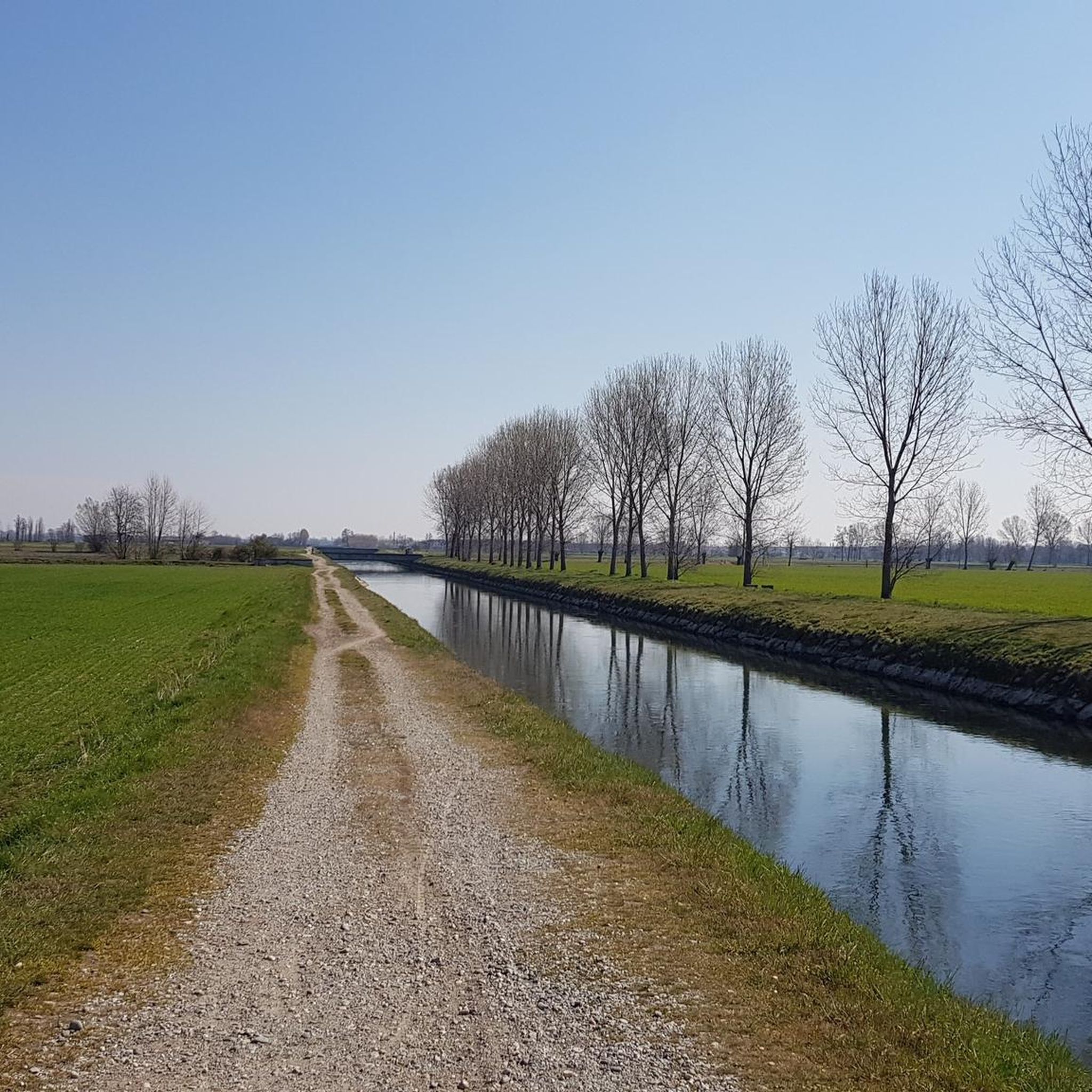
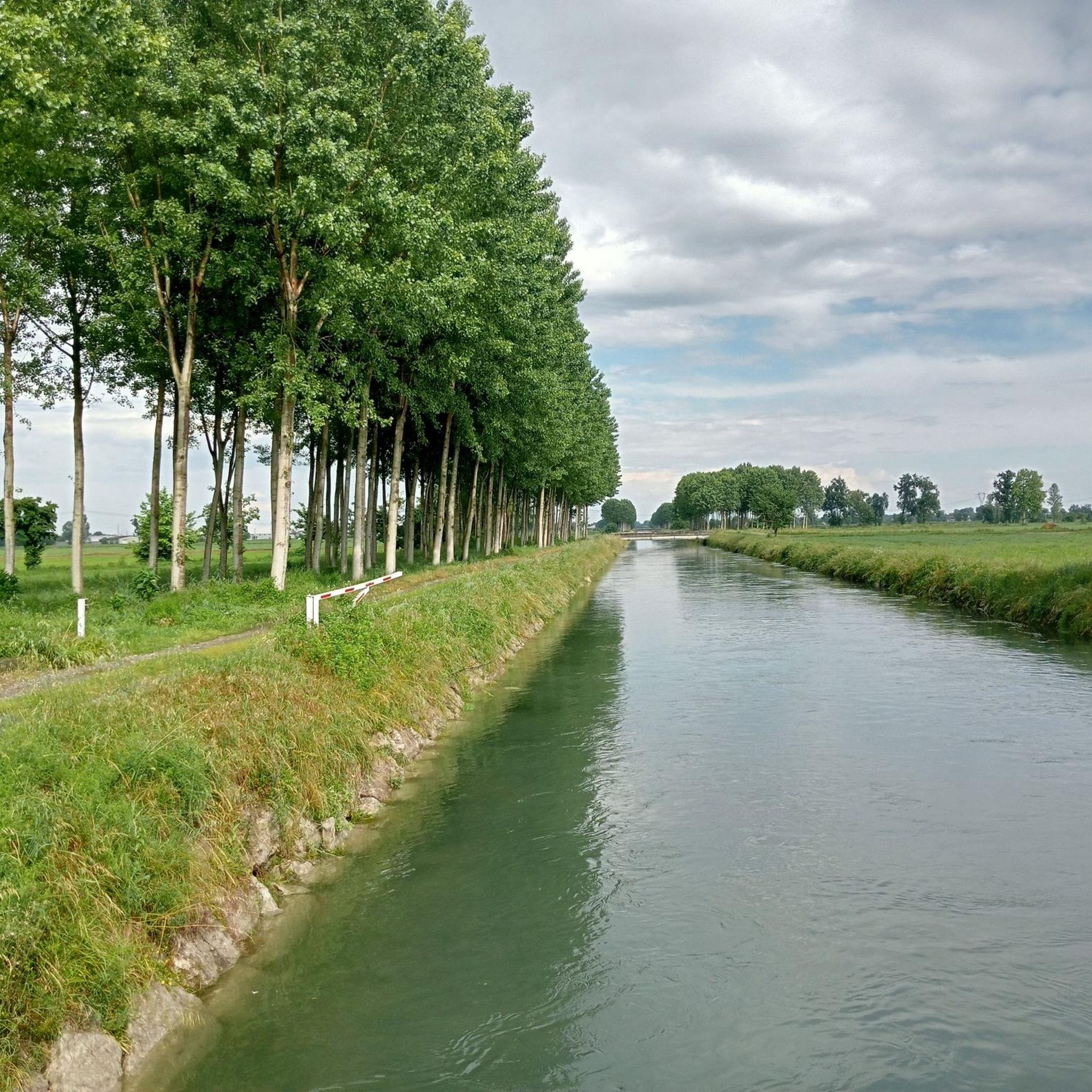
Vacchelli Canal Cycle Path
Highlight • Cycleway
Translated by Google •
Tip by

Abbey of Abbadia Cerreto
Highlight • Religious Site
Translated by Google •
Tip by

Sign up now to discover places like this
Get recommendations on the best single tracks, peaks, & plenty of other exciting outdoor places.
Sign up for free
Parish Church of San Martino, Palazzo Pignano
Highlight • Religious Site
26020 Palazzo Pignano CR
+39037390206
Translated by Google •
Tip by

Sanctuary of the Madonna delle Assi
Highlight • Religious Site
It is an ancient place …
Translated by Google •
Tip by

Country road between Agnadello and Torlino Vimercati
Highlight (Segment) • Cycleway
Translated by Google •
Tip by

Sign up for free to discover even more attractions in Parco Del Fiume Tormo.
Sign up for free
Already have an account?
Start today with a free account
Your next adventure awaits.
Login or Signup
Tips from the Community

There is no certain data on the origin of the name, it is assumed that it derives from a previous chapel built mainly in wood. It is an ancient place of worship and it is said that an apparition occurred here around the 14th century.
18
0

The ancient Pieve di S. Martino, in Romanesque style, was built in the 11th century on a pre-existing basilica from the early Christian era dating back to the mid-5th century.
0
0

In the left nave of the great abbey, a monosylvan canoe is proudly displayed, that is, dug out of a single oak trunk (Turkey oak), found in 1987 in the muddy bed of the Adda. It is a linter (from the Latin linter, lintris = vessel, small boat), a type of river vessel typical of the Po Valley, used for towed transport from the shore or for connections, for unloading goods, between the bank and the larger boats that were stationed in the middle of the waterway. Widespread between the 2nd century BC and the 11th century AD, lintres disappeared in the late Middle Ages due to the rarefaction of the large acorn-bearing oaks that characterized the local habitat. But if the Turkey oaks that dominated this floodplain area of the Adda unchallenged for millennia have almost completely disappeared, their memory has remained imprinted in the name of the towns; Abbadia Cerreto, precisely, and Casaletto Ceredano (that is, rich in Turkey oaks).
2
0

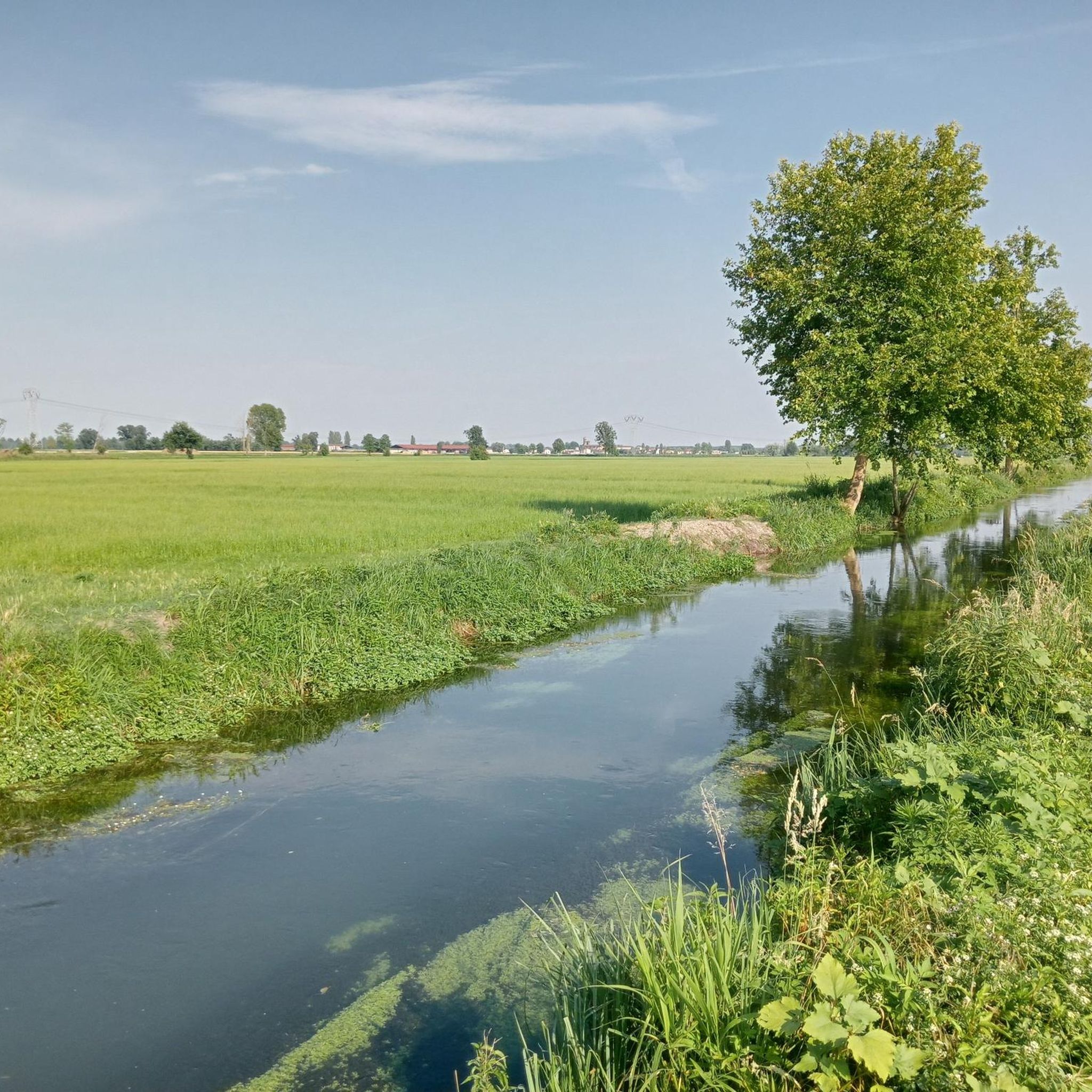
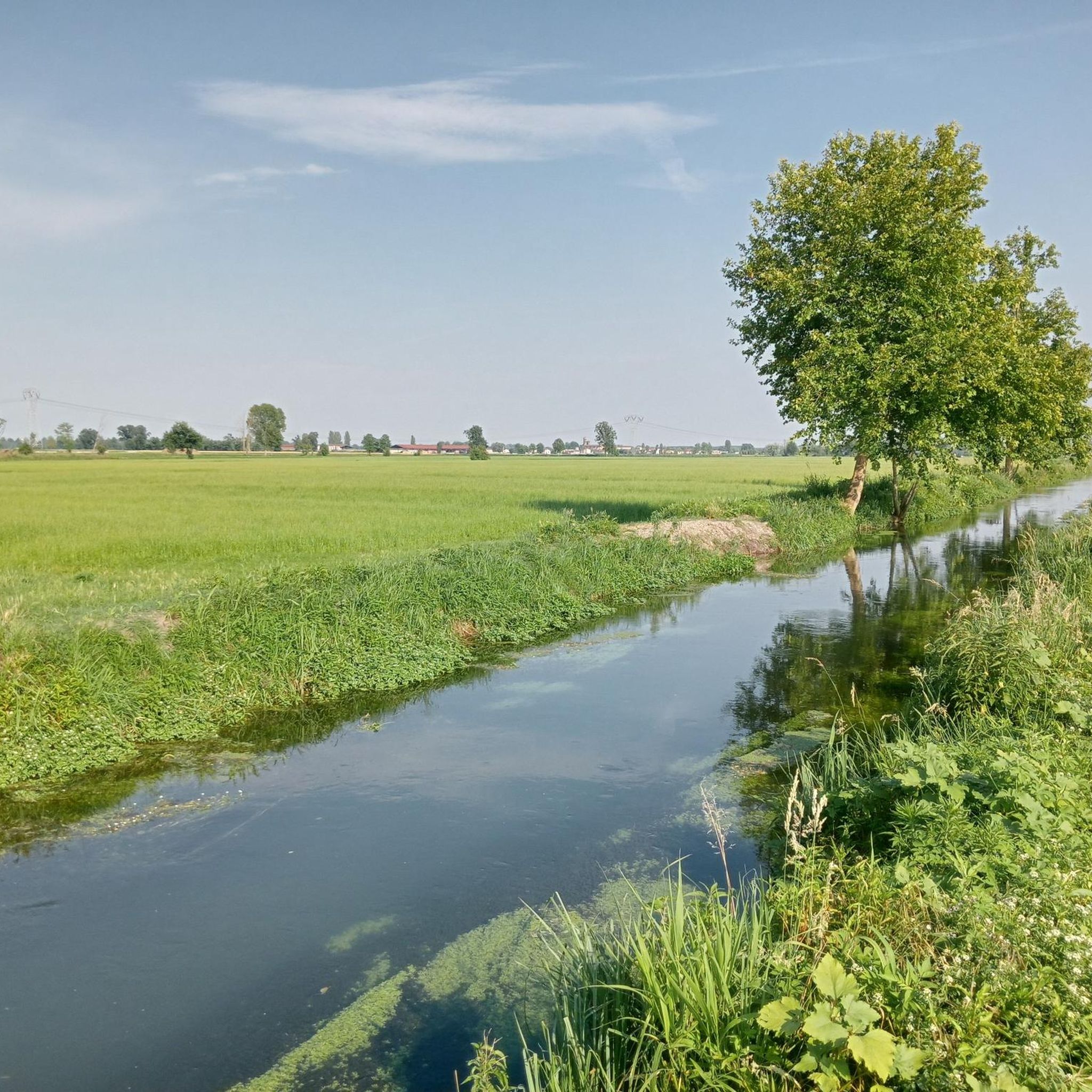
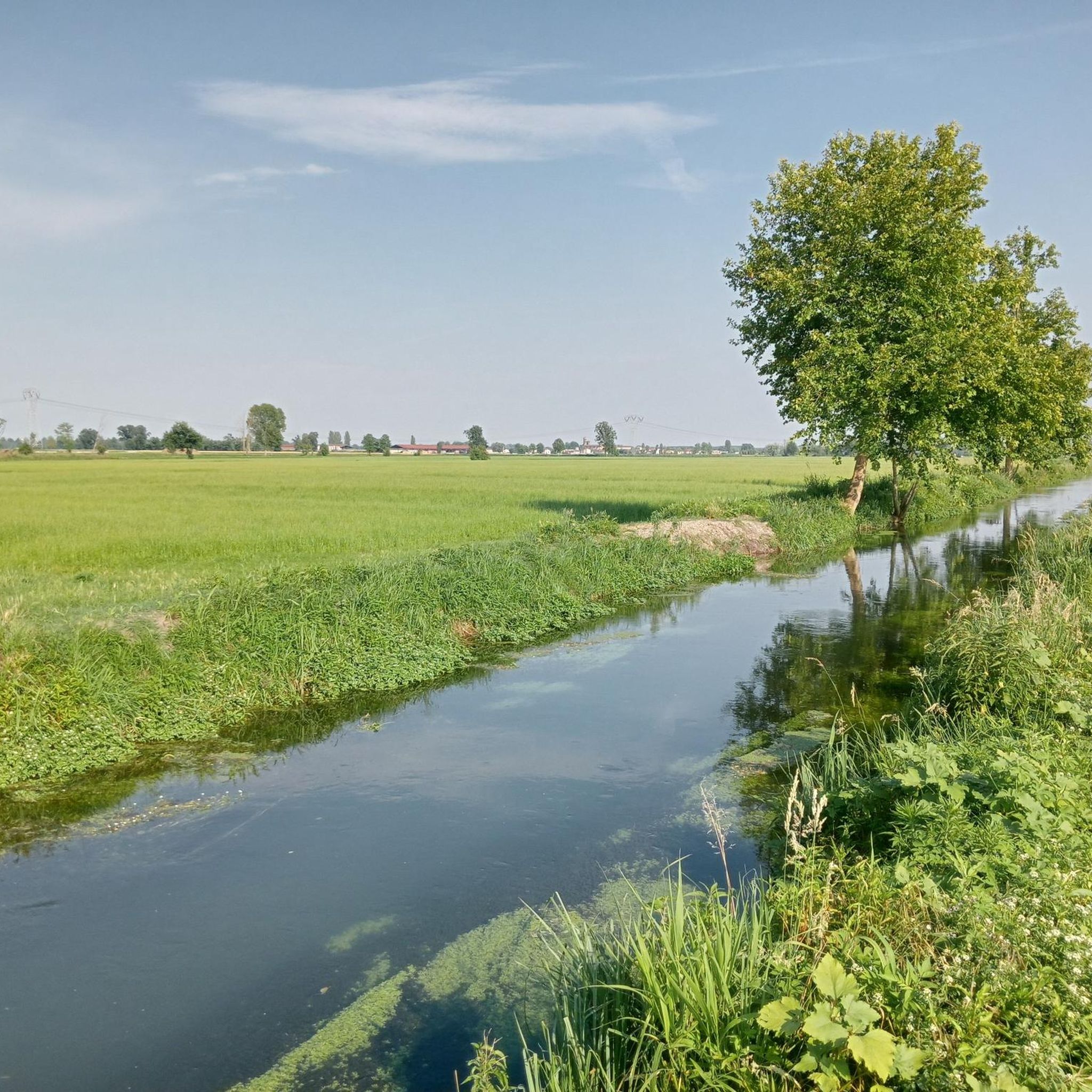
Sanctuary located on one of the many bridges of the Vacchelli canal
0
0
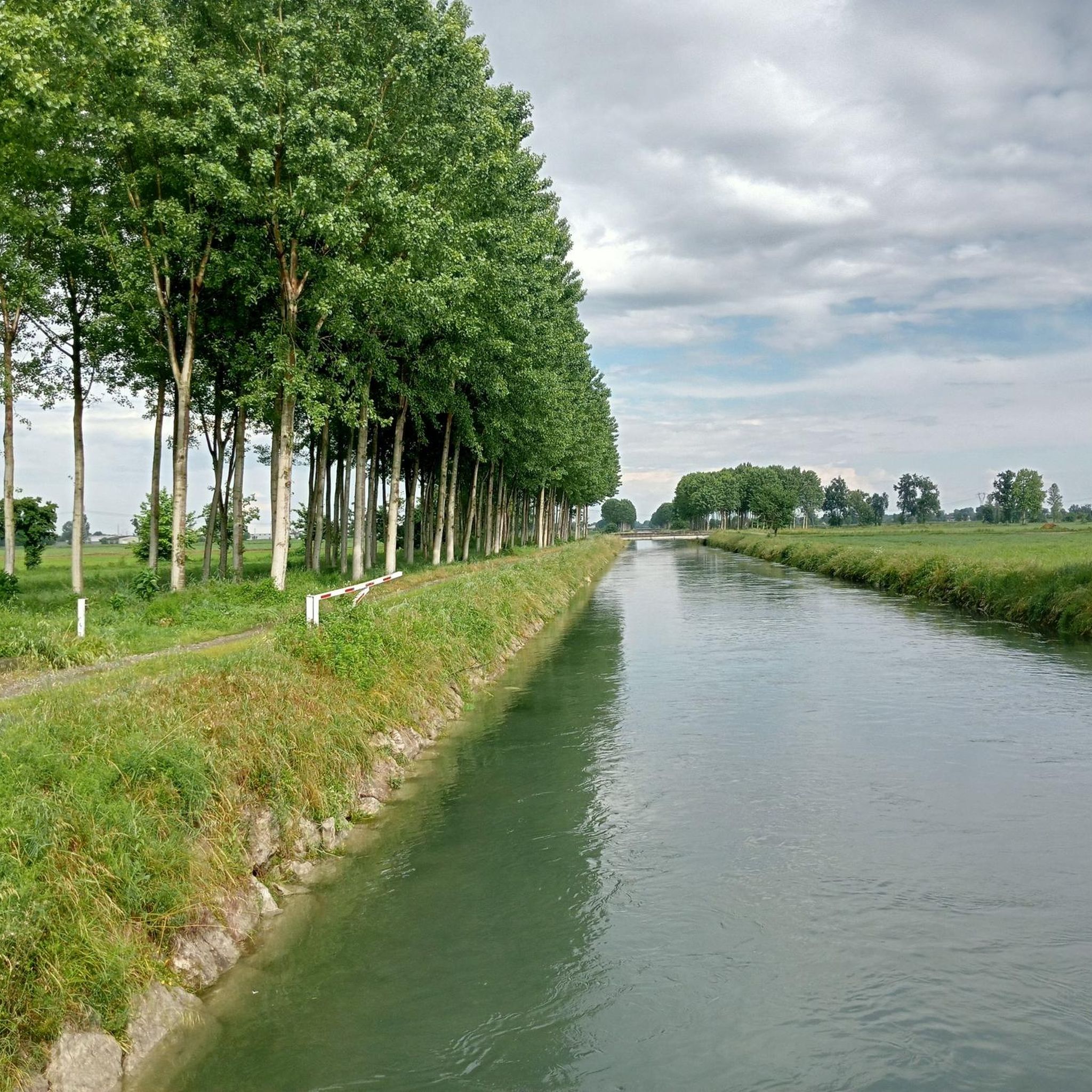
Nice stretch of road even if a bit busy
0
0
Sanctuary to visit and not to be missed
0
0

You can enter the game reserve on Tuesdays and Fridays but only from the third Sunday of September to January 31st then you can spend every day freely.
1
0

A beautiful 11th-century Cistercian abbey nestled in the Lodi countryside. Inside, an ancient vessel dating back to the first centuries AD, discovered in the area, is preserved. The location is also perfect for a break during your tour, offering the opportunity to rest on the benches in the adjacent park (with a restroom available).
3
0
Frequently Asked Questions
What unique natural features can I explore in Parco Del Fiume Tormo?
The park is notable for the Tormo River, which has a unique origin entirely from natural springs (fontanili) and other spring sources. This ensures its waters are consistently clear and cool. You can also observe the rich agricultural landscape and numerous irrigation ditches (rogge) that crisscross the territory, contributing to the river's formation.
Are there historical or cultural sites to visit within Parco Del Fiume Tormo?
Yes, the park is rich in history. You can visit the 11th-century Cistercian Abbey of Abbadia Cerreto, the 14th-century Visconteo Castle in Pandino, and the ancient Parish Church of San Martino in Palazzo Pignano, built on an early Christian basilica. The Palazzo Pignano area also features an archaeological site with Roman villa remains and an Antiquarium.
What cycling opportunities are available in Parco Del Fiume Tormo?
The park offers excellent cycling opportunities, including the popular Vacchelli Canal Cycle Path. This path is a favorite among cycling enthusiasts, though some sections near Crema may have access restrictions during hunting season. Another scenic route is the Country road between Agnadello and Torlino Vimercati. For more detailed routes, you can explore the Road Cycling Routes in Parco Del Fiume Tormo guide.
Are there any religious sites of significance in the park?
Absolutely. Besides the Abbey of Abbadia Cerreto and the Parish Church of San Martino, you can visit the Sanctuary of the Madonna delle Assi, an ancient place of worship where an apparition is said to have occurred. Other notable sites include the Sanctuary of the Madonna della Vittoria in Agnadello and the Santuario della Beata Vergine del Pilastrello in Dovera.
What kind of outdoor activities can I do near these attractions?
Beyond cycling, the park is ideal for hiking and running. You can find numerous trails that allow you to explore the serene agricultural lands and natural features. For specific routes, check out the MTB Trails in Parco Del Fiume Tormo or Running Trails in Parco Del Fiume Tormo guides, which offer routes of varying difficulties.
Is Parco Del Fiume Tormo suitable for family visits?
Yes, many of the park's attractions and activities are family-friendly. Exploring the historical sites like the Abbey of Abbadia Cerreto or the Parish Church of San Martino can be an educational experience. The cycle paths also offer a great way for families to enjoy the outdoors together, with many scenic and relatively flat routes.
What is the best time of year to visit Parco Del Fiume Tormo?
The park's unique Tormo River, fed by springs, maintains cool waters in summer and temperate waters in winter, making it pleasant year-round. However, spring and autumn generally offer the most comfortable temperatures for outdoor activities like cycling and hiking, with lush greenery or vibrant fall colors. Be aware that some cycle path sections might have restrictions during hunting season from late September to late January.
Are there any picturesque villages or unique architectural sites to see?
Yes, Gradella is highlighted as one of the most beautiful villages in Italy, offering a picturesque experience. Additionally, you can visit Arzago d'Adda, which features a Roman column and the former 12th-century De' Capitani castle, and Villa Barni in Roncadello, adding to the region's cultural landscape.
What do visitors enjoy most about Parco Del Fiume Tormo?
Visitors particularly appreciate the scenic cycle paths, such as the Vacchelli Canal Cycle Path, and the historical depth of sites like the Sanctuary of the Madonna delle Assi. The blend of natural beauty, rich history, and opportunities for outdoor activities like cycling and hiking are frequently praised.
Are there any specific archaeological findings or sites in the park?
The Palazzo Pignano Archaeological Site is a significant area for ancient history, with findings dating back to the 5th century. It includes the ancient Pieve di San Martino, an 11th-century Romanesque parish church built on an earlier basilica, and remnants of a Roman villa. An Antiquarium in Palazzo Pignano showcases these discoveries.
Can I find trails suitable for beginners or those looking for easy walks?
The park's agricultural landscape and numerous cycle paths often provide relatively flat and accessible terrain suitable for easy walks and beginner-friendly cycling. While specific difficulty levels vary, many routes within the park are designed for leisurely exploration, allowing visitors to enjoy the scenery without strenuous effort. Check the MTB Trails and Running Trails guides for routes marked as 'easy'.
What is the significance of the 'fontanili' in Parco Del Fiume Tormo?
The 'fontanili' are natural springs or résurgences that are crucial to the park's ecosystem. They are the sole origin of the Tormo River, providing it with consistently clear and cool water. These springs are a unique hydrological feature of the plains, supporting abundant aquatic life and shaping the region's natural and agricultural character.
Most popular routes in Parco Del Fiume Tormo

Get inspired with the komoot mobile app


Explore more
Still not found the Highlight you’re looking for? See guides of the top attractions in other regions:
