The best cycling routes in Parco Di Poggio Neri
4.4
(966)
8,018
riders
81
rides
Touring cycling routes in Parco Di Poggio Neri traverse a hilly forest landscape, characterized by extensive woodlands of holm oaks and chestnuts. The park, located in the Val di Cornia, features over 37 kilometers of signposted trails suitable for cycling. Routes often include ascents around Monte Bufalaio and pass through areas with historical significance, such as disused marble quarries. The terrain offers a mix of shaded forest paths and open sections, providing varied conditions for touring cyclists.
Best touring cycling…
Last updated: October 11, 2026
4.3
(27)
222
riders
41.5km
02:51
650m
650m
Hard bike ride. Very good fitness required. Mostly paved surfaces. Suitable for all skill levels.
5.0
(3)
10
riders
24.5km
01:38
350m
350m
Moderate bike ride. Good fitness required. Mostly paved surfaces. Suitable for all skill levels.

5.0
(1)
4
riders
Moderate bike ride. Good fitness required. Mostly paved surfaces. Suitable for all skill levels.
3
riders
Moderate bike ride. Good fitness required. Mostly paved surfaces. Suitable for all skill levels.
4.8
(4)
59
riders
54.4km
04:13
970m
980m
Hard bike ride. Very good fitness required. Mostly paved surfaces. Suitable for all skill levels.
Get access to more routes and recommendations from other explorers.
Already have an account?
Our route recommendations are based on thousands of hikes, rides, and runs completed by other people on komoot.
Start today with a free account
Your next adventure awaits.
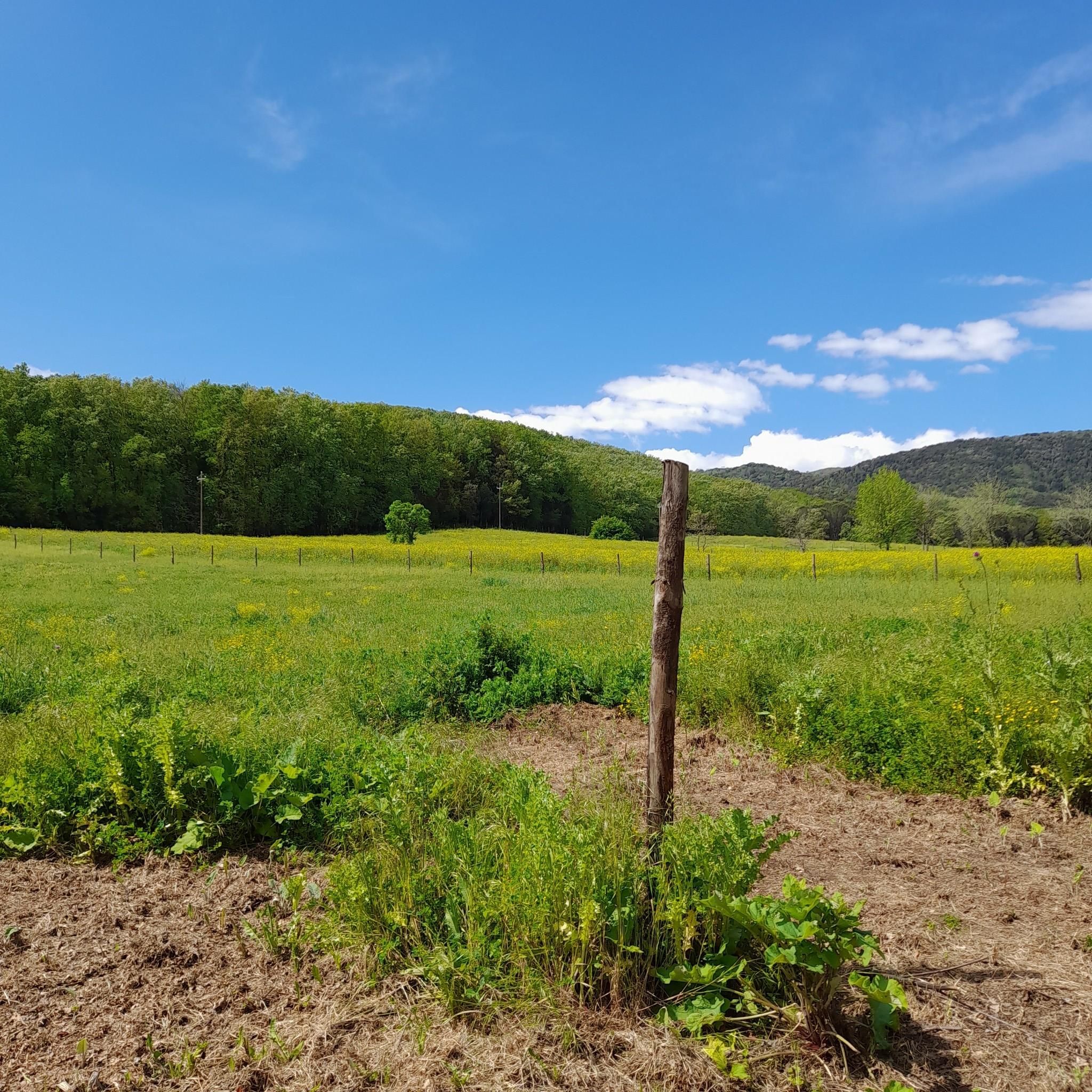
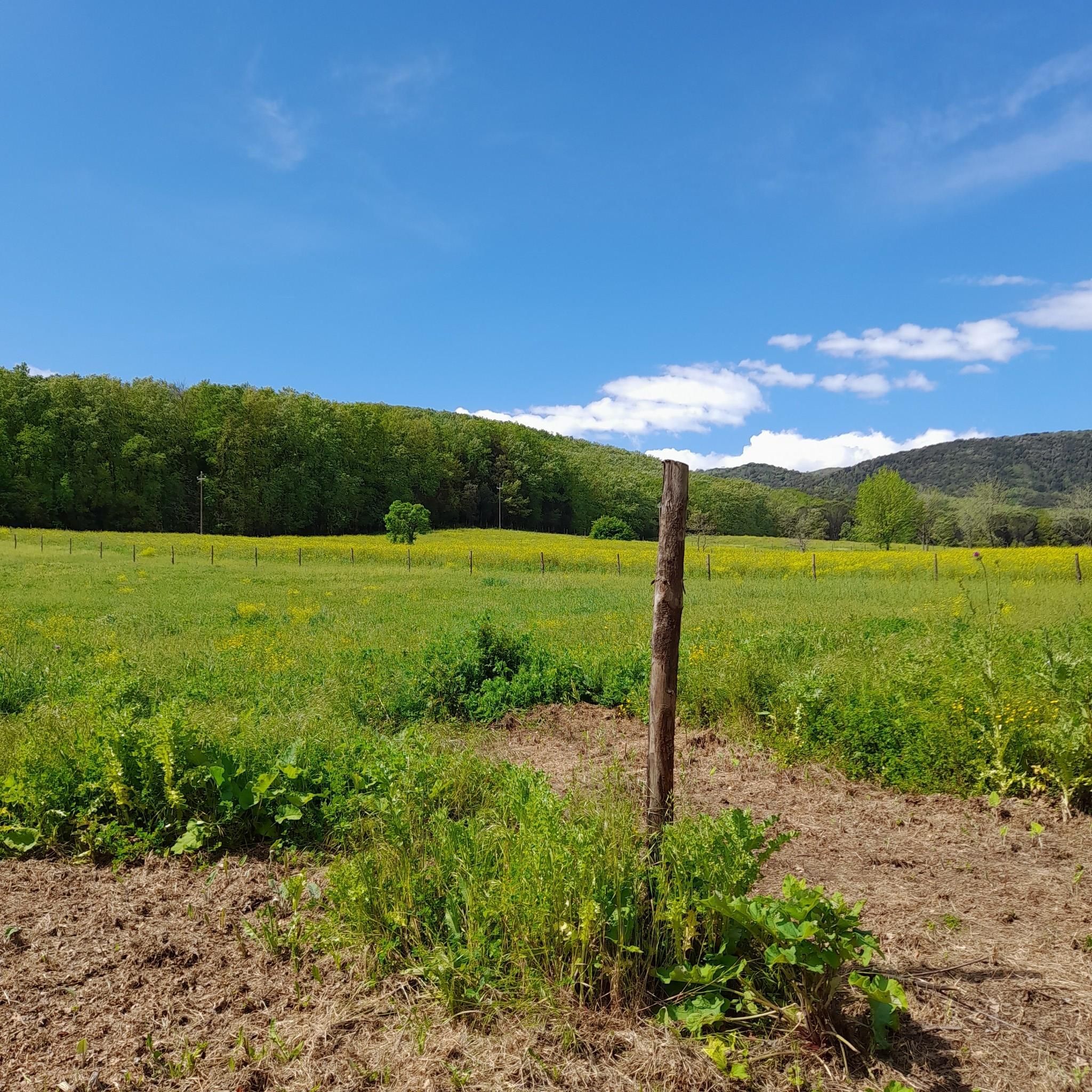
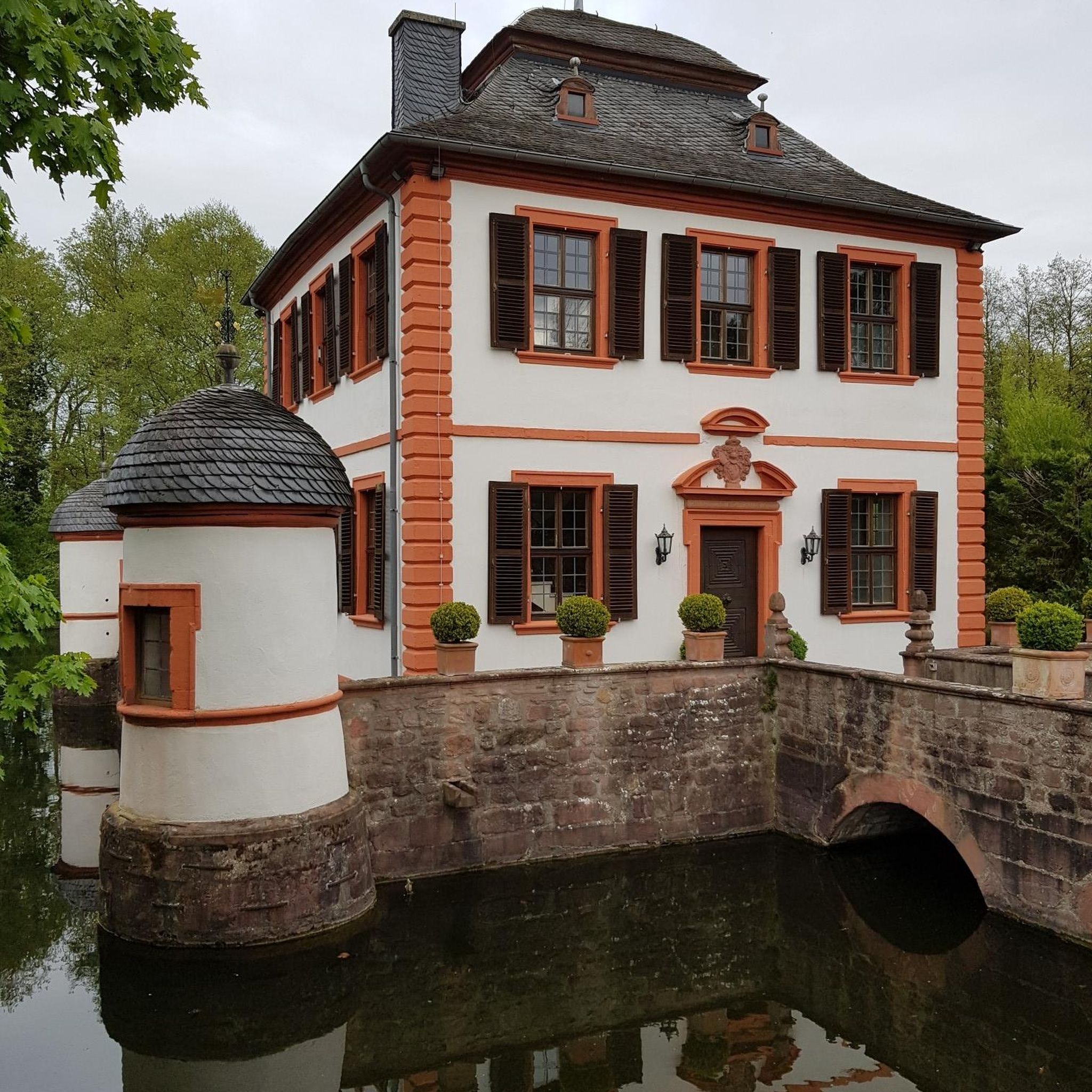
Tips from the Community

Der Heilige Justus von Triest (so die deutsche Bezeichnung von „San GIUSTO“), dem man dieses Gotteshaus zum Patrozinium anvertraut hat, führt uns weit mehr als ein-einhalb Jahrtausende zurück in der Kirchengeschichte. Sein – aus dem lateinischen hergeleiteter – Name bedeutet: der Gerechte. Wie die später verfasste Heiligenlegende berichtet, soll er um das Jahr 303 unter Kaiser Diokletian, der die Christen brutal verfolgte, das Martyrium (Blutzeugnis) erlitten haben. Zeichen hierfür ist die in den Darstellungen von San Giusto oftmals zu findende Palme in seiner Hand.
0
0

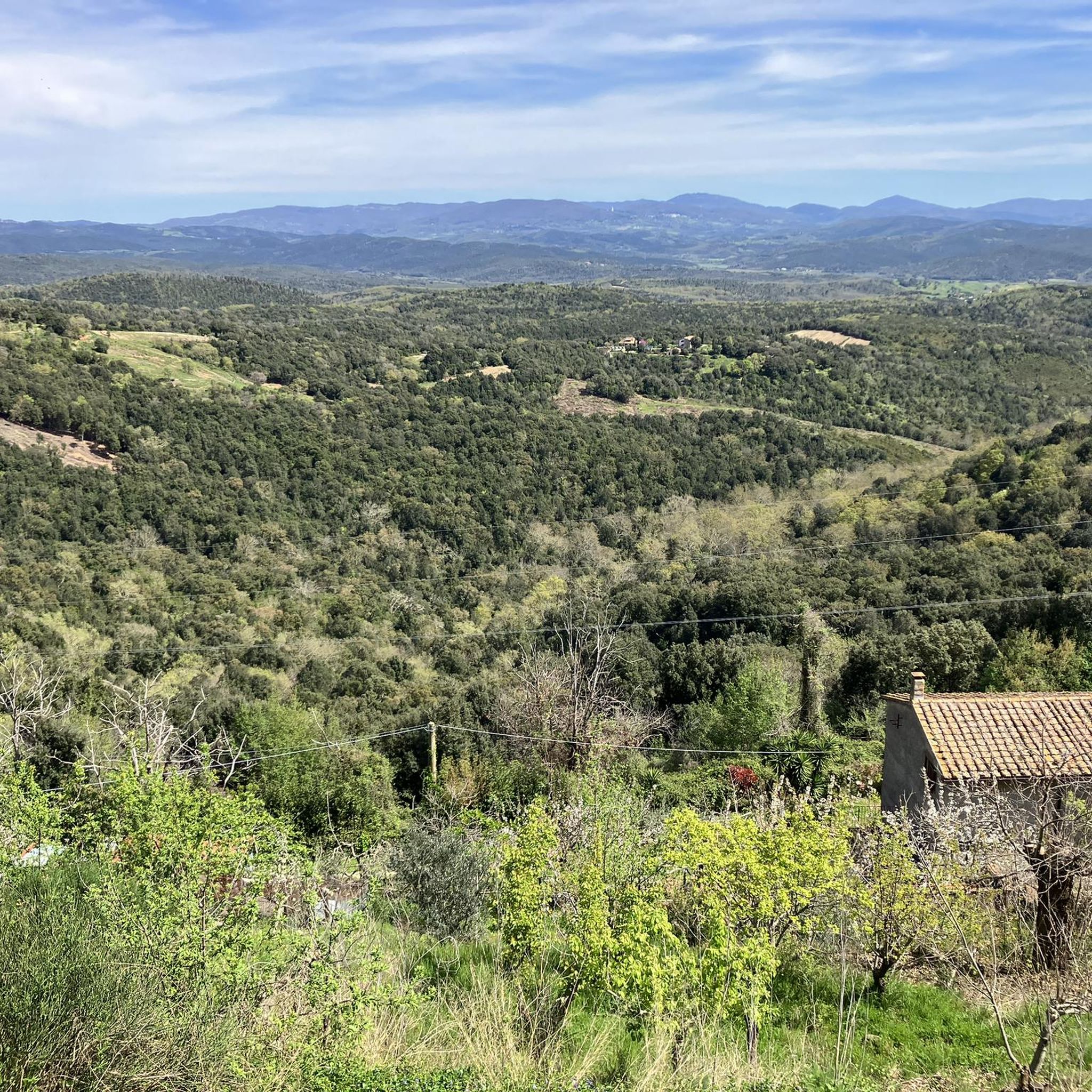
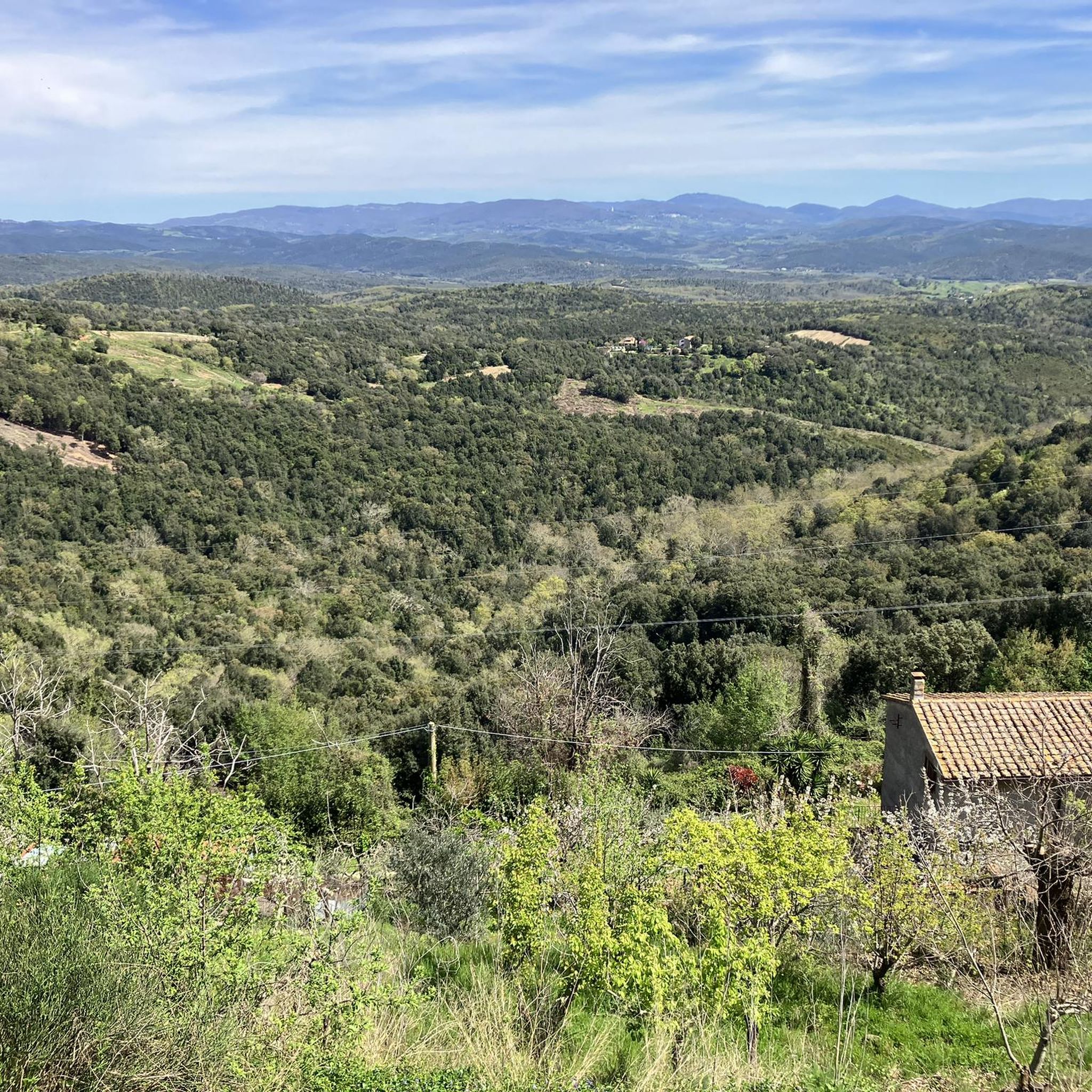
From Castagneto Carducci, a medieval village perched on the hills of the Etruscan Coast, the view spans an extraordinary panorama encompassing the Tuscan countryside, the pine forest, and the Ligurian and Tyrrhenian Seas. On clear days, the horizon opens up to reveal the islands of the Tuscan Archipelago and even the coasts of Corsica.
0
0

Sassetta is a small and authentic medieval village perched in the hinterland of the Etruscan Coast, in the province of Livorno, in the heart of the Val di Cornia. Inhabited by about 400 people, this village is distinguished by its stone houses, the tradition of old charcoal burners, and the presence of the characteristic red marble.
1
0
The historic center of Suvereto is a charming medieval village in the Val di Cornia (LI), nestled between the Colline Metallifere and the Costa degli Etruschi. Recognized as one of the Most Beautiful Villages in Italy, it is famous for its timeless atmosphere, cobbled alleys, and food and wine tradition.
3
0
The Pieve di San Giusto in Suvereto is one of the most important and fascinating Romanesque buildings in the province of Livorno. Located at the entrance to the medieval village in Piazza Vittorio Veneto, its existence has been documented since 923. The current building, however, dates back to 1189, the year it was rebuilt by the masters Barone Amico and Bono da Calci. It features elements of light limestone alternating with dark bands of a typically Pisan style. The main entrance is flanked by two columns supporting two apotropaic lions. The structure has a single nave with a visible wooden truss ceiling. Inside, an ancient, finely decorated marble baptismal font is preserved. In an internal niche, there are remains of medieval frescoes; on the transept, the epigraph attesting to the completion date (1189) is still legible.
0
0
The Romanesque portal of the Pieve di San Giusto in Suvereto. The facade is decorated with an elegant portal surmounted by a round arch, famous for its carved capitals. Although it existed before the year 1000, the current structure was rebuilt in the 12th century.
0
0

One of the most fascinating villages in the lower Maremma, Suvereto welcomes travelers with a perfectly preserved historic center, made of stone alleys, medieval arches, and views that seem frozen in time. 🚴♂️✨ 🏰 Perched on a hill, the village is reached by a short but rewarding climb that immediately offers a suggestive view of the surroundings. 📸 Strolling (or cycling slowly) through its narrow streets is the best way to savor its authentic atmosphere and discover hidden corners full of history. 🍷🥾 Among artisan shops, small squares, and local eateries, it is also an excellent spot for a regenerating break before continuing towards the sea.
1
0

Cheese cellar in small grocery stores - hidden - sensational
0
0
Frequently Asked Questions
What kind of terrain can I expect on touring cycling routes in Parco Di Poggio Neri?
The routes in Parco Di Poggio Neri primarily traverse a hilly forest landscape, characterized by extensive woodlands of holm oaks and chestnuts. You'll find a mix of shaded forest paths and open sections, with ascents often around Monte Bufalaio. Some paths also lead past disused marble quarries, adding historical interest to the varied terrain.
Are there routes suitable for families with children in Parco Di Poggio Neri?
Yes, Parco Di Poggio Neri offers routes suitable for various ability levels, including easier options that can be enjoyed by families. While the park is generally hilly, there are paths that provide a more gentle experience. For example, the park features a 500-meter accessible itinerary through the Mediterranean scrub forest, which could be a good starting point for families looking for a less challenging ride.
What are some notable natural attractions or viewpoints along the cycling routes?
Cyclists can enjoy breathtaking panoramic views, especially from paths winding around Monte Bufalaio. The park also features a Botanical Trail and disused marble quarries, once the source of the renowned Red Marble of Sassetta. You might also encounter sculptures crafted from this local red marble along the paths. A specific highlight is the View of the Tuscan Hills, offering expansive vistas.
Can I bring my dog on the touring cycling trails in Parco Di Poggio Neri?
The park's varied natural environment is generally welcoming to visitors with dogs. While specific rules for cycling with dogs should always be observed, the extensive forest trails provide ample space for you and your canine companion to enjoy the outdoors. It's always recommended to keep dogs on a leash and ensure they do not disturb wildlife.
Are there any circular touring cycling routes available?
Yes, many of the touring cycling routes in Parco Di Poggio Neri are designed as loops, allowing you to start and finish at the same point. An example is the View of Sassetta – Drinking fountain in Sassetta loop from Sassetta, which is a popular 25.8-mile (41.5 km) route offering diverse scenery.
What historical or cultural sites can I explore while cycling in the park?
Parco Di Poggio Neri offers unique historical insights. You can visit the Museo del Bosco (Museum of the Wood), an open-air museum that reconstructs the daily life of chestnut gatherers and charcoal burners. Complementing this is the Via del Carbone (Charcoal Way), a trail with interpretive panels explaining the ancient art of charcoal production. These sites offer an educational experience amidst nature.
What is the best time of year to go touring cycling in Parco Di Poggio Neri?
The extensive forests of holm oaks and chestnuts provide a scenic and often shaded environment, making cycling enjoyable across various seasons. Spring and autumn generally offer pleasant temperatures and vibrant natural colors. While the region is beautiful year-round, checking local weather conditions before your visit is always advisable for the most comfortable experience.
Are there any specific permits required for cycling in Parco Di Poggio Neri?
The park boasts over 37 kilometers of well-equipped and signposted trails suitable for cycling, and generally, no specific permits are required for recreational touring cycling on these designated paths. However, it's always good practice to respect park regulations and stay on marked trails.
Where can I park my car when visiting Parco Di Poggio Neri for cycling?
The park is accessible from various points, and areas around Sassetta often provide parking facilities. Many routes, such as the Canneto Historic Center – Church of San Lorenzo, Canneto loop from Ristorante Pratella, start from locations where parking is typically available, like near local restaurants or village centers.
What do other touring cyclists say about their experience in Parco Di Poggio Neri?
The touring cycling routes in Parco Di Poggio Neri are highly rated by the komoot community, with an average score of 4.2 stars from over 600 reviews. Cyclists often praise the diverse forest terrain, the challenging yet rewarding ascents, and the opportunity to explore both natural beauty and historical sites within the Val di Cornia.
Are there any long-distance cycling connections from Parco Di Poggio Neri?
Yes, the park's trails are connected to broader regional routes, offering opportunities for extended cycling adventures. These include connections to the 'Cammino dei Tirreni' (Tyrrhenian Way) and the 'Percorso In Etruria', allowing you to link your touring cycling experience in Parco Di Poggio Neri with longer journeys across the Tuscan landscape.
Are there options for more challenging touring cycling routes?
Absolutely. While there are moderate options like the Historic Village of Sassetta – View of Sassetta loop from Ristorante Pratella, the park also features several difficult routes. For instance, the Suvereto Historic Center – Campiglia Marittima loop from Parco di Poggio Neri is a challenging 26.5-mile (42.6 km) path with significant elevation gain, connecting historic centers through the park's hilly landscape.
Are there places to rest or have a picnic along the cycling paths?
Yes, along the well-maintained and signposted trails, cyclists and other visitors will find numerous equipped areas specifically designated for picnics and rest stops. These spots are ideal for taking a break, enjoying a snack, and soaking in the tranquil forest environment.
Most popular routes in Parco Di Poggio Neri
Most popular attractions in Parco Di Poggio Neri

Get inspired with the komoot mobile app


Explore more
Browse the best Cycling routes in other regions.
