Réserve Biologique Dirigée De Laverq
Réserve Biologique Dirigée De Laverq
The best walks and hikes in Réserve Biologique Dirigée De Laverq
4.4
(529)
4,515
hikers
103
hikes
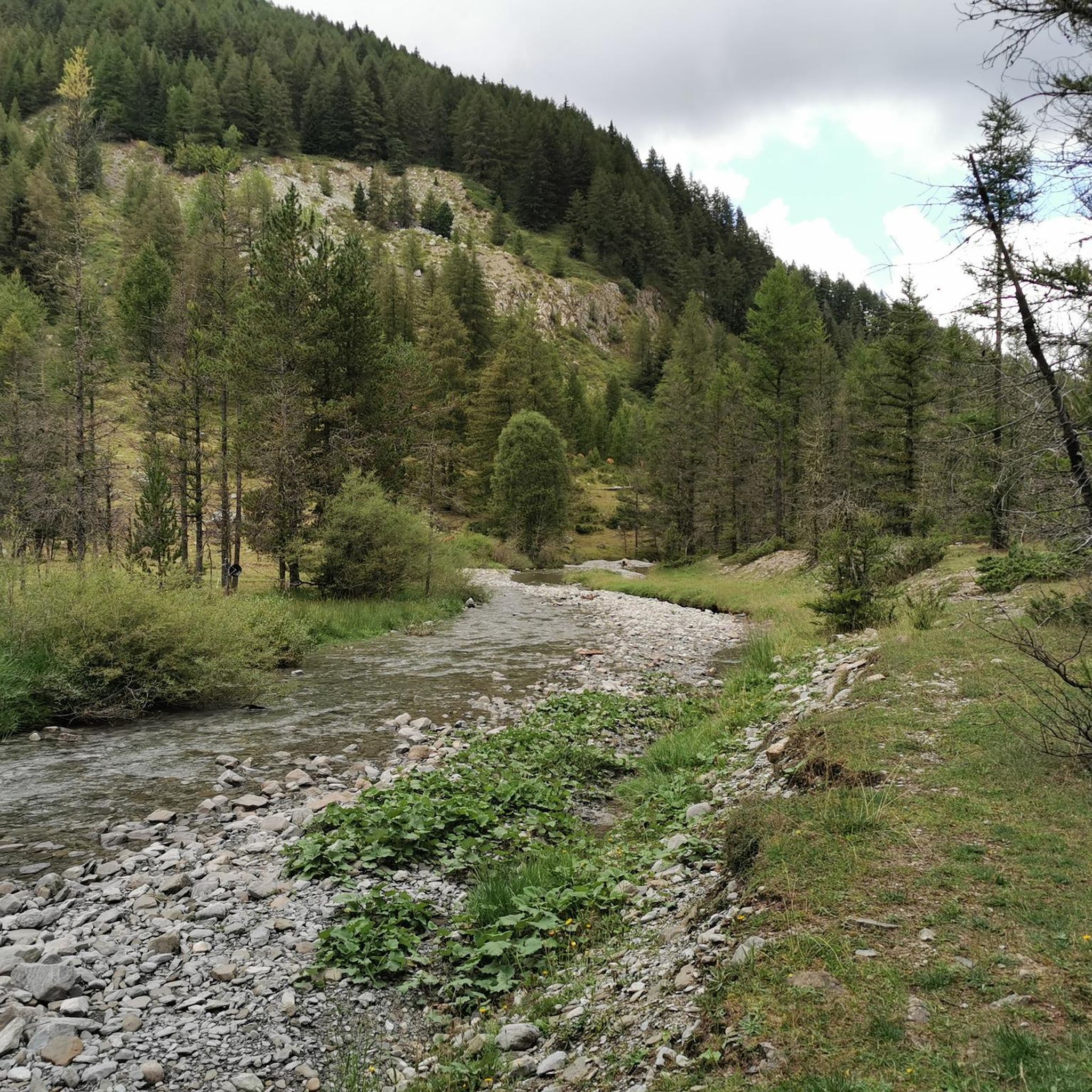
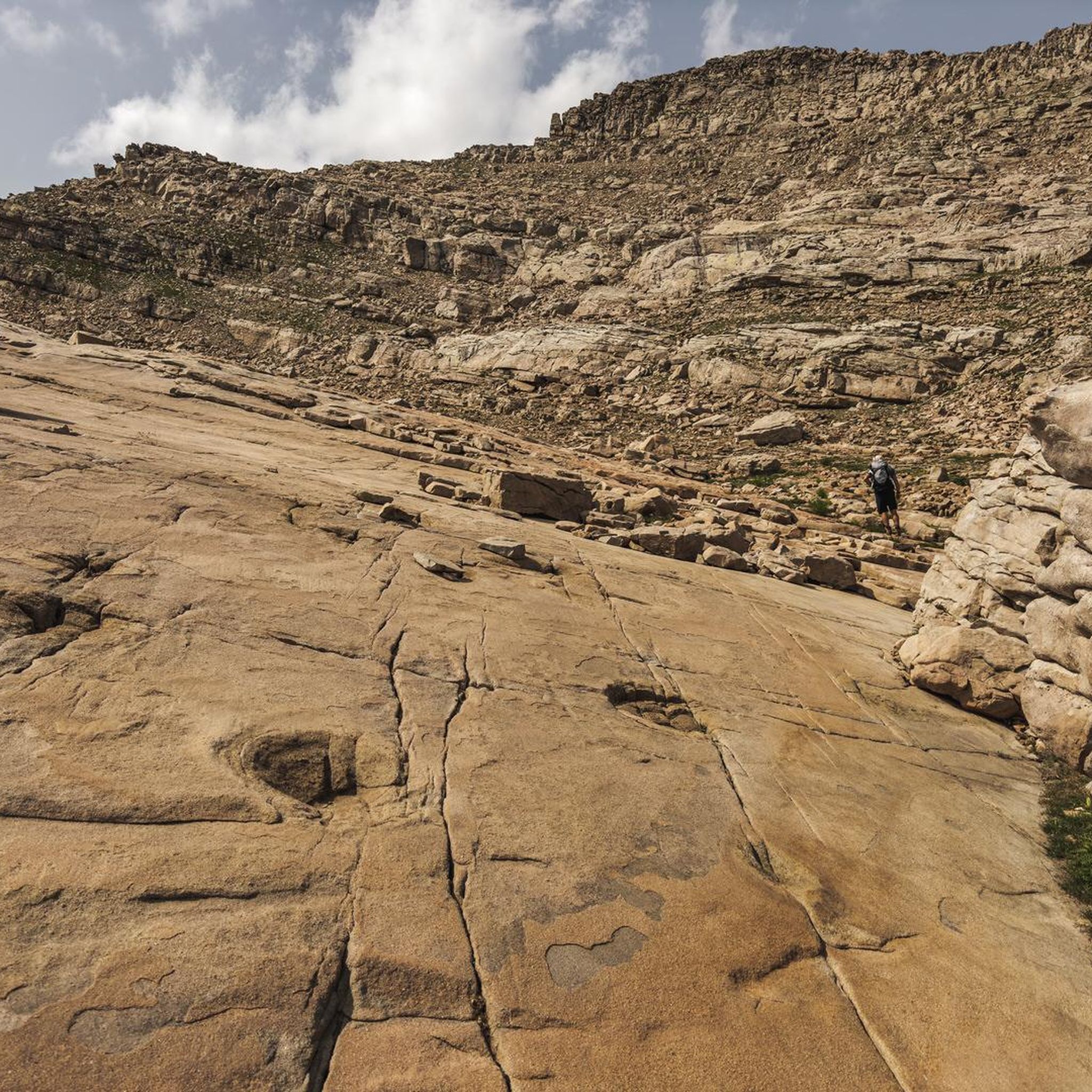
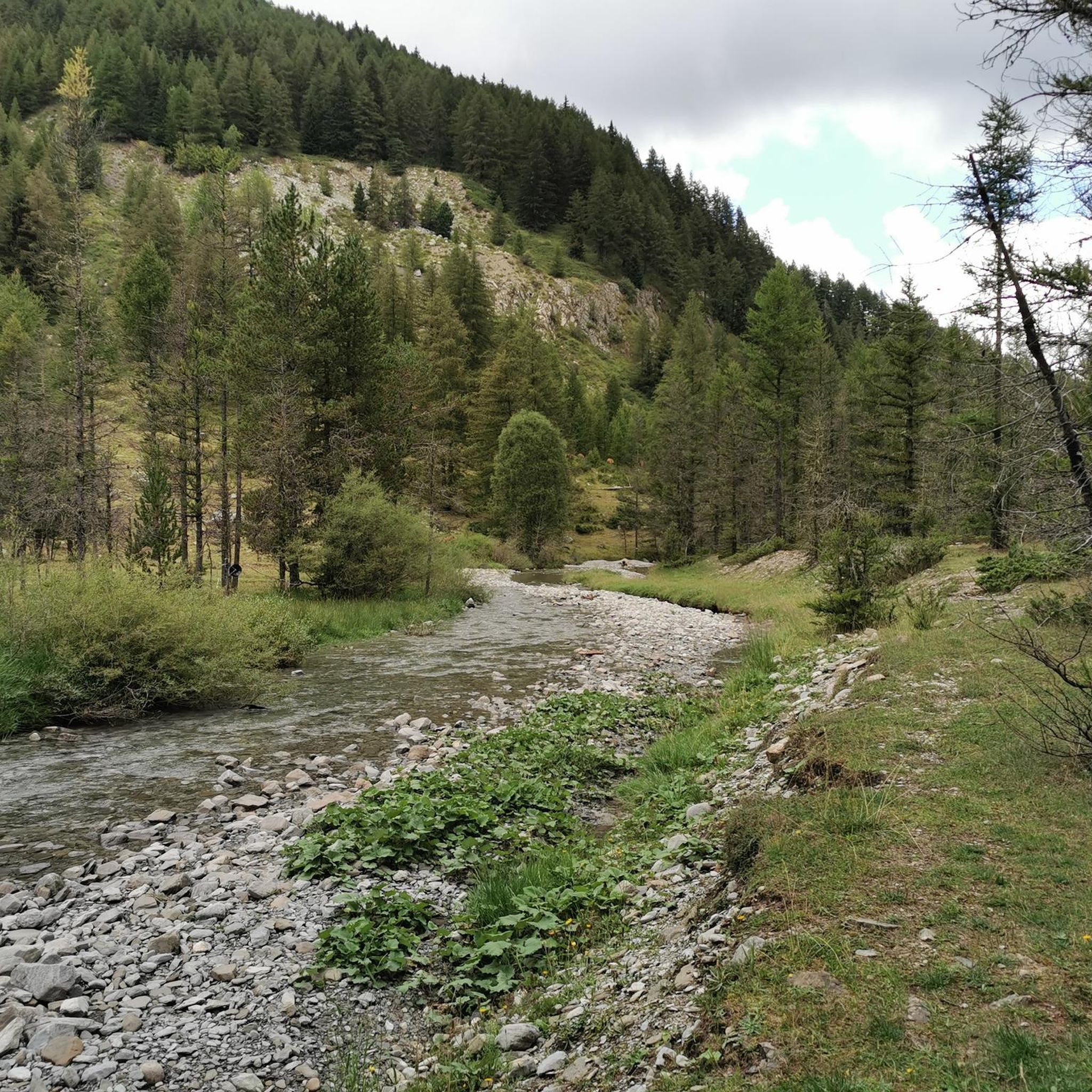
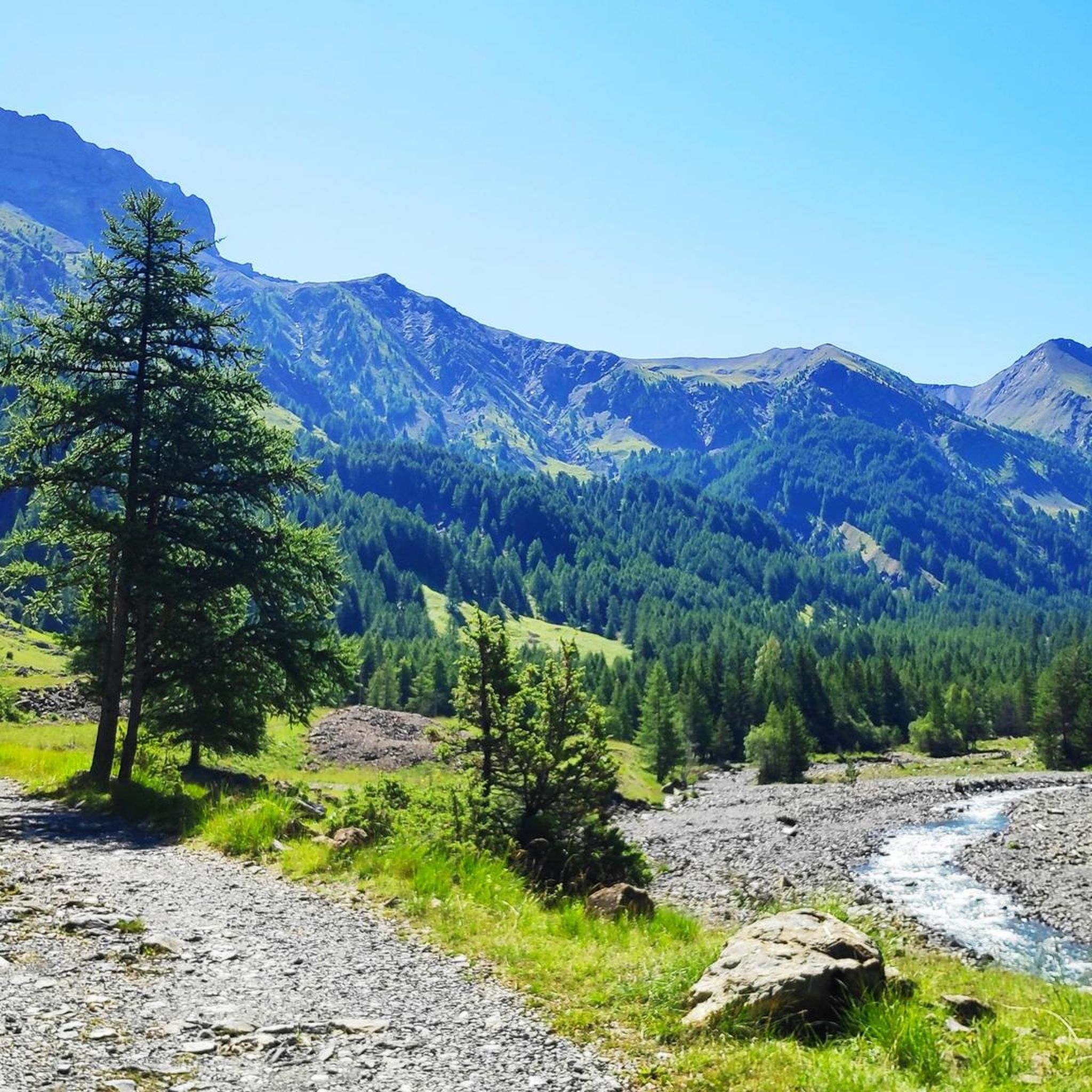
Hiking in Réserve Biologique Dirigée De Laverq offers diverse landscapes, transitioning from dense larch forests to alpine pastures and high-altitude peaks. The region features significant natural elements like the Eaux Tortes du Laverq, a high-altitude peat bog, and cliffs sculpted by glaciers. Geological formations include colored Annot sandstone slabs and peaks such as Tête de la Sestrière. This biological reserve provides a varied environment for outdoor activities.
Best hiking trails in Réserve Biologique Dirigée De Laverq
- The most popular hiking route is Refuge de l'Estrop – Rocky Slope Below the Summit loop from Jas des Lauzes, a 4.1 miles (6.6 km) trail that takes 3 hours 51 minutes to complete. This moderate loop offers varied terrain around the refuge.
- Another top favourite among local hikers is Tête de la Sestrière – Sestrière Pass loop from La Foux d'Allos, a moderate 7.3 miles (11.8 km) path. This route leads through alpine landscapes and towards a mountain pass.
- Local hikers also love the Frog Lake loop from La Foux d'Allos, a 5.2 miles (8.3 km) trail leading through varied terrain, often completed in about 2 hours 41 minutes.
- Hiking in Réserve Biologique Dirigée De Laverq is defined by larch forests, alpine pastures, and high-altitude peaks. The network offers options for various ability levels, from moderate loops to more challenging ascents.
- The routes in Réserve Biologique Dirigée De Laverq are highly rated by the komoot community with an average score of 4.4 stars from over 400 reviews. More than 3,700 hikers have used komoot to explore Réserve Biologique Dirigée De Laverq's varied terrain.
Last updated: September 1, 2026
3
hikers
8.35km
03:34
440m
450m
Moderate hike. Good fitness required. Mostly accessible paths. Sure-footedness required.
5.0
(1)
19
hikers
Moderate hike. Good fitness required. Mostly accessible paths. Sure-footedness required.

Sign up for free
3.0
(1)
8
hikers
9.36km
05:34
990m
990m
Hard hike. Very good fitness required. Mostly accessible paths. Sure-footedness required.
3.0
(1)
22
hikers
17.5km
08:55
1,650m
1,650m
Hard hike. Very good fitness required. Mostly accessible paths. Sure-footedness required.
4.7
(7)
143
hikers
7.08km
02:18
320m
320m
Moderate hike. Good fitness required. Easily-accessible paths. Suitable for all skill levels.
Get access to more routes and recommendations from other explorers.
Sign up for free
Already have an account?
Our route recommendations are based on thousands of hikes, rides, and runs completed by other people on komoot.
Start today with a free account
Your next adventure awaits.
Login or Signup
Tips from the Community

A place steeped in history, it was once a hamlet where men and sheep lived in symbiosis. In winter, the setting is splendid.
0
0


The Tête de l'Estrop culminates at 2962m. This climb is considered one, if not THE toughest in Val d'Allos
2
0

A lovely hideaway set in a very scenic alpine landscape. Half-board possible. Reservation required: lerefugedelestrop.e-monsite.com
1
1
First built in 1724, it is a simple unguarded cabin with a stove, shelf and toilet. Great refuge in case of bad weather!
1
0
A lovely hideaway set in a very scenic alpine landscape. Half-board possible. Reservation required: http://lerefugedelestrop.e-monsite.com/
0
1

This former pastoral hut dates from 1724 and was completely restored between 2017 and 2020 by the ONF, the association for the protection and development of Laverq and the municipality of Méolans-Revel. It is an unguarded hut which contains a stove, a shelf and a table. You will also find dry toilets there. It is a rustic place, but damn practical in case of bad weather in particular!
1
0
Frequently Asked Questions
How many hiking trails are available in Réserve Biologique Dirigée De Laverq?
Réserve Biologique Dirigée De Laverq offers a wide variety of hiking experiences, with over 100 trails to explore. These routes cater to different skill levels, from easy strolls to challenging ascents, ensuring there's something for everyone.
What kind of terrain can I expect when hiking in Réserve Biologique Dirigée De Laverq?
The reserve boasts incredibly diverse terrain. You'll traverse through magnificent larch forests, ascend to alpine pastures, and reach high-altitude peaks. Notable features include the unique Eaux Tortes du Laverq peat bog, cliffs sculpted by glaciers, and impressive colored Annot sandstone slabs. The landscape transitions from dense woodlands to open, rocky mountain environments.
Are there any easy or moderate hiking options suitable for beginners or families?
Yes, Réserve Biologique Dirigée De Laverq has plenty of options for less experienced hikers or families. There are 22 easy and 55 moderate routes available. A good moderate choice is the Frog Lake loop from La Foux d'Allos, which is 8.3 km long and offers beautiful scenery without extreme difficulty.
What are some notable natural features or landmarks to look out for?
The reserve is rich in natural beauty. The 'Eaux Tortes du Laverq' peat bog is a unique wetland ecosystem. For panoramic views, consider hiking towards the Tête de la Sestrière, which offers a 360-degree vista of the surrounding valleys and peaks. You might also encounter the impressive larch forests and glacial formations.
Are there any circular hiking routes in the reserve?
Yes, many of the trails in Réserve Biologique Dirigée De Laverq are circular, allowing you to start and end at the same point. For example, the Refuge de l'Estrop – Rocky Slope Below the Summit loop from Jas des Lauzes is a moderate 6.6 km circular route, and the more challenging Refuge de l'Estrop – Tête de l'Estrop loop from Jas des Lauzes is a 9.4 km loop.
What is the best time of year to go hiking in Réserve Biologique Dirigée De Laverq?
The best time to visit Réserve Biologique Dirigée De Laverq for hiking is generally from late spring to early autumn (May to October). During these months, the weather is more stable, and the trails are typically free of snow, especially at lower and mid-altitudes. The larch forests are particularly stunning in autumn when their needles turn golden.
Are there any refuges or huts available for hikers in the reserve?
Yes, the reserve offers some basic accommodation options for hikers. The Cabane de Plan-Bas, a former pastoral hut dating back to 1724, has been restored and serves as an unguarded refuge with basic amenities. There is also the Plan Bas Pastoral Hut.
Is Réserve Biologique Dirigée De Laverq suitable for dog owners?
While the reserve is a natural area, specific regulations regarding dogs can vary. It's generally recommended to keep dogs on a leash to protect local wildlife and livestock, especially in a biological reserve. Always check local signage or official park guidelines before heading out with your dog.
What are the parking options and trailheads for accessing the hiking routes?
Many routes, such as the popular Eaux Tortes Loop, are accessible from Parking Audemard. Other trails, including those around Refuge de l'Estrop, often start from Jas des Lauzes. For routes like the Tête de la Sestrière – Sestrière Pass loop, you can typically find parking near La Foux d'Allos.
What do other hikers enjoy most about Réserve Biologique Dirigée De Laverq?
The area is highly rated by the komoot community, with an average score of 4.4 stars from over 400 reviews. Hikers often praise the stunning diversity of landscapes, from the tranquil larch forests to the challenging high-altitude peaks, and the sense of wilderness found within this protected biological reserve.
Are there any long-distance hiking trails that pass through the reserve?
Yes, Réserve Biologique Dirigée De Laverq is part of a larger network of long-distance hiking trails. The GR 6, GR 56, and GR 69 routes all pass through this sector, making it an excellent area for trekkers looking to undertake multi-day adventures.
What kind of wildlife and flora can I expect to see?
As a Directed Biological Reserve and Natura 2000 site, the area is rich in biodiversity. The Eaux Tortes peat bog is home to specific flora like cotton grass and narrow-leaved bur-reed, and fauna such as the agile frog and the half-Apollo butterfly. You might also spot various birds and mammals in the larch forests and alpine meadows.
Most popular routes in Réserve Biologique Dirigée De Laverq
Most popular attractions in Réserve Biologique Dirigée De Laverq

Get inspired with the komoot mobile app


Explore more
Browse the best Hikes in other regions.
