Top 11 Castles around Gröden
Castles around Gröden offer a glimpse into the region's historical architecture and cultural heritage. While the provided data lists castles located elsewhere, the concept of exploring historical sites remains relevant. The area is characterized by its mountainous landscape, providing dramatic backdrops for both preserved structures and ruins. These sites often reflect centuries of regional history and architectural evolution.
Best castles around Gröden
- The most popular castles is Großkmehlen Castle, a castle that is a listed moated castle located in…
Last updated: June 22, 2026
Elsterwerda Castle
Highlight • Castle
More information: de.wikipedia.org/wiki/Schloss_Elsterwerda
Translated by Google •
Tip by

Großkmehlen Castle
Highlight • Castle
Translated by Google •
Tip by

Sign up now to discover places like this
Get recommendations on the best single tracks, peaks, & plenty of other exciting outdoor places.
Sign up for free
Lindenau Castle
Highlight • Castle
Translated by Google •
Tip by

Elsterwerda Castle
Highlight (Segment) • Castle
Translated by Google •
Tip by

Electoral Saxon Post Milestone Elsterwerda
Highlight • Monument
This is not the original location, but for the resulting "inaccuracies" of the distance information in travel days, this is probably not important :-)
Translated by Google •
Tip by

Sign up for free to discover even more castles around Gröden.
Sign up for free
Already have an account?
Start today with a free account
Your next adventure awaits.
Login or Signup
Tips from the Community

To mark its 20th anniversary in 2013, the Elsterschloss-Gymnasium Support Association commissioned the creation and installation of an art installation on the grounds of the present-day Elsterschloss-Gymnasium. As part of the "Art at the Castle" project, a bronze casting model of Elsterschloss Elsterwerda was created. This model provides information about the former and current uses of the building complex, as well as its historical context throughout its existence, thus further enriching the castle's presence. https://www.elsterschloss.de/kunstobjekt.html
0
0
From 1796 until 1814, the castle remained under the administration of the Saxon Electors. In 1781, the officers' quarters were built right next to the castle. In 1851, the Prussian Provincial School Board commissioned the establishment of a seminary in Elsterwerda Castle. The Royal Prussian Teachers' Seminary opened in 1857 with 19 students. In 1926, it was replaced by the Elsterschloss Higher Secondary School, a state-run secondary school. In 1938, this school became a comprehensive school. During the GDR era (from 1959), the castle became the Extended Secondary School (EOS "Vladimir Komarov"). After German reunification in 1991, it became the present-day "Elsterschloss Gymnasium Elsterwerda." Following extensive renovations of the buildings beginning in 1995, the gymnasium is considered one of the most beautiful schools in Germany. https://lausitz.de/de/kultur/schloesser/artikel-elsterschloss-gymnasium-elsterwerda.html
0
0
The Saxon post milestone stands near the Protestant town church of St. Catherine on the main street. This distance marker, dating from 1738, is considered an important piece of cultural heritage and a landmark that shapes the townscape. In August 2025, the approximately 4.60-meter-high column was dismantled for professional restoration. https://www.elsterwerda.de/kursaechsische-postmeilensaeule-erstrahlt-im-neuen-glanz/
0
0

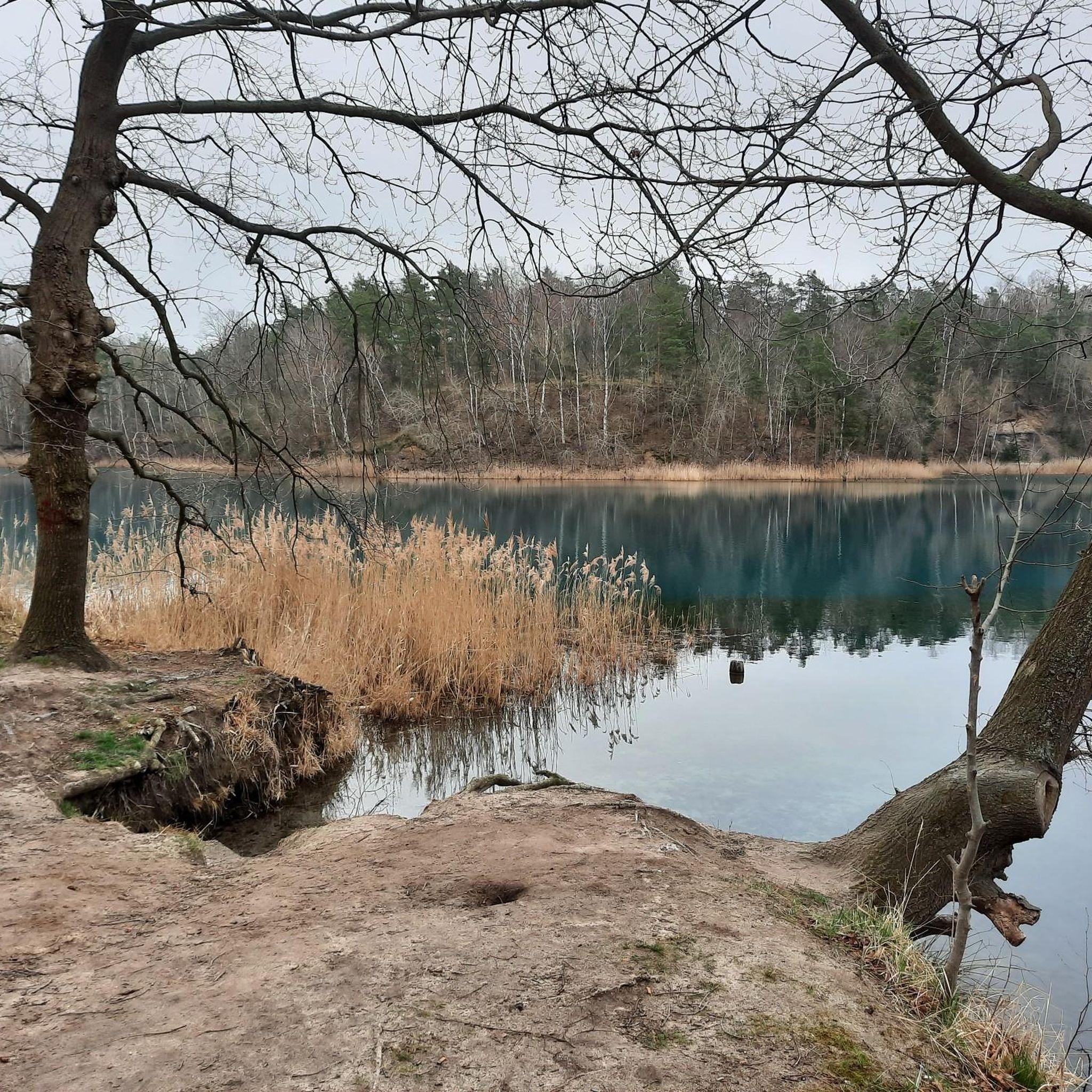
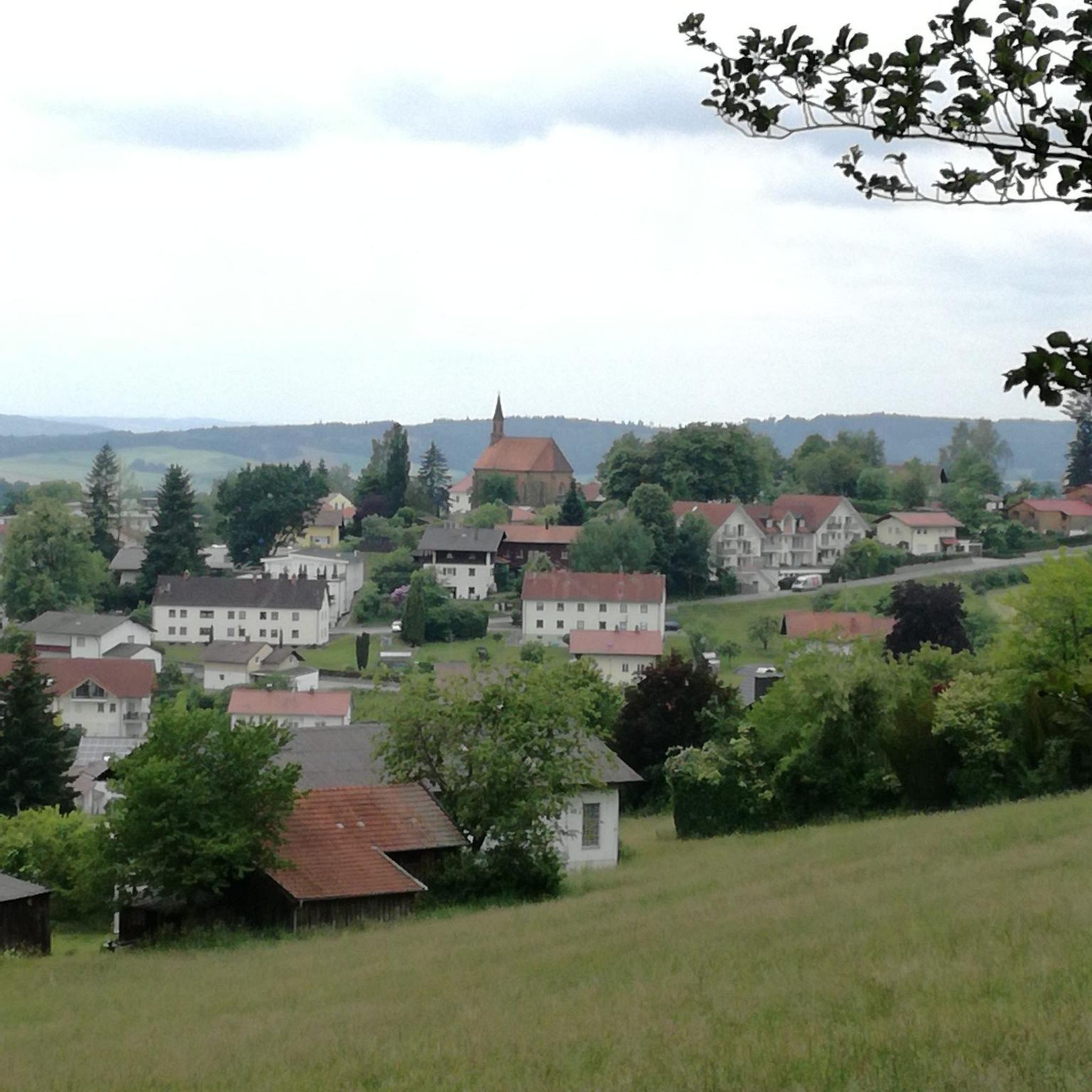
On the outskirts of the small town of Elsterwerda, where the Pulsnitz River flows lazily through the countryside like a memory, the castle rises – not magnificent, not loud, but with that quiet dignity that only old walls possess. The air smells of rain and wet wood, the treetops in the castle park stand bare and reverent, as if they wanted to listen to the history that lives everywhere between the walls. Formerly a hunting lodge, then a place of learning – the traces of time lie on the building like patina on old silver. The facade is light and understated, the roof brick-red, a clock tower that not only strikes the hour, but also the passing of eras. Anyone who stands here senses: This is not a place for quick selfies. This is a place for slow steps, for pauses, for looking back – and perhaps also forward. Matthäus Daniel Pöppelmann, court architect to Augustus the Strong, left his mark. Not a baroque exaggeration, not a miniature Versailles – but a building that seems to have grown into the land. It tells of noblemen and teachers, of princes and students. Today, young people learn here. They hurry across the courtyard, past the linden trees that provided shade even in the 19th century. They may not know it – but they are walking on ground steeped in history. And then there is the park. Not a botanical garden, but a small, vibrant setting with mature trees that glow in autumn, exude fragrance in spring, and quietly crackle under the frost in winter. You can linger here, even if you have nothing to do. The palace is not accessible, but it is enough to stand before it – as a stroller, as a thinker, as a silent guest. Those who come with open eyes will notice: Elsterwerda Palace is not a museum. It is a living chapter of the past, embedded in the present – and perhaps also an inkling of what can remain when so much passes away.
0
1

A very beautiful old postal mile marker. Marks the postal route from Berlin to Vienna.
1
0
Very beautiful castle with a pretty little park with great old trees.🌳
1
0

Pyramid-shaped post mile post with Saxon-Polish coat of arms. Originally at the northern city gate
1
0

One of many preserved post mile posts in the former Saxon territory of Prussia.
0
0
Frequently Asked Questions
What are the most notable castles to visit around Gröden?
Around Gröden, you can explore several historic castles. Trostburg Castle, located at the entrance to Val Gardena, is a well-preserved 12th-century fortress housing the South Tyrolean Castle Museum. The ruins of Wolkenstein Castle offer a dramatic visual and a connection to the past, perched high above Vallunga. While Gardena Castle is privately owned and not publicly accessible, its impressive Renaissance architecture is a significant landmark visible from the outside.
Are there any castles around Gröden that are open to the public?
Yes, Trostburg Castle is open to the public during the warmer months. It features splendid rooms, precious furnishings, and a permanent exhibition on South Tyrolean castles. You can reach it via a medieval path through deciduous woods.
Can I visit the ruins of Wolkenstein Castle?
Yes, the ruins of Wolkenstein Castle are accessible during the summer months. A steep path leads up to the remains, allowing visitors to explore the south-facing wall and forecourt. It's important to note that access is at one's own risk due to its dramatic location on the Stevia mountain face.
What kind of history can I expect to find at the castles in Gröden?
The castles around Gröden offer a deep dive into the region's history. Trostburg Castle showcases centuries of architectural evolution from the 12th to 16th centuries and is associated with the medieval minstrel Oswald von Wolkenstein. Gardena Castle reflects Renaissance elegance, while the ruins of Wolkenstein Castle date back to the early 13th century, guarding a historic pass. Even the archaeological remains of Stetteneck Castle offer insights into ancient legends and Roman finds.
Are there family-friendly activities at the castles around Gröden?
While specific family activities vary, Trostburg Castle, with its museum and historical exhibits, can be an engaging visit for families interested in history. The adventure of hiking to the Wolkenstein Castle ruins can also be an exciting experience for older children. The scenic surroundings of all castles offer opportunities for walks and exploration.
What is the best time to visit the castles in Gröden?
The warmer months are generally the best time to visit the castles around Gröden. Trostburg Castle is open during this period, and the path to the Wolkenstein Castle ruins is most accessible. The pleasant weather also enhances the experience of exploring the outdoor settings and enjoying the views of the Dolomites.
Are there hiking opportunities near the castles in Gröden?
Yes, the mountainous landscape around Gröden offers numerous hiking opportunities. For example, a medieval path leads through deciduous woods to Trostburg Castle. The path to the Wolkenstein Castle ruins is a steep, scenic hike. You can find many more trails by exploring Hiking around Gröden.
Can I cycle to or near the castles in Gröden?
While direct cycling access to some castle sites might be limited due to terrain, the Gröden region offers extensive cycling routes. You can plan a cycling tour that includes views of castles like Gardena Castle or passes near the entrance to Val Gardena where Trostburg Castle is located. Explore routes in Cycling around Gröden.
What are the natural features or viewpoints near the castles?
The castles around Gröden are set against the stunning backdrop of the Dolomites. Wolkenstein Castle ruins are dramatically perched on the Stevia mountain face, offering impressive views of the Vallunga. Gardena Castle provides lovely views of the Dolomites from its location between Selva Gardena and Santa Cristina. The surrounding landscape is characterized by forests and mountain vistas.
Is there parking available for visiting the castles?
Specific parking information for each castle can vary. For Trostburg Castle, visitors typically park in nearby villages like Ponte Gardena and then access the castle via a path. For the Wolkenstein Castle ruins, parking would be available at the start of the trail in Vallunga near Selva Gardena. It's advisable to check local signage for the most current parking options.
Are there any hidden or archaeological castle sites in Gröden?
Yes, the remains of Stetteneck Castle are a fascinating archaeological site. Located in a forest near Ortisei, its 13th-century wall remains and a Roman door were unearthed in 2000. It's a site for those interested in historical mysteries and archaeological exploration, offering a glimpse into the region's ancient past.
What kind of architectural styles can be seen in Gröden's castles?
The castles in Gröden showcase a range of architectural styles. Trostburg Castle features Romanesque window arches and Gothic fortification elements, expanded in the 16th century. Gardena Castle is a Renaissance castle built between 1622 and 1641, though its monumental structure gives it a medieval fortress appearance. The ruins of Wolkenstein Castle represent medieval construction from the early 13th century.
Most popular routes around Gröden
Most popular attractions around Gröden

Get inspired with the komoot mobile app


Explore more
Looking for the best castles somewhere else? Discover other guides around Gröden:
