Nsg Haderaue-Königsklinger Aue
Nsg Haderaue-Königsklinger Aue
The best cycling routes in Nsg Haderaue-Königsklinger Aue
4.5
(12426)
70,989
riders
935
rides
Touring cycling in Nsg Haderaue-Königsklinger Aue offers routes primarily along the Rhine riverbanks, characterized by a relatively flat to gently rolling landscape. The region features a mix of open fields, riverside paths, and areas with historic abbeys and towns. Elevation changes are generally moderate, making it suitable for various skill levels. The terrain is conducive to longer rides, often passing through cultural landmarks and natural riverine environments.
Best touring cycling routes in Nsg Haderaue-Königsklinger Aue
- The most popular touring cycling…
Last updated: October 11, 2026
4.6
(358)
1,469
riders
43.5km
02:49
430m
430m
Moderate bike ride. Good fitness required. Mostly paved surfaces. Suitable for all skill levels.
4.4
(167)
993
riders
31.7km
01:59
100m
100m
Easy bike ride. Great for any fitness level. Mostly paved surfaces. Suitable for all skill levels.

4.7
(147)
620
riders
Moderate bike ride. Good fitness required. Mostly paved surfaces. Suitable for all skill levels.
4.4
(47)
343
riders
18.6km
01:08
50m
50m
Easy bike ride. Great for any fitness level. Mostly paved surfaces. Suitable for all skill levels.
4.3
(25)
250
riders
11.5km
00:45
40m
40m
Easy bike ride. Great for any fitness level. Mostly paved surfaces. Suitable for all skill levels.
Get access to more routes and recommendations from other explorers.
Already have an account?
Our route recommendations are based on thousands of hikes, rides, and runs completed by other people on komoot.
Start today with a free account
Your next adventure awaits.
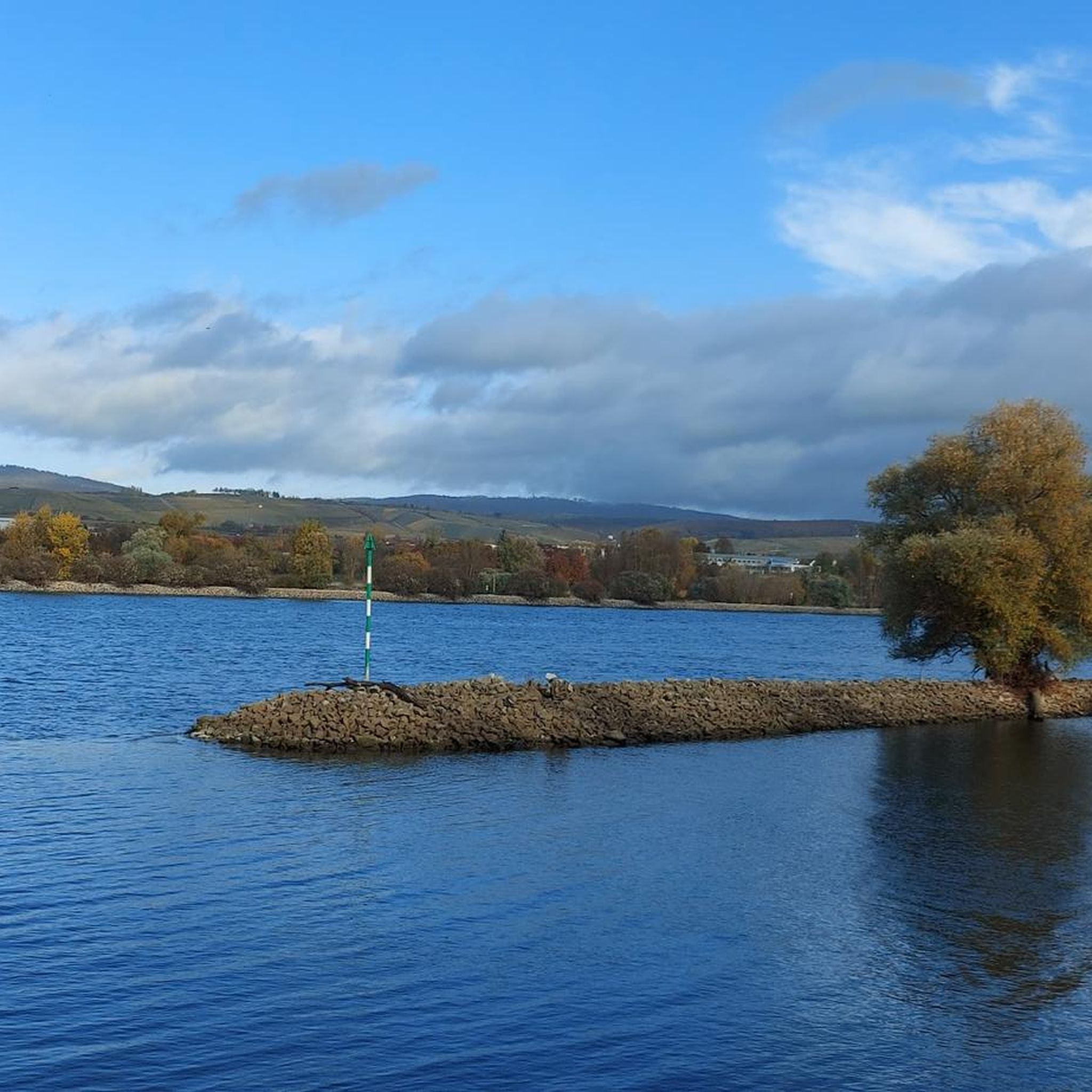
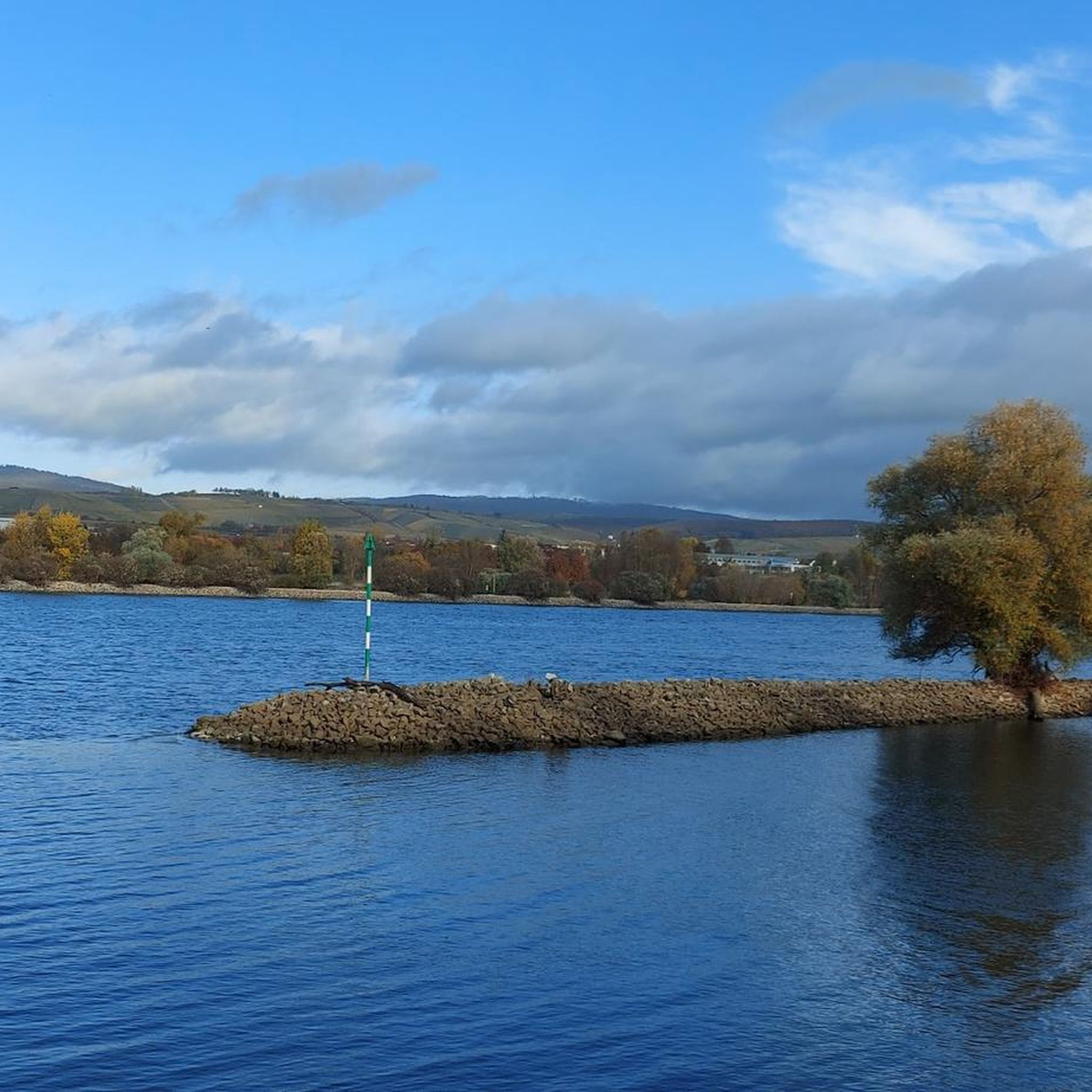
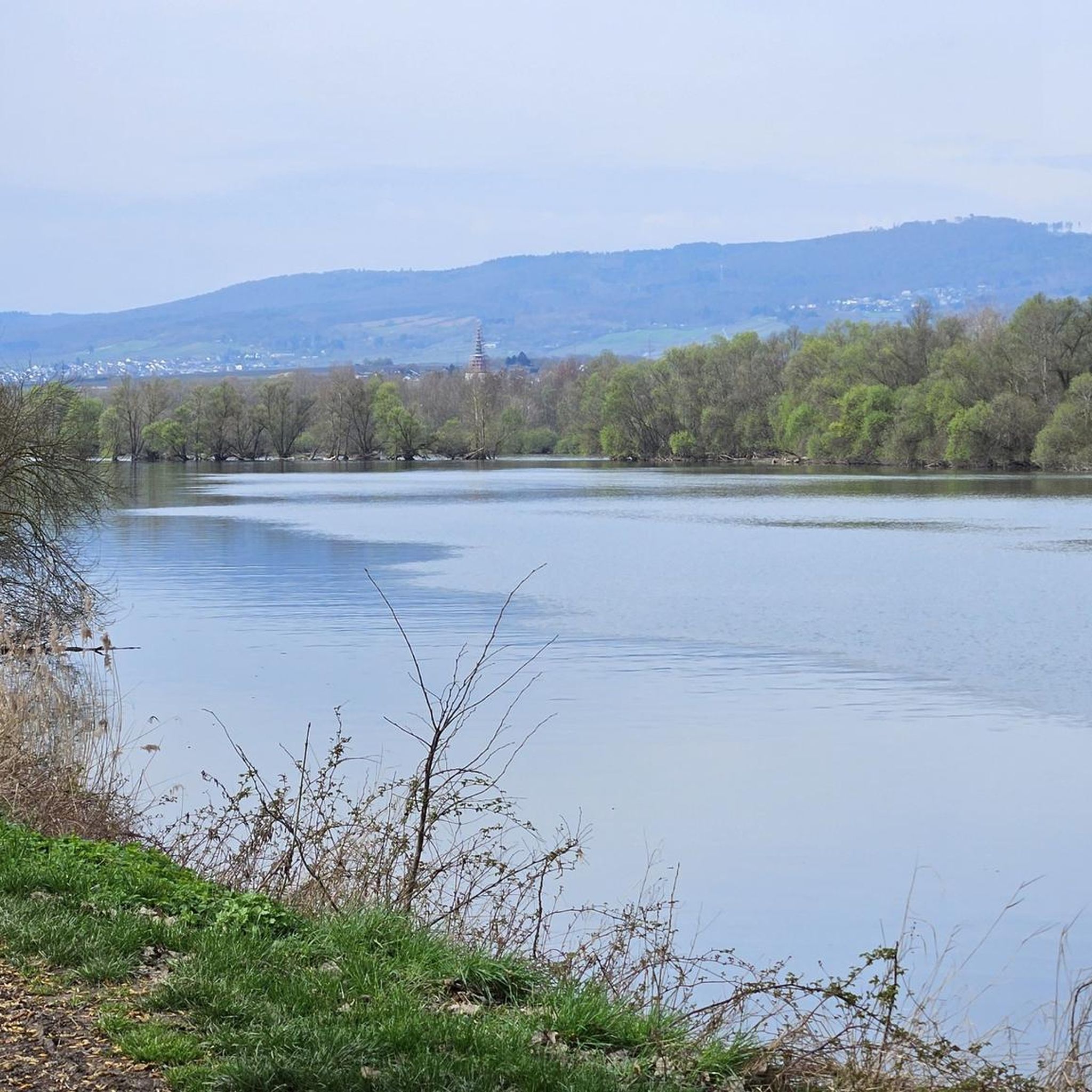
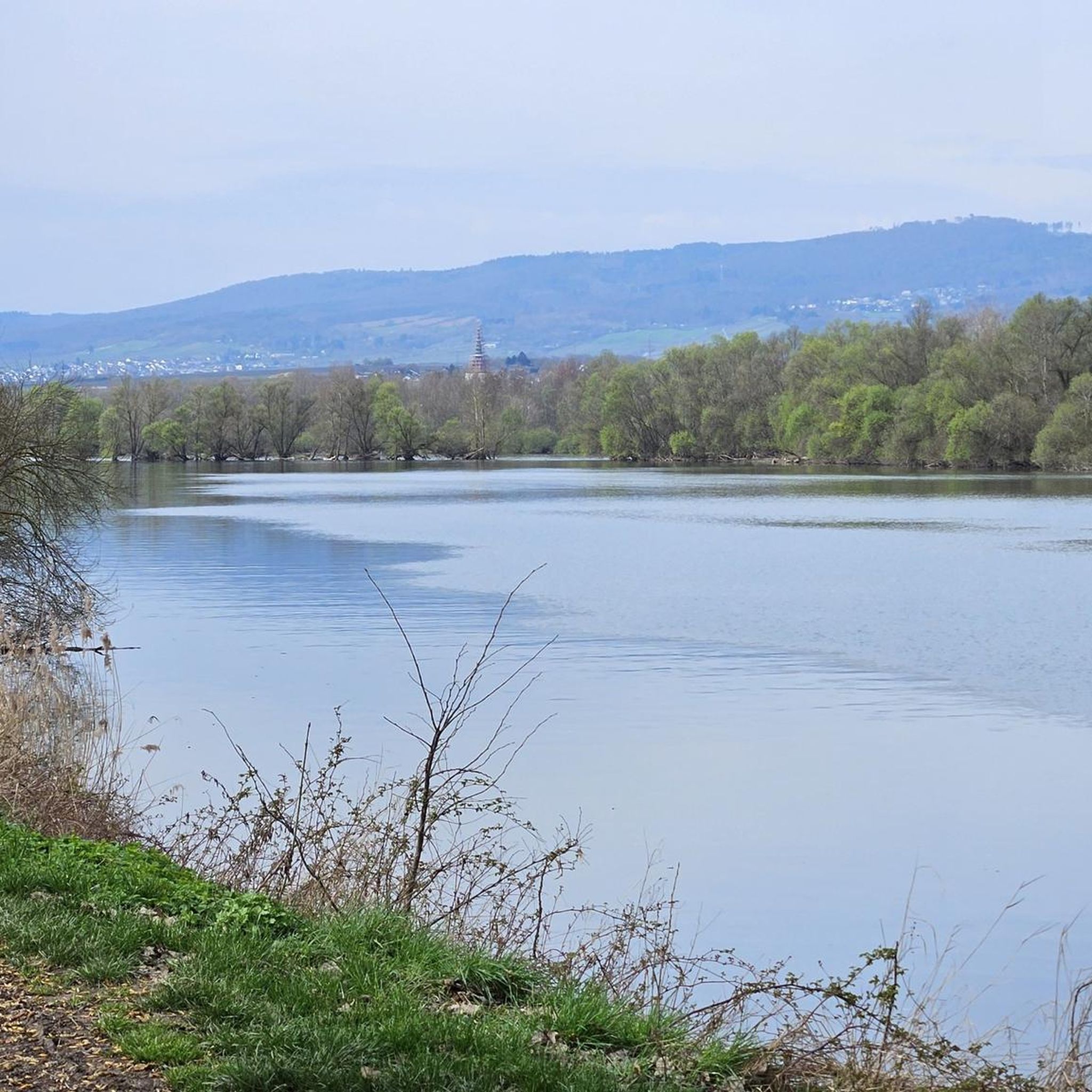
Tips from the Community

The Bingen Mouse Tower (Binger Mäuseturm) is one of the landmarks here in the upper Middle Rhine Valley and, although smaller and easier to overlook, it factually has the same status as Pfalzgrafenstein in Kaub. From the Rheingau side, only a glance is possible, from the Bingen side, you can walk to the island at low water levels in the Rhine. Exciting: Several, partly bloody legends are associated with the Mouse Tower. More info here: https://www.mittelrheinentdecken.de/de/sehenswuerdigkeiten/binger-maeuseturm/
1
0

great plane tree avenue in Mainz
0
0

The Bingen Mouse Tower, together with the opposite Ehrenfels Castle, formerly served as a customs station.
1
0

Beautiful promenade that, depending on the season
0
0

The fortified structure, built in 1887, was the exact counterpart to the now-vanished caponier at Fischtorplatz and is described in the monument inventory as follows: "It was connected to the Rhine riverbank wall by crenellated wall sections on the sides, which allowed passageways for pedestrians and vehicular traffic. The caponier presents itself as a defensively enclosed structure on an almost square ground plan, its massive masonry facing the Rhine only interrupted by small loopholes. Equipped with a crenellated stair tower and a heavy parapet, the structure, despite its comparatively small dimensions, makes a defiant impression and is reminiscent of medieval castles."
0
0
Here you'll find a beautiful avenue.
13
0
In 1951, the Rhineland-Palatinate state parliament convened in the Deutschhaus in Mainz. In 1999, the so-called Abgeordnetenhaus (House of Representatives) was built, which unites the offices of the representatives and the parliamentary group offices. Part of the building is used by the state government. The two complexes are separated by a construction joint that symbolizes the separation of powers between the legislature and the executive. The state parliament is located at Platz der Mainzer Republik 1, the state parliament administration at Diether-von-Isenburg-Straße 1, and the Abgeordnetenhaus at Kaiser-Friedrich-Straße 3. History Edit Since the founding state of Rhineland-Palatinate did not have sufficient administrative buildings in the designated capital Mainz due to war damage and destruction,[1] the constituent session of the Consultative State Assembly took place on November 22, 1946, in the Koblenz Theater, where a draft constitution was drawn up. On May 18, 1947, the constitution for Rhineland-Palatinate was adopted in a referendum by 53 percent of the eligible voters. The constituent session of the first Rhineland-Palatinate state parliament took place on June 4, 1947, in the large town hall of Koblenz. Koblenz was thus the administrative seat of the state government. On May 16, 1950, the state parliament decided to rebuild the Deutschhaus in Mainz and to relocate the state government and the state parliament to Mainz, which took place in 1951. From December 2015 to September 2021, the Deutschhaus was extensively adapted to modern infrastructure, so the interim quarters for the plenary hall were set up in the Steinsaal of the Landesmuseum Mainz, while the state parliament administration moved into the new Isenburg-Karrée.[2] Since May 2020, the state parliament has been meeting in the Rheingoldhalle in Mainz due to the COVID-19 pandemic.[3] On September 8, 2021, the return of the state parliament to the renovated building was celebrated with a ceremony.
15
0

St. Hildegard's Abbey near Rüdesheim am Rhein is a Benedictine convent built between 1900 and 1904, following in the tradition of St. Hildegard of Bingen. It continues her medieval monastic foundations in the region and was revitalized in the 20th century.
0
0
Frequently Asked Questions
How many touring cycling routes are available in Nsg Haderaue-Königsklinger Aue?
There are over 900 touring cycling routes in Nsg Haderaue-Königsklinger Aue, offering a wide variety of options for different skill levels and preferences. Approximately 370 of these are rated as easy, 300 as moderate, and 230 as difficult.
What is the general terrain like for touring cyclists in Nsg Haderaue-Königsklinger Aue?
The region is characterized by a relatively flat to gently rolling landscape, primarily along the Rhine riverbanks. You'll find a mix of open fields, dedicated riverside paths, and areas featuring historic abbeys and towns. Elevation changes are generally moderate, making it suitable for longer, comfortable rides.
Are there easy touring cycling routes suitable for beginners or families?
Yes, Nsg Haderaue-Königsklinger Aue offers numerous easy routes perfect for beginners and families. An excellent option is the Caponniere at Feldbergplatz – Mainz Customs Harbor loop from Budenheim, which is 19.4 km long and features minimal elevation gain, leading through urban and riverside landscapes.
Are there any circular touring cycling routes in Nsg Haderaue-Königsklinger Aue?
Many touring cycling routes in the region are loops, allowing you to start and end at the same point. For example, the Eberbach Abbey – St. Hildegard Abbey loop from Eltville is a popular moderate 44.7 km route connecting historic abbeys with Rhine views.
What can I see along the touring cycling routes in Nsg Haderaue-Königsklinger Aue?
The routes often pass by significant natural and cultural landmarks. You can explore highlights such as the Dammweg Budenheim–Heidenfahrt, enjoy the Scenic bike path along the Rhine, or experience the natural beauty of Königsklinger Aue. The Rhine Riverside Heidenfahrt also offers picturesque views.
What do other touring cyclists enjoy most about the routes here?
The touring cycling routes in Nsg Haderaue-Königsklinger Aue are highly rated by the komoot community, with an average score of 4.5 stars from over 11,000 reviews. Cyclists often praise the scenic river views, the well-maintained paths along the Rhine, and the opportunity to combine cycling with visits to historic sites like abbeys.
Are there any touring cycling routes that offer particularly good viewpoints?
Yes, many routes along the Rhine provide excellent viewpoints. The View of the Inselrhein – Rhine Cycle Path near Geisenheim loop from Eltville is a moderate 40 km path specifically designed to showcase scenic river views, including the unique 'Inselrhein' section.
Are dogs allowed on the touring cycling routes in Nsg Haderaue-Königsklinger Aue?
While specific regulations can vary, many of the riverside paths and open areas in Nsg Haderaue-Königsklinger Aue are generally dog-friendly, especially if your dog is well-behaved and kept on a leash. Always be mindful of other cyclists and pedestrians, and check for any local signage regarding dog access, particularly in nature reserve sections.
What is the best time of year for touring cycling in Nsg Haderaue-Königsklinger Aue?
The spring, summer, and early autumn months (April to October) are generally the most pleasant for touring cycling in Nsg Haderaue-Königsklinger Aue. During these periods, the weather is typically mild, and the landscapes along the Rhine are vibrant. Always check the local weather forecast before heading out.
Are there any longer touring cycling routes for experienced riders?
For more experienced riders looking for longer distances, the region offers several options. The Schierstein Harbour – Rhine riverside promenade in Biebrich loop from Eltville, at 32.1 km, provides a good distance with easy difficulty, allowing for a relaxed longer ride along the river.
Is public transport accessible near the touring cycling routes?
Many towns and cities along the Rhine, such as Eltville and Budenheim, have good public transport connections, including train stations and bus stops. These can often be used to access the start or end points of routes, or to shorten a ride. Check local transport schedules for specific connections and bike carriage policies.
Where can I park my car when going for a touring cycle ride?
Parking is generally available in the towns and villages along the Rhine, such as Eltville, Budenheim, and Geisenheim, which serve as common starting points for many routes. Look for designated public parking areas, often near train stations or town centers. Always check local parking regulations and fees.
Are there any shorter, easy touring cycling routes?
Yes, if you're looking for a shorter, relaxed ride, the Schierstein Harbor Promenade – Schierstein Harbour loop from Eltville is an excellent choice. This easy route is approximately 14.8 km long, perfect for a quick outing along the waterfront.
Most popular routes in Nsg Haderaue-Königsklinger Aue
Most popular attractions in Nsg Haderaue-Königsklinger Aue

Get inspired with the komoot mobile app


Explore more
Browse the best Cycling routes in other regions.
